
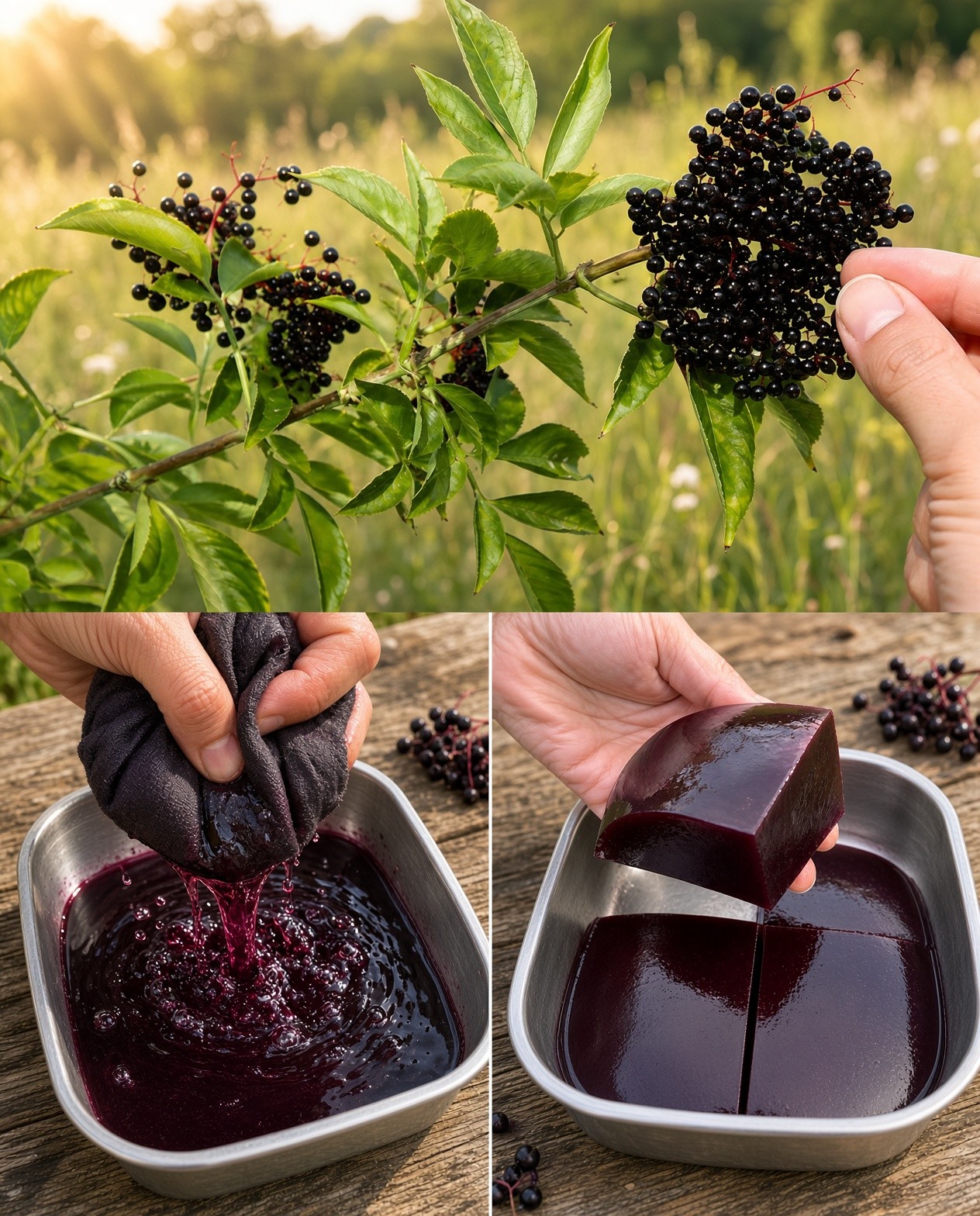
Elderberry flowers and properly prepared berries have been valued in traditional food and herbal practices for generations. This guide explores the fifteen benefits described in the supplied source while keeping the most important message in view: correct identification and safe preparation come first.
Why Elderberry Has Been Valued for Generations
Elderberry has a long history in traditional food and herbal practices, and both its fragrant flowers and properly prepared berries have attracted attention for different reasons. The source article focuses on edible elderberry forms and describes a range of traditional wellness uses, from soothing drinks to berry-based preparations. The important starting point is identification: not every plant called an elder is equally suitable for eating, so correct botanical identification matters before any harvest or homemade remedy is considered.
A Note on Edible Elderberry Species
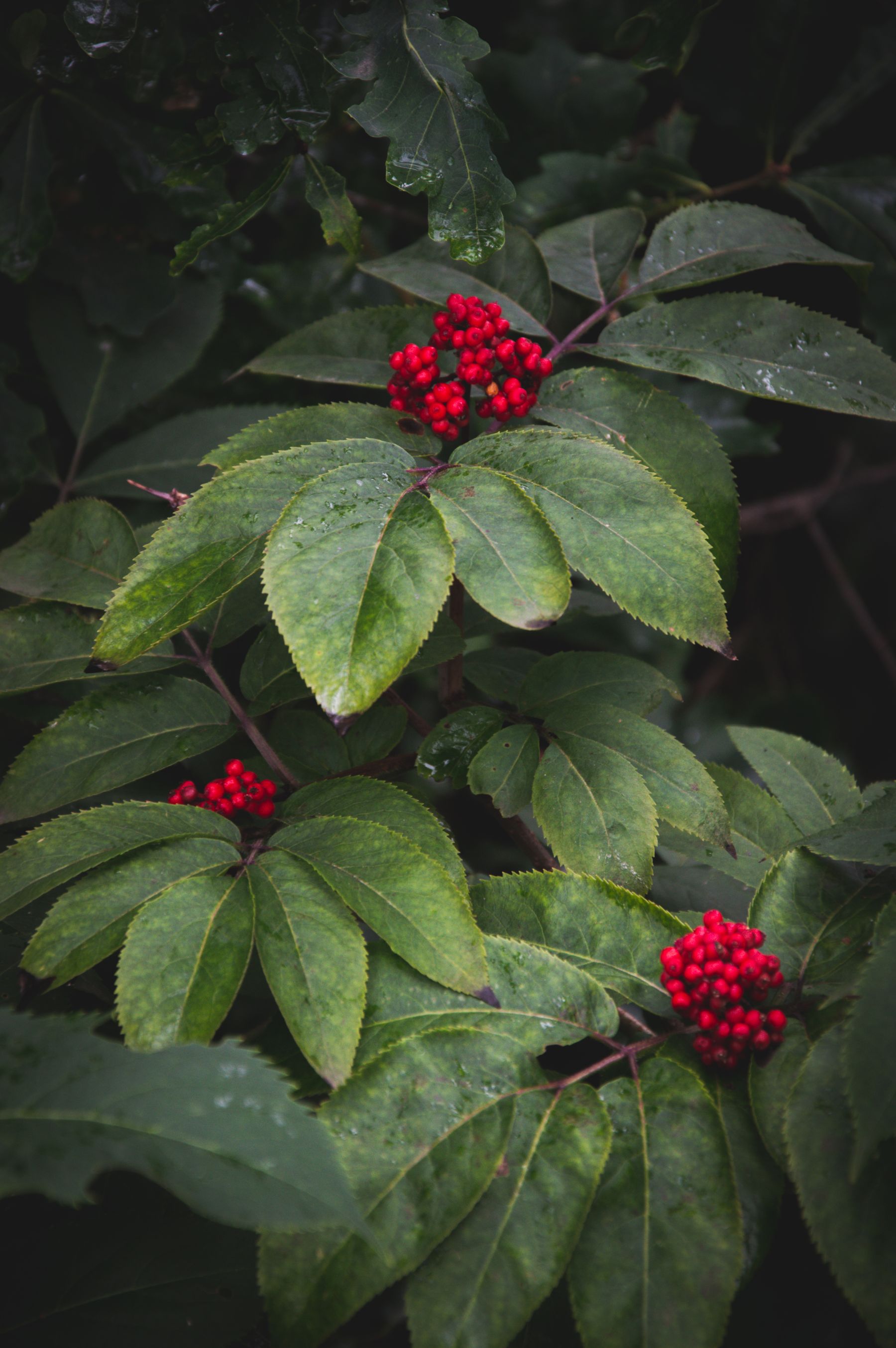
The source specifically highlights Sambucus nigra, Sambucus canadensis, and Sambucus cerulea as species that can provide edible flowers and berries when handled correctly. It also warns that other species should not simply be substituted. In particular, the article names Sambucus racemosa, or red elderberry, and Sambucus ebulus, or dwarf elder, as unsafe choices. Because elder species can look similar, identification should come before harvesting.
1. Traditional Immune Support
Elderberries are commonly used in syrups and other preparations associated with seasonal wellness. The source describes elderberry syrup as a traditional way to use the fruit for immune support. It is best to treat this as a traditional-use claim rather than a promise that elderberry can prevent or cure illness. A food or herbal preparation should complement, not replace, appropriate medical care.
2. Elderflower for Respiratory Comfort
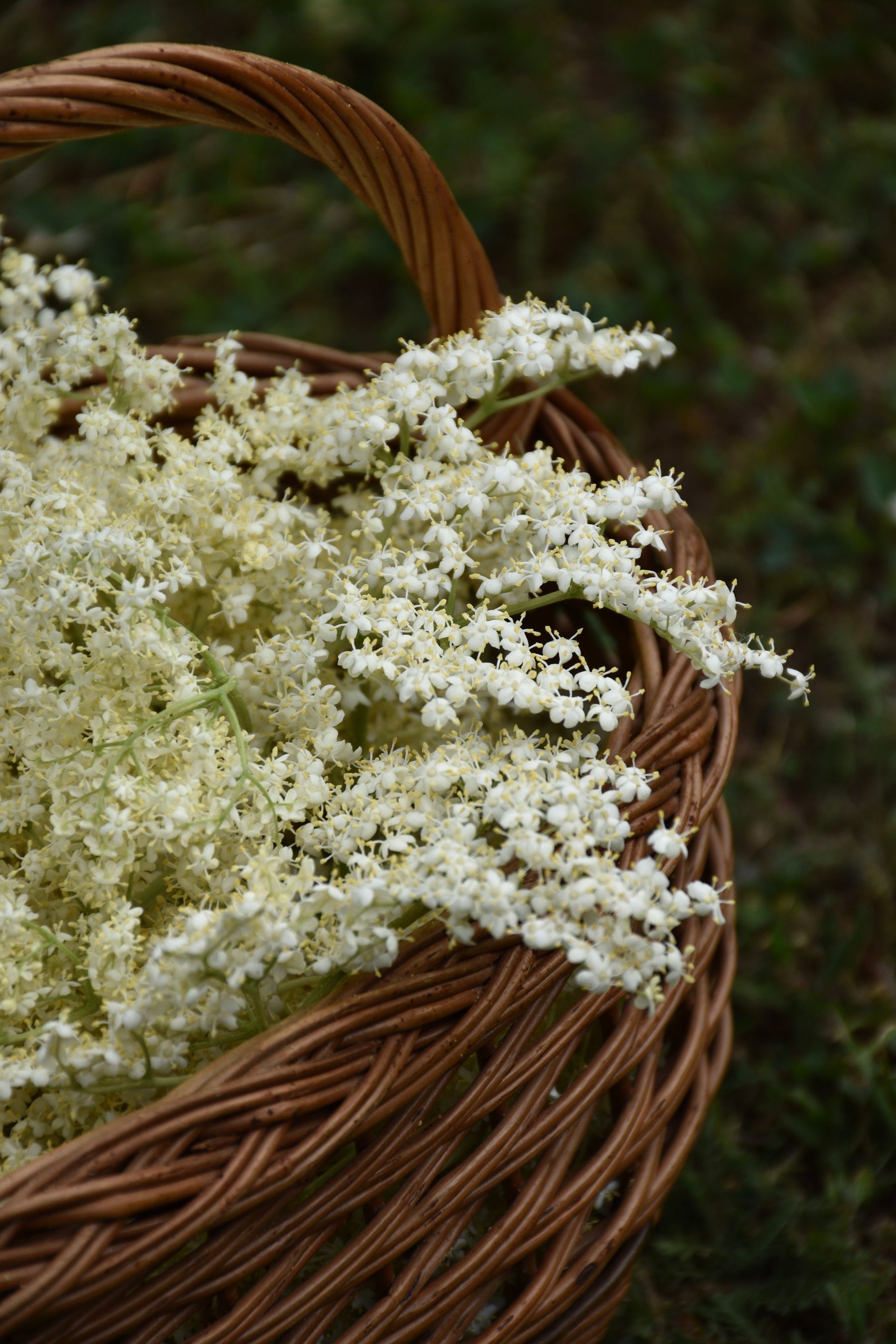
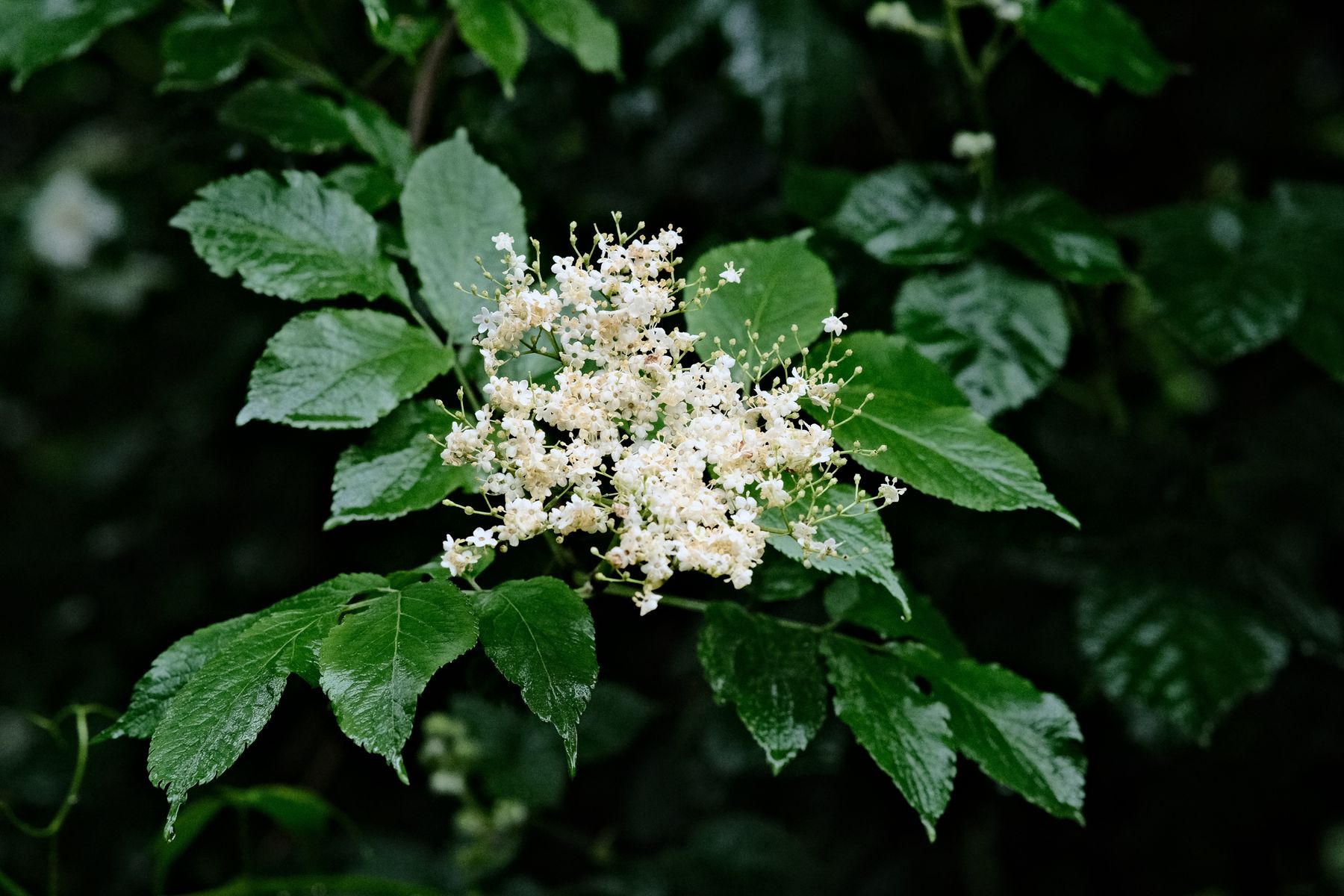
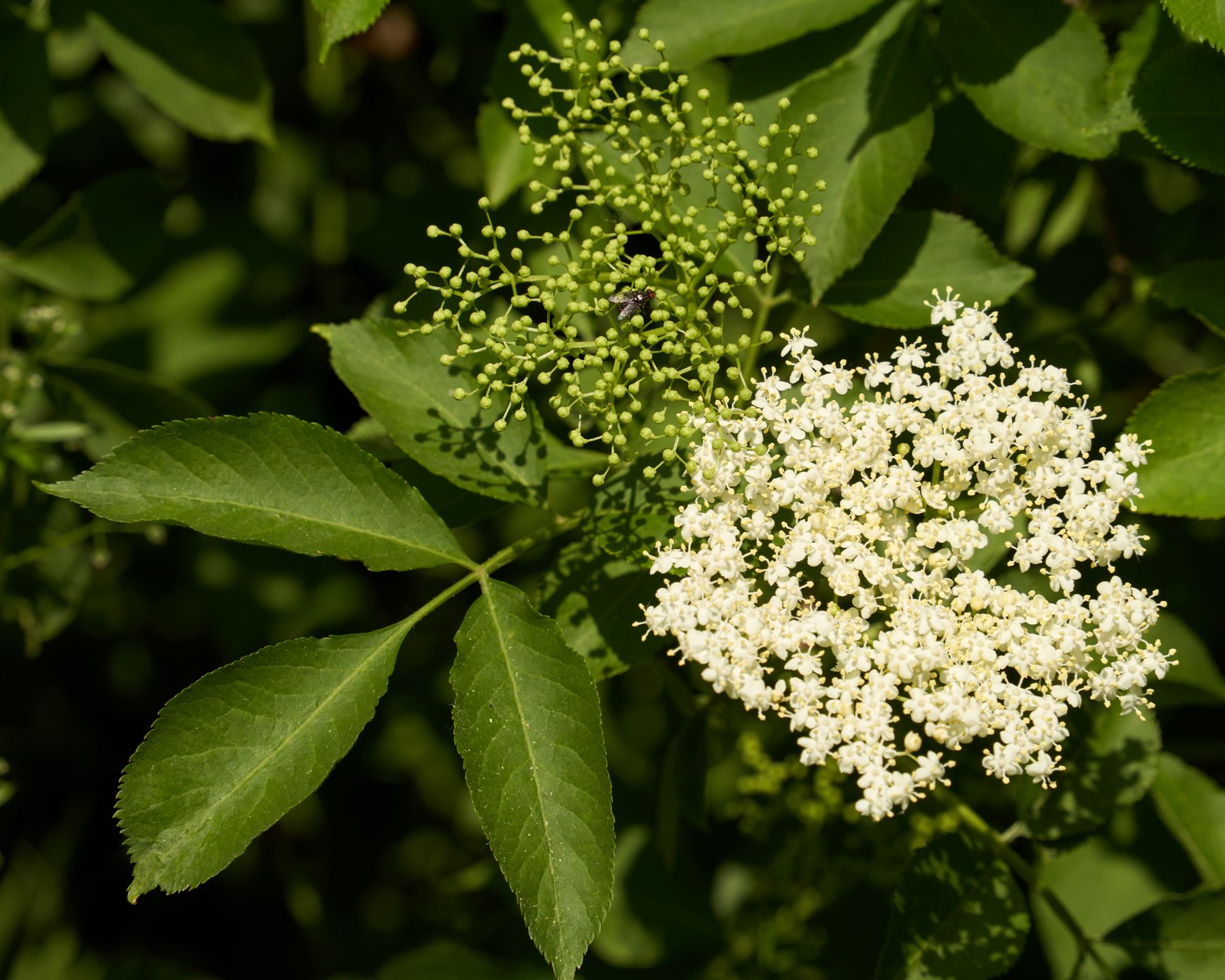
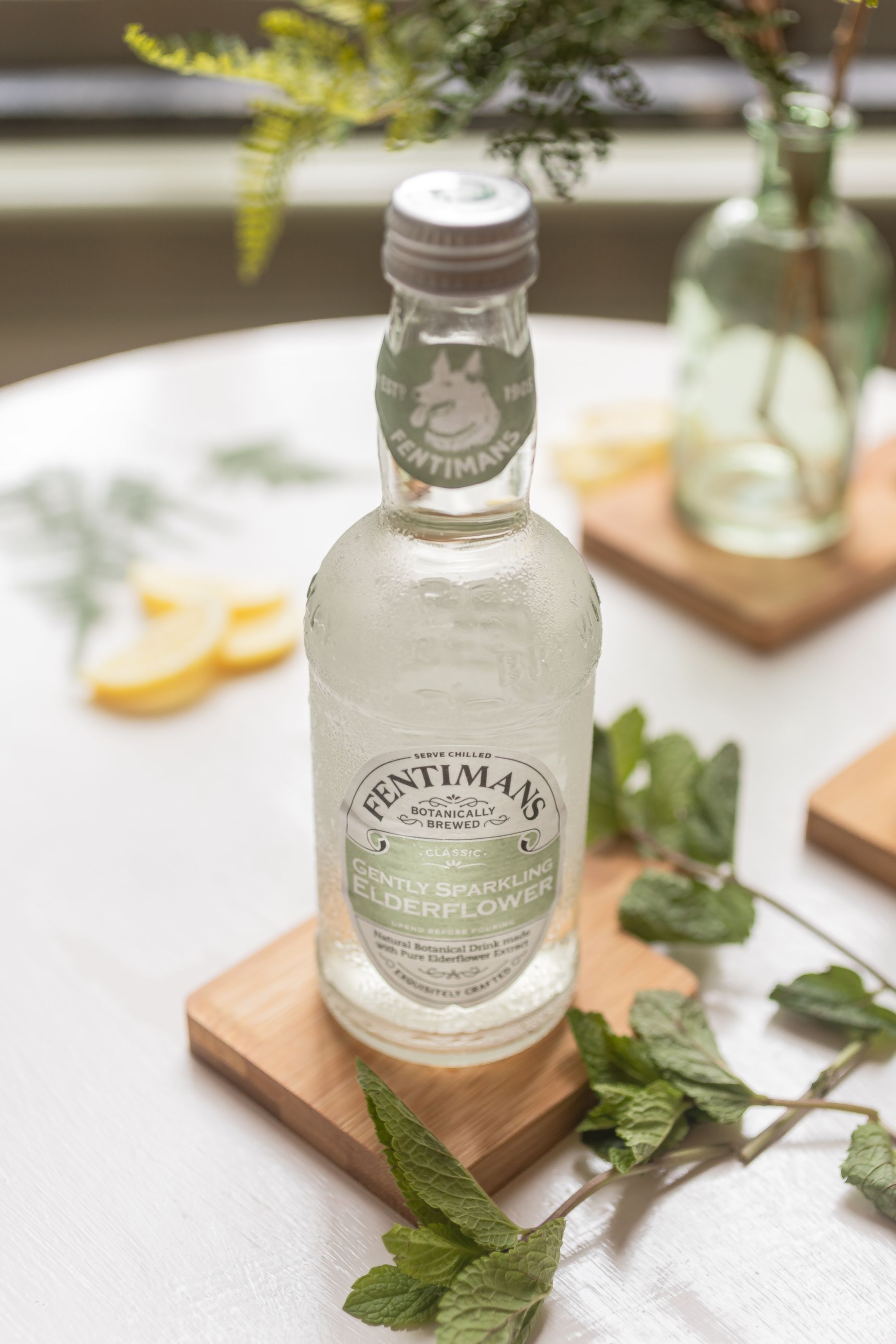
The source also points to elderflower tea and elderberry syrup as traditional preparations for cough and congestion. Warm herbal drinks can be comforting, while elderflower is valued in traditional herbal practice for its soothing character. Persistent, severe, or unusual respiratory symptoms deserve medical attention rather than relying on a homemade infusion alone.
3. Seasonal Cold and Flu Traditions
Elderberry products are often associated with the cold and flu season. The original article says they may reduce the severity or duration of colds and mentions tinctures and gummies among possible preparations. Evidence for specific health outcomes varies, so it is more responsible to describe these as traditional or researched uses rather than guaranteed effects. Preparation, dose, interactions, and individual circumstances can all matter.
4. Antioxidant-Rich Berries
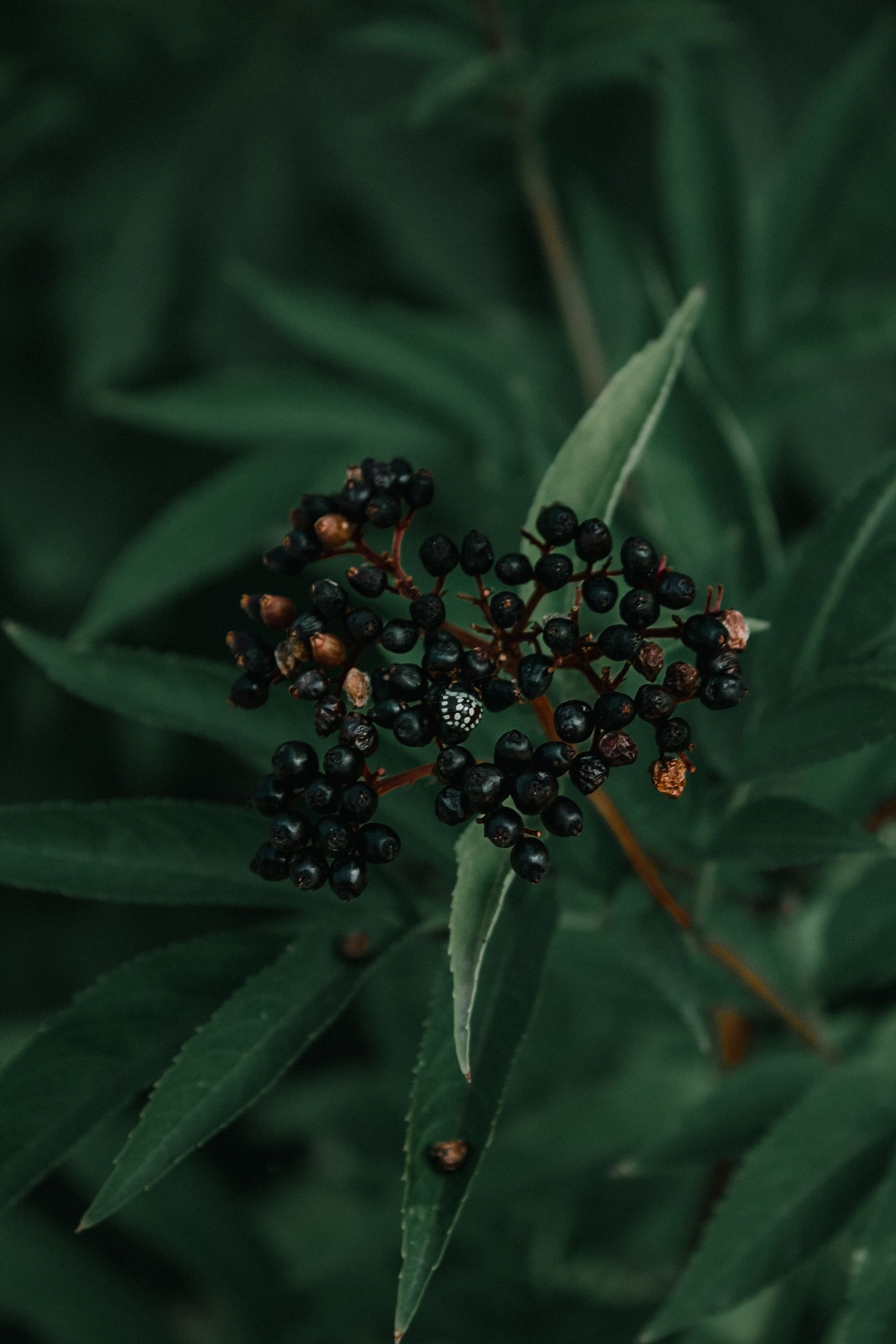
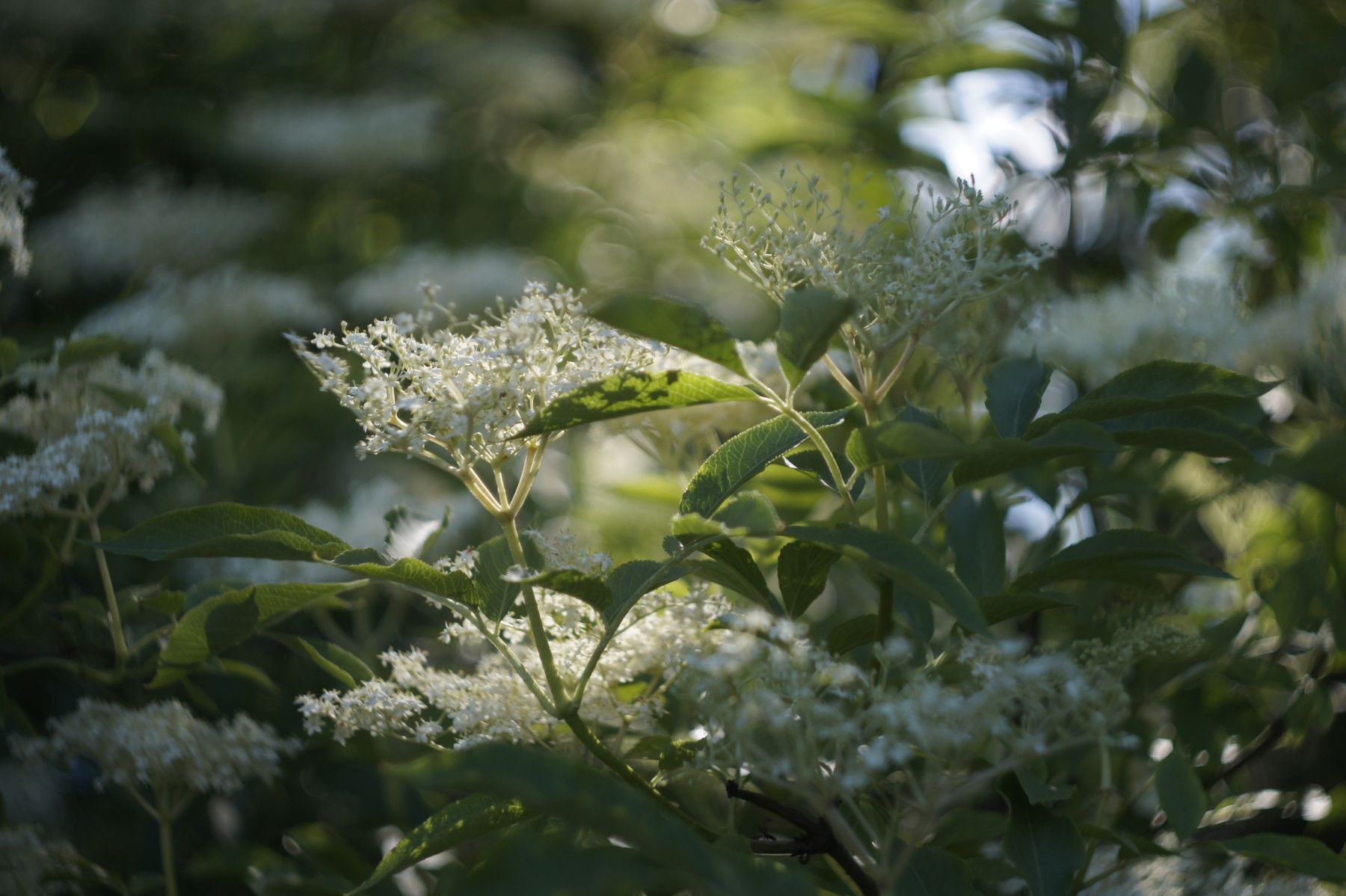
One of the most appealing qualities of dark elderberries is their rich plant-pigment content. The source describes them as antioxidant-rich and connects this with protection from oxidative damage. In everyday food terms, cooked elderberries can be incorporated into preparations such as sauces, compotes, or other recipes, provided they are correctly identified and properly cooked.
5. Traditional Anti-Inflammatory Use
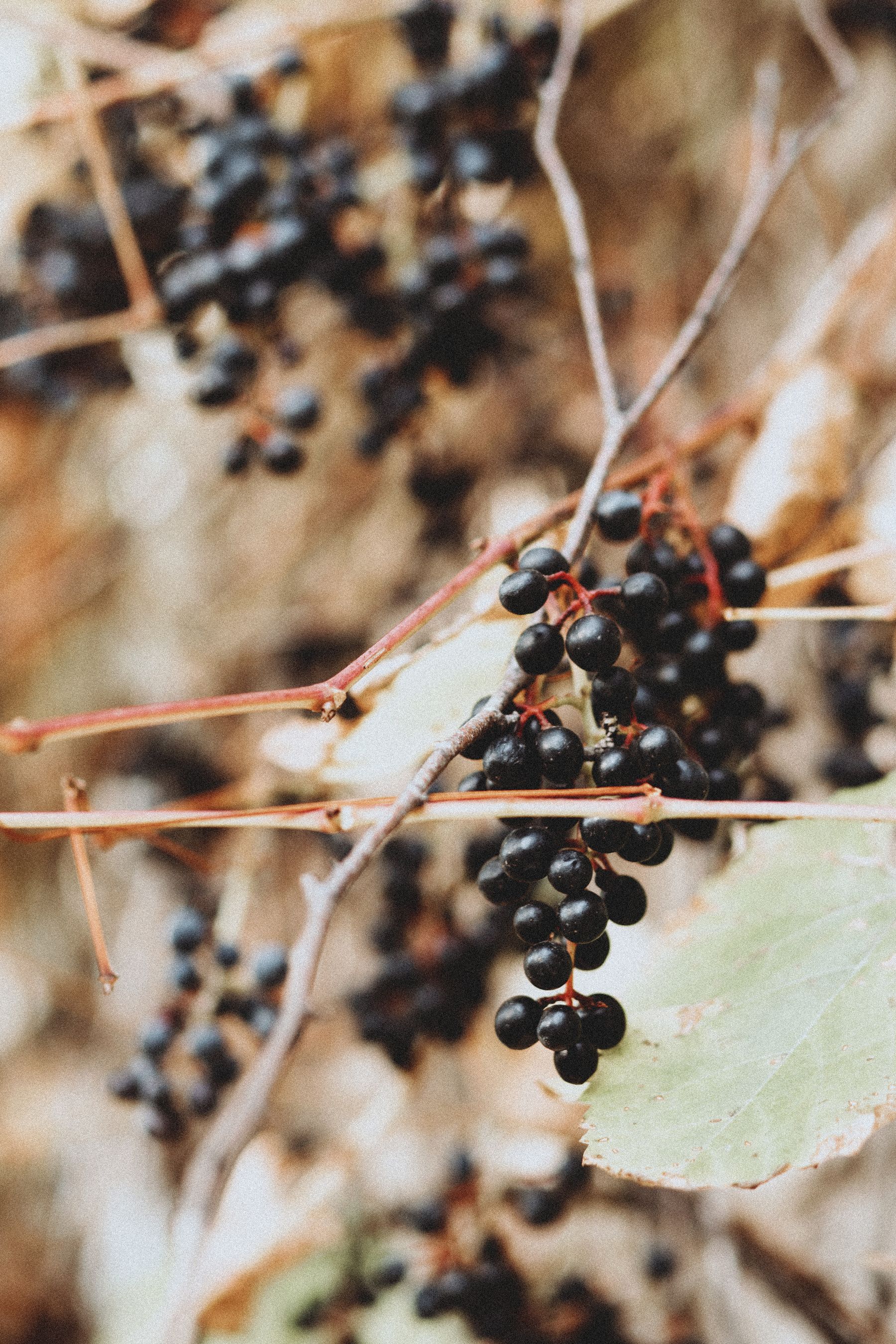
The source lists anti-inflammatory effects among the traditional benefits associated with elderflower and suggests an infused elderflower tea. This should not be interpreted as a substitute for treatment of an inflammatory disease. Instead, think of elderflower tea as a traditional beverage whose potential wellness role is still distinct from a clinically established therapy.
6. Gentle Digestive Support
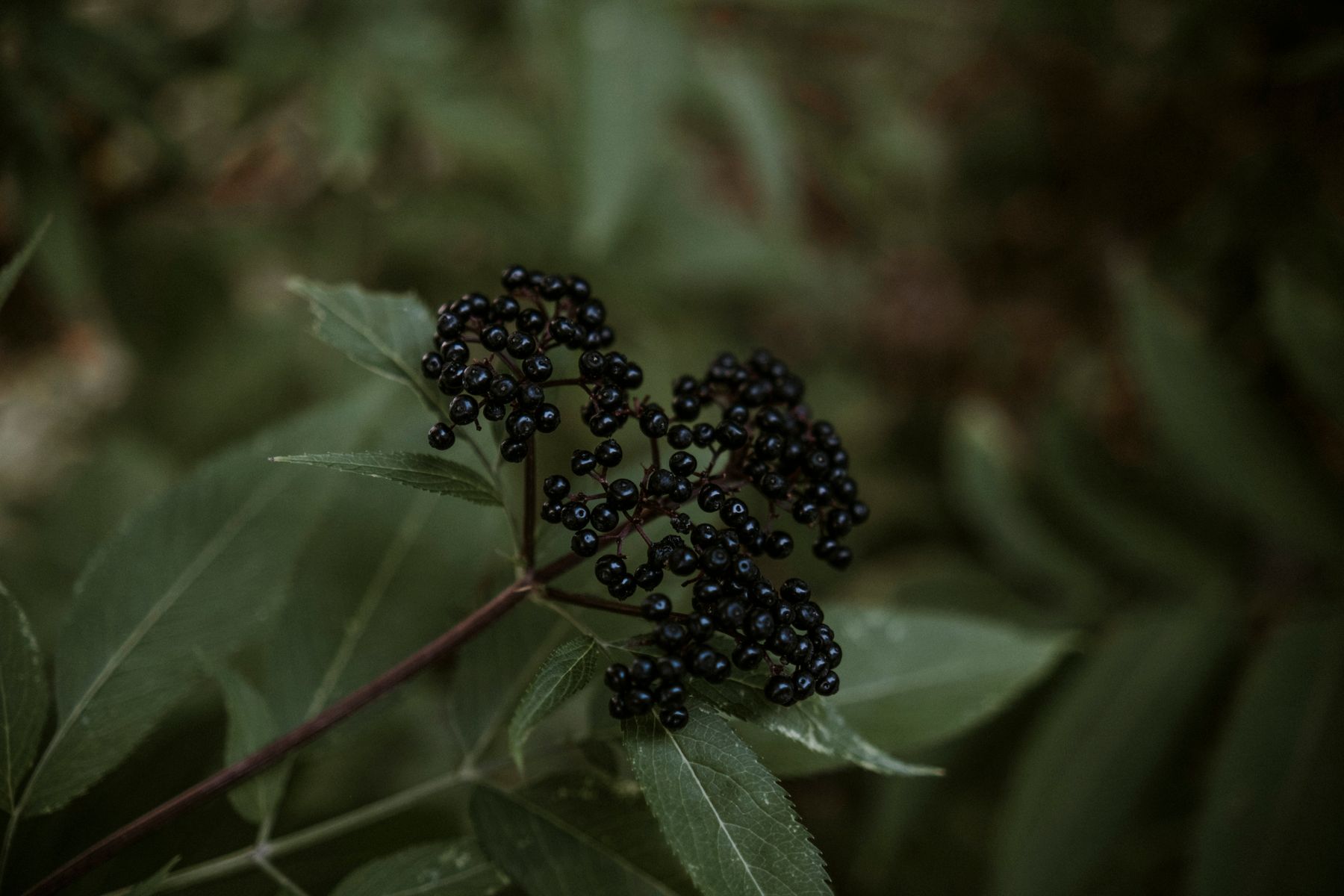
A light elderflower tea is also presented as a traditional after-meal drink for digestive comfort. Herbal teas can be part of a calming routine, but recurring abdominal pain, vomiting, unexplained weight loss, bleeding, or persistent digestive problems need professional evaluation. Elderflower should not be used to mask symptoms that require diagnosis.
7. Traditional Fever-Relief Preparations
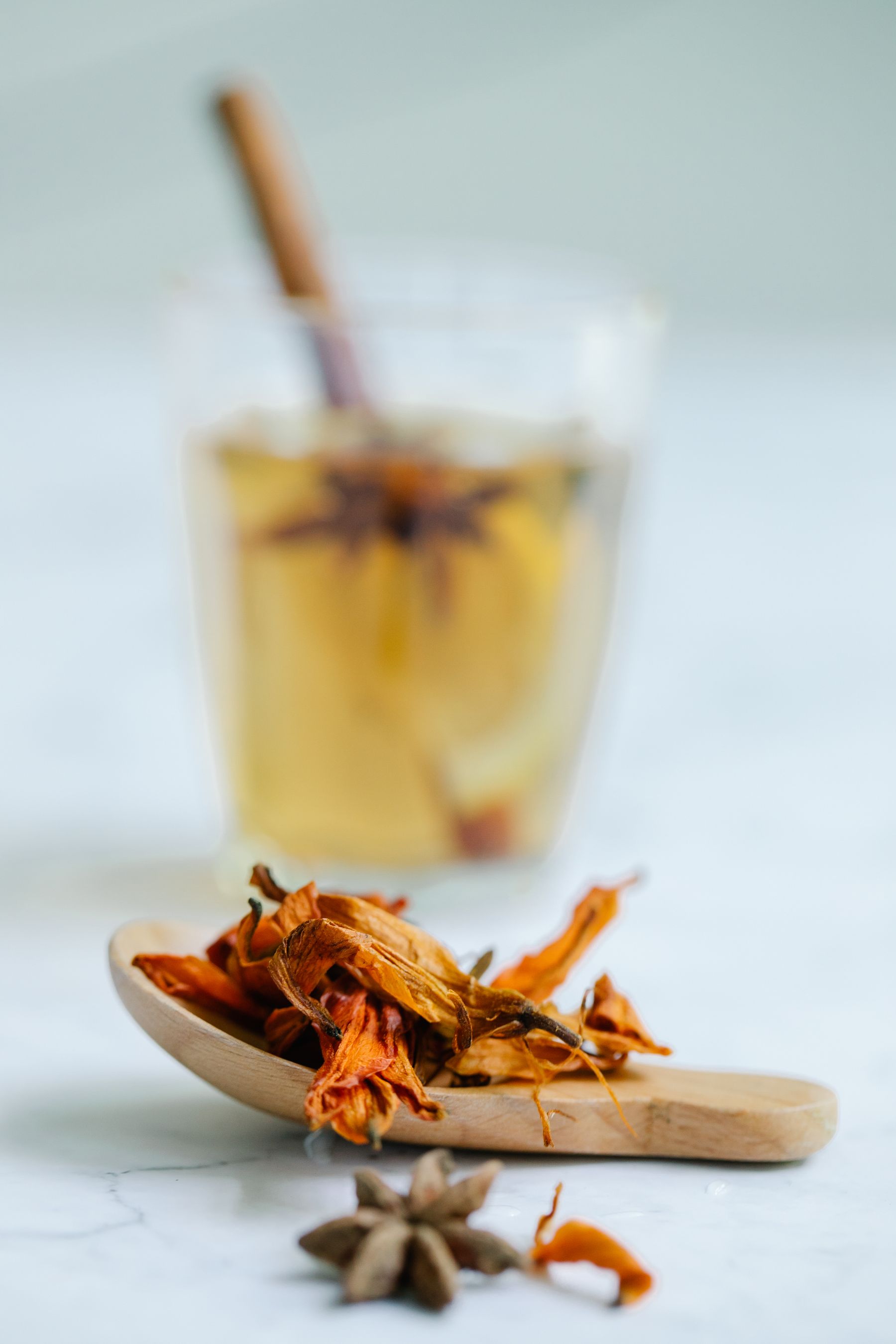
Historically, elderflower infusions have been used in traditional herbal practice when people felt feverish. The source lists fever reduction among its benefits and suggests an elderflower infusion. However, fever can have many causes, and treating the underlying problem is more important than relying on a home remedy. High or persistent fever, especially with concerning symptoms, warrants medical advice.
8. Skin-Care Traditions
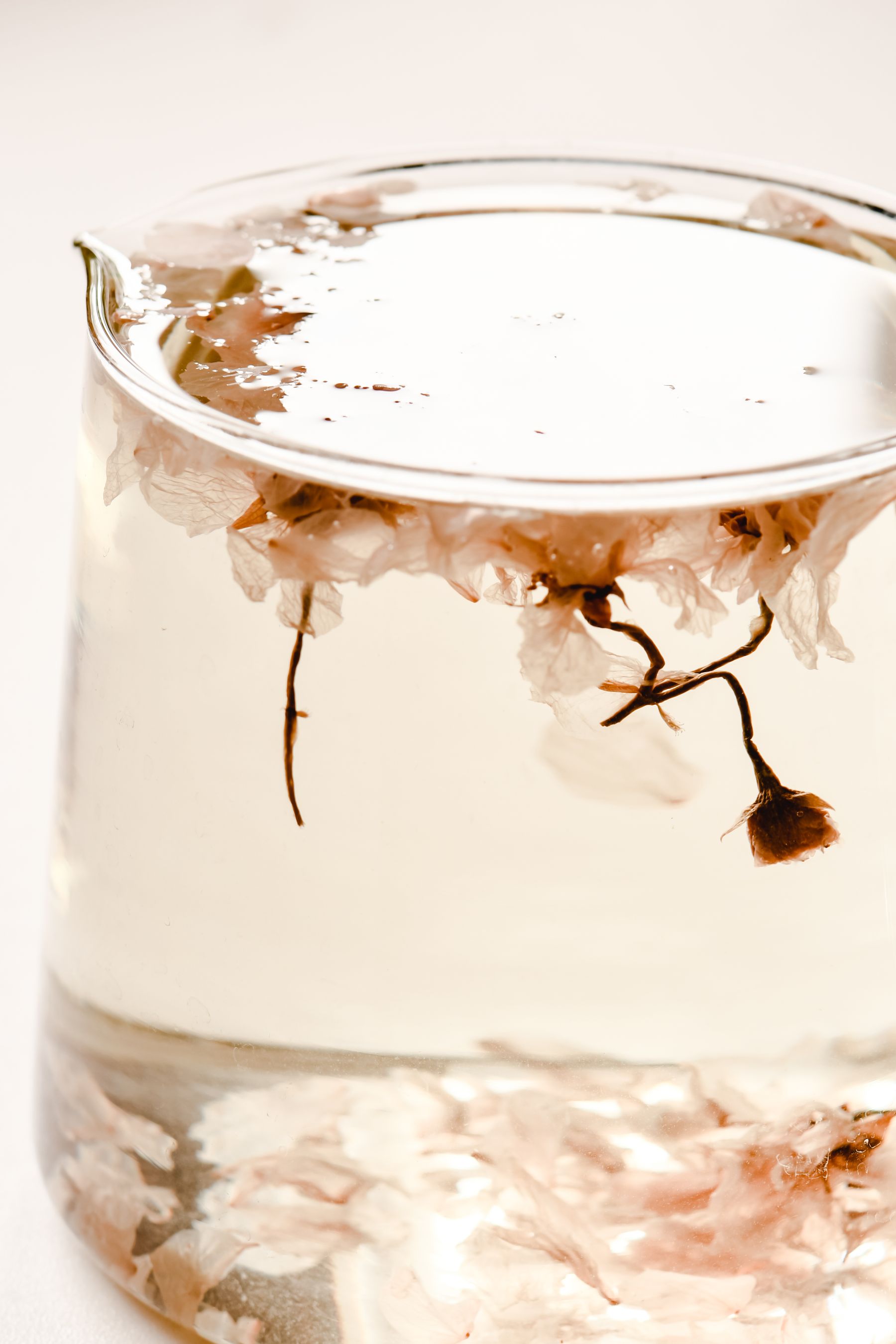
The source describes cooled elderflower tea as a possible skin rinse for irritated skin. This reflects a traditional topical use rather than a guaranteed treatment for a skin condition. If a homemade preparation is used externally, keep it clean and stop if irritation develops. Broken skin, infection, severe inflammation, or a spreading rash should be assessed by a healthcare professional.
9. Urinary-Tract Wellness
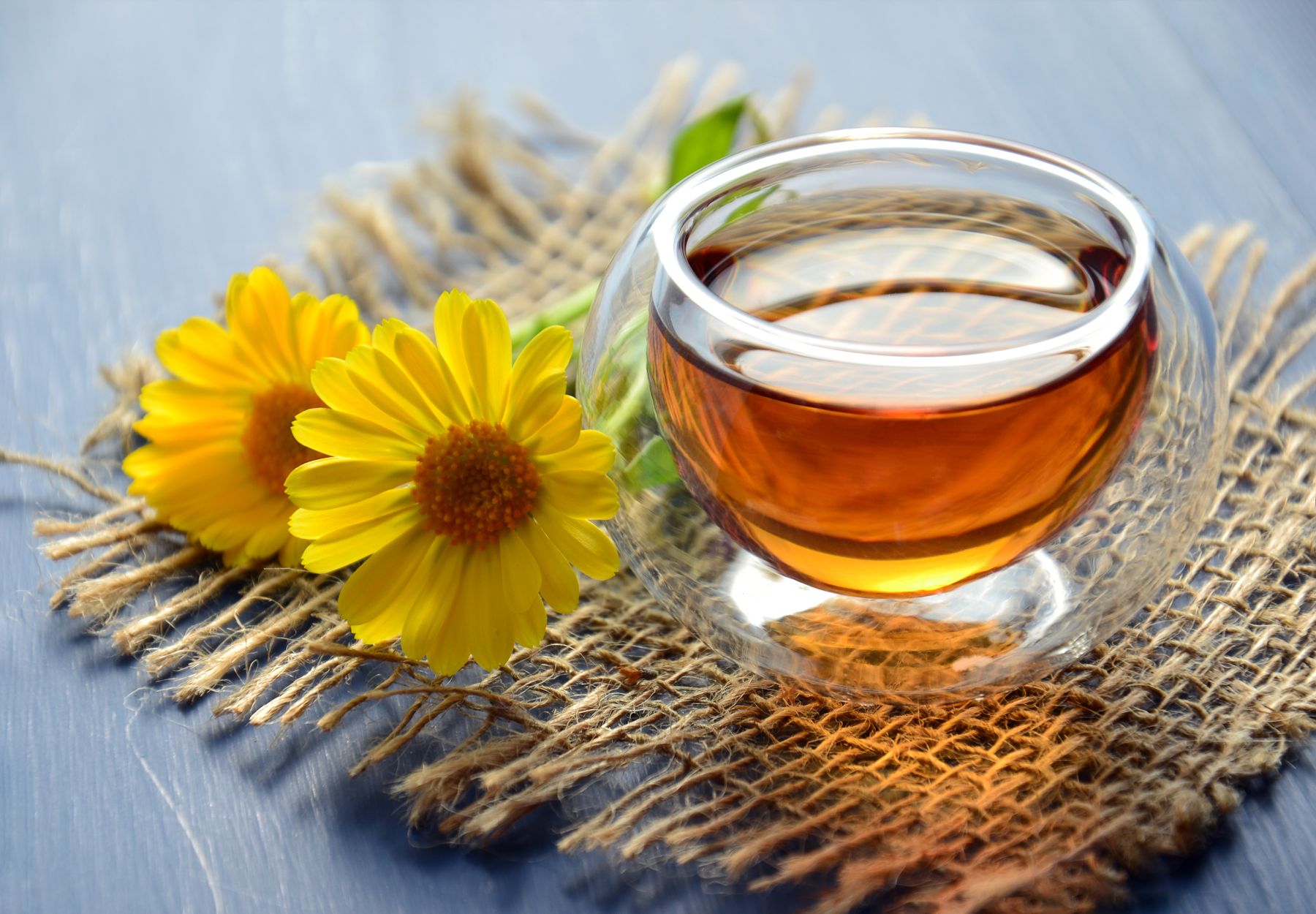
Elderflower tea is also mentioned in the source in connection with urinary-tract support. This is another area where traditional wellness language should not be confused with treatment. Symptoms such as burning urination, blood in the urine, fever, flank pain, or recurrent urinary problems can signal an infection or another condition that needs medical evaluation.
10. Seasonal Allergy Traditions
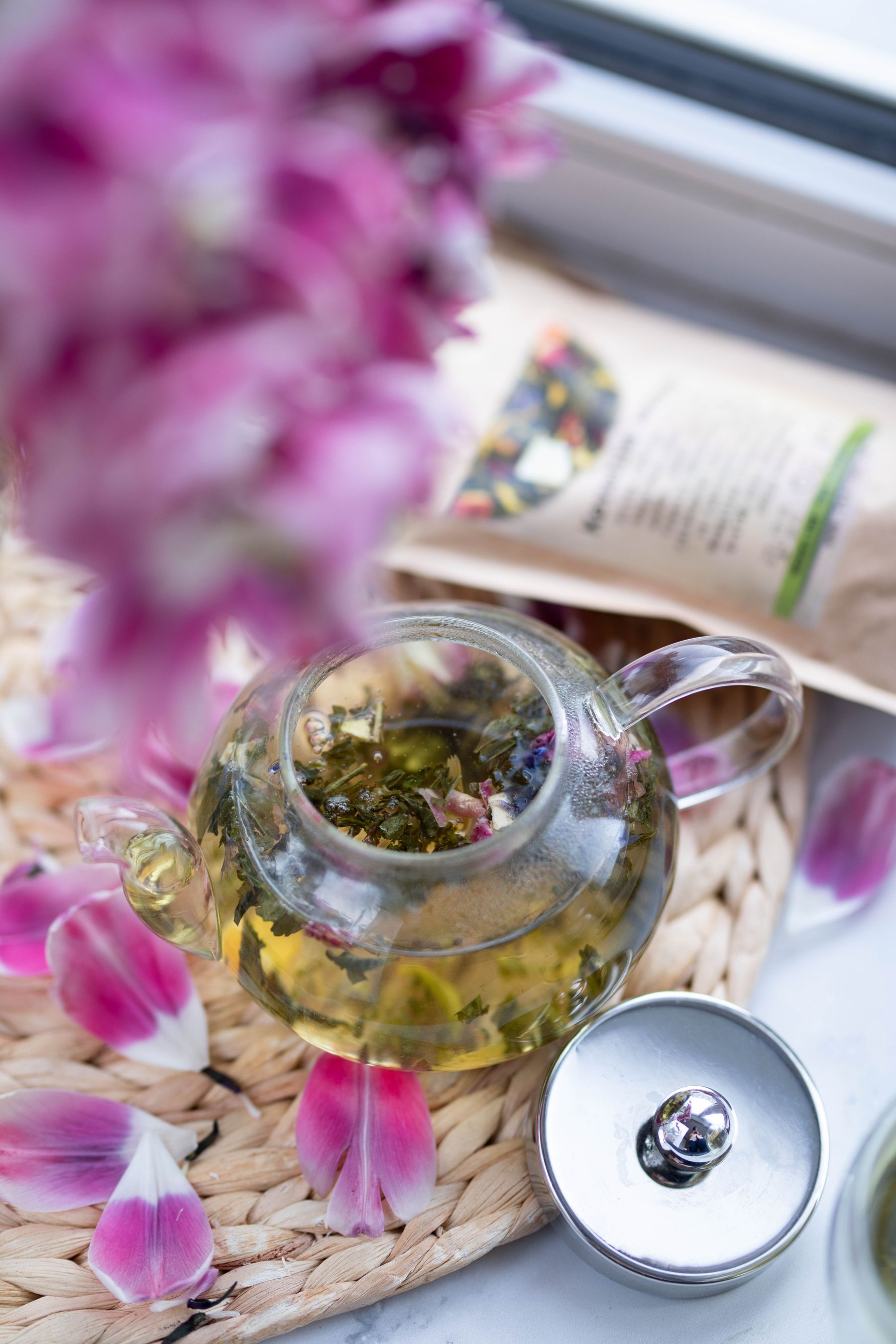
The source suggests that regular elderflower tea may help with mild seasonal allergies. For anyone trying a traditional herbal drink, the safest approach is to regard it as optional comfort rather than a replacement for proven allergy management. Breathing difficulty, facial swelling, or a rapidly worsening allergic reaction requires urgent medical attention.
11. Heart and Circulation Claims
Cooked elderberry jam is listed in the source as a food associated with heart health and healthy circulation. Elderberries can certainly be incorporated into foods, but eating a berry preparation should not be presented as a treatment for cardiovascular disease. A balanced diet, appropriate activity, and medical guidance remain much more important for heart health.
12. Mood and General Wellness
The original article connects the antioxidant content of elderberries with mood support and mentions elderberry supplements. That is a broad wellness claim, and it should be treated cautiously. Food can contribute to an overall nutritious diet, but persistent low mood, anxiety, sleep disruption, or other significant symptoms deserve proper support rather than being attributed to a single plant.
13. Minerals and Bone Wellness
The source also mentions minerals in elderberries and associates them with bone strength. Elderberries can be part of a varied diet, but bone health depends on many factors, including adequate nutrients, physical activity, hormones, age, and overall health. A berry-based food is best viewed as one small part of a broader eating pattern.
14. Natural Detoxification and Eye Health
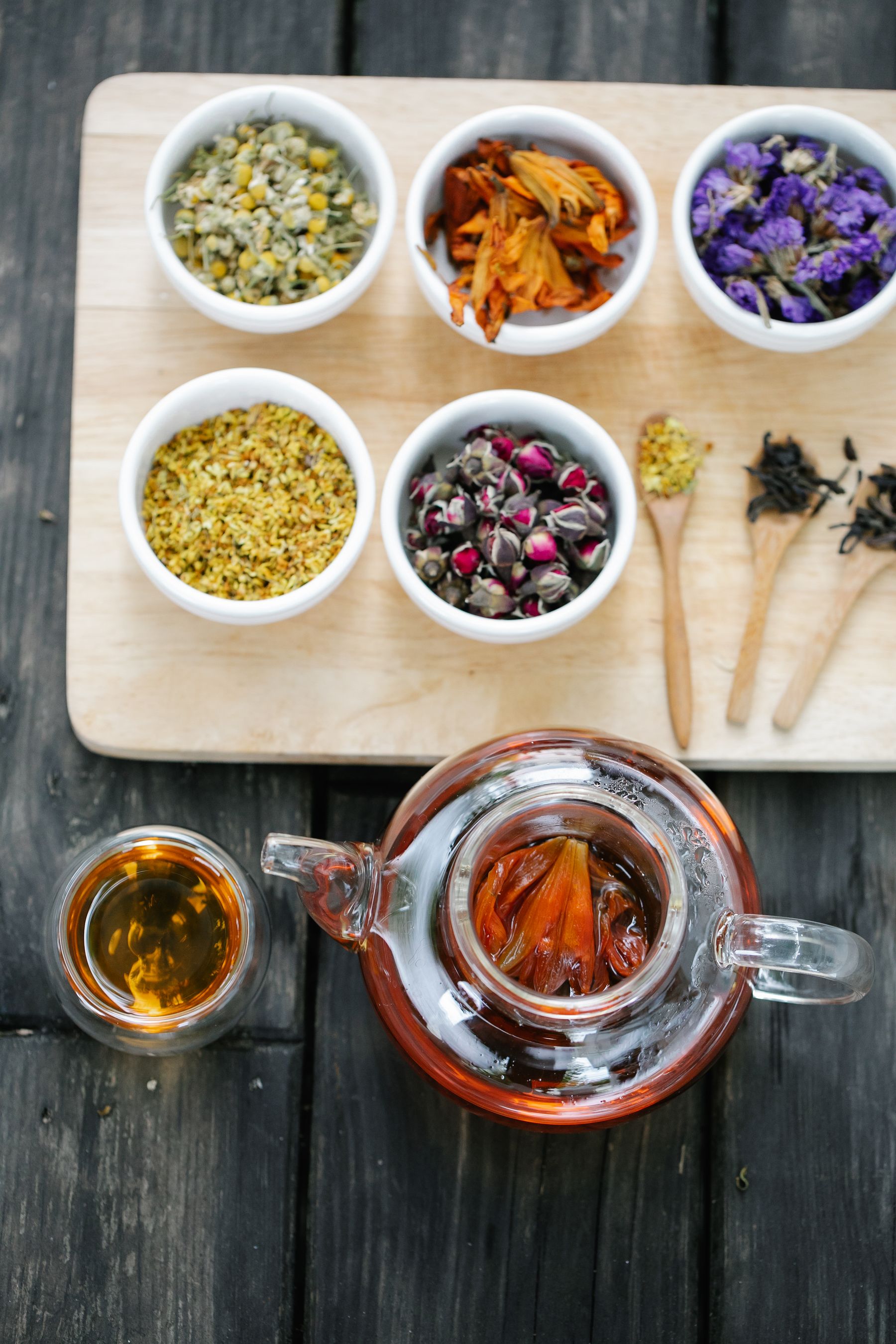
Two additional benefits in the source are natural detoxification and eye health. Elderflower water is suggested for gentle cleansing, while elderberry-based teas or syrups are mentioned for vision-related nutritional support. The body already has organs that handle normal waste removal, and eye conditions should never be self-treated with elderberry products. These claims are best understood as traditional wellness framing rather than established medical treatment.

15. The Importance of Proper Preparation
One of the most important practical points is preparation. The source warns against eating raw elderberries and other potentially unsafe plant parts such as leaves, stems, and unripe berries. It specifically advises cooking edible elderberries before consumption. Homemade preparations should begin only with confidently identified, ripe fruit from a suitable elderberry species. When in doubt about identification or preparation, do not eat the plant.
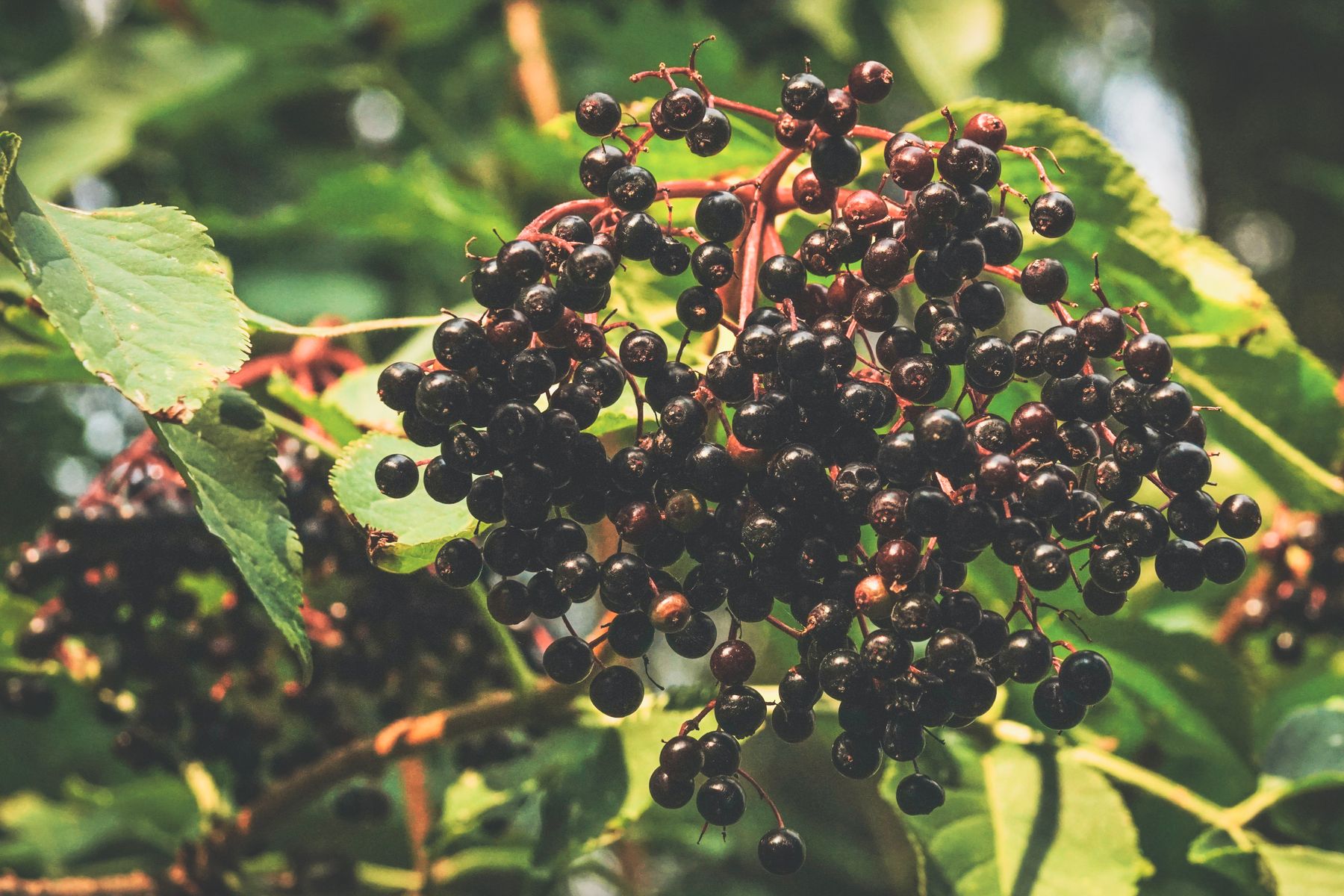
Know the Elderberry Species You Are Handling
The warning deserves special emphasis because the source specifically names red elderberry, Sambucus racemosa, and dwarf elder, Sambucus ebulus, as unsafe. A photo alone should not be treated as enough evidence for plant identification. The red-berry photograph below is included to illustrate why color and appearance can differ among elder plants, not as a recommendation to eat the fruit.
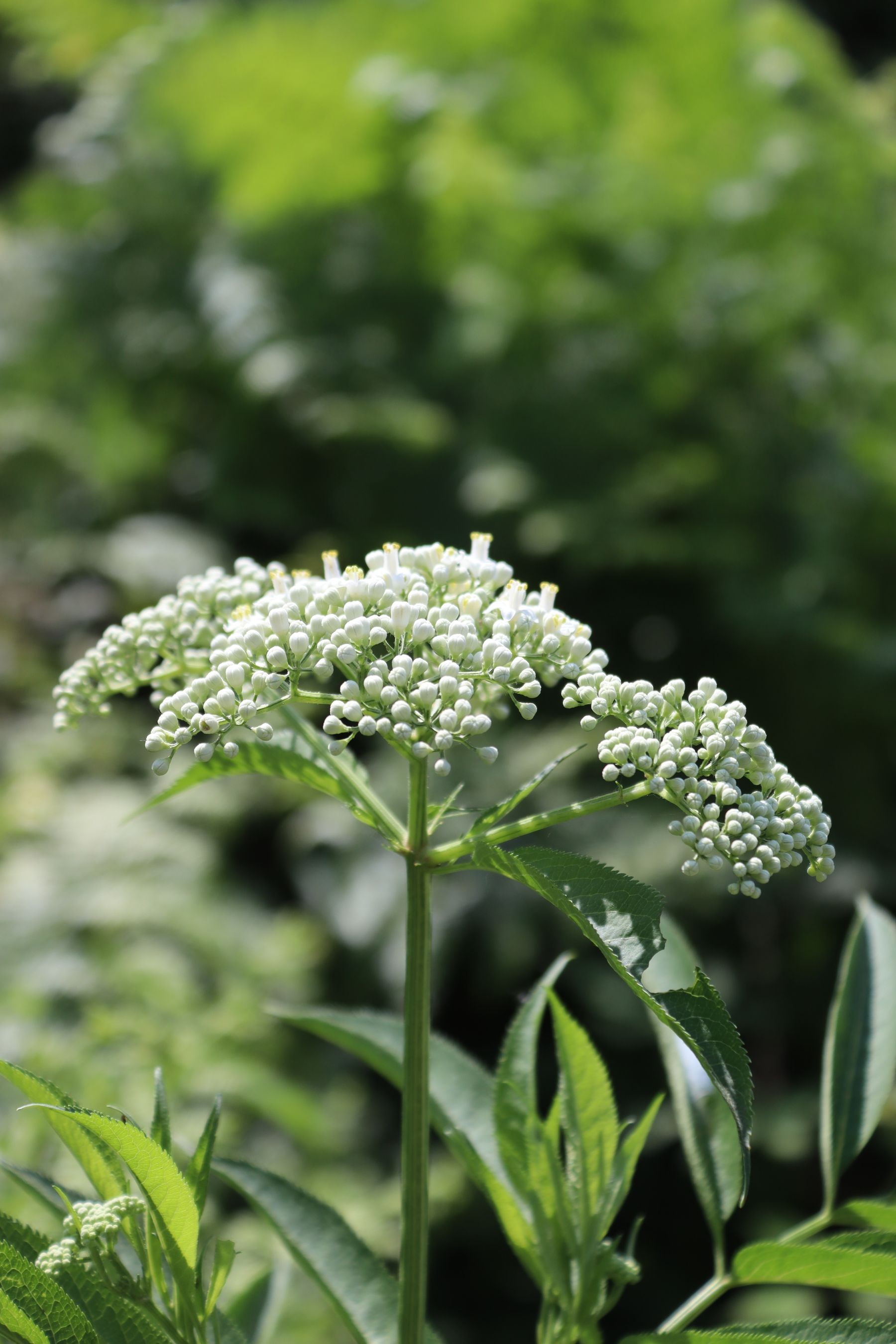
Final Thoughts
Elderflowers and cooked elderberries have an interesting place in traditional food and herbal practice, but the plant deserves respect as much as enthusiasm. The source presents fifteen possible benefits, ranging from seasonal wellness and digestive comfort to antioxidant nutrition and traditional topical uses. The safest takeaway is simple: identify the plant correctly, prepare edible berries properly, avoid unsafe parts and species, and treat herbal claims as complementary information rather than a substitute for professional medical care.
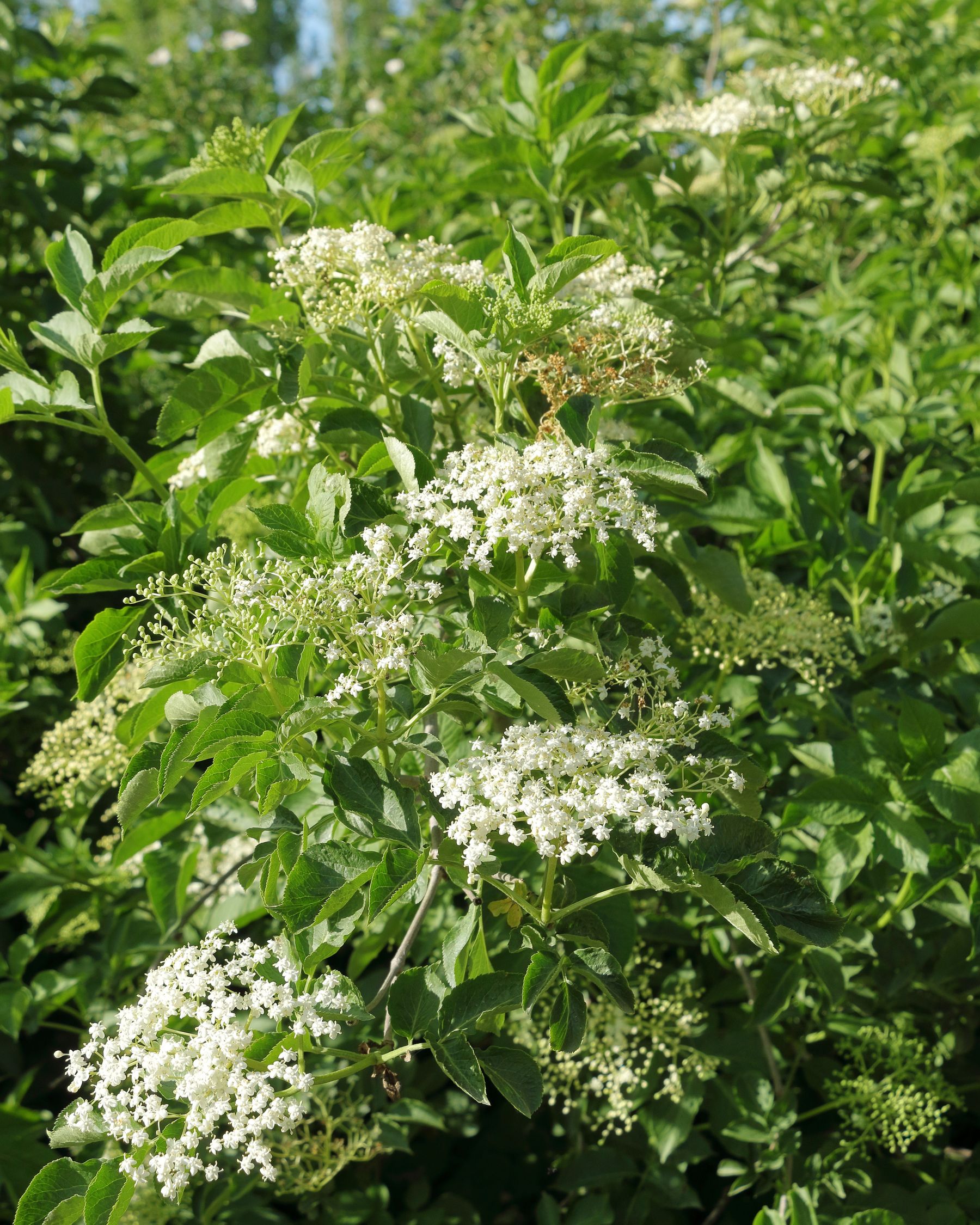
Photographs are external Pexels image URLs; they are not embedded inside this HTML file.