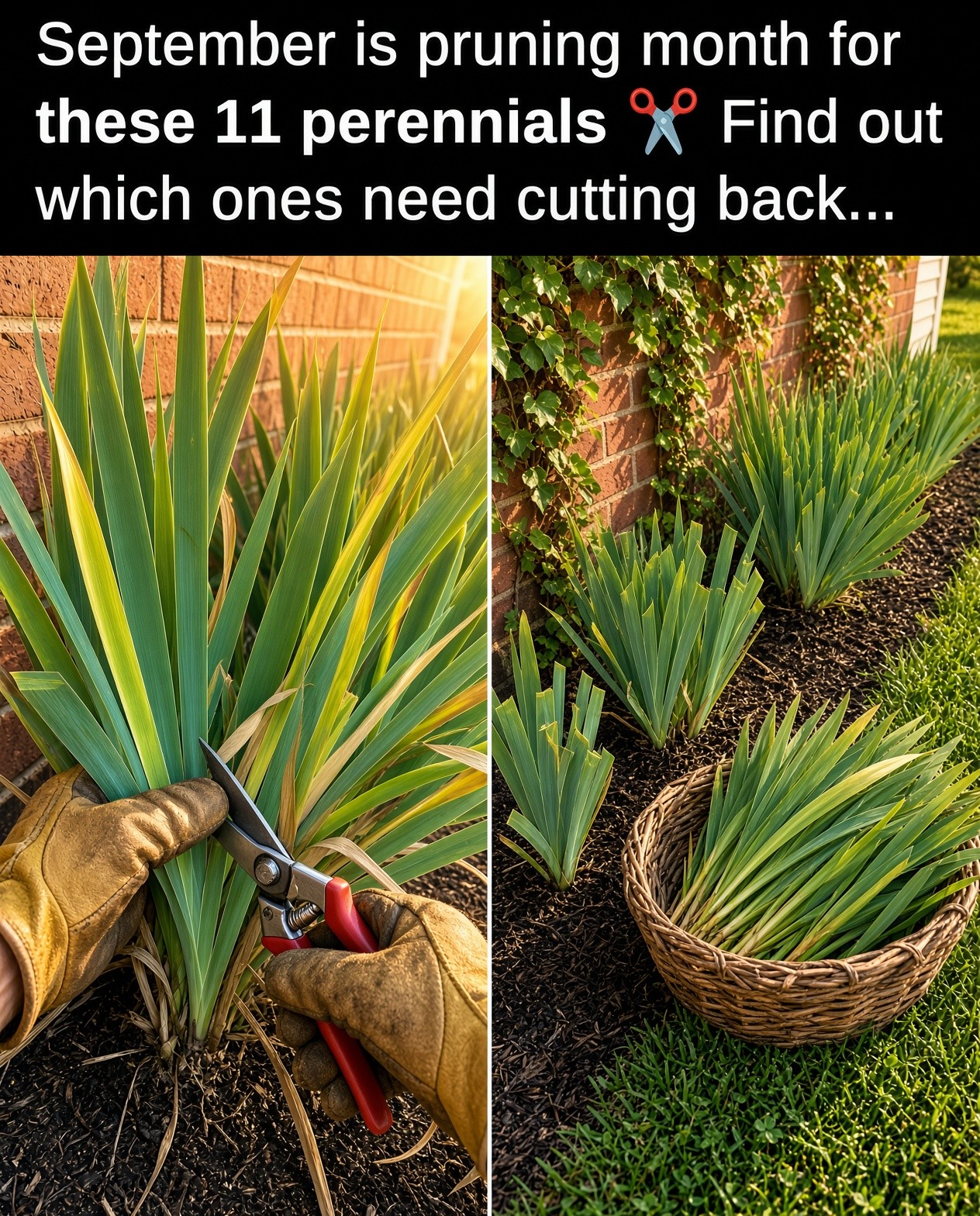
September is a useful cleanup month for many perennials, but not every plant needs a haircut. The best results come from knowing what is finished, what is diseased, what is still feeding the crown, and what is better left standing for winter wildlife.
Why Early Fall Is a Useful Cleanup Window
By September, many perennials have finished their strongest flowering and are beginning to show the wear of summer: faded blooms, leaning stems, yellowing leaves, and damaged foliage. That makes early fall a useful time to clean up plants that are clearly finished or carrying disease. Removing spent, damaged, or diseased growth can reduce the amount of debris left around the crown and make the garden easier to manage when spring arrives. But September is not a signal to cut everything to the ground. Healthy green foliage may still be feeding the plant, and some seed heads and stems are valuable to birds and beneficial insects. The best approach is selective rather than aggressive.

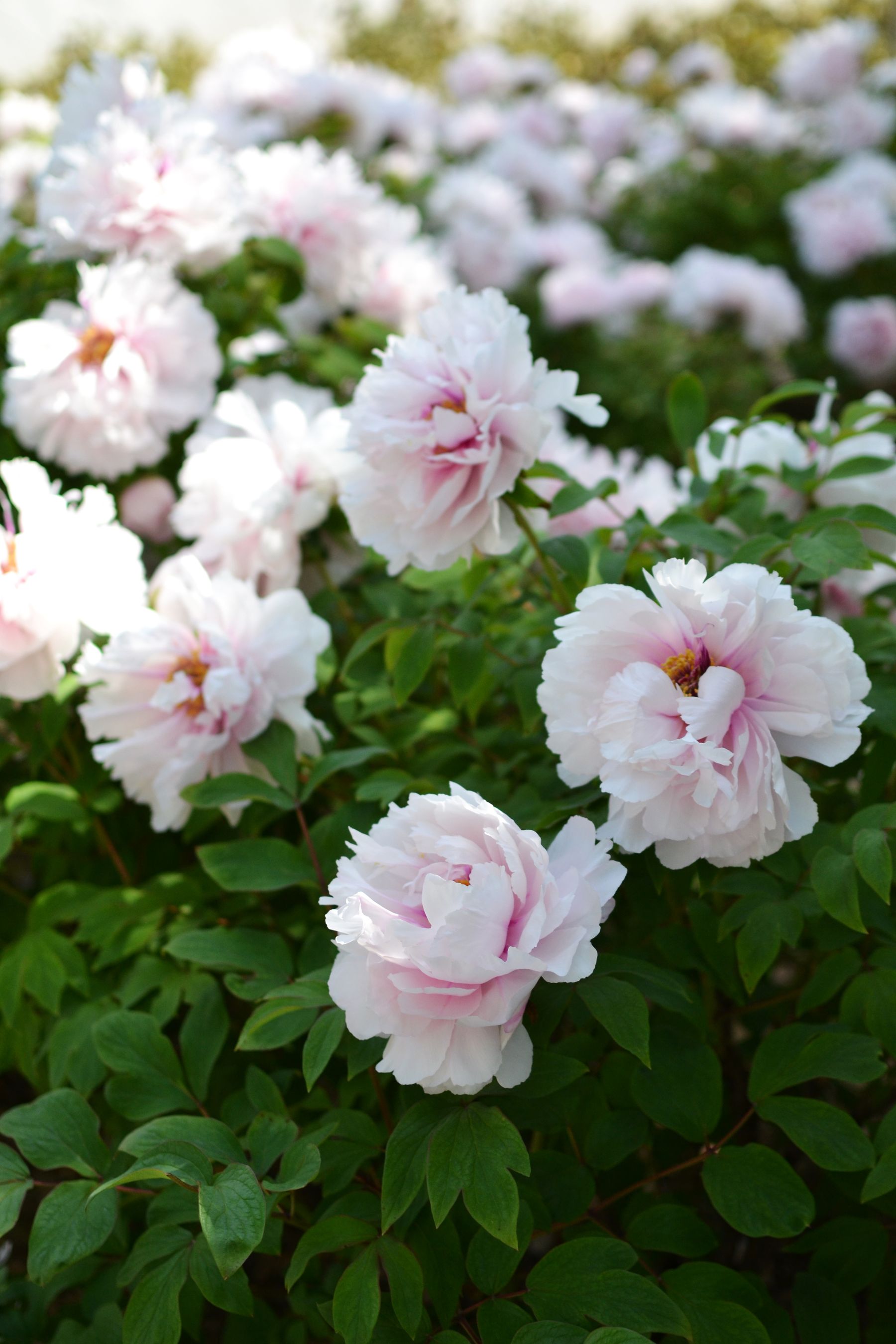
1. Peonies
Peonies are among the easiest fall cutbacks because their foliage usually gives you a clear signal. Wait until the leaves have yellowed or frost has knocked the plant back, then cut the stems to about 2–3 inches above the ground and remove the old foliage. If the leaves show spots or other signs of disease, do not put that material in the compost. Bag it and remove it from the garden so potential fungal problems are not left beside the plant over winter. The key is patience: green, healthy peony foliage is still useful before it naturally declines, so September itself is not the reason to cut.
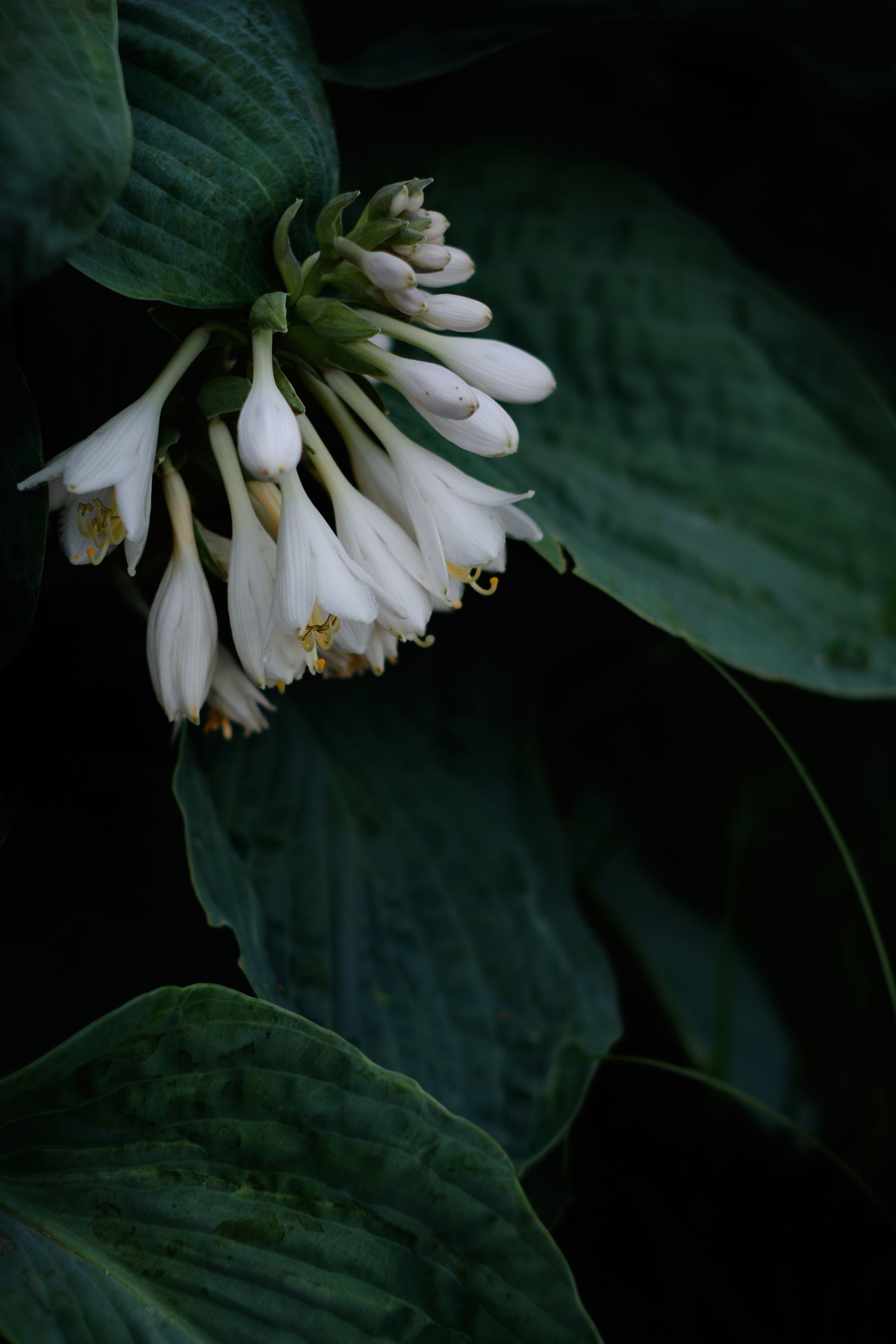
2. Hostas
Hostas can remain attractive well into late summer, but after frost their broad leaves can collapse into wet, soft debris. Once the foliage has yellowed or fallen over, cut it back to about 2–3 inches above the ground and clear away the old leaves. This removes damp material where slugs and other pests can shelter and leaves the bed cleaner for the next growing season. Do not cut healthy green hosta leaves simply because the calendar says September. Let the foliage continue feeding the crown until it begins to decline naturally.
3. Daylilies
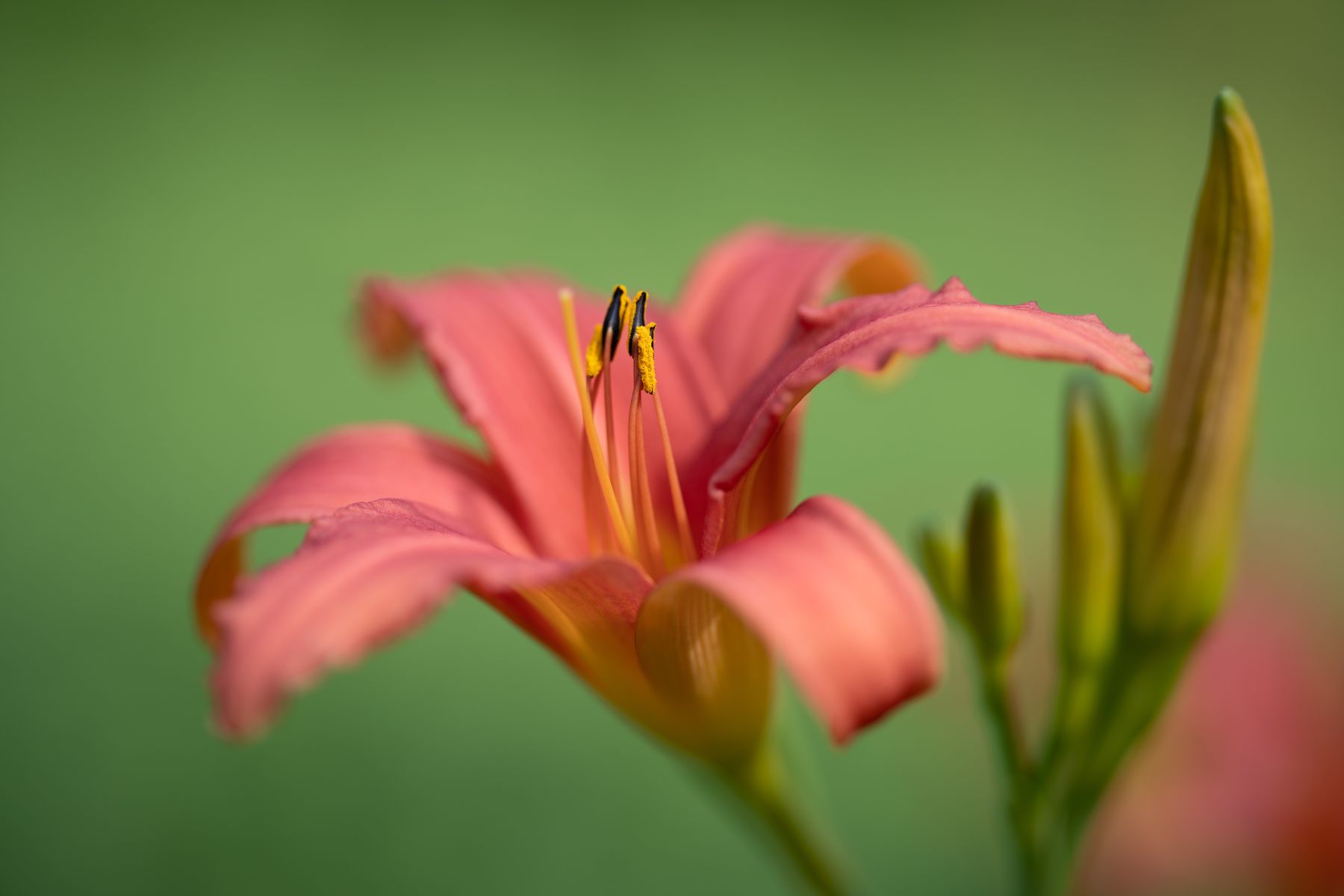
By September, daylilies often show yellowing foliage, floppy stems, and old flower stalks. When the leaves begin naturally turning yellow and dying back, cut the foliage to roughly 4–6 inches above the ground and remove dead or spotted leaves. The cleanup removes old material that can harbor pests and disease and leaves the crown more open going into winter. If the foliage is still green and healthy, wait. Those leaves are still contributing energy to the plant, so premature cutting gives you a tidier bed at the expense of useful late-season growth.
4. Bee Balm
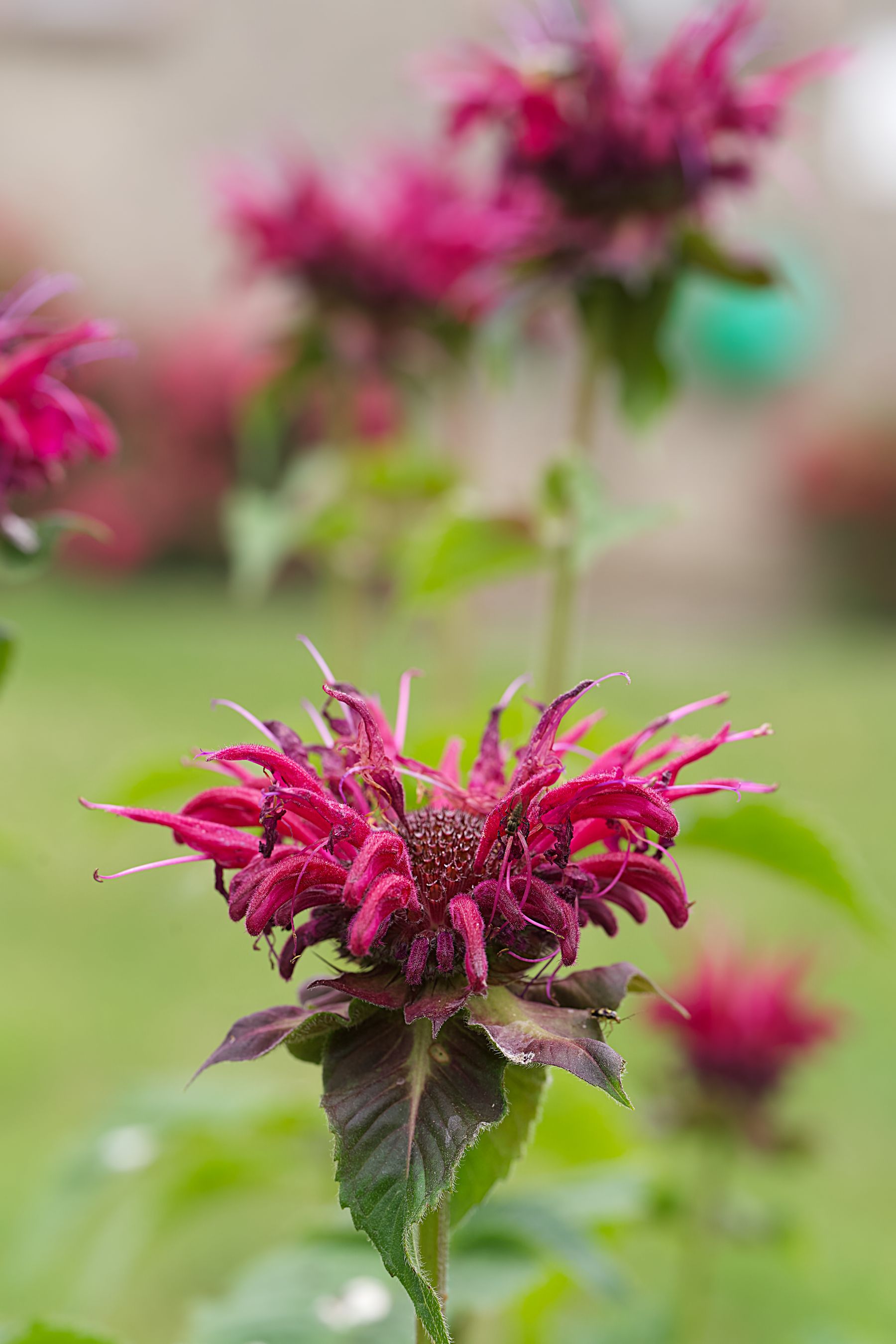
Bee balm can look perfectly fine from a distance while powdery mildew is already covering the leaves. Once flowering is finished and the foliage is declining, cut the stems back to about 4–6 inches above the ground, especially when mildew has become a problem. Removing infected growth helps prevent diseased material from lingering into the next season. If the same clump develops mildew year after year, crowding may also be part of the problem. The source recommends thinning or dividing an overly dense clump in spring to improve airflow rather than relying on fall cutting alone.
5. Garden Phlox
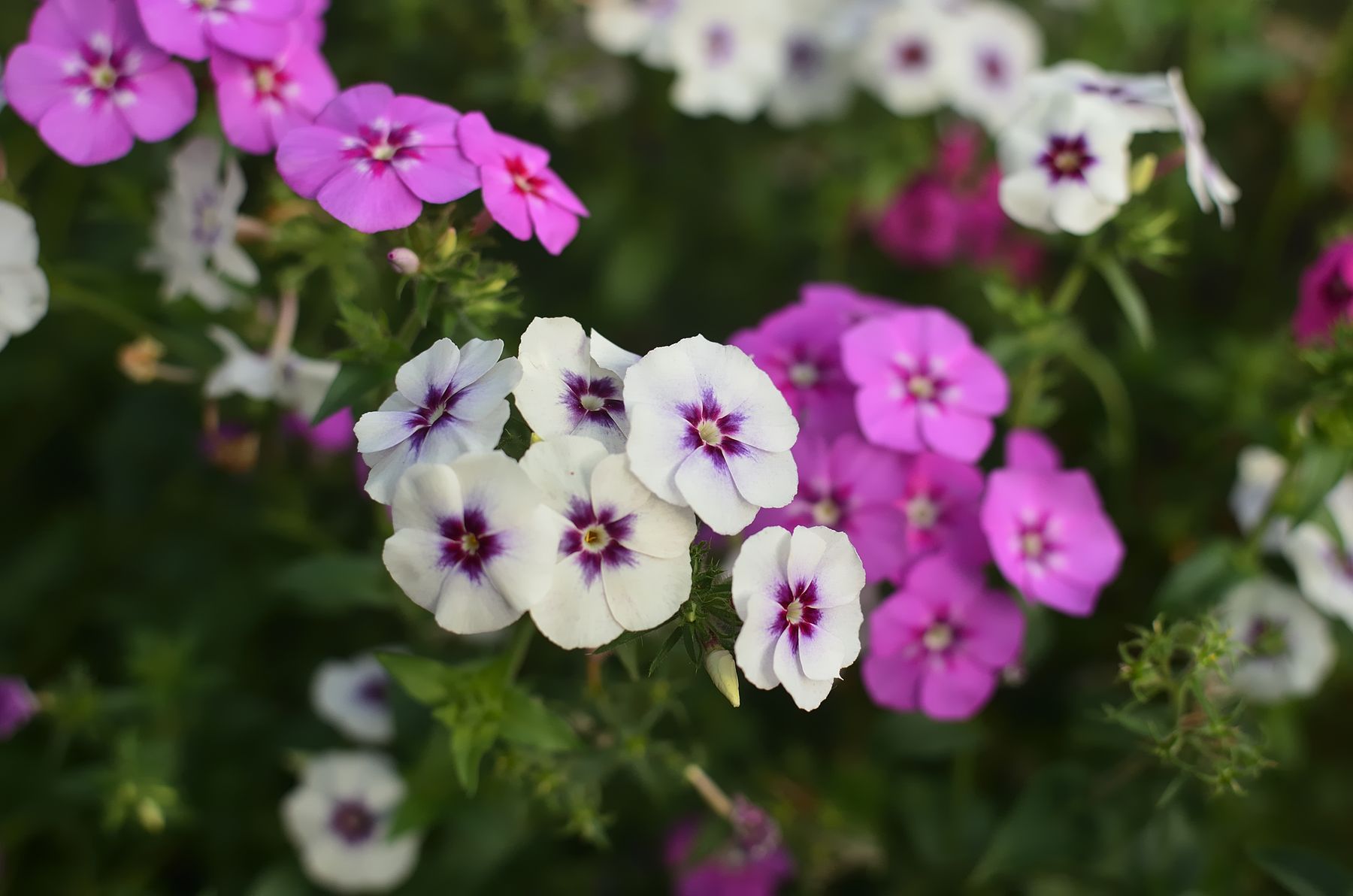
Garden phlox is another perennial that can become a powdery-mildew magnet late in the season. After flowering, once the foliage starts declining, cut the stems back to roughly 2–4 inches above the ground and remove diseased leaves. Do not stop at the upright stems: rake up infected leaves and debris lying around the base as well. Leaving diseased material in the bed can undermine the purpose of the cleanup. The goal is to remove the old growth that could carry fungal trouble forward while the plant is naturally winding down.
6. Bearded Iris
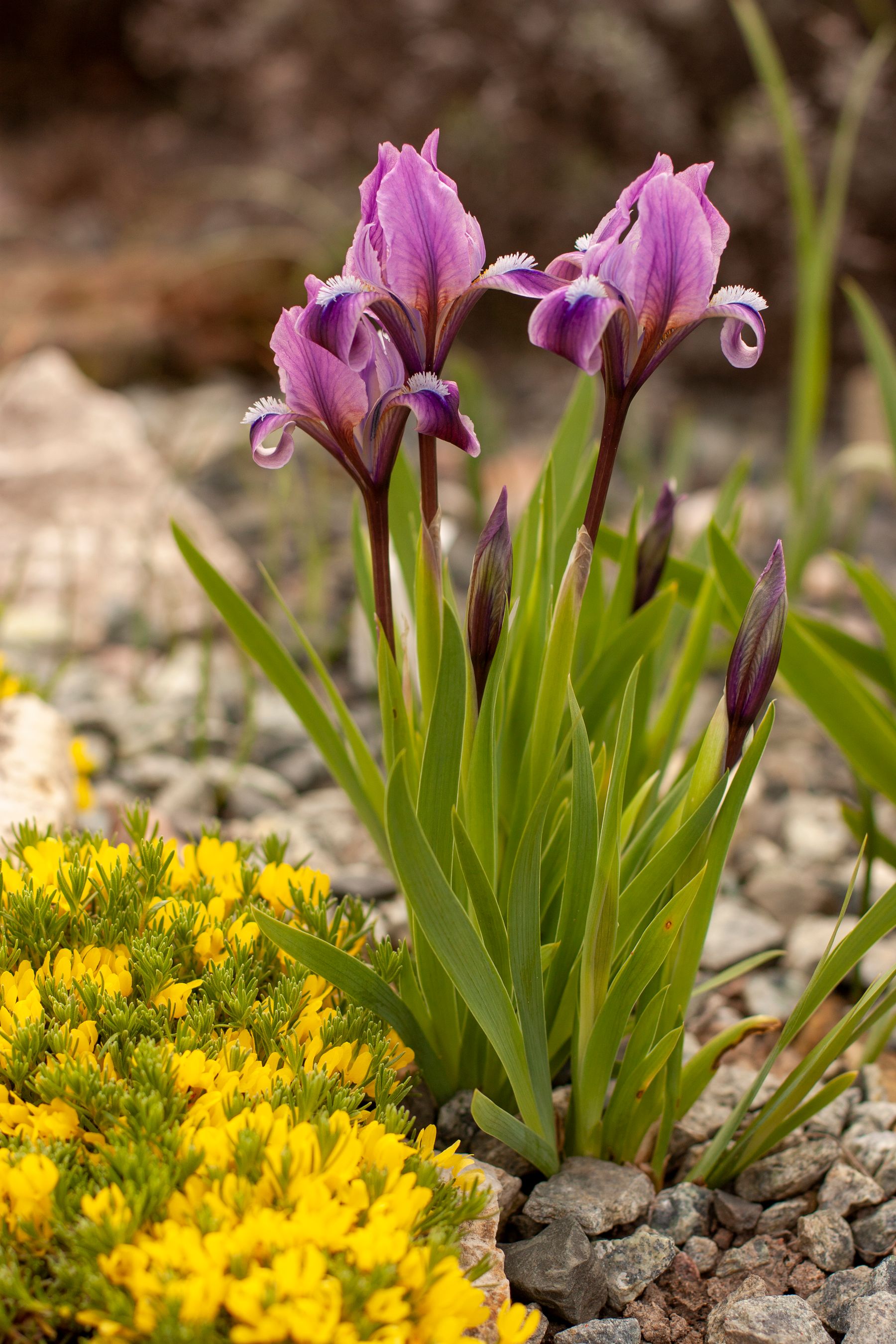
Bearded iris leaves can look rough by fall, but green foliage is still working for the rhizomes. Wait until the leaves yellow or frost finishes them, then cut the foliage to about 6 inches above the ground and remove spotted or damaged leaves. Fall cleanup can also remove hiding places for iris borers and disease. While you are working around the plant, check the rhizomes too. Bearded iris rhizomes should remain exposed enough to receive sunlight rather than being buried under thick mulch or soil. Good fall cleanup is therefore about both trimming and checking the planting depth.
7. Yarrow
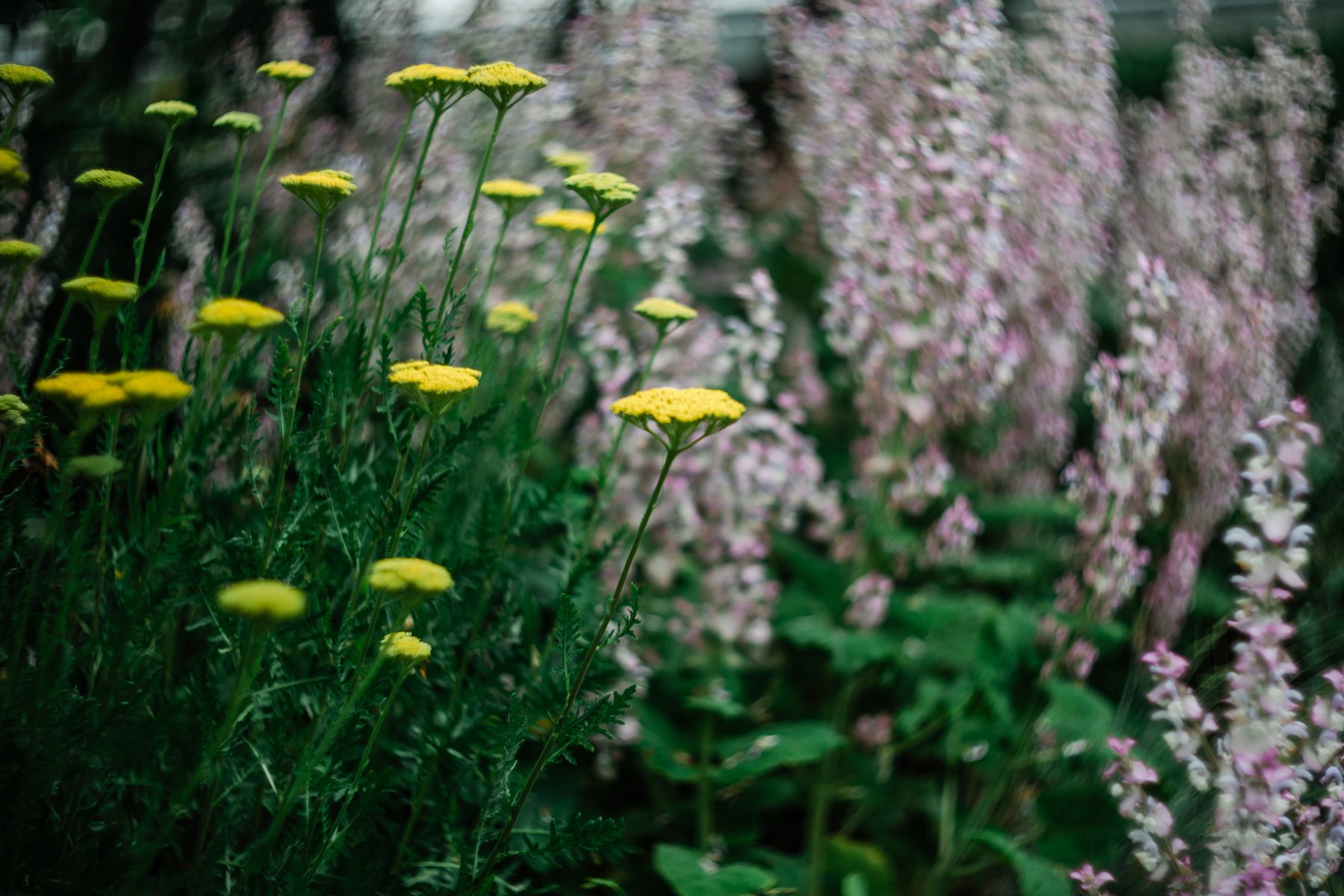
Yarrow can change from upright and tidy to floppy and sprawling once its flowers fade. When flowering is finished and the stems begin turning brown, cut them back to a few inches above the basal foliage. This removes tired growth while leaving the healthy leaves at the base to carry the plant toward winter. Yarrow can also self-seed enthusiastically. If you do not want seedlings appearing throughout the garden next year, remove the spent flower heads before mature seed drops. If you enjoy naturalizing yarrow, leaving some seed heads can be a deliberate choice instead.
8. Black-Eyed Susan
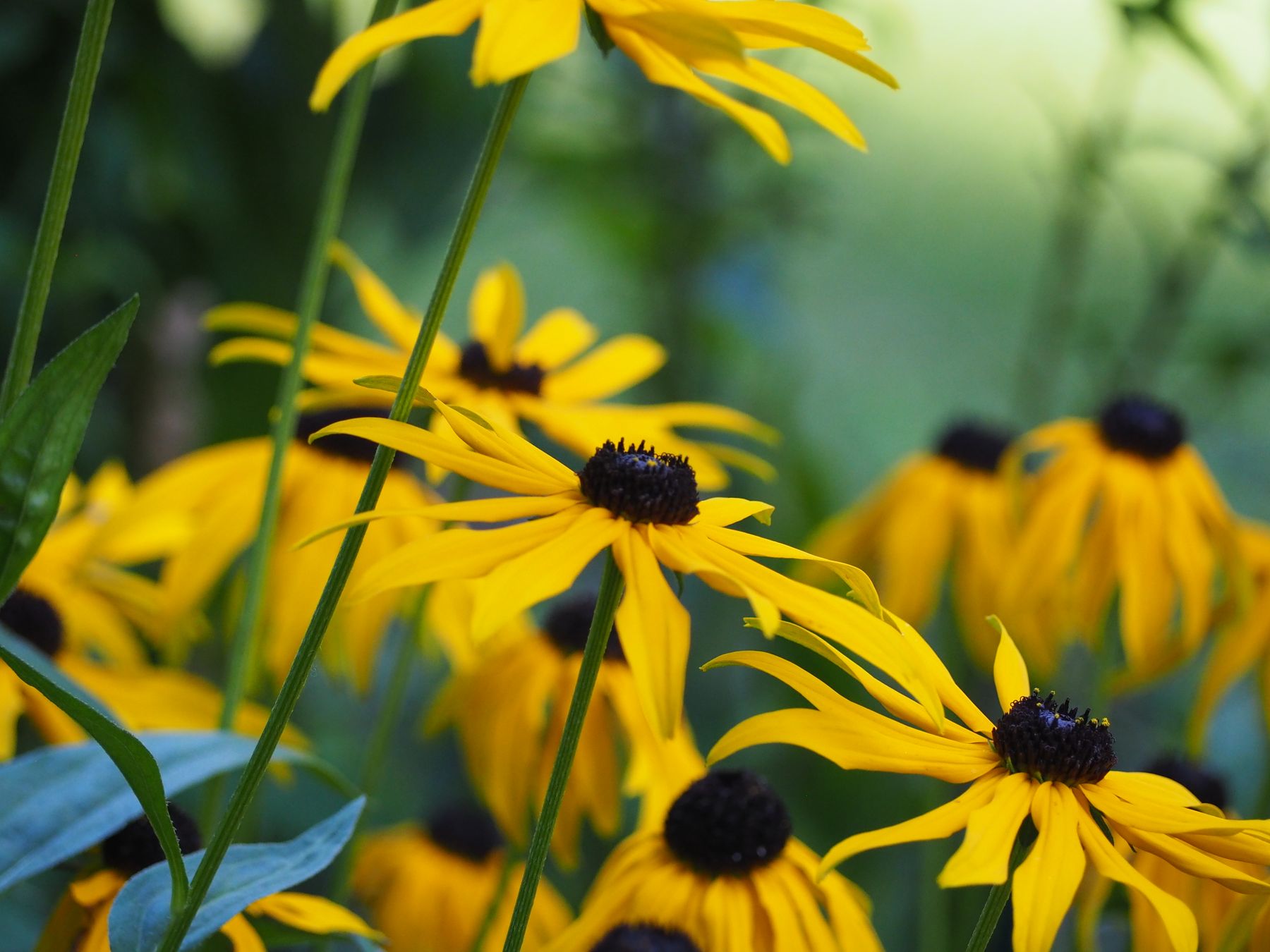
Black-eyed Susans are worth treating a little differently from plants that are already completely finished. They may still be flowering in early fall, so there is no need to cut them simply because September has arrived. As flowering winds down and the stems look tired, remove the roughest or diseased growth. After frost finishes the plant, the remaining stems can be cut to about 3–4 inches above the ground. However, the source recommends leaving some seed heads standing because goldfinches and other birds can feed on them. A little imperfection can provide useful winter habitat and food.
9. Shasta Daisies
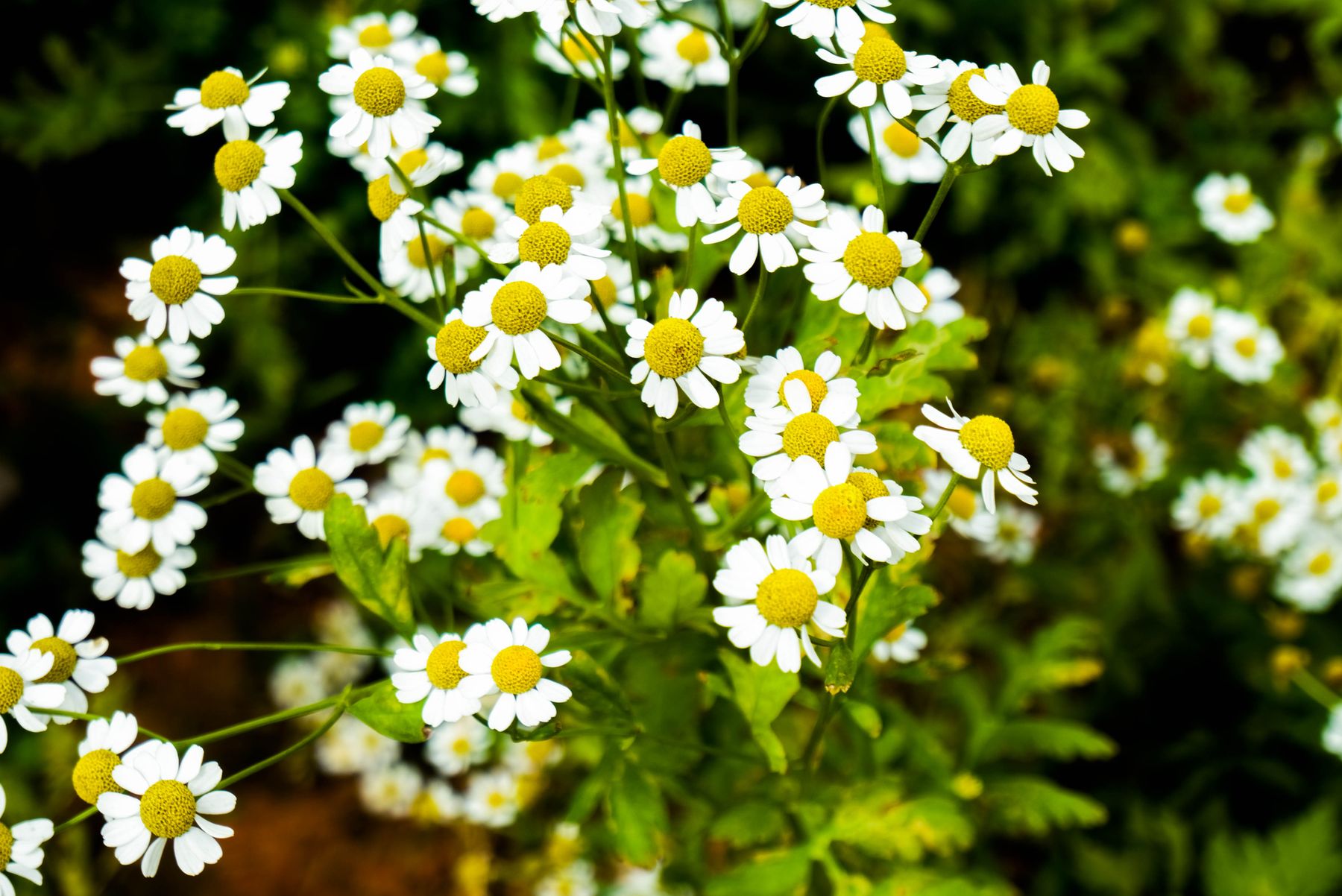
Shasta daisies often become lanky and brown as summer ends. Once flowering is finished and the foliage begins to decline, cut the stems back to about 2–3 inches above the ground and remove spotted or damaged leaves. This clears away old growth that can harbor disease and gives the crown a cleaner start before spring. If the center of the clump has become thin or bare, make a note to divide it in spring. Overcrowded Shasta daisies can gradually flower less, so fall cleanup can also help you identify where future division may be useful.
10. Catmint
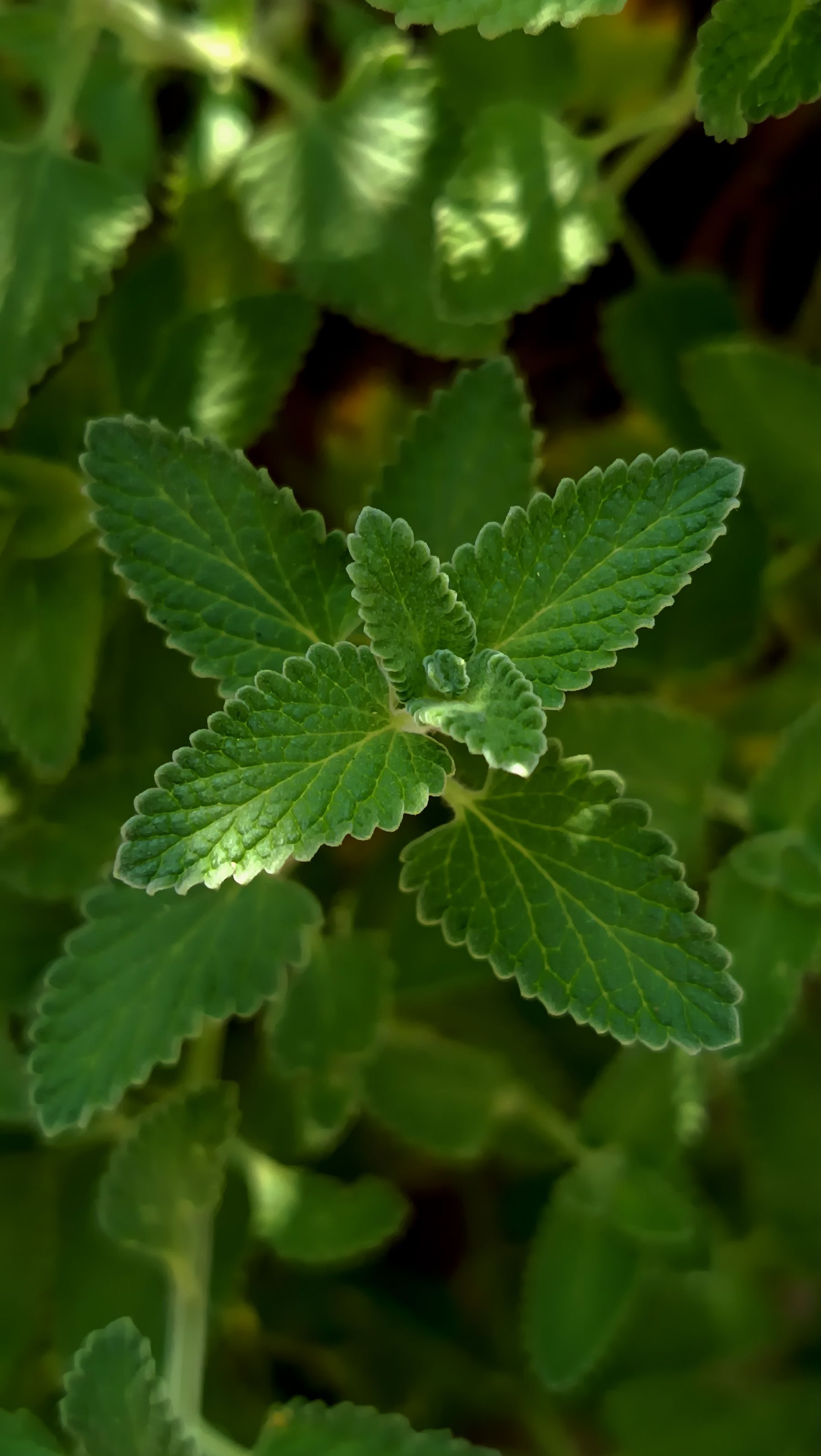
Catmint can spread outward dramatically by September, with floppy stems replacing the compact mound it made earlier in the year. After the main flush of flowers has finished, trim the tired stems back by about one-third to one-half, cutting just above fresh basal growth. This gives the plant a neater shape without stripping away healthy foliage it can still use before winter. For plants that become floppy every year, the source suggests another strategy for next summer: trim catmint soon after its first major bloom. That earlier haircut can encourage a shorter, bushier second phase of growth.
11. Hardy Geraniums or Cranesbill
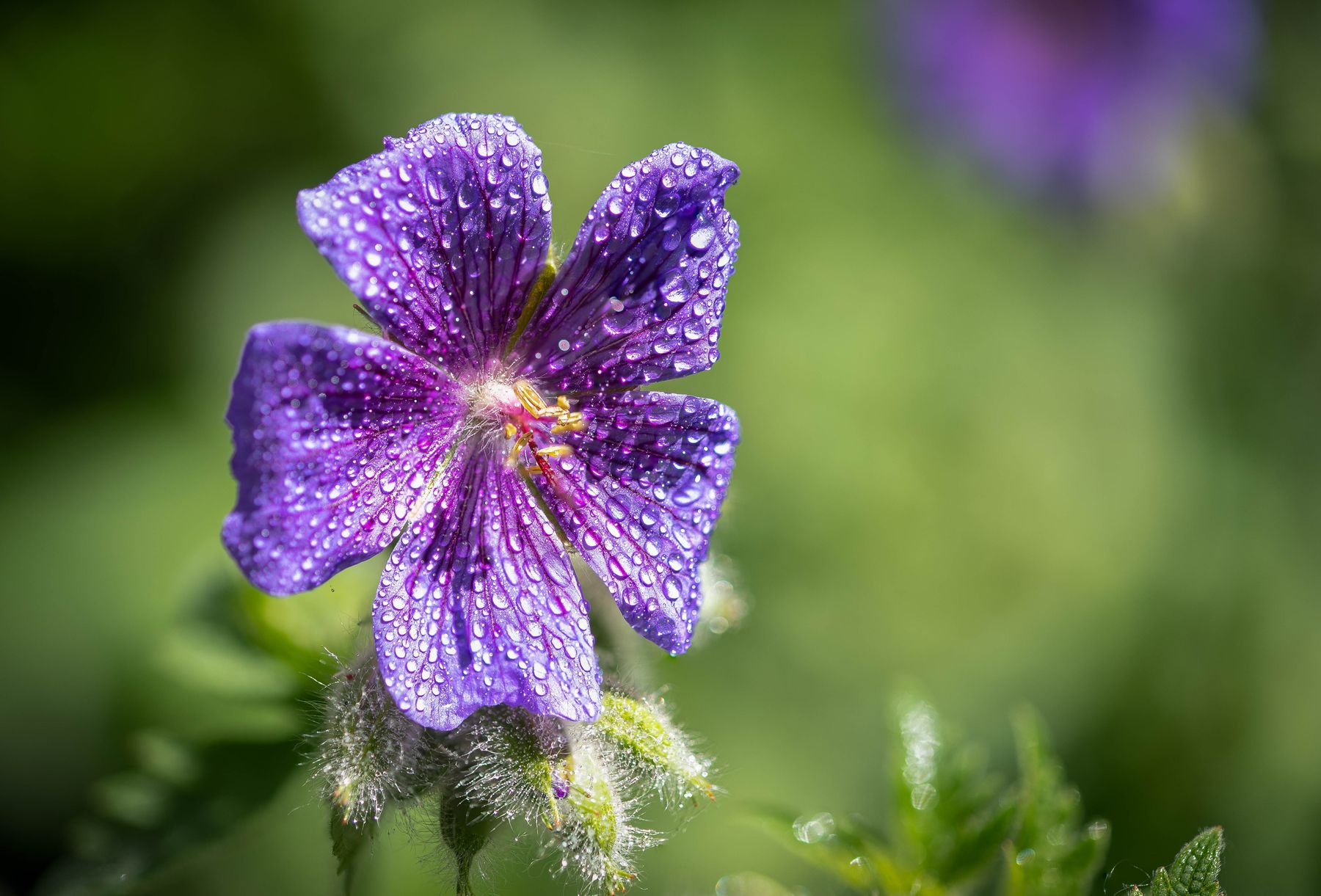
Hardy geraniums, also called cranesbill, are true perennial plants that can become a loose mixture of tired leaves, floppy stems, and scattered flowers after their main display. Once flowering slows, trim the scruffiest stems and foliage back to just above fresh growth at the base. The aim is to tidy the clump without removing every healthy leaf that can still contribute energy in fall. One useful identification reminder from the source is that hardy geraniums should not be confused with the colorful annual “geraniums” commonly sold in pots. Cranesbill is a genuine perennial and returns year after year.
Some Perennials Are Better Left Standing
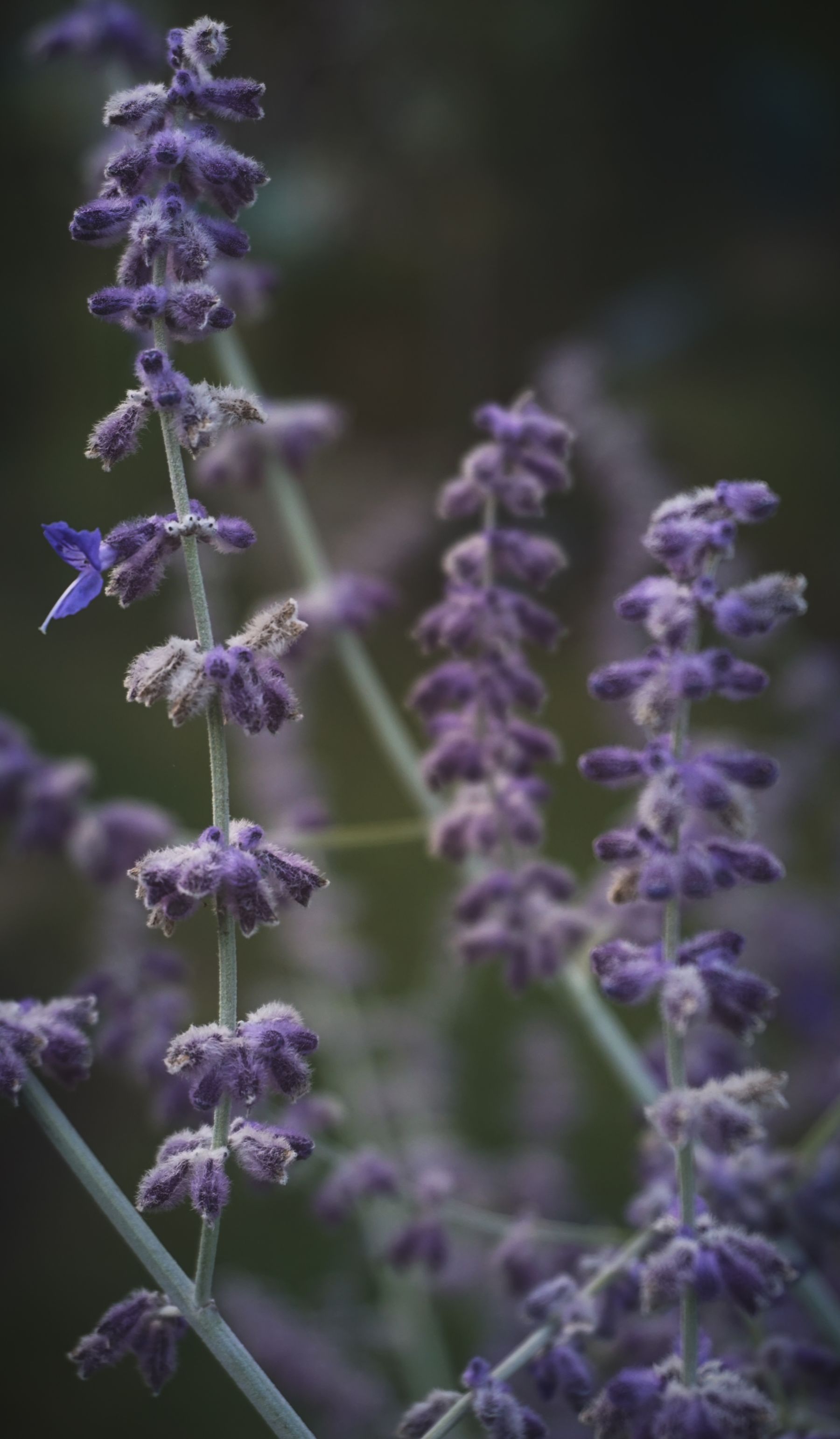
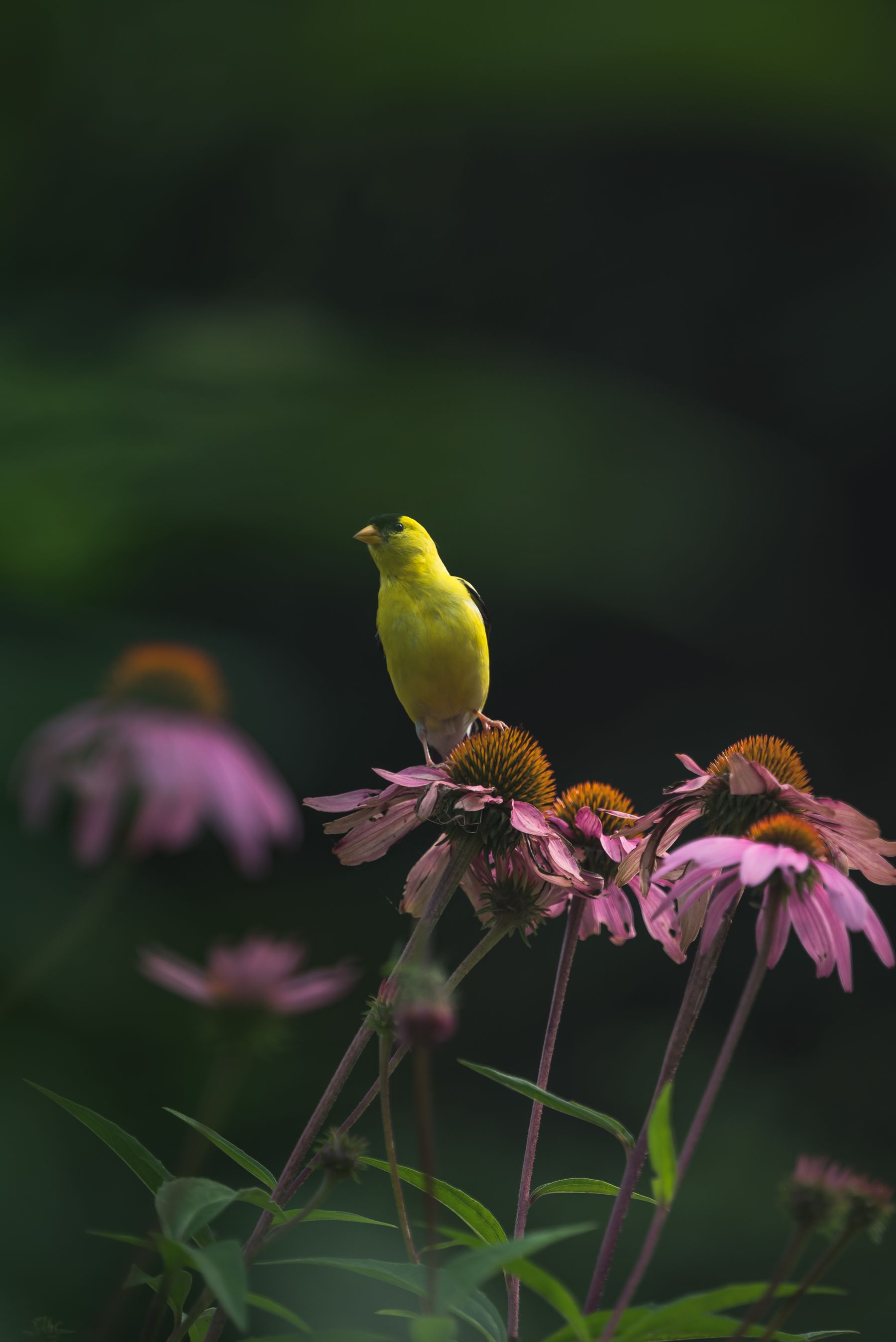
Once the pruners are out, it is tempting to keep going, but several perennials are better left standing through fall and winter. Coneflowers can provide seed for goldfinches, while sedum flower heads can remain attractive through winter. Russian sage benefits from keeping its woody stems until late winter or early spring, and healthy hellebore foliage can remain through winter until older leaves are removed as new flower buds appear. Leaving these plants alone can also give beneficial insects places to shelter. A healthy garden does not have to look completely stripped and tidy during the cold season.
How September Pruning Changes by USDA Zone
September is not the same gardening month everywhere, so fall pruning should be adjusted to climate. In Zones 3–5, chilly nights and early frosts often mean finished foliage can be cut back once it has yellowed or been knocked down by frost. In Zones 6–7, cleanup is usually more gradual: remove spent blooms, diseased foliage, and tired stems while allowing healthy green growth to continue. In Zones 8–9, many perennials may still be actively growing or flowering, so keep pruning light and focus on damaged or diseased material. In Zones 10–11, September can still feel like summer, so major cutbacks are generally better delayed until the plant naturally slows or reaches its recommended pruning season.
The Best Rule: Watch the Plant, Not Just the Calendar
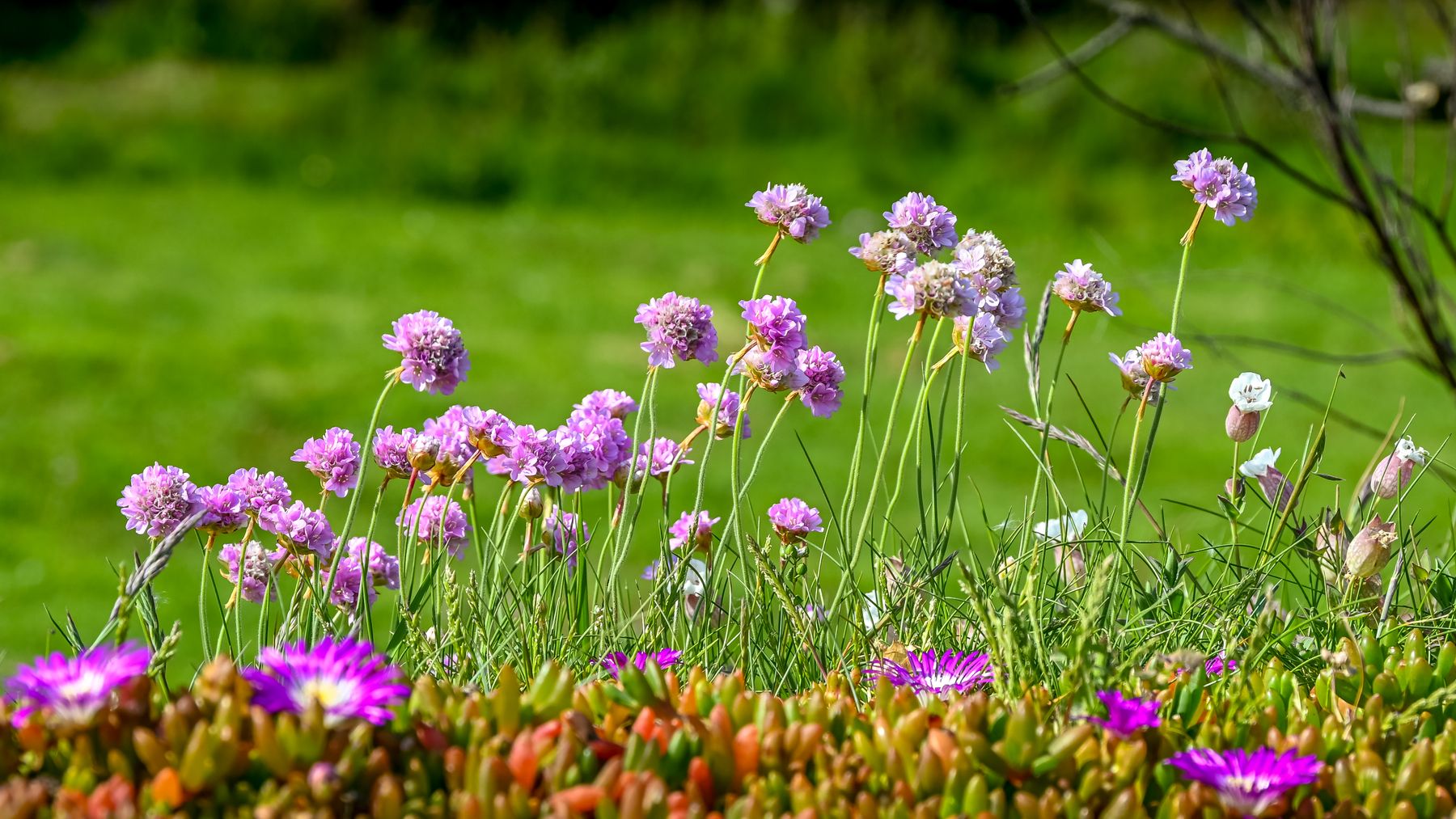
The most useful lesson from this September pruning guide is that the calendar should be a reminder, not an automatic command. If a perennial is still green, healthy, and actively using its leaves, there may be no reason to cut it. If foliage has naturally yellowed, stems are clearly finished, or disease has taken hold, cleanup becomes much more worthwhile. Remove what is diseased, damaged, or genuinely finished, while leaving healthy growth and useful seed heads where they serve a purpose. Once the necessary work is done, step away from the pruners. More cutting is not always better, and a little restraint in fall can leave the garden healthier and more interesting through winter.