
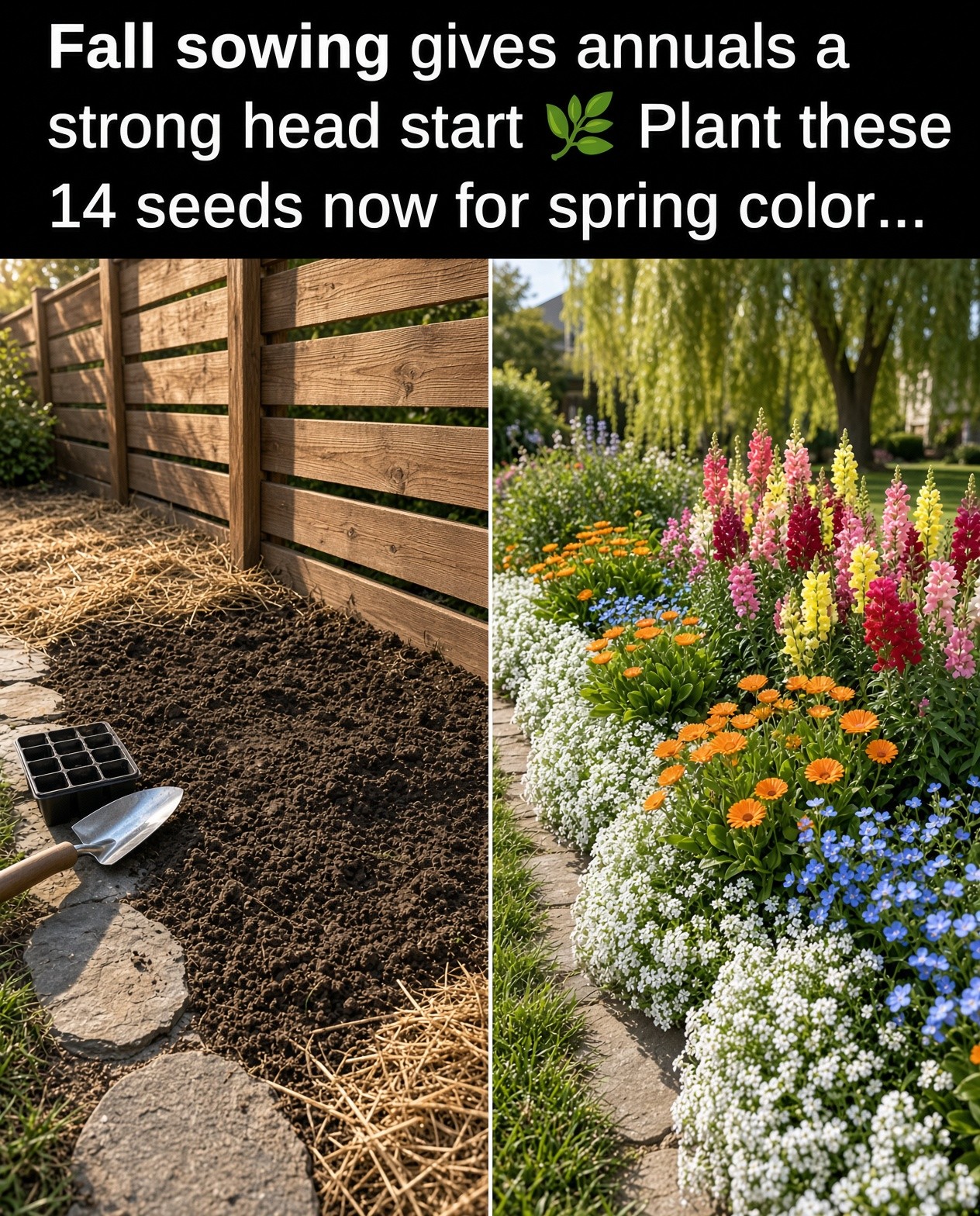
Fall does not have to mean the end of flower planting. Some annuals are naturally suited to cool conditions and can use the colder months to establish before spring. The key is choosing the right varieties for your climate rather than assuming every annual should be planted in autumn.
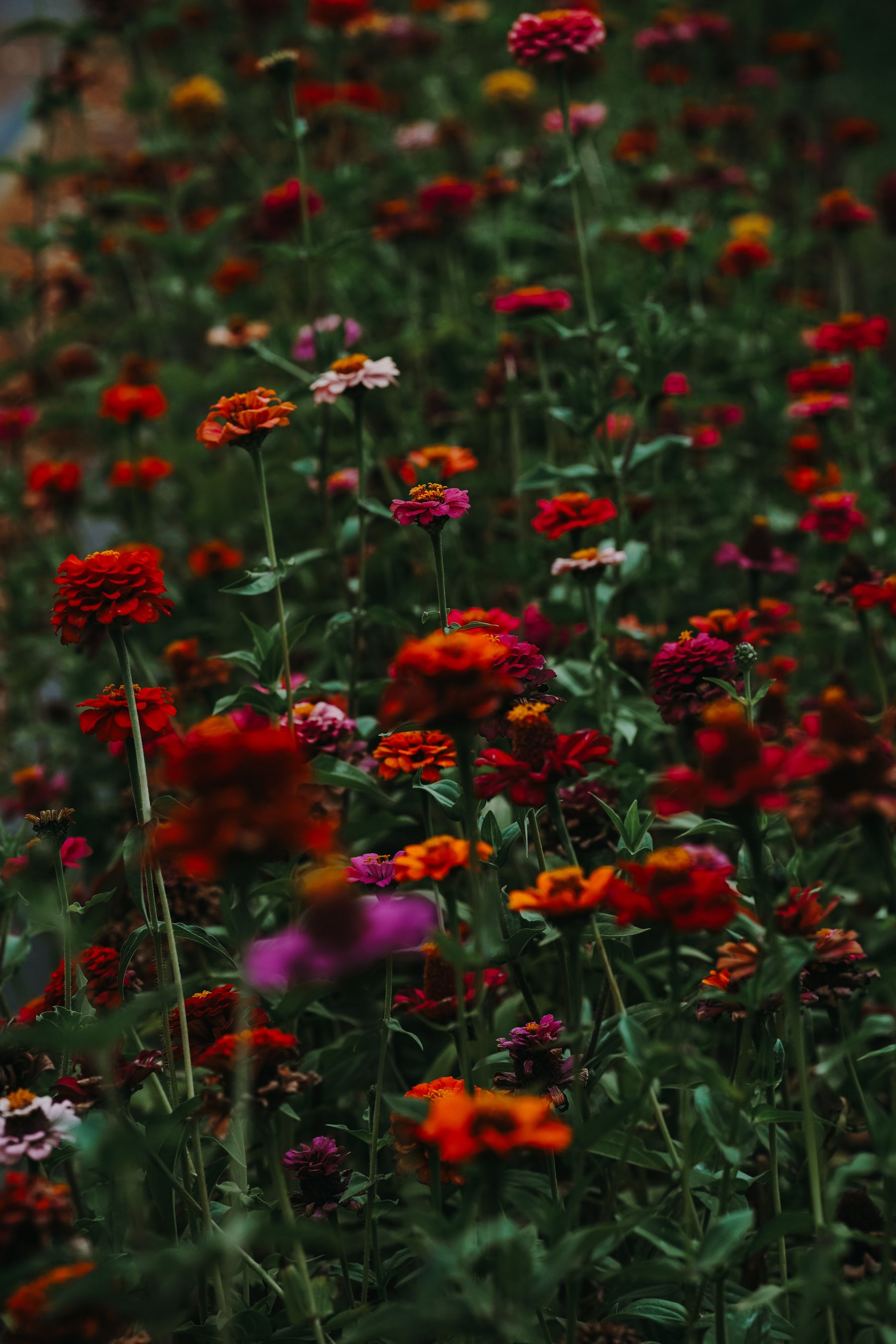
Why Fall Sowing Can Give Annuals a Head Start
Fall sowing gives hardy annuals exposure to winter conditions before they sprout in spring. The source explains that seeds can experience winter chill and then germinate as soil warms, potentially producing blooms earlier than spring-sown seeds. In colder areas, these flowers may need indoor starting or spring sowing instead.
1. Sweet Peas
USDA Zones 7–10
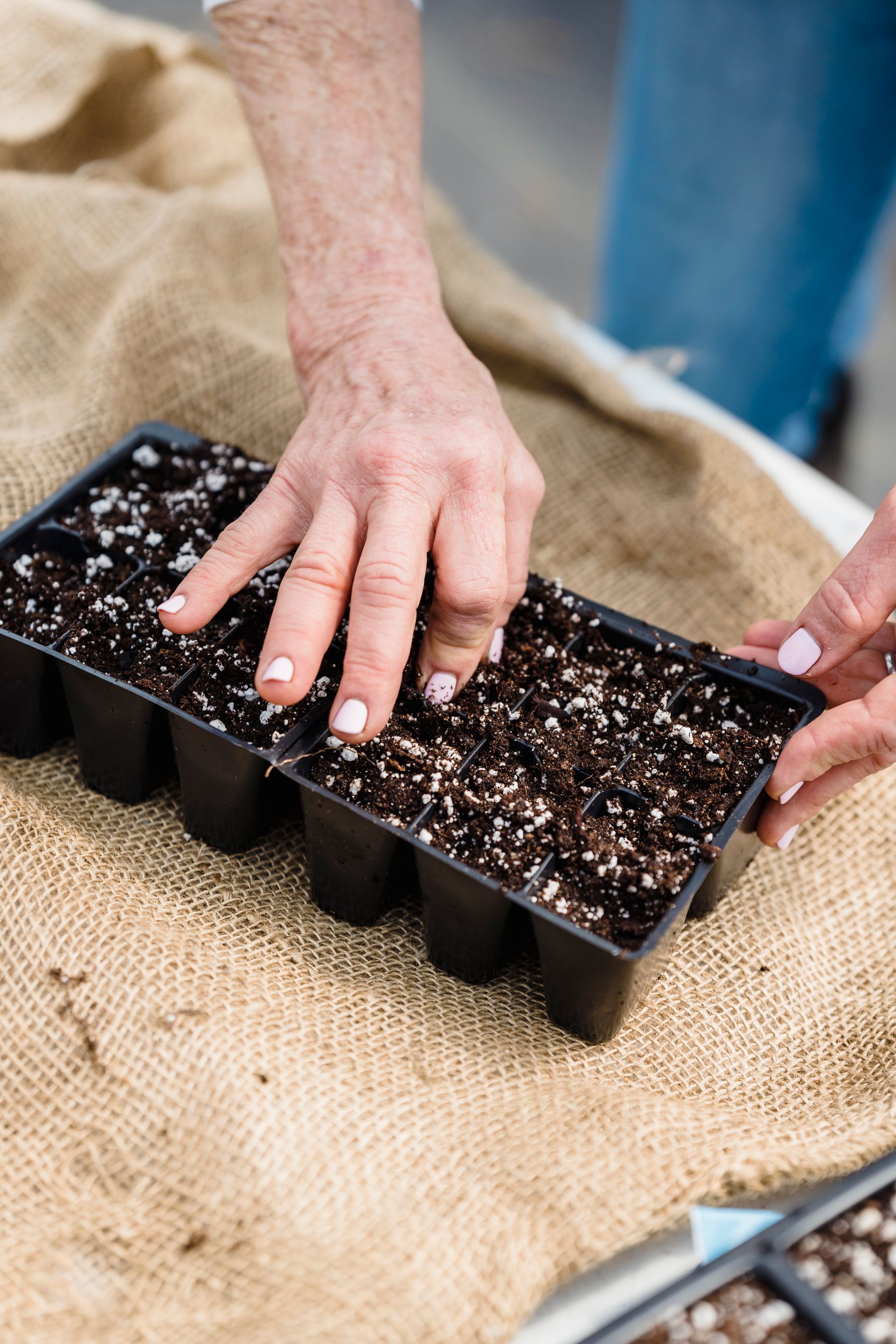
Sweet peas are a strong fall-sowing choice because they can sprout in cool soil and establish early in spring. Their fragrant flowers also climb. The source recommends soaking seeds overnight before planting to soften their hard coats.
2. Nasturtiums
USDA Zones 9–11
In frost-free climates, nasturtiums can be sown in fall as companions. The source highlights their role as a sacrificial plant that can draw pests away from vegetable crops.

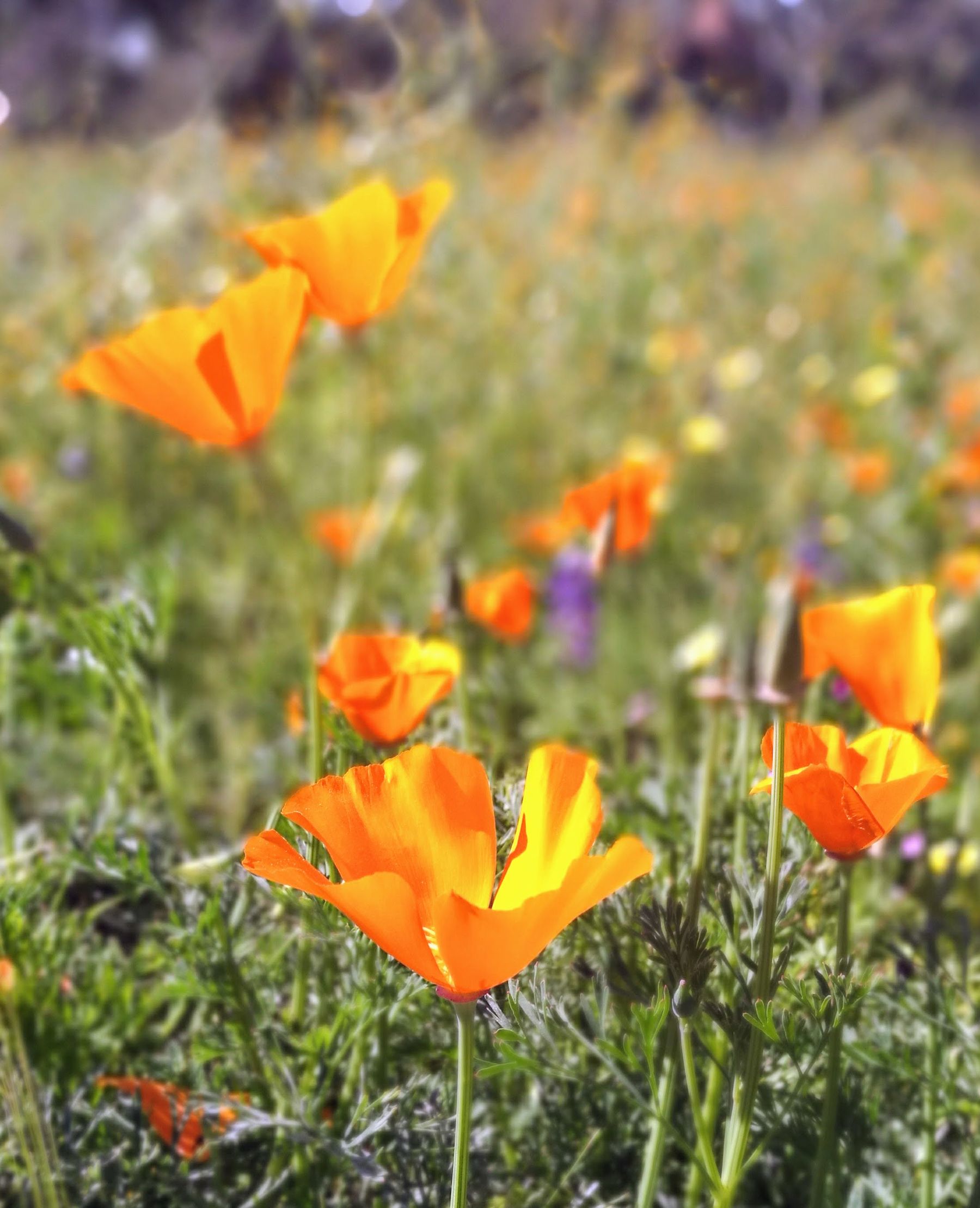
3. California Poppies
USDA Zones 7–10
Fall sowing works well where winter rains help trigger germination. California poppies are known for bright yellow and orange flowers and relatively low-maintenance growth.
4. Calendulas
USDA Zones 7–10
Calendulas prefer cool conditions and can bloom through winter in suitable climates. Their orange, bowl-shaped flowers can continue for a long period when spent blooms are removed.

5. Pansies
USDA Zones 6–9
Pansies tolerate cool conditions and light frosts, making them natural fall plants. In colder zones, the source recommends transplanting established plants rather than direct sowing.

6. Larkspur
USDA Zones 7–10
Larkspur produces tall spikes in white, blue, purple, and lilac. Its seeds need cool conditions, making late fall suitable. Sow directly where the plants should grow because seedlings dislike root disturbance.
7. Snapdragons
USDA Zones 8–10
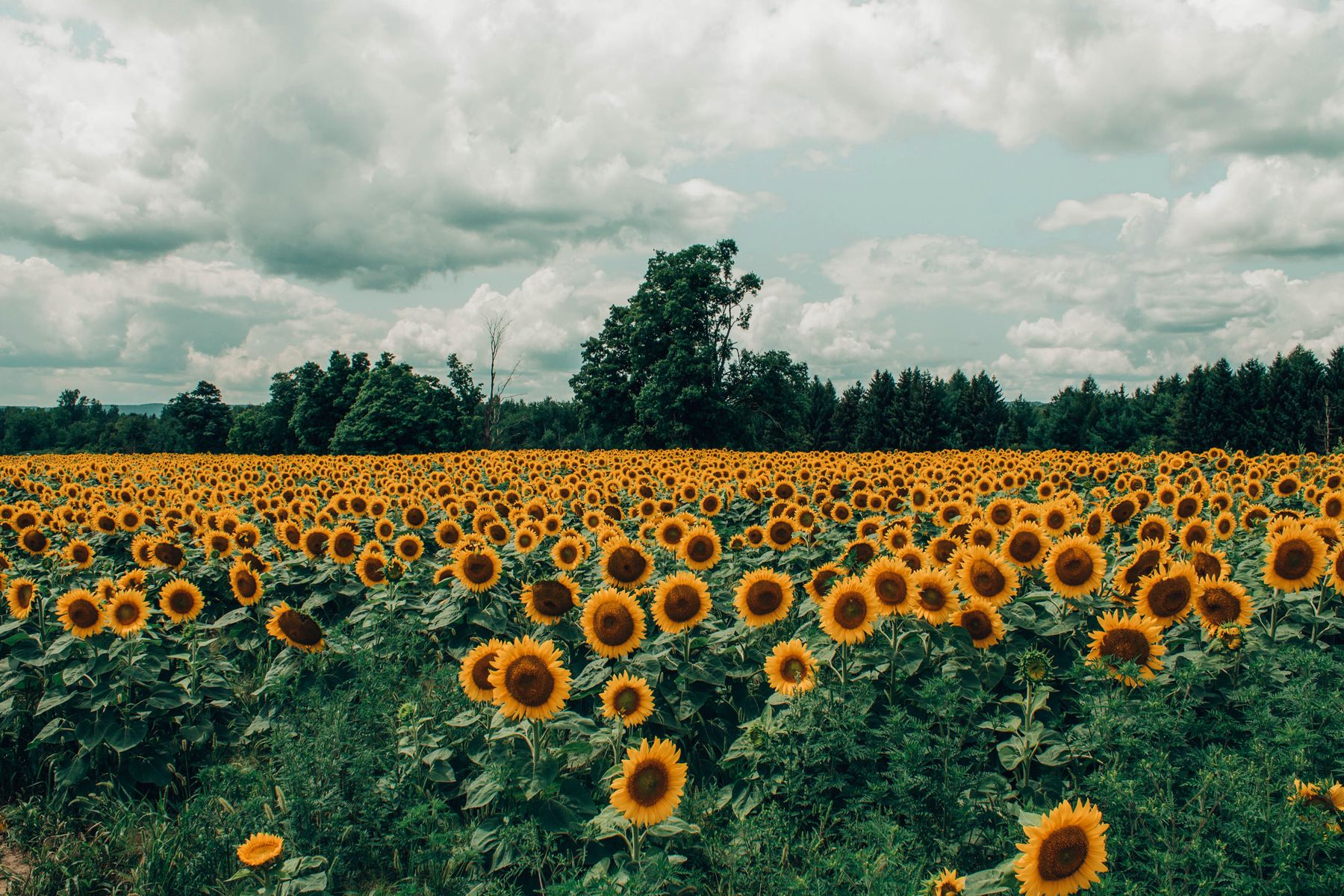
Fall sowing can help snapdragons develop stronger roots before spring and encourage early blooms. The source recommends full sun, occasional fertilization, and evenly moist soil.

8. Baby Blue Eyes
USDA Zones 7–10
Baby blue eyes are early spring bloomers that benefit from fall planting. Their soft blue flowers look especially attractive against deep green foliage.

9. Sweet Alyssum
USDA Zones 8–10
Sweet alyssum thrives in cooler soil and can bloom quickly in favorable conditions. Its small flowers are sweetly fragrant. Keep soil evenly moist but never waterlogged.

10. Morning Glories
USDA Zones 10–11
Fall sowing for morning glories is limited to warm, frost-free areas. Their trumpet-shaped flowers open around dawn and close later in the day.

11. Cosmos
USDA Zones 10–11
Cosmos should only be fall-sown in very mild or frost-free regions because their seeds prefer warm soil. Once established, they can perform well even in relatively poor soil.

12. Sweet Williams
USDA Zones 6–9
Sweet William seeds sown in fall can establish roots before winter and flower the following spring. Although technically biennial, they are often grown for their spring display.
13. Bachelor Buttons
USDA Zones 7–10
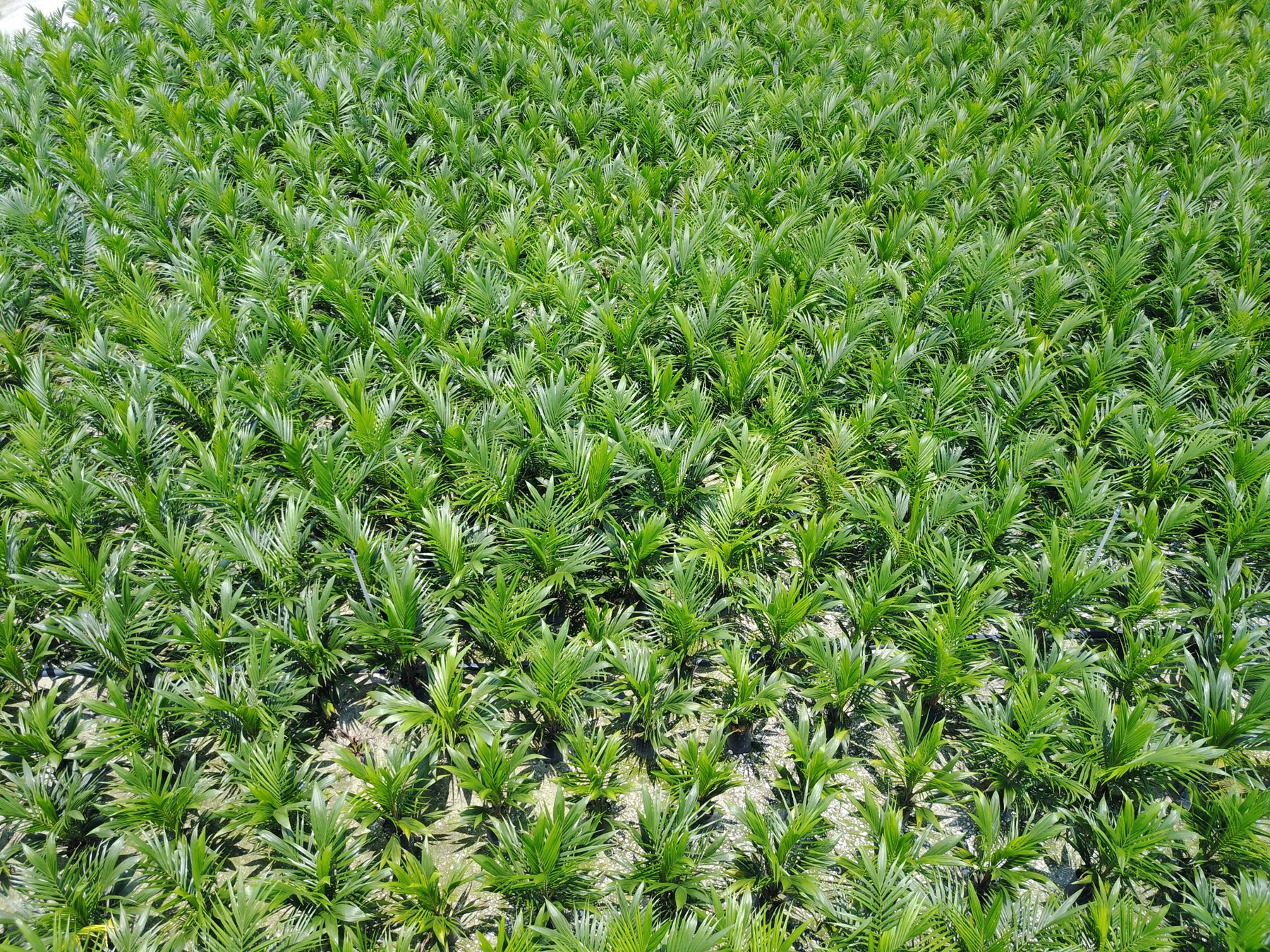
Bachelor buttons tolerate cool weather particularly well. Fall sowing can help them establish early and produce tall stems topped with blue to blue-purple flowers.

14. Flax
USDA Zones 7–10
Flax benefits from fall sowing because its seeds can germinate well in cold conditions. The source highlights striking blue, red, and crimson flowers.

Can Any Annual Flower Be Sown in Fall?
Not really. Different annual seeds have different temperature requirements. Flowers adapted to mild or cool conditions can benefit from fall sowing, while varieties that prefer warm soil generally do better when planted later. Climate matters as much as the flower name on the packet.
How to Care for Fall-Sown Annual Flowers
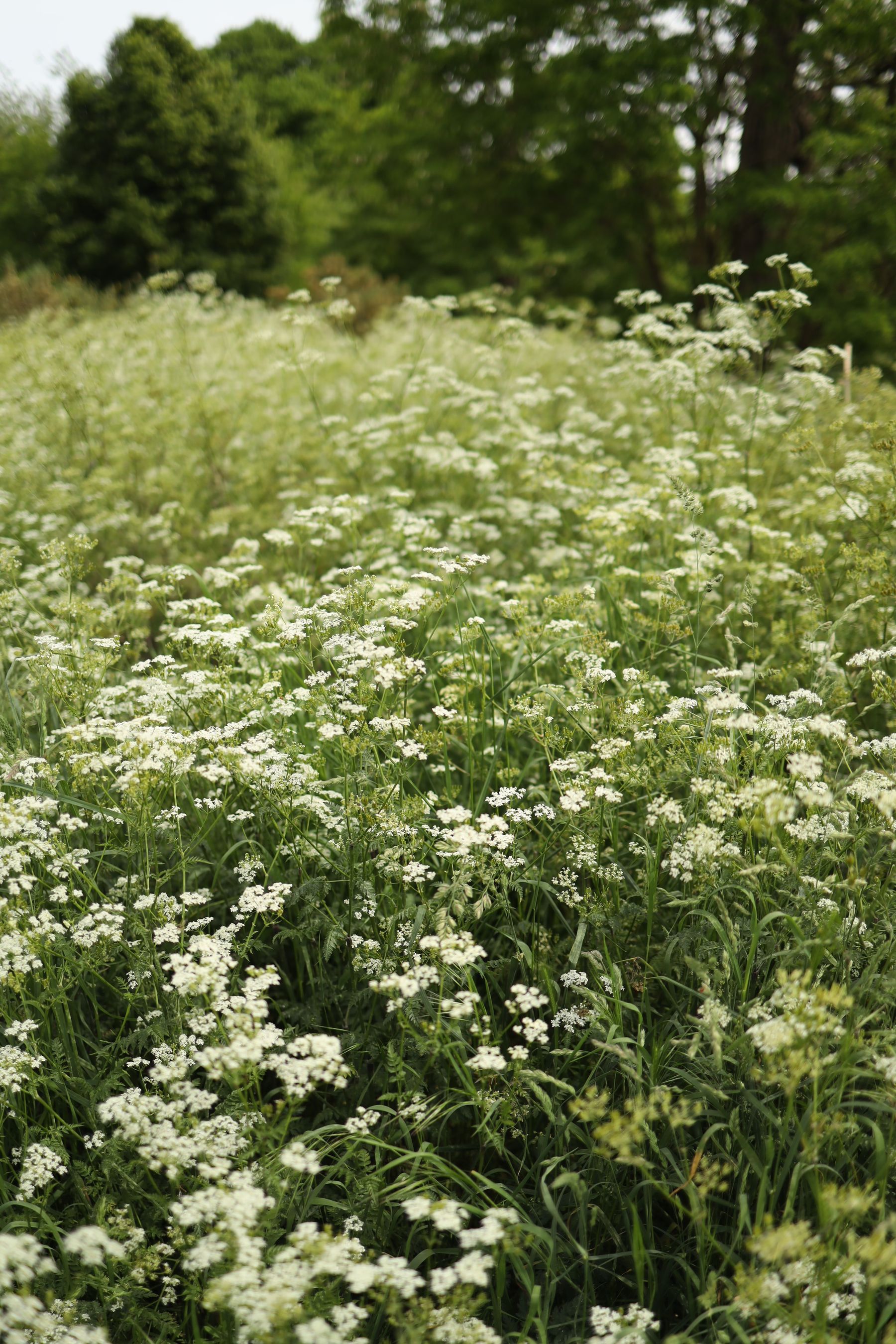
Sow seeds into cool, well-drained soil in a suitable sunny location. Avoid flooding the seedbed: consistent moisture is useful, but overwatering can create problems. If heavy rain or severe frost is expected, a light layer of mulch can provide some protection.
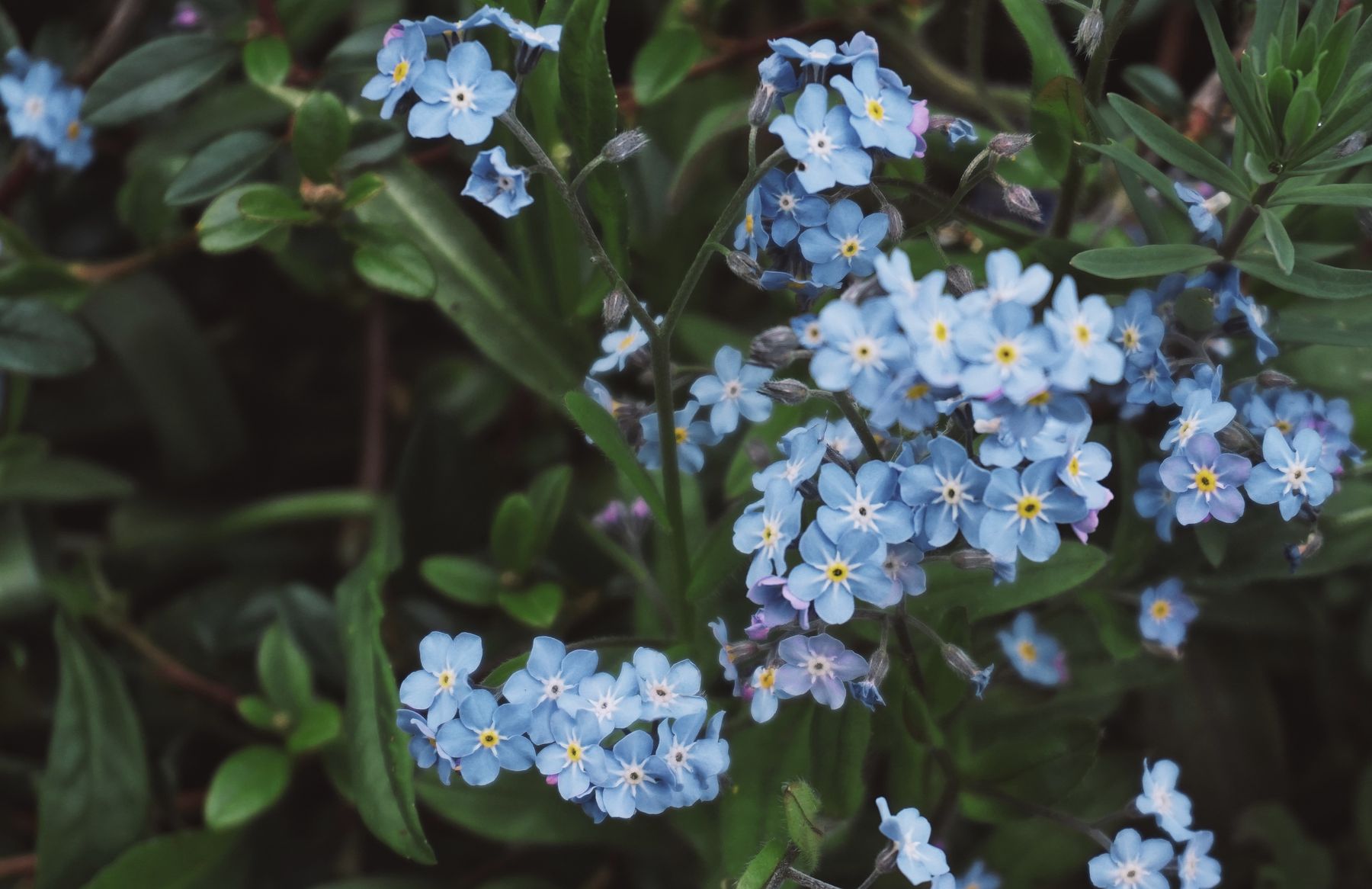
Label where you sowed your seeds so you know what to expect in spring. The source also recommends a light layer of compost or mulch after planting to help retain moisture, reduce erosion from heavy rain, and make the planting area easier to recognize later.
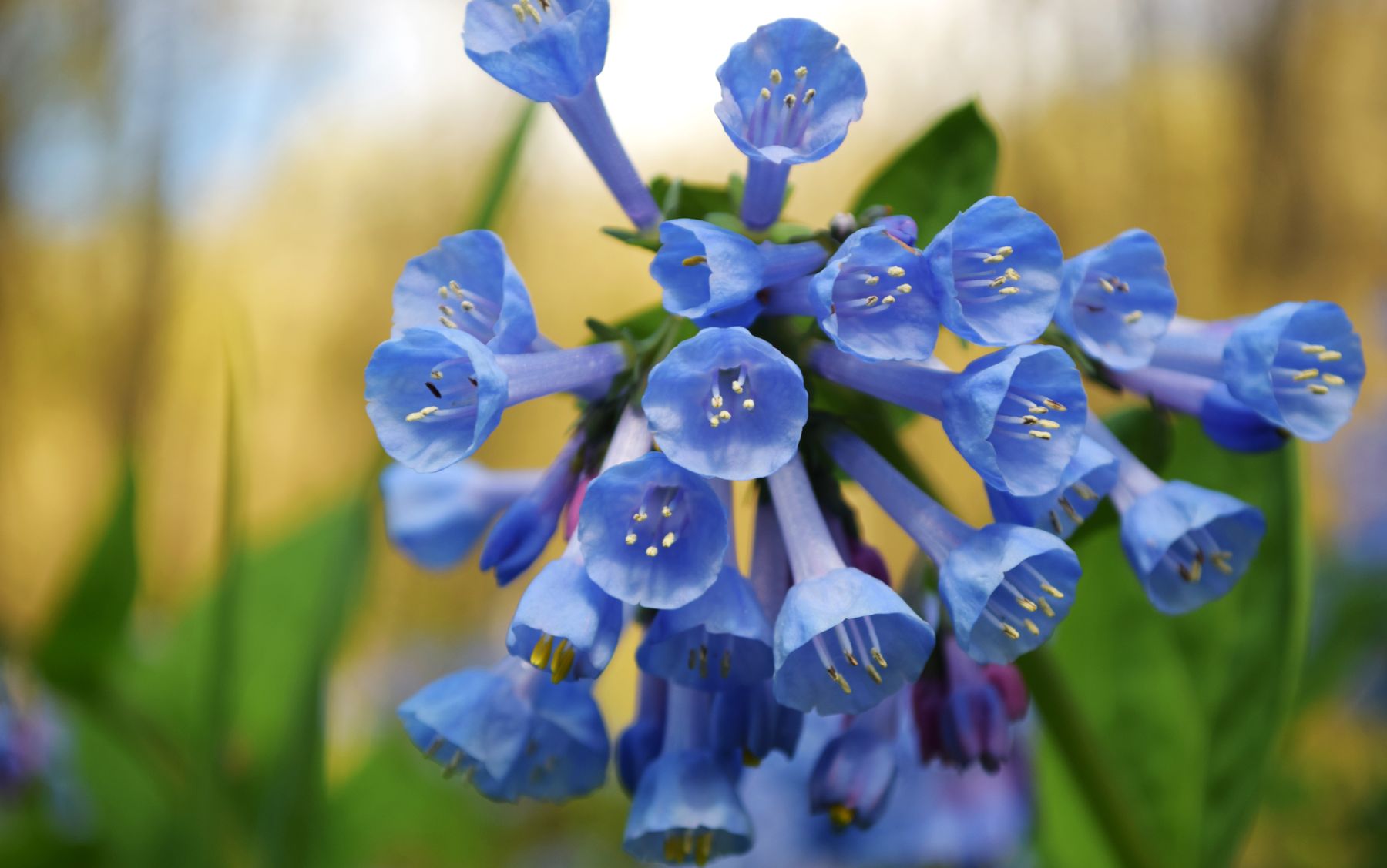
Plan Fall Sowing Around Your Climate
The biggest lesson is to match the seed to the conditions. Sweet peas, larkspur, California poppies, and several other flowers can take advantage of cool-season planting in suitable zones, while morning glories and cosmos need much warmer conditions. When the climate is too cold for outdoor fall sowing, indoor starting or spring planting is the safer route.
Final Thoughts
A handful of well-chosen seeds planted at the right time can make a noticeable difference when spring arrives. Fall sowing works best when you select annuals that tolerate the expected conditions, respect the growing zone, avoid excessive watering, and give the seeds a stable place to establish. With the right timing, autumn can be the quiet beginning of a much more colorful spring garden.
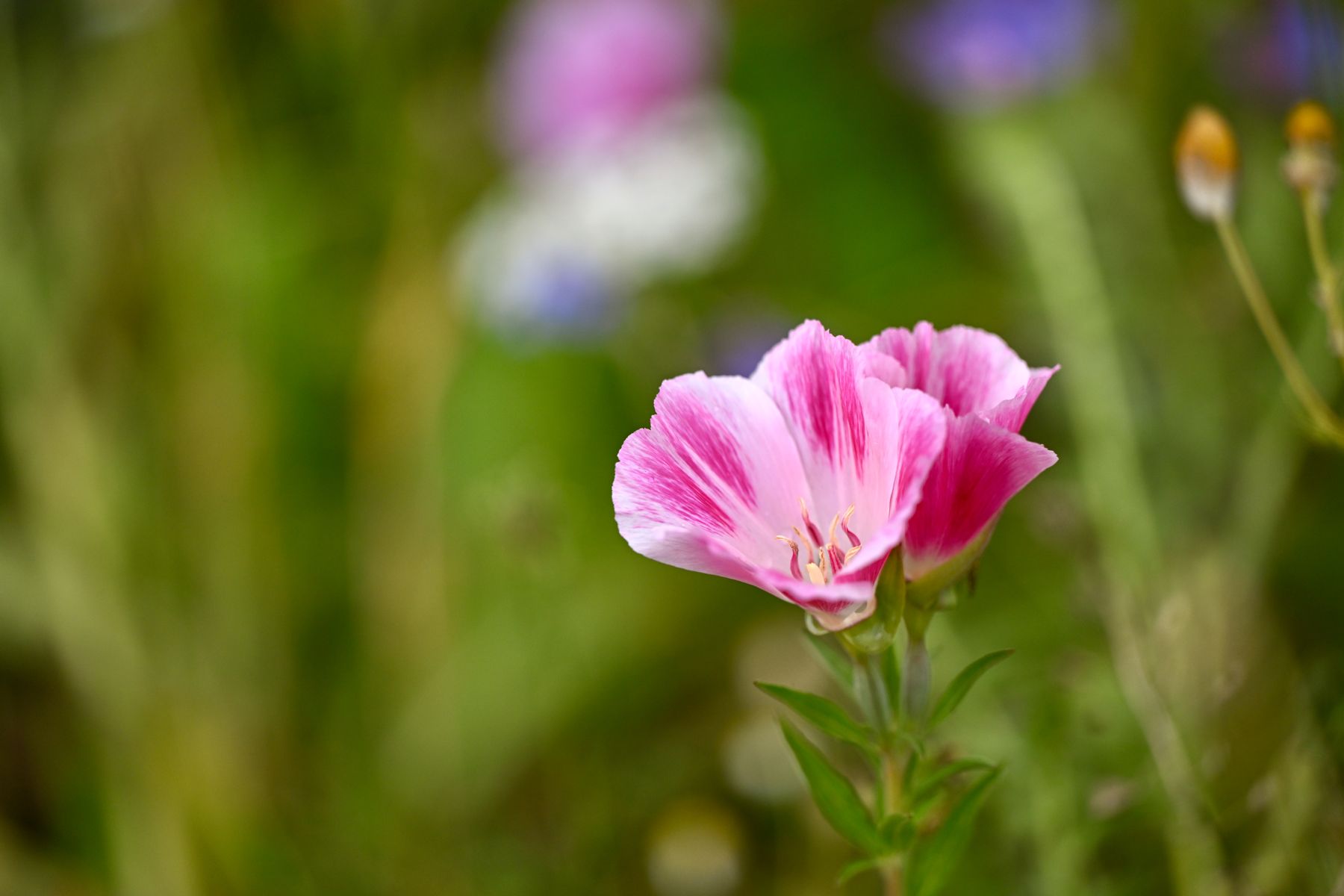
Photographs are external Pexels image URLs; they are not embedded inside this HTML file.