
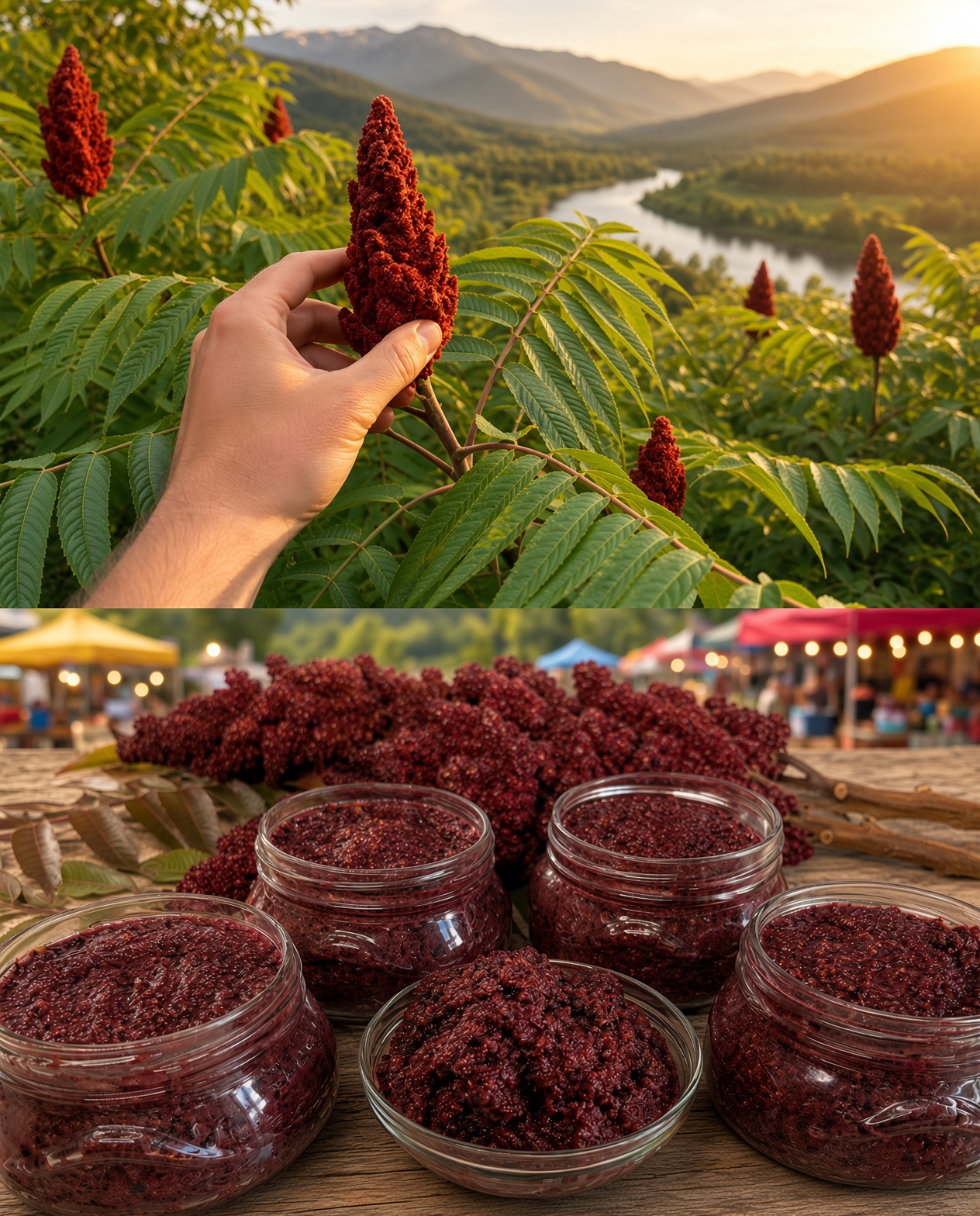
What Is Hawthorn (Crataegus)?
Hawthorn is a group of flowering shrubs and small trees in the rose family, Rosaceae. Species in the genus Crataegus are recognized by their lobed leaves, spring flowers, and small red to dark-colored fruits often called haws. Different species have different traditional uses, and preparations may be made from berries, leaves, flowers, or standardized extracts. Hawthorn has a long history in European and East Asian herbal traditions, especially for heart-related complaints. Modern research has focused most heavily on standardized hawthorn extracts and heart failure, but the evidence is mixed. That is important because an herb can be biologically active without being proven effective for every condition it is marketed for. Hawthorn is therefore best understood as a botanical medicine that requires the same care around dosing and interactions as other active supplements.

1. Hawthorn Has a Long Traditional History
Hawthorn has been used in traditional European herbal medicine for generations, and related Crataegus species have also been used in East Asian traditions. The berries, flowers, and leaves have appeared in teas, tinctures, syrups, and other preparations. Traditional use can be valuable as a starting point for research, but history alone does not prove that a remedy treats a modern diagnosis. Standardized extracts are not identical to a homemade tea, and one Crataegus species is not necessarily interchangeable with another. When reading claims about hawthorn, look for the exact species and preparation being studied. This matters especially with cardiovascular products, where consistency of dose and interaction risk can be more important than the simple label “natural herb.”

2. What the Research Says About Heart Function
Hawthorn has been studied most extensively in people with heart failure. Some trials have reported modest improvements in symptoms or exercise-related measures, while other evidence has been conflicting. The U.S. National Center for Complementary and Integrative Health notes that there is conflicting evidence for hawthorn in heart failure and that there is not enough evidence to know whether it helps conditions such as angina or abnormal heart rhythms. That means hawthorn should not be described as a proven heart-strengthening treatment. If a clinician has diagnosed a heart condition, prescribed treatment remains the foundation. A supplement should only be considered after discussing the specific product and dose with the healthcare professional managing the condition.

3. Hawthorn and Cholesterol: Keep the Claim Modest
The source article presents hawthorn as a cholesterol-lowering herb, but current evidence is not strong enough to support that as a dependable treatment. Some small studies and laboratory research have explored effects on blood lipids and oxidative stress, yet major health guidance does not list hawthorn among supplements with established cholesterol-lowering effects. For high cholesterol, proven approaches include heart-healthy eating, physical activity, weight management when appropriate, and prescription medication when indicated. Do not replace a prescribed cholesterol medicine with hawthorn. If you are interested in a botanical supplement, discuss it with your healthcare professional and keep track of actual blood-test results rather than assuming that a supplement is working.

4. Antioxidants Are Part of Hawthorn’s Appeal
Hawthorn contains flavonoids, proanthocyanidins, and other plant compounds with antioxidant activity in laboratory studies. These compounds help explain why hawthorn has attracted research interest around blood vessels and cardiovascular biology. It is tempting to turn an antioxidant finding into a promise that the herb prevents aging, clears arteries, or cures inflammation, but that leap is not justified. Laboratory activity is not the same thing as a clinically meaningful effect in people. The most useful way to interpret hawthorn’s chemistry is as a reason for continued research, not a guarantee of a particular health outcome. When a product makes several dramatic claims at once, check whether those claims were actually tested in human clinical trials.

5. Blood Pressure: Why Monitoring Matters
Some research has explored hawthorn and blood-pressure measures, but evidence remains insufficient to recommend it as a stand-alone treatment for hypertension. Blood pressure is easy to underestimate because high blood pressure often has no symptoms. A person may feel completely well while having readings that increase cardiovascular risk. That is why home monitoring and clinician follow-up are more reliable than judging success by how you feel. If hawthorn is taken alongside blood-pressure medicine, the combination may have effects that are difficult to predict without professional guidance. Never stop, reduce, or replace prescribed medication simply because a supplement is advertised as a natural alternative.

6. Circulation Claims Need Context
Hawthorn is often described online as a circulation booster because plant compounds may influence blood-vessel function. But “supports circulation” is a broad phrase that can mean very different things medically. A healthy person who wants general wellness does not need a circulation supplement simply because their hands feel cool or their legs occasionally feel tired. Persistent swelling, pain, numbness, unusual color changes, shortness of breath, or chest discomfort can have many causes and deserve proper evaluation. Hawthorn should not be used to self-treat those symptoms. Traditional use can be interesting, but symptoms involving the cardiovascular system require more than an herbal guess.

7. Hawthorn Tea Is a Traditional Preparation
Hawthorn is sometimes prepared as tea from dried berries, leaves, or flowers. A warm herbal infusion can be a pleasant traditional beverage, but homemade tea is not equivalent to a standardized extract used in a clinical study. The concentration of active compounds can vary significantly with species, plant part, harvest time, drying method, and steeping strength. For that reason, it is not appropriate to promise a specific therapeutic dose from a generic tea recipe. Treat homemade hawthorn tea as a botanical beverage rather than as a substitute for cardiovascular medication. If you are taking heart medicines or other prescriptions, ask your healthcare professional before using hawthorn regularly because interactions are possible.

8. Tinctures, Capsules, and Extracts Are More Concentrated
Hawthorn supplements are sold as tinctures, capsules, tablets, powders, and standardized extracts. These products can vary considerably in strength, species, plant part, and manufacturing quality. A dose printed on one bottle cannot automatically be transferred to another product. Concentrated preparations deserve more caution than a culinary herb because they deliver a more predictable and larger amount of active compounds. Read the label carefully, use only products from reputable manufacturers, and avoid combining several cardiovascular supplements without professional advice. The goal is to know exactly what you are taking rather than assuming that all hawthorn products are interchangeable. NCCIH also notes that no research studies have established long-term safety beyond about 16 weeks.

9. Hawthorn Can Interact With Medicines
This is one of the most important practical points. Hawthorn may interact with medicines, including drugs used for heart conditions and blood pressure. NCCIH specifically advises people who take medicines to talk with a healthcare provider before using herbal products. Some hawthorn preparations have also raised safety concerns in people with heart failure. Side effects reported in studies and clinical use can include dizziness, nausea, vomiting, diarrhea, and muscle pain. Because the cardiovascular system is sensitive to changes in blood pressure, heart rate, and contractility, “natural” does not mean risk-free. Keep a complete list of supplements and medicines and show it to your clinician or pharmacist before starting a hawthorn product.

10. Choose Hawthorn Carefully and Avoid Dangerous Substitutions
Not every product sold under a hawthorn-related name is trustworthy. NCCIH highlights a serious example involving supplements labeled “tejocote root,” which may actually contain yellow oleander, a toxic plant that can harm the heart and other organs. This is a reminder to buy from reputable sources and to pay attention to the exact botanical identity on the label. Do not forage berries for medicinal use unless you can identify the species correctly and understand the preparation. Ornamental hawthorns can also have thorns that make harvesting awkward. The safest approach is to treat medicinal hawthorn as a specific botanical product rather than casually substituting unknown berries from a hedge. It is also useful to distinguish a food-level use from a medicinal supplement. Adding properly identified hawthorn as an occasional culinary ingredient is not the same as taking a concentrated extract every day. For cardiovascular questions, measurable outcomes matter: blood pressure readings, lipid panels, symptoms, and a clinician’s assessment are more informative than judging a supplement by how you feel. Anyone considering hawthorn because of chest pain, fainting, unusual heartbeat, swelling, or shortness of breath should seek medical evaluation instead of using the herb as a self-treatment. That balanced approach keeps the promising parts of hawthorn research in perspective while avoiding the common mistake of treating traditional use as proof of a guaranteed medical effect.

A Practical, Evidence-Based Takeaway
Hawthorn is an interesting botanical with a long traditional history and genuine scientific interest, especially around cardiovascular biology. But the strongest responsible conclusion is also the simplest: evidence is mixed, cholesterol-lowering benefits are not established, and hawthorn should not replace proven treatment for heart disease or high cholesterol. Its most reasonable role is as a carefully selected complementary product used with professional guidance when appropriate. If you choose to explore it, identify the species and preparation, check the label, review possible interactions, and keep your clinician informed. Good nutrition, regular physical activity, blood-pressure management, cholesterol testing, and prescribed treatment remain much more reliable foundations for cardiovascular health.
