
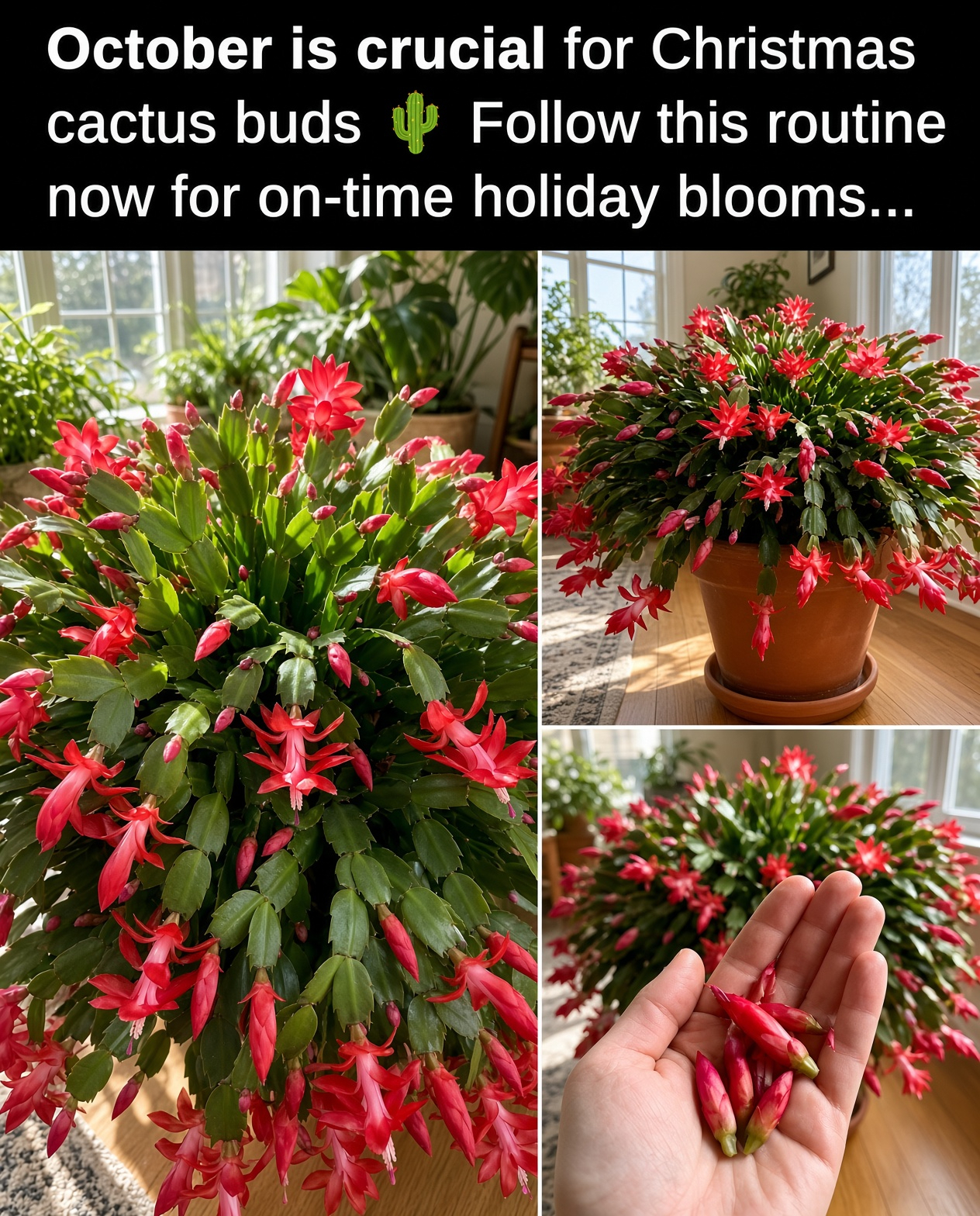
A Christmas cactus can look perfectly healthy all year and still refuse to bloom when the holidays arrive. The secret is not simply knowing how to care for it—it is knowing when to change its care routine.

Christmas Cactus Care at a Glance
- January–February: Rest after flowering, reduce watering, and stop feeding.
- March–April: Encourage fresh growth with more regular watering and light feeding.
- May–June: Give the plant a protected outdoor growing period if conditions are suitable.
- July–August: Build strong growth and prepare the plant for bud formation.
- September: Begin the fall transition with cooler conditions and long, uninterrupted nights.
- October: Maintain the darkness routine while flower buds develop.
- November: Protect developing buds from sudden changes.
- December: Enjoy the flowers while keeping conditions stable.
January to February: Give Your Christmas Cactus a Rest
After the holiday flowering period, your Christmas cactus needs time to recover. These two months are less about encouraging growth and more about allowing the plant to recharge.
Remove Old Flowers and Tidy the Plant
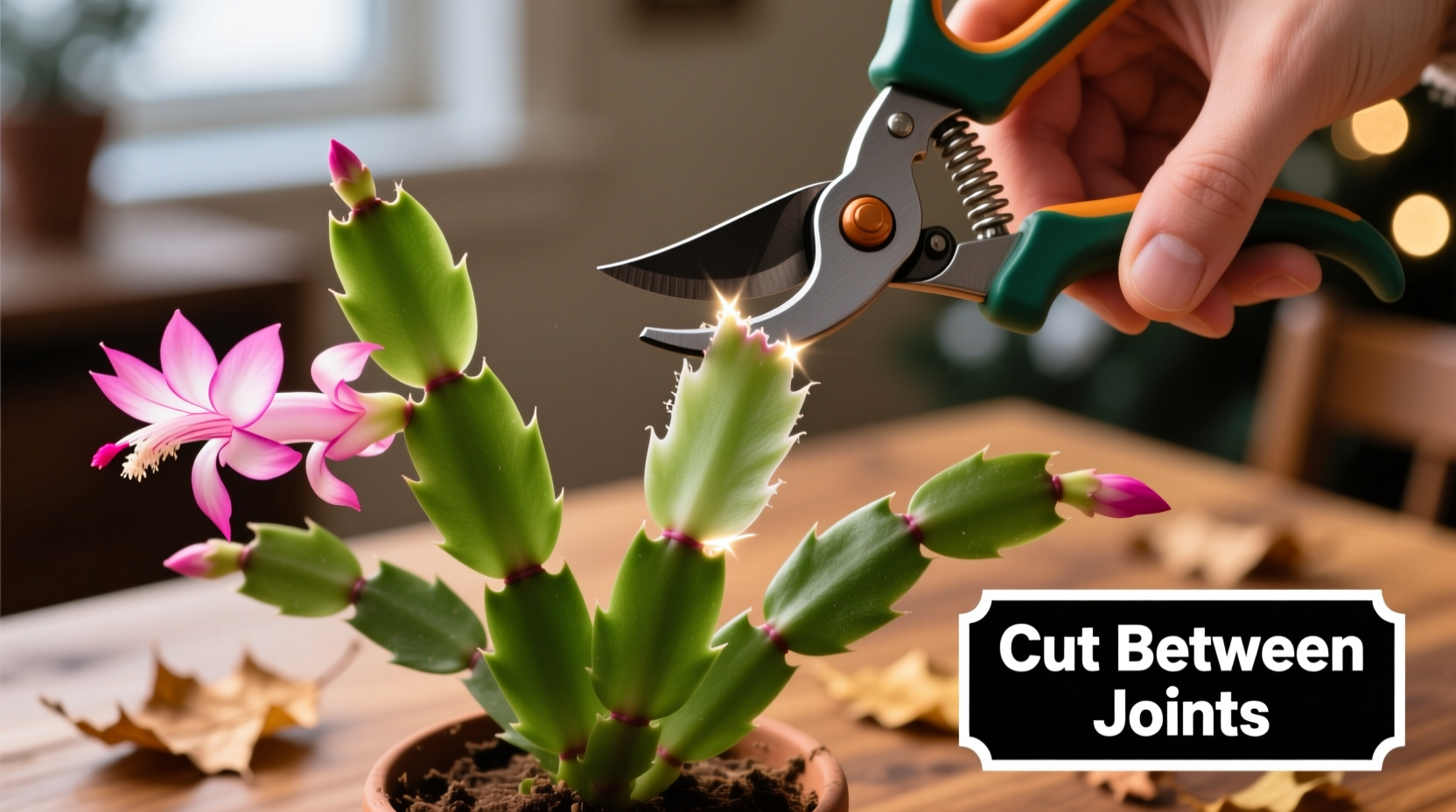
Once the flowers have faded, remove dried blooms and inspect the stems. If the plant has become unusually long or uneven, this is a suitable time for a light trim.
Use clean, sharp scissors or gently separate individual stem segments at their natural joints. Avoid aggressive pruning when the plant is already stressed.
Reduce Watering
During this post-bloom rest, the plant does not need the same amount of water it needed while actively growing or flowering. Allow the potting mix to dry more between waterings, but do not leave the plant dehydrated for prolonged periods.
Always check the soil rather than following a rigid number of days. A cool indoor room will dry the pot much more slowly than a warm, bright location.
Skip Fertilizer
Do not push new growth with fertilizer during the rest period. The plant has just completed its flowering cycle and needs a quieter transition before spring growth begins.
March to April: Encourage Fresh Spring Growth
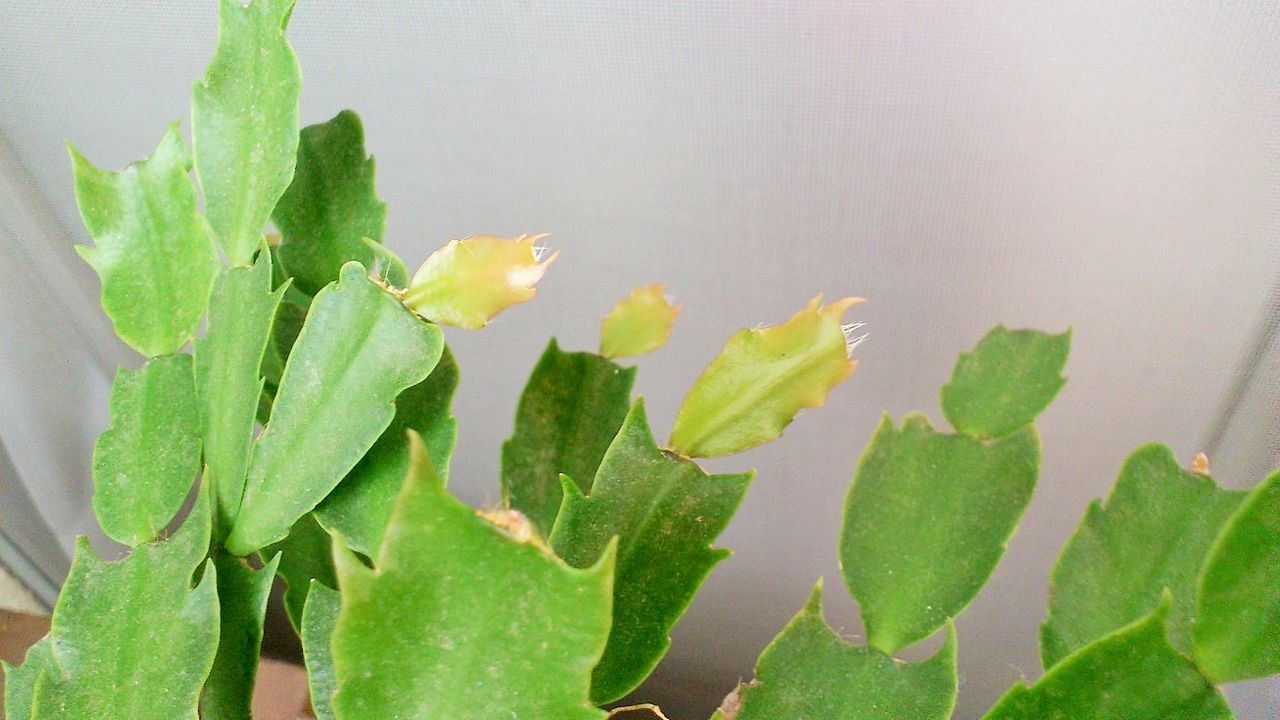
As daylight increases, your Christmas cactus begins shifting back into active growth. This is the time to gradually increase its care.
Water More Regularly
Begin watering more consistently as the plant starts producing new segments. Let the upper layer of potting mix dry before watering again, then water thoroughly and allow excess moisture to drain away.
Christmas cactus is a rainforest plant, so it should not be treated like a desert cactus that can remain bone-dry for long periods. At the same time, constantly saturated soil can damage its roots.
Begin Light Feeding
Once active growth has resumed, introduce a balanced houseplant fertilizer at a diluted strength. The original calendar recommends a monthly feeding during March and April, using a balanced formula such as 10-10-10 at half strength or 20-20-20 at quarter strength.
Always follow the fertilizer label and avoid concentrating fertilizer in dry soil.
:max_bytes(150000):strip_icc()/how-often-to-fertilize-christmas-cactus-hero-7a0d5e5d0b5b4f8c8a9a7f0b2c6d4e3a.jpg)
Rotate the Pot
Rotate the container occasionally so different sides of the plant receive similar amounts of light. This helps encourage more balanced growth instead of allowing one side to become noticeably fuller than the other.
May to June: Give It a Summer Growing Season
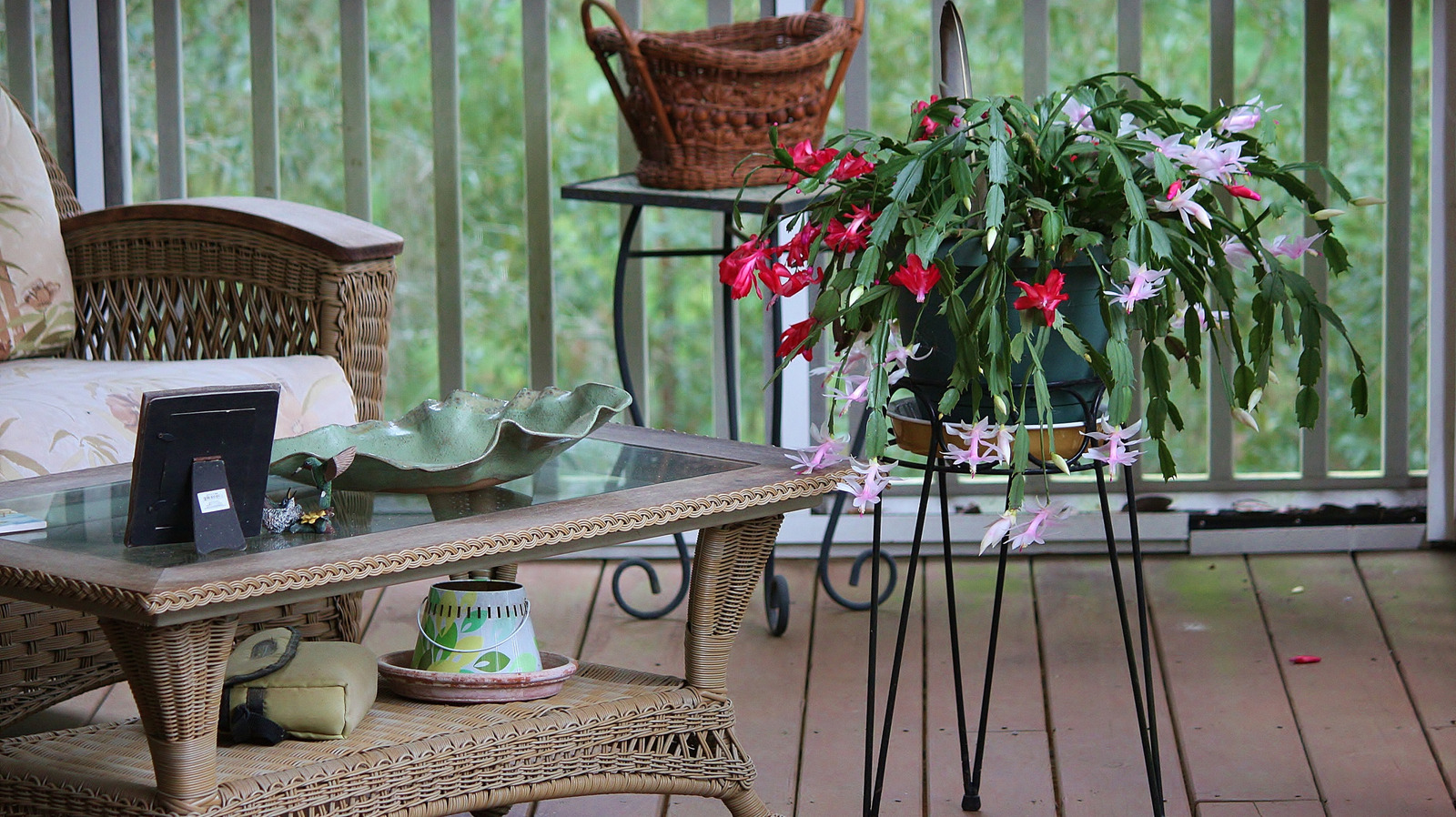
If your local weather is suitable, May and June can be an excellent time to move a Christmas cactus outdoors. The goal is to give it brighter filtered light and good growing conditions without exposing it to harsh direct sunshine.
Choose Shade or Filtered Light
Place the plant somewhere protected from strong midday and afternoon sun. A covered porch, shaded balcony, or area beneath a tree can work well when temperatures are appropriate.
Suddenly moving a plant from indoor light into intense outdoor sunshine can scorch the stems, so make the transition gradually.
Continue Monthly Feeding
Keep the diluted balanced-fertilizer routine while the plant is actively growing. This is the period when the cactus is producing the segments that will eventually support future flowers.
Prune Before Summer Ends
May and June are also the final useful window in this calendar for pinching or pruning the stem tips. Removing the end one or two segments can encourage branching and help create a fuller plant with more potential flowering points.
Once this window passes, allow the plant to grow without further trimming so it has time to prepare for the coming bloom cycle.
July to August: Build Strength for Flower Buds
By midsummer, the focus begins shifting from producing lots of new stems to preparing the plant for its eventual flowering period.
Keep Bright, Filtered Light
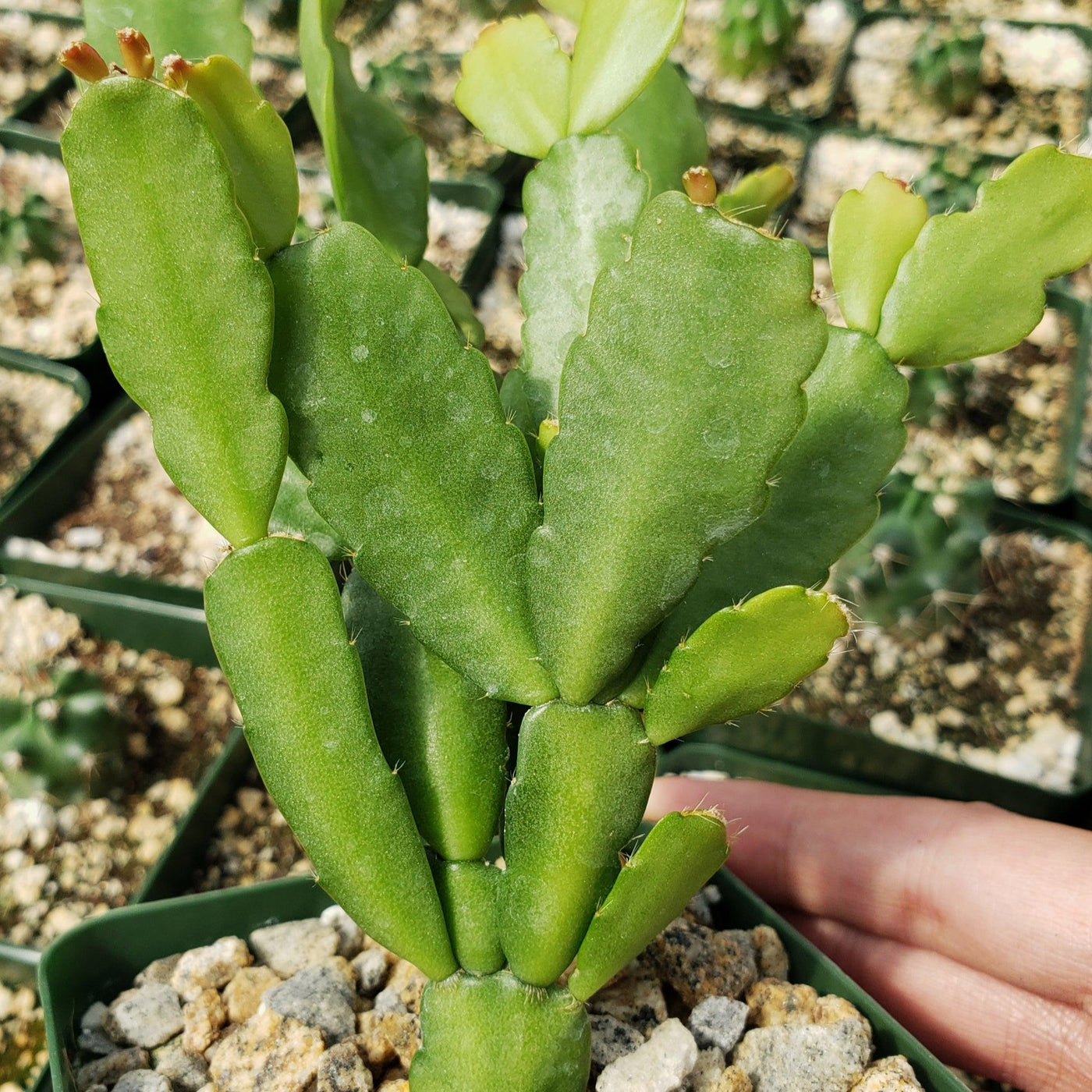
If the plant is outdoors, continue protecting it from intense direct sunlight. It should receive plenty of bright ambient light without being baked by hot afternoon rays.
Switch to a Bloom-Focused Fertilizer
The original calendar recommends changing from the balanced fertilizer to a higher-phosphorus formula during July and August. A formula around 5-15-10 is given as an example.
Keep the fertilizer heavily diluted rather than applying a concentrated solution. Excess fertilizer can cause salt buildup and damage the roots.
Keep Moisture Consistent
During active summer growth, avoid letting the potting mix remain completely dry for long periods. Check the soil regularly and water thoroughly when the appropriate upper layer has dried.
Stop Pruning
Once July arrives, put the scissors away. The plant now needs its existing segments to mature and store the resources it will need for the flowering cycle.
September: Start the Fall Bloom Transition
September is one of the most important months in the entire Christmas cactus calendar. The plant needs a clear seasonal signal that the flowering period is approaching.
:max_bytes(150000):strip_icc()/christmas-cactus-light-needs-hero.jpg)
Move It Indoors When Nights Cool
When nighttime temperatures consistently approach about 50°F (10°C), bring the plant back indoors or into a protected area.
Choose a location with bright but indirect daytime light and stable conditions.
Stop Fertilizing
End the feeding routine in September. Continuing to encourage leafy growth too late into the season can work against the transition toward flowering.
Reduce Watering Slightly
Begin easing back on watering while continuing to monitor the soil. The goal is not to severely dehydrate the plant but to create a modest change from its summer growing routine.
Begin the Darkness Treatment
The calendar recommends giving the plant approximately 12–14 hours of uninterrupted darkness every night for six consecutive weeks.
Artificial light during the night can interfere with the short-day signal. A dark room, closet, or other reliably dark location can help provide the necessary uninterrupted nighttime period.
October: Encourage Flower Bud Formation
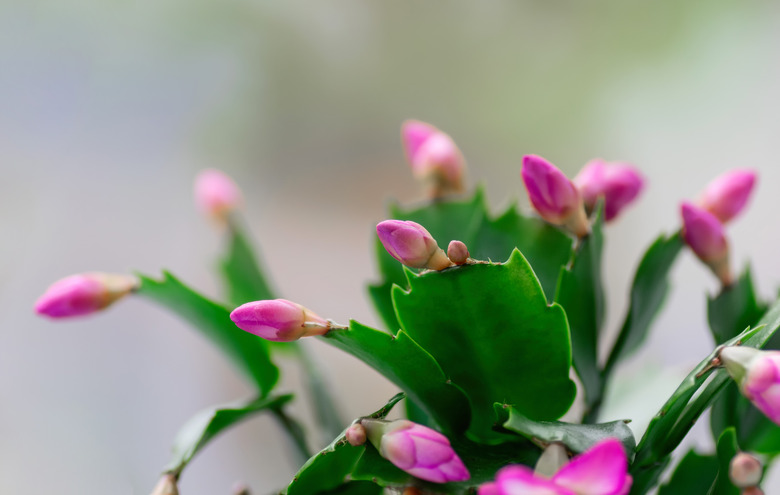
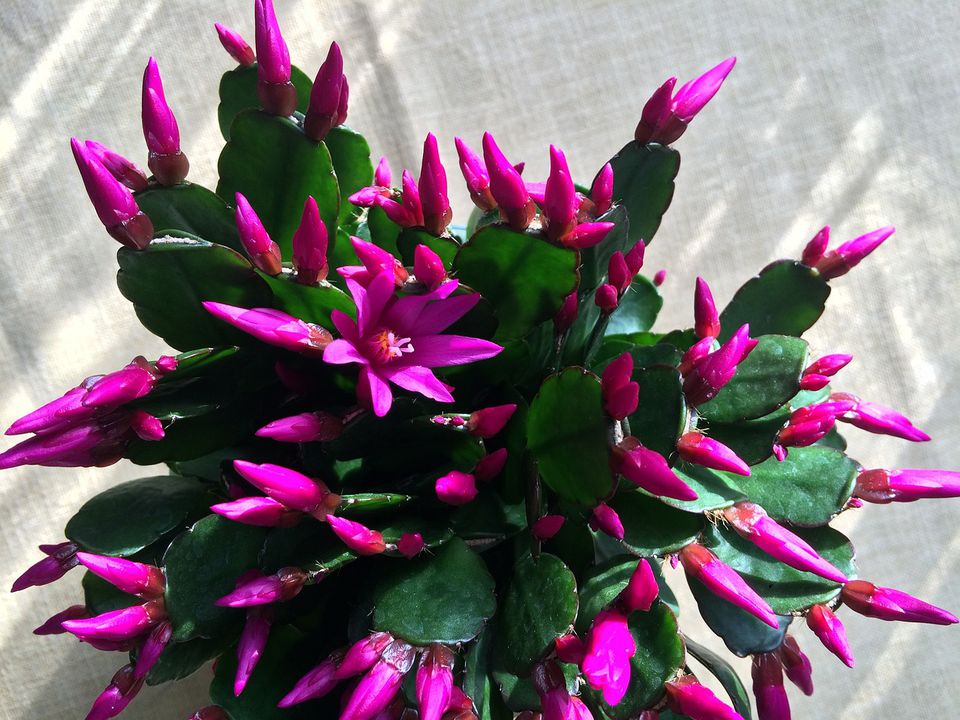
If the September routine has gone well, October is when tiny flower buds should begin developing.
Continue the Long Nights
Do not stop the darkness routine prematurely. Continue providing roughly 12–14 hours of uninterrupted darkness each night during the required transition period.
Keep Nights Cool
The original calendar recommends nighttime temperatures around 50–55°F (10–13°C) during October. The combination of cooler nights and long darkness helps reinforce the seasonal flowering signal.
Water Sparingly
Water less frequently than during the summer growing period. Allow the soil to become mostly dry before watering, while still avoiding prolonged severe dehydration.
Fertilizer remains off the schedule during this period.
November: Protect the Developing Buds
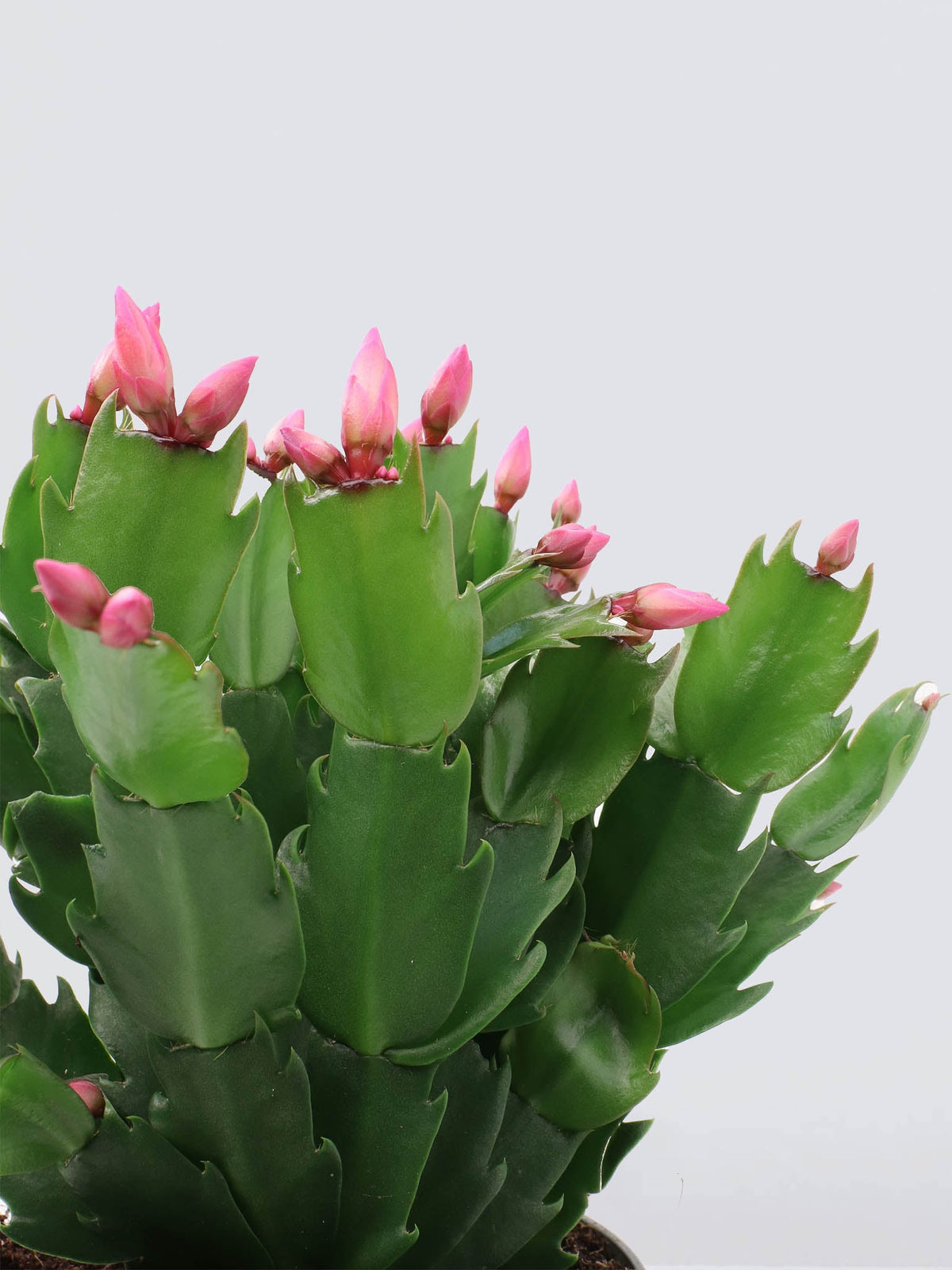
Once flower buds are clearly visible, the most important thing you can do is maintain consistency.
Return to Bright, Indirect Light
Once the buds have formed, the darkness treatment can end according to the original calendar. Move the plant into its normal bright, indirect-light location.
Do Not Move or Rotate the Plant
This is the stage when stability matters most. Avoid repeatedly changing the plant’s position, turning the pot, or moving it between rooms.
Sudden changes in temperature, light, or humidity can contribute to bud drop. Once you find a suitable location, leave the plant there.
Return to Light Watering
As the buds enlarge, gradually return to a more regular watering routine. Check the soil first and avoid both bone-dry conditions and constantly wet roots.
December: Enjoy the Flowers
After months of carefully timed care, December is the reward. Your Christmas cactus should now be entering its main flowering period.
Protect the Blooms From Temperature Extremes
Keep the flowering plant away from heating vents, radiators, cold drafts, and locations where temperatures change dramatically.
A stable environment is especially important once the flowers and buds have developed.
Water According to the Soil
Do not automatically water on a fixed calendar. Check the upper layer of soil and water when it has dried appropriately for your indoor conditions.
When watering, allow excess water to drain freely and never leave the pot sitting in a saucer of stagnant water.
Do Not Disturb the Plant
Once your Christmas cactus is flowering beautifully, resist the temptation to keep moving it around the house. A stable location with bright, indirect light is usually the safest choice.
4 Common Mistakes That Can Ruin the Blooming Cycle
1. Keeping the Plant Too Warm in Early Fall
Warm conditions during the fall transition can interfere with the environmental signals that encourage bud formation. Cooler nights are an important part of the seasonal cycle.
2. Allowing Light to Interrupt the Night
A Christmas cactus needs long, uninterrupted nights to receive the short-day signal associated with flowering. Lamps, televisions, hallway lights, and other artificial light sources can interfere with this process if they regularly illuminate the plant during its dark period.
3. Continuing Heavy Feeding Too Late
Fertilizing aggressively late in the season can encourage vegetative growth when the plant should be transitioning toward flowering. The calendar therefore ends regular feeding before the main bud-setting period.
4. Moving the Plant After Buds Appear
Once buds have formed, avoid unnecessary changes. Sudden shifts in temperature, light, watering, or location can stress the plant and contribute to buds dropping before they open.
The Simple Christmas Cactus Routine
The easiest way to remember the entire calendar is to think of the year as a series of stages:
- Winter: Rest after flowering.
- Spring: Encourage new growth.
- Early summer: Build a strong, bushy plant.
- Late summer: Prepare for the flowering season.
- Early fall: Use cool temperatures and long nights to trigger buds.
- Late fall: Protect developing buds.
- December: Maintain stable conditions and enjoy the flowers.
Christmas cactus care becomes much easier when you stop treating every month the same. The plant naturally moves through periods of rest, active growth, preparation, and flowering, and your care should change with each stage.
Final Thoughts
A Christmas cactus does not need complicated care, but it does respond strongly to timing. The biggest difference between a plant that produces plenty of holiday flowers and one that stays green often comes down to what happens in late summer and fall.
Give it a restful winter, encourage healthy spring and summer growth, stop feeding at the right time, provide cool nights and long uninterrupted darkness in early fall, and then leave developing buds undisturbed.
Follow that rhythm year after year, and your Christmas cactus can become a long-lived houseplant that puts on a beautiful seasonal display every winter.