
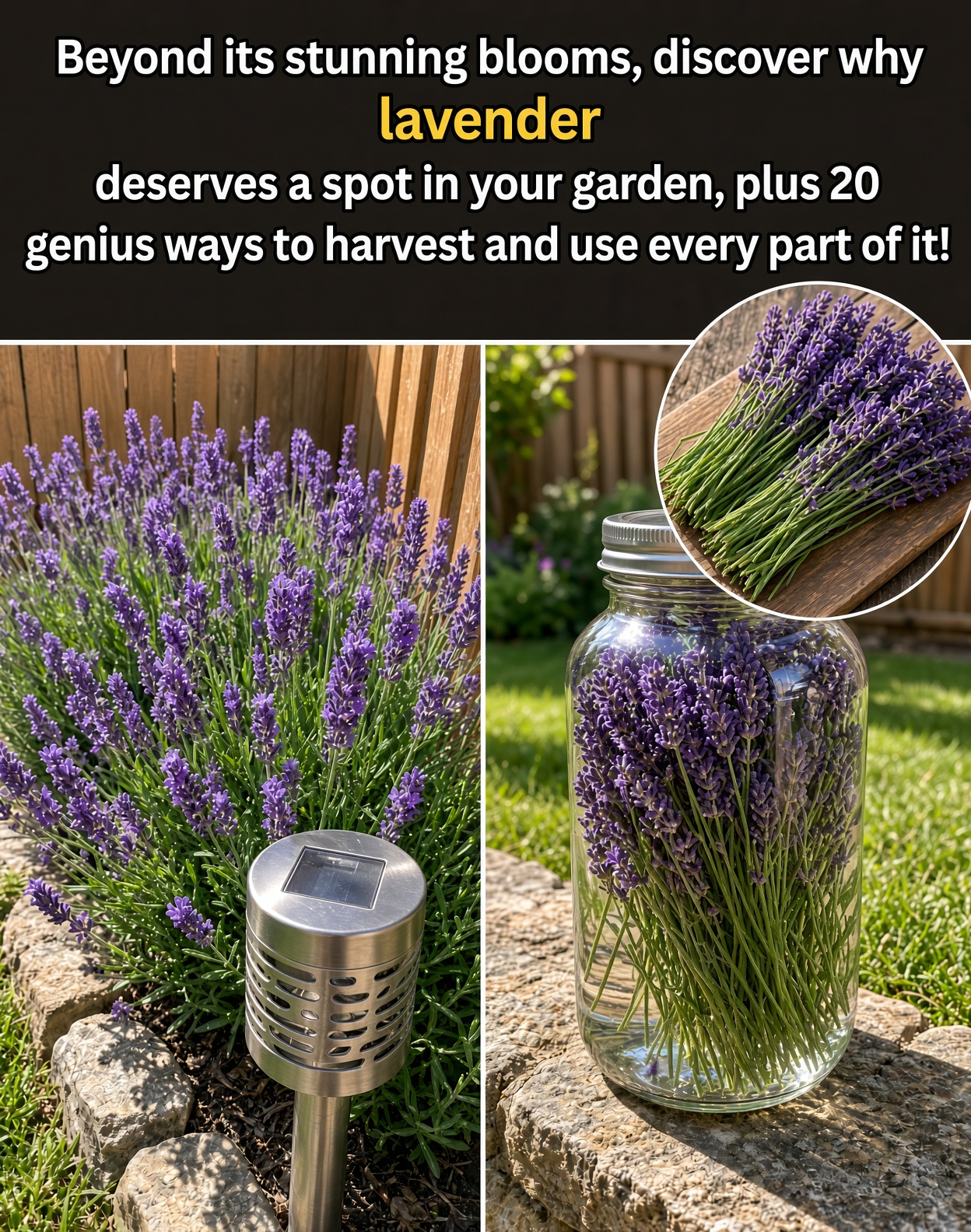
Once established in a sunny, well-drained location, lavender can provide flowers and fragrant foliage for years. Its blooms are especially valuable to bees, butterflies, and other pollinating insects, while its aromatic harvest can be used throughout the home.
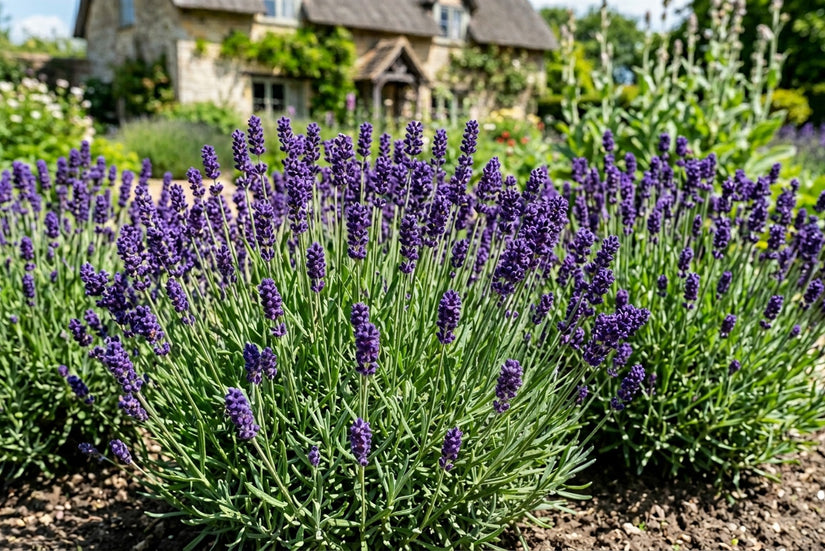
4 Reasons to Grow Lavender
1. Lavender Attracts Pollinators
When lavender comes into flower, its fragrant spikes can become a busy landing place for bees, butterflies, hoverflies, and other beneficial insects. Planting several lavender plants together creates a particularly attractive display while adding valuable flowering resources to the garden.
Lavender works especially well along pathways, garden borders, herb gardens, and sunny areas where its flowers can be enjoyed up close. Pollinator-friendly planting can also contribute to a more diverse backyard ecosystem.
2. It Handles Dry Conditions Well
Lavender comes from Mediterranean regions where sunshine, heat, and relatively dry conditions are common. Once established, many lavender varieties are drought tolerant and prefer soil that drains quickly rather than remaining constantly wet.
This makes lavender a useful choice for gardeners who want attractive planting without creating a high-water garden. Sandy, gravelly, or otherwise well-drained soil and plenty of sunlight are much more important than rich, constantly moist soil.
3. Its Strong Aroma Makes It Less Appealing to Browsing Animals
The intense fragrance of lavender is pleasant to people but can make the plant less attractive to deer and rabbits. That makes it a useful addition around ornamental beds and other areas where gardeners want aromatic plants that are not especially appealing to browsing wildlife.
Lavender should not be considered a guaranteed wildlife barrier, but its strong scent makes it a useful companion plant in many low-maintenance landscapes.
4. One Plant Can Provide Harvests for Years
Unlike annual herbs that need to be replanted each season, lavender is a long-lived perennial when grown in suitable conditions. A healthy plant can provide flowers and fragrant foliage year after year.
Regular, sensible pruning helps maintain a compact shape and prevents the plant from becoming excessively woody. That means one well-positioned lavender plant can become a dependable source of flowers for decorating, fragrance, crafts, and selected culinary projects.
20 Brilliant Ways to Use Lavender
Culinary Uses
1. Make Lavender-Infused Sugar
Lavender sugar is an easy way to add a delicate floral note to desserts. Combine dried, food-grade lavender buds with granulated sugar in an airtight container and allow the aroma to infuse the sugar.
Use the finished sugar in shortbread, lemon desserts, scones, cakes, or other recipes where a subtle floral flavor works well. Always use lavender specifically suitable for culinary use.
2. Prepare Lavender Simple Syrup
A lavender simple syrup can transform homemade lemonade, sparkling water, iced drinks, desserts, and other beverages with a gentle floral flavor.
Prepare a basic sugar-and-water syrup, add a small amount of culinary lavender, allow it to infuse briefly, and strain out the flowers before cooling and storing the syrup.
3. Create Homemade Herbes de Provence
Dried lavender can be combined with herbs such as thyme, rosemary, savory, and marjoram to create a fragrant Mediterranean-style seasoning blend.
Use a small amount in savory dishes such as roasted vegetables, potatoes, or herb-seasoned meals. Lavender is powerful, so a little is usually enough.
4. Infuse Honey with Lavender
Lavender and honey make a naturally fragrant combination. Place a small amount of dried, food-grade lavender into honey and allow the aroma to infuse before straining if desired.
The finished honey can be enjoyed with biscuits, toast, cheese, or other foods where a floral sweetness complements the dish.

5. Use Woody Lavender Stems for Grilling Aromatics
After harvesting lavender flowers, do not automatically throw away the tougher stems. Dry woody pieces can be saved for appropriate outdoor cooking projects where they can contribute a subtle herbal aroma.
Only use clean, untreated plant material and avoid lavender that has been exposed to pesticides or other garden chemicals.
Natural Home & Laundry Ideas
6. Make Lavender Linen Sachets
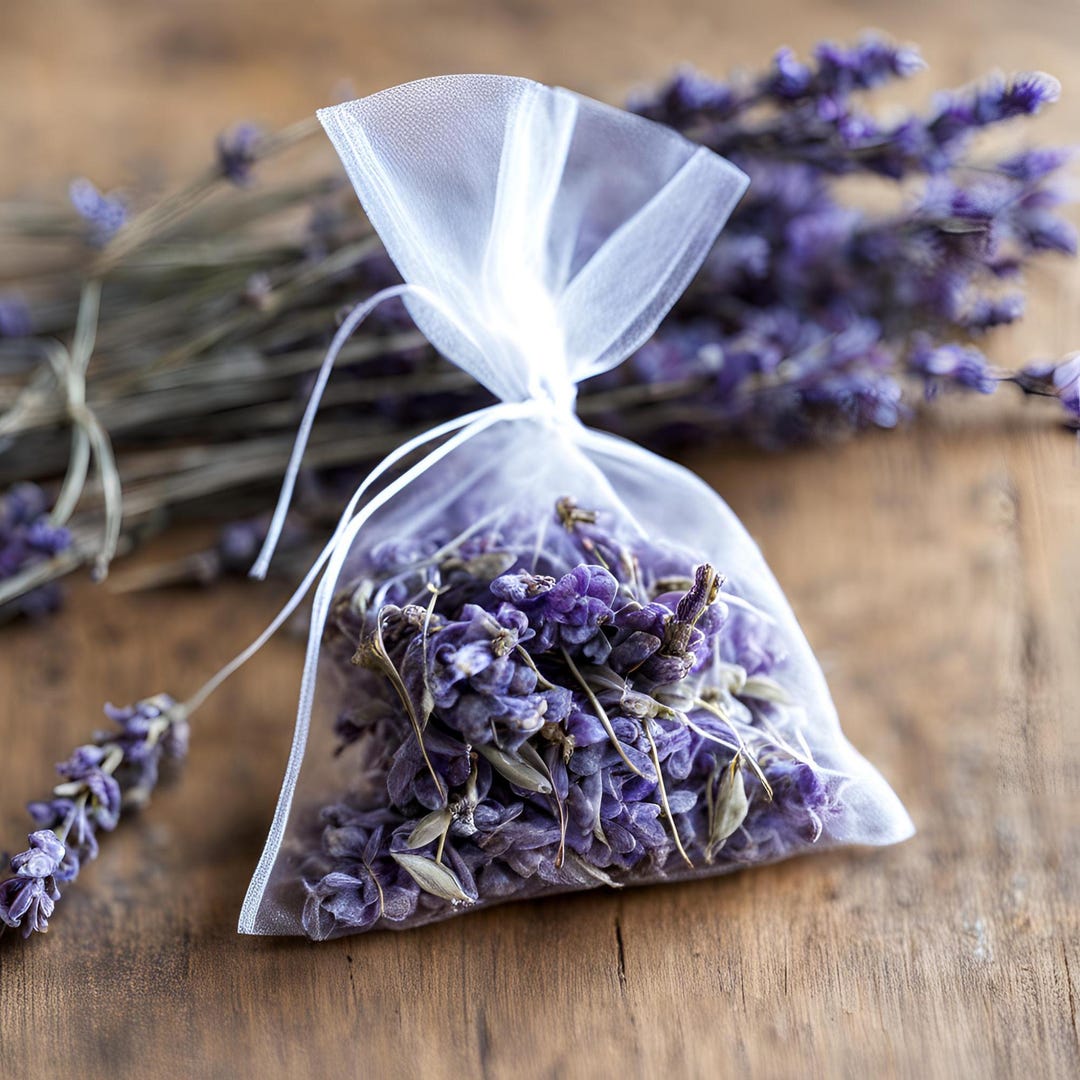
One of the simplest uses for dried lavender is a homemade sachet. Fill a small breathable cotton or organza bag with dried buds and place it inside a drawer, closet, linen cabinet, or storage basket.
The dried flowers release their fragrance gradually, making sachets a simple way to give stored fabrics a fresh herbal scent.
7. Make a Lavender Ironing Spray
A lightly scented lavender spray can add a fresh botanical aroma to linens while ironing. Prepare a lavender-infused water, allow it to cool completely, strain it carefully, and place it in a clean spray bottle.
Test any homemade spray on a small hidden area of fabric first, especially when working with delicate materials.
8. Freshen Carpets and Rugs
For a simple dry carpet refresher, finely crushed dried lavender can be combined with baking soda. Sprinkle a small amount over a suitable rug or carpet, leave it briefly, and vacuum thoroughly.
Always test first on an inconspicuous area and avoid this method if loose powders could create a problem for anyone in the household.
9. Create a Lavender-Scented Vinegar Cleaner
Lavender can also be used to fragrance a homemade vinegar-based cleaning solution. Dried lavender or fresh sprigs can be infused into white distilled vinegar before the mixture is strained.
Use caution with vinegar on delicate surfaces because acidic cleaners are not appropriate for every material. Never mix vinegar with bleach or other incompatible cleaning products.

10. Make Reusable Lavender Dryer Bundles
Dried lavender stalks can be tied into a small, secure bundle and used to add fragrance to laundry. The bundle can be kept with linens and reused when it still retains its aroma.
Make sure the bundle is tightly secured so that loose plant material does not scatter through the dryer.
Lavender for Relaxation & Self-Care
11. Make a Gentle Lavender Herbal Tea
Food-grade lavender can be combined with chamomile to create a fragrant caffeine-free herbal infusion. Lavender has a strong flavor, so a modest amount is generally preferable.
Think of this as a relaxing evening beverage rather than a treatment for insomnia or anxiety. If you are sensitive to herbs, start with a mild preparation.
12. Add Lavender to a Simple Facial Steam
Dried lavender can be incorporated into a gentle at-home steam routine for its pleasant botanical fragrance.
Because hot water and steam can burn skin, use a comfortably warm setup rather than placing your face close to boiling water. Stop immediately if the heat feels uncomfortable.
13. Make Lavender Bath Salts
Dried lavender buds can be combined with bath salts to create a fragrant bathing mixture. The combination of lavender and warm water creates a pleasant sensory experience after gardening or a busy day.

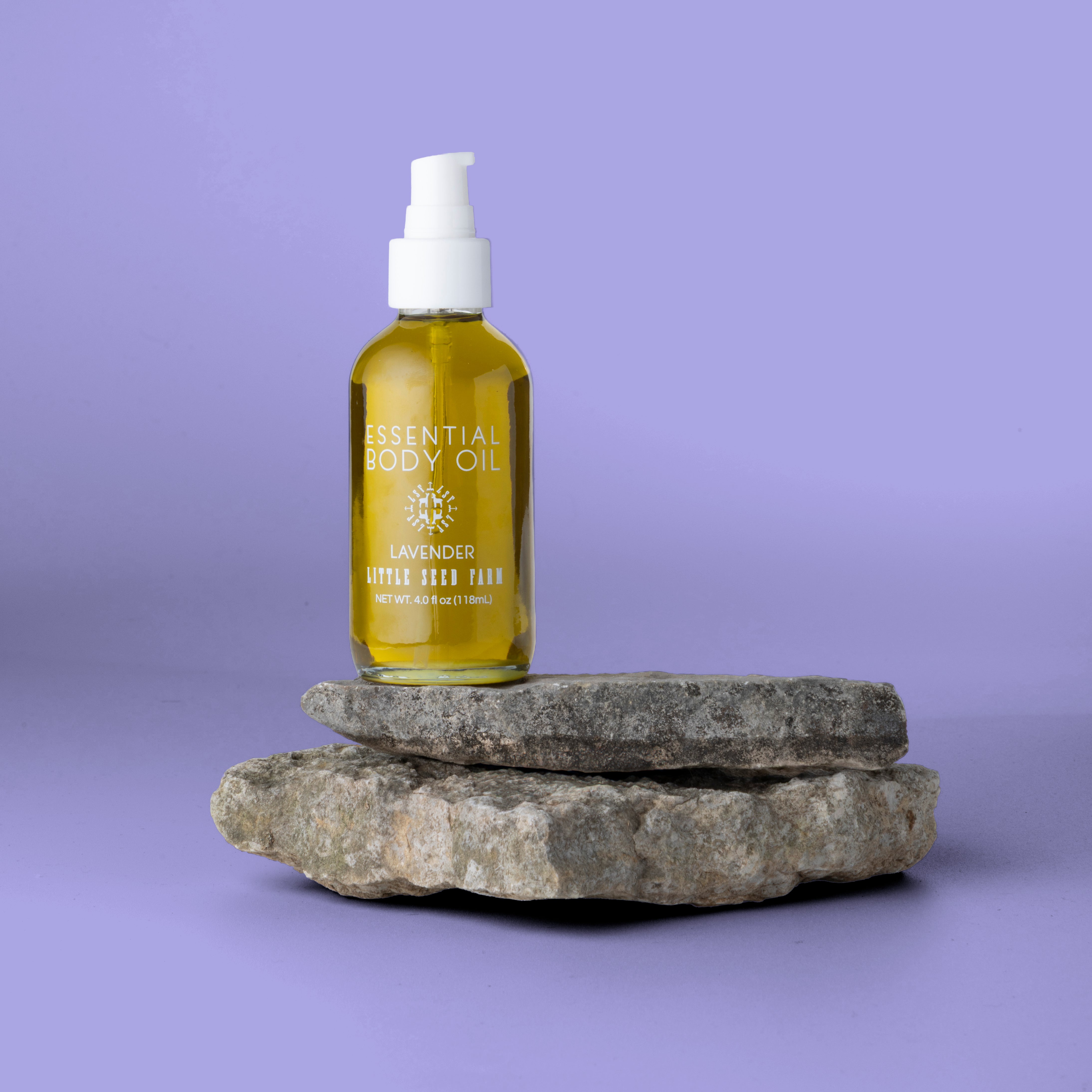
14. Make Lavender-Infused Body Oil
Dried lavender can be infused into a carrier oil such as olive, sweet almond, or jojoba oil. Once strained, the aromatic oil can be used as a scented body oil or incorporated into simple homemade body-care projects.
Always use completely dried plant material when making an oil infusion and patch-test homemade skin products before wider use.
15. Keep Lavender Handy for Outdoor Comfort
Fresh lavender leaves have a strong herbal aroma and can be included in a simple garden first-aid or outdoor-care basket. However, homemade plant preparations should not be applied to broken or irritated skin, and lavender should not replace appropriate treatment for significant bites or skin reactions.
Crafts, Decor & Garden Uses
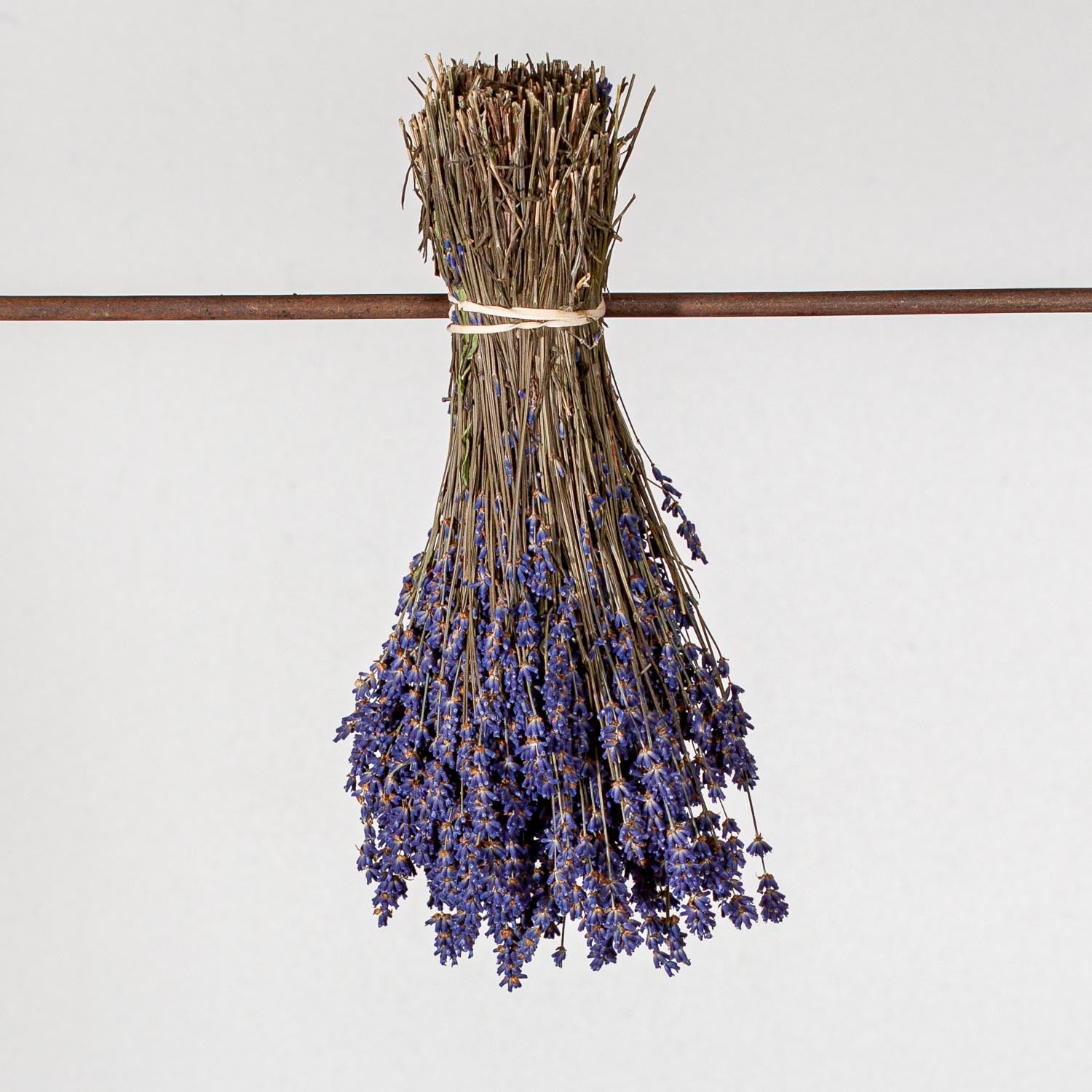
16. Create Dried Lavender Bouquets
Lavender is one of the easiest garden flowers to preserve. Harvest flower stems while the buds are well colored and only a small number of flowers have opened.
Tie the stems into small bundles and hang them upside down in a dark, dry, well-ventilated place. Once completely dry, the bundles can be displayed in vases or used in other crafts.
17. Make Pressed Lavender Art
Individual lavender flowers can be pressed and used in simple decorative projects. Arrange the flowers carefully between absorbent sheets, place them under weight, and allow them to dry completely.
Pressed lavender can later become part of greeting cards, framed botanical artwork, bookmarks, or other handmade decorations.
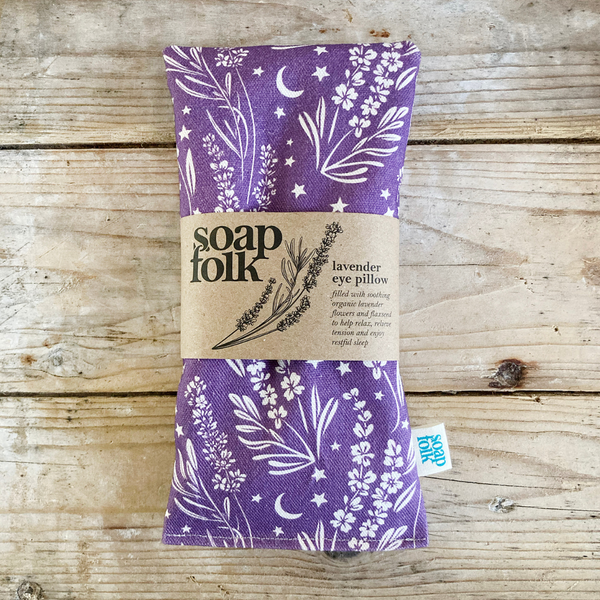
18. Make a Lavender Eye Pillow
Dried lavender buds can be combined with flaxseed or uncooked rice and placed inside a small fabric pouch to create a lightly weighted aromatic eye pillow.
Keep the pillow clean and dry, and use it simply as a relaxation accessory rather than as a medical treatment.
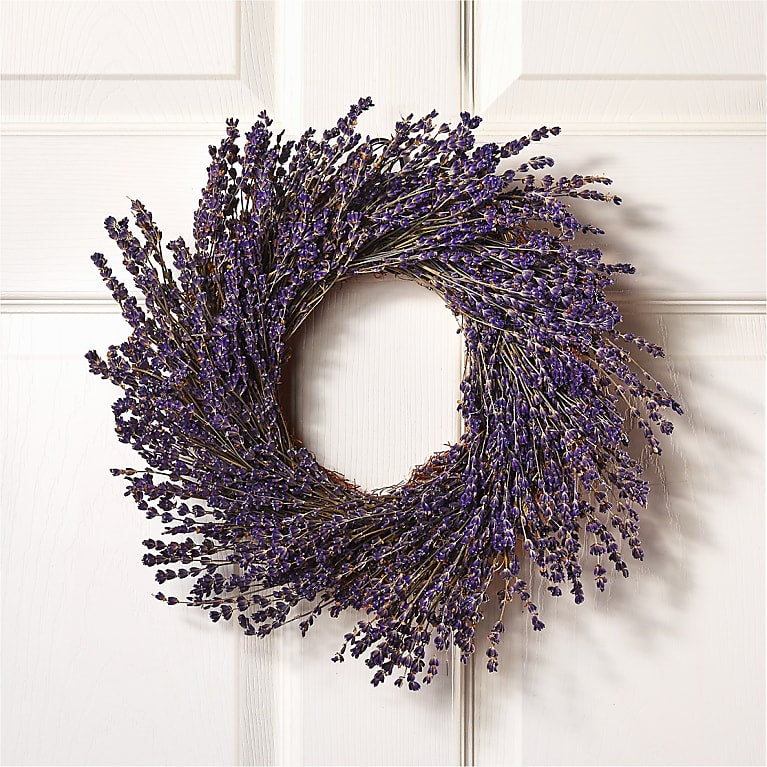
19. Make Lavender Wreaths and Decorative Bundles
Long lavender stems can be turned into beautiful seasonal decorations. Combine lavender with other dried herbs or flowers and shape the stems into wreaths, bundles, or hanging arrangements.
The natural purple color and fragrance make lavender especially attractive for rustic, cottage-style, and Mediterranean-inspired decor.
20. Reuse Dried Lavender Trimmings in the Garden
After pruning and harvesting, coarse dried lavender leaves and stems do not necessarily have to go straight into the trash. Small amounts of clean, untreated trimmings can be reused around the garden as part of a natural mulch or composting routine.
Lavender’s strong aroma can also make its dried material interesting for gardeners experimenting with aromatic planting and homemade garden solutions.
How to Harvest Lavender for the Best Fragrance
Choose a Dry Morning
Harvest on a dry morning after surface moisture has disappeared but before the strongest heat of the day. Dry conditions make the harvested material easier to preserve and help maintain its fragrance.
Watch the Flower Buds
For dried lavender, harvest when the flower spikes are richly colored and the buds are developed, with only a few flowers beginning to open. Waiting until every flower has fully opened can make drying and handling more difficult.
Cut Above the Woody Base
Use clean, sharp pruners and cut the flowering stems while leaving green growth on the plant. Avoid cutting deeply into the old, woody center of the shrub.
This approach helps preserve the plant’s shape while allowing it to continue producing fresh growth.
English Lavender vs. French and Spanish Lavender
Not all lavender varieties are identical. Their fragrance, hardiness, flower shape, and best uses can vary considerably.
English Lavender — Lavandula angustifolia
English lavender is compact, fragrant, and among the more cold-hardy lavender types. Cultivars such as ‘Munstead’ and ‘Hidcote’ are popular choices for gardens.
For culinary projects, choose lavender that is specifically identified as culinary or food-grade rather than assuming every ornamental lavender plant is suitable for eating.
French and Spanish Types
French and Spanish lavenders can have distinctive flower heads with decorative bracts and often have a stronger, more camphor-like fragrance. Their appearance makes them excellent ornamental plants, although their hardiness can differ from English lavender.
These types are often better suited to decorative, fragrance, and garden applications than culinary use.
Final Thoughts
Lavender earns its place in the garden by combining beauty, fragrance, pollinator appeal, drought tolerance, and a remarkably useful harvest. A single healthy plant can provide flowers for bouquets, sachets, crafts, household fragrance, and carefully selected culinary projects.
Give lavender what it prefers—plenty of sun, excellent drainage, and restrained watering once established—and it can become one of the most rewarding perennial herbs in your garden.