
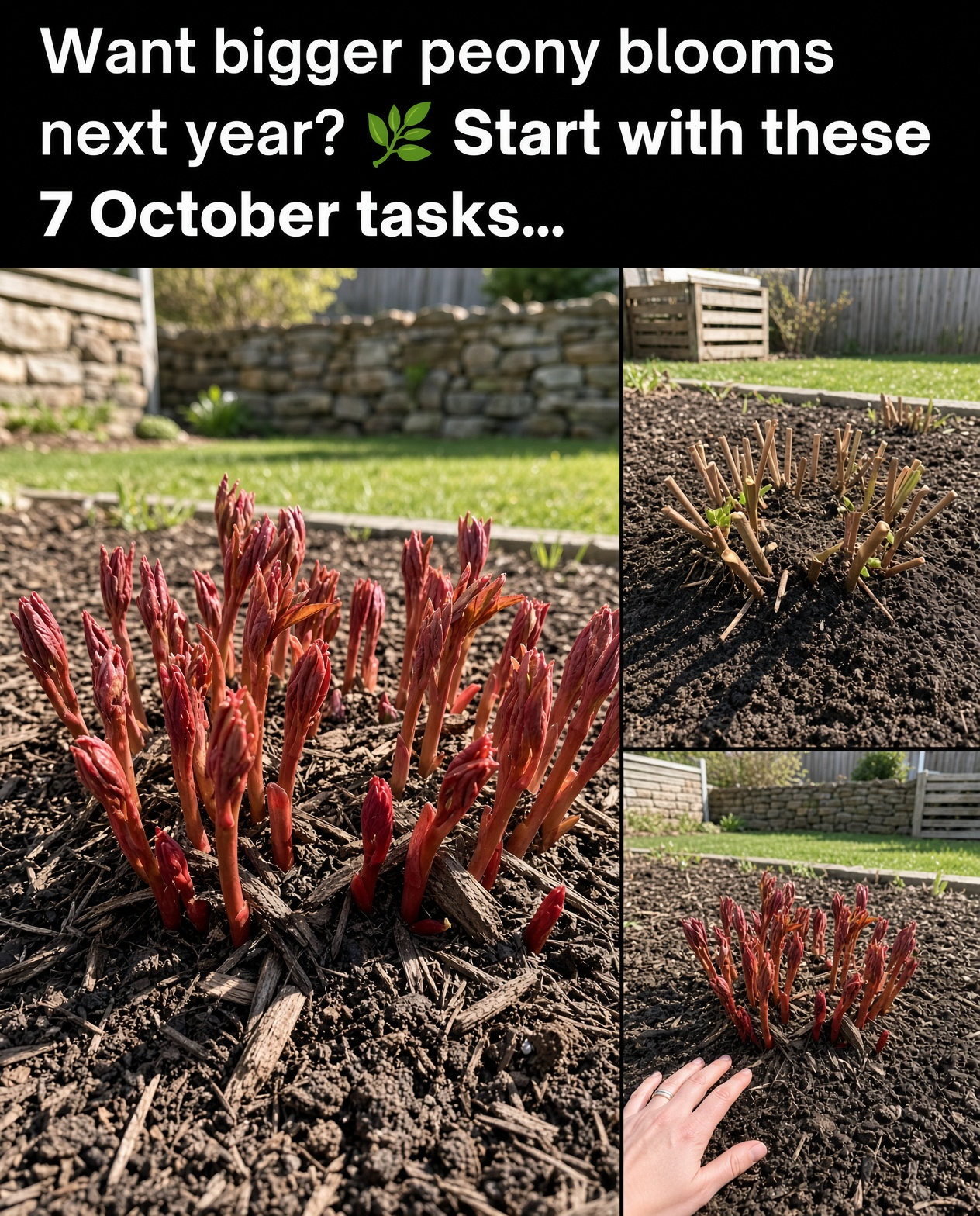
October is the perfect time to prepare peonies for the months ahead, but fall care is all about timing. Cutting healthy foliage too early, disturbing established plants unnecessarily, or ignoring newly planted roots can all affect how well your peonies perform next spring.

1. Leave Healthy Green Foliage Alone
If your peony still has healthy green leaves in October, resist the temptation to cut everything down immediately.
The foliage is still photosynthesizing and helping the plant store energy in its underground crown and roots. Those reserves are important for the growth and flower production that will happen the following spring.
Instead of choosing a specific calendar date for pruning, watch the plant. Let healthy foliage remain until it naturally yellows, browns, or is damaged by a hard freeze.
Removing the leaves while they are still actively functioning can reduce the amount of energy the plant stores before winter.

2. Cut Back Dead Herbaceous Peony Stems
Once frost or naturally declining temperatures have killed the foliage, you can finally perform the main fall cleanup.
For herbaceous peonies, cut the dead stems down to roughly 1–2 inches above the soil surface. Work carefully around the crown because the swollen reddish buds, known as eyes, are next season’s growth points.
Do not treat every type of peony in exactly the same way. Herbaceous peonies die back to the ground, while tree peonies develop permanent woody stems that should generally remain intact.
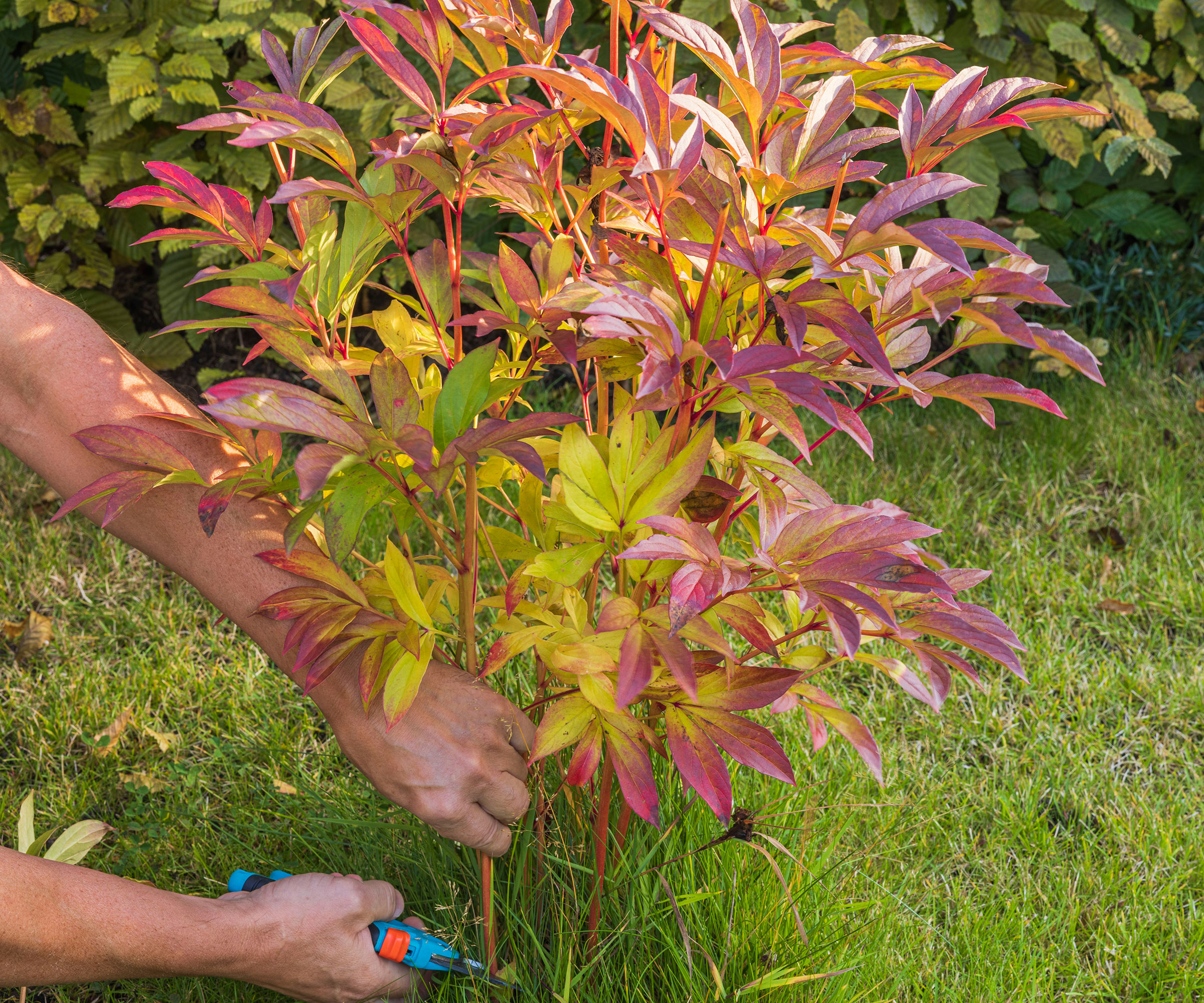
Use clean, sharp pruning shears and avoid digging into the soil around the crown. A little care here can prevent accidental damage to the dormant eyes.
3. Remove Diseased Leaves and Debris
October cleanup is also an opportunity to reduce disease problems before winter.
Peonies can be affected by fungal diseases such as Botrytis. Diseased foliage and dead stems can provide places where pathogens survive between growing seasons, increasing the chance of problems when new shoots emerge.
Inspect the plant carefully and remove foliage that is heavily spotted, blackened, moldy, or obviously diseased. Collect fallen debris around the crown as well.

Do not leave obviously infected material lying around the plant. Removing it from the planting area helps reduce the amount of disease-causing material that can remain near the crown over winter.
4. Check the Planting Depth
If a peony produces lots of foliage but disappoints you with very few flowers, planting depth is one of the first things worth investigating.
Herbaceous peony eyes are generally happiest when they sit only about 1–2 inches below the soil surface. If the crown has gradually settled too deeply, the plant may continue producing healthy leaves while flowering poorly.
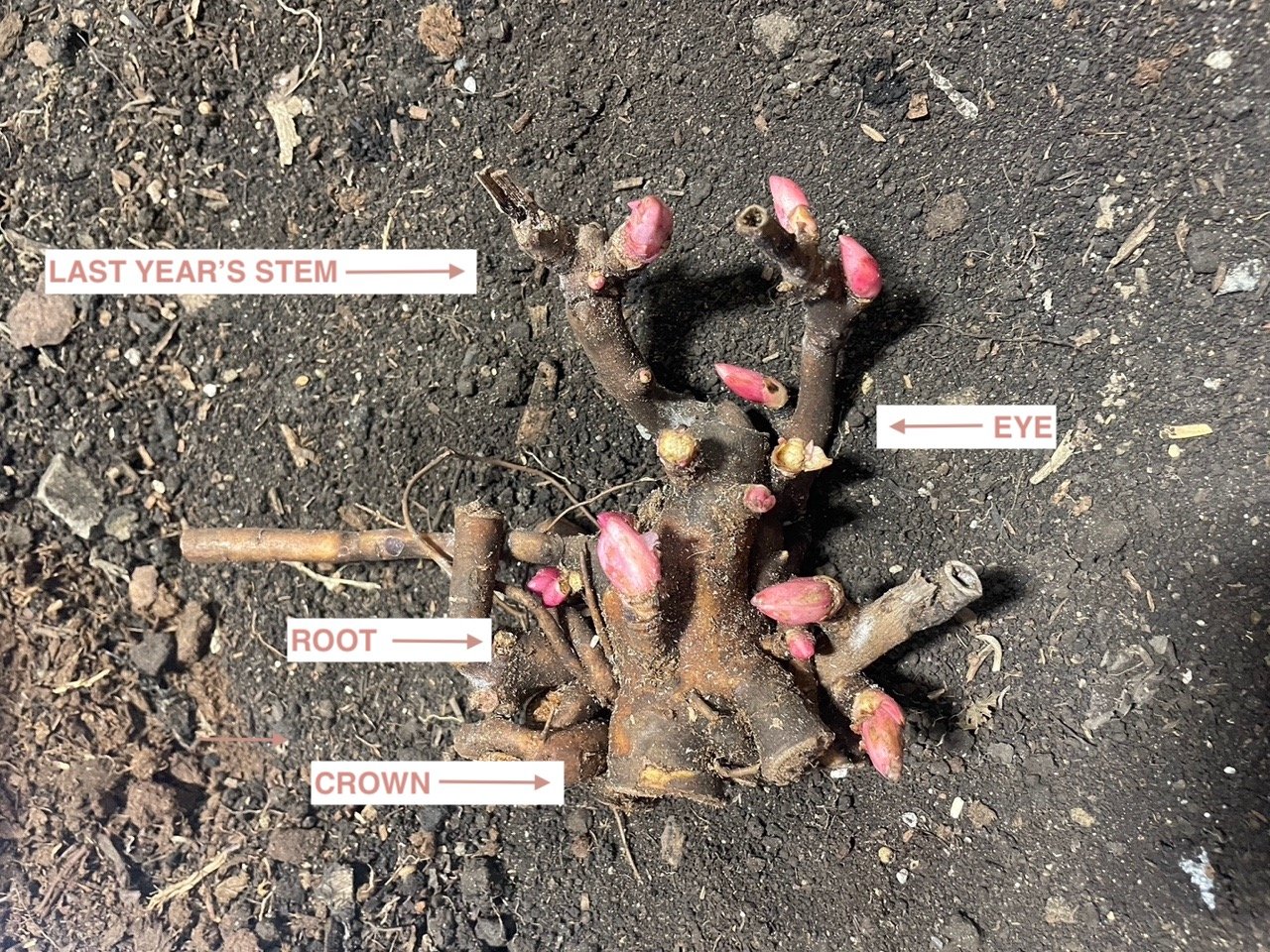
If you suspect a plant is too deep, carefully expose enough soil to locate the crown and inspect the position of the eyes. If the plant genuinely needs to be reset, lift the root system carefully rather than cutting through the crown with a shovel.
After repositioning the plant, firm the soil gently around the roots and water thoroughly to settle the soil.
5. Move or Divide Peonies Only When Necessary
Peonies are among the garden’s great long-term residents. A healthy established clump can remain productive in the same location for many years, so there is no need to divide one simply because it has become large.
Consider moving or dividing a peony when there is a genuine reason, such as:
- The clump has become too large for its location.
- A nearby tree or shrub is creating too much shade.
- You want to create additional plants.
- The existing planting site is no longer suitable.
- Flowering has declined because the plant has become overcrowded.
Otherwise, leaving a healthy, productive peony alone is often the best approach.
If You Need to Divide It
Lift the root clump carefully and remove enough soil to see the reddish eyes clearly. Use a clean, sharp knife to divide the crown into sections.
A useful division should contain approximately 3–5 healthy eyes together with a substantial section of root. Very small divisions can survive, but they generally need more time to develop into strong flowering plants.

Replant divisions promptly at the appropriate depth and water them thoroughly so the roots make good contact with the surrounding soil.
6. Water New Peonies and Plan Winter Protection
Newly planted peonies need more attention than mature, established plants during their first autumn.
After planting, give the root system a thorough watering. This helps settle loose soil around the roots and eliminates large air pockets that could interfere with root establishment.
After that initial watering, pay attention to rainfall and soil moisture. Peonies dislike constantly saturated soil, so the objective is steady establishment rather than keeping the planting bed permanently wet.
Protect New Crowns From Freeze-Thaw Cycles
In colder climates, newly planted peonies can be vulnerable to repeated freezing and thawing. These cycles can push shallow roots upward, exposing them to winter damage.

Once the ground has frozen, a layer of approximately 4–6 inches of clean straw or pine needles can help protect new plantings from repeated freeze-thaw movement.
The purpose is not to bury the crown or keep it warm. The protective material should help stabilize the surrounding soil while keeping the sensitive crown from being smothered.
Pull the protective material back in early spring when new shoots begin appearing.
Established peonies usually need much less winter protection than newly planted ones.
7. Mark the Peony Before Winter
This final task is incredibly simple, but it can save you from accidentally damaging your plant next spring.
Herbaceous peonies disappear almost completely underground during winter. Once the stems and leaves have been removed, it can be surprisingly difficult to remember exactly where the crown is located.
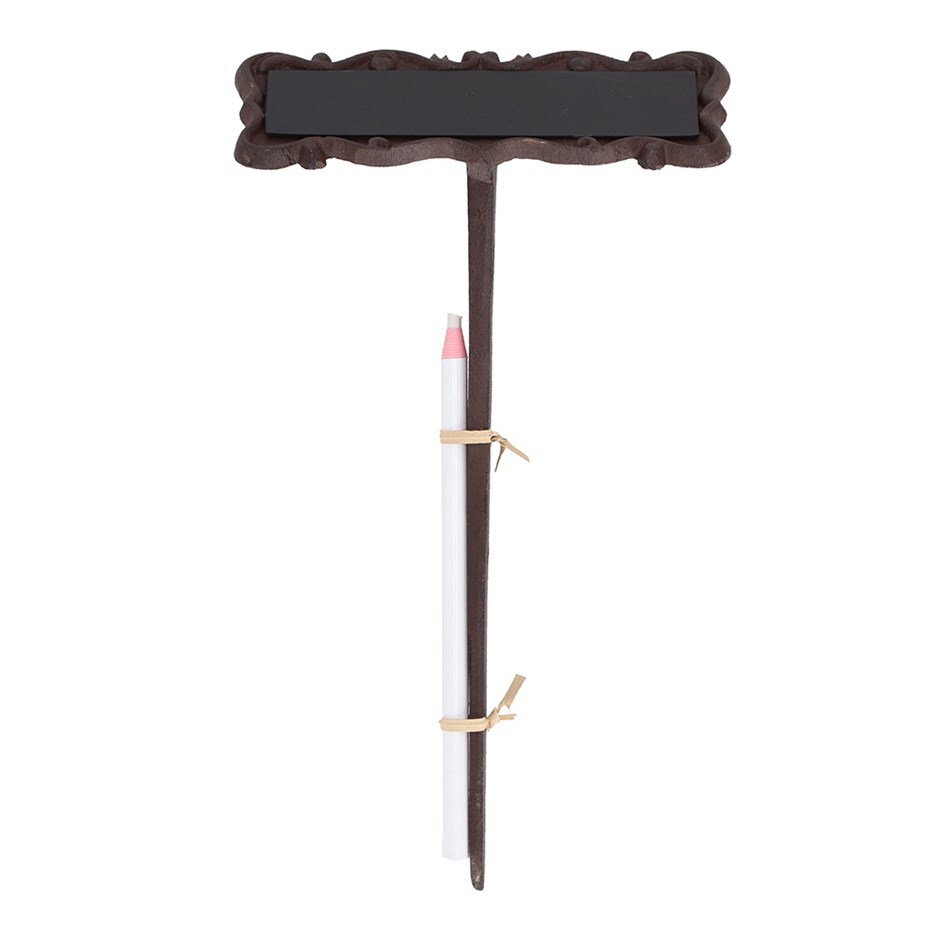
Place a sturdy marker beside the plant before the garden disappears beneath winter conditions. This is especially useful if you regularly dig, plant bulbs, add compost, or redesign beds in spring.
A marker can prevent a shovel from accidentally going straight through an invisible dormant crown.
Peony Care for Different Winter Climates
Your October routine may need a few adjustments depending on how cold your winters are.
Zones 3–7
Traditional herbaceous peonies generally perform well in these colder regions. They receive substantial winter chilling and are usually well adapted to cold conditions.
Newly planted roots may still benefit from temporary protection against repeated freezing and thawing.
Zone 8
Peonies can grow successfully in parts of Zone 8, although cultivar selection and location become increasingly important. A cooler garden position can be helpful.
Zones 8b–9
Warm-winter gardeners need to be more cautious with heavy winter insulation. Traditional peonies rely on winter chilling, and excessive mulch can reduce the cold exposure they receive.
In these warmer zones, the eyes are generally planted shallower, around 1/2–1 inch below the soil surface, depending on the specific peony and local conditions.
Zone 9 can be marginal for many traditional peonies, so choosing early-blooming or lower-chill cultivars with a proven record in your area is especially important.
October Peony Checklist
Before winter settles in, run through this quick checklist:
- Leave healthy green foliage intact.
- Wait for natural dieback before cutting herbaceous peonies.
- Remove diseased leaves and fallen debris.
- Check that the crown is not planted too deeply.
- Move or divide only when genuinely necessary.
- Water newly planted peonies thoroughly.
- Protect new plantings against severe freeze-thaw conditions where necessary.
- Mark dormant plants before they disappear underground.
What Not to Do With Peonies in October
Fall care is sometimes more about restraint than action. Avoid cutting healthy green foliage simply because the garden looks untidy.
Do not pile thick mulch directly over the crown, and do not repeatedly dig around an established plant that is already healthy and flowering well.
Also remember that tree peonies and herbaceous peonies are not interchangeable when it comes to pruning. Always identify the type of peony before cutting it back.
Final Thoughts
October is an excellent month to give your peonies a little attention without overworking them.
Let healthy foliage continue feeding the roots, wait for natural dormancy before cutting herbaceous stems, clear away diseased debris, check planting depth, and give new plants extra protection where winter conditions demand it.
Most importantly, remember that peonies prefer stability. A mature plant that is healthy and flowering well usually does not need to be dug up or divided just for the sake of doing something.
Prepare your peonies carefully this fall, then let them rest. When spring arrives, those quiet October preparations can help set the stage for another season of strong stems and beautiful blooms.