
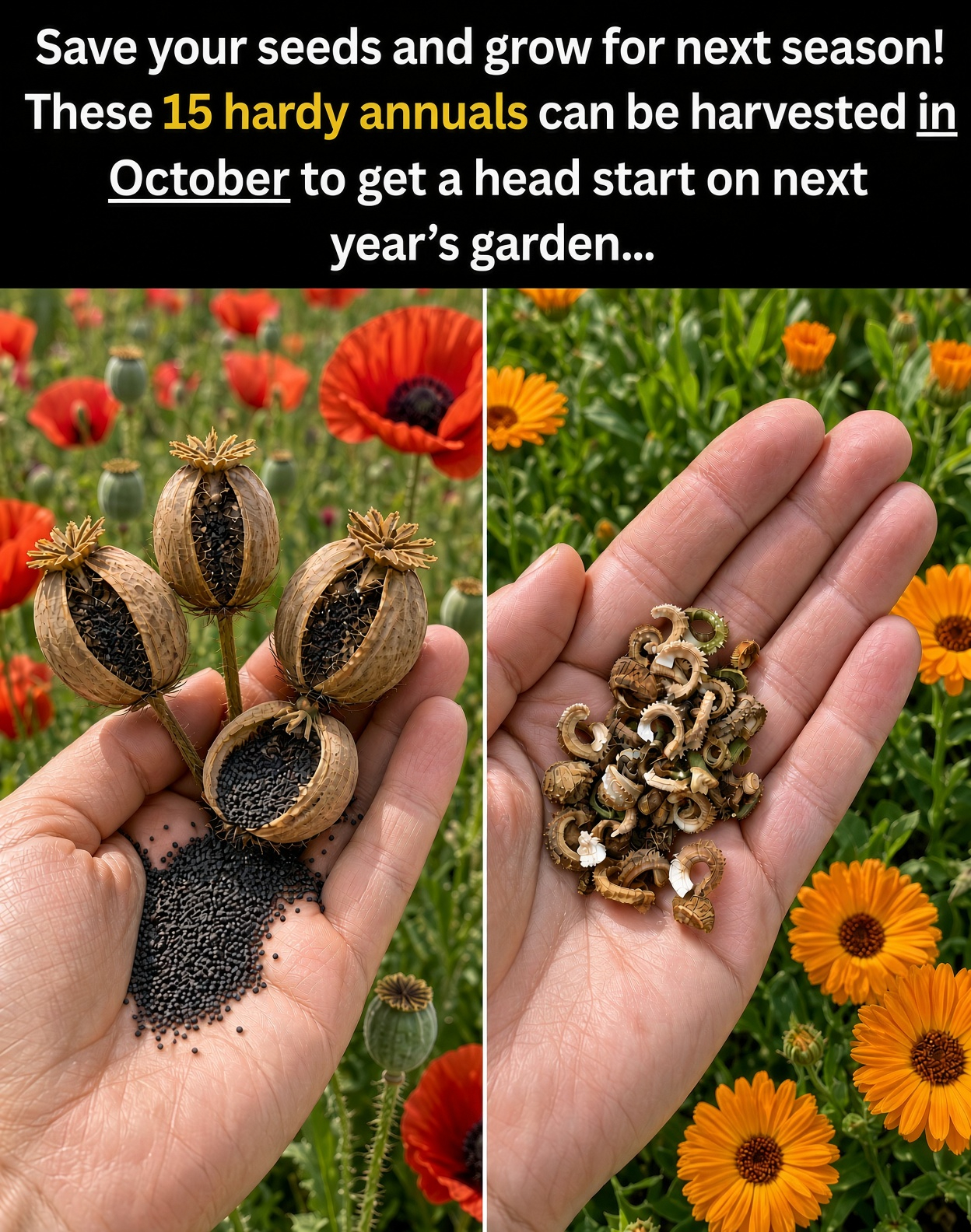
When summer flowers begin fading, it is easy to think the gardening season is over. But October can actually be an excellent opportunity to prepare next year’s flower garden.
Many hardy annuals can be sown outdoors during fall. The young plants establish themselves before winter, then resume active growth as temperatures rise in spring.
That early start can mean earlier flowers, stronger plants, and a longer display without having to wait for spring before doing all your planting.
Why Plant Hardy Annuals in October?
Fall sowing gives certain annuals a chance to experience the cool conditions they need before spring growth begins. Instead of starting from scratch when the weather warms, seedlings can already have a head start.
Stronger Early Growth
Seeds that germinate during favorable autumn conditions can establish roots before winter. When spring temperatures rise, established plants can resume growth quickly.
Earlier Flowers
Because fall-sown plants have already gone through part of their establishment period, they may flower earlier than plants started from seed in spring.
Better Use of the Growing Season
Starting earlier can give annuals more time to develop before hot summer conditions arrive. The exact timing will depend on your climate and the particular flower.
How to Plant Hardy Annuals in October

Before sowing, prepare the planting area carefully. Remove weeds, loosen compacted soil, and create a fine surface where small seeds can make good contact with the soil.
- Choose the timing carefully: Aim for a period when the soil is still workable but temperatures are beginning to cool.
- Prepare the soil: Remove weeds and break up compacted areas before sowing.
- Don’t bury seeds too deeply: Follow the depth recommended for each flower.
- Keep moisture balanced: Water gently after sowing and avoid leaving the soil saturated.
- Protect young seedlings when necessary: In particularly cold areas, light protection can help vulnerable seedlings survive winter.
- Mark your rows: Fall-sown seedlings can be difficult to distinguish from weeds in spring.
The source recommends sowing roughly 6–8 weeks before the ground freezes, although the appropriate timing varies with local climate. :contentReference[oaicite:1]{index=1}
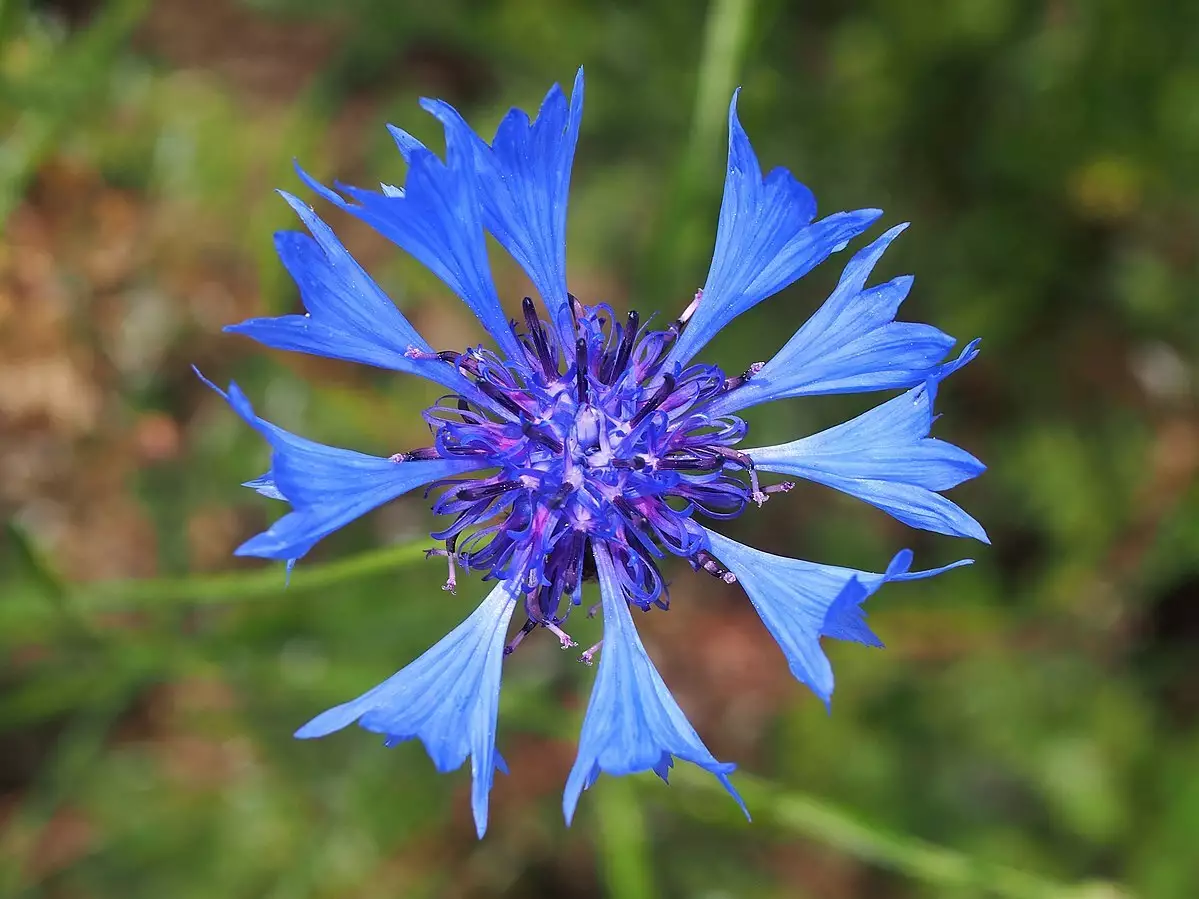
1. Cornflower
Cornflower, or Centaurea cyanus, is a classic hardy annual for an informal flower garden. Its intense blue flowers stand out beautifully among pink, white, and yellow blooms.
It is also useful as a cut flower and can attract pollinators. Cornflowers can be sown directly where they are intended to grow because they don’t need to be transplanted.
The source recommends sowing approximately 1/4 inch deep and thinning seedlings to around 6 inches apart.
For a relaxed meadow effect, combine cornflowers with poppies and larkspur. Cornflower is also known to reseed readily when mature plants are allowed to produce seed. :contentReference[oaicite:2]{index=2}
2. Larkspur

Larkspur is a wonderful choice when you want vertical interest. Its tall spikes can carry purple, pink, blue, or white flowers above shorter plants.
One reason autumn sowing works well is that larkspur seeds benefit from a period of cold before germinating.
Sow the seeds directly in their final location because larkspur does not appreciate being moved once established.
Leave approximately 10–12 inches between established plants so the stems have room to develop.
Flowering period: Late spring to early summer.
3. Nigella
Nigella, commonly called love-in-a-mist, has a distinctive appearance that makes it especially attractive in cottage gardens.
The blue flowers appear surrounded by finely divided foliage, creating the misty effect that gives the plant its common name.
Its decorative seed pods are another reason to grow it. They can be left on the plant after flowering and used in dried arrangements.
Sow directly into well-drained soil at approximately 1/8 inch deep. Nigella does not transplant particularly well, so direct sowing is the simpler approach. :contentReference[oaicite:3]{index=3}
The source recommends approximately 6 inches between plants and suggests succession sowing for a longer display.
4. Calendula
Calendula is one of the easiest annual flowers to grow from seed and is particularly useful for gardeners who want dependable color.
Its orange and yellow blooms look wonderful around vegetable beds, herb gardens, and traditional flower borders.
Calendula can be sown directly into the garden. The source recommends approximately 1/2 inch of planting depth and 8–12 inches between seedlings.
It can tolerate either full sun or partial shade, giving you more flexibility when choosing a planting location.
Calendula can also self-seed when flowers are allowed to mature, making it possible for volunteers to appear in later seasons.
5. Sweet Peas

Sweet peas are prized for their fragrance as much as their colorful flowers. Fall sowing can give them an early start before the main growing season begins.
Before planting, the source recommends soaking the seeds overnight. Sow them around 1 inch deep in rich, well-drained soil.
Give seedlings roughly 6 inches of space and provide a trellis, netting, or another support as the plants climb.
Sweet peas are especially attractive beside fences, arches, pergolas, and other vertical structures.
Flowering period: Late spring to early summer.
6. Poppies

Poppies are perfect for natural-looking borders. Their delicate petals can appear in red, pink, white, orange, and other shades depending on the type.
One important detail is that poppy seed should generally remain close to the surface because light can be important for germination.
The source recommends scattering the seeds directly onto the soil surface rather than covering them deeply.
Poppies also dislike being transplanted, so sow them exactly where you want them to flower.
Choose a sunny location with good drainage and allow the plants to develop without disturbing their roots.
7. Cerinthe

Cerinthe, commonly called honeywort, is one of the more unusual flowers on this list.
Its rounded blue-green foliage contrasts with deep purple-blue flowers, giving the plant a cool, almost metallic appearance.
Sow seeds approximately 1/2 inch deep in well-drained soil and allow about 12 inches of space between plants.
Cerinthe can tolerate full sun to partial shade and is particularly interesting in informal borders.
It can also self-seed readily, so an initial planting may produce new plants in future seasons. :contentReference[oaicite:4]{index=4}
8. Clarkia
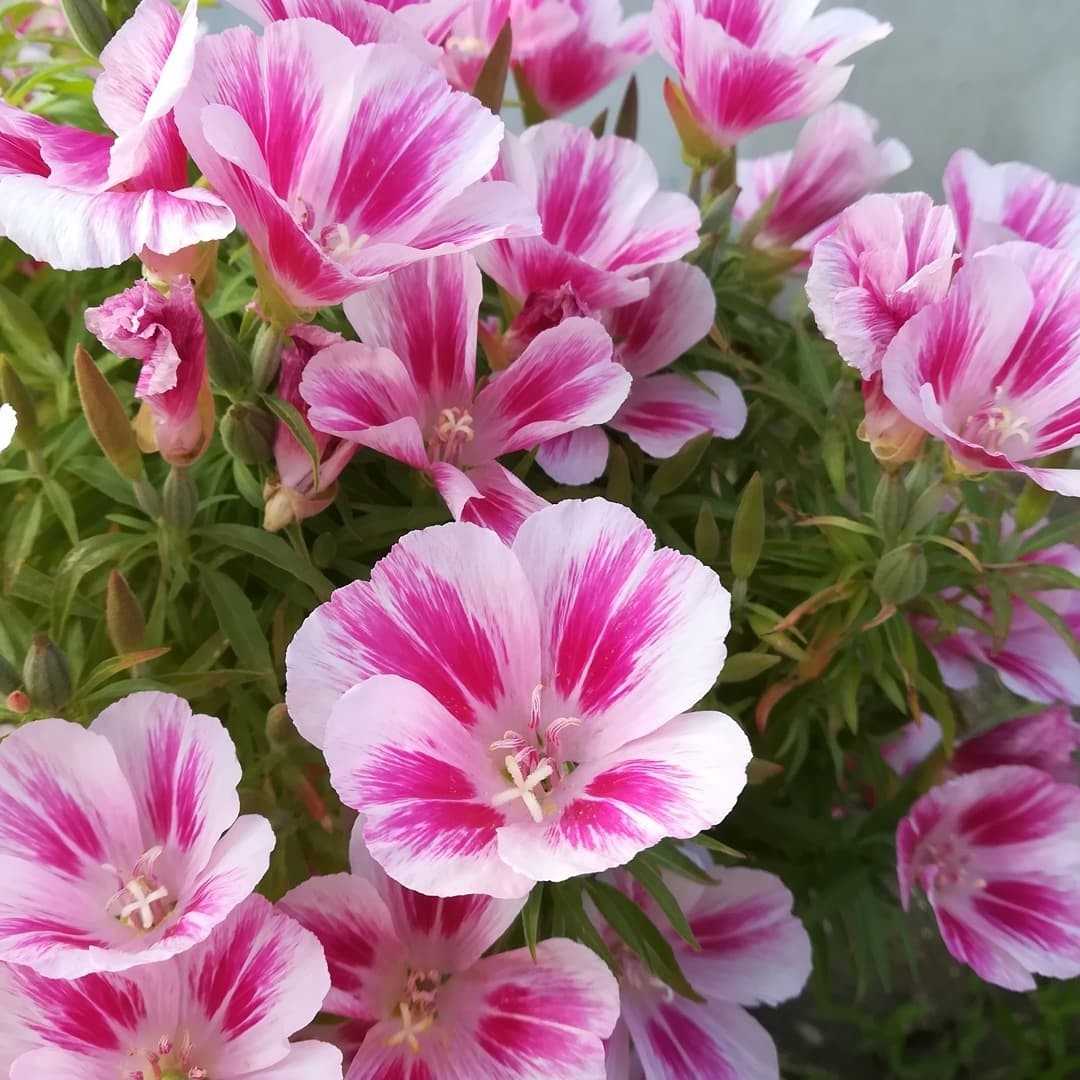
Clarkia, sometimes called Godetia or farewell-to-spring, has soft, ruffled flowers that are particularly attractive in cottage and cutting gardens.
The flowers can create a romantic effect without requiring a highly formal planting arrangement.
Sow the seeds directly into the garden at approximately 1/8 inch deep, then thin seedlings to around 10 inches apart.
Clarkia generally prefers full sun. The source also notes that it can perform well in poorer soil, so heavy fertilization isn’t necessary.
Flowering period: Late spring to early summer.
9. Orlaya
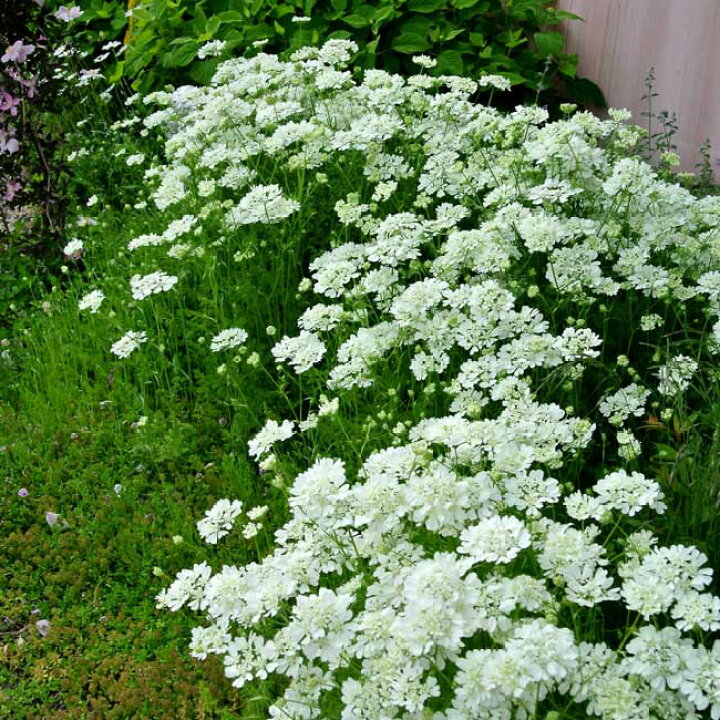
Orlaya grandiflora, also called white lace flower, is a beautiful choice when you want something light and airy.
Its white flower clusters work especially well alongside stronger colors such as blue cornflower, purple larkspur, and orange poppies.
Sow approximately 1/4 inch deep and allow 10–12 inches between plants.
Orlaya prefers full sun and can become an excellent filler for both flower borders and cut-flower arrangements.
The flowers have a soft, cloud-like appearance that works particularly well in cottage-style planting schemes.
10. Ammi

Ammi majus is another excellent choice when you want delicate white flowers without creating a heavy visual mass.
The flower heads rise above finely divided foliage and work beautifully as a filler among stronger-colored annuals.
Sow the seeds around 1/4 inch deep and thin seedlings to approximately 12 inches apart.
Ammi prefers full sun and well-drained soil. Its open flower structure also makes it attractive to beneficial insects.
It can be especially useful in a cutting garden because the stems bring an airy quality to bouquets.
11. California Poppy
California poppy, or Eschscholzia californica, is an excellent choice for sunny areas where the soil is not especially rich.
The flowers are usually brilliant orange, although cultivated varieties can offer additional colors.
Seeds can be scattered directly over the soil and pressed lightly into place rather than deeply buried.
California poppy is particularly suited to sunny, dry conditions and can reseed naturally when mature seed pods are left on the plant. :contentReference[oaicite:5]{index=5}
Flowering period: Late spring to early summer.
12. Scabiosa

Scabiosa, commonly called pincushion flower, has a distinctive flower shape that makes it easy to recognize in a mixed border.
The flowers are held on long stems, making them useful for cutting as well as garden display.
Sow seeds approximately 1/4 inch deep directly into well-drained soil and give plants around 10–12 inches of space.
Full sun is ideal, and removing spent flowers can encourage the plant to continue producing new blooms.
Scabiosa is also valued by pollinators, making it a useful addition to a wildlife-friendly flower garden. :contentReference[oaicite:6]{index=6}
13. Phacelia
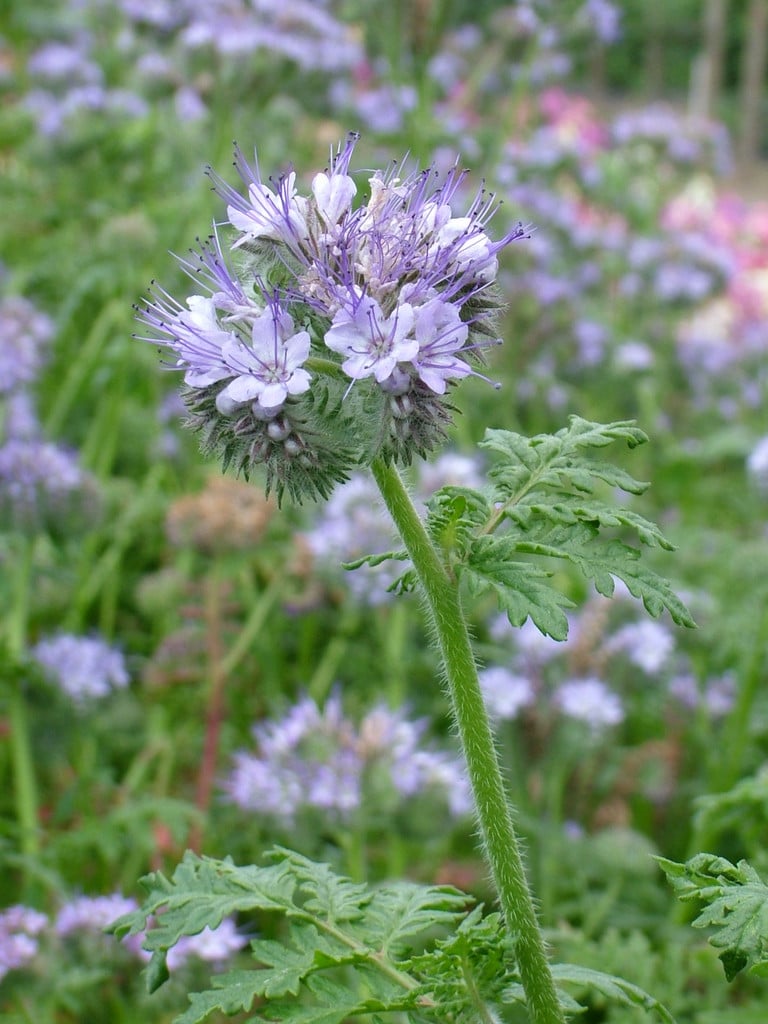
Phacelia tanacetifolia is particularly valuable when pollinators are one of your gardening priorities.
Its curled clusters of lavender-blue flowers rise above finely divided foliage and attract bees and other insects.
Scatter the seeds over prepared soil and rake them lightly into the surface. The source recommends approximately 6–8 inches between plants.
Phacelia also has another useful role: it can be grown as a cover crop or green manure in suitable vegetable-growing areas.
The RHS describes it as a winter annual or biennial with abundant blue or lavender-blue flowers that are attractive to bees and other insects.
14. Eryngium

Eryngium planum, or sea holly, brings a completely different texture to the flower garden.
Its metallic blue tones, spiky flower heads, and architectural shape make it especially effective when combined with softer flowers.
The source recommends sowing the seeds around 1/4 inch deep outdoors in fall and spacing plants approximately 12–18 inches apart.
Full sun and well-drained soil are important. Eryngium is particularly well suited to dry or poor soil once established. :contentReference[oaicite:8]{index=8}
Its unusual structure also makes it valuable for dried flower arrangements.
15. Centranthus
Centranthus ruber, commonly called red valerian, is a tough plant that can bring a long-lasting display to sunny, well-drained areas.
Its clusters of pink, red, or white flowers rise above blue-green foliage and can create a soft, informal effect.
Sow approximately 1/4 inch deep directly into the garden and allow around 12 inches between plants.
Centranthus prefers full sun and well-drained soil. Once established, it can tolerate relatively dry conditions.
It also self-seeds readily, making it particularly suitable for cottage gardens, rockeries, and informal planting areas. :contentReference[oaicite:9]{index=9}
Expert Tips for Fall-Sown Hardy Annuals
Planting the seeds is only the first step. A few simple habits can make your fall sowing much more successful.
Choose a Sunny, Well-Drained Location
Most of the annuals on this list prefer plenty of sunlight and soil that doesn’t stay saturated during winter.
Don’t Overwater
Once seedlings are established, avoid keeping cold-season soil constantly wet. Excess moisture can contribute to rot, particularly when temperatures are low.
Use Only Light Protection
In areas where winter conditions are severe, a light protective covering may help young plants. Avoid burying small seedlings beneath a heavy layer that blocks light and airflow.
Mark Your Planting Areas
This simple step can save you considerable frustration in spring. Some annual seedlings look surprisingly similar to weeds when they first emerge.
Consider Succession Sowing
For an even longer flowering season, sow another batch in spring where appropriate. This can help spread the flowering period rather than relying entirely on the autumn crop.
How to Combine These Flowers for a Beautiful Border
You don’t have to plant all 15 annuals in one bed. In fact, choosing a smaller combination can create a more cohesive display.
- For blue color: Combine cornflower with larkspur and phacelia.
- For warm colors: Use calendula, poppies, and California poppies.
- For an airy look: Combine Orlaya and Ammi with taller flowers.
- For height: Use larkspur, sweet peas, and Centranthus.
- For pollinators: Include phacelia, scabiosa, cornflower, and other nectar-rich flowers.
- For cutting gardens: Mix sweet peas, cornflowers, scabiosa, Orlaya, Ammi, and Clarkia.
Final Thoughts
October doesn’t have to mean the end of your flower-growing season. It can be the beginning of next year’s display.
Cornflower, larkspur, nigella, calendula, sweet peas, poppies, cerinthe, Clarkia, Orlaya, Ammi, California poppy, scabiosa, phacelia, eryngium, and Centranthus all offer different colors, shapes, heights, and growing habits.
The most important thing is to match each flower with the right conditions and follow its preferred sowing depth and spacing.
Prepare the soil, sow carefully, keep moisture under control, and protect young plants when your climate requires it.
Then, when spring arrives, you’ll already have a garden that is ready to grow rather than one that is starting completely from scratch.