
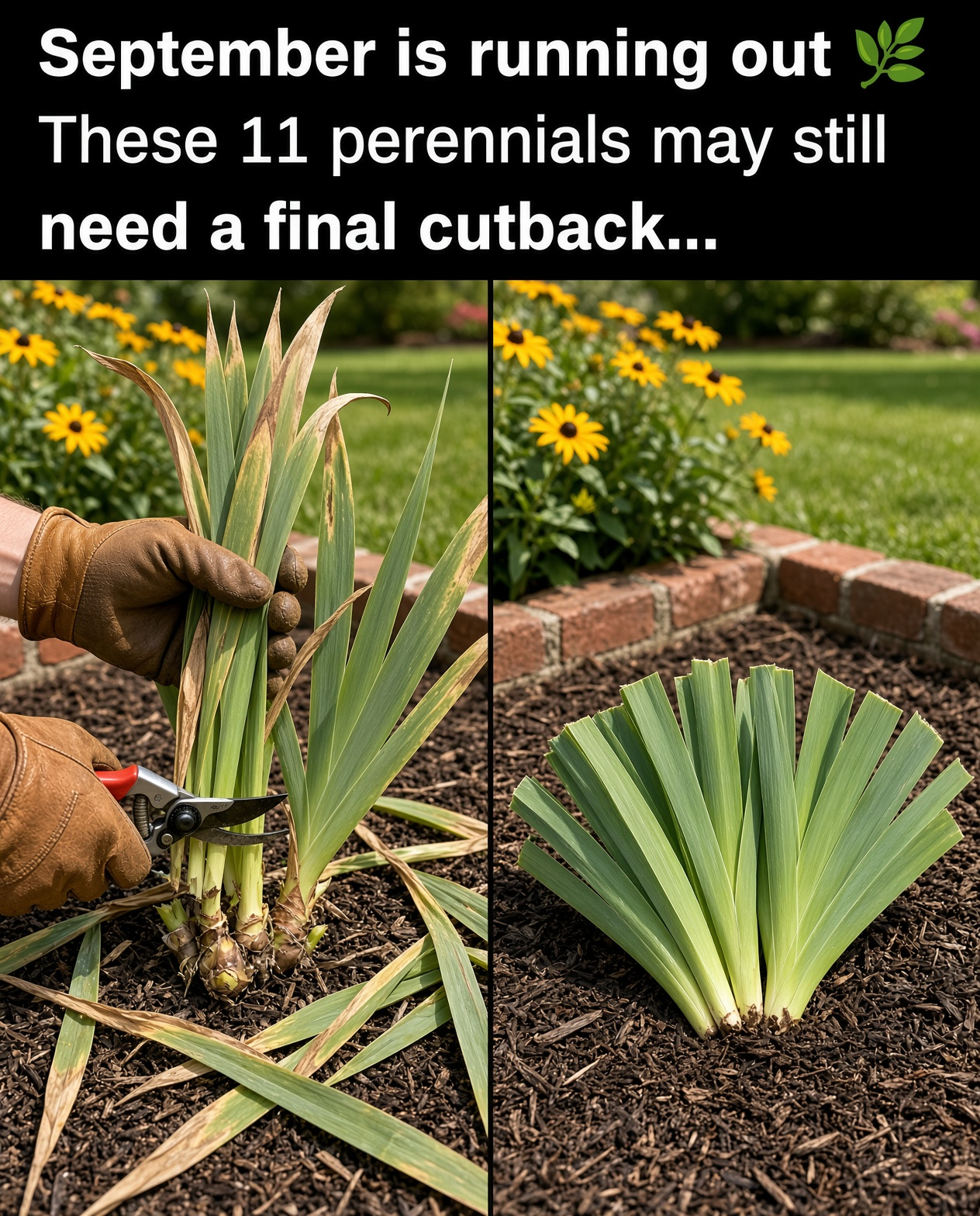

By September, many perennial gardens begin to show the effects of a long growing season. Flowers fade, stems start leaning, and foliage that looked lush only a few weeks earlier can begin turning yellow or brown.
That doesn’t mean every perennial needs to be cut down immediately. The timing of fall cleanup matters because healthy green foliage can still be sending energy into the plant’s crown and roots.
For the right plants, however, removing finished or diseased growth in early fall can make the garden easier to manage, reduce places where some pests and diseases can persist, and give the plants a cleaner start when spring arrives.
Why September Can Be a Useful Pruning Window
September sits between the active summer growing season and winter dormancy. In many gardens, this makes it a convenient period for selective cleanup.
The key word is selective. A plant that is still green and actively growing may benefit from being left alone, while a perennial whose foliage has naturally collapsed may be ready for cleanup.
Always consider your local climate as well. September in a cold northern garden can look completely different from September in a warm growing zone.
11 Perennials to Trim in September
1. Peonies
Peonies are among the easiest perennials to clean up in autumn, but there’s no advantage to cutting healthy green foliage prematurely.
Once the leaves have yellowed, browned, or been damaged by frost, the stems can be cut back close to the ground. Remove the old foliage from around the crown as well.
This cleanup is particularly useful when the plant has experienced fungal problems during the growing season. Diseased foliage should be removed from the garden rather than left around the plant.
September tip: If the foliage is still green and healthy, wait. Iowa State University Extension specifically recommends waiting until the foliage has been destroyed by a hard freeze before cutting peonies back, noting that cutting them too early can reduce flowering. :contentReference[oaicite:1]{index=1}
2. Hostas

Hostas can look fantastic throughout summer, but once frost arrives their large leaves can quickly become soft and messy.
There’s no need to rush while the foliage is still healthy and green. Allow the leaves to continue supporting the plant until they naturally begin to decline.
Once the foliage has turned yellow, brown, or mushy, cut it back and clear the old leaves away from the crown.
Removing decaying foliage also reduces the amount of plant debris around the crown where pests and disease organisms may persist. The RHS recommends tidying dead hosta foliage in late autumn. :contentReference[oaicite:2]{index=2}
September tip: Treat the calendar as a guide, not a deadline. If your hosta is still green and vigorous, leave it alone.
3. Daylilies

Daylilies often begin looking tired toward the end of summer. Yellow leaves and old flower stems can make an otherwise healthy clump look untidy.
Once the foliage has started dying back, remove the old leaves and flower stalks. Leaving a short amount of foliage above the crown makes the cleanup easier without disturbing the plant’s base.
Don’t cut green foliage simply because September has arrived. The leaves are still useful while they remain healthy.
September tip: Wait for natural yellowing before doing the main cutback.
4. Bee Balm
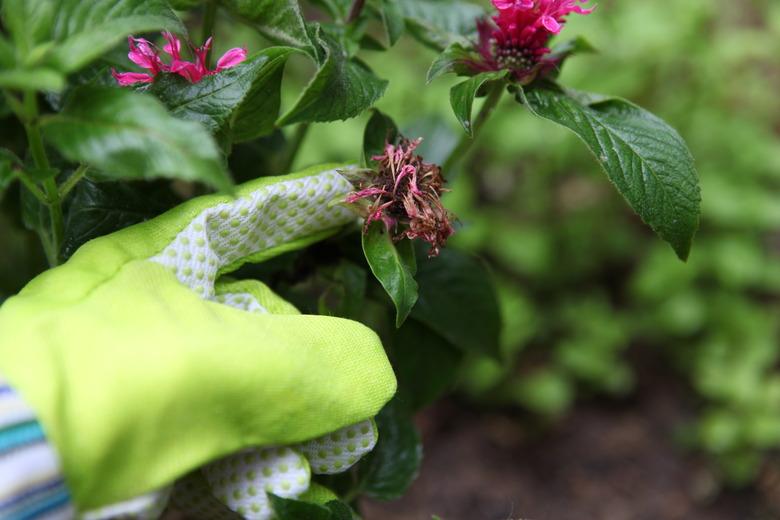
Bee balm, or Monarda, can look spectacular during summer but often develops tired foliage toward the end of the season.
Powdery mildew is a common concern with bee balm. If the plant has significant mildew or the foliage has already begun declining, cutting back the affected growth can help remove infected material before winter.
Good airflow is also important. If the clump becomes crowded every year, thinning or dividing it later can improve circulation around the foliage.
September tip: Don’t leave heavily diseased foliage sitting around the crown. Remove it and dispose of it appropriately.
5. Garden Phlox
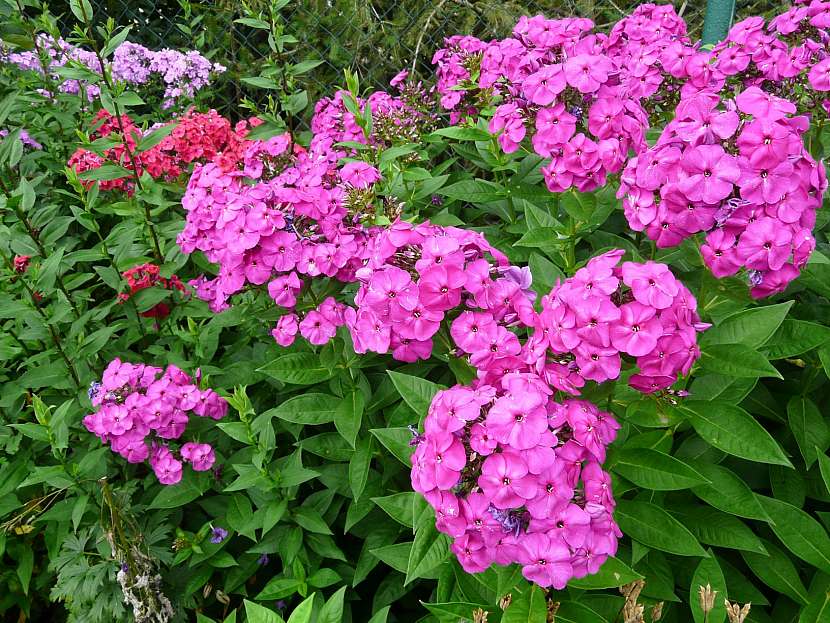
Garden phlox is another perennial that can develop powdery mildew as the season progresses.
Once flowering is finished and the foliage begins to decline, remove the old stems and any visibly diseased leaves. Don’t forget to clear fallen infected foliage from around the base.
Garden phlox benefits from good air circulation, and extension guidance recommends cutting plants down and removing them from the garden in winter to minimize potential powdery mildew problems the following season. :contentReference[oaicite:4]{index=4}
September tip: Cutting the stems but leaving a carpet of infected leaves around the crown defeats much of the purpose of the cleanup.
6. Bearded Iris

Bearded iris leaves can look increasingly ragged as autumn approaches, but don’t remove healthy green foliage too early.
The leaves continue producing energy for the rhizomes, so wait until they naturally yellow or are damaged by frost before making the main cutback.
Once the foliage has declined, shorten it and remove spotted or damaged leaves. Also take the opportunity to inspect the rhizomes.
Bearded iris rhizomes should remain close to the soil surface rather than being buried under a thick layer of soil or mulch.
September tip: Remove old foliage, but don’t bury the rhizomes while preparing the bed for winter.
7. Yarrow

Yarrow can become floppy after a long season of flowering. Its stems may spread outward and its once-bright flower clusters begin turning brown.
After flowering has finished, trim the tired stems back while keeping the healthy growth at the base of the plant.
If you want to prevent yarrow from spreading through self-seeding, remove the spent flowerheads before they release their seeds.
September tip: Leave the healthy basal foliage in place rather than cutting indiscriminately into the crown.
8. Black-Eyed Susan
Black-eyed Susans often remain attractive into early fall, so September isn’t necessarily the time to cut the entire plant down.
Remove obviously diseased or damaged stems, but consider leaving some healthy seedheads standing after flowering ends.
The dried centers provide winter interest and can also provide seeds for birds. A completely bare flower bed isn’t always the most useful option for wildlife.
September tip: Clean up unhealthy growth while leaving some healthy seedheads for the autumn and winter garden.
9. Shasta Daisies

Shasta daisies can become tall and untidy after their main summer flowering period. As September progresses, the foliage may begin to yellow or show signs of stress.
Once the plant has clearly finished for the season, cut back the old stems and remove damaged foliage.
If the center of the clump has become thin or crowded, make a note to divide it during the appropriate growing period. Older, overcrowded clumps may produce less impressive flowering.
September tip: Don’t sacrifice healthy green foliage simply to make the garden look tidy a few weeks earlier.
10. Catmint

Catmint can become sprawling after its main flowering display. Instead of cutting the entire plant down to the ground, a lighter trim is usually enough.
Remove tired stems and shape the plant back toward its fresh basal growth. This keeps the clump looking neat without unnecessarily removing healthy foliage.
A useful lesson for next year is to trim catmint after its first major flowering period. A timely haircut can encourage a shorter, bushier second flush.
September tip: Use a lighter hand with catmint than you would with a perennial that has completely died back.
11. Hardy Geraniums / Cranesbill
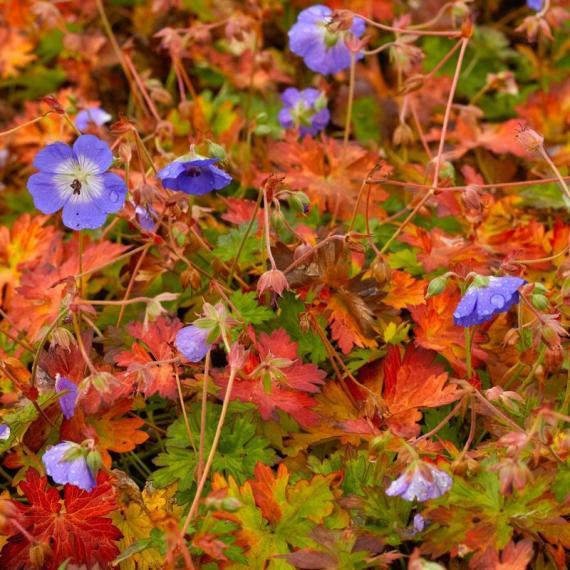
Hardy geraniums, also called cranesbill, can become a loose mixture of stems and foliage once their main flowering period has passed.
Instead of automatically cutting the entire plant to the soil, remove the scruffiest stems and work back toward the fresh growth at the base.
This gives the clump a cleaner appearance while allowing healthy foliage to remain useful as the plant prepares for winter.
Remember that hardy geraniums are different from the tender annual plants commonly sold as “geraniums” in containers. Cranesbill is a true perennial and returns from year to year.
Perennials You Should Leave Standing
Once the pruning shears are out, it can be tempting to keep cutting. But some perennials are better left standing through autumn and winter.
Coneflowers are a classic example. Their seedheads can remain attractive after the petals disappear and provide food for birds.
Sedum also develops sturdy dried flowerheads that can remain upright through winter.
Russian sage is better treated carefully because its woody stems can help protect the plant during winter.
Hellebores retain evergreen foliage and generally don’t need a complete fall cutback. Older damaged leaves can instead be removed later as new growth and flowers begin emerging.
The important lesson is that fall gardening isn’t about making every perennial disappear. Some plants benefit from cleanup, while others provide food, shelter, and winter structure when left alone.
How September Pruning Changes by Climate

September doesn’t arrive at the same stage of the growing season everywhere. Your USDA hardiness zone and local weather should influence when you make major cutbacks.
Zones 3–5
Cooler zones may already be experiencing chilly nights and early frosts. Perennials that have naturally died back can often be cleaned up during September.
Zones 6–7
September is often more of a transition month. Remove finished flowers and diseased foliage, but allow healthy green leaves to continue working until they naturally decline.
Zones 8–9
Many perennials can remain actively growing much longer. Heavy pruning in early September may therefore be premature. Focus on deadheading and removing damaged material while waiting for natural dormancy.
Zones 10–11
In warm climates, September can still feel like summer. Instead of following a northern fall-cleanup schedule, prune according to the individual plant’s growth cycle.
The simplest rule: watch the plant rather than the calendar. If it is still green, healthy, and actively growing, there is often little reason to cut it back simply because September has arrived.
What to Do With Diseased Foliage
One of the strongest reasons for selective fall cleanup is disease management.
If leaves or stems have obvious fungal disease, don’t simply leave the debris lying around the crown. Remove it from the bed and dispose of it appropriately.
Clean pruning tools are also important. If you’re moving from a diseased plant to a healthy one, cleaning your shears between plants can reduce the possibility of spreading problems.
For plants such as peonies and garden phlox, removing diseased material is particularly useful because these plants can suffer from fungal diseases that may persist in old debris. :contentReference[oaicite:5]{index=5}
Don’t Turn Fall Cleanup Into a Complete Garden Shave
A perennial garden doesn’t need to look perfectly bare before winter.
Leaving selected stems and seedheads provides structure when snow arrives and can give birds access to seeds. Hollow stems can also provide shelter for small insects.
Instead of asking, “What can I cut?” ask, “What actually needs to be removed?” That small change in approach can make fall gardening both easier and more wildlife-friendly.
September Perennial-Pruning Checklist
- Check each perennial individually before pruning.
- Wait for green foliage to naturally decline when possible.
- Remove diseased or badly damaged growth.
- Clear infected leaves from around plant crowns.
- Cut back finished peonies after their foliage has declined.
- Clean up yellowing hostas after they begin dying back.
- Trim daylilies once their foliage naturally turns yellow.
- Remove diseased bee balm and phlox growth.
- Wait for bearded iris foliage to decline before major trimming.
- Lightly shape catmint rather than cutting it aggressively.
- Leave selected coneflower, sedum, and black-eyed Susan seedheads for wildlife.
- Adjust the timing according to your local climate.
- Clean pruning tools between plants.
Final Thoughts
September can be an excellent time to begin perennial cleanup, but the best results come from knowing when not to prune.
Peonies, hostas, daylilies, bee balm, phlox, bearded iris, yarrow, black-eyed Susans, Shasta daisies, catmint, and hardy geraniums can all benefit from some form of fall attention, but they don’t all need the same type or timing of cutback.
Wait for natural dieback, remove unhealthy material, keep your tools clean, and leave useful seedheads and stems whenever they can benefit wildlife.
That approach creates a cleaner garden without stripping away everything that makes a perennial bed valuable during the colder months—and it leaves your plants in a much better position for the growing season ahead.