
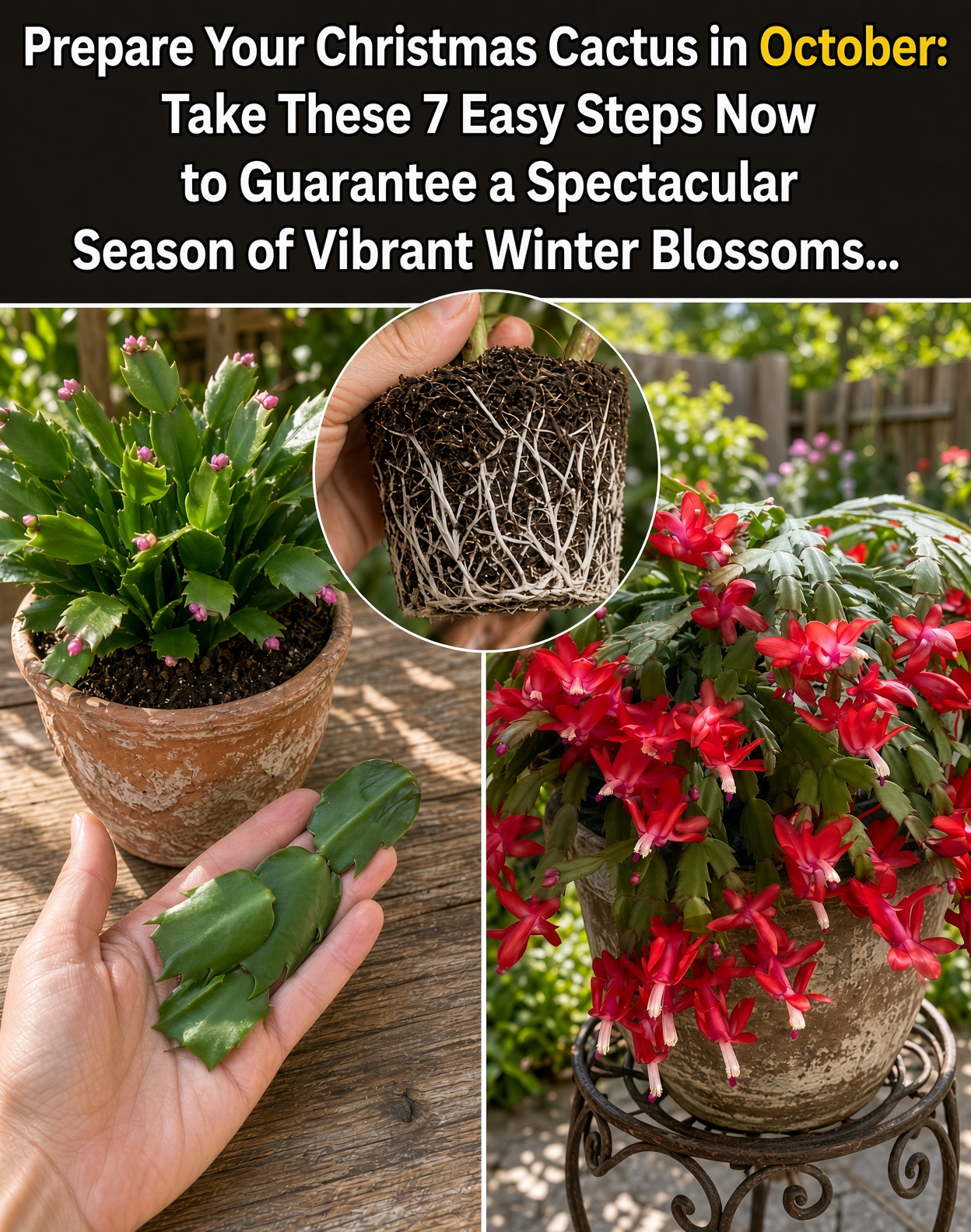
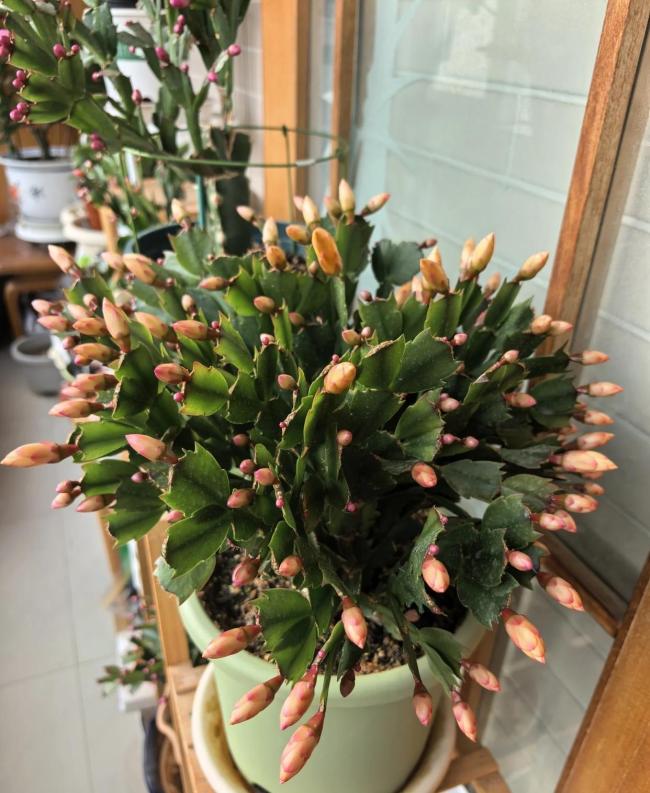
October is an important month for Christmas cactus care. As autumn arrives, shorter days and cooler nights naturally tell the plant that it is time to prepare for flowering.
Christmas cactus (Schlumbergera) is different from the desert cacti many people imagine. It is a tropical epiphyte that naturally grows in the humid, shaded forests of Brazil. Its flowering cycle responds strongly to changes in temperature and day length.
That means the care you provide during autumn can make a noticeable difference in how many flower buds develop later in the season.
Rather than simply watering and waiting for flowers, use October to create the conditions that encourage bud formation while avoiding sudden changes that can cause developing buds to drop.
Why October Matters for Christmas Cactus
During the warmer months, Christmas cactus concentrates on producing healthy green segments and storing energy. As autumn approaches, the combination of shorter days and cooler temperatures changes the plant’s growth pattern.
Holiday cacti generally initiate flower buds in response to shorter day lengths and cooler conditions. Extension guidance recommends bright daytime light combined with long, uninterrupted nights and cool temperatures during the fall bud-setting period. :contentReference[oaicite:1]{index=1}
This makes October an ideal time to adjust your routine instead of continuing exactly the same summer care.
1. Adjust Your Watering Routine
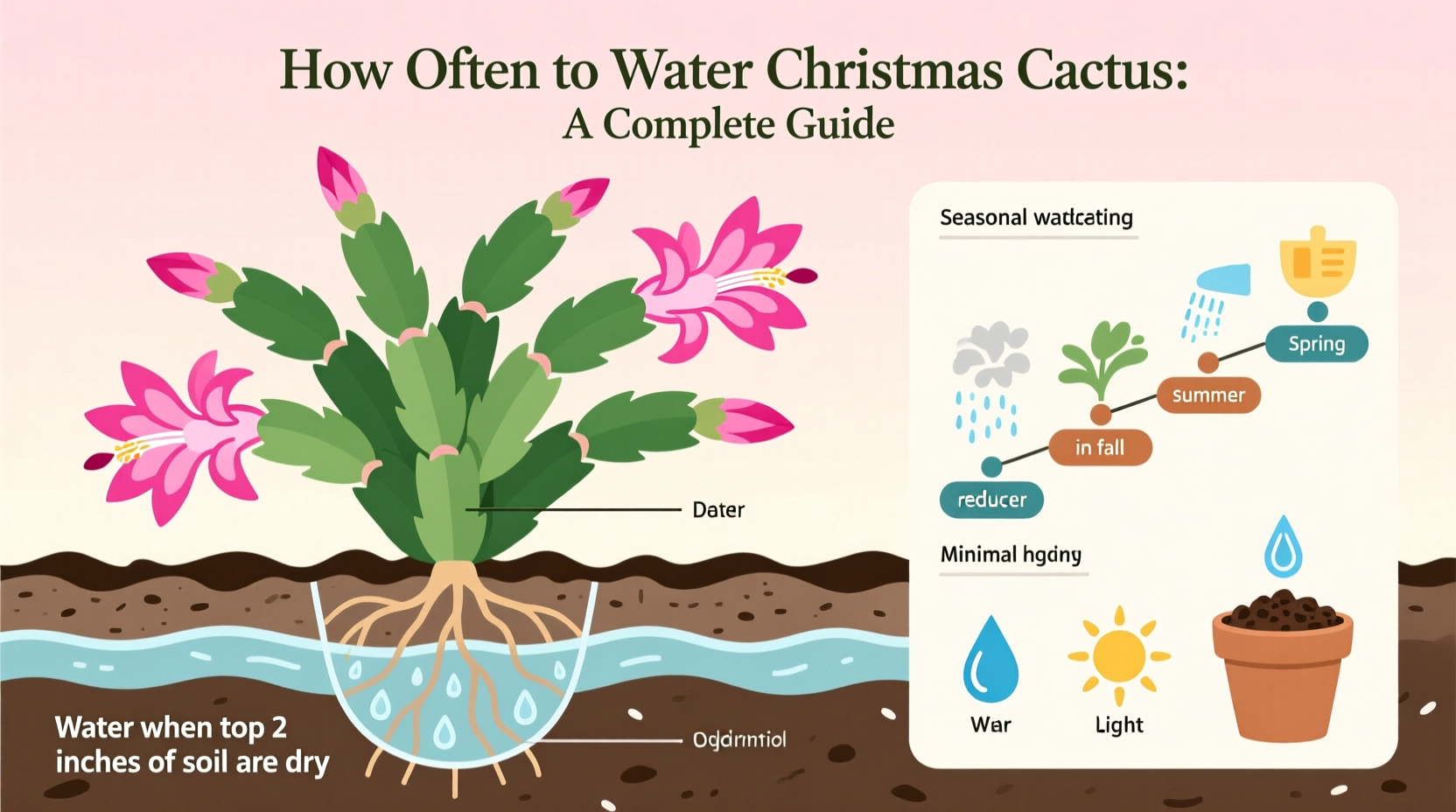
One of the first things to reconsider in October is watering. As growth slows and the plant begins preparing for flowering, it generally does not need the same amount of water it used during active summer growth.
The goal isn’t to let the plant become severely dehydrated. Instead, allow the growing medium to dry between waterings and make sure excess water can drain freely.
Christmas cactus is particularly vulnerable to problems caused by waterlogged soil. Well-drained soil and a container with drainage holes are important because constantly wet roots can lead to root rot. :contentReference[oaicite:2]{index=2}
Check the soil with your finger before watering rather than following a rigid calendar. Indoor temperature, light, pot size, and soil composition all affect how quickly the pot dries.
October tip: Reduce watering as conditions become cooler, but don’t allow the plant to remain severely dry for long periods.
2. Give It Long, Uninterrupted Nights
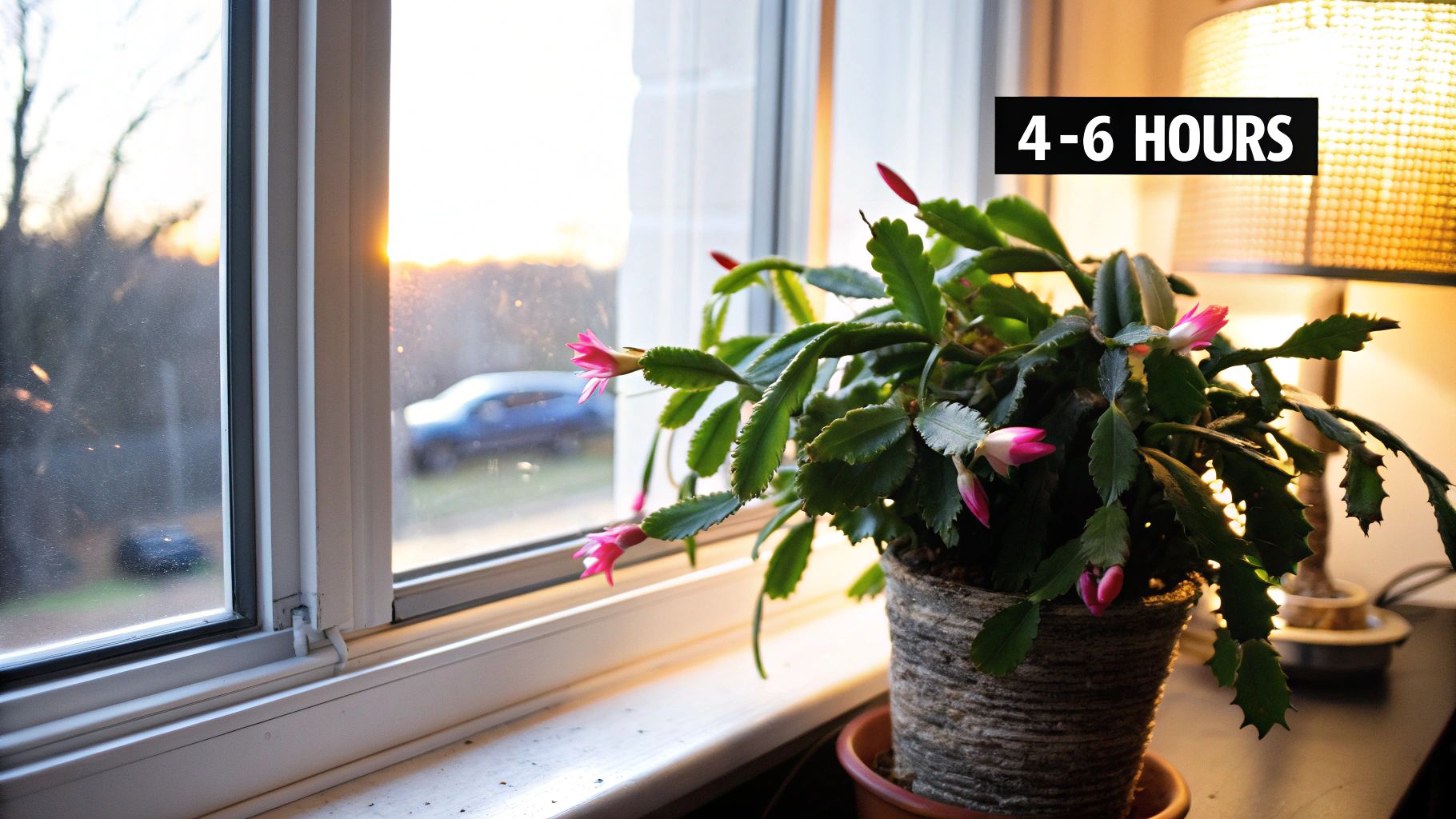
Light is one of the most important signals controlling Christmas cactus flowering.
As autumn days naturally become shorter, the plant receives longer periods of darkness. This change helps initiate flower buds. Extension sources describe holiday cacti as short-day plants that need long, uninterrupted nights to begin flowering. :contentReference[oaicite:3]{index=3}
If your plant is indoors in a room that remains brightly lit late into the evening, artificial light can interfere with this natural signal.
For a plant that isn’t receiving enough natural darkness, place it somewhere that stays genuinely dark at night. An unused room can work well.
Depending on the variety and temperature, roughly 12–14 hours or more of uninterrupted darkness may be needed for reliable bud initiation. :contentReference[oaicite:4]{index=4}
October tip: Keep the plant in bright light during the day but protect its nighttime darkness from lamps and other artificial light sources.
3. Let Autumn Bring Cooler Nights
Temperature works together with day length to encourage flowering. Christmas cactus does not need the hot, dry conditions associated with desert cacti.
During the fall bud-setting period, cooler nights can help trigger flower formation. University extension recommendations commonly place suitable nighttime temperatures around 55–65°F (13–18°C), depending on the cultivar and other conditions. :contentReference[oaicite:5]{index=5}
You don’t need to expose the plant to freezing temperatures. In fact, cold below roughly 50°F (10°C) can be damaging, and sudden temperature changes can contribute to bud drop. :contentReference[oaicite:6]{index=6}
Keep the plant away from heaters, fireplaces, hot air vents, and frequently opened exterior doors.
October tip: Aim for a cool, stable location rather than trying to make the plant as cold as possible.
4. Stop Routine Fertilizing During the Bloom-Setting Period
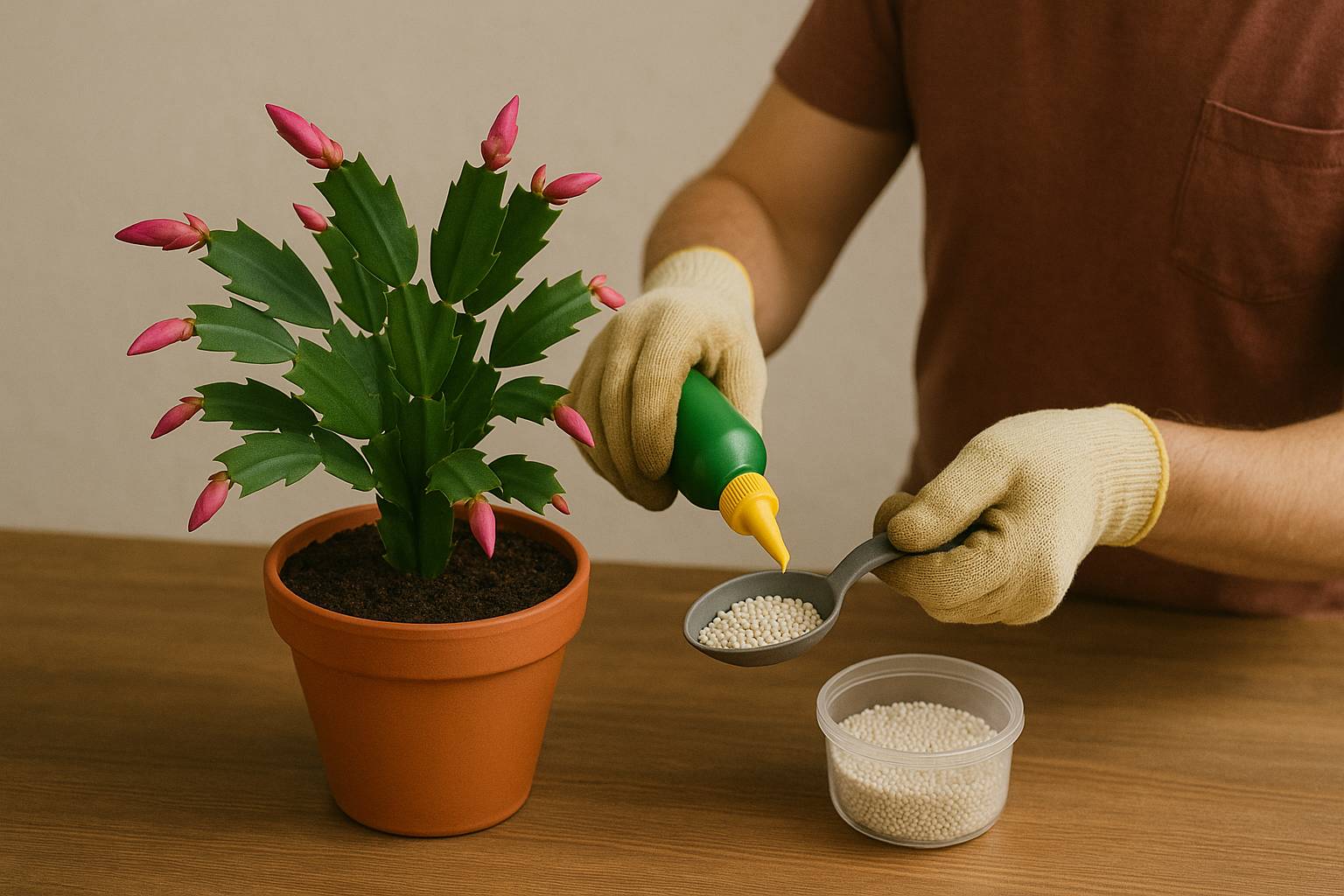
Fall is not the time to push your Christmas cactus into producing lots of new leafy growth.
During its active growing season, the plant benefits from appropriate fertilization. Once it enters the autumn flowering phase, however, routine feeding is usually reduced or stopped.
University extension guidance recommends regular feeding during the active growing season and changing the fertilizer routine as flower buds begin forming. :contentReference[oaicite:7]{index=7}
For most home gardeners, the simplest approach is to avoid adding fertilizer simply because October has arrived. Let the plant concentrate on developing the buds that are already forming.
October tip: Don’t use frequent high-nitrogen fertilizer to encourage fresh leafy growth just before flowering.
5. Avoid Heavy Pruning
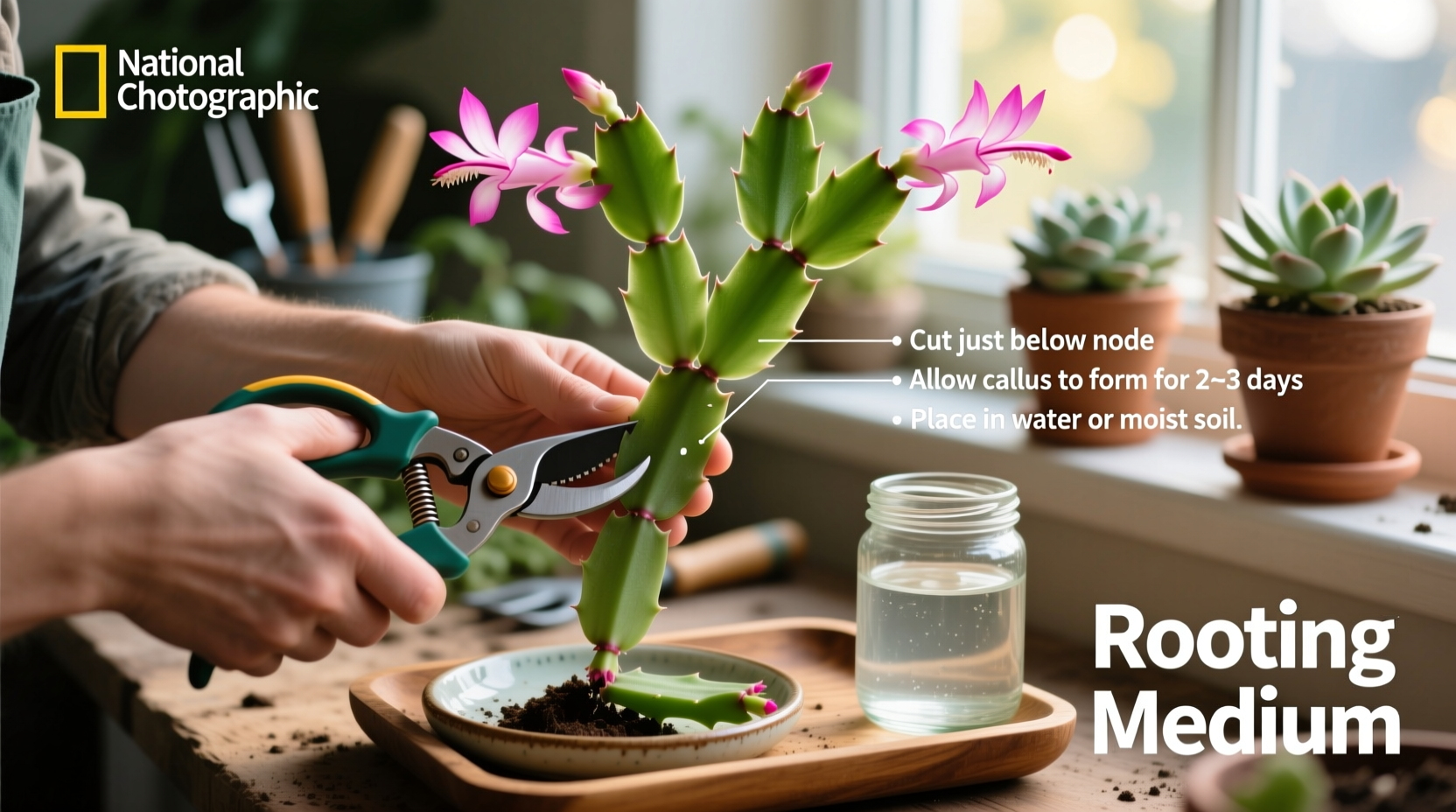
October is not the ideal time for a major haircut.
Christmas cactus produces flowers from the ends of its stem segments. Removing too many healthy tips just before the flowering season can therefore reduce the number of potential flowering points.
If you notice a damaged, diseased, or dead segment, it is fine to remove that particular piece. Otherwise, leave healthy growth alone while the plant is preparing to flower.
If your goal is to make the plant bushier or produce cuttings for propagation, wait until after flowering or until the appropriate post-bloom growth period.
Christmas cactus is easy to propagate from stem segments, so you can use future pruning as an opportunity to create new plants without sacrificing this season’s developing buds. :contentReference[oaicite:8]{index=8}
October tip: Remove only damaged or unhealthy segments and save shaping or propagation for later.
6. Choose a Bright, Stable Location
Christmas cactus needs good light, but intense direct sunlight can be too harsh, particularly through a hot window.
A bright location with filtered or indirect light is usually a good choice. East- or north-facing windows can work well, depending on the conditions inside your home.
Just as important is stability. Once flower buds begin developing, avoid repeatedly moving the plant between rooms or changing its environment dramatically.
University extension guidance specifically warns that changes in temperature, humidity, light, and location can cause flower buds to drop. :contentReference[oaicite:9]{index=9}
If you need to provide darkness by moving the plant into another room each evening, try to do it consistently rather than constantly changing its location.
October tip: Find one suitable location and keep conditions as consistent as possible while buds are developing.
7. Check Carefully for Pests and Disease

Before your Christmas cactus enters its main flowering period, take a few minutes each week to inspect it carefully.
Look along the joints between the stem segments, underneath the plant, and around the surface of the potting mix. Watch for cottony insects, scale, webbing, discoloration, or other unusual changes.
Common houseplant pests can occasionally affect holiday cacti, particularly when indoor conditions become warm and dry. Scale insects are one documented pest problem for holiday cacti. :contentReference[oaicite:10]{index=10}
Good growing conditions are the first line of defense. Avoid waterlogged soil, provide suitable light, and keep the plant from becoming severely stressed.
If you find pests, identify the problem before choosing a treatment. Small infestations may sometimes be removed manually, while appropriate insecticidal products can be used according to their label directions.
October tip: A quick weekly inspection is much easier than trying to deal with a major infestation once the plant is covered in flower buds.
What to Do Once Flower Buds Appear

Seeing tiny buds at the ends of the segments is the moment every Christmas cactus grower waits for.
At this stage, resist the temptation to make major changes. Keep the plant in a bright location with suitable temperatures, water according to the moisture level of the potting mix, and continue avoiding routine fertilizer until the appropriate post-bloom growth period.
Most importantly, don’t suddenly move the plant from a cool, dim location into a hot room or place it directly beside a heater.
Holiday cacti can drop developing buds when exposed to sudden changes in temperature, moisture, light, or location. :contentReference[oaicite:11]{index=11}
Common October Mistakes to Avoid
- Keeping the soil constantly wet: Poor drainage can damage the roots.
- Leaving lights on all night: Artificial light can interfere with the long-night signal needed for flowering.
- Keeping the plant too warm: Warm nights can interfere with bud formation.
- Pruning healthy tips: This can remove potential flowering sites.
- Moving the plant repeatedly: Sudden environmental changes can trigger bud drop.
- Putting it in harsh direct sun: Bright indirect light is generally safer.
- Continuing heavy fertilization: Avoid pushing unnecessary leafy growth during the bud-setting period.
How to Create the Best October Setup
You don’t need an elaborate setup to encourage flowering. A simple routine is often enough:
- Place the plant somewhere bright but protected from harsh direct sunlight.
- Allow the potting mix to dry between waterings.
- Provide cool autumn nights without exposing the plant to freezing conditions.
- Give it a long, uninterrupted dark period every night.
- Avoid unnecessary fertilizer during the main bud-setting period.
- Don’t perform major pruning in October.
- Keep the plant in a stable location once buds begin appearing.
These conditions imitate the seasonal changes that naturally occur before holiday cactus flowering. Extension recommendations consistently identify light duration, temperature, moisture, and stable conditions as important factors in successful bud formation. :contentReference[oaicite:12]{index=12}
Final Thoughts

October is less about doing more to your Christmas cactus and more about giving it the right seasonal signals.
Reduce unnecessary watering, provide long uninterrupted nights, allow cooler temperatures, avoid heavy pruning, and keep the plant in a bright and stable location. At the same time, inspect it for pests and make sure the roots are never sitting in soggy soil.
Once flower buds appear, consistency becomes even more important. Avoid sudden changes and let the plant continue developing at its own pace.
With the right autumn conditions, a healthy Christmas cactus can develop a generous crop of flower buds and provide a beautiful display during the winter season.