
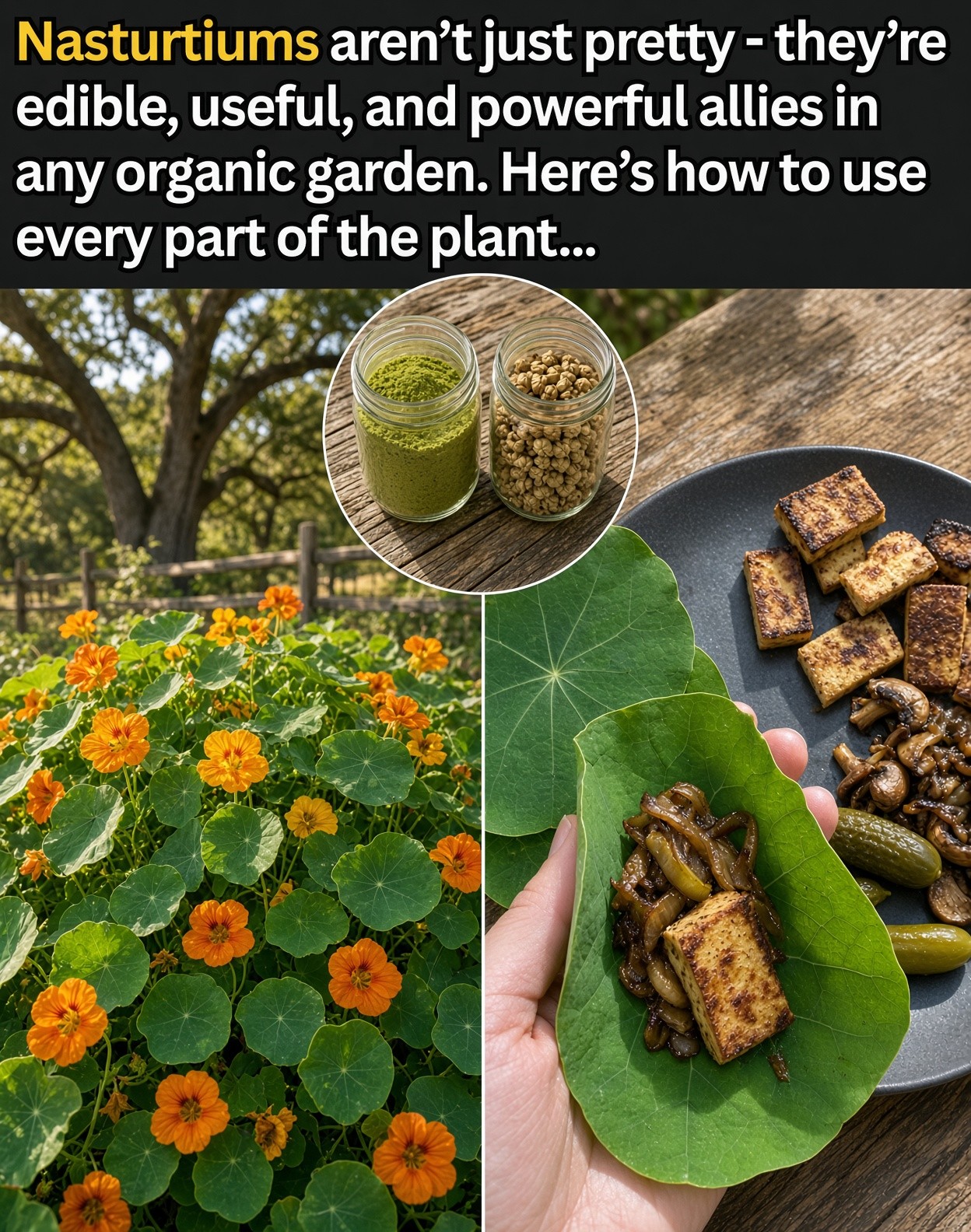
If you are searching for an extraordinary plant that effortlessly delivers stunning ornamental beauty, powerful pest-deterring companion planting advantages, and a zesty culinary punch, look no further than the remarkable nasturtium. Universally adored by organic gardeners, permaculturists, and gourmet chefs alike, nasturtiums are remarkably simple to cultivate from large, easy-to-handle seeds. They thrive happily even in poor, neglected soil where many other ornamentals struggle to survive.

Beyond their cheerful appearance and ability to brighten up garden beds or hanging baskets, nasturtiums are entirely edible from root to blossom. From their distinctive lily pad-shaped leaves to their trumpet-shaped flowers and crunchy green seed pods, every single part of the plant offers a uniquely spicy, peppery flavor reminiscent of fresh watercress or arugula. Whether your goal is to protect your prize vegetable garden from destructive insect pests or to elevate your culinary salads, pestos, and homemade vinegars, growing nasturtiums is a deeply rewarding project for growers of all skill levels.

Why Every Yard Needs Nasturtiums as a Guardian Plant
Nasturtiums have earned a legendary reputation in organic gardening circles for acting as powerful trap crops. When strategically interplanted near tomatoes, squash, kale, or cabbages, they actively lure aphids, cabbage loopers, and cucumber beetles away from your vulnerable food crops. Furthermore, their rapid trailing vines form a dense living mulch that shades the soil surface, suppressing weed germination and retaining essential soil moisture throughout scorching midsummer weeks.
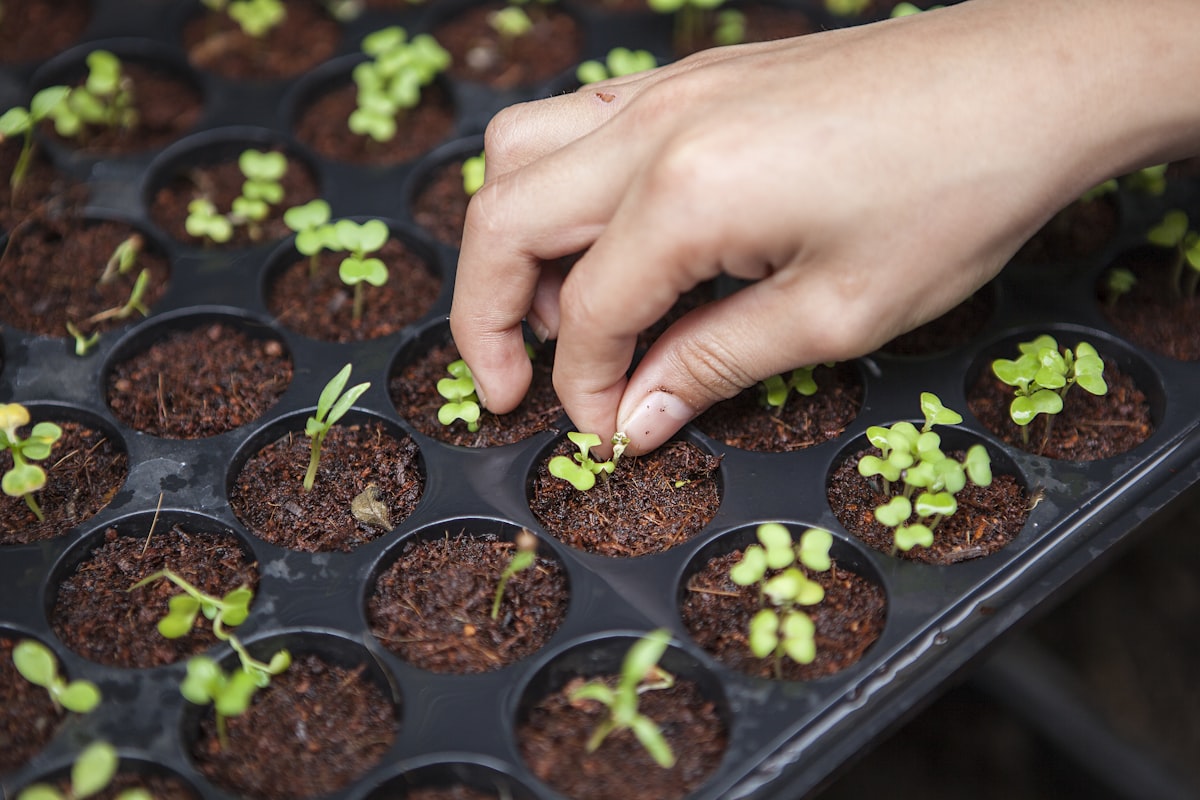
How to Harvest and Eat Every Part of the Nasturtium Plant
1. The Flowers: A Peppery Splash of Culinary Color
Blossoms
Nasturtium blossoms are available in striking shades of fiery orange, deep crimson, mahogany, and bright sunshine yellow. Featuring a delightful peppery kick, these edible flowers make breathtaking garnishes. Toss them directly into fresh green salads, float them over chilled summer gazpachos, or use them to decorate custom artisanal cheeses and celebration cakes.

2. The Leaves: Zesty Greens Packed with Nutrients
Foliage
The distinctive, round lily-pad-shaped leaves are rich in Vitamin C, iron, and beneficial antioxidant compounds. Their sharp, pungent flavor adds incredible depth when blended into homemade herb pestos, green smoothies, or layered inside artisan sandwich wraps. Chop them finely to replace arugula or watercress in your favorite homemade salad dressings for an instant burst of garden-fresh sharpness.
3. The Seed Pods: Crafting “Poor Man’s Capers”
Seed Pods
Once the brilliant flowers finish blooming and drop off, plump three-part green seed pods develop behind the stems. When harvested while still tender and green before they turn woody, these pods can be pickled in a brine of white vinegar, sea salt, and pickling spices. The resulting homemade pickled pods taste astonishingly similar to high-end imported capers, making a phenomenal savory addition to seafood entrees, pasta sauces, and charcuterie platters.
Essential Tips for Growing Thriving Nasturtiums
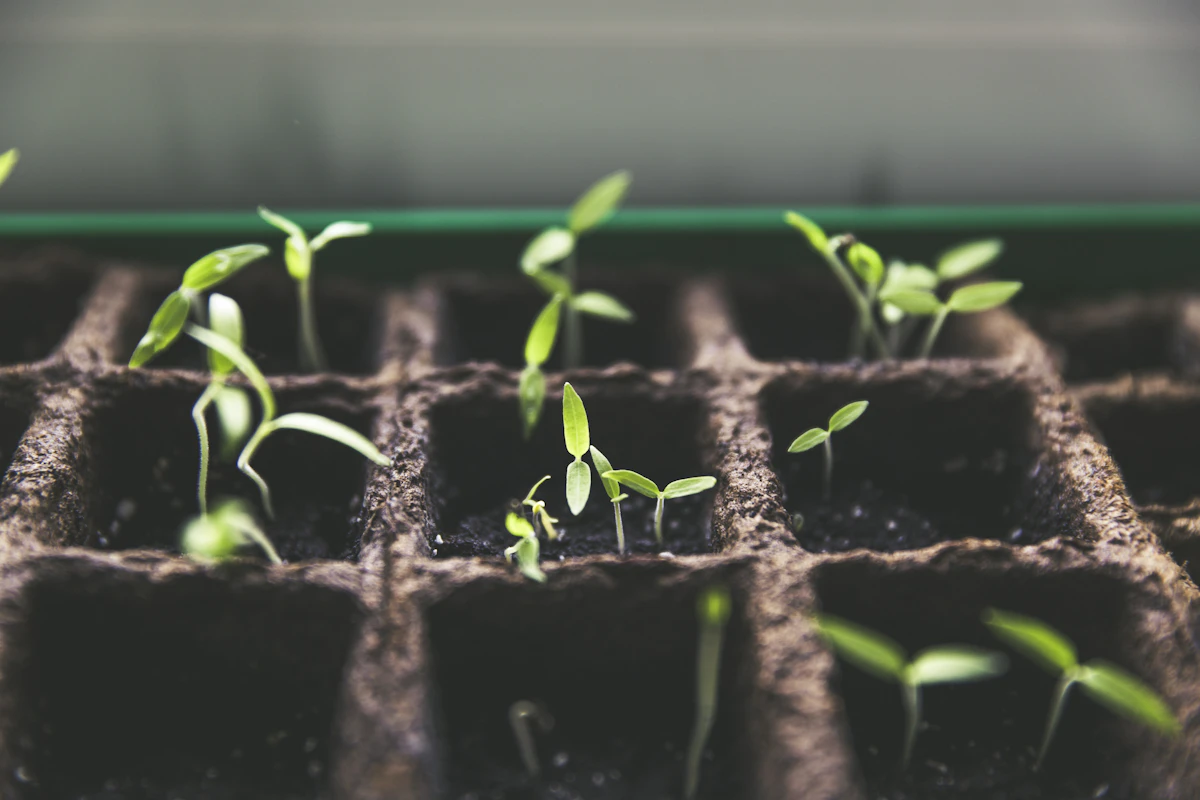
Growing nasturtiums from seed is delightfully straightforward. Sow the large seeds directly into garden beds after the final spring frost hazard has passed in a location that receives full sun. Most importantly, resist the urge to feed them! Nasturtiums actually prefer poor, well-draining soil; applying rich compost or heavy nitrogen fertilizers will trick the plant into producing an abundance of lush, leafy green vines while completely hiding or suppressing its vibrant flowers.
