
Suggested image: clear botanical identification photograph.
What Does Common Purslane Look Like?
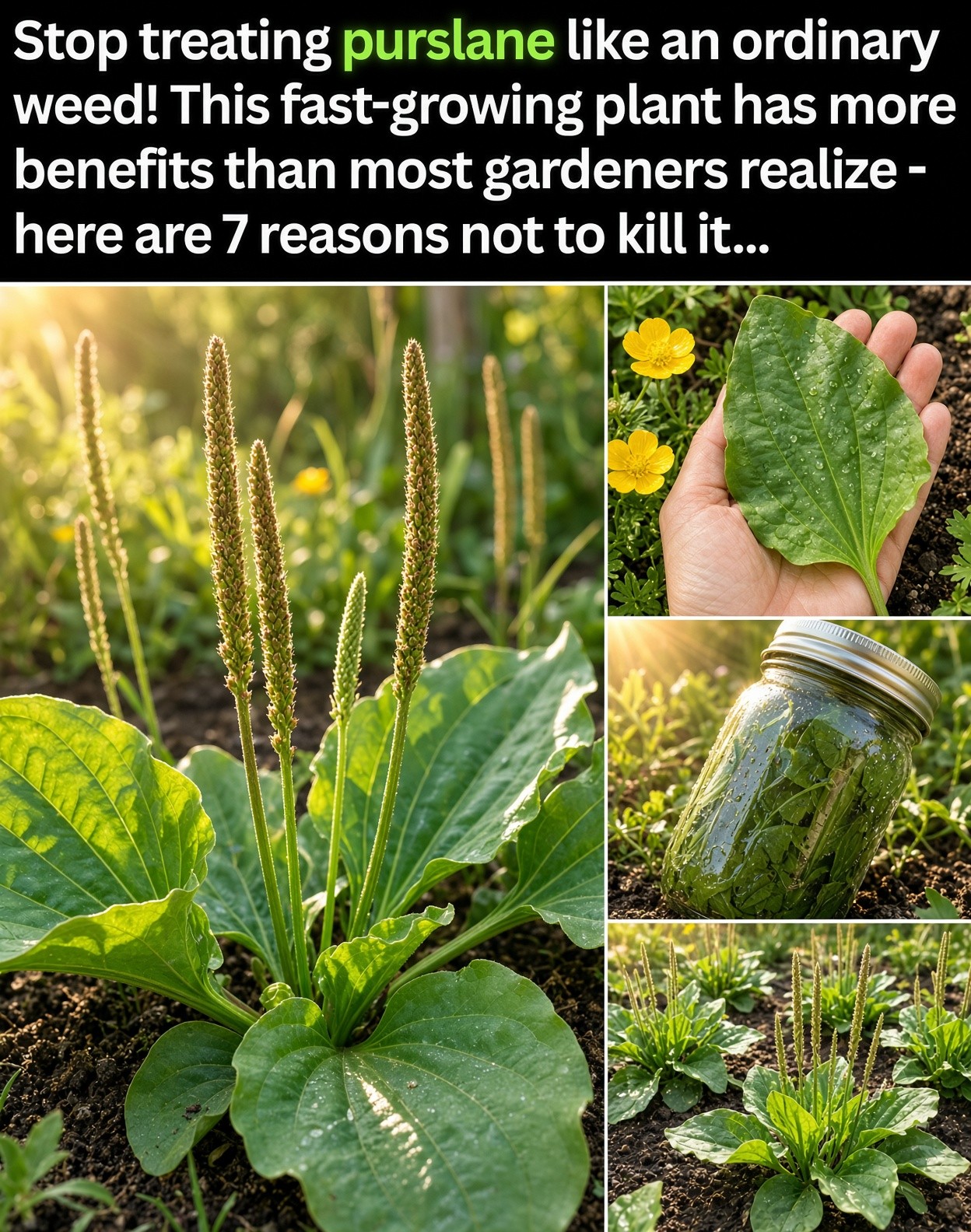
Common purslane is easy to recognize once you know its main features. The plant usually grows close to the ground, with smooth green to reddish stems radiating outward from a central point. Its leaves are thick, succulent, and generally oval or teardrop-shaped. Small yellow flowers appear in sunny conditions, often opening for a limited period during the day. Penn State Extension also points out that purslane can be confused with other low-growing weeds such as spurge and knotweed, so identification matters before harvesting anything for food. One useful distinction is that spurge releases a milky sap when broken, while purslane has succulent foliage and stems without that milky latex. If you are uncertain about identification, do not eat the plant until it has been positively identified.
Why Does Purslane Grow So Easily?
Purslane is adapted to conditions that many conventional garden plants find challenging. It prefers full sun and well-drained soil and can tolerate moderate drought once established. Its succulent leaves and stems help it cope with hot weather, while its low, spreading growth habit allows it to occupy open ground quickly. Penn State Extension reports that seeds can remain dormant over winter and germinate during the following growing season. The plant can also reproduce from broken stems, which is one reason careless removal can sometimes make the problem appear to return quickly. A stem fragment left in suitable conditions may survive and contribute to regrowth. For gardeners who want to cultivate purslane, these traits make it an easy plant. For gardeners who want to eliminate it, they explain why pulling plants before they mature and produce seed is important.
Should You Keep Purslane in Your Garden?
There is no single answer because purslane can play very different roles depending on the garden. In an edible garden, correctly identified plants that have not been exposed to pesticides, herbicides, contaminated soil, or animal waste may be harvested for food. In an ornamental bed, however, rapidly spreading purslane can compete with young plants and occupy open soil. Penn State and Utah State University Extension both describe common purslane as a weed that commonly occurs in landscape beds and other disturbed areas. The practical decision is therefore about control and purpose rather than whether purslane is universally good or bad. If you want it, give it a contained location and harvest it before it spreads excessively. If you do not want it, remove plants before they produce mature seed.
How to Grow Purslane Successfully
If you decide to grow purslane deliberately, choose a sunny location with excellent drainage. North Carolina Extension recommends full sun and well-drained soil, while Penn State notes its ability to tolerate poor soil and moderate drought. Avoid placing it in a consistently waterlogged area. Purslane generally does not need the same frequent watering schedule as moisture-loving vegetables, and excessive irrigation can work against the conditions it naturally prefers. A container can be an especially useful choice because it gives you control over where the plant spreads. Use a well-drained potting mix, provide several hours of direct sun, and water when the growing medium has dried rather than keeping it constantly saturated. Because common purslane is an annual, its strongest growth occurs during the warm season, after soil temperatures rise.
How Much Water Does Purslane Need?
One of purslane’s most useful characteristics is its tolerance of dry conditions. Once established, it generally needs less irrigation than many leafy garden plants. That does not mean it should never be watered. Young plants need enough moisture to establish, and prolonged extreme drought can eventually reduce growth. The goal is to avoid constantly wet soil. Water thoroughly when the soil has become dry, then allow excess moisture to drain away. In containers, check the pot more frequently because small volumes of soil can dry faster than garden beds. The fleshy leaves provide a useful clue: a healthy plant should have firm, plump growth. If plants are repeatedly sitting in saturated soil, drainage should be corrected rather than simply adding more water.
Can You Eat Purslane?
Yes, common purslane is edible when it has been correctly identified and harvested from a safe location. Utah State University Extension states that the leaves, stems, and flowers can be eaten fresh or cooked, and Cornell Cooperative Extension describes purslane as a plant that has been cultivated and consumed in many parts of the world. The flavor is often described as pleasantly tart or lemony, with a juicy, crunchy texture. Young leaves and tender stems are commonly used in salads, while older portions can be cooked. Before eating any wild or volunteer plant, however, make sure you have confirmed its identity and know its growing history. Never harvest purslane from areas treated with lawn chemicals, roadside locations, heavily trafficked areas, or places contaminated by animals.
Simple Ways to Use Fresh Purslane
Purslane works particularly well where you want a fresh, slightly tangy green. Young leaves can be mixed into salads, added to sandwiches, or scattered over grain bowls. Tender stems can be lightly sautéed with garlic and olive oil, while chopped purslane can be incorporated into soups, stews, omelets, or cooked vegetable dishes. Its succulent texture also makes it useful in recipes where you want a juicy green rather than a dry leafy vegetable. Start with a small amount if you have never tasted it before because the flavor is distinctive. Wash harvested material thoroughly under clean running water and use it promptly for the best texture. Treat purslane as a vegetable ingredient rather than a medicinal cure-all: its nutritional value can be part of a varied diet, but food should not be presented as a replacement for medical treatment.
Purslane and Nutrition: What Is Reasonable to Say?
Purslane has attracted attention because it contains nutrients and plant compounds that can contribute to a varied diet. Extension sources identify it as an edible leafy green, and it has been studied for its fatty-acid and micronutrient content. However, online claims sometimes go much further, describing purslane as a cure for numerous diseases or as a replacement for specific medicines. Those claims should be treated cautiously. Eating a nutrient-rich vegetable can be part of a healthy diet, but it does not prove that the plant prevents or treats a particular disease. A better way to describe purslane is as a flavorful edible green that can add variety to meals. Its nutritional profile is interesting, but it should be discussed without promising medical outcomes that have not been established for ordinary dietary use.
How to Harvest Purslane Without Damaging the Plant
If you are growing purslane for food, harvest tender shoots rather than stripping the entire plant at once. Clean scissors or a knife can be used to cut young stems, leaving enough growth behind for the plant to continue producing. Harvesting regularly can also help keep the plant compact and make it easier to manage. Pick during the cooler part of the day when practical, then wash the harvested material and refrigerate it if you are not using it immediately. Because purslane can spread by seed and broken stems, gardeners who want to prevent self-seeding should pay attention to mature flowers and seed capsules. Penn State Extension notes that mature capsules can release large numbers of dark seeds, which can contribute to new plants in subsequent seasons.
How to Control Purslane If It Is Taking Over
If purslane is becoming a nuisance, early removal is usually easier than waiting until the plants are mature. Hand-pull or dig plants from ornamental beds, taking care to remove as much of the root system and plant material as practical. Utah State University Extension recommends hand-pulling plants before seed maturation and notes that mulch can reduce new seedling emergence. Penn State likewise describes proper mulch as a useful management tool in ornamental areas. Avoid leaving pulled plants where they can remain in contact with moist soil if they are capable of regrowth. The timing matters because mature purslane can produce seed, increasing the number of seedlings that appear later. For lawns and turf, management is different and should follow turf-specific recommendations and product labels.
Can Mulch Help Prevent Purslane?
Yes. Mulch can reduce the amount of bare soil available for purslane seeds to germinate. Utah State University Extension recommends a mulch layer in planting beds as one part of common purslane management. Mulch works best when applied correctly and maintained at an appropriate depth for the garden. It should not be piled against plant crowns or tree trunks, and it should not be treated as a permanent solution if seeds are continually being introduced. Combining mulch with regular hand-weeding and preventing mature purslane from producing seed is generally more useful than relying on a single technique. Keeping garden beds densely planted with healthy ornamentals or vegetables can also reduce the open spaces where summer annual weeds establish.
Should You Spray Purslane?
Herbicides are available for purslane control, but the appropriate product depends heavily on where the weed is growing. A product suitable for turf may not be appropriate in a vegetable garden, ornamental bed, or edible planting. Penn State Extension lists both pre-emergence and post-emergence herbicide options for specific sites and emphasizes following label directions. For a home garden, physical removal and mulch are often simpler options when only a small number of plants are present. Never spray a chemical on an edible plant unless the product is specifically labeled for that use and the label instructions are followed. Avoid homemade chemical recipes that can damage desirable plants or create safety problems.
The Bottom Line on Purslane
Purslane is one of those plants that can be either a useful edible green or an unwanted weed depending on where it grows and what you want from your garden. Common purslane is a heat-loving, drought-tolerant annual with succulent leaves, reddish stems, yellow flowers, and prolific seed production. It can be grown deliberately in a sunny container or edible garden, harvested for fresh or cooked dishes, and managed with regular harvesting. If it appears where you do not want it, remove it before seed production and use mulch to reduce new seedlings. The most important rule is identification: make sure you are dealing with Portulaca oleracea before eating it. With accurate identification, safe harvesting, and sensible garden management, purslane can be approached as a plant with a useful place in the garden rather than simply something to pull without a second thought.
Credible Sources
Penn State Extension: Purslane (Portulaca oleracea); Penn State Extension: Lawn and Turfgrass Weeds: Common Purslane; North Carolina Extension Gardener Plant Toolbox: Portulaca oleracea; Utah State University Extension: Common Purslane; Cornell Cooperative Extension: Purslane: Weed or Vegetable?.