
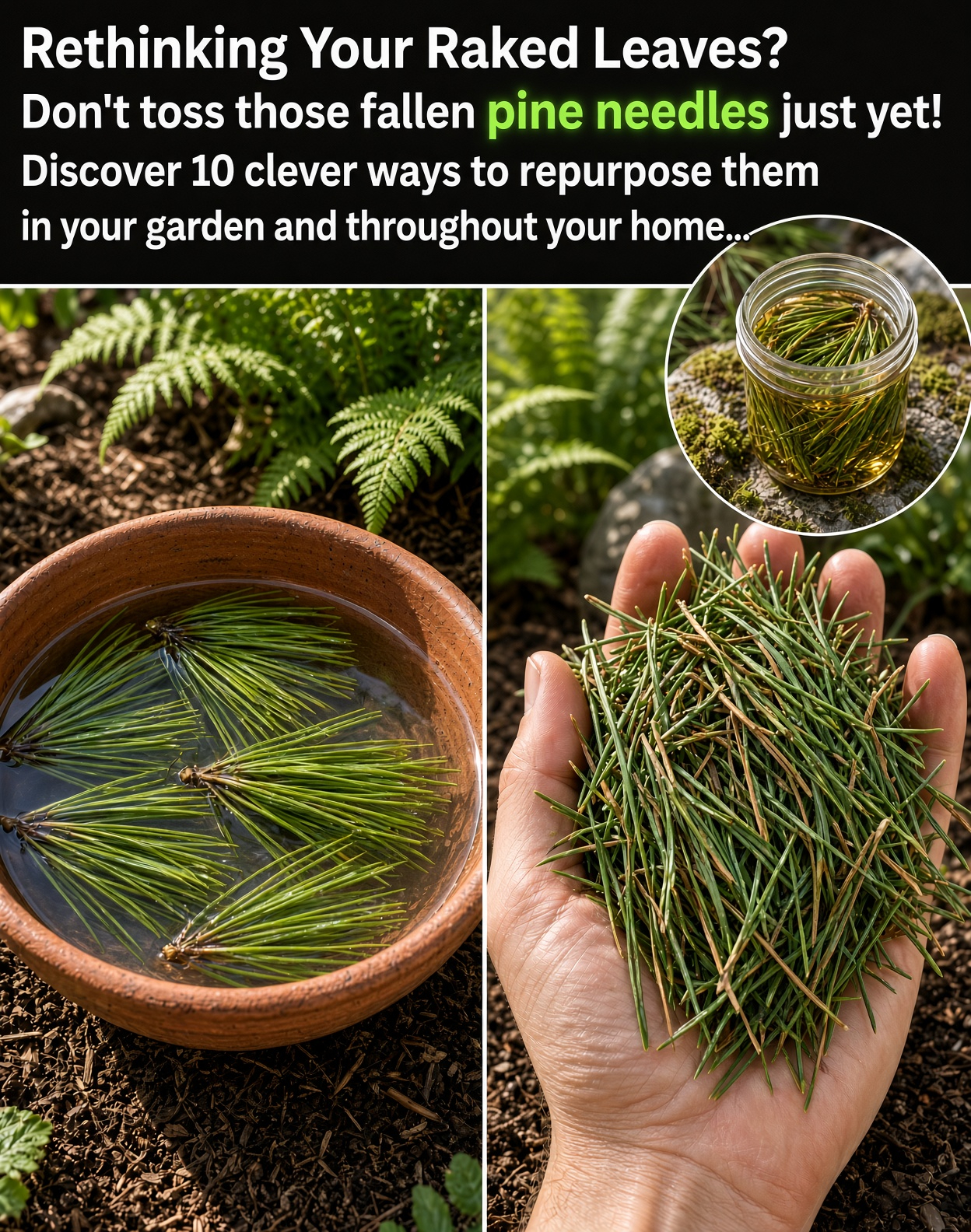
When pine trees drop their needles, it’s tempting to rake everything up and send it straight to the bin. But those fallen needles can be a surprisingly useful resource for gardeners and creative homeowners.
Before reusing them, make sure you can identify the tree correctly. Collect needles from areas free of pesticides, road pollution, and other contaminants. Avoid using unidentified evergreen foliage in food or personal-care projects.
1. Use Pine Needles as Garden Mulch
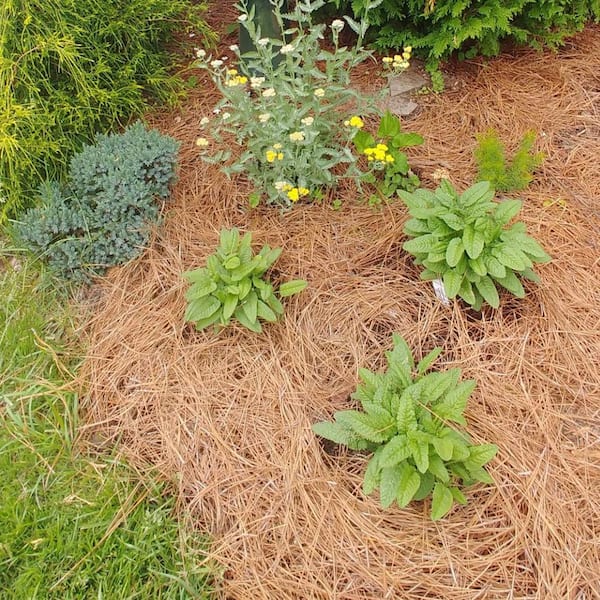
One of the most practical ways to reuse fallen pine needles is to spread them around established plants as a natural mulch.
The loose, interlocking needles help reduce moisture loss from the soil, moderate temperature changes, and limit the amount of light reaching some weed seeds. They also break down gradually, contributing organic matter over time.
Pine straw works particularly well beneath trees, around shrubs, and in established perennial beds. It can also be useful around plants such as blueberries and azaleas, provided the soil and growing conditions are suitable.

Spread the needles in a loose layer rather than packing them down tightly. Keep the material a few inches away from plant stems and tree trunks to avoid trapping excess moisture against them.
One common misconception is that fallen pine needles will automatically make all soil too acidic. In ordinary surface-mulching applications, their effect on soil pH is generally modest. If a plant has specific soil-pH requirements, a soil test is more useful than assuming pine needles will change the acidity.
2. Make a Natural Home Fragrance
Pine needles have a fresh, woody scent that can make them useful for simple seasonal decorations and home fragrance projects.
For a fragrant stovetop potpourri, place clean pine sprigs in a pot of water with ingredients such as orange peel, apple slices, or cinnamon sticks. Warm gently to release their aroma, adding water as needed and never leaving the pot unattended.

You can also dry clean needles and combine them with other dried botanicals in a decorative bowl. The scent will gradually fade, so refresh the mixture when needed.
Safety tip: Use only positively identified, appropriate plant material. Keep simmering pots attended, and avoid claiming that the aroma disinfects indoor air or treats respiratory symptoms.
3. Treat Pine Needle Tea With Caution
Pine needle tea appears in some traditional food and herbal practices, but it should not be treated as a casual use for any needles collected outdoors.
Evergreen species can look similar while differing significantly in safety. Yew, for example, is highly poisonous, and common names alone are not a reliable way to identify a tree. Some pine species may also be unsuitable for consumption, and herbal preparations can pose additional risks for certain people.
For these reasons, do not make a drink from unidentified needles or assume that a wild plant is safe because it is natural or has been used traditionally. If you are interested in edible wild plants, learn identification and food-safety practices from a qualified local expert.
Better everyday alternative: Enjoy a commercially prepared herbal tea with clearly listed ingredients if you want a warm, aromatic drink without the uncertainty of foraging.
4. Create Decorative Pine-Infused Vinegar
Pine needles can be used to create a pleasantly scented vinegar for certain household projects. The result is best viewed as a fragrance experiment, not a proven disinfectant or medical tonic.
If you want to try a decorative infusion, use clean, positively identified pine needles in a clearly labelled container of ordinary white vinegar. Keep it separate from food and store it safely. Never mix vinegar with bleach or other cleaning products.
Before using any vinegar-based mixture on a surface, test a small hidden area. Acidic solutions can damage natural stone, marble, limestone, and some finishes.
For cleaning that requires reliable disinfection, use a product labelled for that purpose and follow its instructions rather than relying on a homemade botanical mixture.
5. Make Pine Needle Crafts and Seasonal Decorations
Long pine needles can be useful for decorative projects because they are flexible and have an attractive natural texture. Depending on the species, they can be incorporated into wreaths, garlands, ornaments, and woven crafts.

For a simple project, bundle dry needles with twine and attach them to a wreath base. You can add pine cones, dried citrus, or other decorative plant material to create a seasonal arrangement.
Traditional pine needle basketry uses specific materials and techniques, often requiring needles of suitable length. If you are learning this craft, start with a beginner project and follow instructions from an experienced basket maker.
Keep dried decorations away from candles, fireplaces, and other heat sources because dry plant material can ignite.
6. Add Pine Needles to Compost as a Brown Material
Composting is another way to reuse fallen pine needles. Like dry leaves, cardboard, and small woody materials, pine needles contribute carbon to a compost pile.
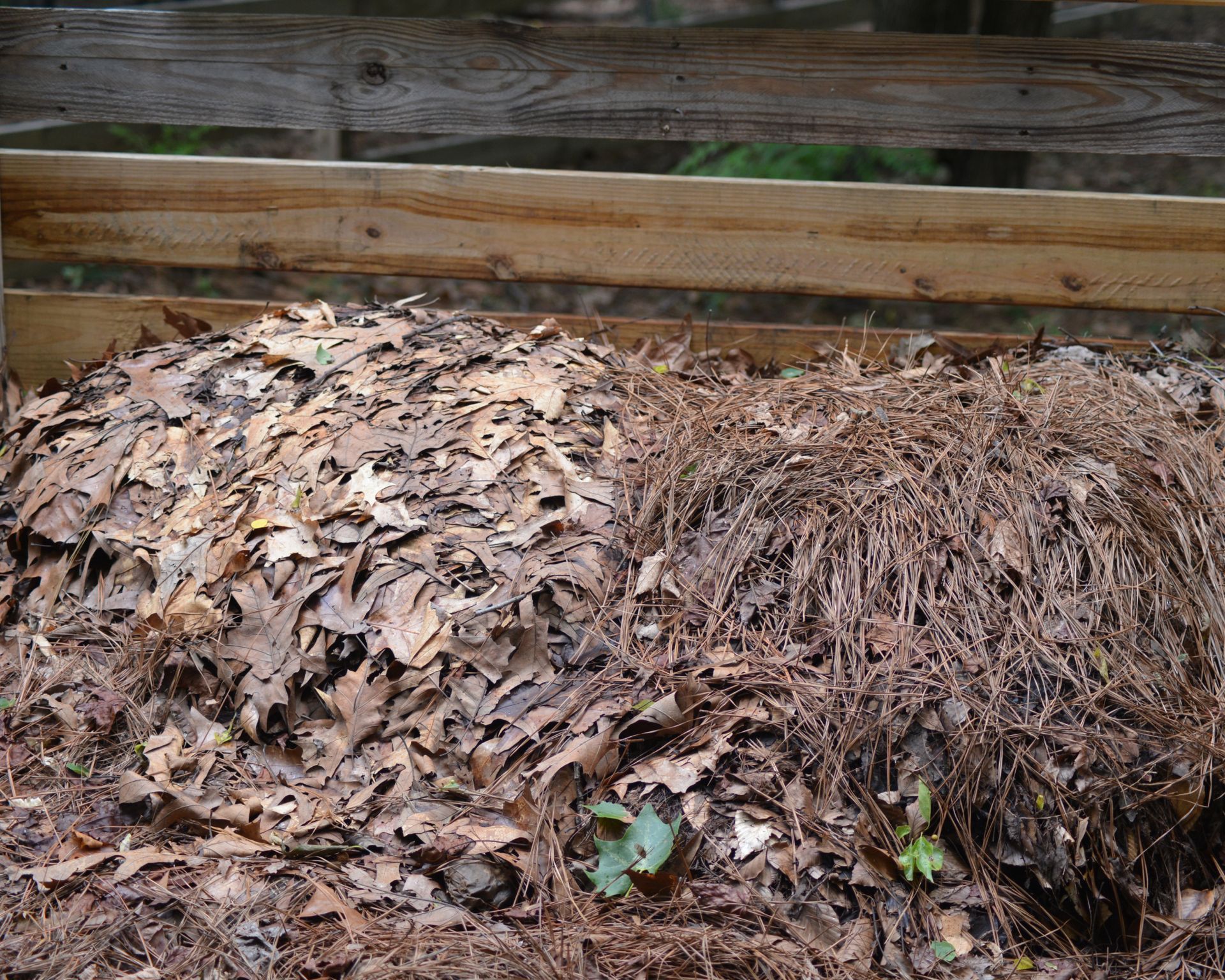
However, pine needles decompose relatively slowly, especially when added in long, unbroken pieces. Shredding or chopping them into smaller pieces can help them mix more evenly with other compost ingredients.
Combine them with nitrogen-rich materials such as fresh plant trimmings and suitable vegetable scraps. Keep the pile reasonably moist and aerated, and avoid allowing pine needles to dominate the mixture.
Because they break down slowly, a modest amount is usually more practical than filling an entire compost bin with needles. If you need finished compost quickly, use faster-decomposing materials as the main ingredients.
7. Use Pine Needles as a Garden Pest-Management Support
Some gardeners place pine needles around beds because they form a loose, textured barrier over the soil. This may make certain areas less convenient for crawling pests, but the results vary and should not be treated as dependable pest control.
Pine needles will not reliably repel mice, fleas, ticks, or every garden insect. Their scent alone is not a substitute for identifying the pest and choosing an appropriate control method.
For a healthier garden, begin by checking plants regularly, removing badly damaged foliage where appropriate, maintaining good airflow, and avoiding excess moisture around vulnerable plants.
If you use pine straw as mulch, think of its main benefits as soil protection and moisture management rather than as an insecticide.
8. Cover Suitable Garden Paths and Help Protect Soil
In low-traffic parts of the garden, pine needles can form a natural-looking surface covering. Their interlocking structure may help protect bare soil from raindrop impact and reduce some surface erosion.
They are best used where people will not need to walk quickly or carry heavy loads. Dry pine needles can be slippery, especially on slopes or after they shift underfoot, so avoid using them as the main surface on steep or frequently used walkways.
For a garden path, prepare the area first and apply a loose layer that can be refreshed when it becomes thin. If the path needs a firm, accessible walking surface, choose a more stable material.
9. Use Pine Needles to Improve the Mix of Garden Materials
Gardens generate many kinds of organic waste: fallen leaves, small twigs, spent flowers, and seasonal plant trimmings. Pine needles can be part of a useful reuse system instead of being discarded automatically.
Keep suitable dry needles for mulch, use smaller amounts in compost, and reserve attractive clean pieces for crafts. Separating materials by their intended use makes them easier to manage.
For example, long needles may work well as surface mulch, while shorter shredded pieces can mix more easily into a compost pile. Diseased plant material or needles contaminated with chemicals should not be reused indiscriminately.
There is no need to force pine needles into every garden task. If they are unsuitable for your soil, plantings, or local conditions, use another material instead.
10. Make Dried Pine Needle Sachets for Decoration
Clean, thoroughly dried pine needles can be placed in a breathable fabric sachet to create a simple aromatic decoration for a drawer or cupboard.

To make one, place completely dry needles inside a clean cloth pouch and close it securely. You can combine them with dried citrus peel or other suitable dried botanicals if you like the fragrance.
Keep sachets away from pets and small children who might chew or swallow the contents. Do not use them as a reliable way to repel insects, and replace the contents if they become damp or develop mold.
How to Collect and Store Pine Needles
A little preparation makes these projects easier and helps prevent contamination.
- Identify the tree: Don’t collect needles from an unknown evergreen for food or herbal use.
- Choose a clean location: Avoid roadside areas and places treated with pesticides or other chemicals.
- Remove debris: Pick out sticks, soil, and unwanted plant material.
- Dry craft materials thoroughly: Store them only when they are completely dry to reduce the risk of mold.
- Keep uses separate: Label containers intended for crafts or cleaning, and never mistake them for food ingredients.
- Collect responsibly: Gather only what you need and follow local rules about collecting material from public or protected land.
Final Thoughts
Pine needles are more than something to rake away. With a little planning, they can be reused as garden mulch, added in modest amounts to compost, incorporated into seasonal crafts, or turned into simple decorative sachets.
The most dependable uses are practical ones that make use of the needles’ natural texture and slow decomposition. Claims about homemade pine products disinfecting the home, repelling every pest, or treating illness should be approached with caution.
Start with one or two projects that suit your garden and home. By reusing clean fallen needles where they are genuinely useful, you can reduce waste and make better use of a natural material that might otherwise be thrown away.