
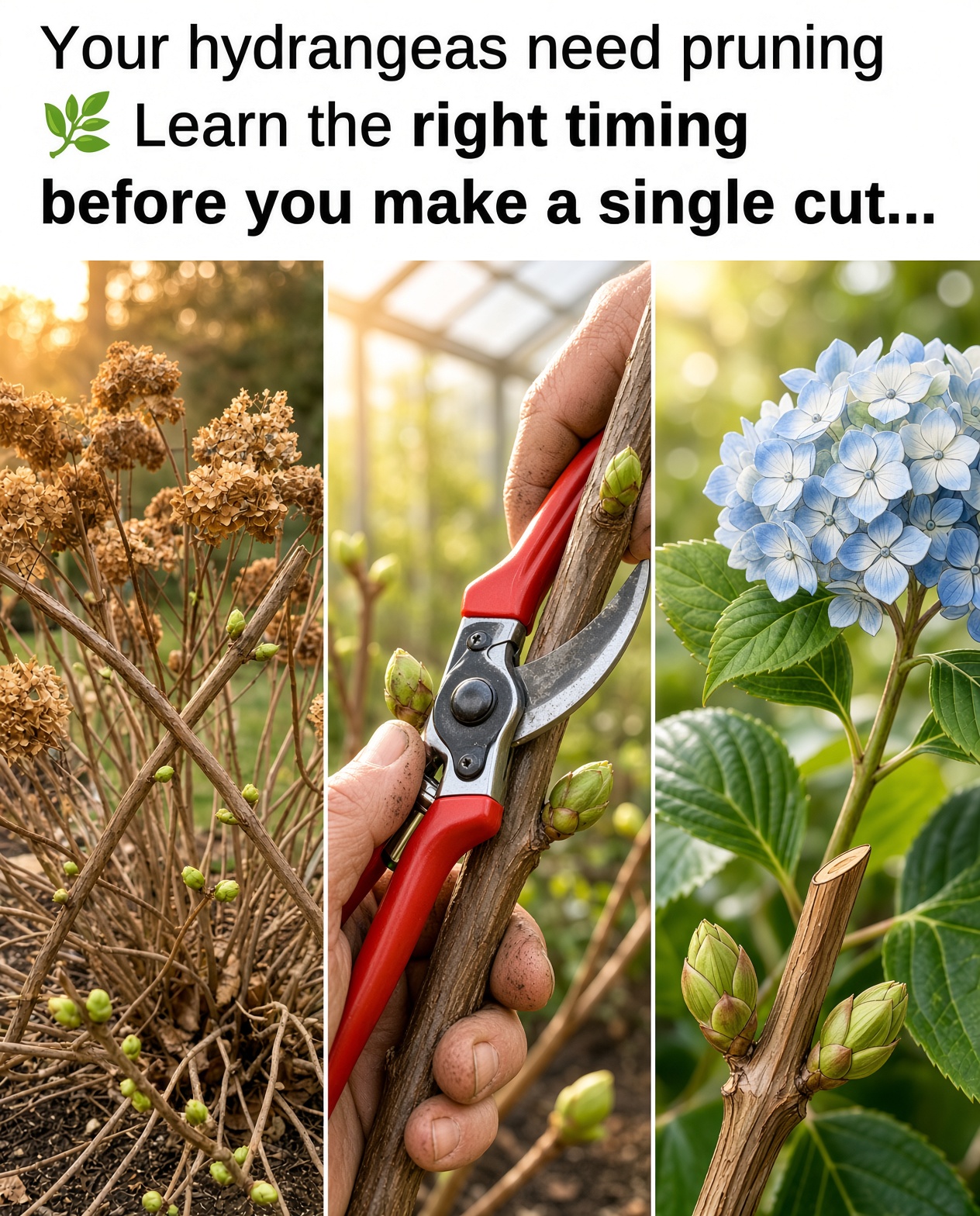
Hydrangea pruning is much less confusing once you know where the plant forms its flower buds. Some hydrangeas bloom from old wood, some from new wood, and reblooming varieties can use both. The timing of your cuts is therefore more important than simply deciding how much growth to remove.
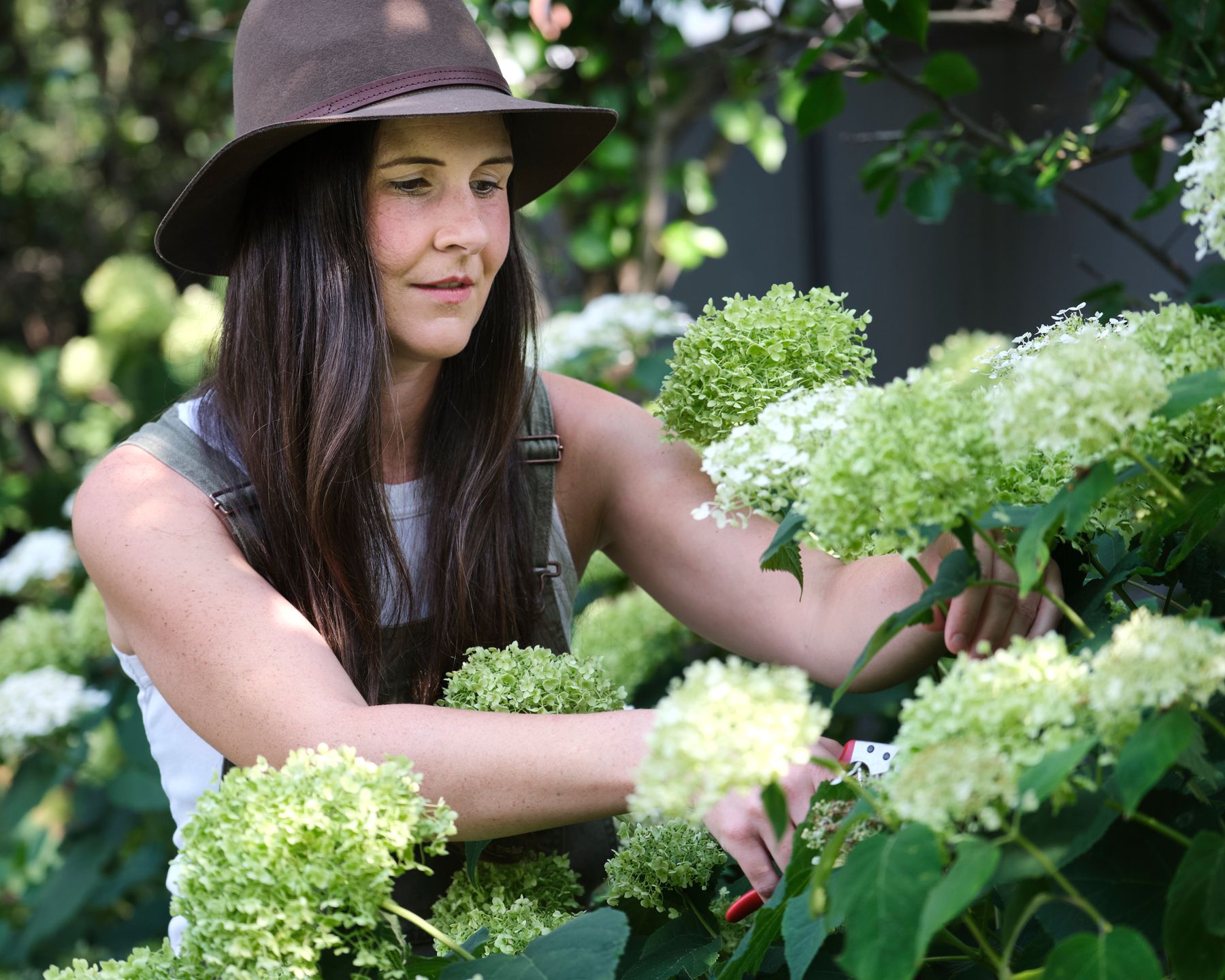
Does Your Hydrangea Actually Need a Haircut?
Hydrangeas do not automatically need a hard pruning every year. If a shrub is healthy, flowering well, and fits its space, it may need very little attention. Pruning is most useful when you need to remove weak or damaged growth, open a crowded plant, or rejuvenate an older shrub.
Why Timing Matters More Than the Size of the Cut
The most important question is not how much you want to remove. It is when your hydrangea forms its flower buds. Old-wood types carry next season’s buds on stems that grew the previous year, while new-wood types form their flower buds on fresh growth produced during the current season.
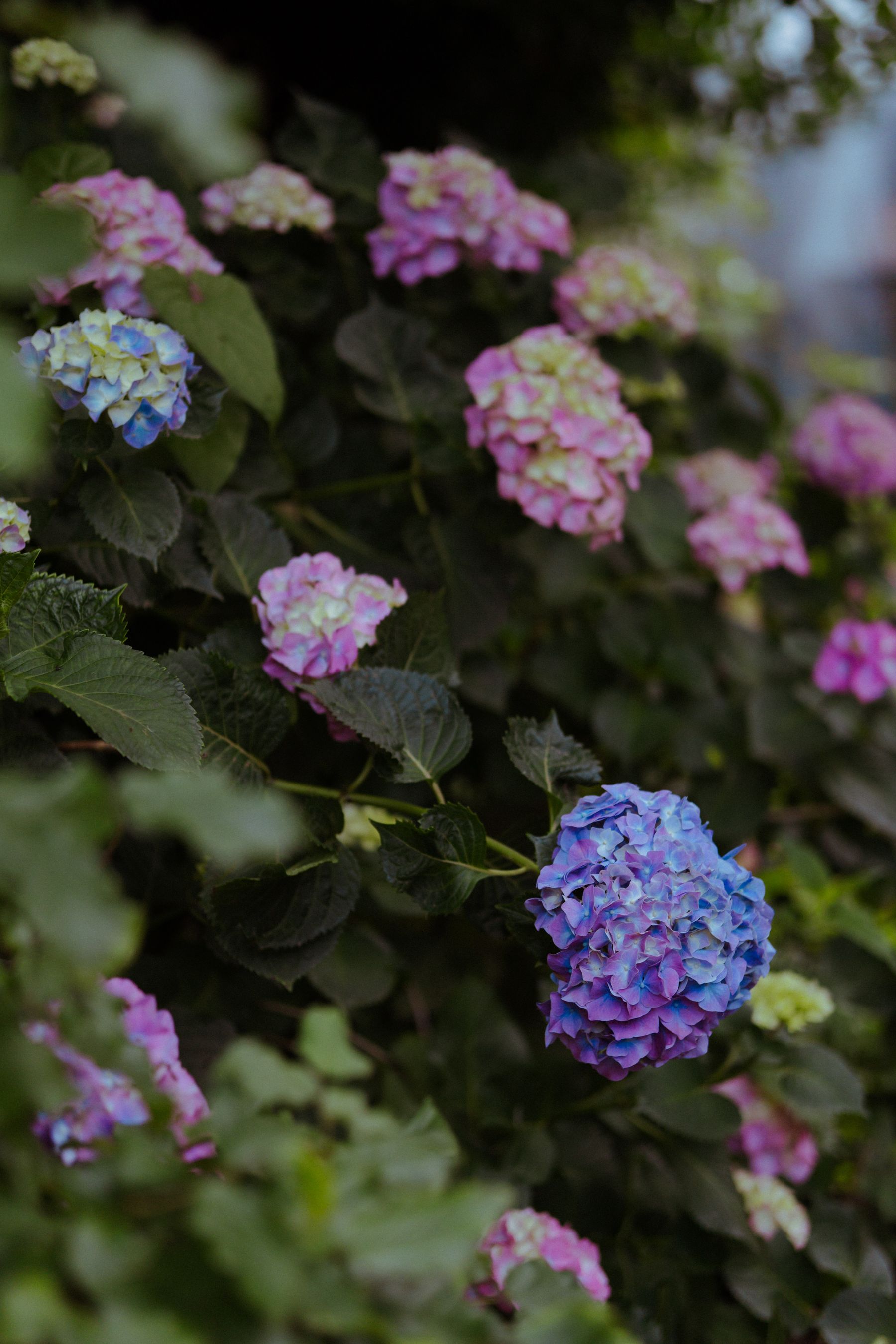
The Three Hydrangea Pruning Groups
Hydrangeas can be grouped into three practical categories: old wood, new wood, and old and new wood. Old-wood plants flower from buds already present on last year’s stems. New-wood plants create flower buds on this year’s fresh stems. Reblooming types can flower from both.
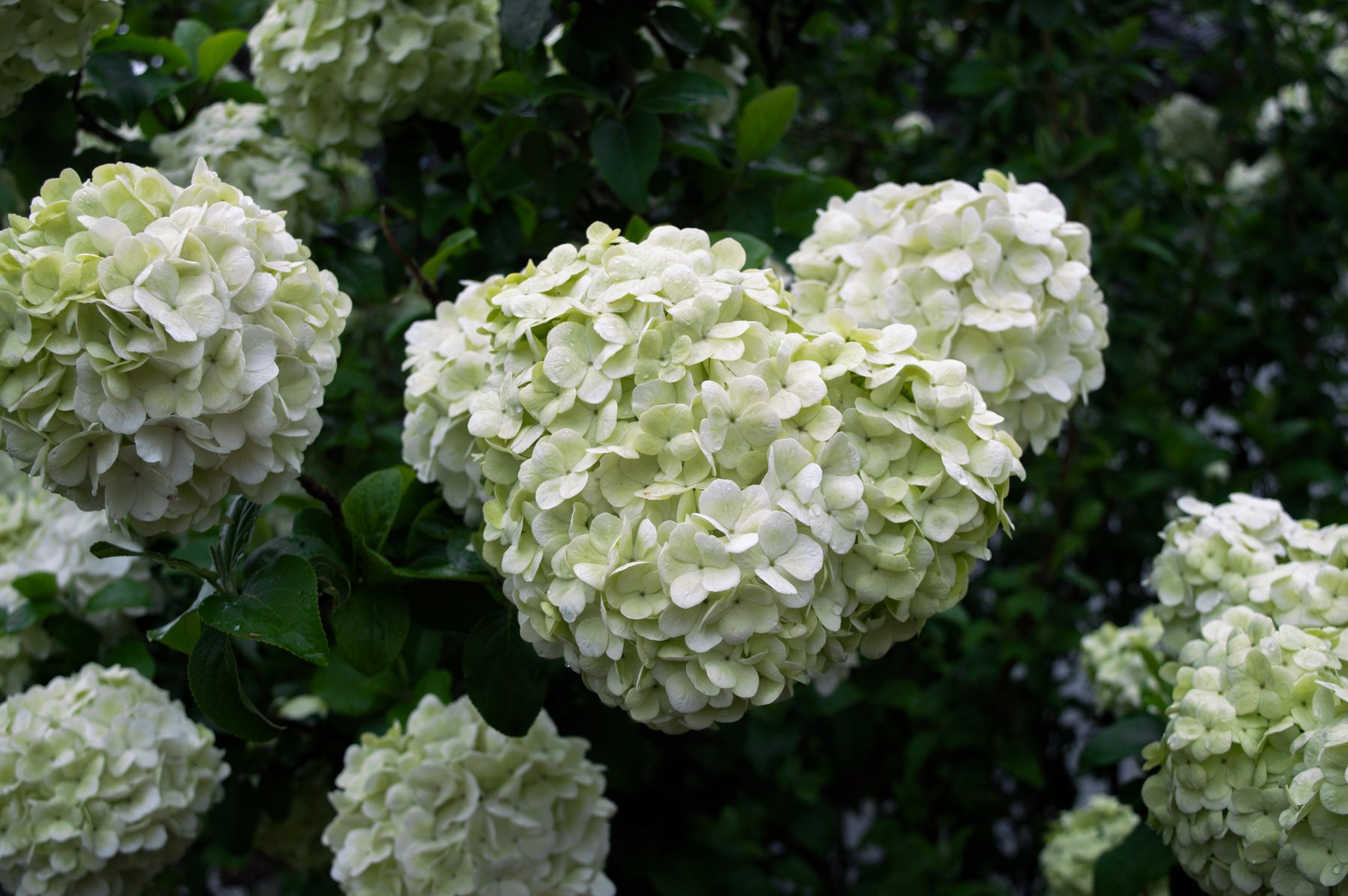
Old-Wood Hydrangeas
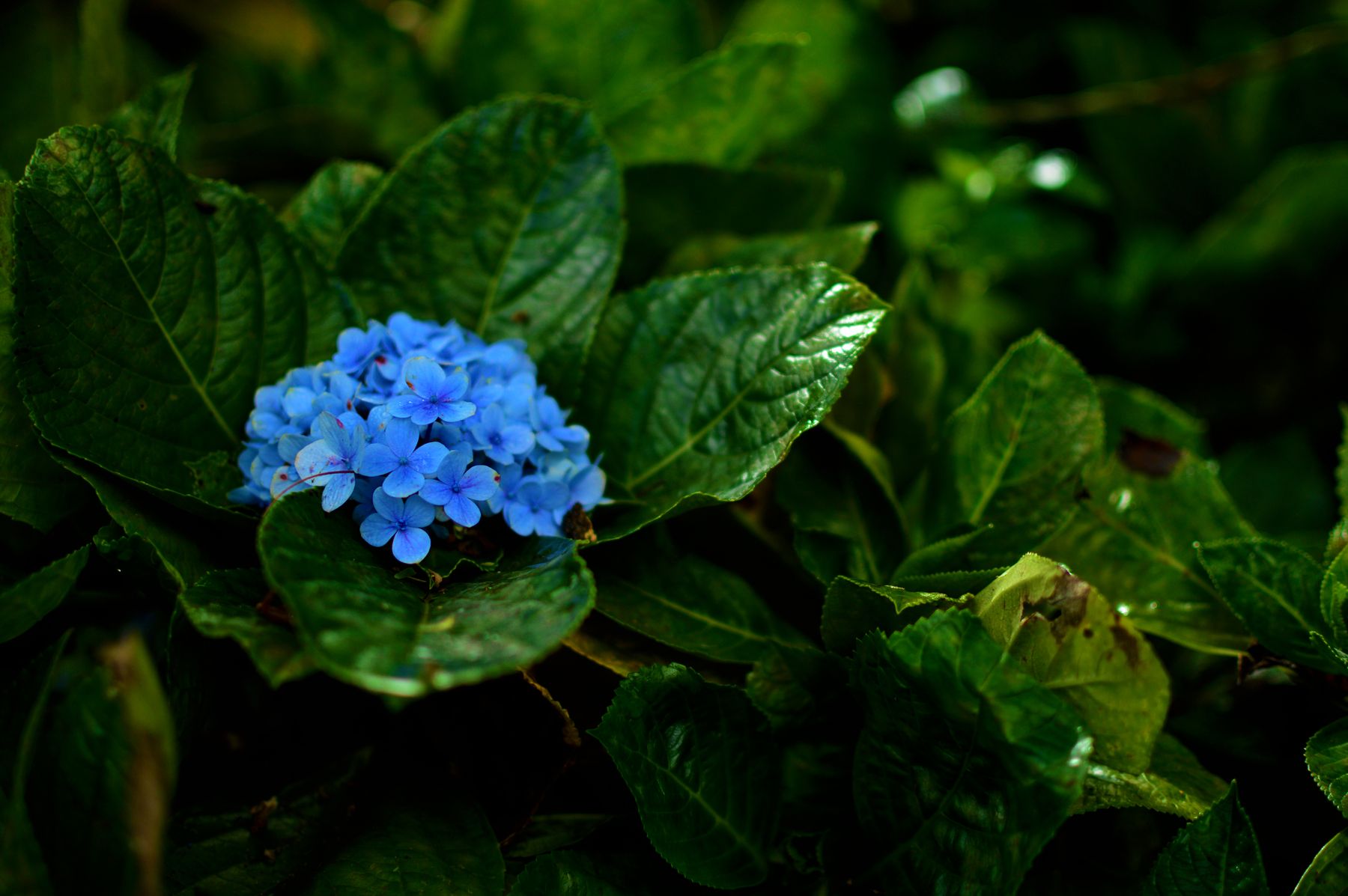
Traditional bigleaf hydrangeas (Hydrangea macrophylla), mountain hydrangeas (Hydrangea serrata), oakleaf hydrangeas (Hydrangea quercifolia), and climbing hydrangea are the main old-wood group described by the source. Bigleaf and mountain types can be especially tricky because some newer cultivars are rebloomers and may look almost identical to traditional forms.
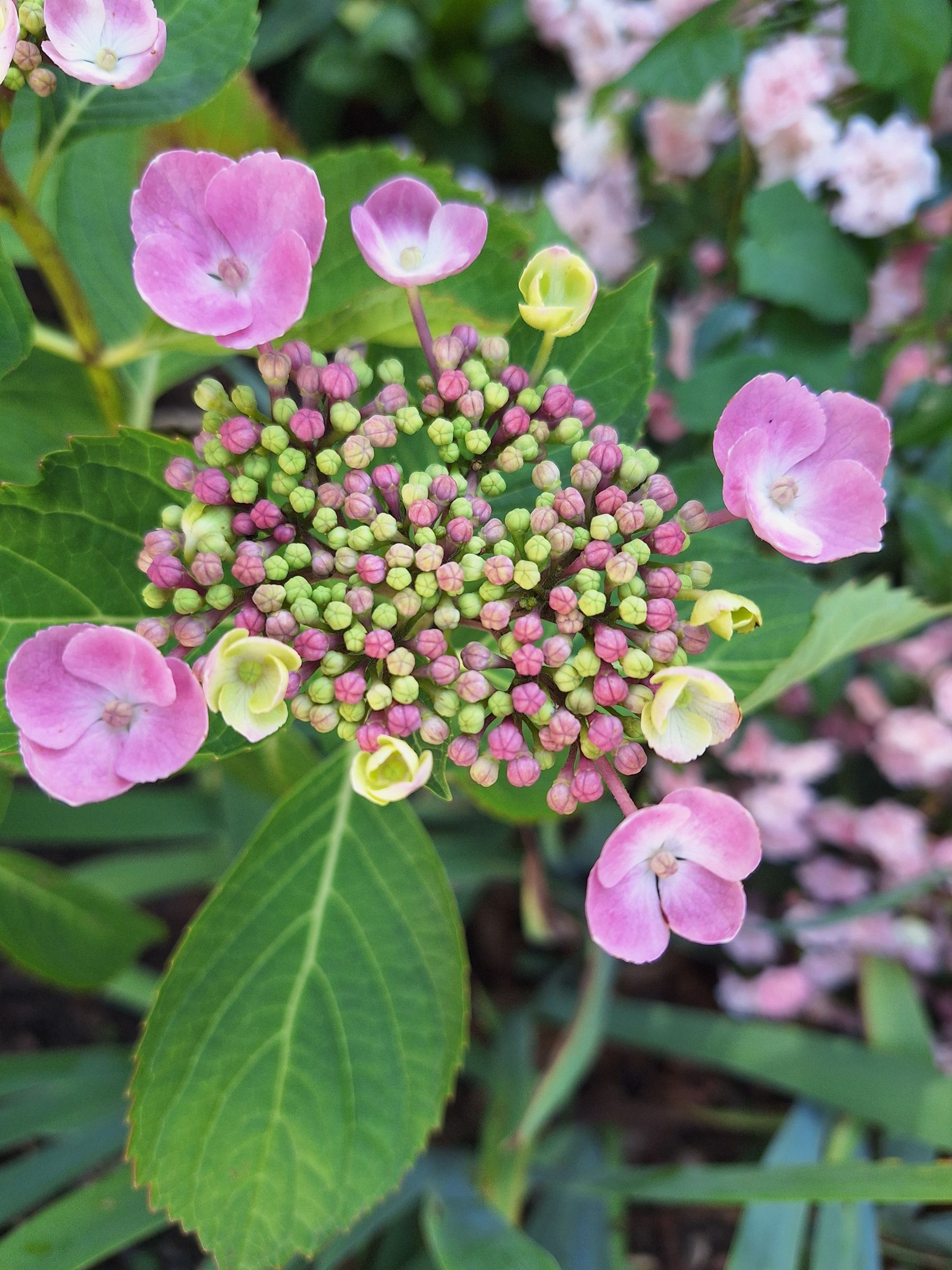
When to Prune Old-Wood Hydrangeas
For old-wood hydrangeas, the safest main pruning window is shortly after flowering finishes. Using the end of flowering as the signal is more reliable than choosing one calendar month, because bloom timing varies by climate.
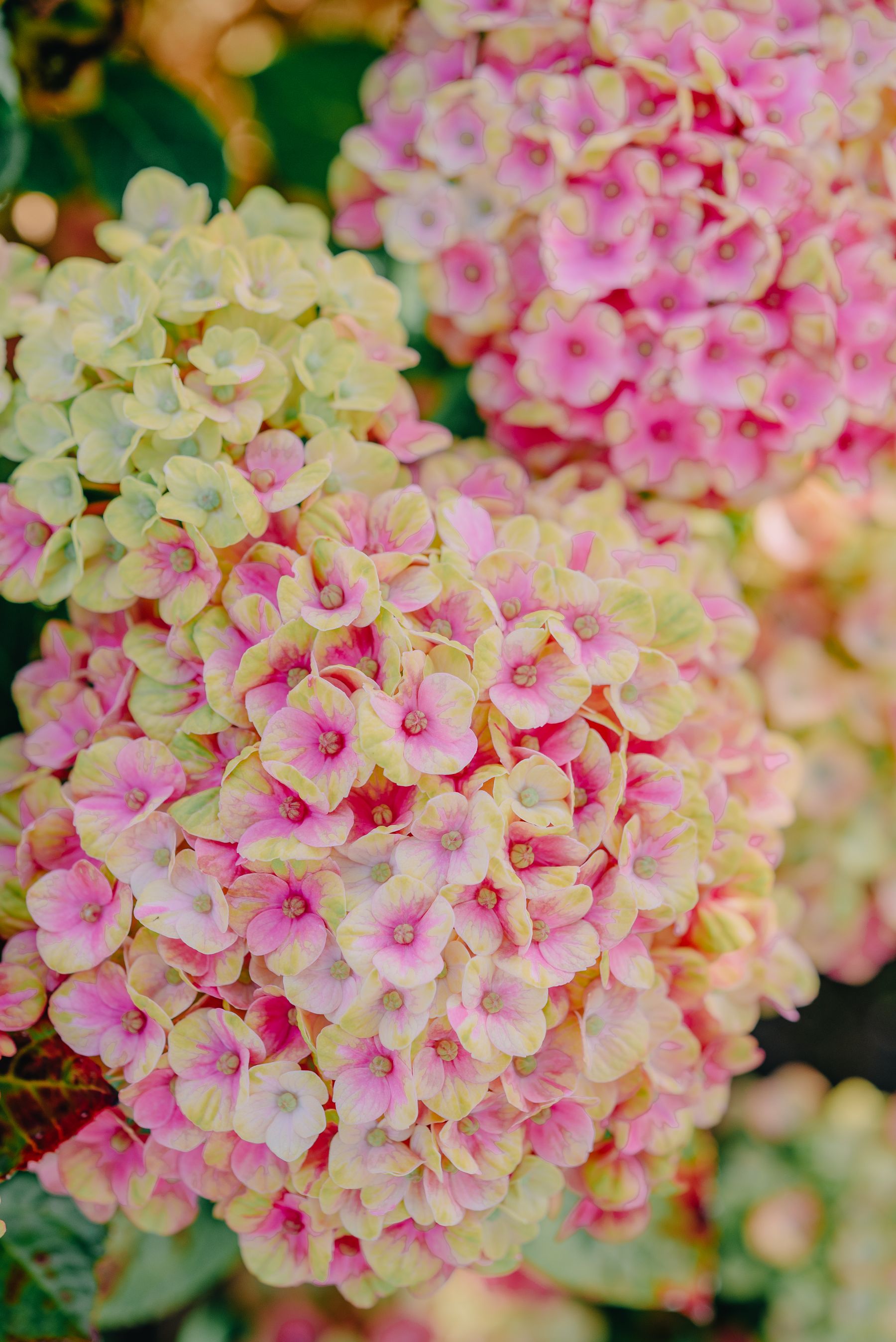
What to Cut on Old-Wood Hydrangeas
After flowering, remove spent blooms just above a healthy pair of buds or leaves. Dead, damaged, or weak stems can be removed back to healthy growth or all the way to the base. If the shrub is crowded, thin a few of the oldest stems at ground level.
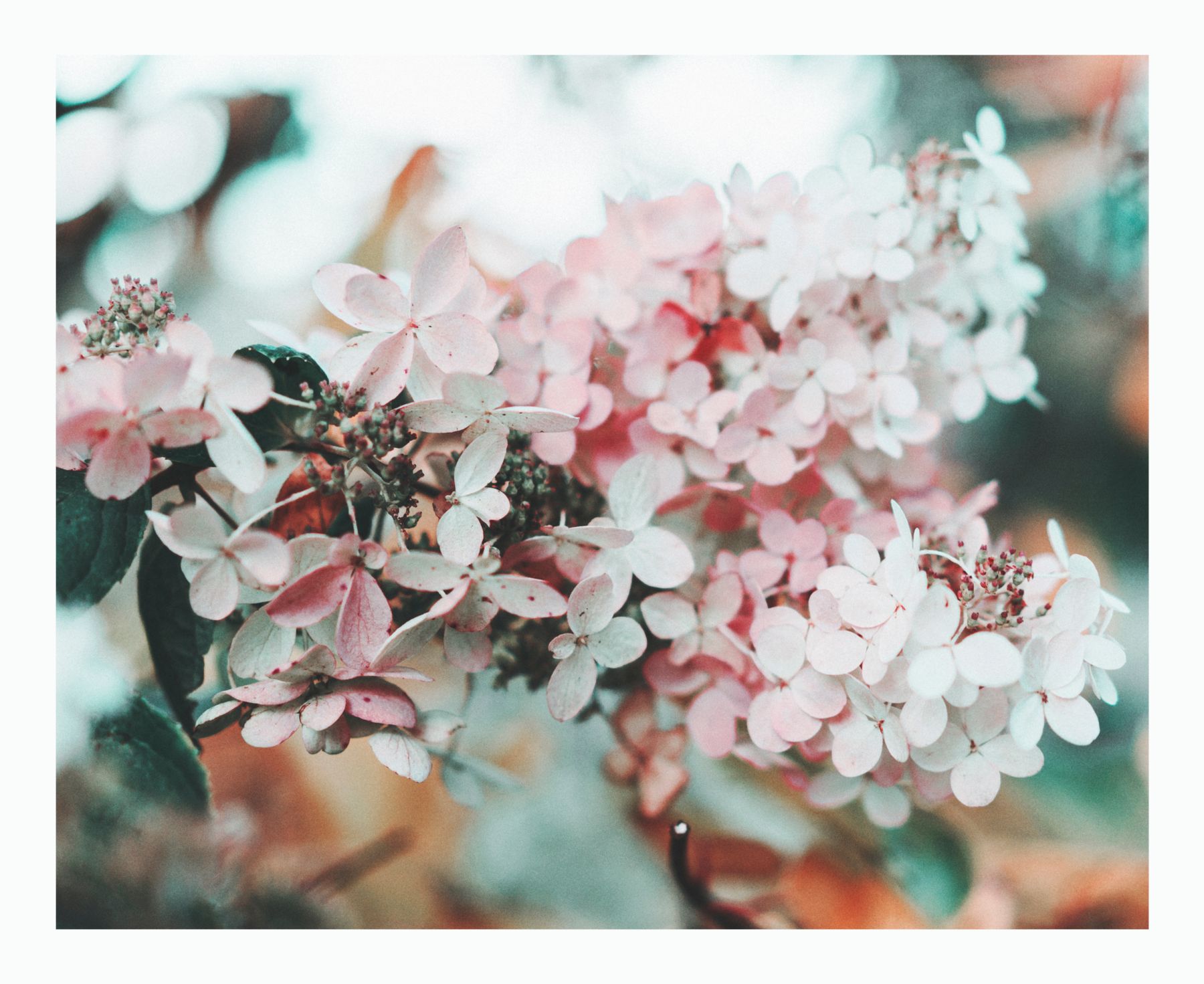
What NOT to Do With Old-Wood Types
Do not wait until fall, winter, or early spring for the main pruning of an old-wood hydrangea. By then, its stems may already be carrying the buds that will produce next year’s flowers. If a plant is still blooming late in summer, skip major shaping and wait until its flowering period has finished.
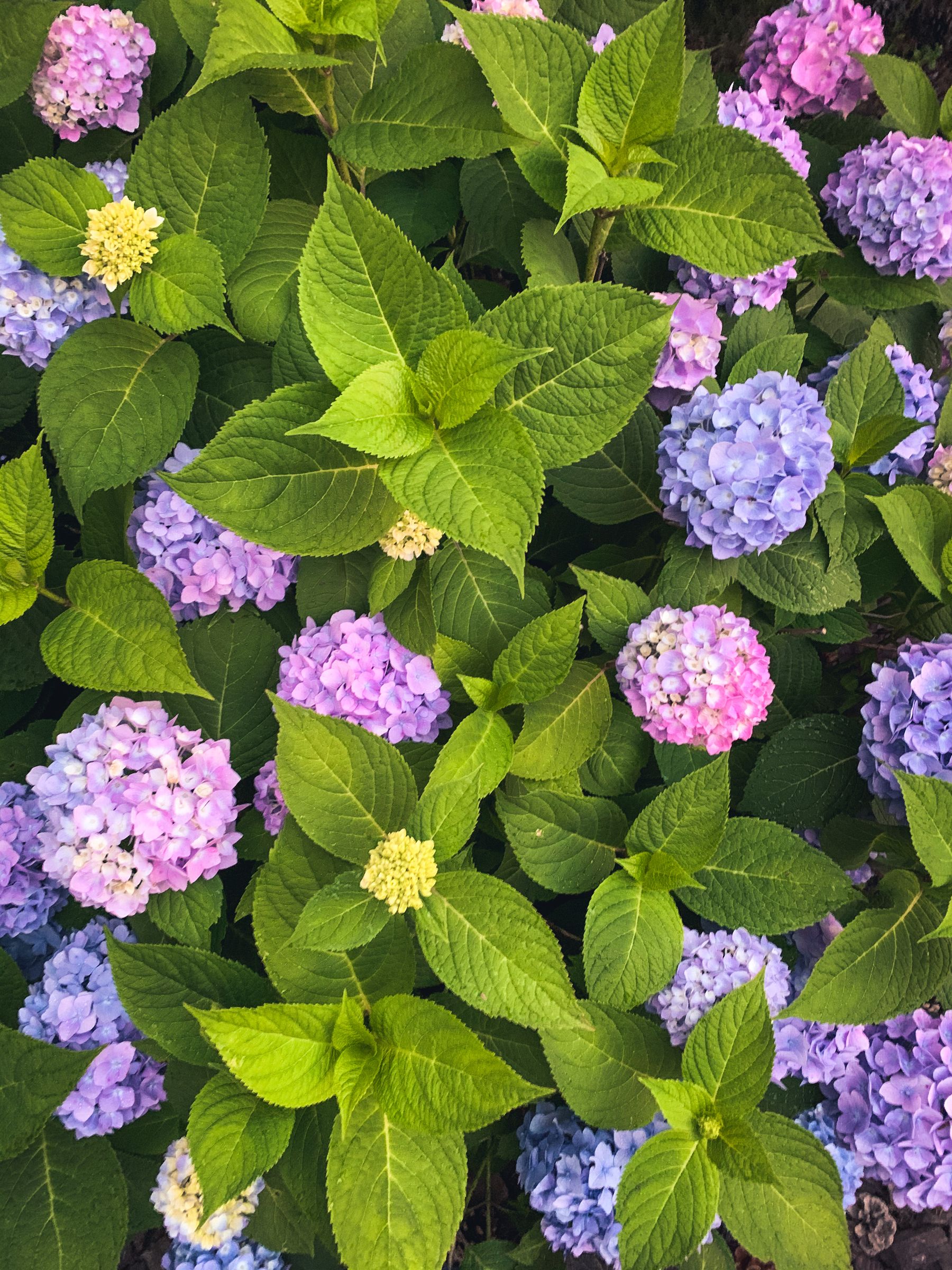
How to Handle Winter-Damaged Stems
Old hydrangea stems can look completely lifeless after winter. Instead of removing them immediately, give the plant time to break dormancy. Once spring growth begins, swelling buds and fresh growth make it much easier to tell which stems survived.
New-Wood Hydrangeas
Panicle hydrangeas (Hydrangea paniculata) and smooth hydrangeas (Hydrangea arborescens) are the main new-wood types in the source. Panicles usually have cone-shaped flower clusters, while smooth hydrangeas often produce rounded heads, including the familiar ‘Annabelle’ form.

Best Time to Prune New-Wood Hydrangeas
New-wood hydrangeas are more forgiving because next season’s flower buds are not already sitting on old stems through winter. The source recommends late winter to early spring, while the plant is dormant and before vigorous new growth begins.
How to Prune Panicle Hydrangeas
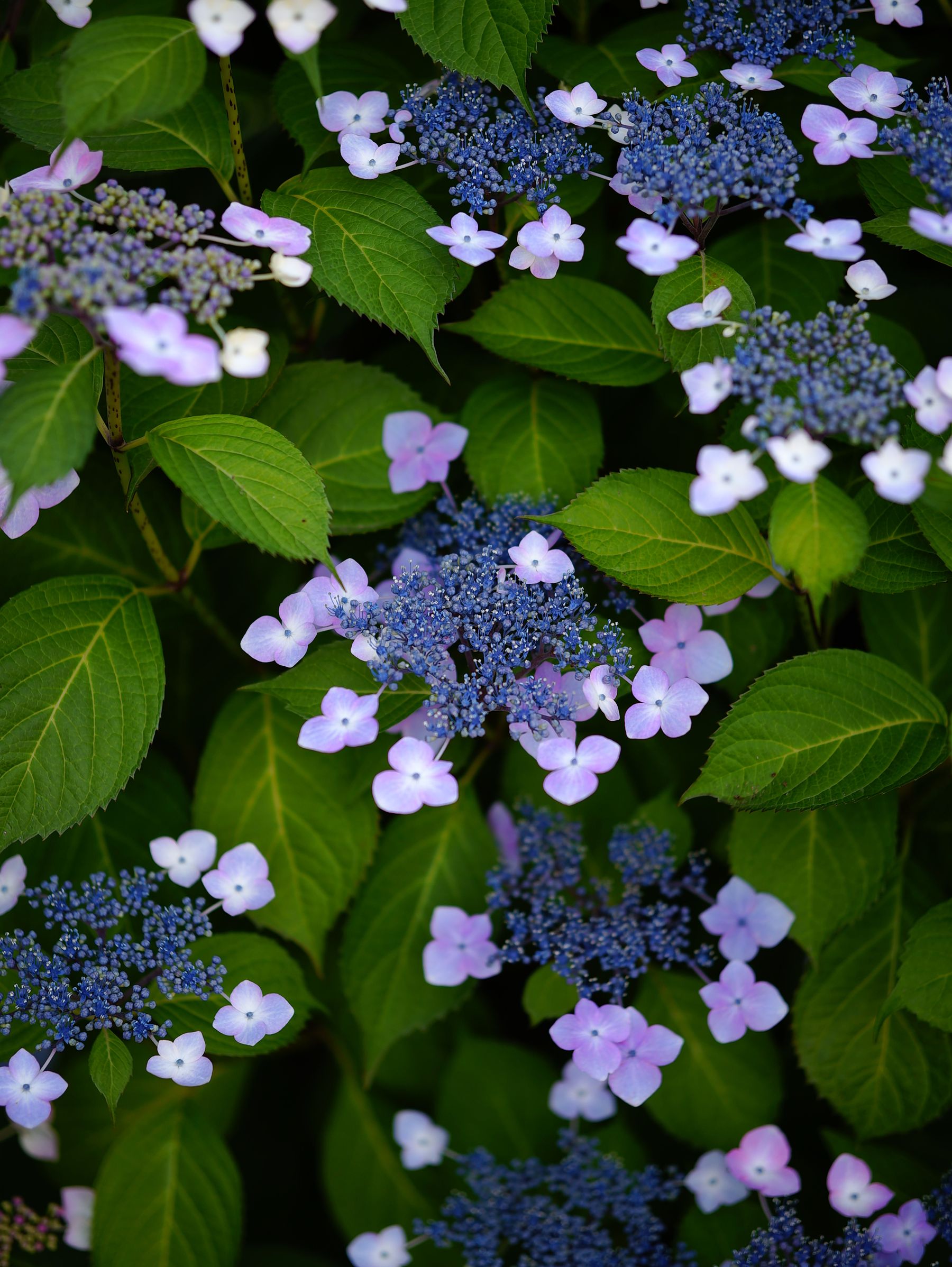
Start by removing dead, damaged, weak, or crossing stems. Panicle hydrangeas tolerate pruning well and can be reduced for shape and size, with cuts made just above healthy buds. However, there is no need to chop an established plant nearly to the ground every year.
How to Prune Smooth Hydrangeas
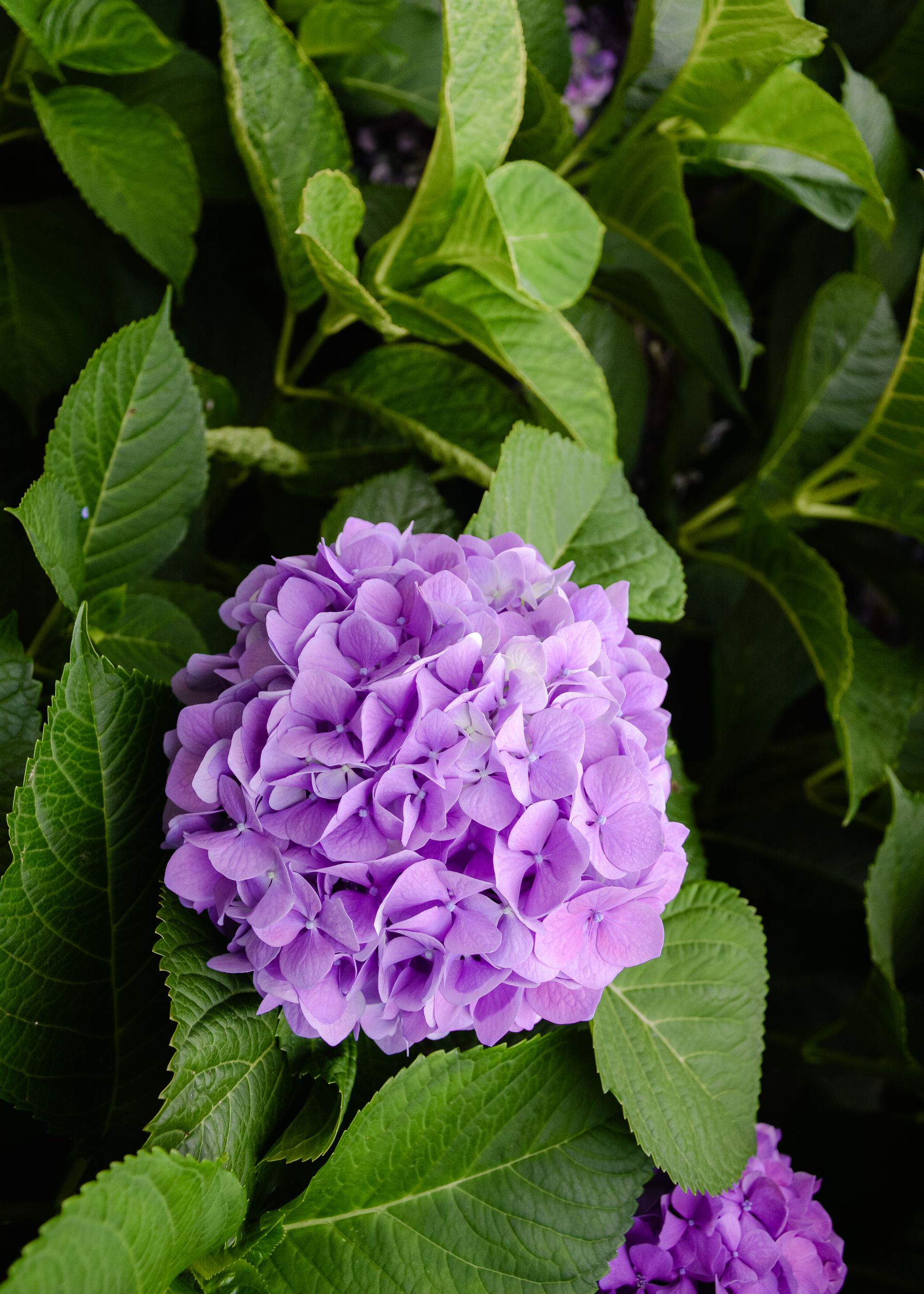
Established smooth hydrangeas can be pruned more heavily when necessary, with the source giving roughly 6 to 12 inches above the ground as a possible hard-pruning height. Young plants are better left alone for a season or two so they have time to establish.
Old and New Wood Hydrangeas
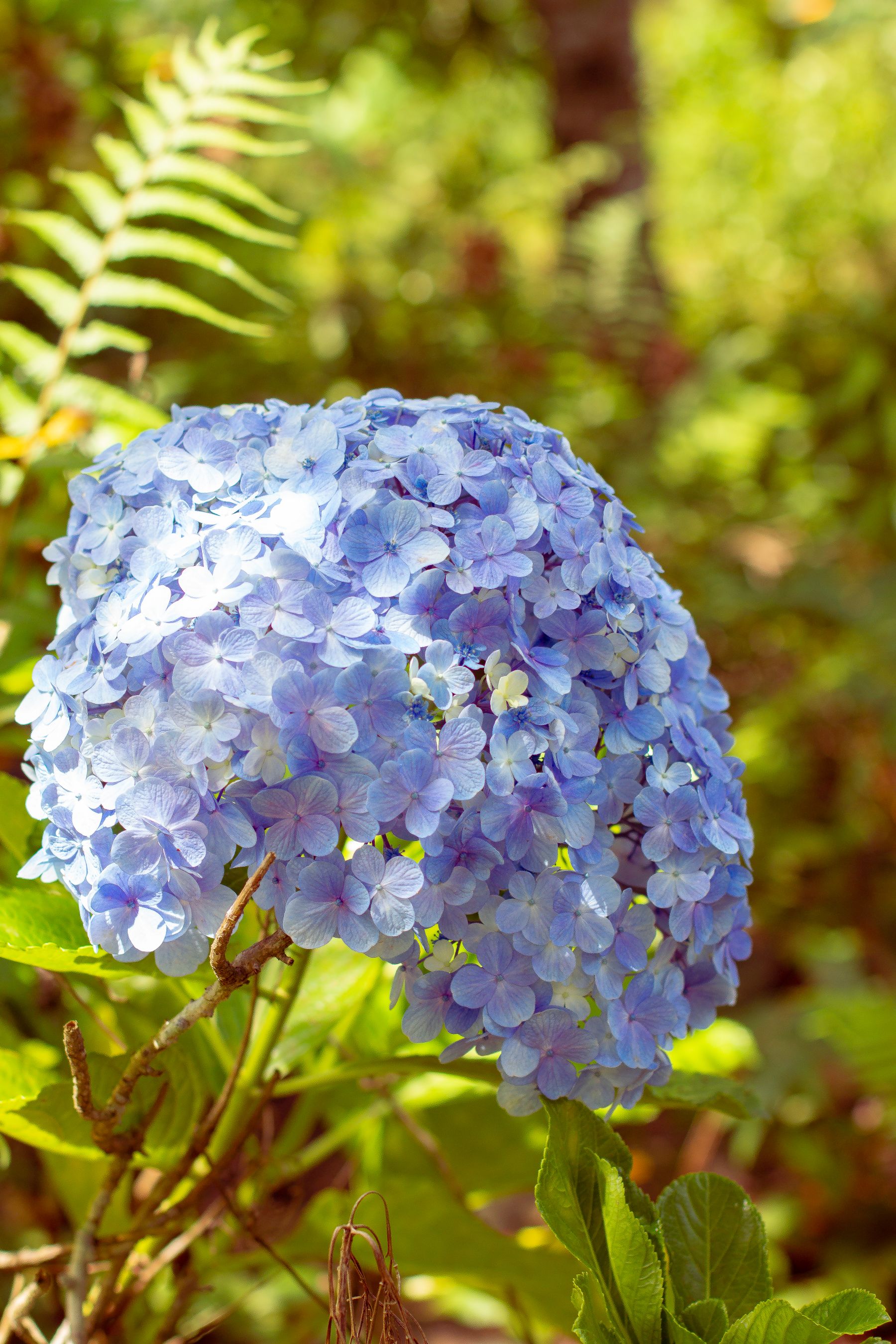
Reblooming bigleaf and mountain hydrangeas can flower on both last year’s stems and the fresh growth they produce during the current season. That gives them some flexibility, but it does not make them completely immune to poor pruning decisions.
How to Prune Reblooming Hydrangeas
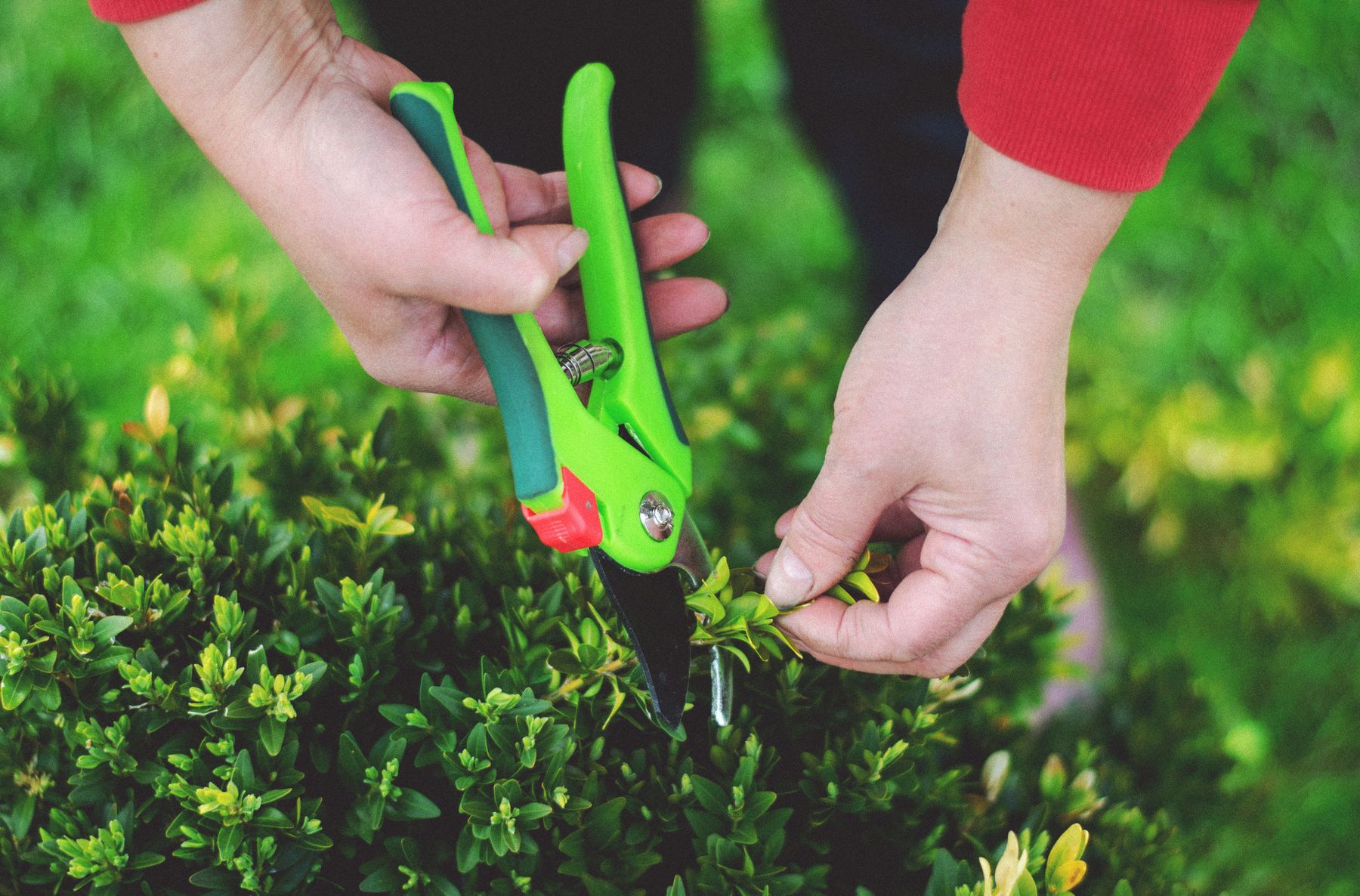
Keep pruning light. Remove dead or damaged stems once spring growth shows which parts are actually alive, deadhead spent flowers just above healthy buds or leaves, thin weak or crowded stems, and shape the shrub lightly instead of cutting it far back.
The Catch With Reblooming Types
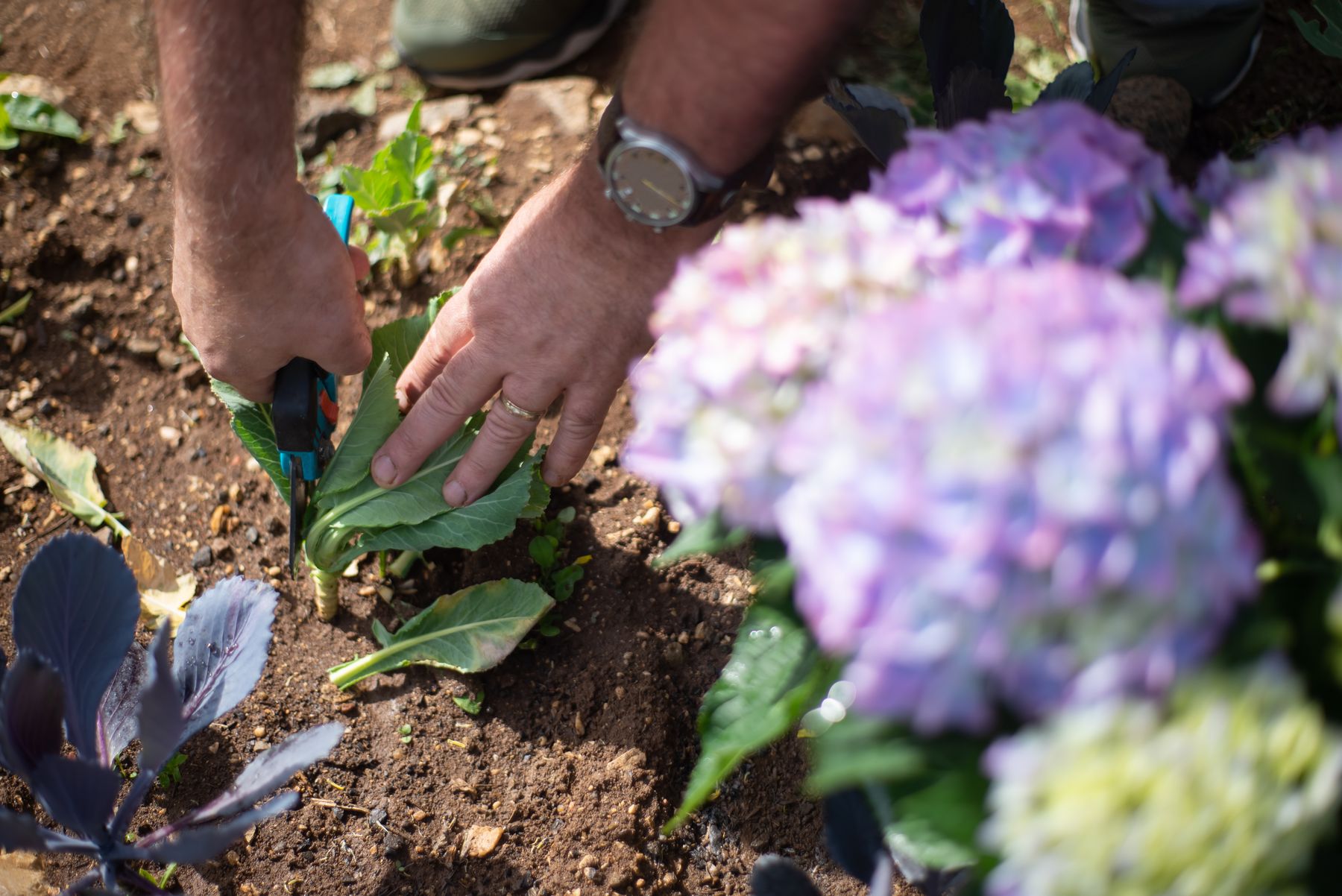
More aggressive shaping can affect flowering. Pruning in early spring can delay the first flush, while pruning after that first flush can interrupt some later reblooming. The safest principle is to remove as little healthy wood as you reasonably can.
Mistake #1: Pruning at Exactly the Wrong Time
One of the easiest ways to lose next year’s flowers is to prune an old-wood hydrangea after its flowering window. The shrub may survive and produce plenty of leaves, but the buds that were waiting on those stems may already have been removed.
Mistake #2: Copying Your Neighbor’s Routine
A pruning routine that works beautifully for a panicle hydrangea may be disastrous for a traditional bigleaf. Different hydrangeas bloom on different wood, so identify your plant before copying another gardener’s schedule.
Do Not Trust the ‘Round or Cone’ Rule
The source specifically warns against the popular shortcut that says round flowers should be cut down while cone-shaped flowers should be left alone. Bigleaf hydrangeas can have round flowers but bloom on old wood, panicles have cone-shaped flowers but bloom on new wood, and oakleaf hydrangeas also have cone-shaped flowers while blooming on old wood.
Mistake #3: Getting Too Excited With the Pruners
More pruning does not automatically mean more flowers. Begin with dead, damaged, weak, crossing, or badly crowded stems. Then stop and reassess the plant before removing additional healthy wood.
Mistake #4: Declaring a Stem Dead Too Soon
Hydrangea stems can look brown and bare in early spring while healthy buds are still dormant. If you are uncertain, wait for growth to begin. A simple scratch test can also help: green tissue beneath the bark suggests the stem is alive, while brown and dry tissue usually indicates dead material in that section.
A Simple Pruning Checklist
Before cutting, identify the hydrangea type. Then check whether it actually needs pruning. Remove dead or damaged material first, avoid removing healthy old wood from old-wood bloomers at the wrong time, and make selective cuts rather than giving the entire shrub an unnecessary haircut.
The Main Lesson
Hydrangea pruning becomes much easier once you know which wood produces the flowers. Old-wood types need their main pruning soon after flowering, new-wood types are generally pruned in late winter or early spring, and reblooming types deserve a lighter touch.
Final Thought
If you are unsure of the cultivar, check the plant tag or cultivar information before making major cuts. A little identification work can prevent the most common pruning mistake: removing the very stems that were carrying next year’s flowers.