
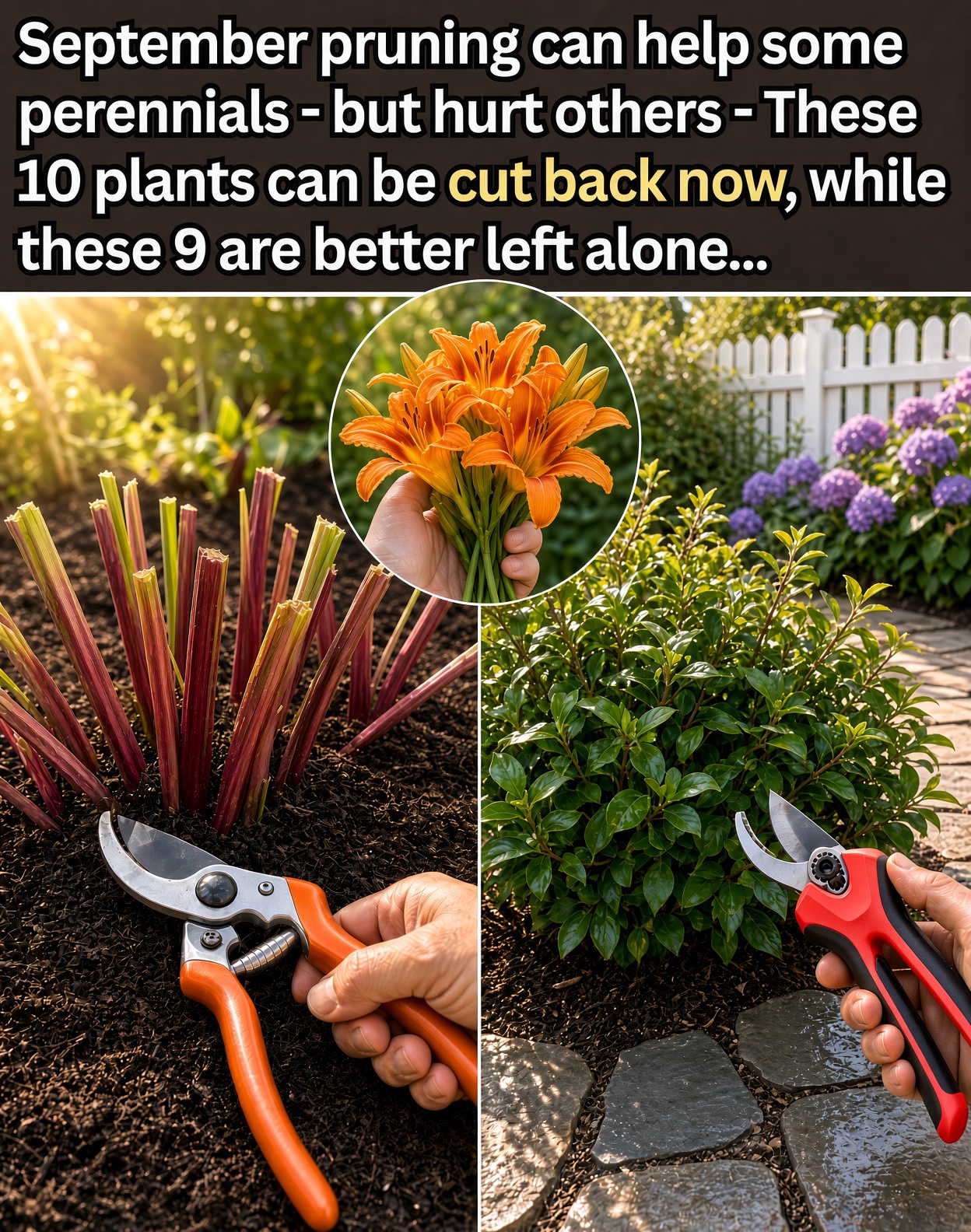
A clean, practical September pruning guide for a healthier, more useful winter garden.
September is a transition month in the perennial garden. Some plants are finished for the season and benefit from a careful cutback, while others should remain standing because their seed heads, stems, or foliage provide winter structure and wildlife value.
Perennials are the dependable backbone of a garden, returning year after year with familiar flowers and foliage. But September is not a universal “cut everything down” month. Some plants benefit from a clean finish before winter, while others are better left standing for seeds, shelter, structure, or crown protection.
The safest approach is selective pruning. Remove foliage that is clearly diseased or collapsing, but think twice before removing healthy stems and seed heads simply because the garden looks untidy. The right choice can improve next spring’s growth while also keeping winter wildlife resources in the garden.
Why cut back some perennials in September?
September pruning can reduce the amount of damaged foliage that remains around a plant through winter. For mildew-prone or disease-affected plants, removing infected material can also reduce the amount of disease that carries over into the next season.
Trimming can improve airflow around crowded crowns and remove stems that have already finished flowering. It can also make a bed easier to manage, especially when fading foliage is leaning across paths or smothering neighboring plants.
There is another side to the decision: seed heads and standing stems can feed birds, shelter insects, and add winter texture. That is why the goal is not maximum pruning. It is useful pruning.
Simple September pruning rules
Use clean, sharp pruners so cuts are neat and the risk of spreading disease is reduced. For many herbaceous perennials, the source recommends cutting stems to roughly 2–3 inches above the crown, although some plants need a different treatment.
Do not automatically compost diseased foliage. If leaves show obvious mildew, leaf spot, rust, or other disease symptoms, bagging and disposing of the material is the safer choice. Healthy material can be handled according to your normal composting practice.

If a plant is under drought stress, avoid a severe haircut. Watering deeply and allowing the plant to recover before major pruning can be preferable, because healthy foliage is still contributing to the plant’s energy reserves.
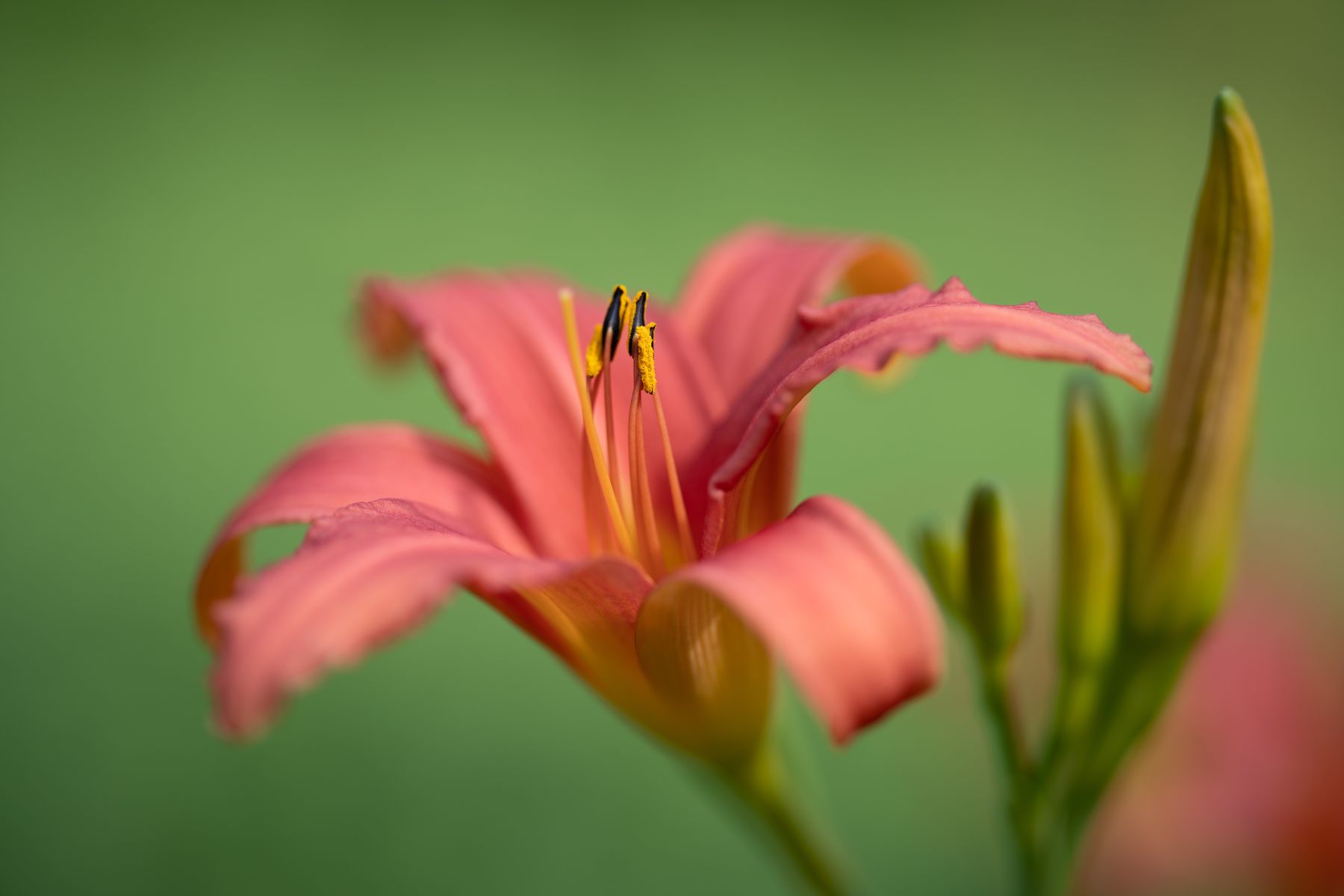
1. Daylilies
By September, daylily foliage often begins to yellow, collapse, or look worn out. Cutting the foliage back to about 2–3 inches above the soil can tidy the clump and remove damaged material that may harbor pests or fungal spores.
After cutting daylilies, the source recommends watering thoroughly and adding a light layer of compost or shredded-leaf mulch around the base. Avoid burying the crown.
2. Bee Balm (Monarda)
Bee balm is a classic September cleanup candidate because late-summer foliage can develop powdery mildew. Cut affected stems to roughly 3–4 inches above the crown and dispose of visibly infected material rather than leaving it in the bed.
Good airflow matters with bee balm. Give crowded plants enough space, and consider dividing established clumps when they become congested. The plant remains valuable to bees, butterflies, and hummingbirds, so pruning should focus on spent or unhealthy growth rather than removing healthy habitat too early.
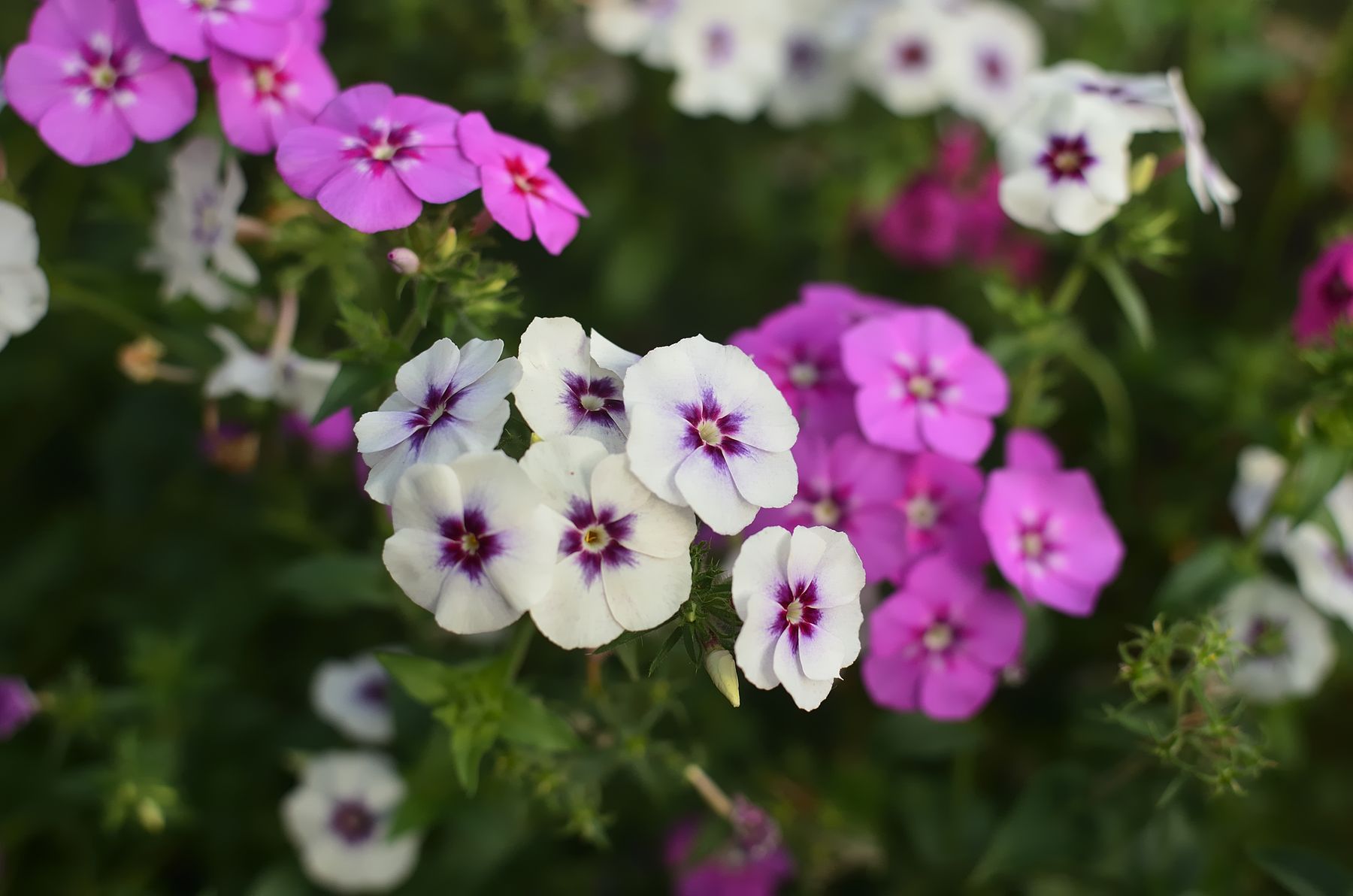
3. Garden Phlox (Phlox paniculata)
Tall garden phlox can look tired by September and is particularly prone to powdery mildew. Cutting stems to about 2–3 inches above the soil and removing diseased leaves can help clean up the planting.
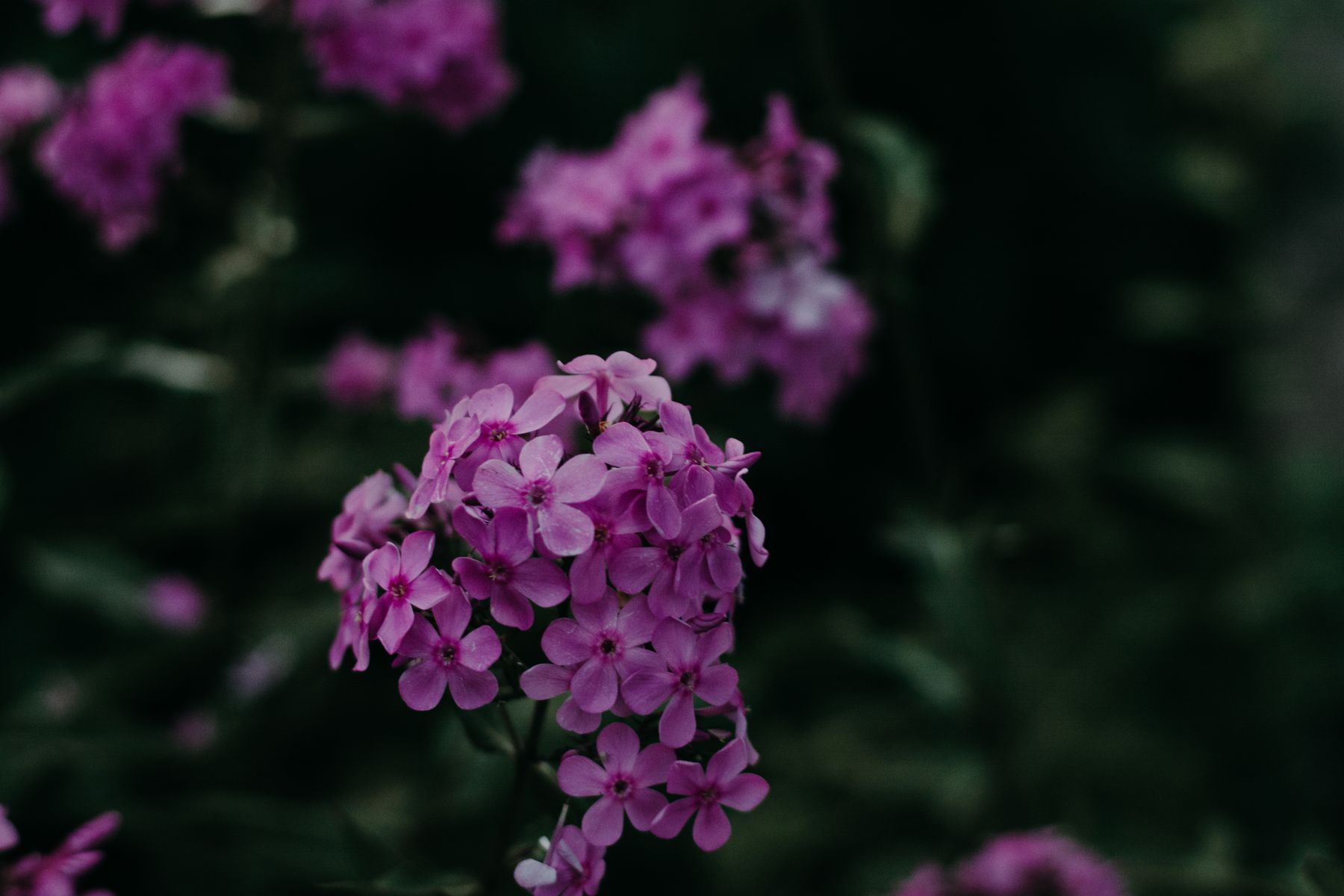
After pruning, deep watering and a light compost mulch can support the roots going into dormancy. Healthy airflow and sensible spacing are especially useful where mildew has been a recurring problem.

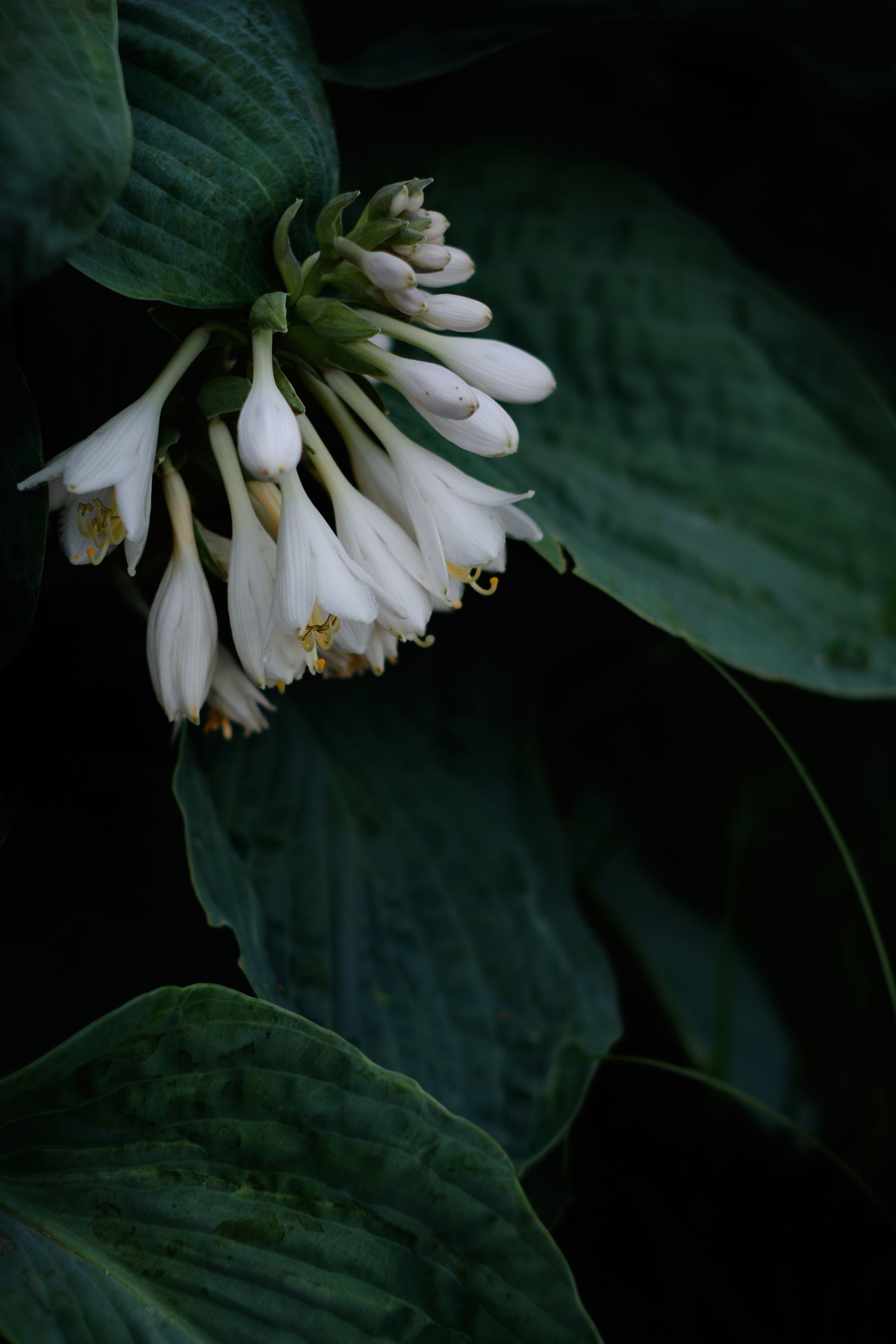
4. Hostas
Hosta foliage can become ragged, slug-damaged, and soggy as summer ends. When leaves have clearly declined, cutting them back to the crown and removing the debris from the soil surface creates a cleaner planting and removes damaged material.
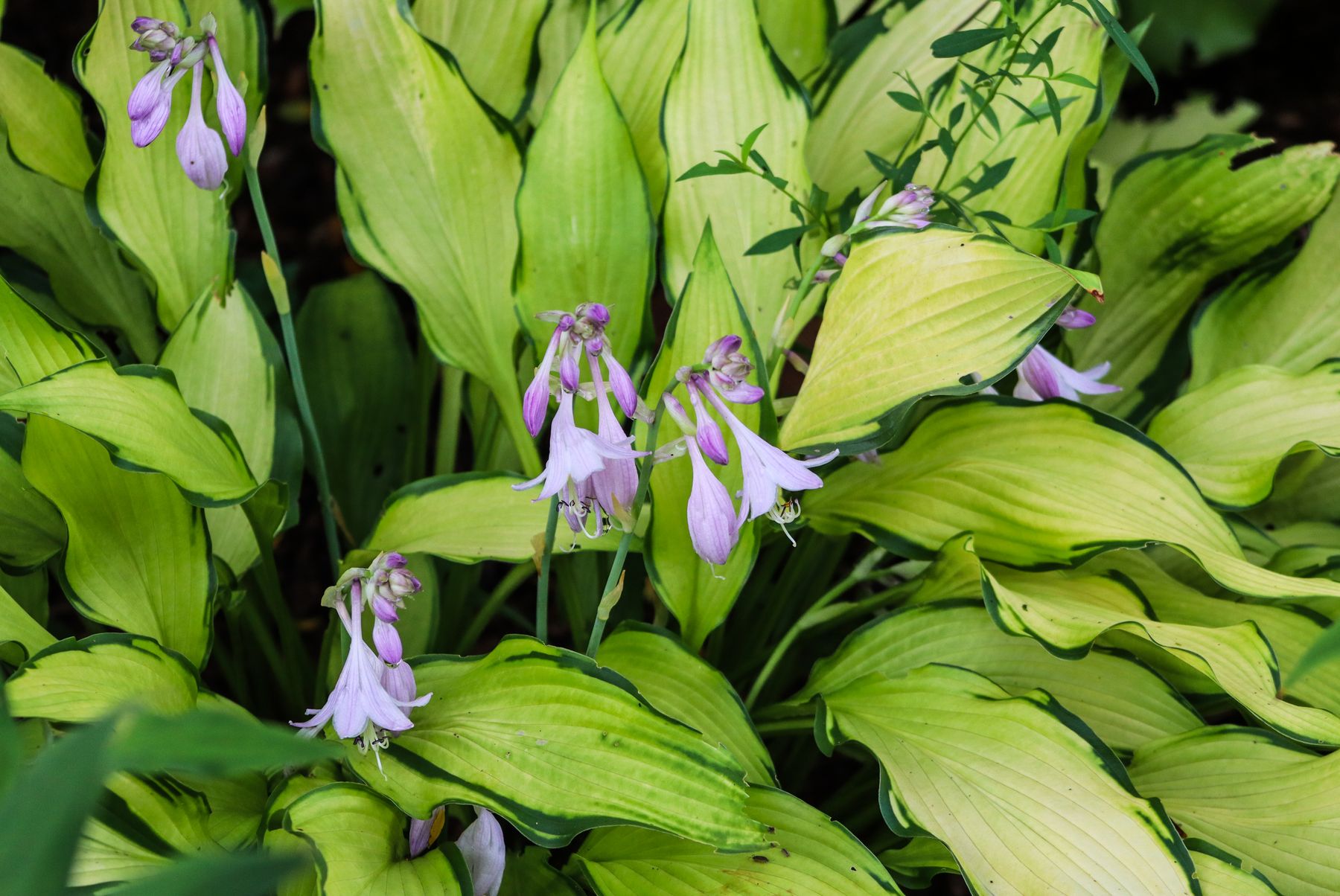
Keep mulch slightly away from the crown, and continue to monitor moisture rather than keeping the planting constantly wet. Hostas prefer rich, moisture-retentive soil and generally perform best in shade or part shade.

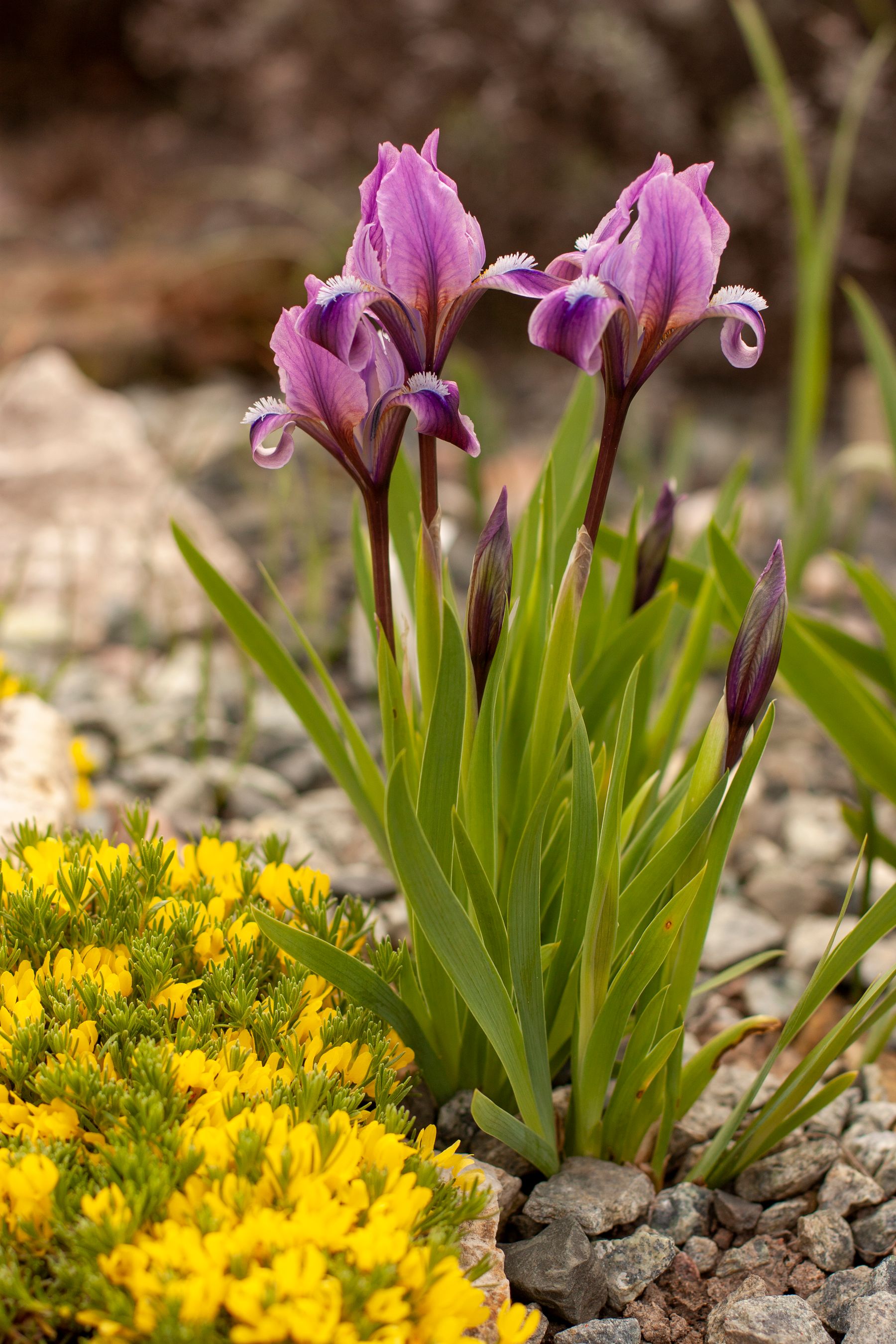
5. Bearded Irises
Bearded irises can benefit from a September cleanup when foliage shows leaf-spot damage or other decline. The source recommends trimming the fans to about 6 inches in a neat V-shape and removing spotted or mushy leaves.
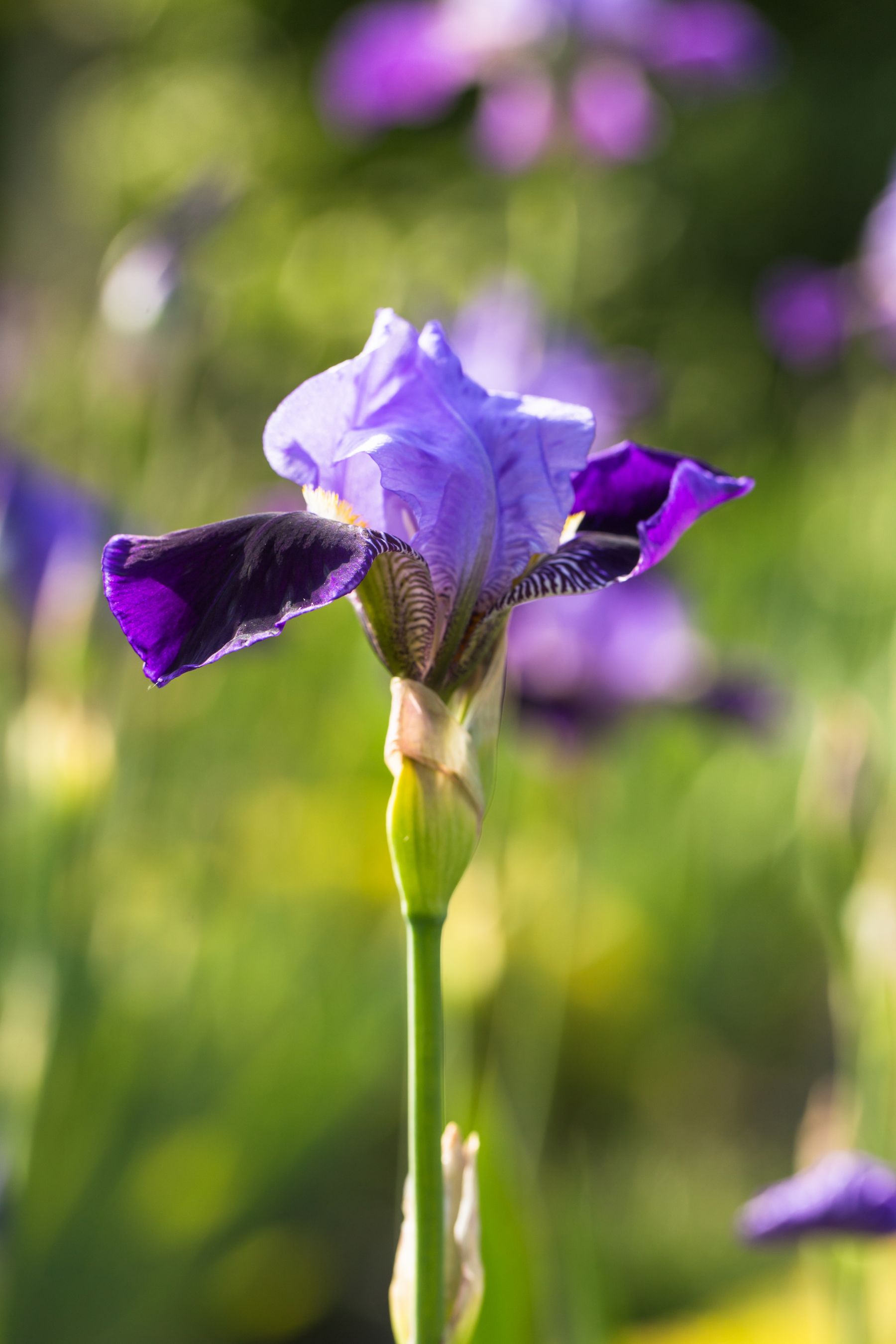
This is also a good time to inspect rhizomes. They should not be buried under soil or heavy mulch, and the planting site should drain well. Crowded clumps can be divided in late summer or early fall.
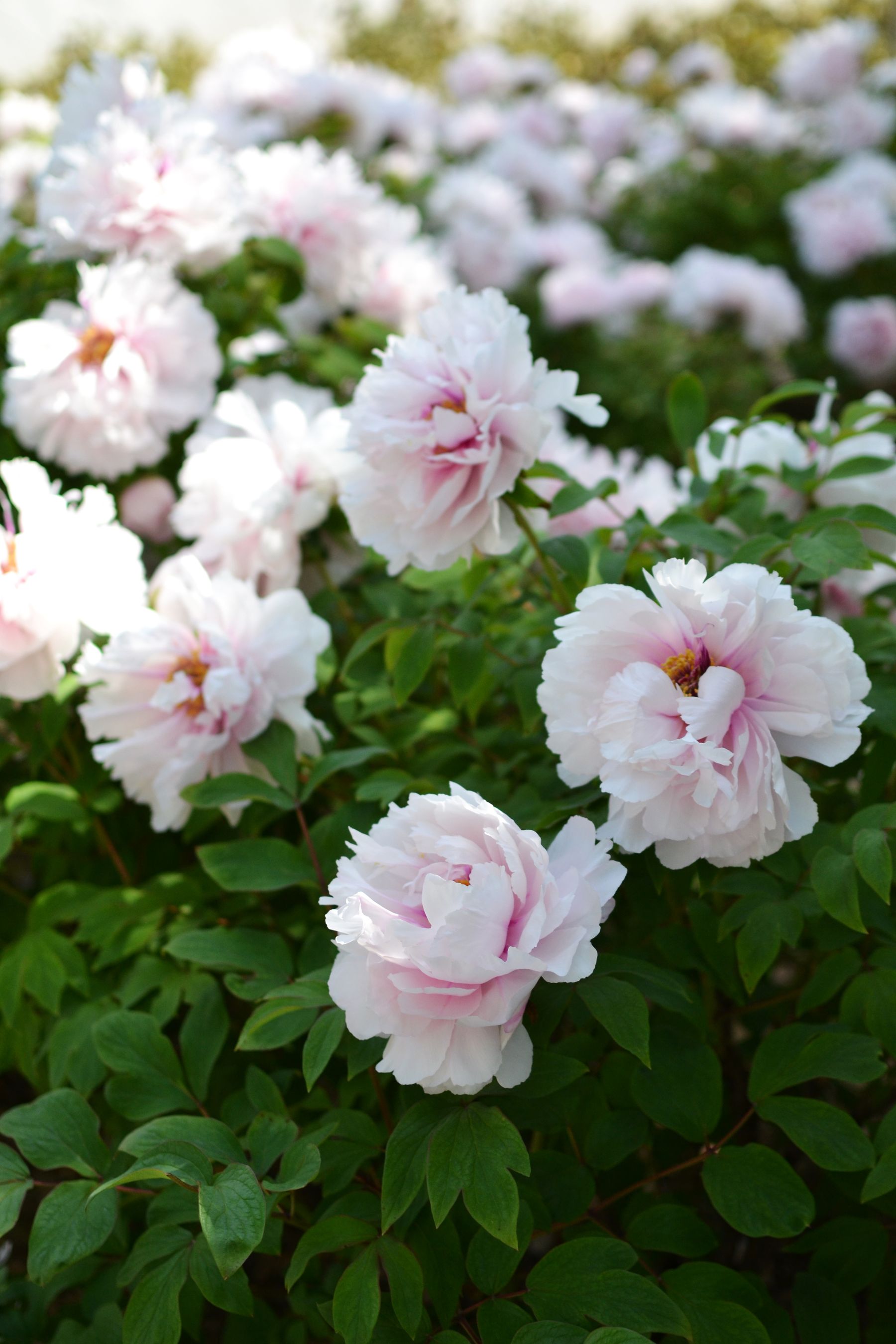
6. Peonies
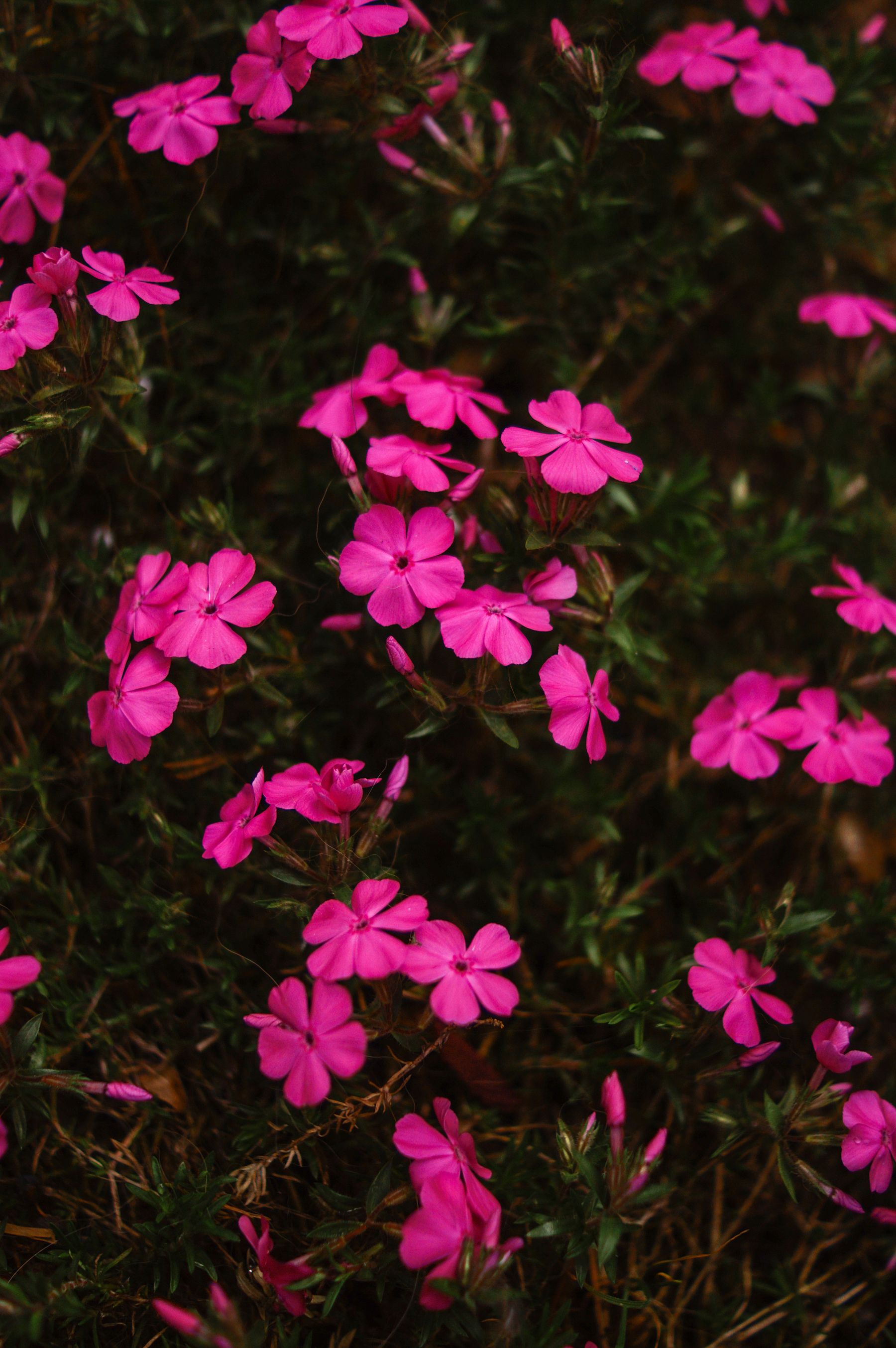
Once peony foliage has yellowed and the plant is clearly finished for the season, cut stems back to ground level. Peonies are susceptible to botrytis, so visibly diseased foliage should not be left lying around or added to compost.
Keep the post-pruning routine simple: a light mulch around the crown is enough, while major feeding can wait until spring. Established peonies can remain productive for decades and usually do not need frequent division.
7. Catmint (Nepeta)
After a long flowering period, catmint can flop outward and produce a large number of seed heads. Cutting it back to about 2–3 inches above the crown can restore a compact shape and encourage fresh basal growth.
Catmint prefers full sun and well-drained soil. Although the plant is valuable to bees and its foliage is attractive to cats, removing spent seed heads in September can be useful when you want to limit unwanted reseeding.
8. Columbine (Aquilegia)
Columbine often develops leaf-miner damage by late summer. If the foliage is heavily mined or unattractive, cutting it back to roughly 2–3 inches and discarding the damaged leaves can give the plant a cleaner start.
Afterward, light watering and mulch can support fresh basal growth. Columbine generally appreciates moist, well-drained soil and partial shade, although it can tolerate more sun in cooler conditions.
9. Veronica (Speedwell)
Veronica can be cut back after flowering when foliage has declined or mildew is a recurring problem. Trim to about 2 inches above the soil and remove faded flower spikes.
A little compost around the crown and a deep watering can help prepare the plant for dormancy. The source also notes that regular deadheading can extend the flowering display earlier in the season.
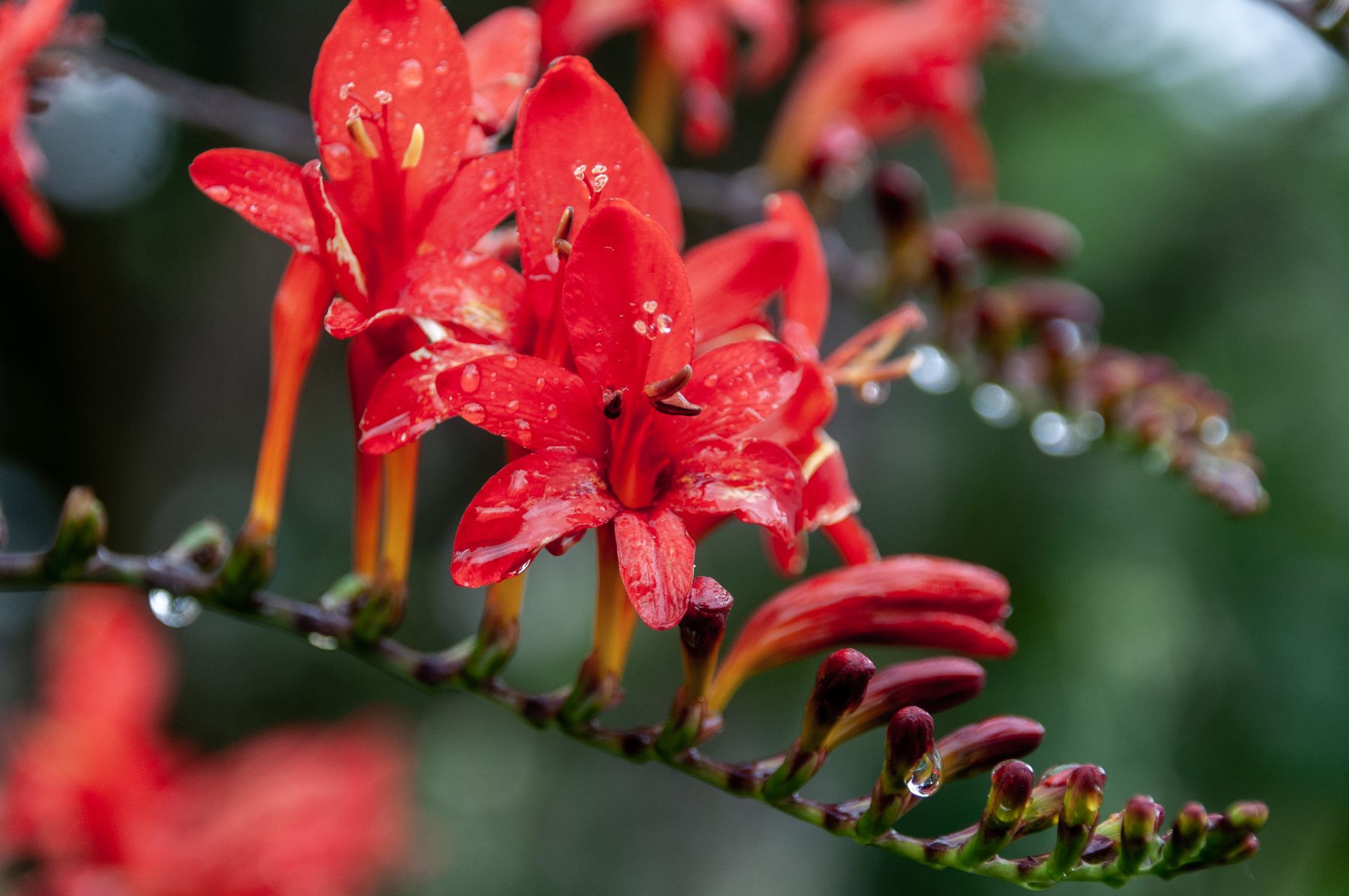
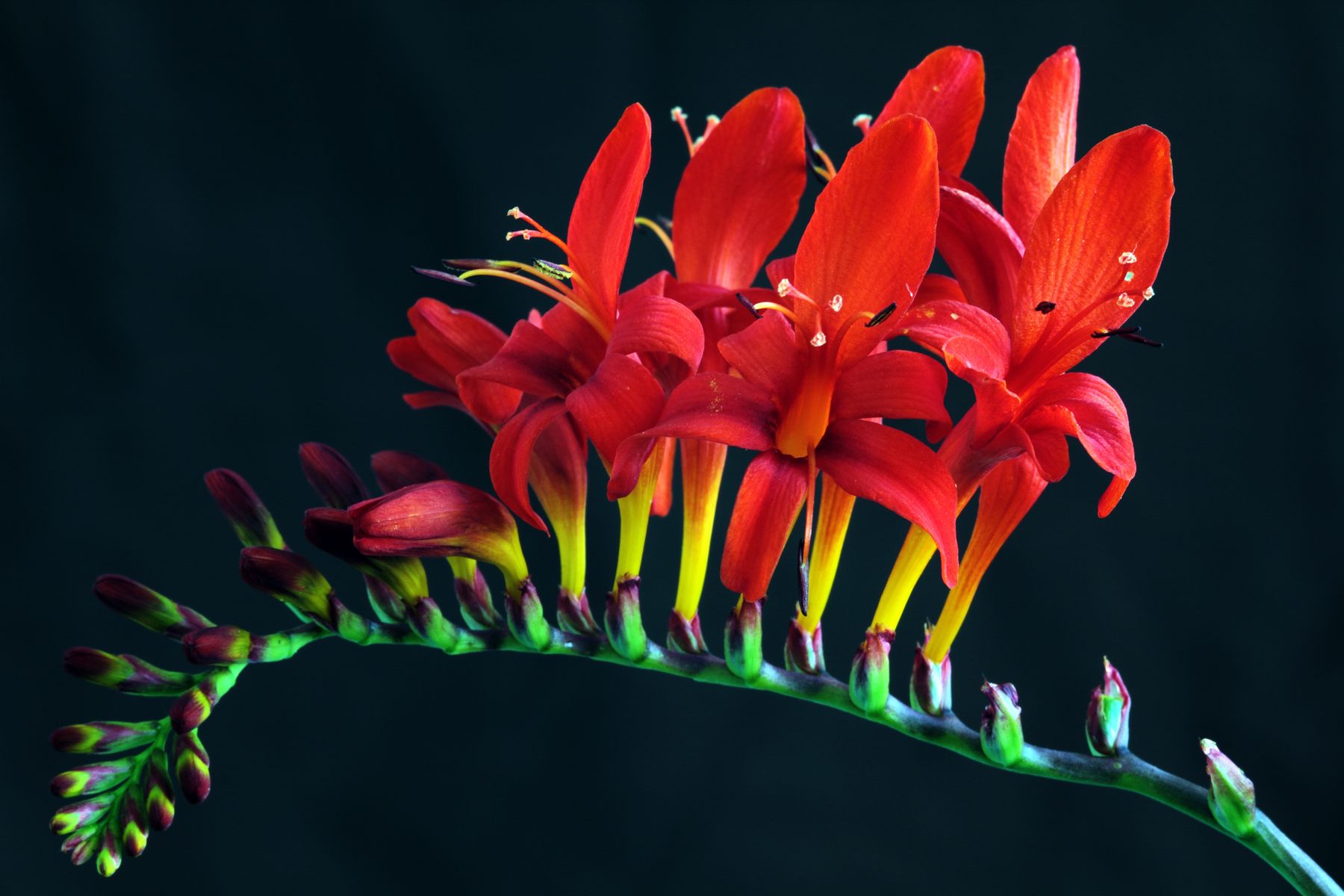
10. Crocosmia
Crocosmia can become floppy late in the season, especially when its leaves begin to yellow and collapse across neighboring plants. Once the foliage has yellowed, cut it to about 2 inches above the soil and remove spent flower stalks.
In colder climates, the source recommends a layer of mulch for winter protection. Crowded clumps can also be divided every few years, particularly when the planting has become congested.
Perennials you should NOT cut back in September
Some perennials are better left standing. Their seed heads may feed birds, their stems can shelter insects, and their remaining structure can protect crowns or add visual interest through winter.
1. Coneflowers (Echinacea)
Leave coneflower seed heads standing through fall and winter. They provide food for finches and other birds, while the upright stems contribute useful winter structure. The source recommends cutting them in late winter or early spring.
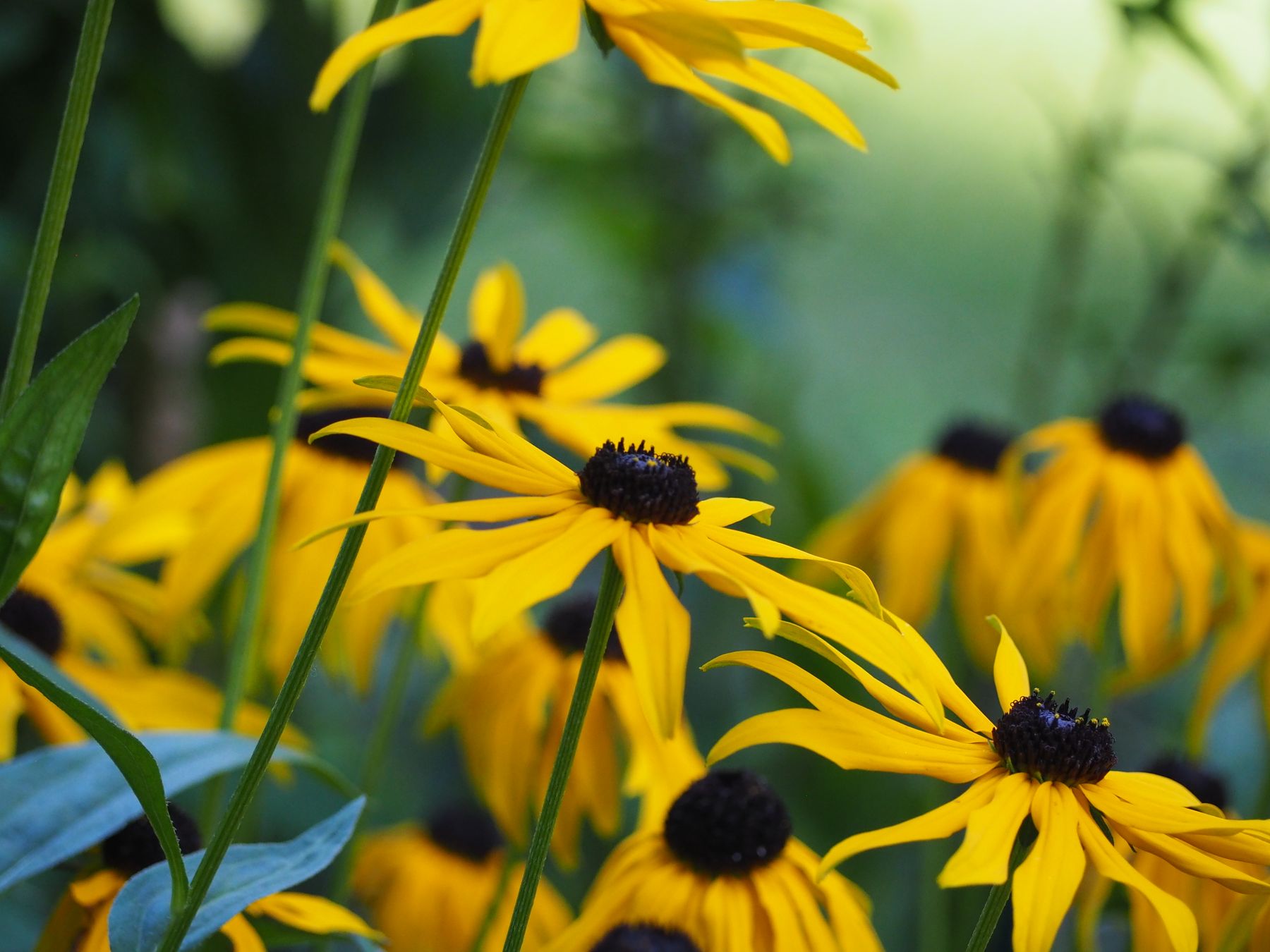
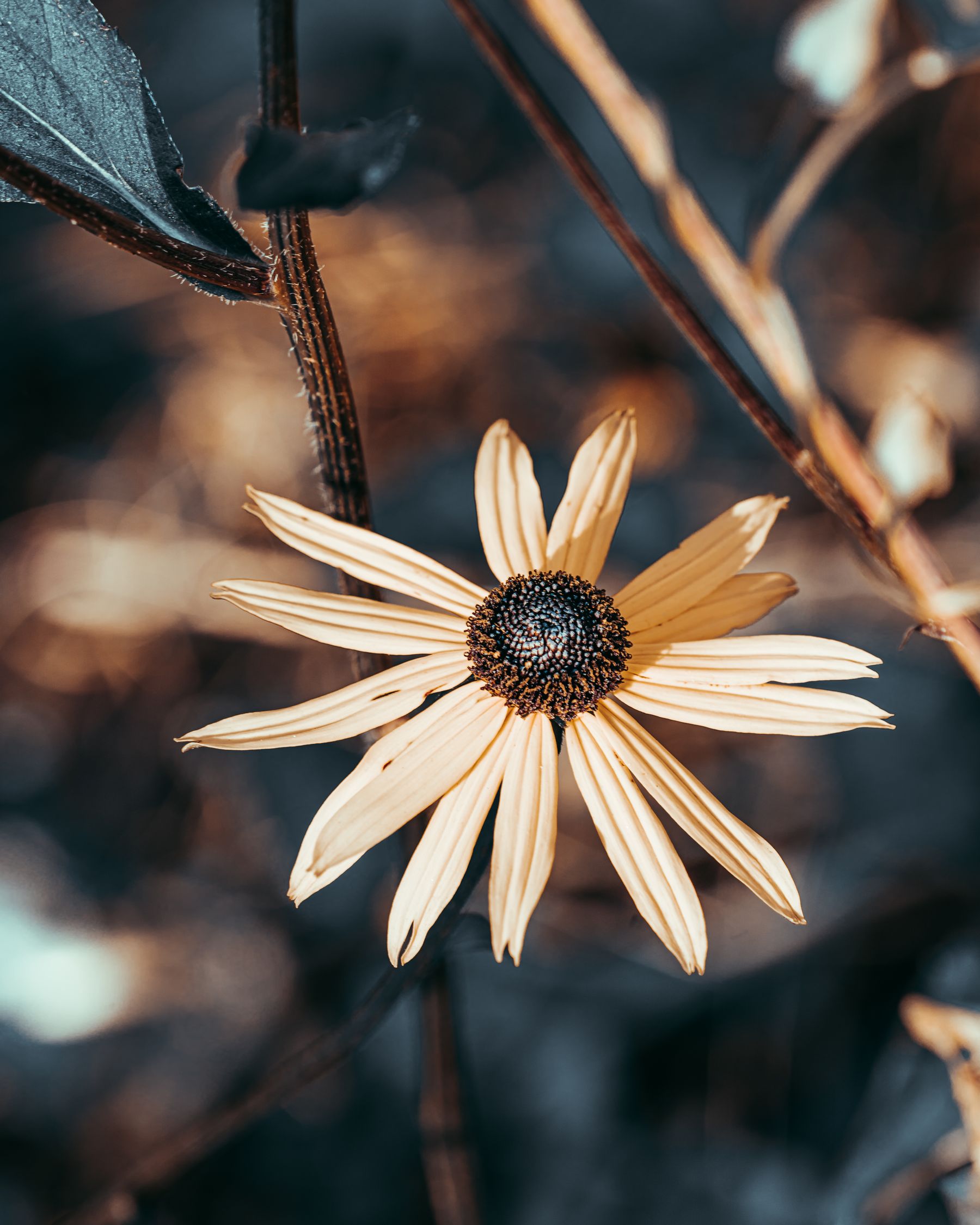
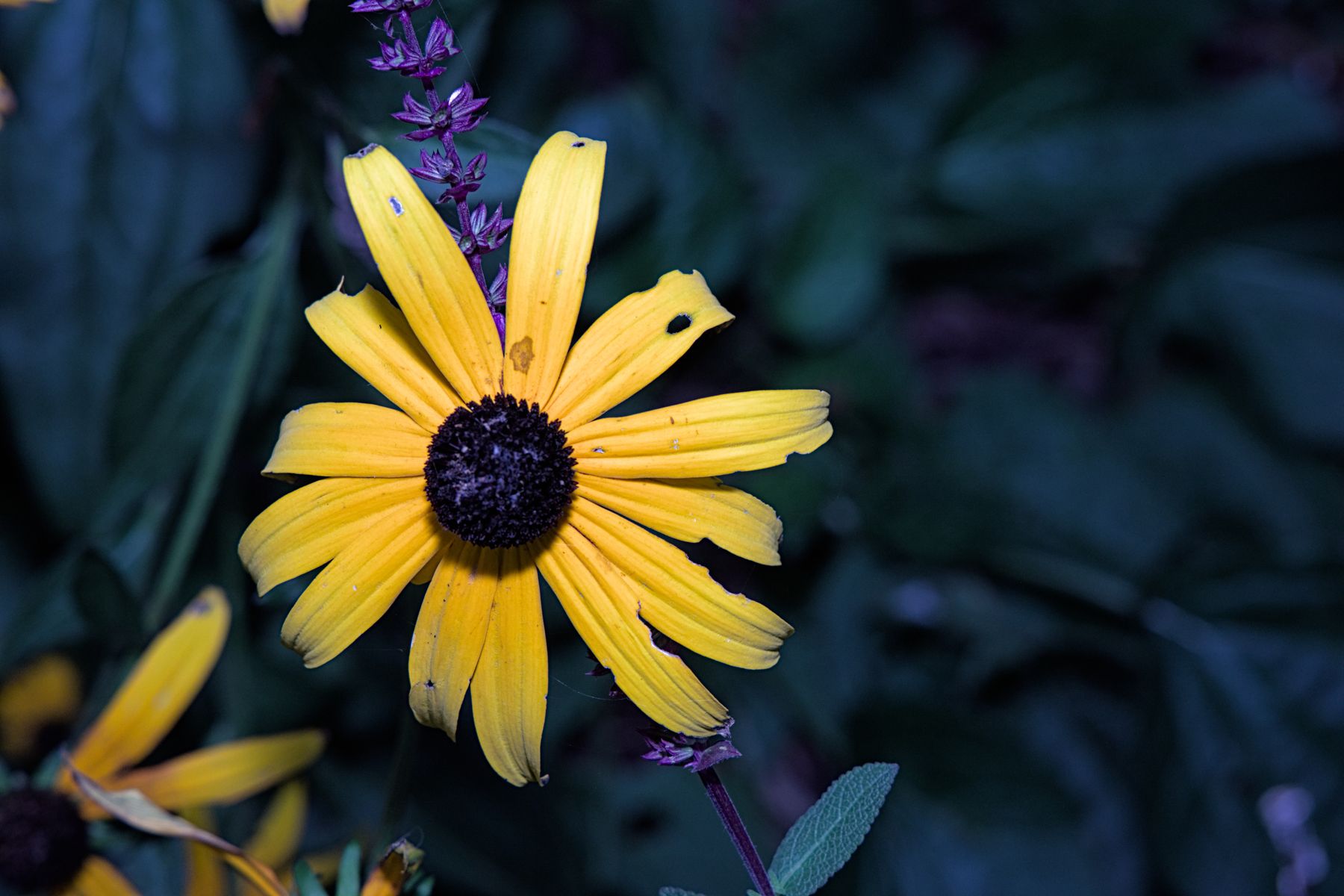
2. Black-Eyed Susans (Rudbeckia)
Black-eyed Susans also have wildlife value after flowering. Their seeds can support birds and their stems can provide shelter for small organisms, so spring cleanup is generally preferable to a September haircut.
3. Sedum ‘Autumn Joy’
Sedum is one of the clearest examples of why September pruning can be counterproductive. Its fall flowers are part of the seasonal display, and the dried seed heads can remain attractive after frost. Leave them until spring.
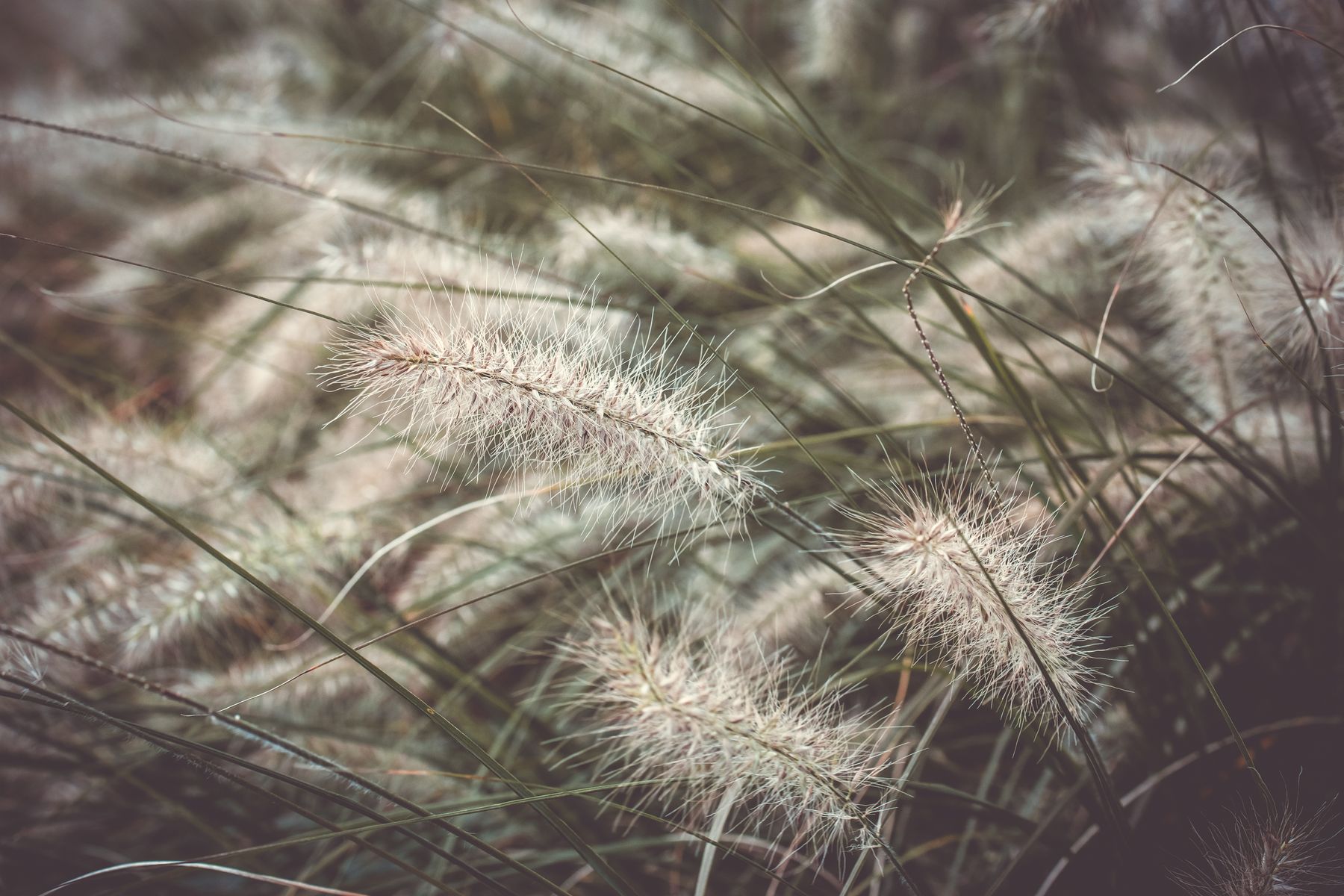
4. Ornamental grasses
Ornamental grasses provide some of the best winter structure in a garden. Their standing foliage and seed heads can also contribute habitat and help insulate the crown, so the source recommends cutting them back in late winter rather than September.
5. Lavender
Avoid deep fall pruning of lavender. Cutting too far into woody growth late in the year can increase the risk of winter damage. A light summer trim is preferable, with more substantial shaping left for spring.
6. Russian Sage (Perovskia)
Russian sage can continue flowering into September, and its woody stems help protect the crown through winter. Leave the plant standing and do the main cutback in spring.
7. Chrysanthemums (Mums)
Mums are another plant for which fall foliage has a protective role. Leaving the stems and foliage standing helps insulate the crown, with cleanup best delayed until spring.
8. Hellebores
Hellebores form their flower buds in fall and are valued for late-winter and early-spring bloom. Leave them alone in September and remove old foliage in early spring, just before flowering.
9. Evergreen perennials
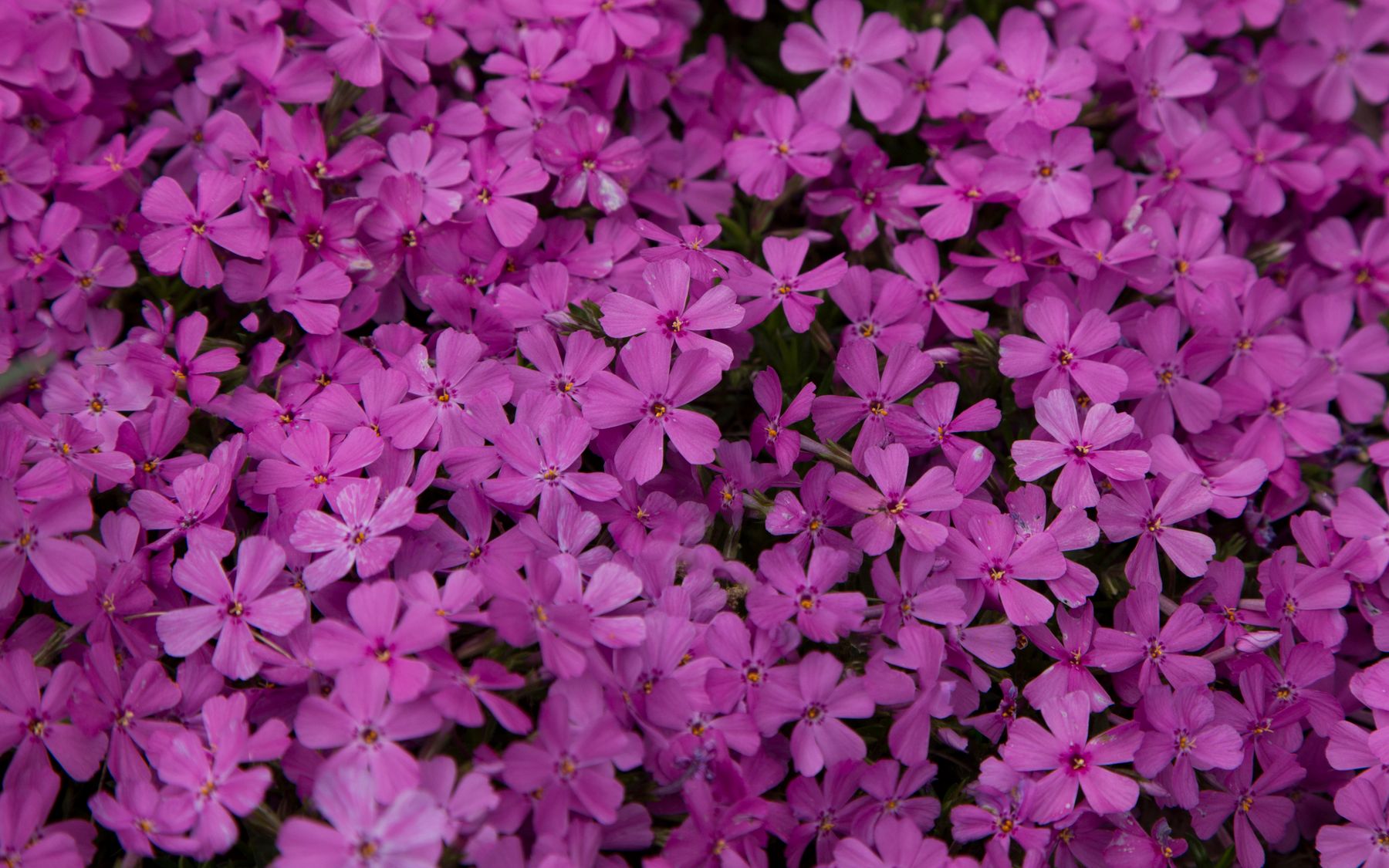
Bergenia, dianthus, and creeping phlox are examples of perennials that keep useful foliage through winter. They generally need spring cleanup rather than a September cutback.
Common September pruning mistakes
The biggest mistake is treating every perennial the same way. Cutting everything to the ground can remove wildlife habitat, winter structure, or healthy foliage that the plant still needs.
Another mistake is ignoring disease. Even when a plant is normally left standing, clearly diseased foliage is a different situation. Remove infected material promptly and avoid spreading it around the garden.
Finally, do not prune severely during drought just because the calendar says September. A stressed plant may need water and recovery more than it needs an aggressive haircut.
How to decide: cut back or leave?
Ask three simple questions. Is the plant diseased or badly declining? If yes, removal is usually justified. Does it provide winter structure, seeds, or shelter? If yes, consider leaving it. Will pruning clearly improve the plant’s health or spring growth? If so, selective cutting may make sense.
Extra September garden tips
September is also a useful time to divide crowded clumps of daylilies, hostas, and irises after cleanup. A modest layer of mulch can insulate roots, while newly opened spaces in beds can be used for spring bulbs such as tulips, daffodils, and crocus.
Label plants after cutting them down. Once tall stems and leaves disappear, it can be surprisingly easy to forget where dormant perennials are planted. Simple garden markers can prevent accidental digging or planting over crowns.
The September pruning rule worth remembering
The best September garden is not necessarily the tidiest one. Remove unhealthy material, improve airflow where needed, and cut back plants that genuinely benefit from it. But leave healthy seed heads, stems, and evergreen foliage when they provide wildlife value or winter protection.
Selective pruning gives you the best of both worlds: a cleaner garden where cleanup is useful, and a living winter landscape where plants, birds, and beneficial insects can still make use of what remains.