
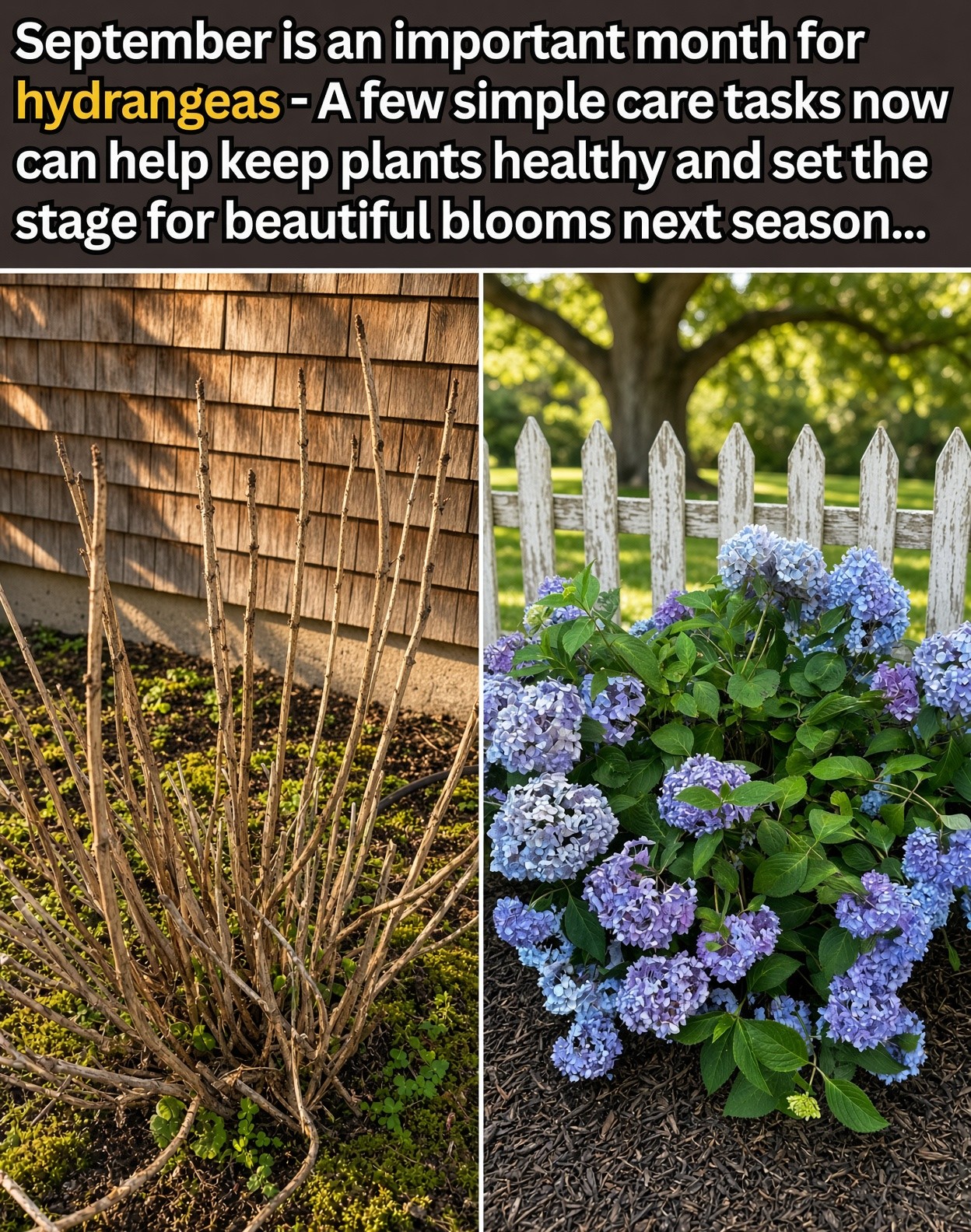
A practical September guide to pruning, feeding, watering, mulching, pest and disease checks, and winter preparation for different hydrangea types.
Why September Matters for Hydrangeas
September is an important transition month for hydrangeas. The plant is moving away from vigorous summer growth and toward dormancy, while some types are already carrying the buds that will become next year’s flowers. The most important first step is to identify what kind of hydrangea you have, because pruning and winter protection are not the same for every type.
Know Whether Your Hydrangea Blooms on Old or New Wood
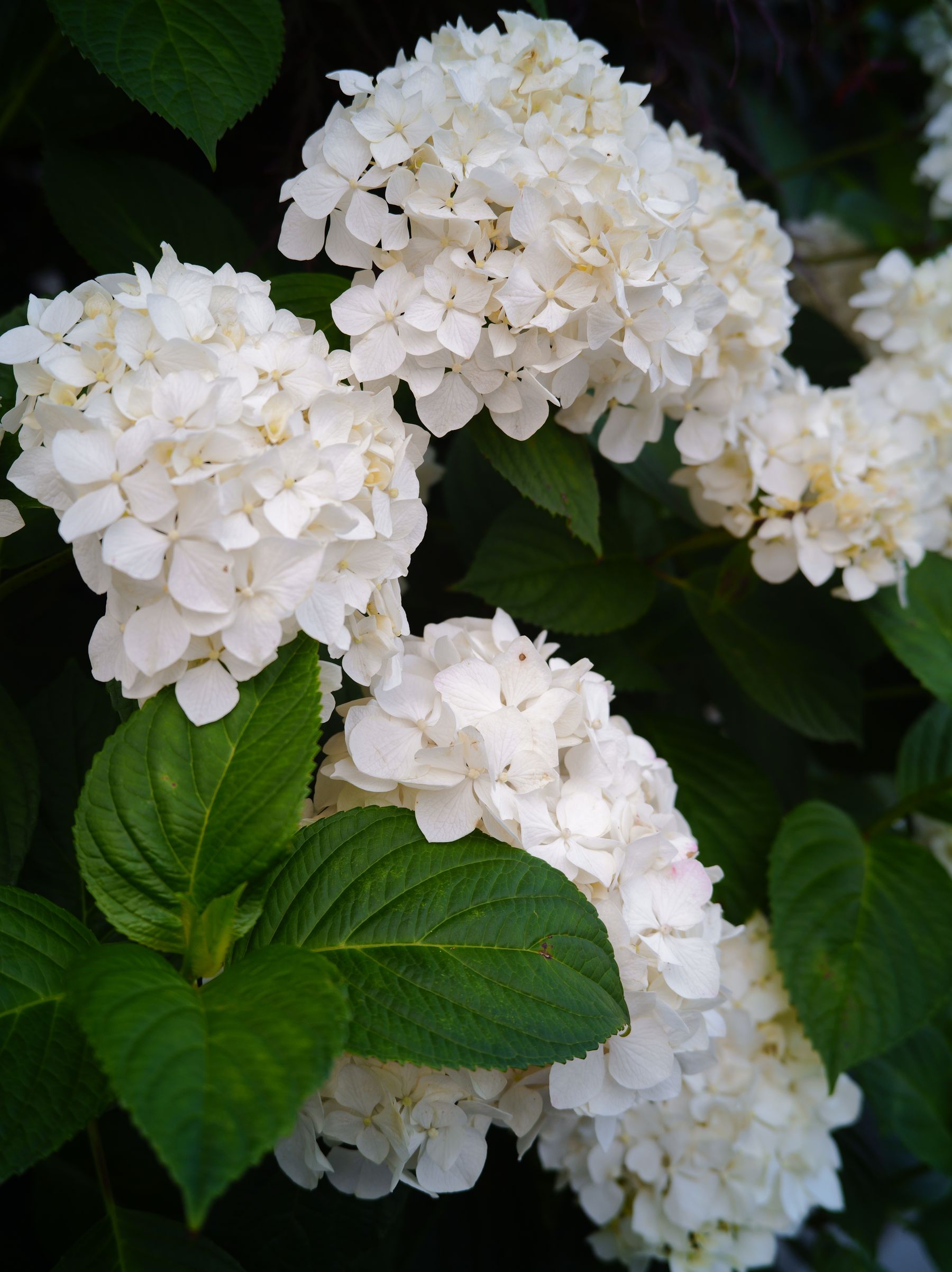
Bigleaf and oakleaf hydrangeas generally bloom on old wood, meaning their flower buds are carried on stems produced the previous year. Panicle and smooth hydrangeas bloom on new wood, producing flowers from the current season’s growth. Some newer bigleaf cultivars are reblooming and can flower on both old and new wood. This distinction is the key to avoiding an autumn pruning mistake.
Bigleaf Hydrangeas
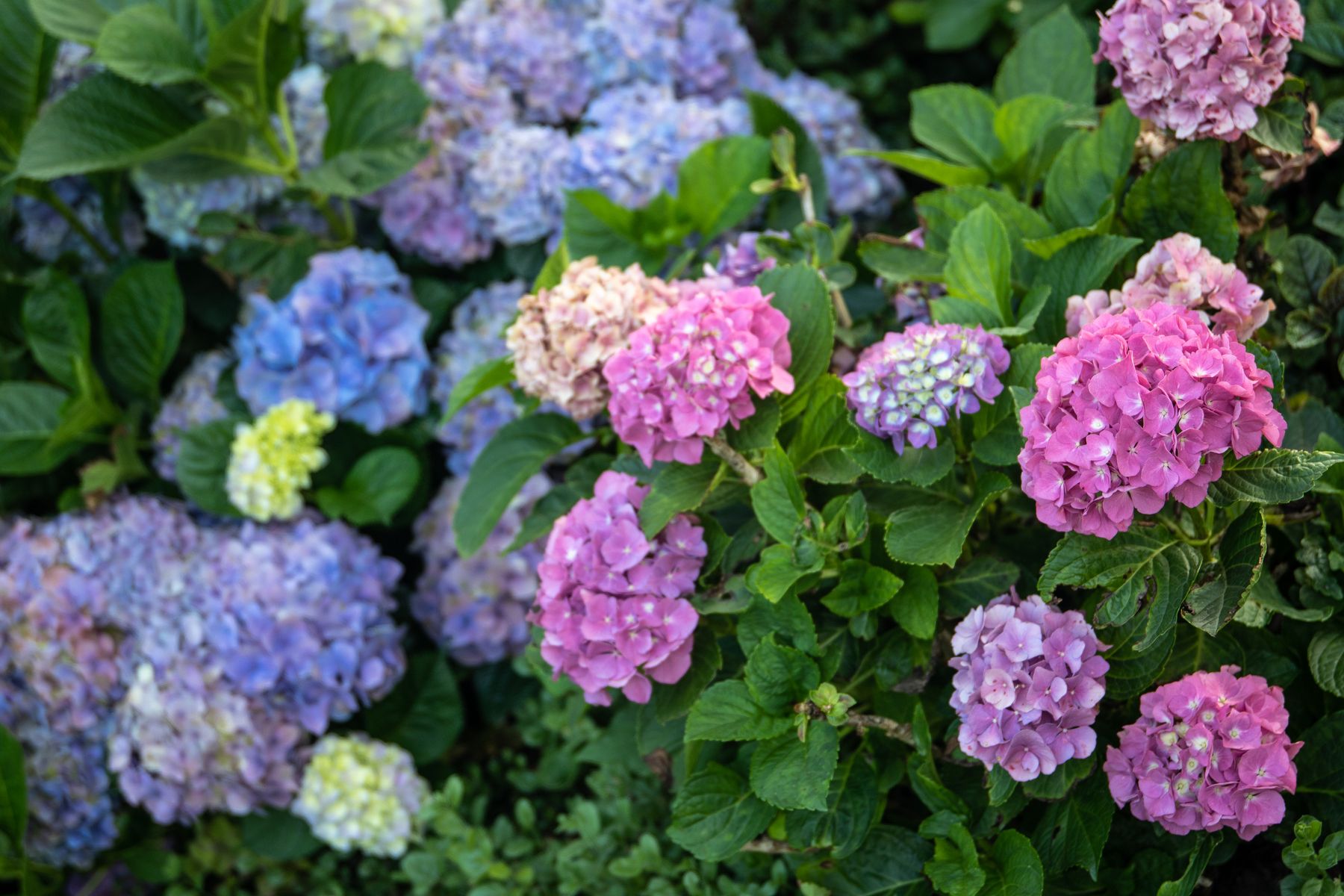
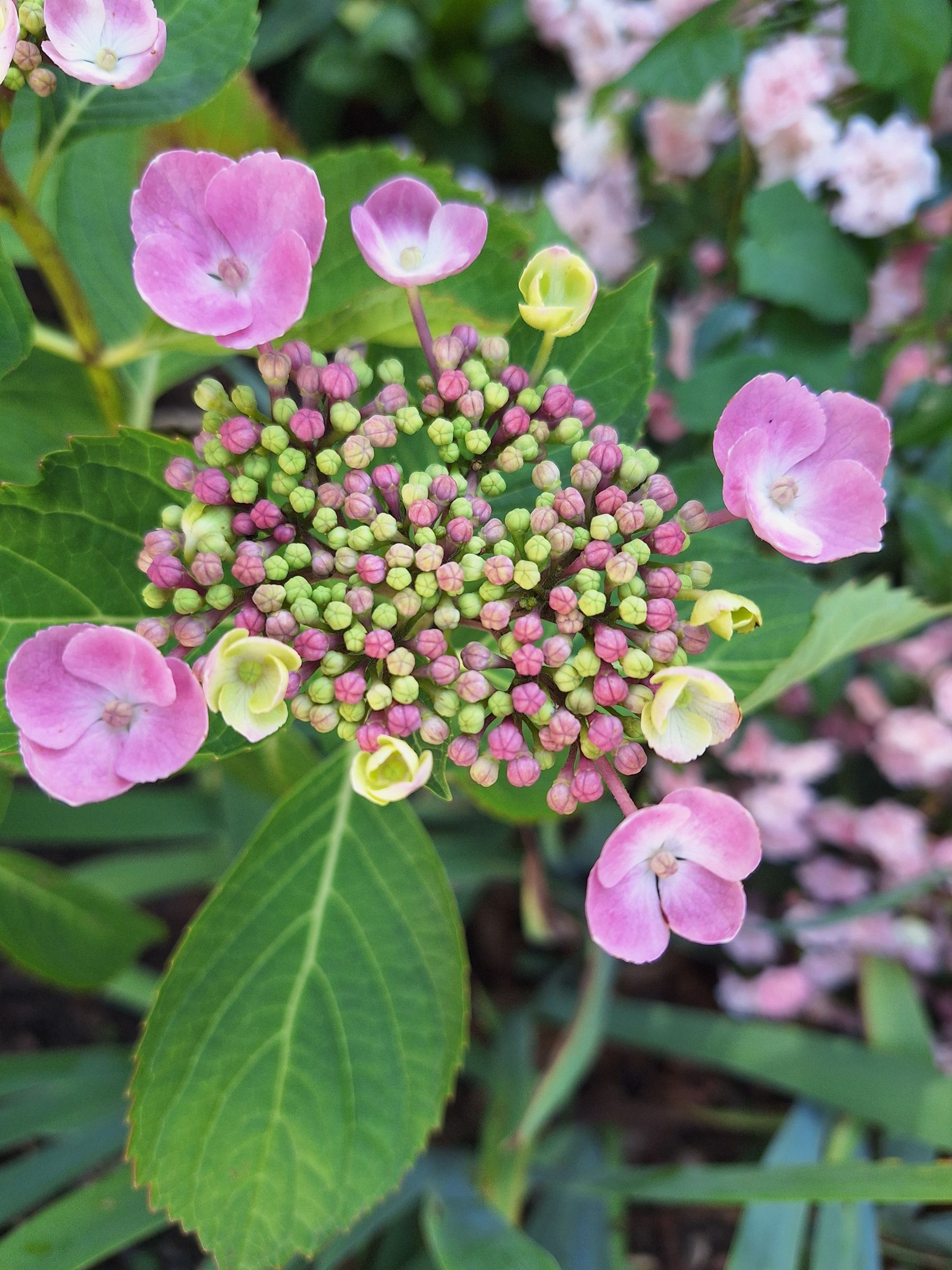
Bigleaf hydrangeas, including mophead and lacecap forms, are among the types most vulnerable to poorly timed fall pruning. Because many varieties set their flower buds on old stems, cutting those stems back in September can remove the growth needed for next year’s display. If pruning is necessary, limit fall work to dead, damaged, or diseased wood.
Oakleaf Hydrangeas
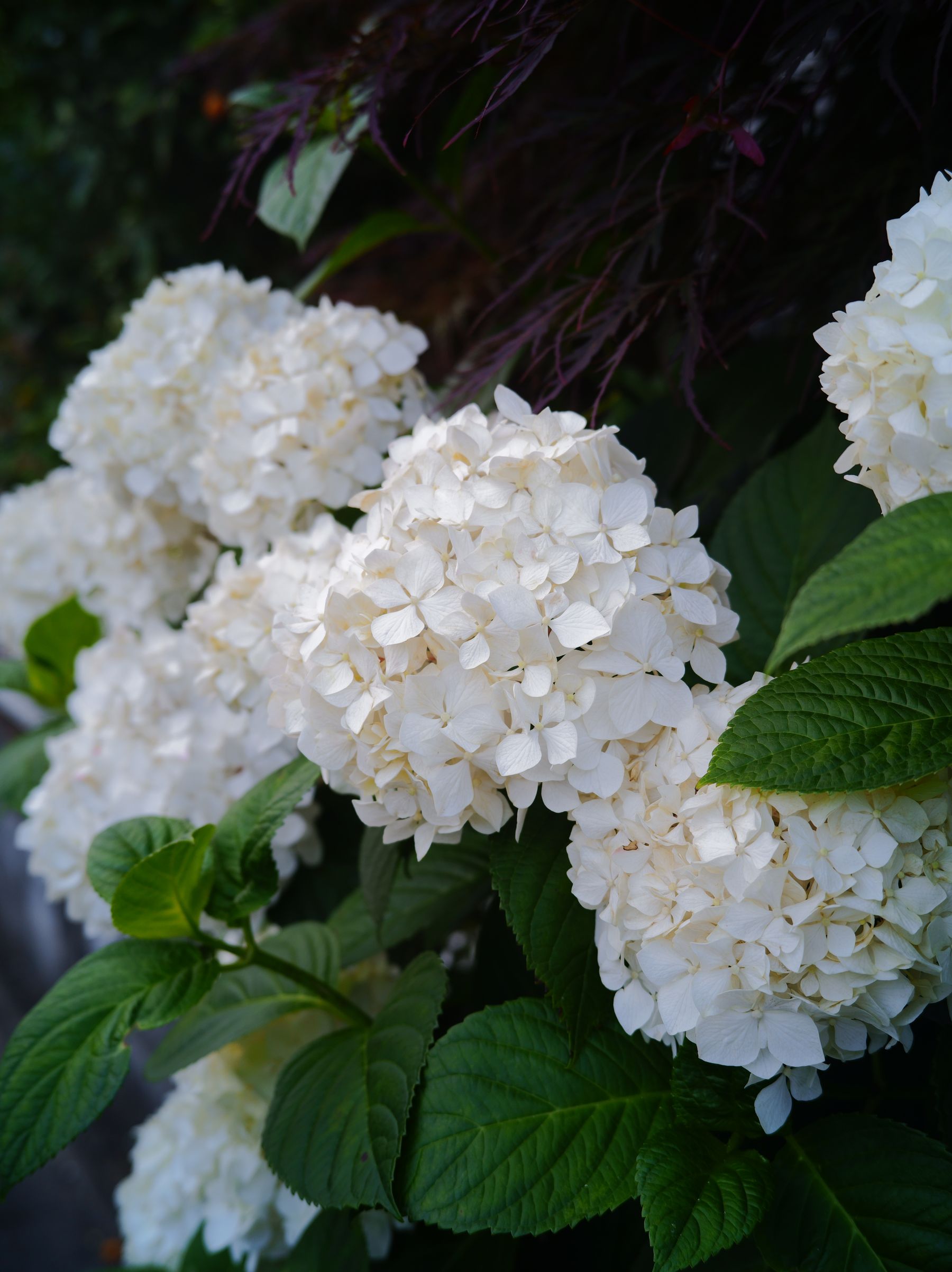
Oakleaf hydrangeas also flower on old wood. Their distinctive leaves and cone-like flower clusters make them easy to recognize, but their pruning requirement is similar to that of many bigleaf types: avoid routine September shaping. If a stem is clearly dead, diseased, or broken, remove it carefully, but save major shaping for the appropriate post-flowering period.
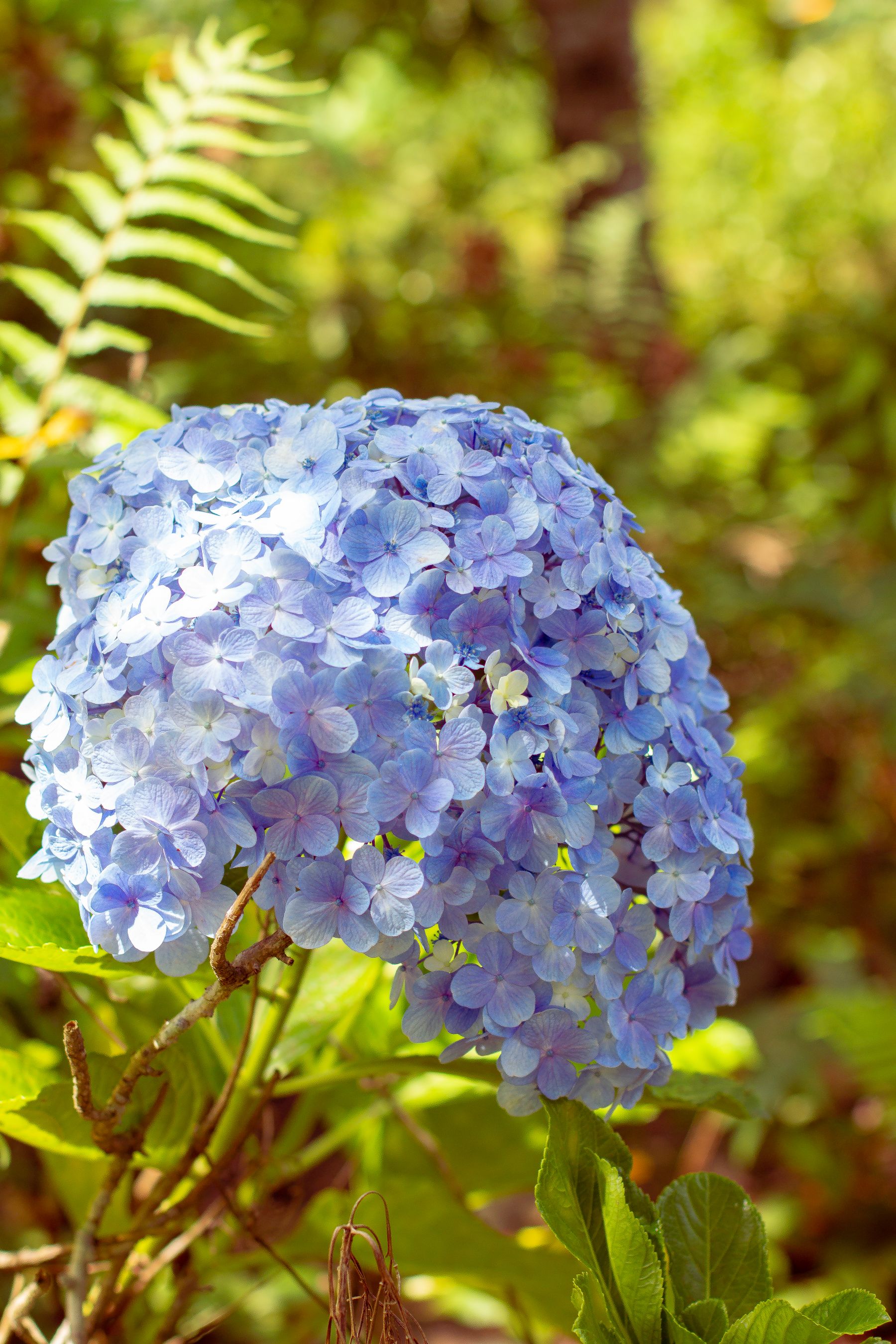
Panicle Hydrangeas
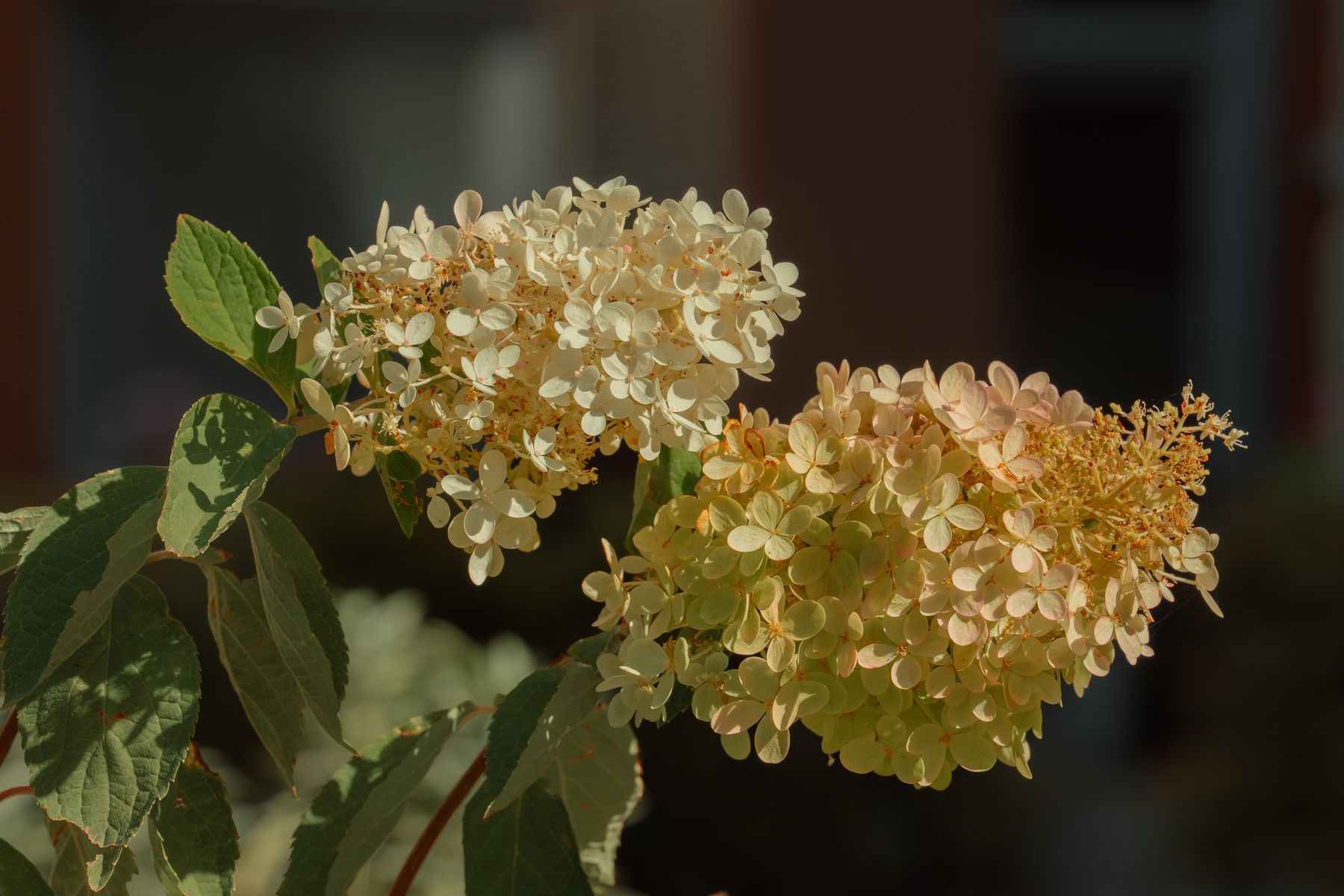
Panicle hydrangeas flower on new wood, so their next season’s buds are not dependent on preserving this year’s old stems. Light cleanup in September is possible, although major pruning is generally better left until late winter or early spring. Removing weak or damaged stems can tidy the plant without turning autumn into a major pruning session.
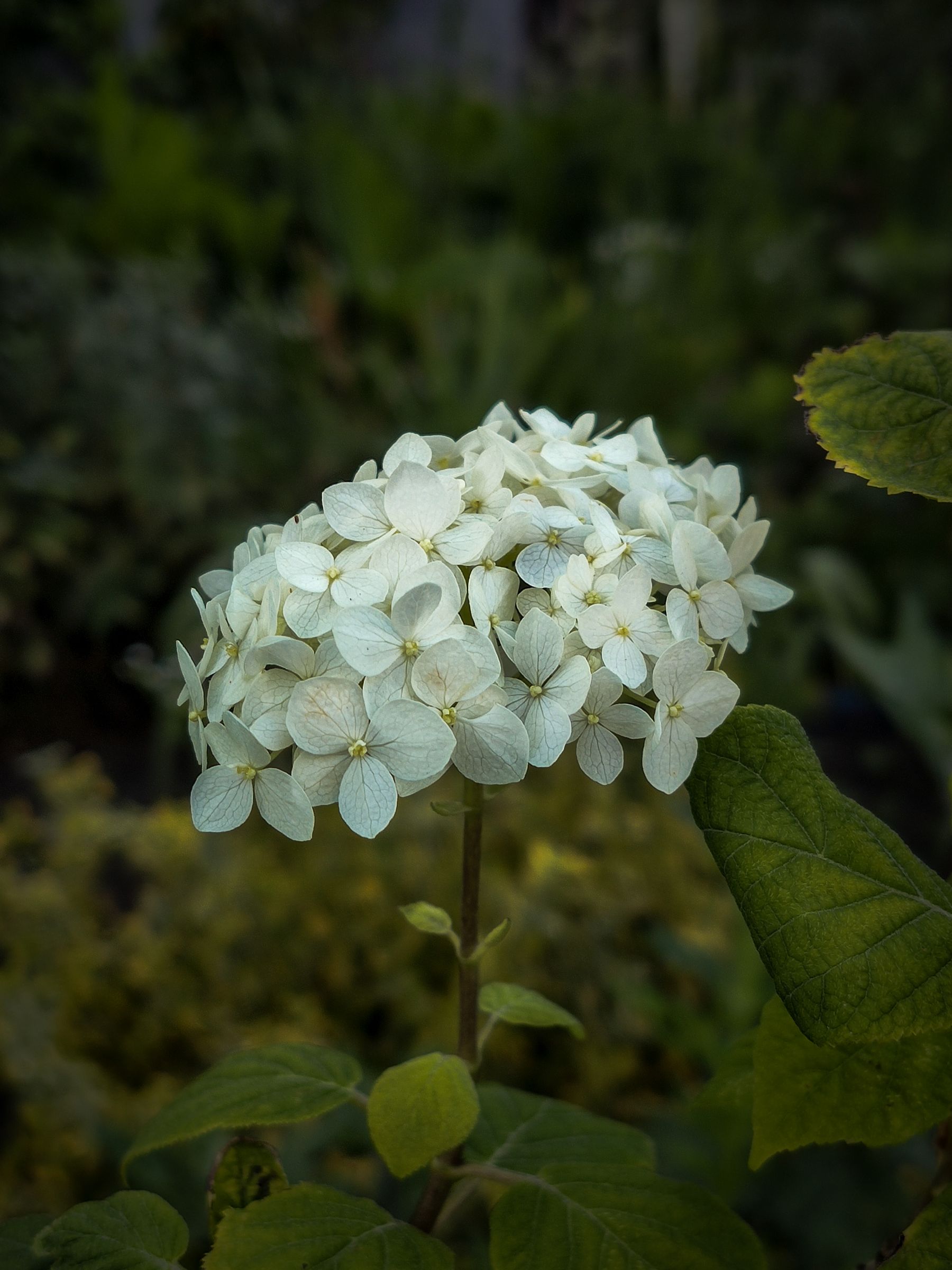
Smooth Hydrangeas
Smooth hydrangeas, including familiar forms such as ‘Annabelle’, also bloom on new wood. Their September priorities therefore focus more on plant health and winter readiness than on preserving old flower buds. A light cleanup can remove weak or damaged growth, while substantial shaping can wait until the plant is dormant.
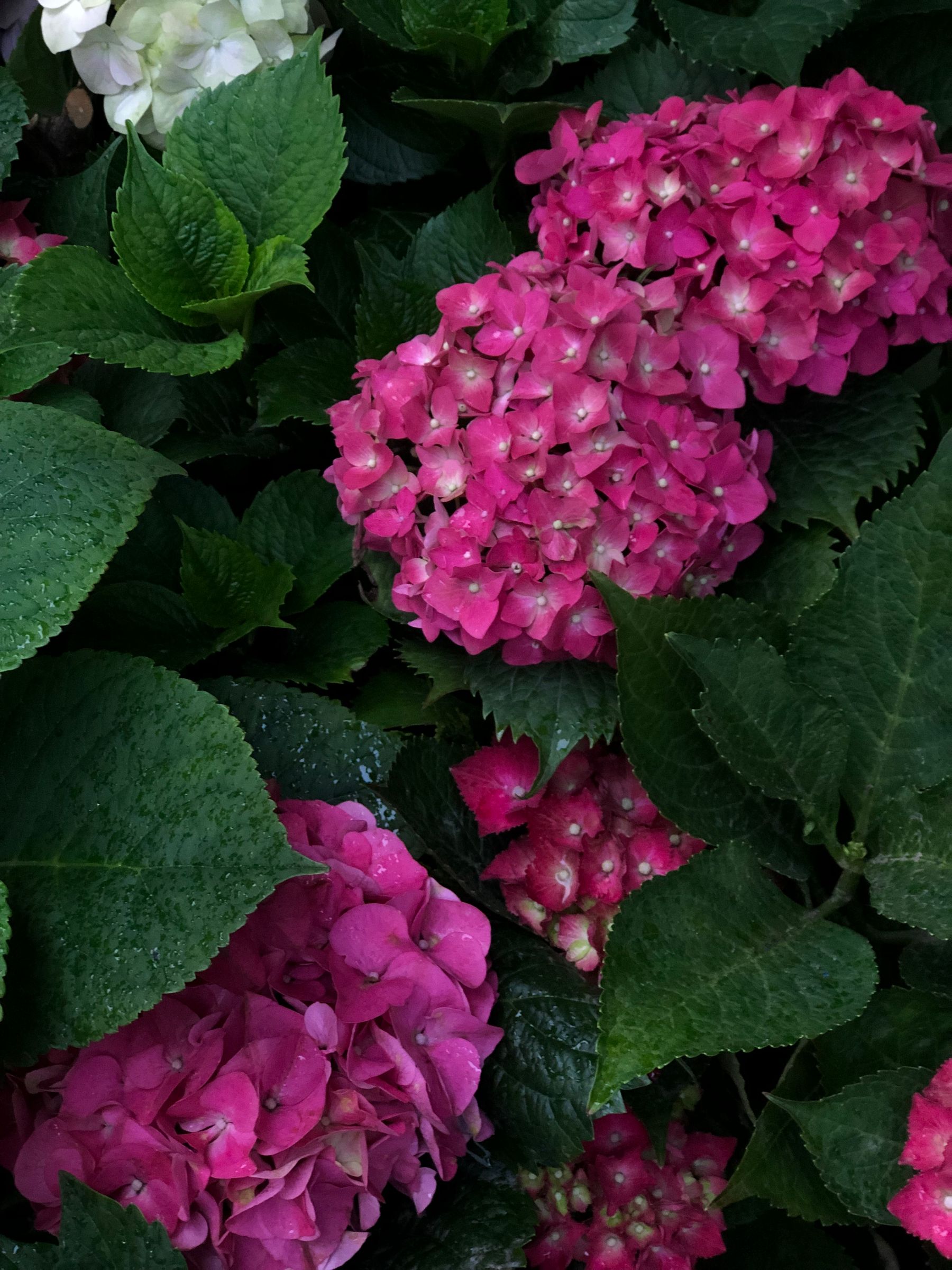
Inspect the Plant Before You Do Anything
Start September care with a close inspection. Look for powdery mildew, leaf spots, rust, aphids, spider mites, scale, dead stems, crossing branches, and crowded growth. This quick check helps you decide what actually needs attention instead of automatically pruning or treating the whole shrub.
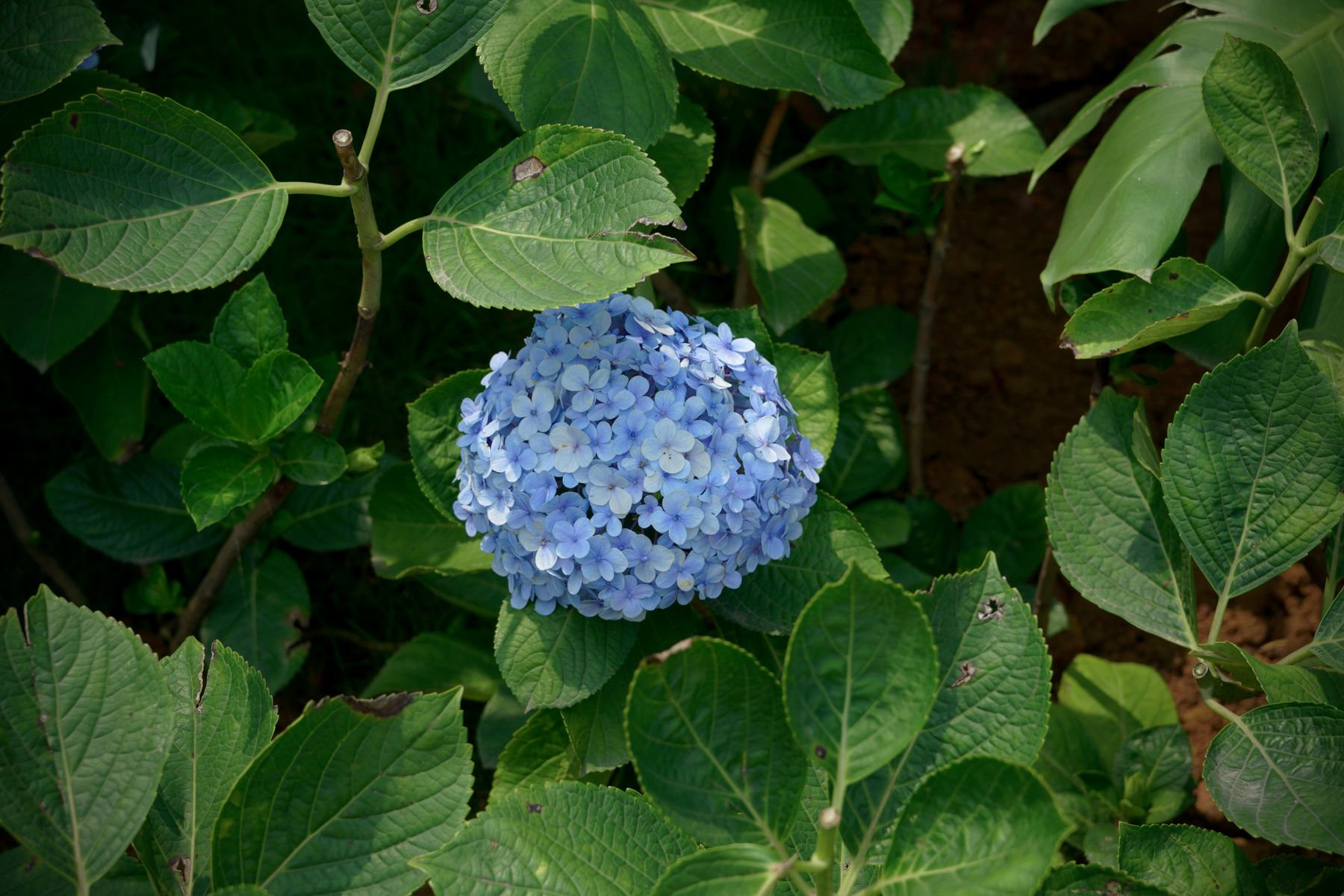
Be Careful With September Pruning
For old-wood hydrangeas, September is generally the wrong time for routine pruning because next year’s flower buds may already be present. For new-wood types, light cleanup is less risky, but there is still little reason to perform aggressive shaping in early fall. When the variety is uncertain, the safest approach is to avoid substantial pruning until you know its flowering habit.
Adjust Your Fertilizer Strategy
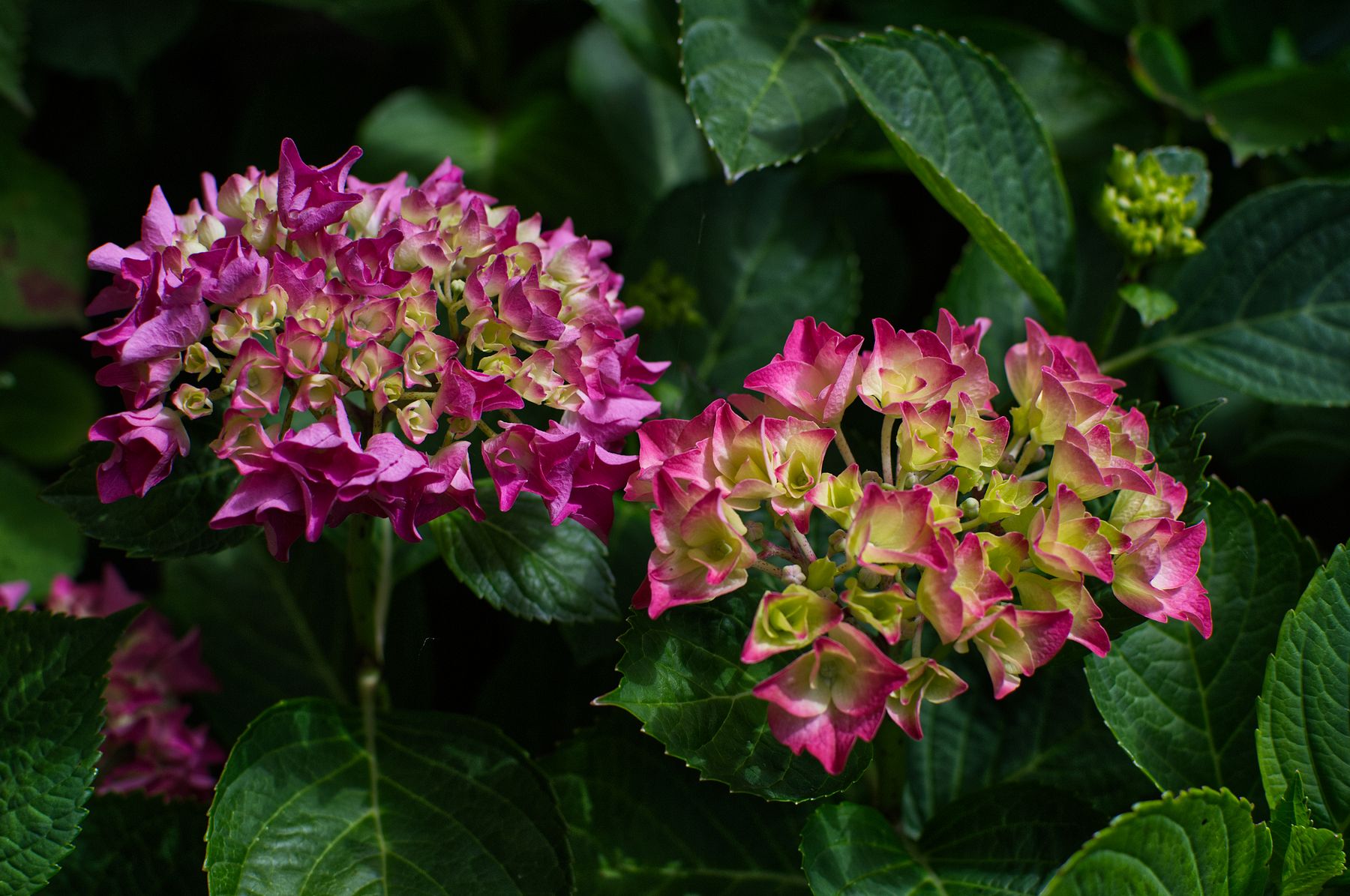
As the growing season winds down, avoid pushing hydrangeas into soft, leafy growth with heavy nitrogen fertilizer. The source recommends shifting attention toward soil health and, where feeding is appropriate, using a restrained low-nitrogen approach rather than a late-season growth boost. In many gardens, the final fertilizer application has already taken place by late summer.
Test the Soil Instead of Guessing
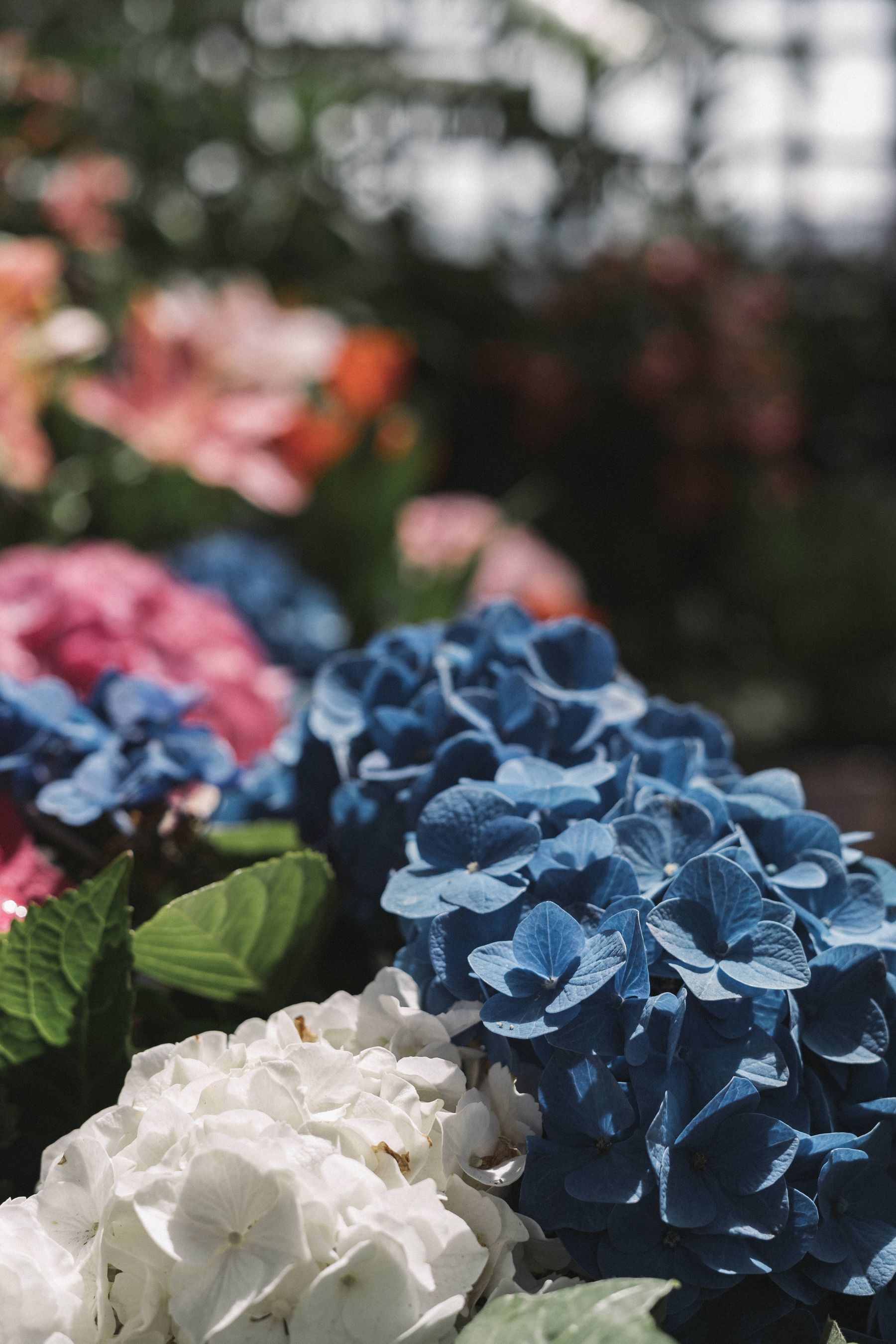
Hydrangeas can respond to soil pH, and soil testing is a better starting point than adding amendments blindly. If you are trying to influence flower color in a type that responds to soil chemistry, fall is a useful time to assess the soil and make appropriate adjustments. Remember that flower color is also strongly influenced by cultivar and growing conditions.
Keep Watering, but Avoid Soggy Soil
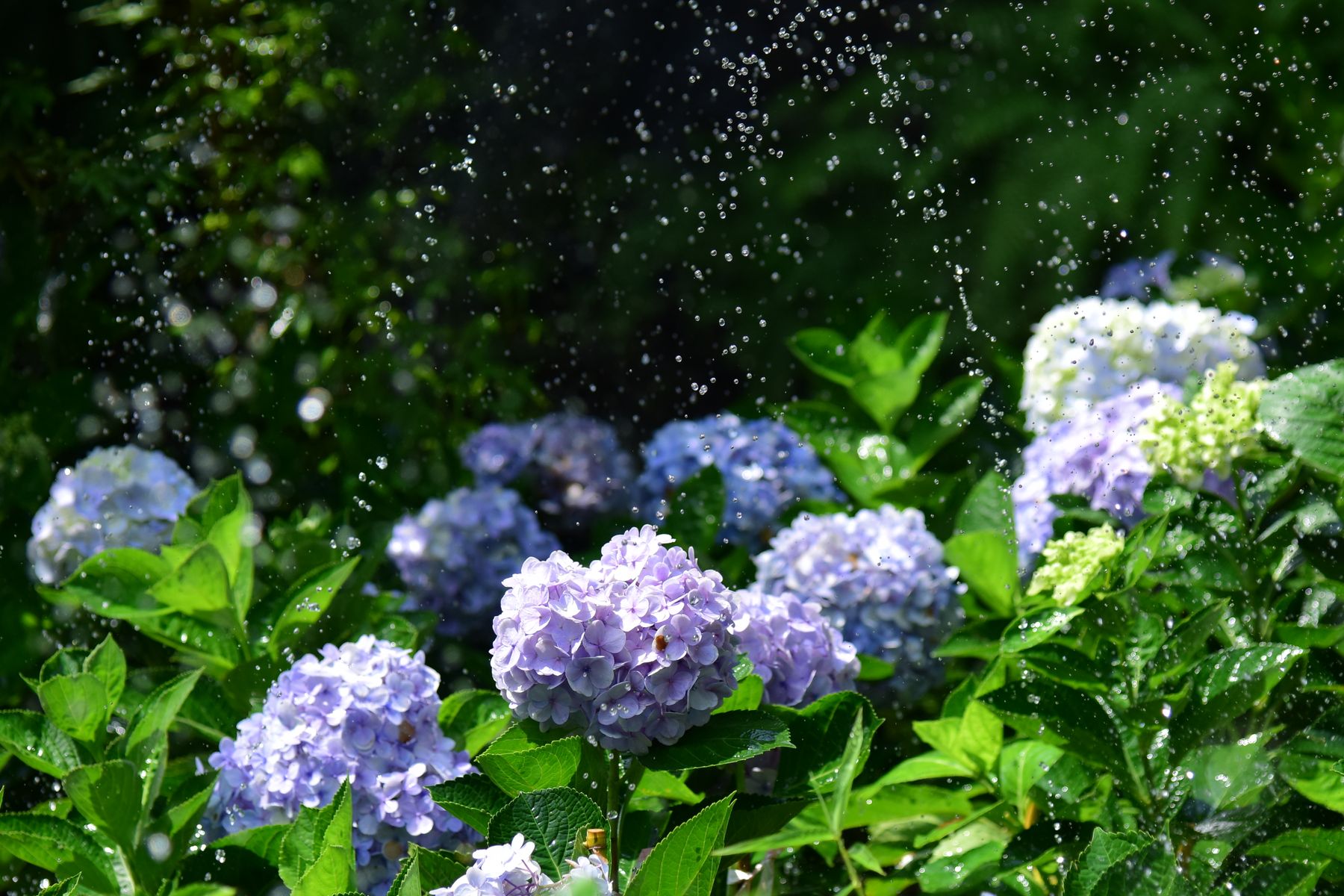
Cooler September weather does not automatically mean hydrangeas can be left dry. During dry spells, give established plants a thorough watering, then allow the soil to drain rather than keeping it constantly saturated. As growth slows, watering frequency can usually be reduced according to rainfall and soil moisture.
Mulch Around the Root Zone
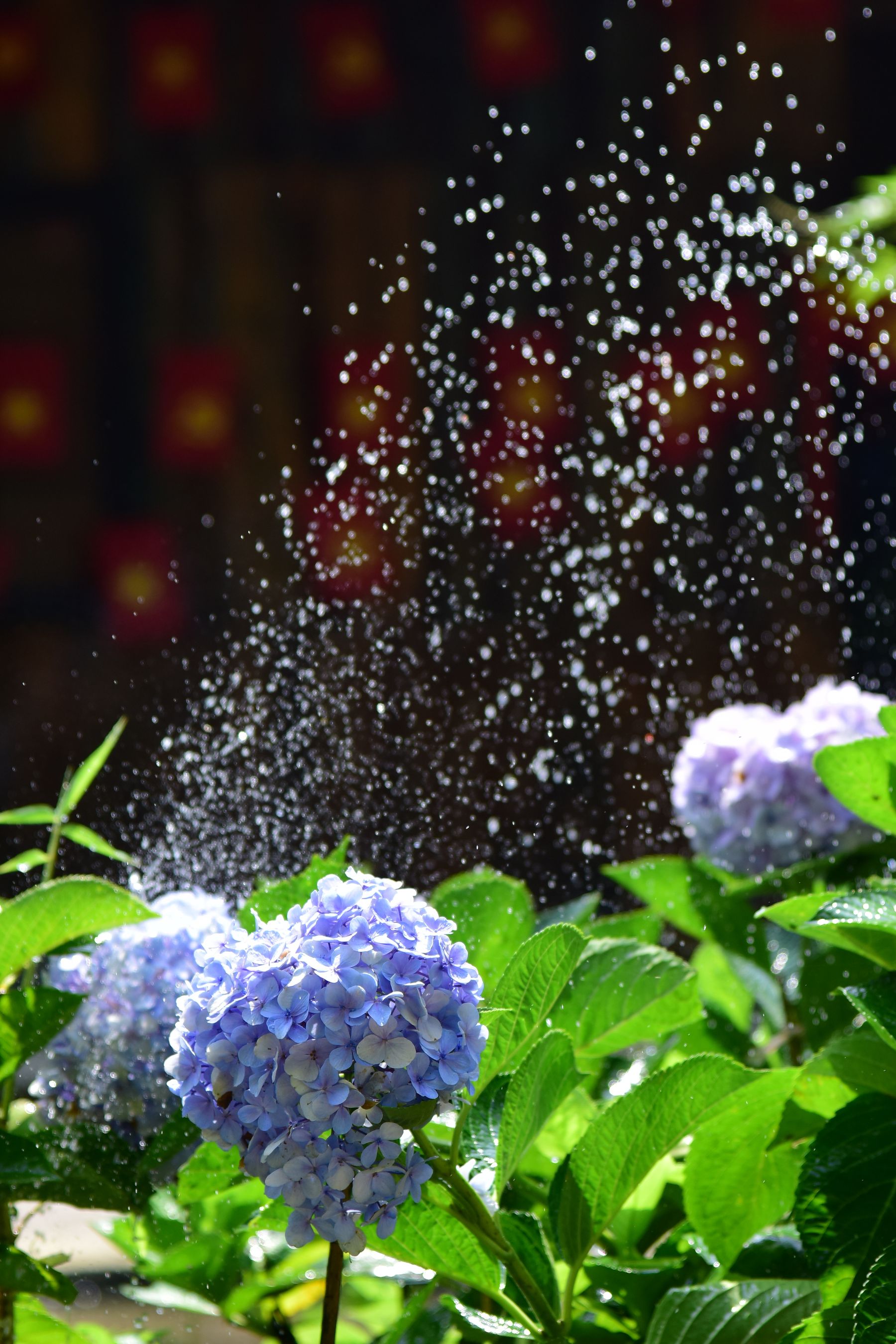
A protective mulch layer is one of the simplest September tasks. Shredded bark, straw, compost, or pine needles can help moderate soil temperatures and conserve moisture. Spread roughly two to three inches around the plant, but keep the mulch away from direct contact with the stems so the crown stays drier and less prone to rot.
Clean Up Fallen Leaves and Debris
Remove fallen leaves and other debris from around the base, particularly when the plant has shown signs of disease. Keeping the area cleaner reduces the amount of plant material available for pests and pathogens to persist through the dormant season. Avoid putting clearly diseased material into ordinary home compost.
Deadhead With Care
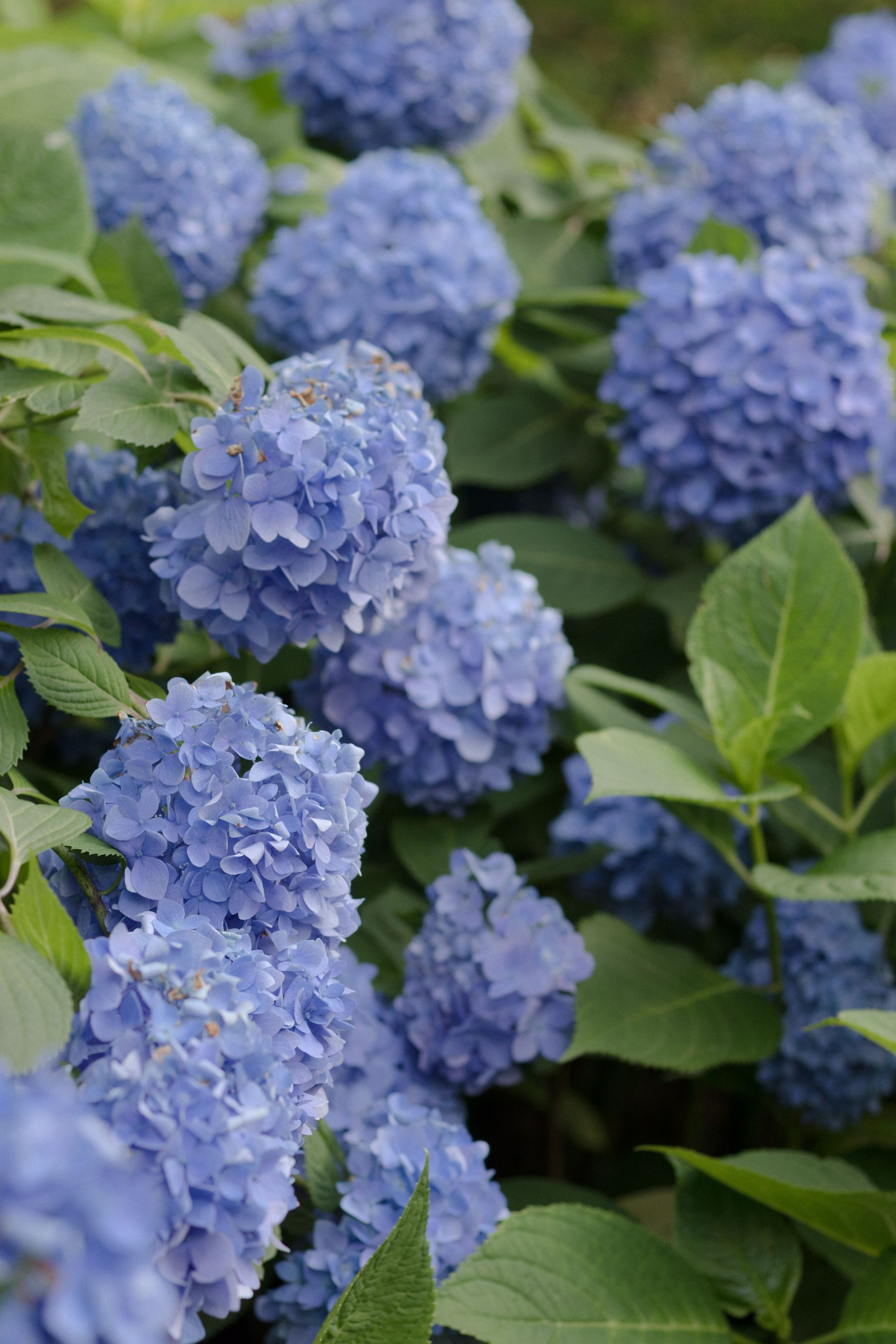
If you want to remove faded flower heads, do it cautiously. On old-wood hydrangeas, cutting too far down a stem can remove the buds already formed for next year. A light cut above a healthy set of leaves is less disruptive, while gardeners who are unsure of the variety may prefer to leave the flower heads until the correct pruning window is clear.
Watch for Late-Season Pests and Disease
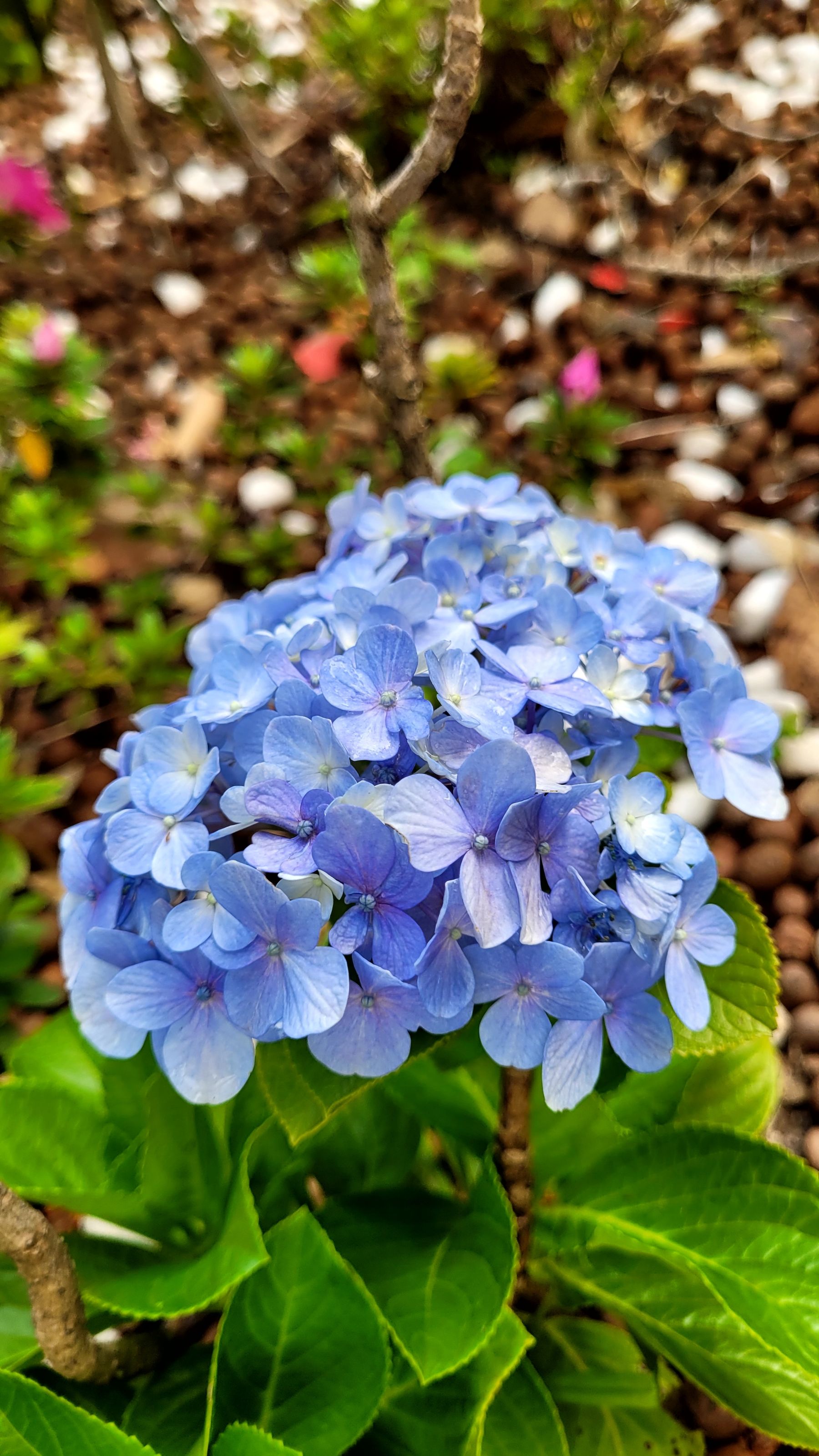
Humid weather can keep fungal problems active in September. Inspect both sides of leaves and check stems for scale or other pests. The source mentions horticultural soap and neem oil for some problems, but any treatment should be chosen according to the specific pest or disease and used exactly as its product label directs.
Protect Old-Wood Types Before Hard Freezes
In colder areas, protecting old-wood hydrangeas can be especially important because the plant may survive winter while its flower buds do not. Once freezing weather is approaching, gardeners can use suitable frost protection or a breathable wrap around vulnerable plants. The source also suggests more substantial protective structures in very cold Zones 3–5.
Give New-Wood Types a Different Kind of Protection
Panicle and smooth hydrangeas do not depend on preserving old flower buds, so their winter strategy can concentrate more on protecting the root system and maintaining healthy soil. A good mulch layer is often more useful than elaborate bud protection. This is another reason knowing your hydrangea type saves time and prevents unnecessary work.
Cold Climate Guidance: Zones 3–5
In very cold climates, prioritize winter protection for bigleaf and oakleaf hydrangeas. Their old-wood buds are vulnerable to freezing temperatures, so mulch around the root zone and additional protection may be worthwhile. Less-hardy container hydrangeas can also be moved to a sheltered location when appropriate.
Moderate Climate Guidance: Zones 6–7
In Zones 6–7, a solid mulch layer and modest winter protection may be enough for many plants, although the exact needs depend on cultivar and exposure. Pay attention to late warm spells as well. A sudden burst of tender growth followed by freezing weather can create problems, so avoid encouraging unnecessary late-season growth.
Warm Climate Guidance: Zones 8–9
In warmer Zones 8–9, September preparation may focus less on extreme cold protection and more on plant cleanliness, disease management, and avoiding excessive late-season growth. Continue monitoring moisture and foliage health, especially where warm, humid conditions persist into autumn.
Extra Steps for Better Blooms
Several improvements come from thinking beyond one September task. Learn the pruning habits of your cultivar, improve soil structure with suitable organic matter, and protect container plants because their roots are more exposed to temperature swings than roots in the ground. Growing different hydrangea types can also spread flowering across a longer portion of the season.
If Your Hydrangea Barely Bloomed This Year
Poor flowering does not always mean the plant needs more fertilizer. A common cause is pruning an old-wood hydrangea at the wrong time and removing its developing buds. Winter injury, insufficient light, drought, excessive nitrogen, and other growing conditions can also reduce flowering. September is a good time to identify the likely cause and correct the underlying problem rather than simply adding more feed.
The September Hydrangea Checklist
Before autumn slips away, check that you know your hydrangea type, inspect the plant for pests and disease, avoid unnecessary pruning of old-wood varieties, keep watering sensible during dry weather, add an appropriate mulch layer, clean up diseased debris, and prepare vulnerable plants for the first hard freezes. These small steps create a much better foundation for next season than a rushed pruning job.
The Goal Is Healthy Plants, Not Just More Flowers
The best September routine is not about forcing a hydrangea to bloom. It is about helping the shrub enter winter healthy while preserving the structures that matter for next year’s flowers. Match your care to the plant’s flowering habit, protect vulnerable buds where necessary, keep roots healthy, and resist the urge to overfeed or over-prune. That balanced approach gives your hydrangeas a stronger chance of returning with a beautiful display next season.