
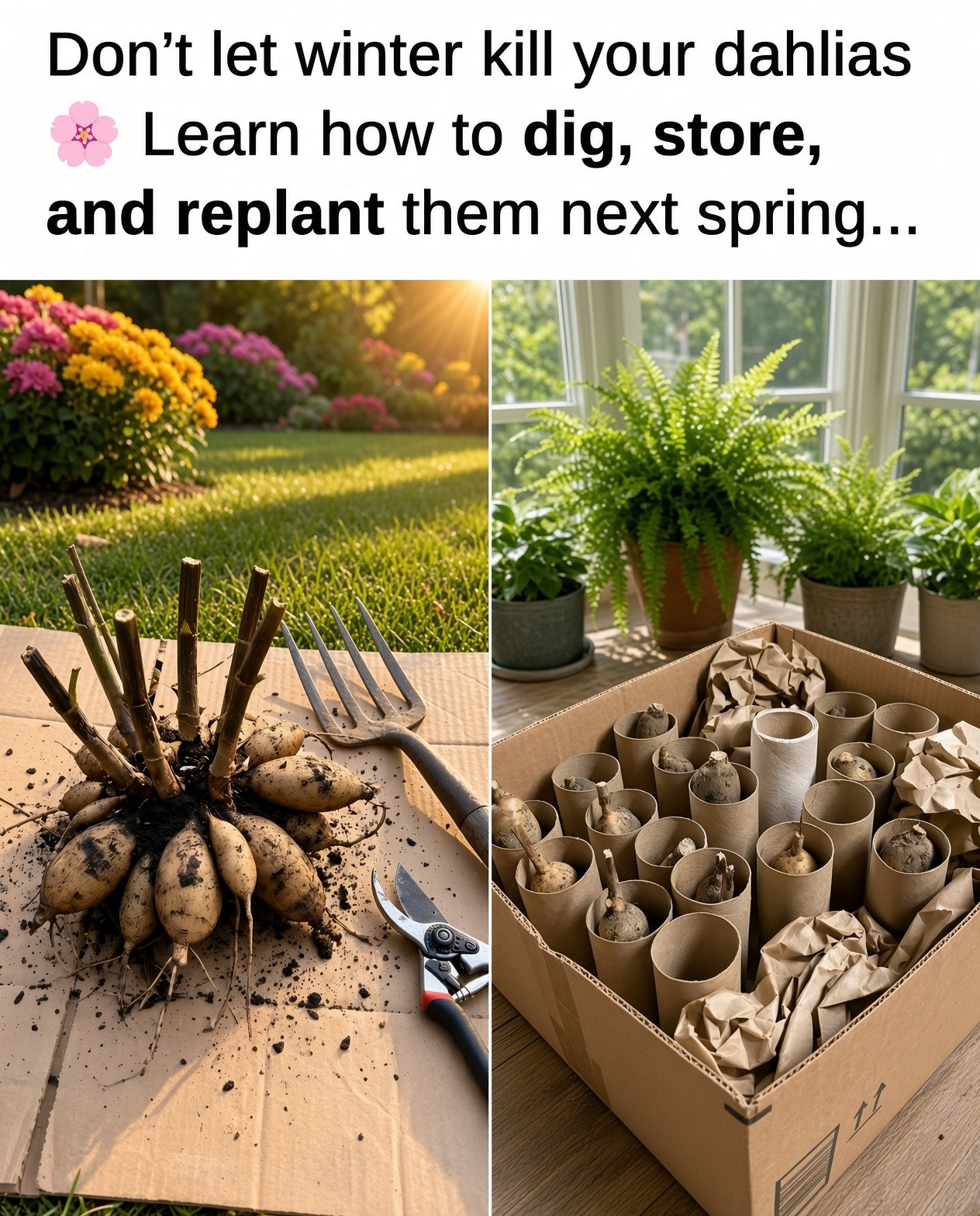
How to Overwinter Dahlias: Dig, Store & Replant Next Spring
Introduction
Dahlias are some of the most rewarding flowers to grow, producing dramatic blooms in shades of pink, red, orange, yellow, purple, and white. Their long flowering season makes them a favorite for flower gardens, cutting gardens, and borders. However, dahlias are tender plants in many climates, and their underground tubers can be damaged or killed by freezing winter temperatures.

Learning how to overwinter dahlias is an easy way to save your favorite varieties and enjoy them again next year. Instead of buying new plants every spring, you can carefully dig up the tubers in autumn, store them in the right conditions, and replant them when spring arrives. With good timing and proper storage, overwintering dahlia tubers is a straightforward process that can become part of your annual garden routine.
When Should You Dig Up Dahlias?
The best time to dig up dahlia tubers is generally after the first frost has damaged the foliage but before the ground freezes. A light frost usually turns the leaves and stems dark or black, which signals that the plant has finished its active growing season.

Once the foliage has been affected, cut the stems back to approximately 2–6 inches above the soil. Do not wait for repeated hard freezes, because frozen ground is much harder to dig and can expose the tubers to cold damage. If your area has mild winters, dahlias may sometimes survive outdoors under a thick layer of mulch, but lifting them is the safer choice in colder or wetter regions.
How to Dig Dahlia Tubers Without Damaging Them
Careful digging is essential because dahlia tubers can be surprisingly fragile. Use a garden fork rather than pushing a sharp spade directly into the crown. Start several inches away from the plant and loosen the soil around all sides of the clump. Gradually work underneath the plant until the entire crown and tuber cluster can be lifted.

Never pull a dahlia out by its stems. This can break the crown or separate healthy tubers from the plant. Once the clump is out of the ground, gently shake away loose soil and move it to a protected area. Handle the tubers as little as possible while they are freshly dug, because unnecessary cuts and bruises can increase the chance of rot during storage.
Clean and Inspect Dahlia Tubers
After digging, inspect each dahlia clump carefully. Remove excess soil so you can see the crown and individual tubers. You do not have to make the tubers perfectly clean, but removing loose dirt makes it easier to spot problems.
Look for soft or mushy areas, mold, blackened tissue, broken tubers, or obvious signs of rot. Healthy tubers should feel firm. Remove badly damaged sections with a clean, sharp knife or pruning tool. If you are working with several varieties, clean your tools between clumps to reduce the risk of spreading disease.
How to Dry Dahlia Tubers Before Storage
Before storing dahlia tubers, allow them to dry thoroughly. Excess moisture trapped around the crown can encourage mold and rot during the long winter storage period. Place the cleaned tubers in a cool, dry, well-ventilated location where they are protected from rain and freezing temperatures.

Depending on your conditions, drying may take several days. Avoid placing wet tubers directly into sealed plastic bags or airtight containers. Good airflow is especially important at this stage. The goal is to remove excess surface moisture without allowing the tubers to become severely dehydrated.
How to Store Dahlia Tubers Over Winter
Once the tubers are dry, place them in a cool, dark, frost-free storage area. A basement, cellar, garage, or other consistently cool space can work well. Avoid locations that become very warm because heat can cause the tubers to shrivel or begin growing too early.

You can store dahlia tubers in cardboard boxes, wooden crates, shallow trays, or ventilated containers. Surround them loosely with a dry packing material such as vermiculite, dry potting compost, sand, straw, sawdust, or shredded newspaper. Do not overcrowd the container. Label each variety clearly so you know what you have when spring arrives.
Check Dahlia Tubers During Winter
Successful overwintering does not mean putting the tubers away and forgetting them until spring. Check your stored dahlias every few weeks. Look for mold, soft areas, rot, excessive shriveling, or early shoots.
If you find a rotten tuber, remove it immediately and inspect nearby clumps. Slight wrinkling is not always a problem because tubers naturally lose some moisture during storage, but extremely shriveled or hollow tubers may no longer be viable. If mold appears repeatedly, improve ventilation and reduce excess moisture.
When and How to Divide Dahlia Tubers
Many gardeners prefer to divide dahlia tubers in spring rather than autumn. A successful division needs a healthy tuber connected to a piece of crown with at least one viable growing eye. These eyes can be difficult to see when the plant is completely dormant, but they become easier to identify as spring growth begins.

Remove the clump from storage and inspect the crown carefully. Using a clean, sharp knife, divide the clump so each section contains at least one healthy tuber and one growing eye. Do not plant a tuber that has no eye, because it cannot produce a new shoot.
How to Replant Dahlia Tubers in Spring
Once the danger of frost has passed, overwintered dahlia tubers can be planted outdoors. You can also start them indoors several weeks earlier if you want a head start on the growing season. Use a container with drainage holes and a free-draining potting mix, and position the tuber so the growing eye is facing upward.

Cover the tuber lightly with soil and avoid heavy watering while it is dormant. Once shoots appear, provide plenty of bright light and gradually increase watering as the plant develops. Before moving indoor-grown dahlias outside, harden them off gradually and choose a sunny garden location with fertile, well-drained soil.
Final Tips for Overwintering Dahlias
The key to successfully overwintering dahlias is managing timing, moisture, and temperature. Dig the tubers before the ground freezes, inspect them carefully, and allow them to dry before storage. Keep them cool and frost-free throughout winter, and check them regularly for signs of rot or excessive drying.
In spring, divide healthy clumps only when you can identify viable growing eyes, then plant the tubers after the risk of frost has passed. With this simple routine, you can preserve favorite varieties, save money on new plants, and enjoy another season of colorful dahlia blooms.
Quick Dahlia Overwintering Checklist
Dig after the first frost damages the foliage; cut stems back; lift tubers carefully; remove rotten sections; dry thoroughly; store in a cool, dark, frost-free place; check every few weeks; divide in spring when eyes are visible; harden off young plants; and replant outdoors after the danger of frost has passed.