
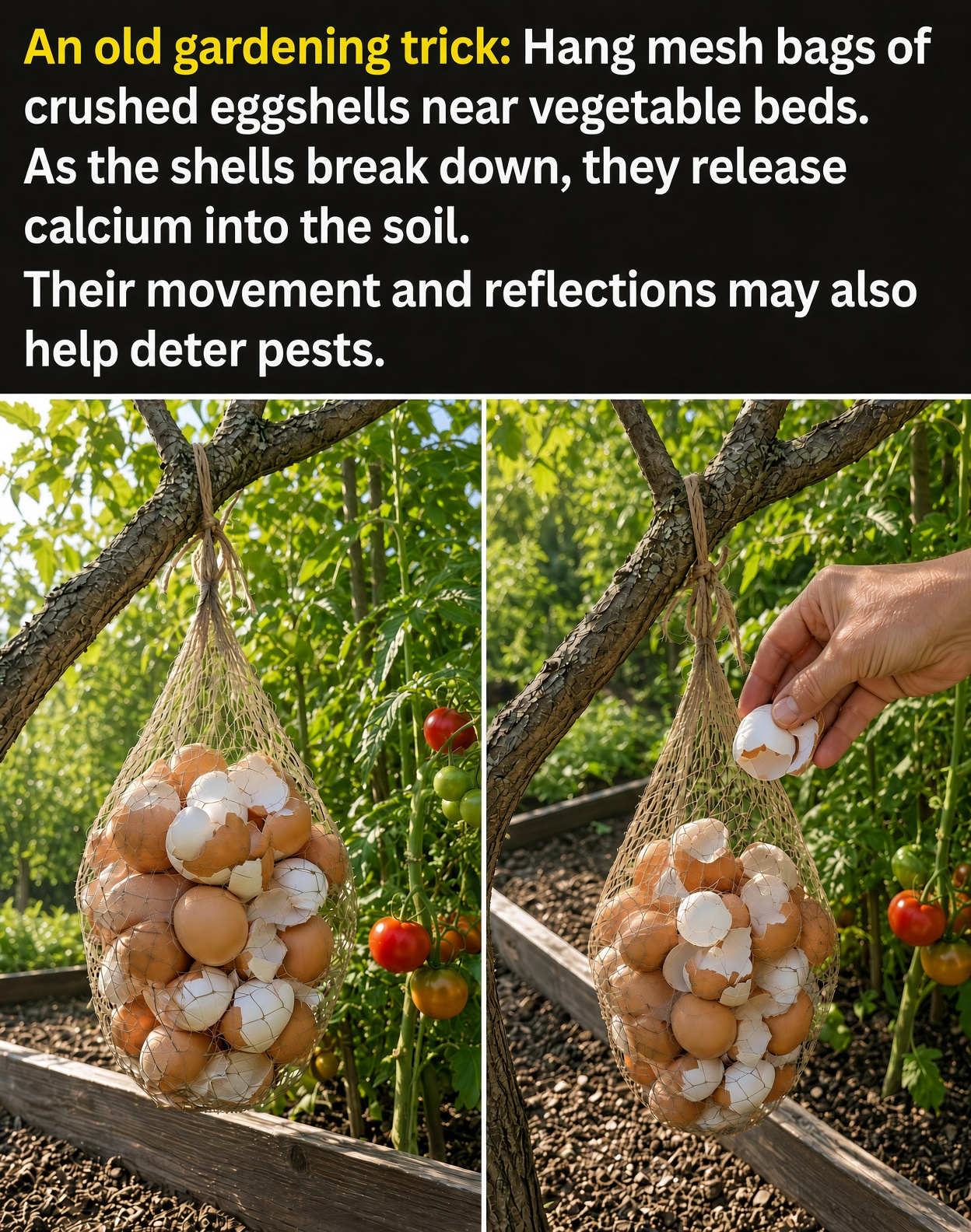
Eggshells usually end up in the kitchen bin, but they can have a second life in the garden. Some gardeners hang clean shells from branches, garden stakes, or fences, while others collect them in mesh bags before adding them to compost.
Although this old-fashioned trick looks unusual, it offers a few practical advantages. Hanging shells can create a visible garden decoration, help mark newly planted areas, and provide a convenient way to collect kitchen scraps for later reuse.
However, eggshells aren’t a miracle fertilizer or a guaranteed pest repellent. Here’s what this simple gardening idea can do, how to use it, and which popular claims deserve a little skepticism.

1. Create Movement That May Temporarily Discourage Birds
Lightweight eggshells suspended from string can swing gently whenever the wind moves through the garden. This creates an unfamiliar visual element near young plants and vegetable beds.
Some gardeners experiment with moving objects to make birds more cautious around vulnerable crops. However, the effect is unpredictable, and birds may quickly become accustomed to stationary decorations.
If birds repeatedly damage your strawberries, seedlings, or other crops, suitable garden netting or another properly installed physical barrier is generally a more dependable option.
2. Make White Eggshells Stand Out Against Green Foliage
White shells are easy to spot against green leaves, dark soil, and wooden garden structures. Their contrast can make them useful as small visual markers throughout a vegetable patch.
Brown eggshells work too, although their color may blend more easily into the background. You can position clean shells where you want to draw attention to a particular bed or newly planted section.
Remember that visibility alone doesn’t guarantee pest protection. Treat the shells as a simple garden experiment rather than a replacement for proven crop-protection methods.
3. Mark Newly Planted Seedlings and Garden Rows
It’s easy to forget where you planted seeds before the first shoots appear. A shell placed on a small stake can help you remember the location of a row or planting area without buying extra labels.
Try using this idea around newly sown flowers, beans, tomatoes, peppers, cucumbers, and other vegetables. You can also write a planting date or a short variety name on a clean, dry shell with a suitable marker.
For longer-lasting labels, weather-resistant plant markers are still the better choice. Eggshells are most useful as temporary reminders that can eventually be crushed and composted.
4. Experiment With Eggshells Around Cabbage Plants
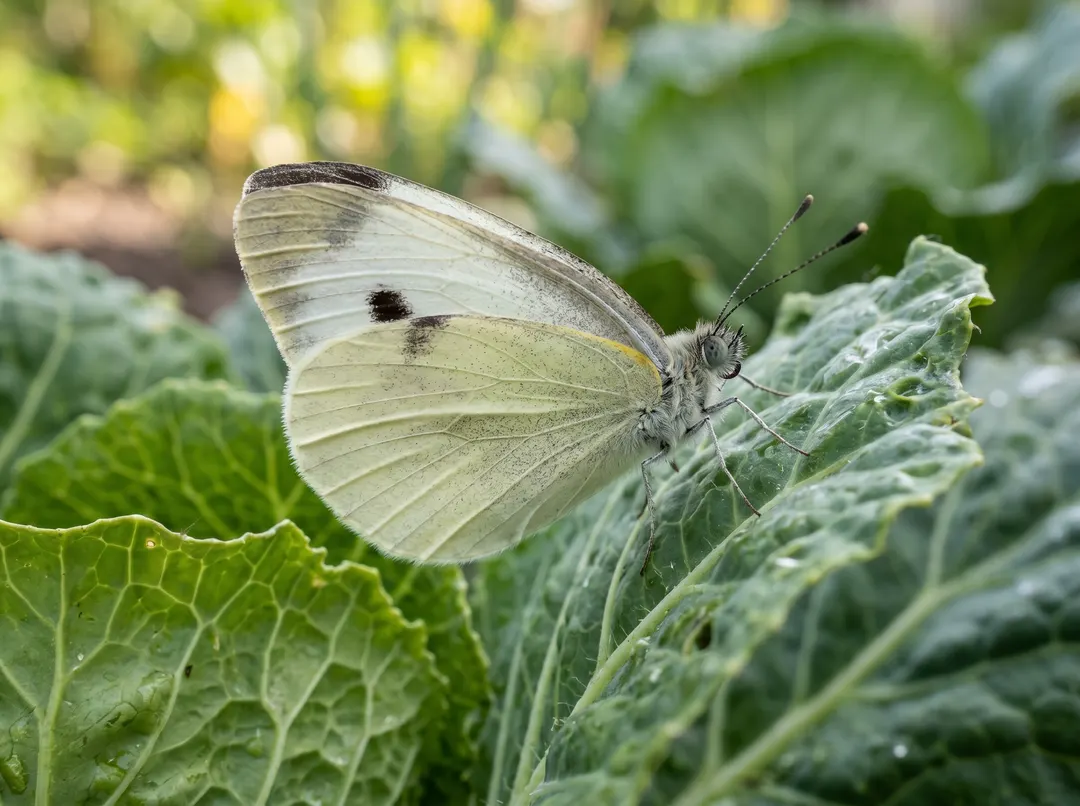
Some gardeners place white eggshells on stakes around cabbage, broccoli, kale, cauliflower, and Brussels sprouts. The traditional theory is that the shells resemble other butterflies and might discourage cabbage white butterflies from settling nearby.
This is an interesting folk-gardening technique, but it should not be relied upon as effective butterfly or caterpillar control. There is no good guarantee that the shells will prevent egg-laying.
For more dependable protection, cover susceptible crops with fine insect mesh and inspect the undersides of leaves regularly. Remove visible caterpillars and eggs where practical, and keep plants healthy throughout the growing season.
5. Reuse Eggshells as a Slow-Breaking Source of Calcium
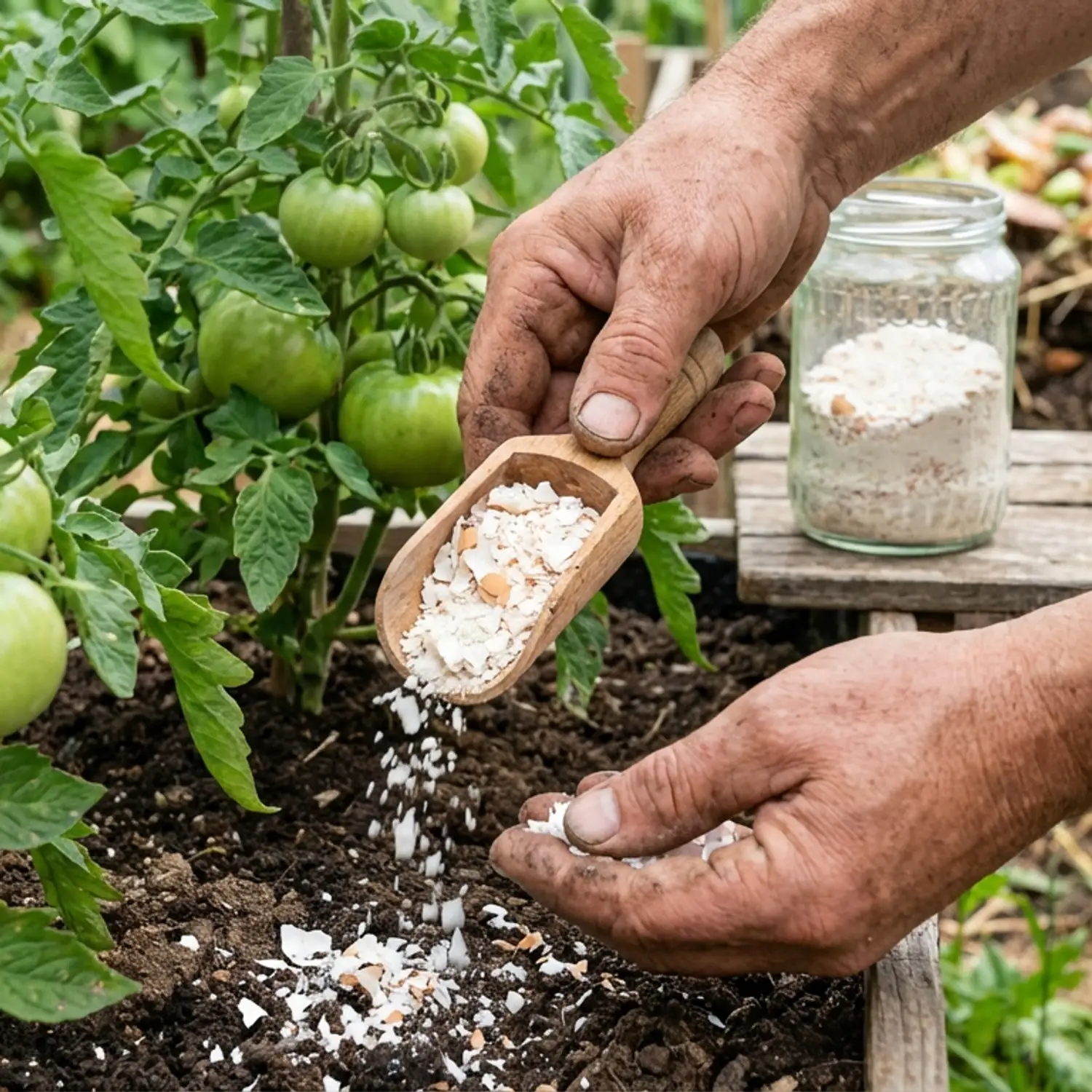
Eggshells consist largely of calcium carbonate. Calcium is an essential plant nutrient that supports cell walls and healthy plant development.
The important limitation is that calcium in intact or coarsely crushed shells isn’t immediately available to plants. Large pieces may remain visible in soil for a long time, so eggshells should be considered a slow-breaking amendment rather than a quick fertilizer.
To prepare them for reuse:
- Rinse away any remaining egg residue.
- Let the shells dry completely.
- Crush them into small pieces or grind them finely.
- Add them to compost, or use them in garden soil when appropriate.
Before adding large amounts of eggshells to your beds, consider your soil’s existing nutrient levels and pH. A soil test is more useful than assuming every plant needs additional calcium.
6. Don’t Depend on Eggshells to Fix Tomato Blossom-End Rot
Tomatoes, peppers, squash, and some other crops can develop blossom-end rot, which appears as a dark, sunken patch at the blossom end of the fruit. Because calcium is involved in this problem, eggshells are often suggested as a simple solution.
But blossom-end rot isn’t always caused by a lack of calcium in the soil. Irregular watering can interfere with calcium movement inside a plant, even when calcium is present around its roots.
Instead of relying on hanging shells, focus on consistent soil moisture. Water deeply when needed, use mulch to reduce moisture fluctuations, and avoid damaging roots while cultivating around plants.
Eggshells may eventually contribute calcium, but hanging them beside a tomato plant won’t provide an immediate cure.
7. Keep Eggshells Out of the Kitchen Bin Until You’re Ready to Reuse Them
One of the most practical reasons to hang eggshells is simply convenience. If your household uses eggs regularly, the shells can accumulate faster than expected.
A breathable mesh bag or a suitable outdoor collection container can provide a temporary place to store thoroughly cleaned shells while they dry. Choose a location protected from heavy rain, and don’t leave damp shells with egg residue where they might smell or attract unwanted animals.
When you’ve collected enough, take the shells down, crush them, and add them to your compost pile or another appropriate garden project.
8. Don’t Expect Crushed Eggshells to Reliably Stop Slugs
A popular gardening claim says that sharp eggshell fragments create a barrier that slugs and snails won’t cross. Unfortunately, eggshells aren’t a reliable way to protect vulnerable plants from these pests.
Slugs can cross many rough surfaces, and shell fragments don’t form a dependable barrier in wet garden conditions. Scattering shells around seedlings may also leave you with visible scraps without solving the underlying pest problem.
If slugs are damaging your plants, inspect the garden regularly, reduce unnecessary damp hiding places, and use suitable slug-management methods for your garden. Save eggshells for composting rather than treating them as your main defense.
9. Add Crushed Eggshells to Your Compost

Composting is one of the most useful ways to recycle eggshells. They add mineral material to the compost mix and help keep kitchen waste out of the rubbish bin.
Crush shells before adding them because smaller particles expose more surface area to moisture and gradual breakdown. Even then, eggshell pieces may remain visible in finished compost for some time.
Mix them with a balanced variety of compostable materials rather than adding large quantities of shells alone. Finished compost can then be used to improve garden soil according to the needs of your plants.
10. Add a Rustic, Natural Detail to Your Garden
Clean eggshells can also be used as simple, temporary decorations in cottage gardens, vegetable beds, or informal outdoor spaces. Their pale color contrasts with green foliage, and they can be arranged on natural twine or placed on small stakes.
If you want to reuse them in compost later, keep decorations simple. Avoid glitter, plastic pieces, synthetic coatings, or other materials that could contaminate the compost.
This is also an easy way to introduce children to garden recycling: collect shells, clean them, observe how they weather outdoors, and eventually crush them for compost.
11. Turn a Kitchen Scrap Into a Useful Garden Habit
The main benefit of hanging eggshells may be the reminder to reuse a material that would otherwise be thrown away. Once the shells have been collected and dried, you can decide whether they are appropriate for compost or a soil amendment.
This small habit can support a broader approach to gardening that includes composting vegetable scraps, reusing suitable natural materials, and avoiding unnecessary waste.
Just remember that natural materials aren’t automatically suitable for every soil. Eggshells contain calcium carbonate, which can affect soil chemistry over time. If your soil is already rich in calcium or has a high pH, adding lots of shells may not be helpful.
How to Hang Eggshells in Your Garden

You only need a few basic materials to try this simple idea:
- Clean, dry eggshells
- Natural twine or string, or a breathable mesh bag
- A sturdy garden stake, branch, or fence
Rinse the shells thoroughly and let them dry before placing them outside. You can hang larger shell halves individually or collect smaller pieces in a breathable bag. Secure the string or holder firmly so it doesn’t fall into the plants.
Choose a location where the shells won’t obstruct garden work or become a hazard to wildlife. If you’re testing whether their movement affects bird activity, remember that results may vary and physical crop protection is more dependable when damage is persistent.
Once the shells are no longer needed, remove any string or non-compostable material, crush the shells, and add them to compost if appropriate.
What Hanging Eggshells Can—and Can’t—Do
Hanging eggshells is an inexpensive gardening experiment, but it’s important to separate tradition from proven results.
- Useful: Collecting and drying clean eggshells for later reuse.
- Useful: Creating temporary visual markers around newly planted areas.
- Potentially useful: Providing a simple decorative detail or a moving object in the garden.
- Slow acting: Contributing calcium after the shells gradually break down.
- Unreliable: Keeping all birds away or preventing cabbage butterflies from laying eggs.
- Unreliable: Stopping slugs and snails or curing blossom-end rot in tomatoes.
Final Thoughts
Hanging eggshells in the garden is a creative way to reuse a common kitchen scrap. The shells can serve as temporary markers, simple decorations, or a convenient collection of material for composting.
Their biggest benefit is not a magical pest-repelling effect or instant plant food. It’s the opportunity to reuse waste thoughtfully and return suitable material to the garden over time.
Try the idea if you enjoy traditional gardening experiments, but use proven barriers for serious pest problems and check your soil before adding amendments in large amounts. A little practical knowledge helps make even the simplest garden tricks more worthwhile.