
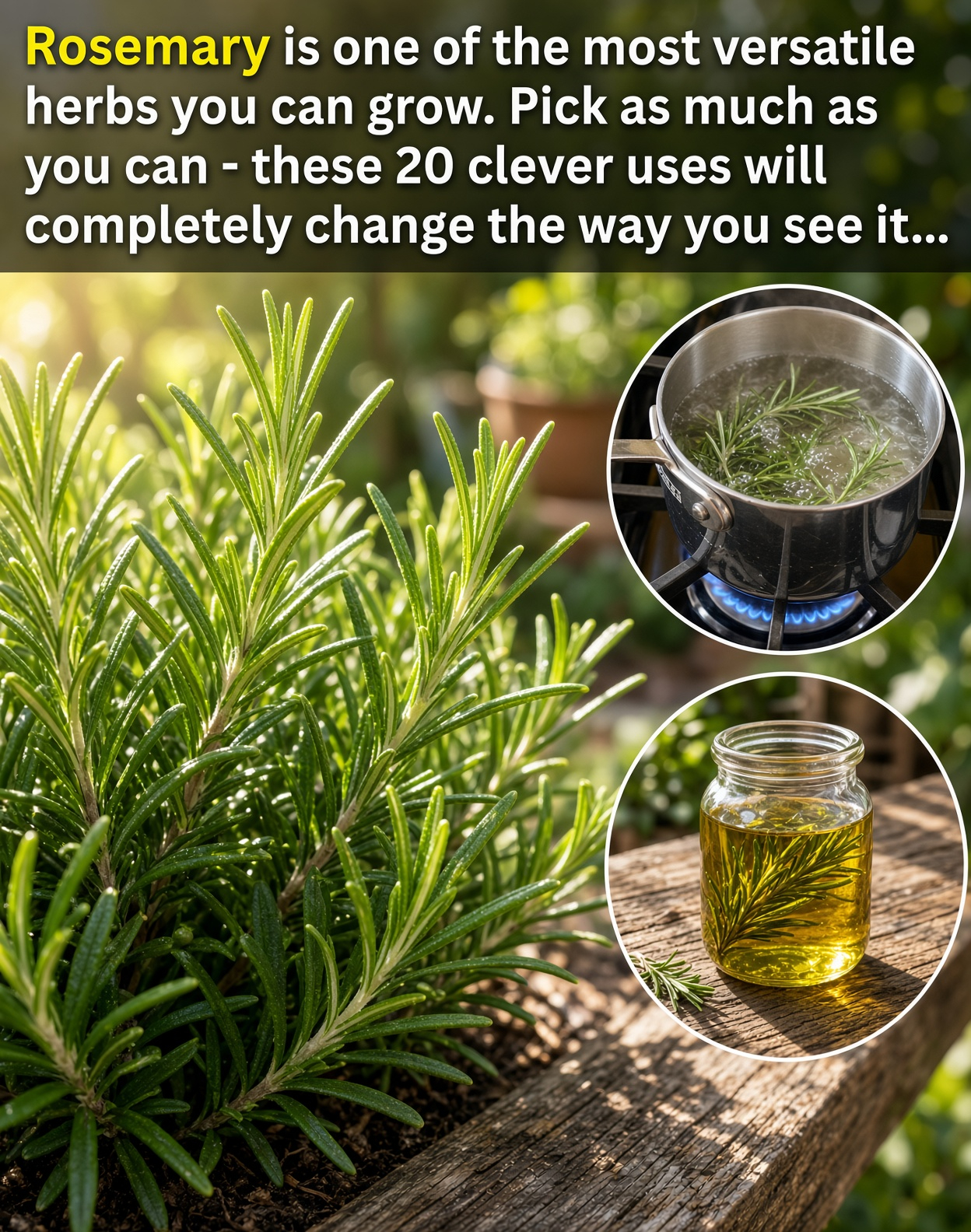
Rosemary is especially useful because both the tender leaves and woody stems can have a purpose. It can be used fresh, dried, frozen, infused, chopped, or simply bundled for fragrance. The ideas below go far beyond sprinkling a little rosemary over roasted potatoes.
Why Rosemary Is Worth Growing
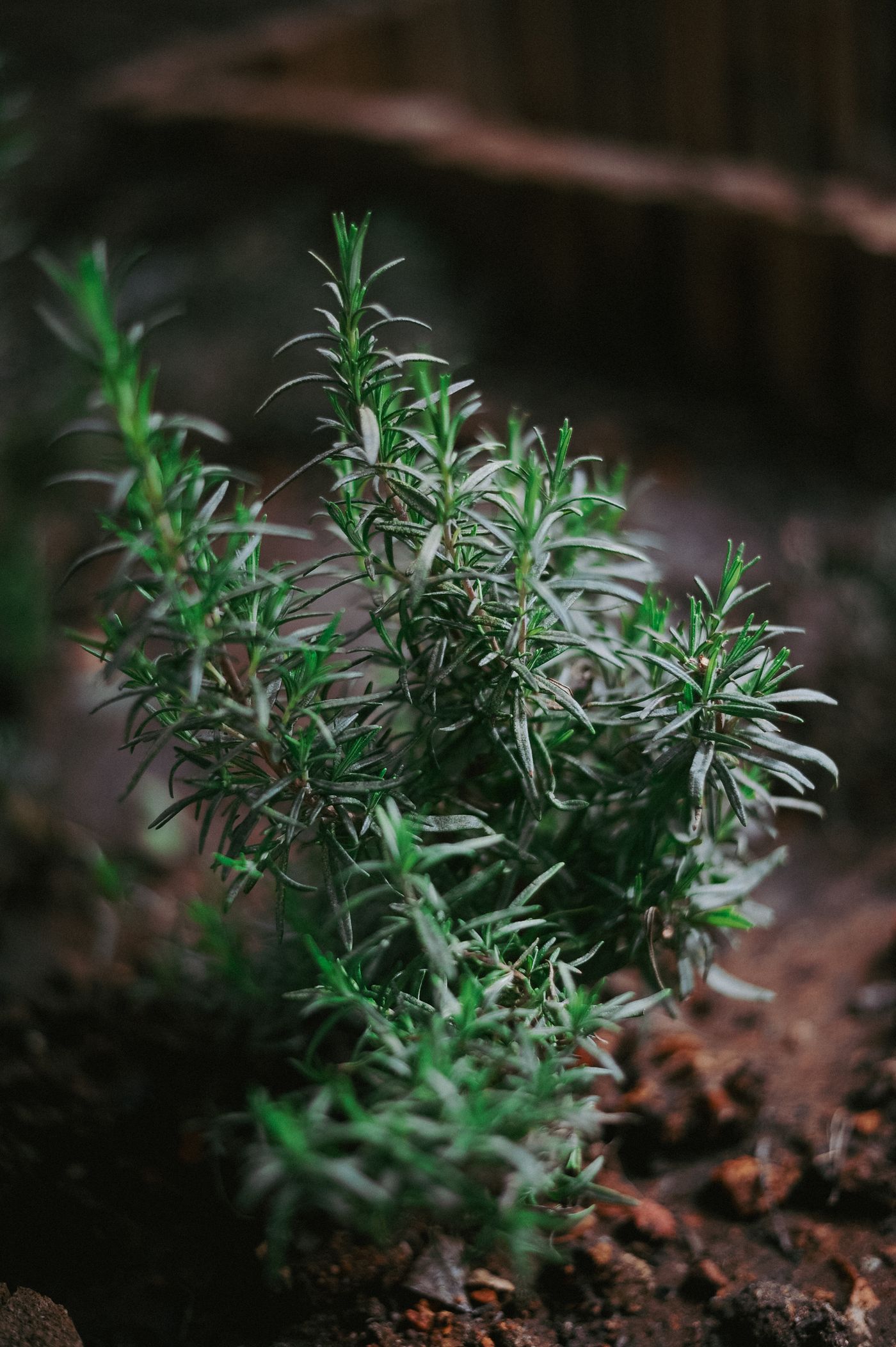
Rosemary is a perennial herb with aromatic, needle-like foliage. It performs best in plenty of sunlight and soil that drains well, and established plants generally prefer not to sit in constantly wet soil. Harvesting is simple: snip healthy stems as needed rather than stripping the entire plant at once.
When you have more than you can immediately use, drying and freezing are two practical ways to preserve the harvest. You can also transform fresh rosemary into flavored salts, butters, drinks, dressings, and decorative items.
20 Creative Ways to Use Fresh Rosemary
1. Make Rosemary Salt
Turn ordinary salt into a fragrant seasoning by combining it with finely chopped rosemary. Mix the chopped leaves with coarse or fine salt, spread the mixture on a plate or tray, and allow it to dry completely before storing it in an airtight jar.
Use it on roasted potatoes, vegetables, homemade bread, soups, eggs, or grilled dishes.
2. Make Rosemary Butter
Softened butter becomes much more interesting with finely chopped rosemary. Mix the herb into butter with a little garlic, black pepper, or lemon zest, then shape the mixture into a small log and refrigerate it.
Slice off pieces whenever you need a quick finishing butter for vegetables, bread, potatoes, or cooked meat.

3. Infuse Olive Oil for Cooking
Fresh rosemary can add a wonderful herbal note to olive oil. For a simple kitchen preparation, gently warm the oil with rosemary, then remove the herb and use the flavored oil promptly.
It is especially good drizzled over roasted vegetables, potatoes, pasta, or crusty bread.
4. Add Rosemary to Roasted Vegetables
You do not need a complicated recipe to use a large harvest. Toss potatoes, carrots, onions, squash, or other vegetables with olive oil, chopped rosemary, salt, and pepper before roasting.
The leaves become crisp and aromatic while the vegetables develop deeper flavor.
5. Season Chicken, Fish, or Other Savory Dishes
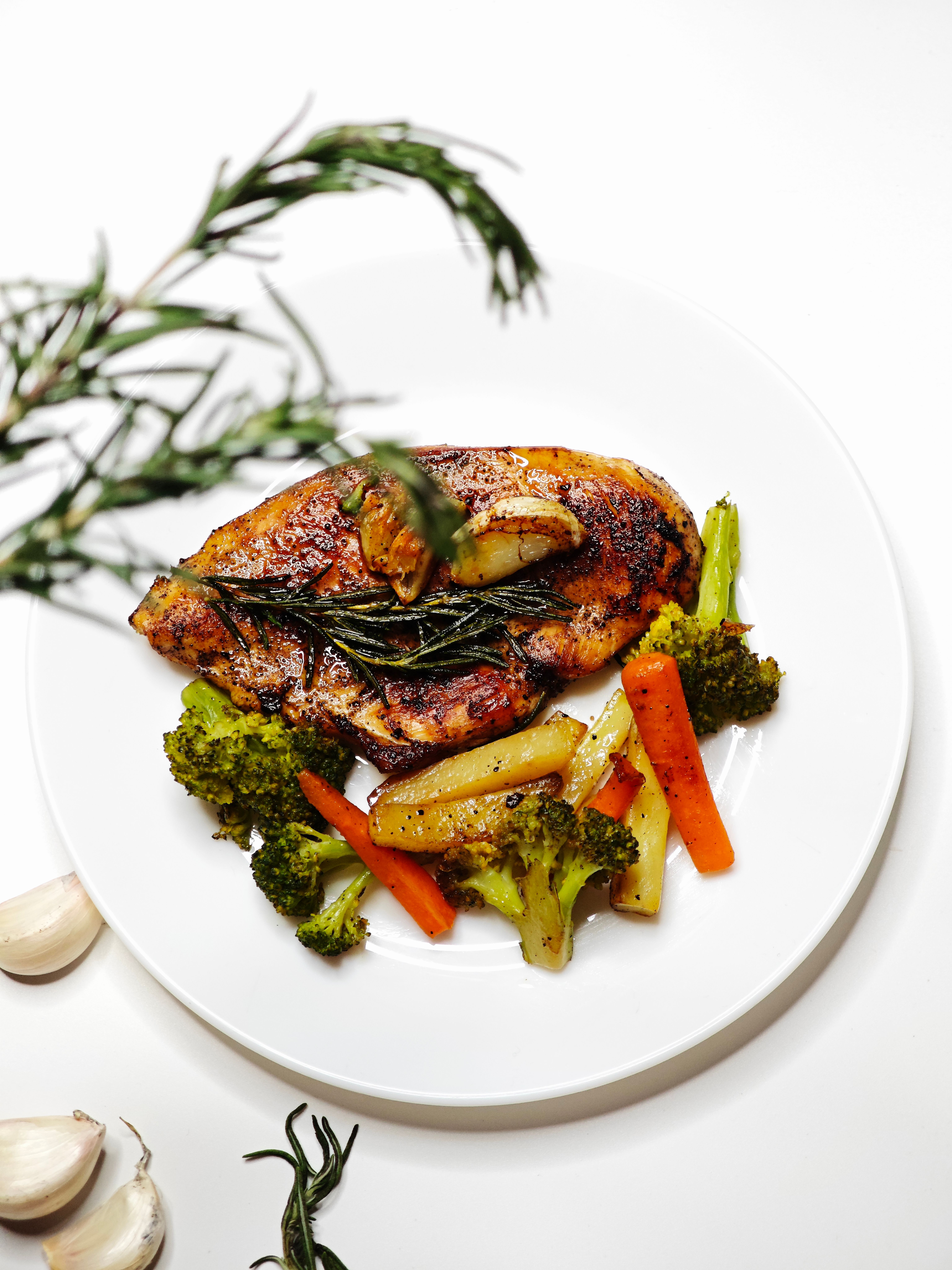
Rosemary pairs naturally with many savory dishes. Rub chopped leaves with olive oil, garlic, lemon zest, and black pepper, then use the mixture as a seasoning before cooking.
A few whole sprigs can also be placed beside food while it cooks to add aroma.
6. Make Rosemary Lemonade
For a refreshing drink, combine homemade lemonade with a small rosemary sprig. The herb adds a fragrant, slightly piney character that works surprisingly well with lemon.
You can also make a simple rosemary syrup by gently heating water, sugar, and rosemary, then cooling and straining the mixture before adding it to lemonade.
7. Freeze Rosemary in Ice Cubes
This is one of the easiest ways to preserve a large harvest. Remove the leaves from the stems, chop them, and place small portions into an ice-cube tray. Cover with water or olive oil and freeze.
Drop the cubes into soups, sauces, roasted vegetables, or other dishes whenever you want a quick burst of rosemary.

8. Make Rosemary Herbal Tea
A small amount of fresh rosemary can be steeped in hot water to make an aromatic herbal drink. Add lemon or a little honey if you enjoy a brighter flavor.
Because rosemary has a strong flavor, start with a modest amount rather than making the drink excessively concentrated.
9. Add Rosemary to Homemade Bread
Fresh rosemary is excellent in focaccia, flatbreads, dinner rolls, and savory biscuits. Chop the leaves finely and knead them into dough, or scatter them over the surface with olive oil and coarse salt before baking.
The combination of rosemary, olive oil, and warm bread is particularly hard to beat.
10. Make Rosemary Honey for Food
For a sweet-and-savory combination, gently infuse honey with rosemary. Add a clean rosemary sprig to honey, allow the flavor to develop, then remove the herb.
Use the flavored honey over toast, cheese, yogurt, fruit, or baked goods. Keep the preparation refrigerated if your recipe requires it and follow normal food-storage practices.
11. Create a Rosemary Salad Dressing
Finely chop a small amount of rosemary and whisk it with olive oil, lemon juice or vinegar, mustard, salt, and pepper. Letting the dressing rest for a little while allows the herb’s aroma to spread through the mixture.
Try it over green salads, roasted vegetables, grain bowls, or beans.
12. Make Rosemary Sugar
Rosemary is not only for savory recipes. Finely chop a small amount of dried rosemary and mix it with granulated sugar. The result can be used sparingly in lemon desserts, shortbread, fruit dishes, or homemade syrups.
Pairing rosemary with lemon, orange, or berries creates an especially interesting flavor combination.
13. Dry Rosemary for Year-Round Use
If your plant produces more than you can use fresh, drying is one of the simplest preservation methods. Harvest clean stems, tie small bundles, and hang them in a dry, well-ventilated place away from strong direct sunlight.
Once completely dry, strip the leaves from the stems and store them in an airtight container away from heat and light.

14. Make a Rosemary Kitchen Bouquet
Fresh rosemary can double as simple kitchen décor. Gather several long stems with other herbs or flowers and place them in a small jar or vase.
It is an easy way to bring the look and fragrance of the herb garden indoors without buying a traditional bouquet.
15. Create a Dried Herb Sachet
Dry rosemary leaves and combine them with other fragrant dried herbs or citrus peel. Place the mixture inside a small breathable fabric pouch and keep it in a drawer, linen cupboard, or storage area.
This gives leftover rosemary a second life after it is no longer suitable for cooking.
16. Add Rosemary to a Table Centerpiece
Long rosemary stems can be arranged around candles, jars, flowers, or seasonal decorations. The woody stems hold their shape well, making them useful for rustic table arrangements.
For a simple centerpiece, combine rosemary with lemons, small branches, and a neutral-colored vase.
17. Use Rosemary Trimmings in Compost
Small amounts of leftover rosemary can be added to a healthy compost pile. Chop larger stems first so they break down more easily.
Do not rely on rosemary alone for composting; combine herb trimmings with a balanced mixture of green and brown materials.
18. Use Rosemary as a Garden Border
If your climate allows rosemary to remain outdoors year-round, its evergreen foliage can make an attractive informal border. Plant it where the soil drains well and where the mature plant has enough room to develop.
Regular light trimming can help maintain a neat shape while providing plenty of stems for harvesting.
19. Make Rosemary Vinegar for the Kitchen
Instead of using rosemary only as a dry seasoning, infuse it into vinegar for salad dressings and marinades. Place clean rosemary in vinegar, allow the flavor to develop, then strain the herb out.
White wine vinegar or apple cider vinegar can create different flavor profiles. Use the finished vinegar in dressings, sauces, or vegetable marinades.
20. Use Woody Rosemary Stems as Flavoring Sticks
Do not automatically throw away the woody stems after removing the leaves. Thick stems can be placed alongside food while it cooks to contribute aroma.
You can also use stripped stems as aromatic supports when preparing skewered vegetables or other foods, provided they are sturdy, clean, and appropriate for the cooking method. Remove them before serving.
How to Get More From Every Rosemary Harvest
The easiest way to avoid wasting rosemary is to divide each harvest into three groups: use some fresh, preserve some, and save a little for household or garden projects.
- Fresh: use tender sprigs in cooking, drinks, salads, and bread.
- Dried: preserve leaves for seasoning throughout the year.
- Frozen: store chopped rosemary in small portions for soups and cooked dishes.
- Decorative: use attractive stems in bouquets and table arrangements.
- Garden: compost suitable trimmings or use the plant as part of a sunny border.
A Few Rosemary Harvesting Tips
Harvesting regularly can help you make practical use of vigorous growth, but avoid removing huge amounts from a plant at one time. Snipping individual stems gives you flexibility and leaves plenty of foliage behind.
For the best flavor, use fresh leaves soon after harvesting or preserve them promptly. When drying herbs, make sure they are thoroughly dry before sealing them in a container. Any remaining moisture can encourage spoilage.
Rosemary also prefers good drainage rather than constantly wet conditions. If you grow it in a container, make sure the pot has drainage holes and avoid leaving the roots sitting in water.
Final Thoughts
A large rosemary bush is not a problem—it is an opportunity. Once you stop thinking of rosemary as an herb used only for roasted potatoes and meat, the possibilities become much wider.
You can turn the harvest into seasoned salt, herb butter, infused oil, lemonade, bread, salad dressing, frozen herb cubes, dried seasoning, decorative arrangements, garden projects, and much more.
So the next time you trim your rosemary bush, save those extra sprigs. With a little creativity, almost every part of the harvest can find a useful purpose.