
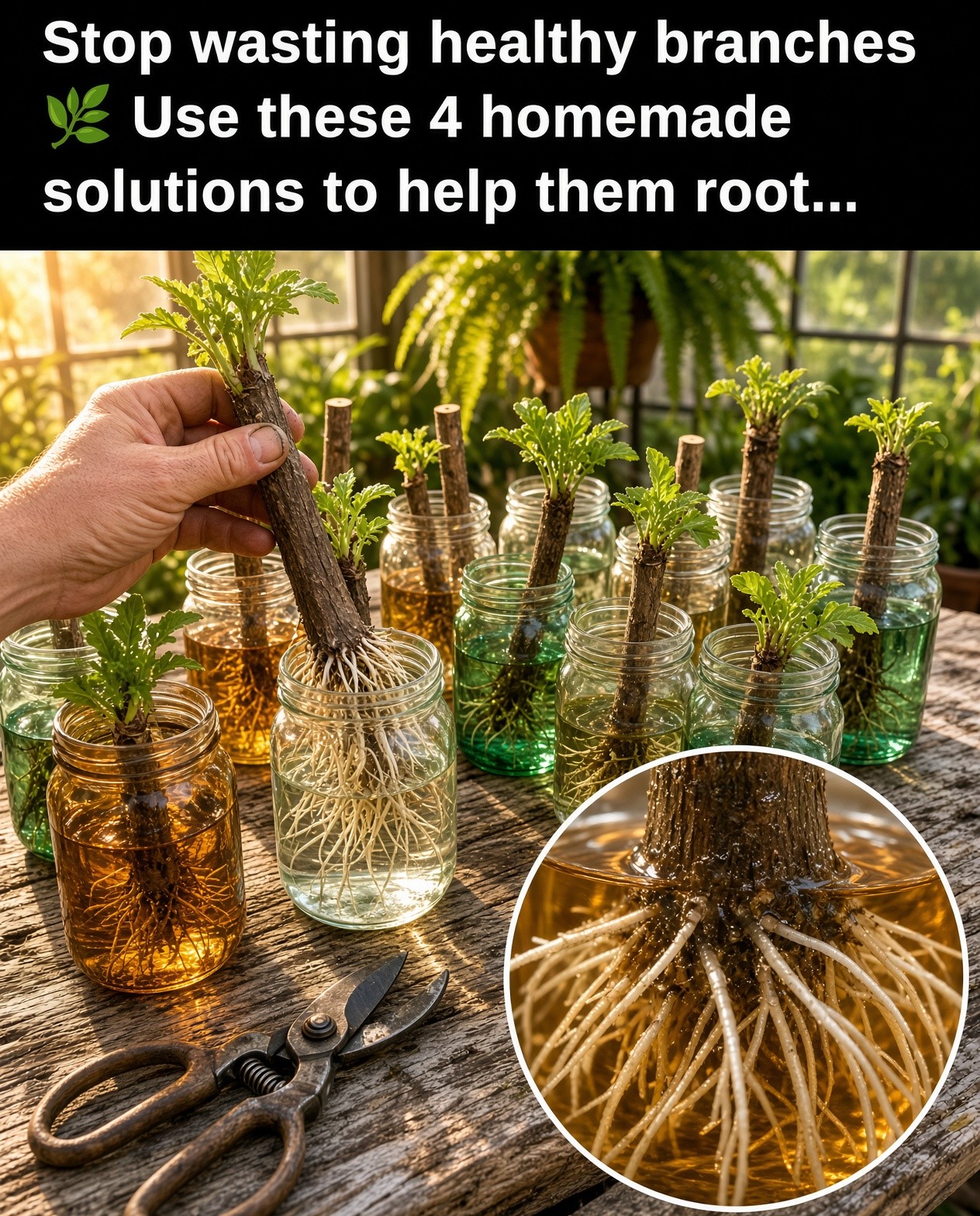
Root cuttings can produce multiple new plants from a single parent plant, and gardeners have used this propagation method for generations. If you already have root cuttings and want to experiment with homemade rooting aids, the supplied source presents four simple options using familiar ingredients.

Why Choose Natural Rooting Solutions?
Commercial rooting products are optional, and the source presents homemade approaches as convenient alternatives for gardeners who want to work with ingredients already at home. It describes natural solutions as gentler options while stressing that rooting hormones are not mandatory for root development.

4. Apple Cider Vinegar Dip
Mix 2–3 tablespoons of apple cider vinegar into one gallon of water. The source says to dip the cut end of the root cutting into this diluted solution before planting it in potting soil. It presents acetic acid as the reason this homemade option may help stimulate rooting.
3. Comfrey Tea Spray
Comfrey tea is commonly used as a garden fertilizer, and the source also presents it as an option for root cuttings. Brew a strong comfrey tea, transfer it to a spray bottle, and mist the cuttings. The source notes that results may take time.

2. Honey Dip
The source describes honey as having antimicrobial properties that may help protect cuttings from disease and fungal problems. It also gives an important caution: there is little scientific evidence supporting honey as an effective rooting hormone. The suggested method is to dip the cut ends in a small amount of diluted honey water before planting.

1. Aloe Vera Dip
For the aloe method, cut a small piece of aloe vera, split it open, and scoop the clear gel into a bowl. Dip the cut ends of the root cuttings into the gel before planting them in potting soil. The source presents aloe gel as containing natural compounds associated with root development.

How to Apply a Homemade Dip
Whichever method you choose, the source follows the same basic pattern: prepare the homemade solution, treat the cut end, and then plant the cutting in potting soil. The homemade ingredient is only one step in propagation; the cutting still needs suitable planting conditions afterward.

Give Root Cuttings Time
Natural preparations are not presented as instant fixes. The source specifically notes that comfrey results may take time, while its conclusion stresses that rooting solutions are optional. A root cutting still needs suitable conditions and patience, and not every cutting will respond in exactly the same way.
Natural Does Not Mean Guaranteed
It is easy to assume that a homemade ingredient must work simply because it is natural, but the source itself gives a useful caution with honey: traditional gardening experience is not the same thing as strong scientific evidence. These methods are best treated as optional experiments rather than guarantees.
A Simple Way to Try the Four Methods
If you want to experiment with the four approaches, the source gives you aloe vera, honey, comfrey tea, and diluted apple cider vinegar as accessible options. It does not establish a ranking of success between them. Instead, it presents four homemade alternatives that can be tried according to what you already have available.

Keep the Planting Medium Suitable
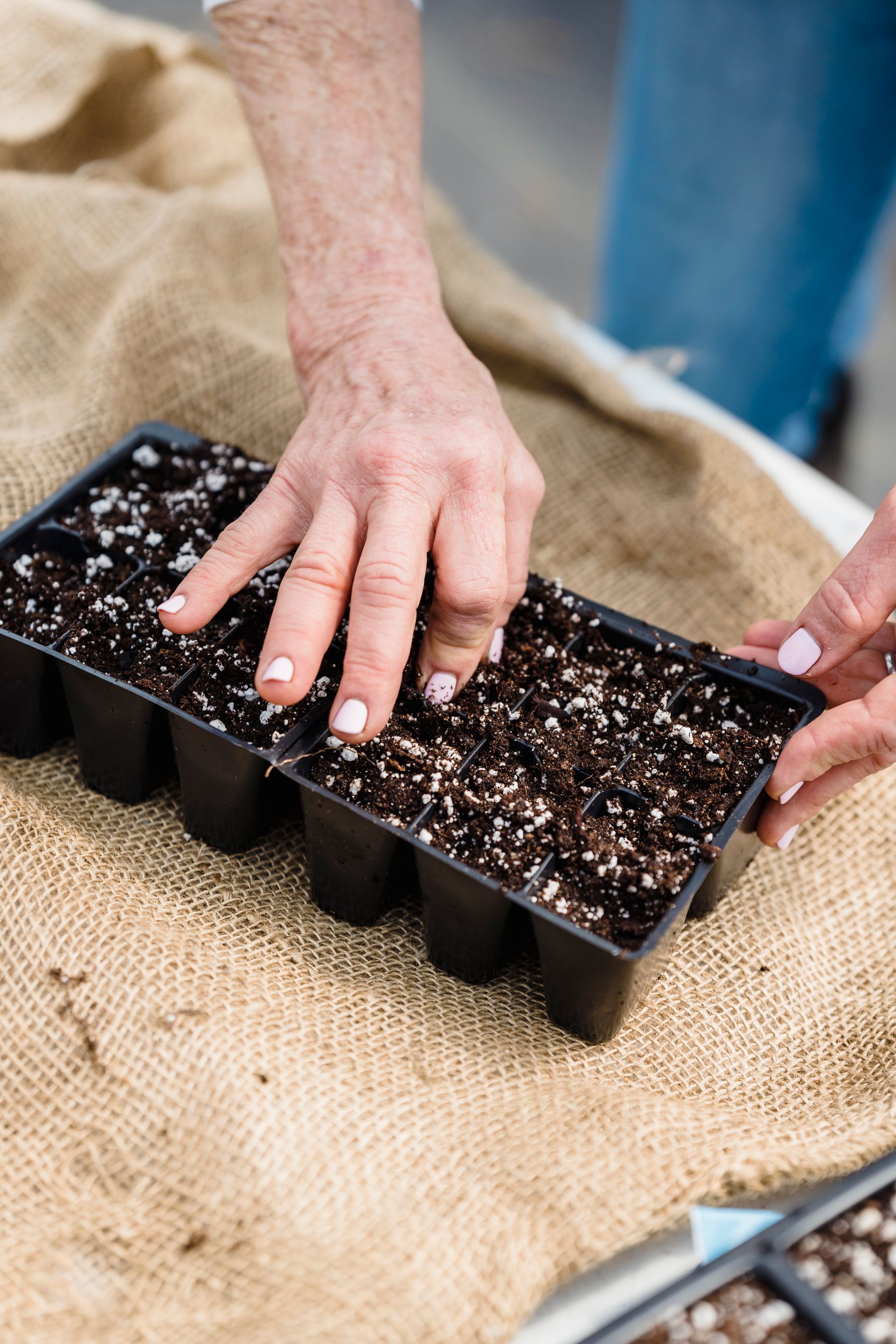
All four methods are followed by planting the treated cutting in potting soil. The source does not prescribe a special soil recipe, so this version does not add one. The important source-based point is that a homemade treatment is only one part of the propagation process.
Why Rooting Hormone Is Optional
The source concludes that rooting hormones, whether store-bought or natural, are completely optional rather than mandatory. A rooting aid can be part of a gardener’s routine, but it should not be treated as the only thing that determines whether a cutting develops roots.

What the Four Methods Have in Common
Each method is designed to be simple and accessible. Apple cider vinegar uses a diluted solution, comfrey is brewed into tea, honey is diluted before dipping, and aloe vera is applied as fresh gel. The main appeal is convenience: the gardener can experiment without buying a commercial rooting product.

A Practical Reminder About Expectations
Propagation involves uncertainty. Even when a method is popular among gardeners, success can vary from one plant and cutting to another. The source supports keeping expectations realistic, especially because it explicitly notes limited scientific evidence for honey and says rooting hormones are optional.

Final Thoughts
Root cuttings do not necessarily need a store-bought rooting hormone. The supplied article presents four homemade possibilities—apple cider vinegar, comfrey tea, honey, and aloe vera—while emphasizing that these treatments are optional. If you enjoy experimenting in the garden, they offer simple ways to explore propagation with familiar household or garden materials.
Photographs are external Pexels image URLs; they are not embedded inside this HTML file.