
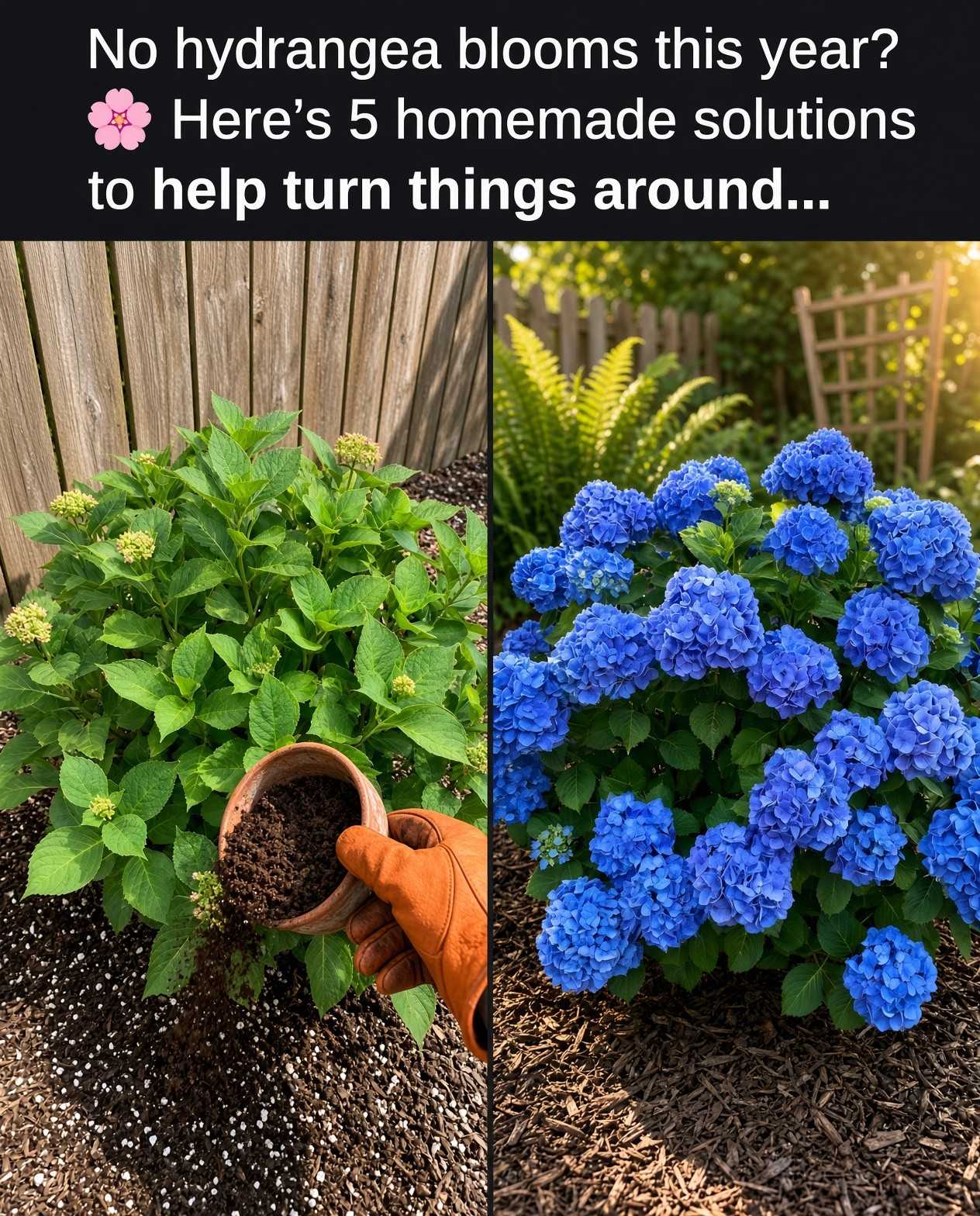
Few garden disappointments are more frustrating than a healthy-looking hydrangea that refuses to flower. The supplied Tiny Garden Habit article presents five homemade approaches—coffee grounds, eggshells, pruning, Epsom salt, and banana peels—and explains how each is meant to help.
1. Coffee Grounds
The source presents used coffee grounds as a simple homemade way to add organic material and potentially increase soil acidity. It recommends sprinkling used grounds around the base of hydrangeas, gently mixing them into the top layer, and repeating every few weeks during the growing season.

2. Eggshells
The source recommends rinsing, drying, crushing, and scattering eggshells around the base of hydrangeas. It describes them as a calcium source and says they may also help deter slugs and snails. Work the pieces gently into the topsoil rather than piling them around the plant.

3. Pruning
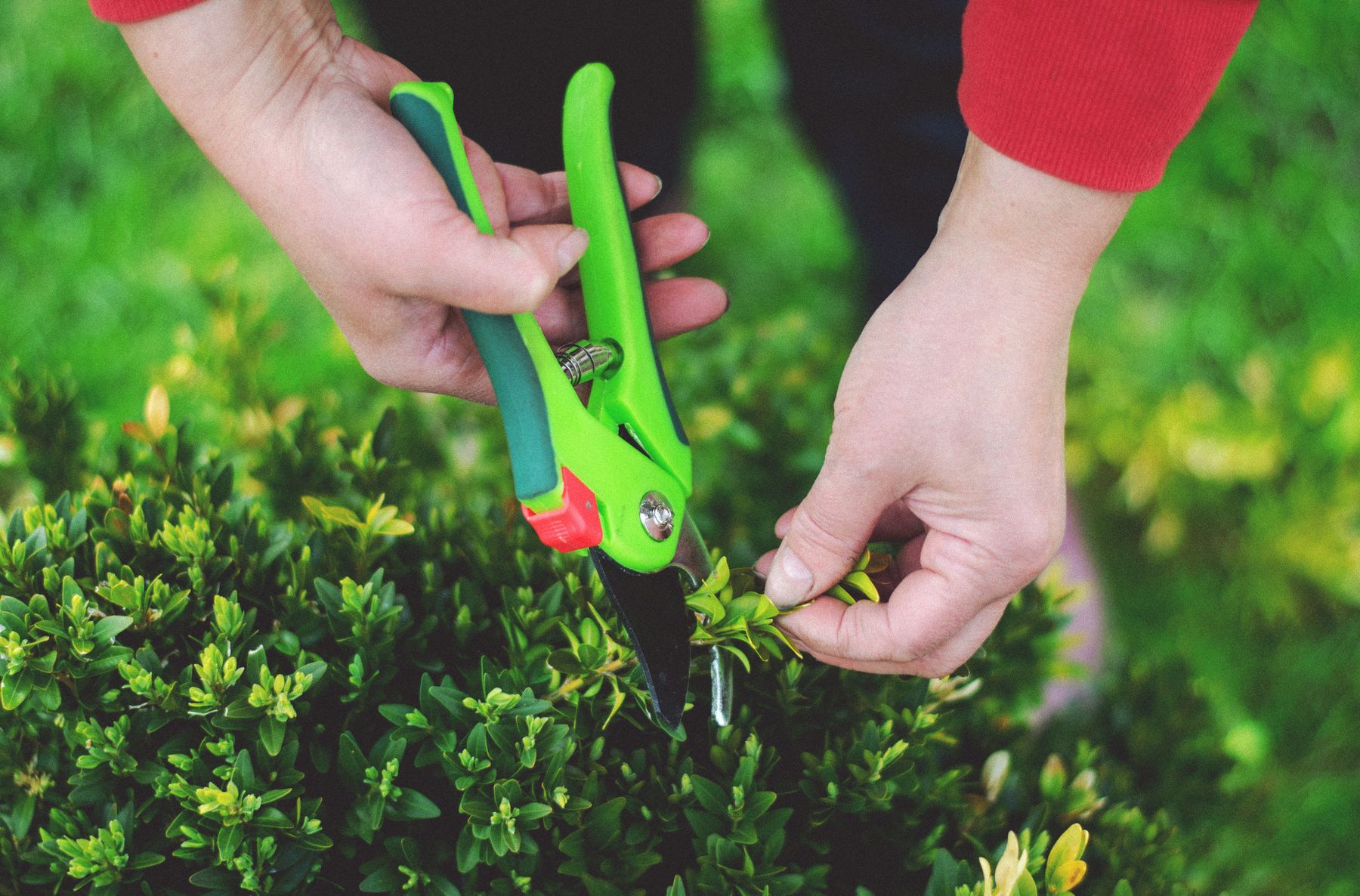
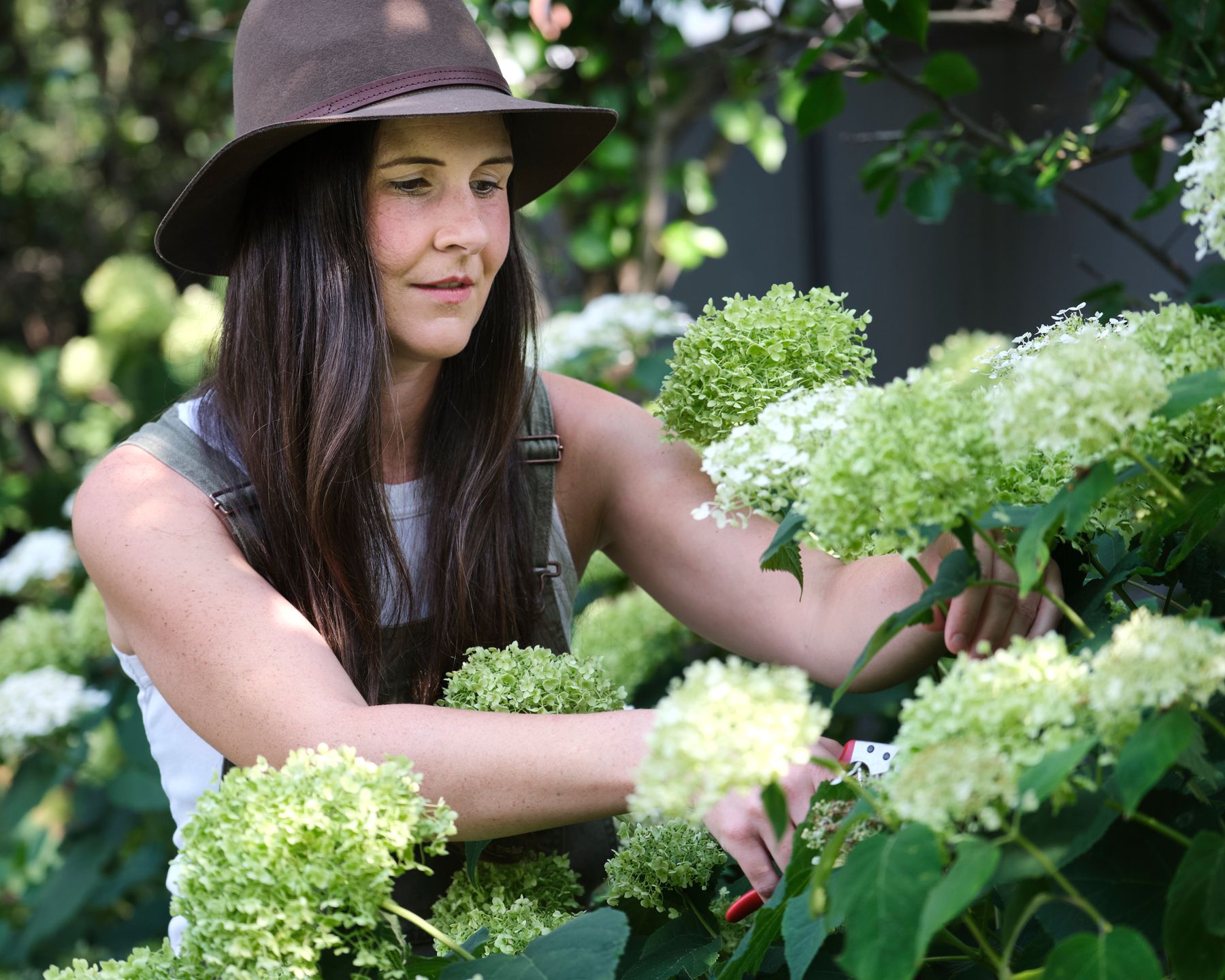
Pruning is included because cutting at the wrong time can remove flower-producing growth. The source says to identify the hydrangea type first, such as mophead, lacecap, or panicle. Remove dead or weak stems and spent flowers while respecting the plant’s flowering habit.
4. Epsom Salt
The source presents Epsom salt as a magnesium source and suggests dissolving one tablespoon in a gallon of water, then watering hydrangeas with the solution once a month during the growing season. The article connects this with correcting magnesium deficiency and supporting plant health.

5. Banana Peels
Banana peels are presented as a homemade potassium source. The source suggests chopping the peels and burying them around the plant, or blending them with water and applying the mixture around the base. It connects potassium with stronger stems and flower development.
Start With the Real Reason Your Hydrangea Is Not Blooming
Homemade additions are only one part of the picture. Hydrangeas can fail to bloom because of light, pruning timing, watering, fertilizer balance, soil conditions, environmental stress, or the particular variety. Too much nitrogen can also encourage lush foliage at the expense of flowers.
Light Matters
The related source guidance says hydrangeas need substantial light to form buds, while excessive sun and heat can scorch foliage. A useful target is roughly four to six hours of sunlight, with protection from harsh afternoon exposure where needed. Nearby plants creating excessive shade can also interfere with flowering.
Water Consistently
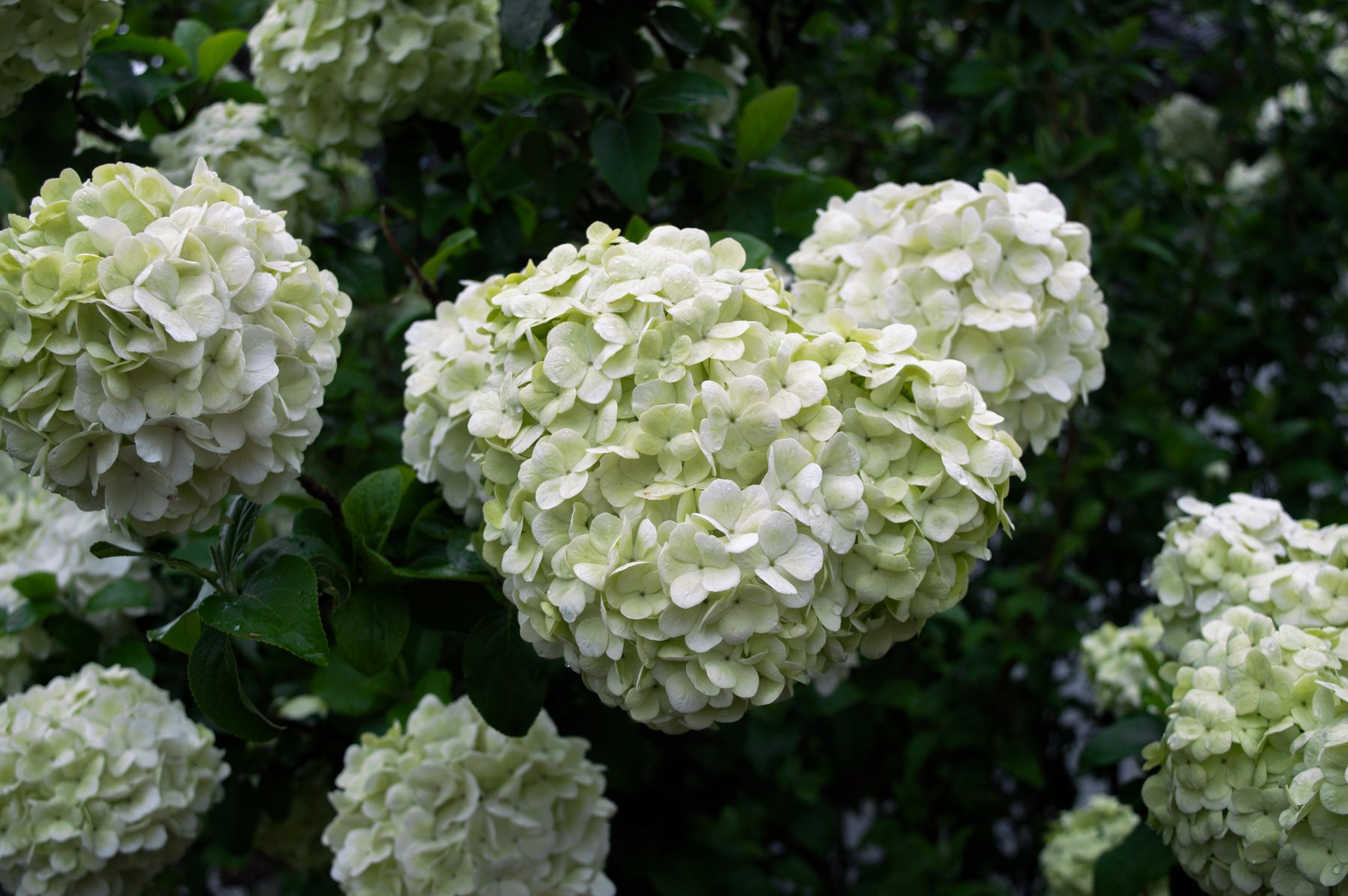
Hydrangeas need consistent moisture. The related guidance recommends deep, regular watering rather than occasional shallow drinks, while avoiding soggy conditions. Both drought stress and overwatering can create problems.
Avoid Excess Nitrogen
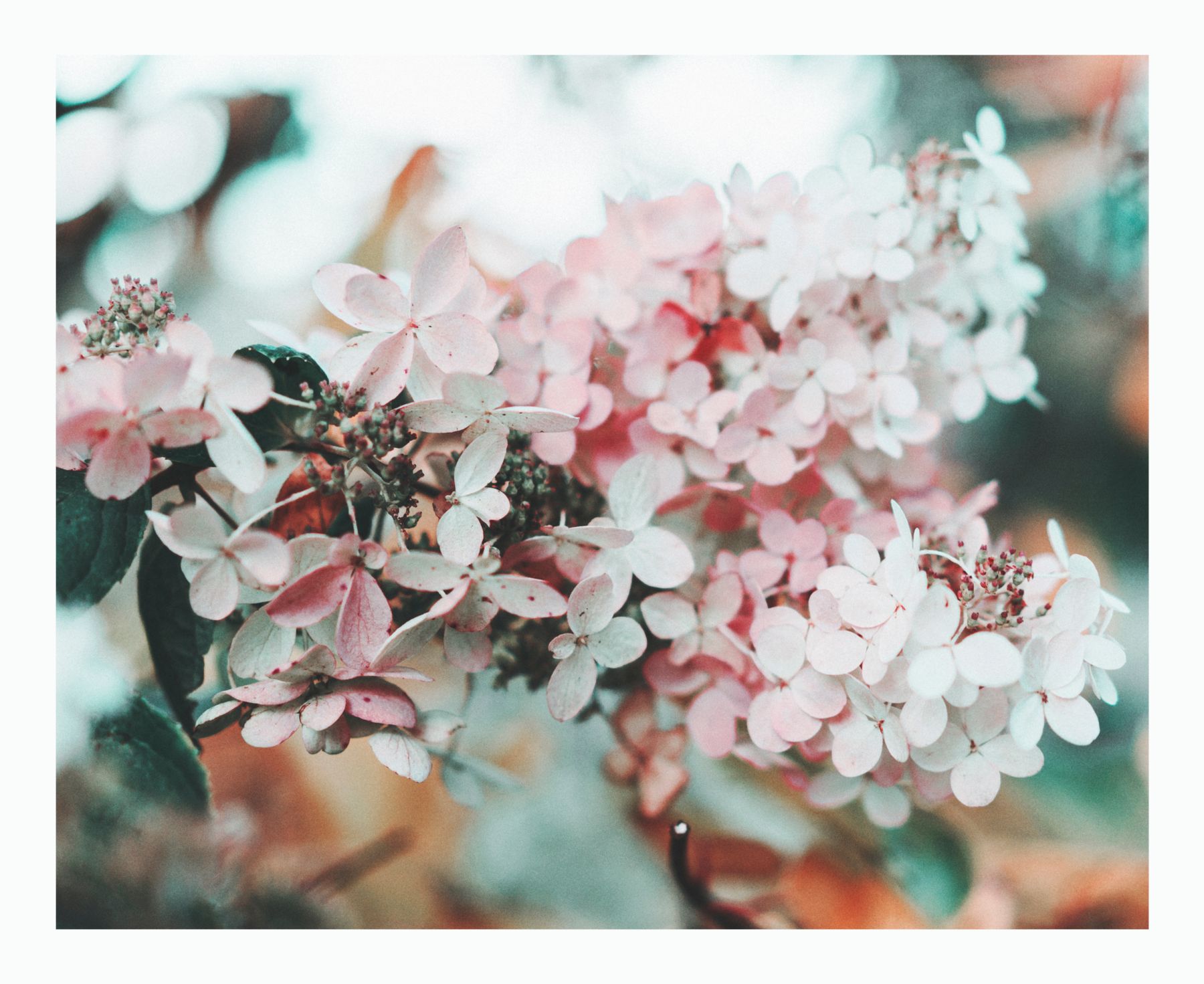
Too much nitrogen can push hydrangeas toward vigorous leaf growth while flowering suffers. Soil testing is preferable to blindly adding fertilizer. A leafy plant with few flowers may need better timing, light, watering, or pruning rather than another dose of nitrogen.
Check the Soil Before Changing It
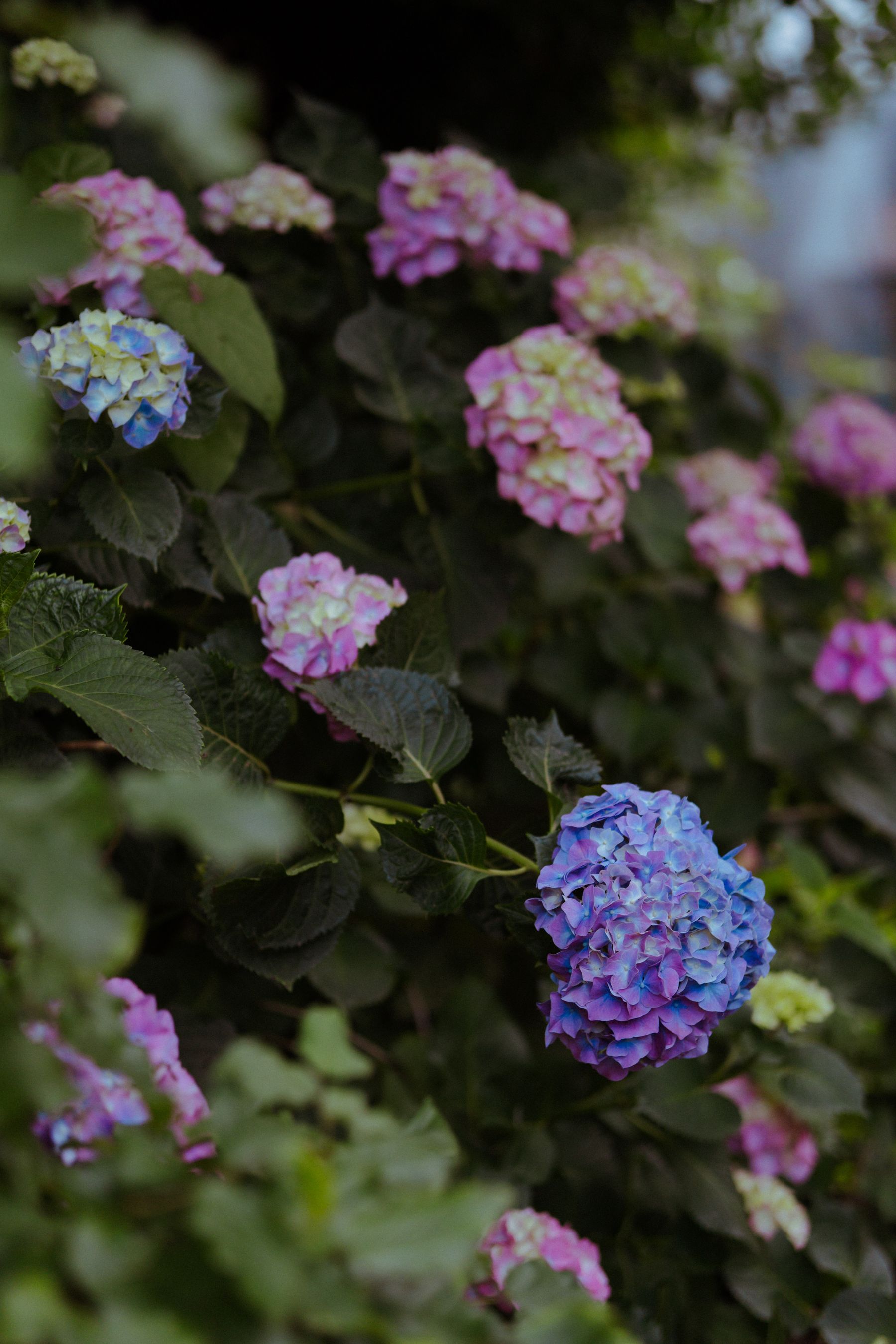
The source recommends testing soil pH rather than guessing. Soil conditions can influence nutrient availability and, for some hydrangeas, flower color. If adjustments are needed, use soil-test results to guide them.
Know Whether Your Hydrangea Blooms on Old or New Wood
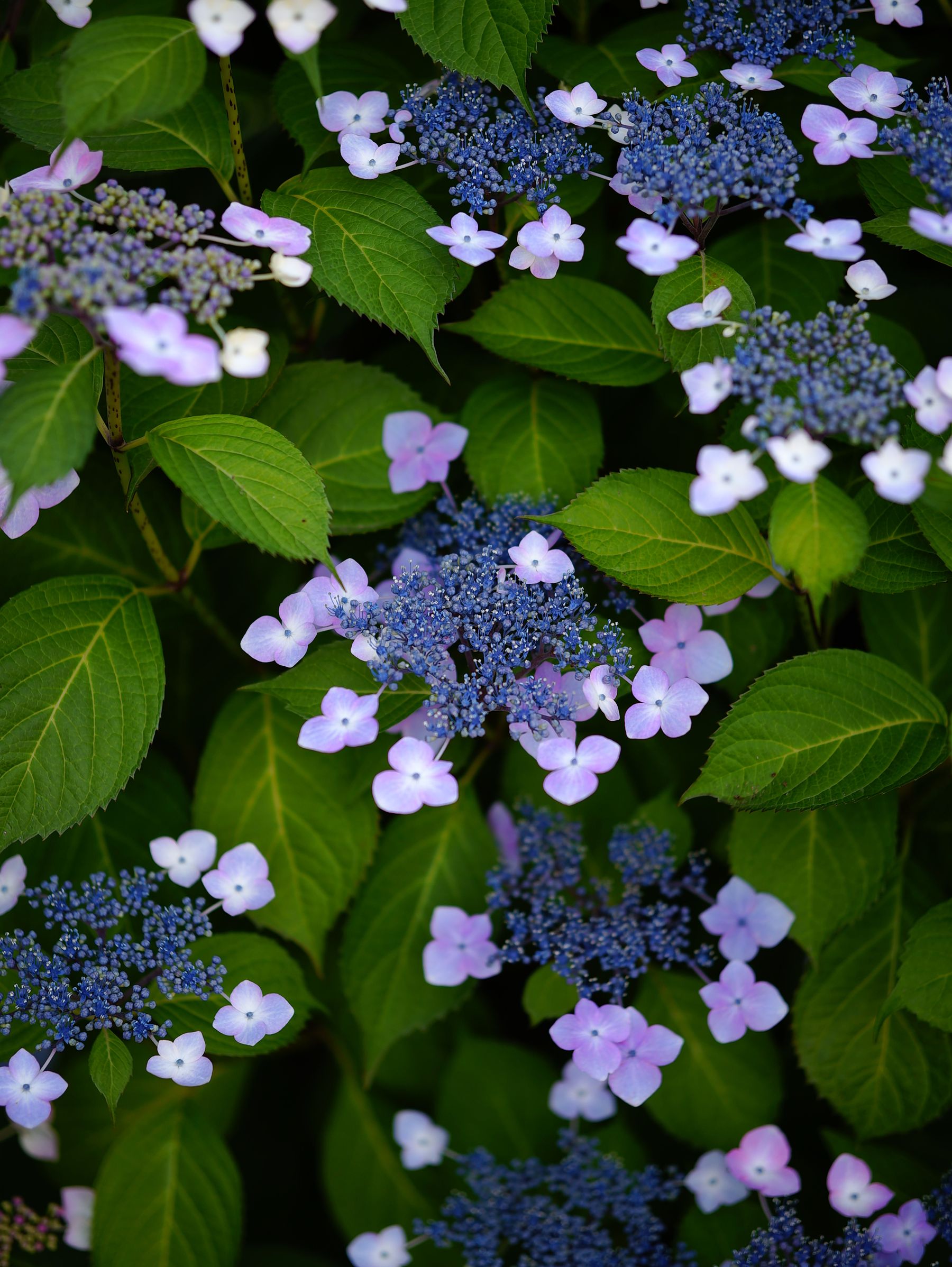
Hydrangeas are not all pruned the same way. Bigleaf and other old-wood bloomers can lose future flowers if cut at the wrong time, while panicle hydrangeas bloom on new growth and can be pruned differently. Identify the plant before making major cuts.
Patience Is Part of the Process
The supplied article ends by reminding gardeners that homemade methods may take time. Treat these practices as small garden experiments and continue with sound basic care. Healthy light, moisture, suitable nutrition, and correct pruning remain central to flowering.
Final Thoughts
The five homemade solutions in the source are coffee grounds, eggshells, pruning, Epsom salt, and banana peels. They are presented as simple ways to improve conditions around hydrangeas, but flowering problems can have several causes. Identify the plant, check its growing conditions, and avoid major pruning mistakes before assuming a homemade amendment is the answer.
Photographs are external Pexels image URLs; they are not embedded inside this HTML file.