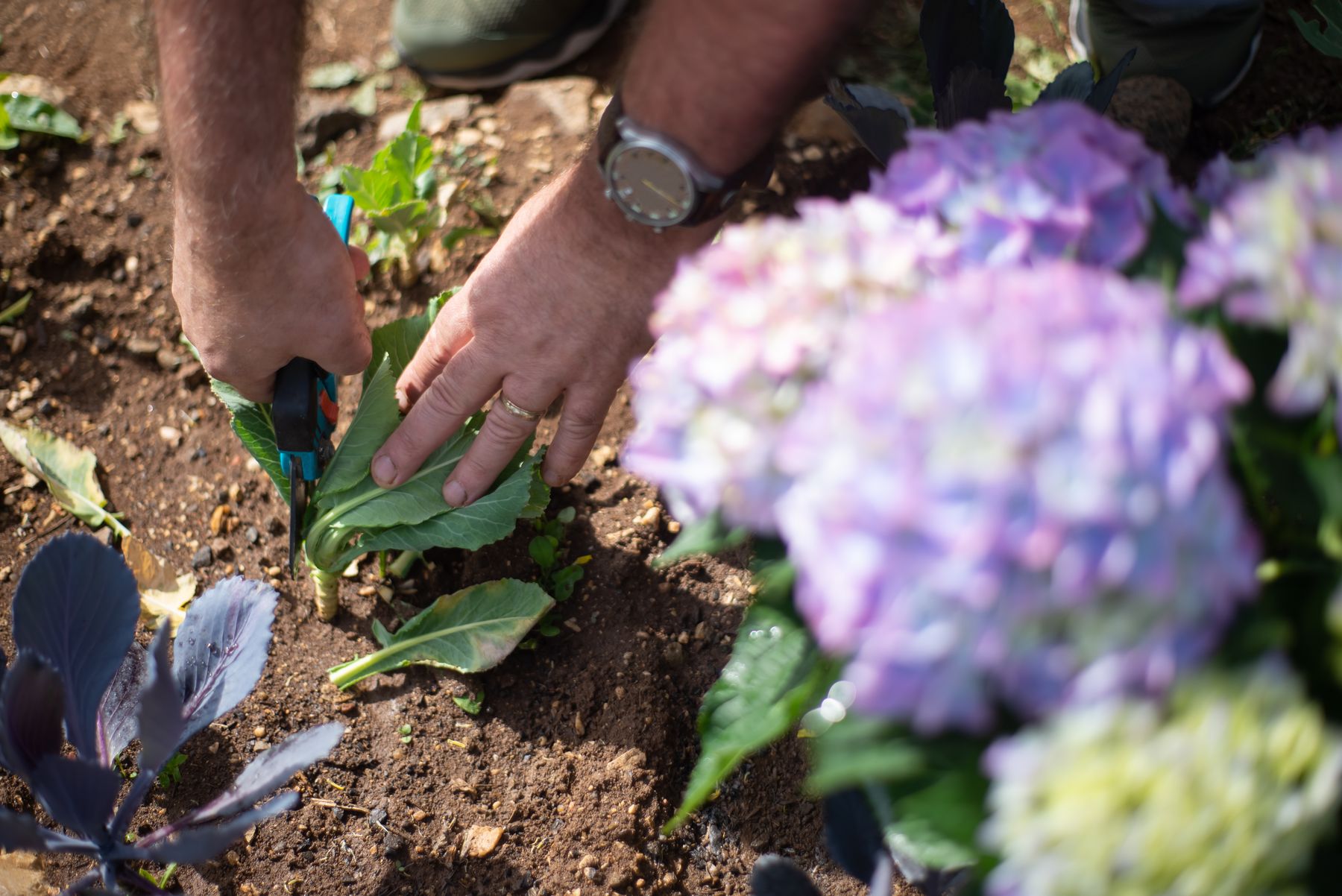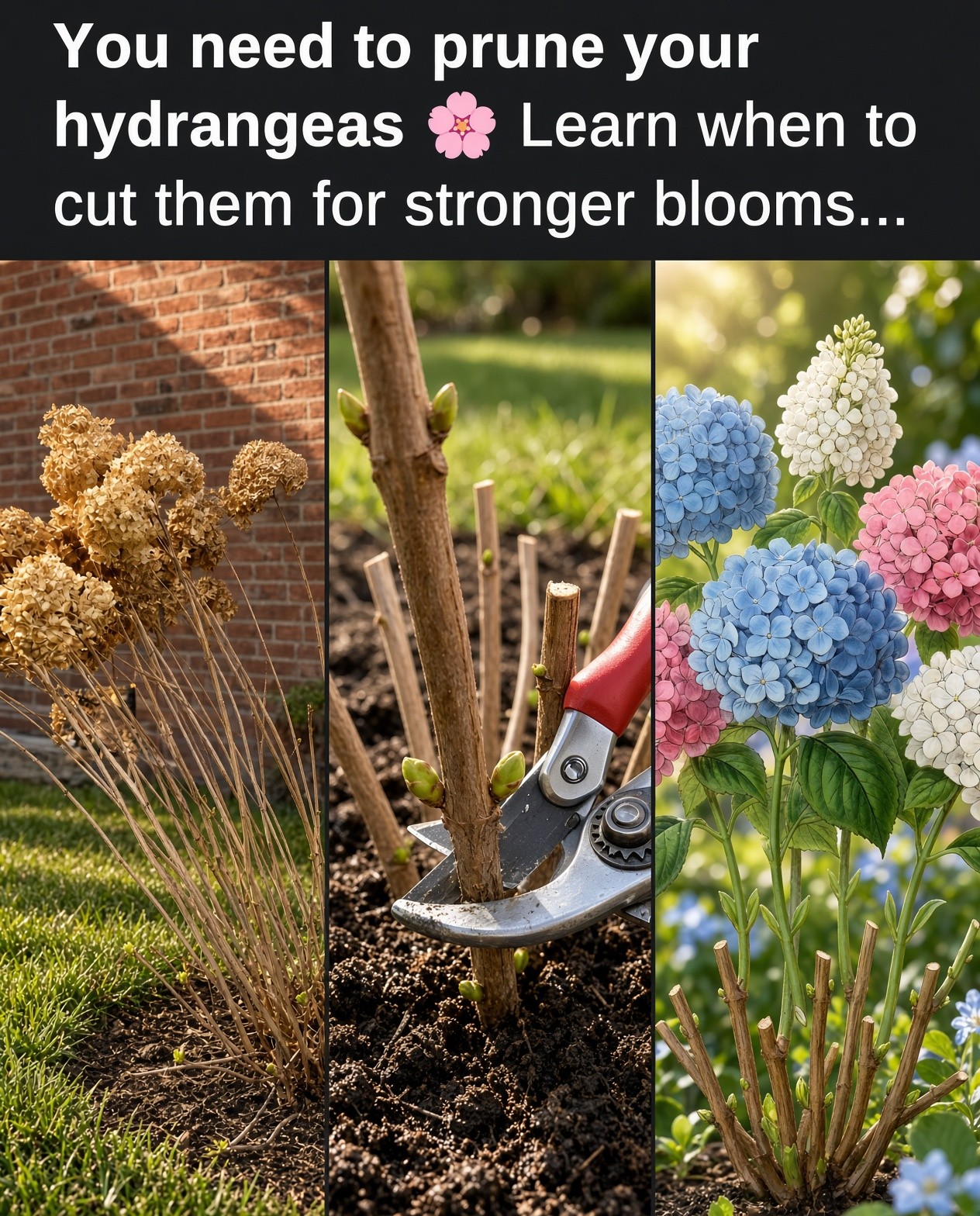
Hydrangea pruning becomes much easier when you first identify where your plant forms its flower buds. Some bloom on old wood, some on new wood, and reblooming types can use both. Get the timing right and pruning becomes a useful cleanup rather than a gamble with next season’s flowers.
Does Your Hydrangea Actually Need Pruning?
Hydrangeas do not automatically need a hard pruning every year. If a shrub is healthy, flowering well, and already fits its space, a light cleanup may be all it needs. Pruning is most useful when you need to remove weak or damaged growth, open up a crowded plant, refresh an older shrub, or control its shape. The most important point is timing: the wrong cut at the wrong time can remove the stems carrying next season’s flowers. Before reaching for the pruners, identify whether your hydrangea flowers on old wood, new wood, or both.
Old Wood, New Wood, or Both?
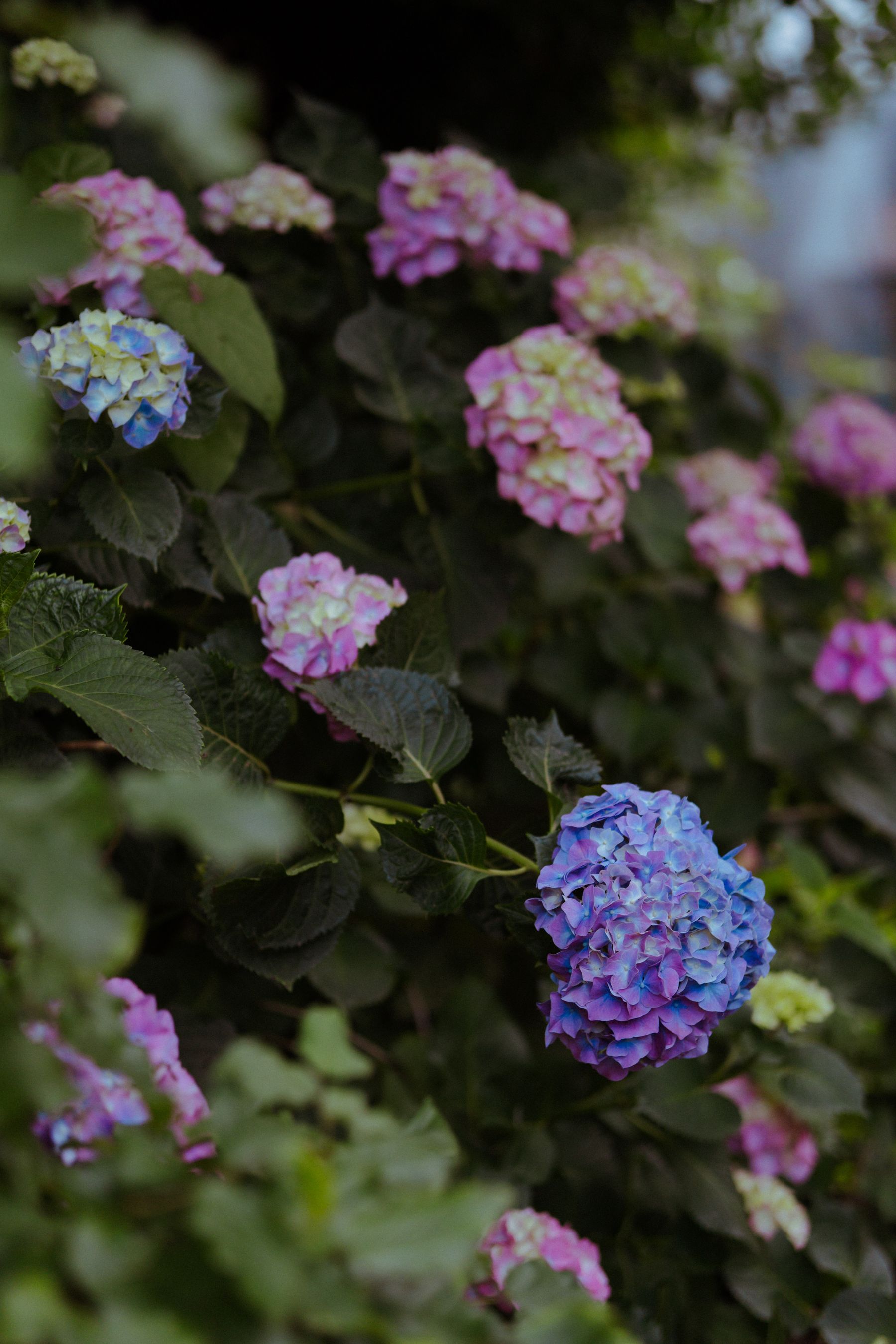
Old-wood hydrangeas form their flower buds on stems that grew during the previous season. New-wood hydrangeas form their flower buds on fresh stems produced during the current growing season. Reblooming hydrangeas can flower on both old and new wood. Because two hydrangeas can look surprisingly similar while needing completely different pruning schedules, flower shape alone is not a reliable identification method. When possible, check the plant label or cultivar information before making major cuts.
Old-Wood Hydrangeas: Timing Matters Most
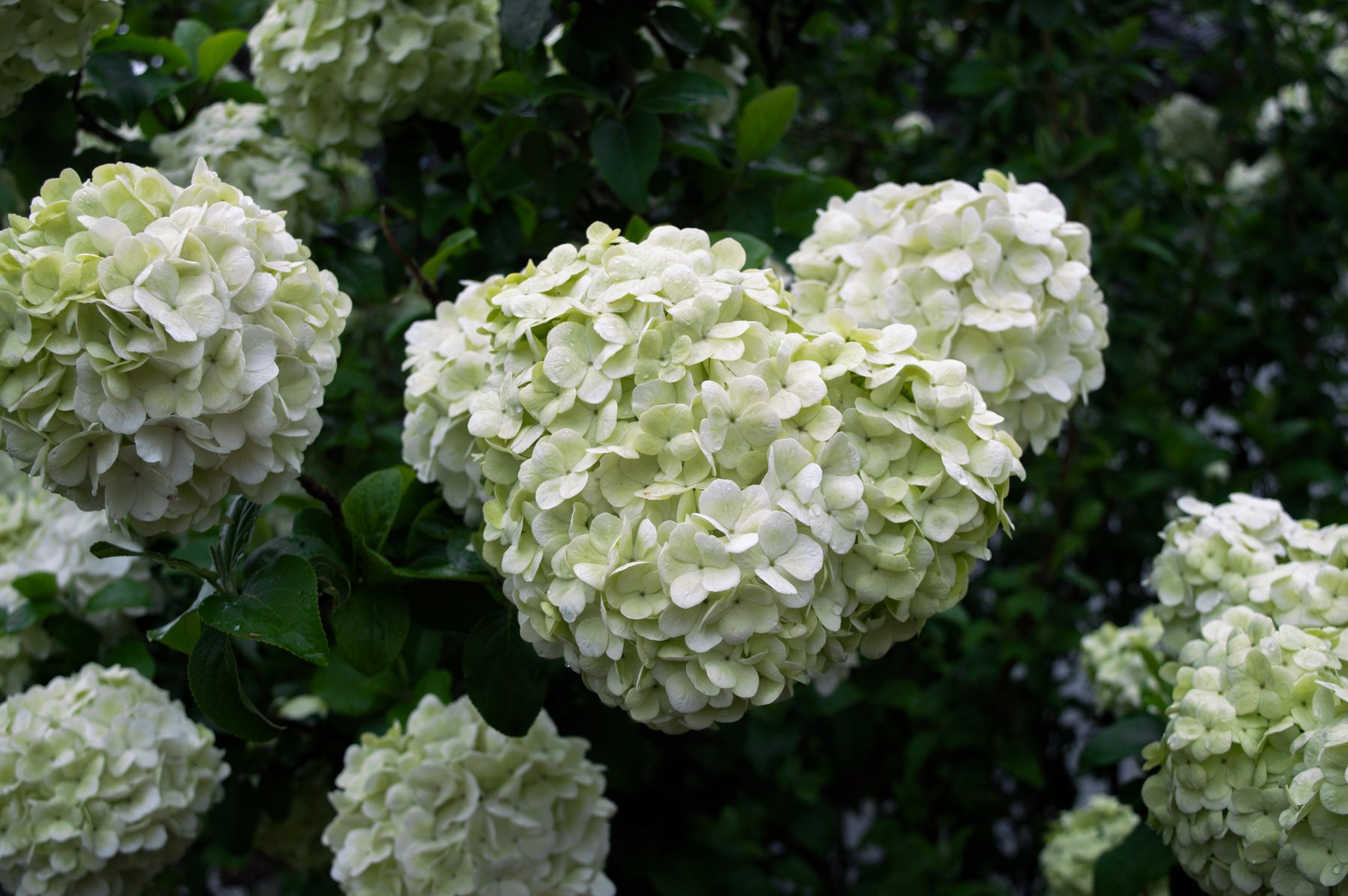
Traditional bigleaf hydrangeas (Hydrangea macrophylla), mountain hydrangeas (H. serrata), oakleaf hydrangeas (H. quercifolia), and climbing hydrangeas (H. anomala subsp. petiolaris) are the main old-wood group described in the source. Their important flower buds are already present on older stems before the next season begins. That means late pruning can remove the very buds you are hoping will flower. Bigleaf types often have broad serrated leaves and mophead or lacecap flowers, mountain hydrangeas tend to be smaller and finer-leaved, while oakleaf hydrangeas are recognizable by their deeply lobed leaves. Climbing hydrangeas usually need pruning only when they outgrow their space.
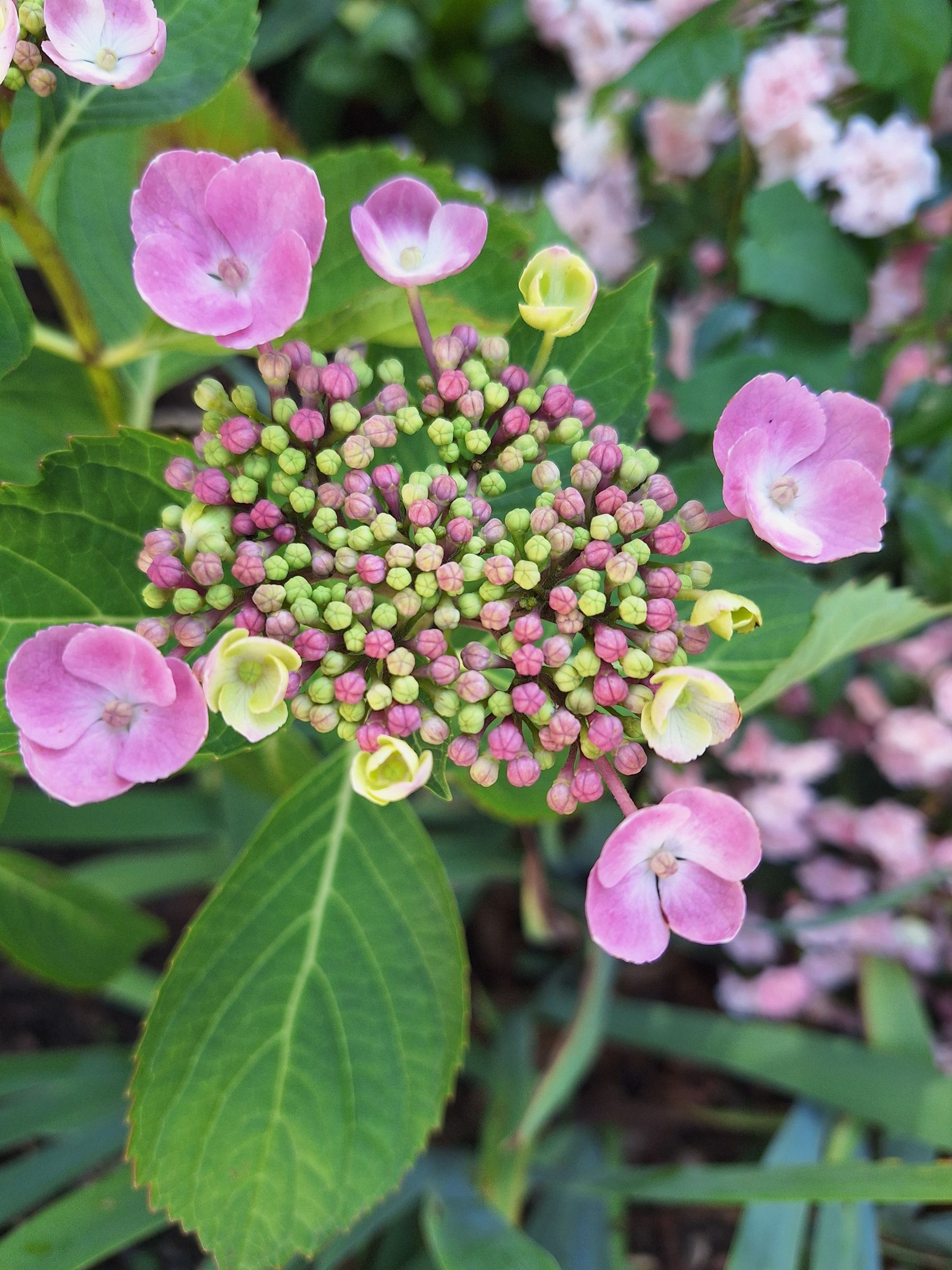
When to Prune Old-Wood Hydrangeas
For most shrub-form old-wood hydrangeas, the safest main pruning window is shortly after flowering finishes. Using the end of flowering as your guide is more useful than following one fixed calendar month because climate changes the timing from place to place. Once flowers fade, remove spent blooms just above a healthy pair of buds or leaves. You can also remove dead, damaged, or weak stems back to healthy growth or to the base, thin a few of the oldest stems if the shrub is badly crowded, and lightly reshape awkward branches. Avoid waiting until fall, winter, or early spring for the main pruning.
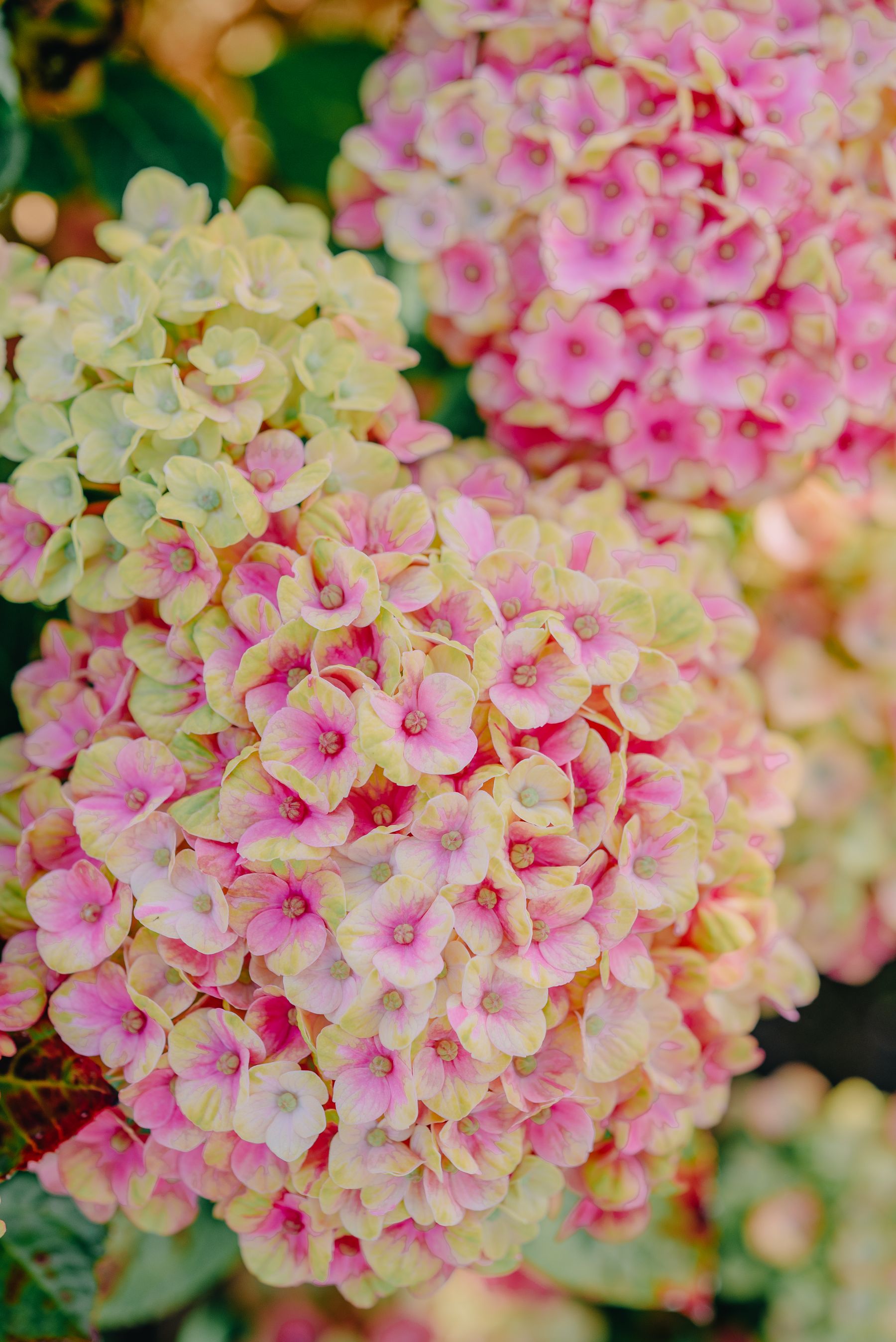
Do Not Prune a Bare Stem Too Quickly
After winter, some hydrangea stems can look completely lifeless even when they are still alive. Brown, bare wood is not automatically dead wood. Give the plant time to begin its spring growth before removing questionable stems. Swelling buds and new shoots make it much easier to see what survived. If you are still uncertain, use the simple scratch test: gently scrape a tiny section of bark with a fingernail. Green tissue underneath indicates living wood, while dry brown tissue usually means that section has died.
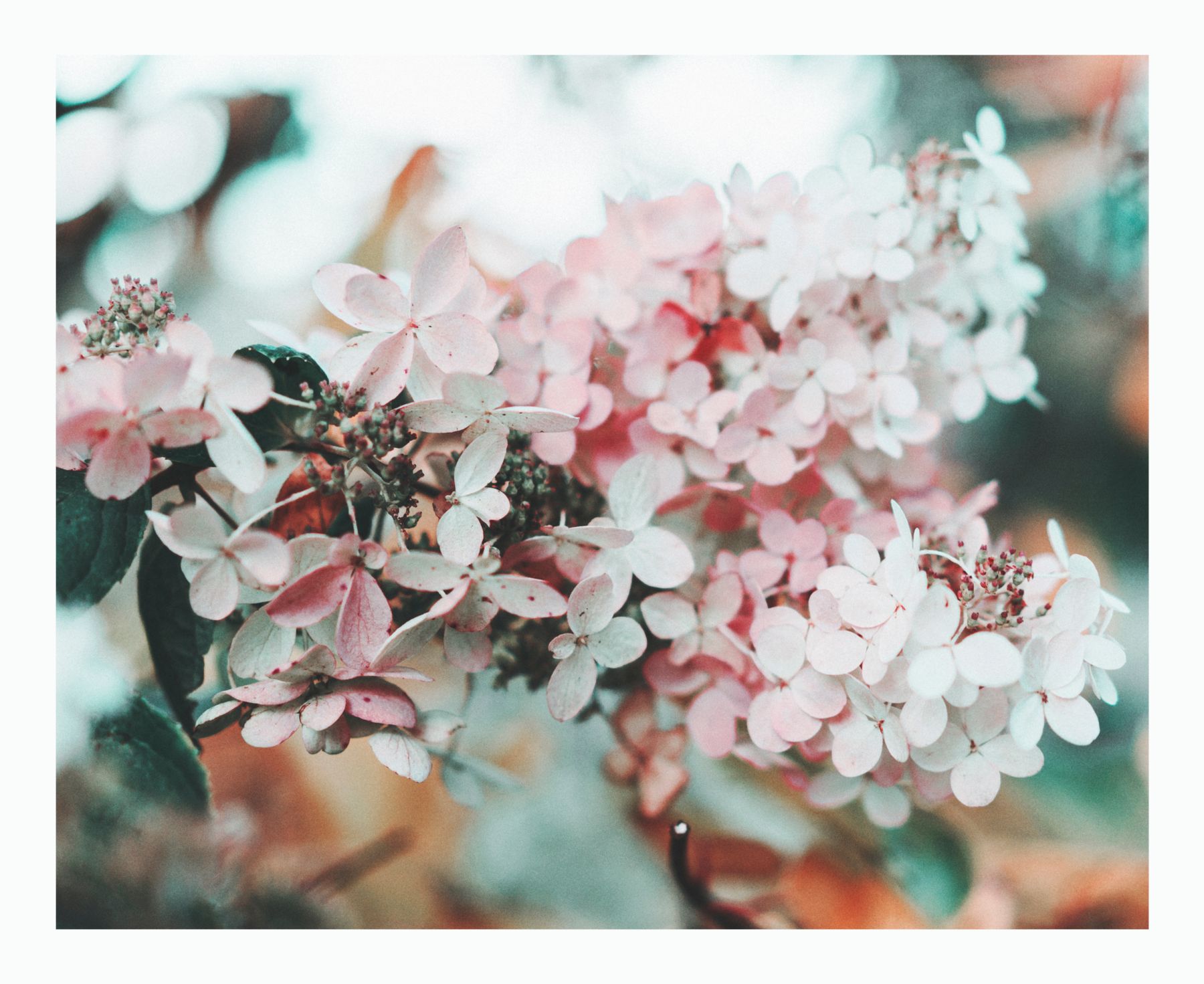
New-Wood Hydrangeas Are More Forgiving
Panicle hydrangeas (H. paniculata) and smooth hydrangeas (H. arborescens) flower on new wood, so their next season’s flower buds are formed on the fresh stems they produce that year. That makes them less vulnerable to losing the coming season’s flowers from winter pruning. Panicle hydrangeas are often recognized by cone-shaped flower clusters, while smooth hydrangeas generally have rounded flower heads, with ‘Annabelle’ being a familiar example. Even though these types tolerate more pruning, they still do not need a dramatic haircut if their size and shape are already good.
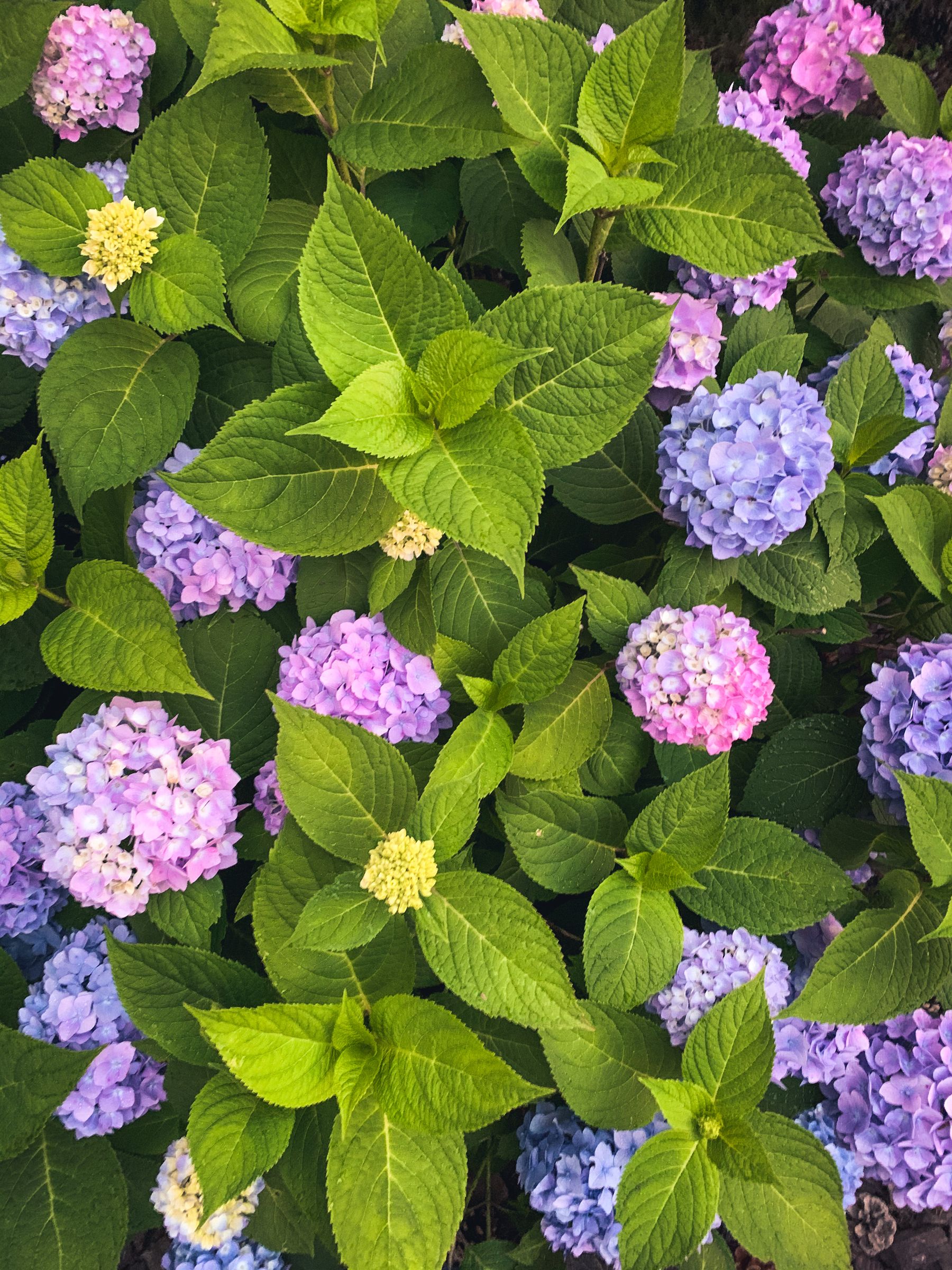
Prune New-Wood Types in Late Winter or Early Spring
For new-wood hydrangeas, the source recommends late winter to early spring while the plant is still dormant and before fresh growth really gets going. Start by removing dead, damaged, weak, or crossing stems. Panicle hydrangeas can be shortened as needed for shape and size, with cuts just above healthy buds, but there is no need to cut them nearly to the ground every year. Established smooth hydrangeas can be pruned more heavily when necessary, down to roughly 6 to 12 inches above the ground. Young smooth hydrangeas are better left alone for a season or two.
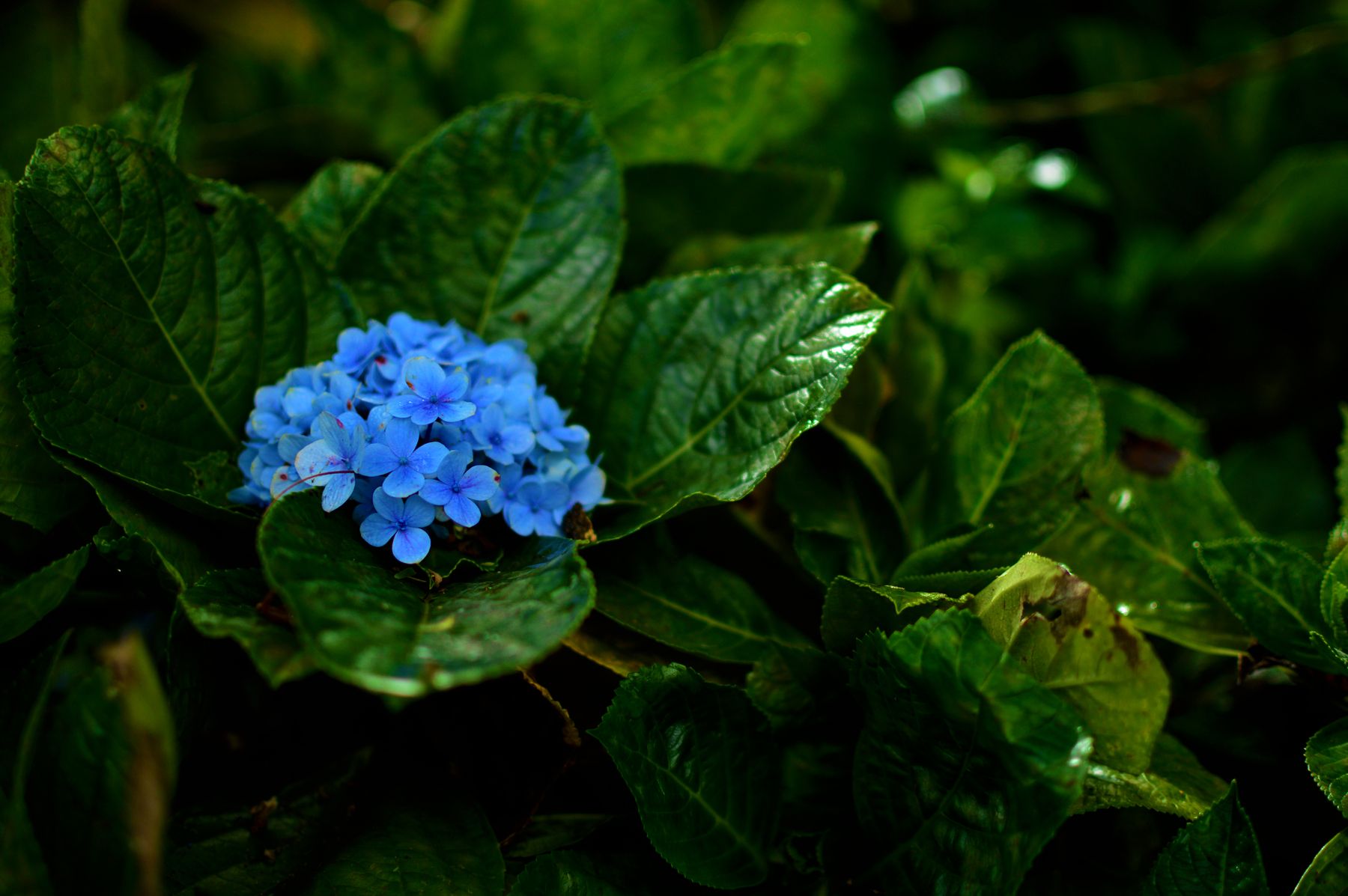
Reblooming Hydrangeas: Old and New Wood
Some bigleaf and mountain hydrangeas are reblooming varieties that flower on both old and new wood. These plants can bloom first from buds that survived on older stems and then produce additional flowers on fresh growth later in the season. That gives them a little more flexibility, but it does not mean they can be pruned whenever you want. Traditional and reblooming bigleaf hydrangeas can look almost identical, so a photograph may not be enough to identify the difference. Check the cultivar name or plant tag for terms such as “reblooming” or “blooms on old and new wood.”

How to Prune Reblooming Types
Because reblooming hydrangeas have two potential flowering periods, keep pruning light. Once spring growth clearly shows which parts survived winter, remove dead or damaged stems. Deadhead faded flowers just above a healthy pair of buds or leaves, thin weak or crowded stems if the center has become too dense, and shape the shrub lightly rather than cutting it far back. More substantial shaping can be done in early spring or after the first flush of flowers fades, but each choice has a trade-off. Early-spring pruning may delay the first flowers, while pruning after the first flush can interrupt some later reblooming.
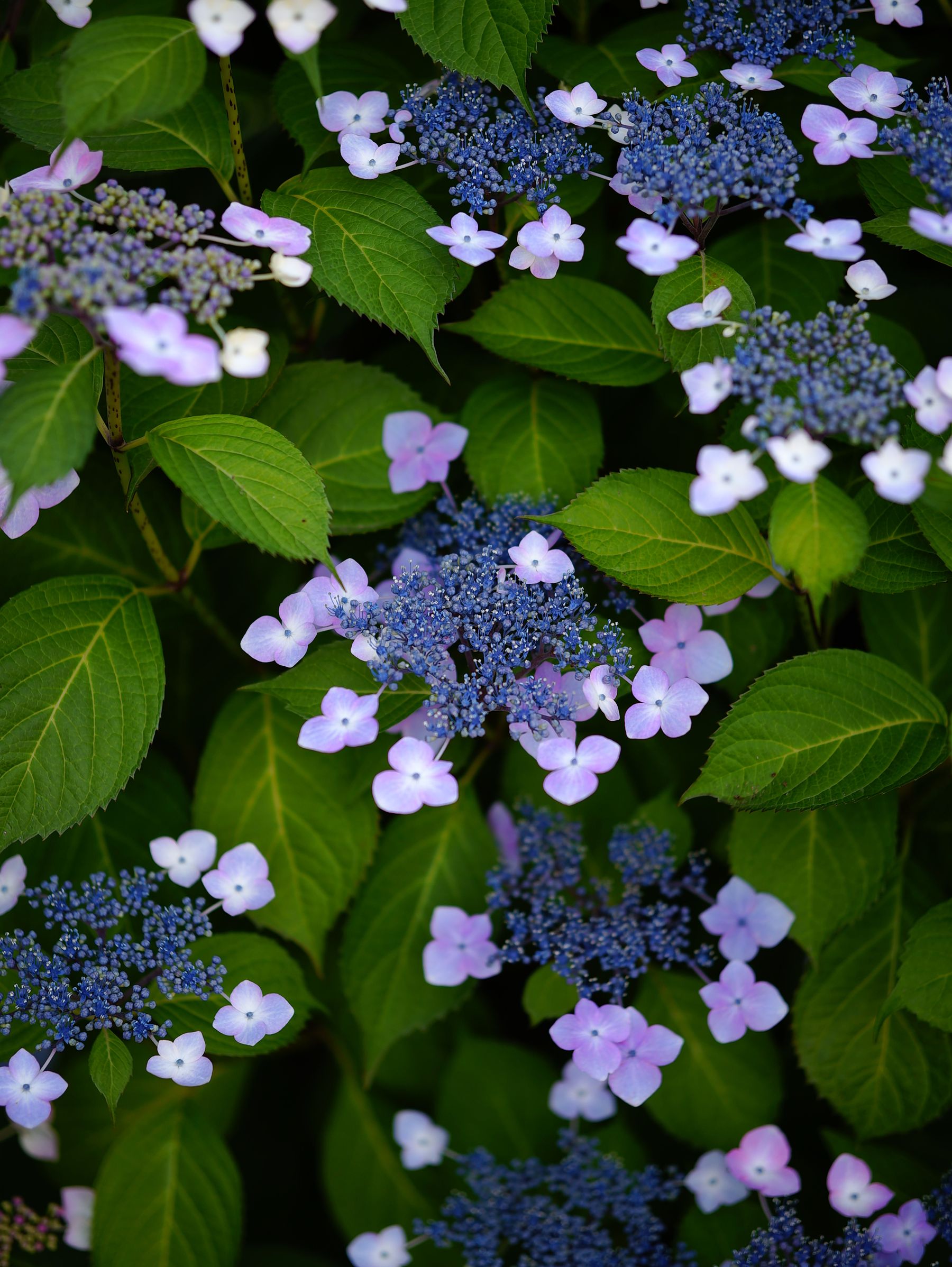
Mistake #1: Pruning at the Wrong Time
The easiest way to lose next year’s flowers is to prune an old-wood hydrangea when its flower buds are already waiting on the stems. Cutting those plants back in fall, winter, or early spring can remove the buds before they ever open. The shrub may still survive and produce plenty of green leaves, which can make the problem confusing when summer arrives without the expected flowers. First ask where that hydrangea forms its flower buds and when those buds were created.
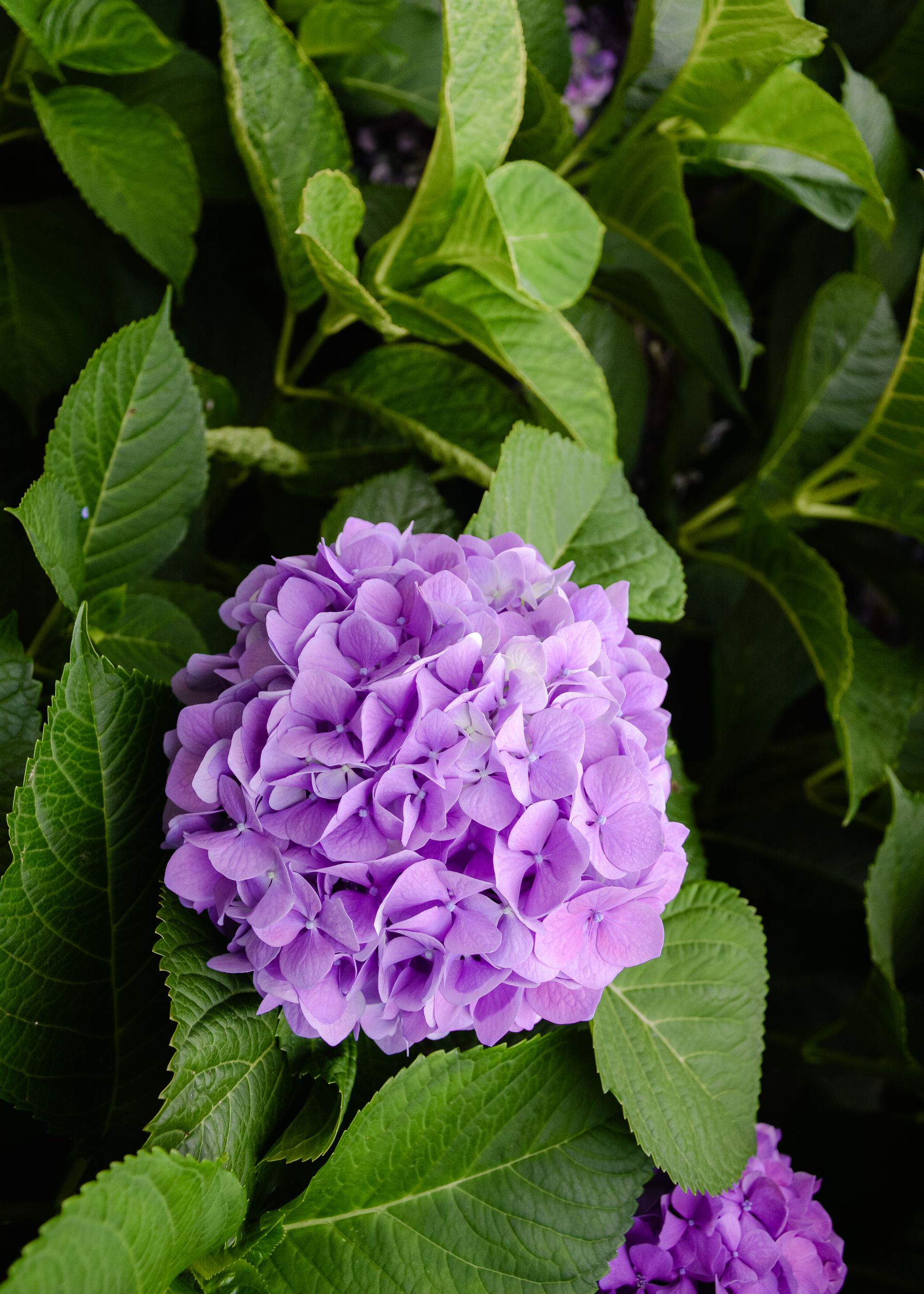
Mistake #2: Copying Your Neighbor’s Pruning Routine
A pruning method that works beautifully for one hydrangea can be completely wrong for another. A neighbor may cut a panicle hydrangea back every spring because it flowers on new wood, while a traditional bigleaf hydrangea may carry its next flowers on older stems. The source also warns against the popular rule, “If it’s round, cut it down; if it’s a cone, leave it alone.” Flower shape does not reliably tell you which wood carries the buds. Identify the plant before copying someone else’s schedule.
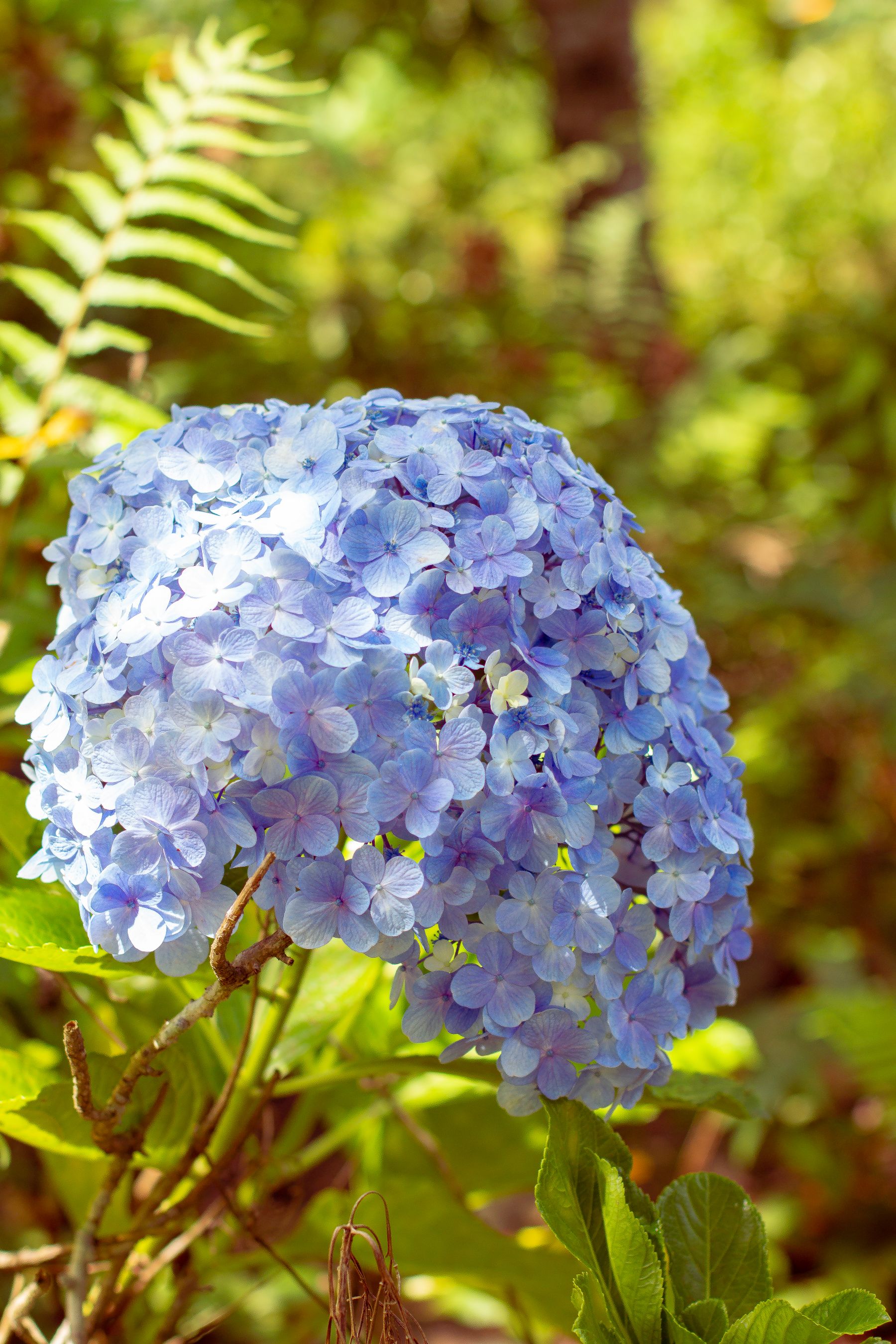
Mistake #3: Assuming More Pruning Means More Flowers
Once you begin noticing awkward branches, it can be tempting to keep cutting. But heavier pruning does not automatically produce more flowers. Start with the obvious priorities: dead, damaged, weak, crossing, or badly crowded stems. Then step back and look at the whole shrub. If the plant already has a healthy shape and enough room, there may be no reason to remove more. A good pruning session should solve a problem rather than create one.

Mistake #4: Declaring a Stem Dead Too Early
Hydrangea stems can look surprisingly dead in early spring, especially after a difficult winter. Before removing every brown or bare branch, give the plant some time to wake up. Healthy buds will swell, and new growth will make the living sections much easier to recognize. The scratch test is useful when you need another clue: green tissue below the bark suggests the stem is alive, while brown, dry tissue usually indicates dead wood in that section.
The Simple Rule: Know Your Wood
Hydrangea pruning becomes much less intimidating once you know whether your plant blooms on old wood, new wood, or both. Old-wood types generally need their main pruning shortly after flowering. New-wood types are usually pruned in late winter or early spring while dormant. Reblooming types offer more flexibility, but still benefit from light pruning rather than aggressive cuts. Start with dead and damaged growth, make only the shaping cuts you actually need, and stop before the plant has been overworked.