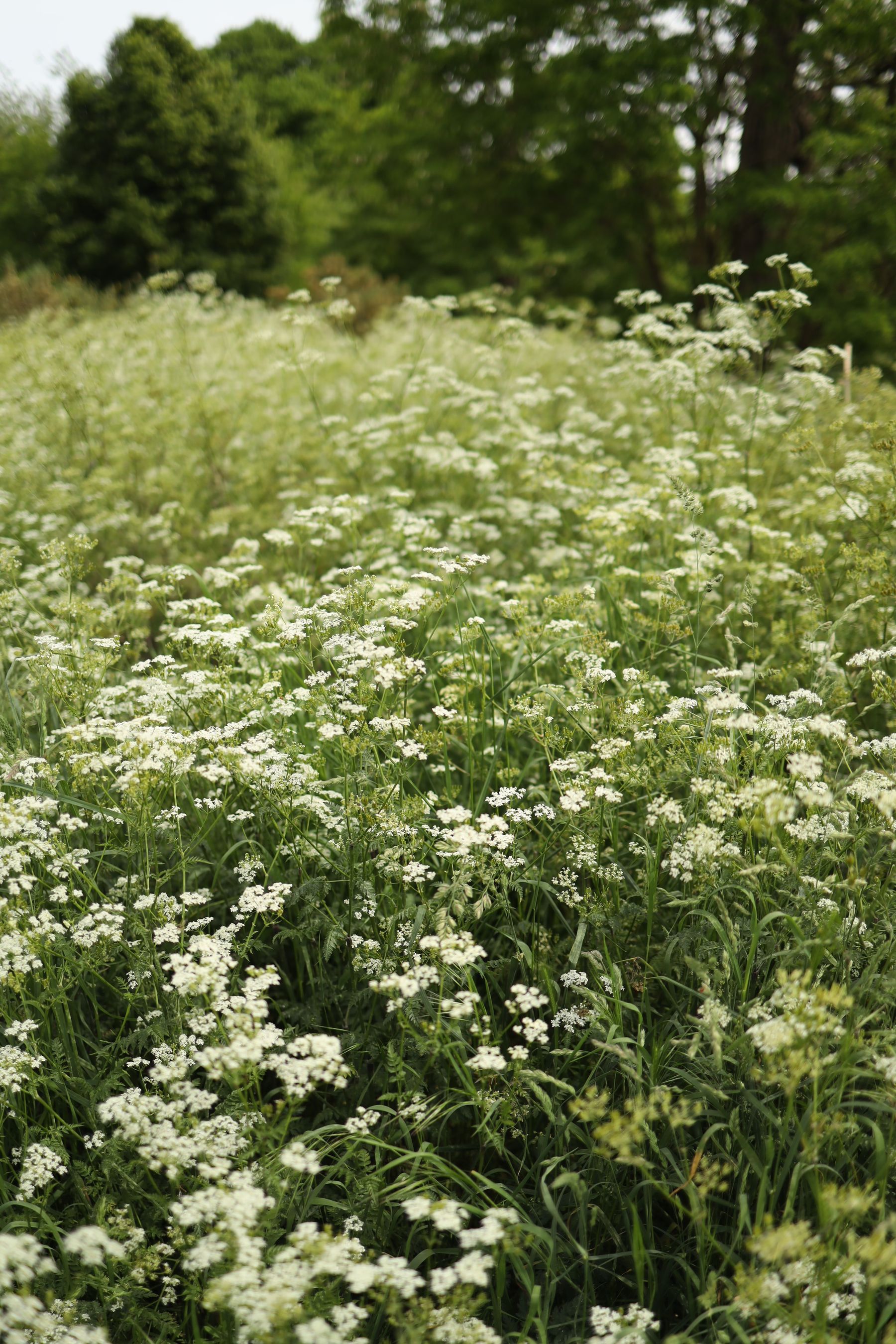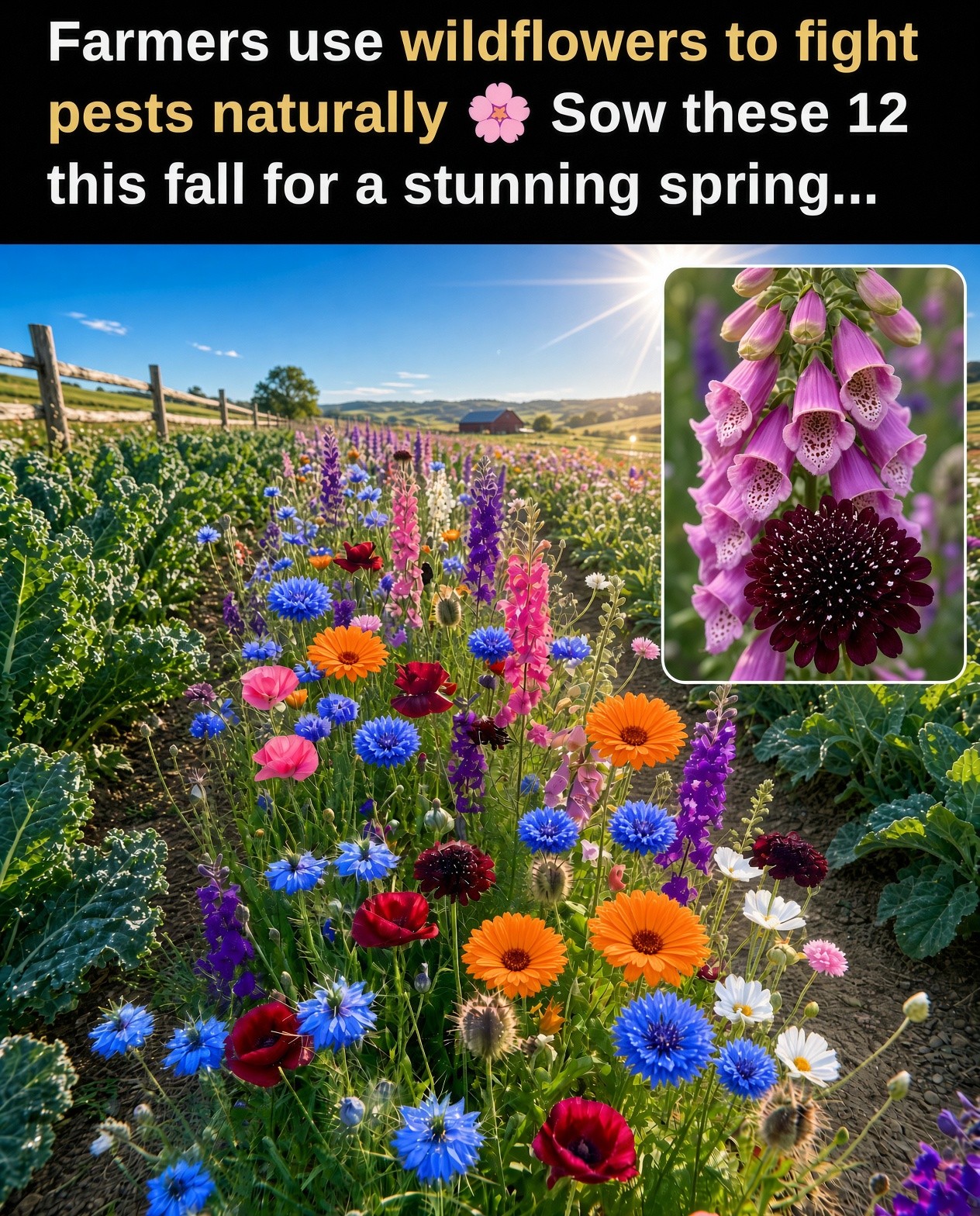
Fall does not have to mean the end of flower planting. For many wildflowers, winter is part of the germination process. Sow the right seeds at the right time, and spring can arrive with a garden already preparing its next wave of color.
Why Fall Sowing Can Give Wildflowers a Head Start
Fall sowing lets certain wildflower seeds experience the natural cold period they need before spring growth begins. The Tiny Garden Habit guide recommends sowing when the cold has set in enough to signal dormancy, but while the soil can still be lightly scratched and worked. Instead of digging deeply, the method is deliberately simple: clear away leaves, lightly disturb the surface, scatter the seeds, press them firmly against the soil, and water. The approach is especially useful for flowers whose seeds benefit from winter chilling or a freeze-thaw cycle. Because the timing and hardiness zones differ from plant to plant, use the zone ranges below as a planning guide rather than treating every flower exactly the same way.
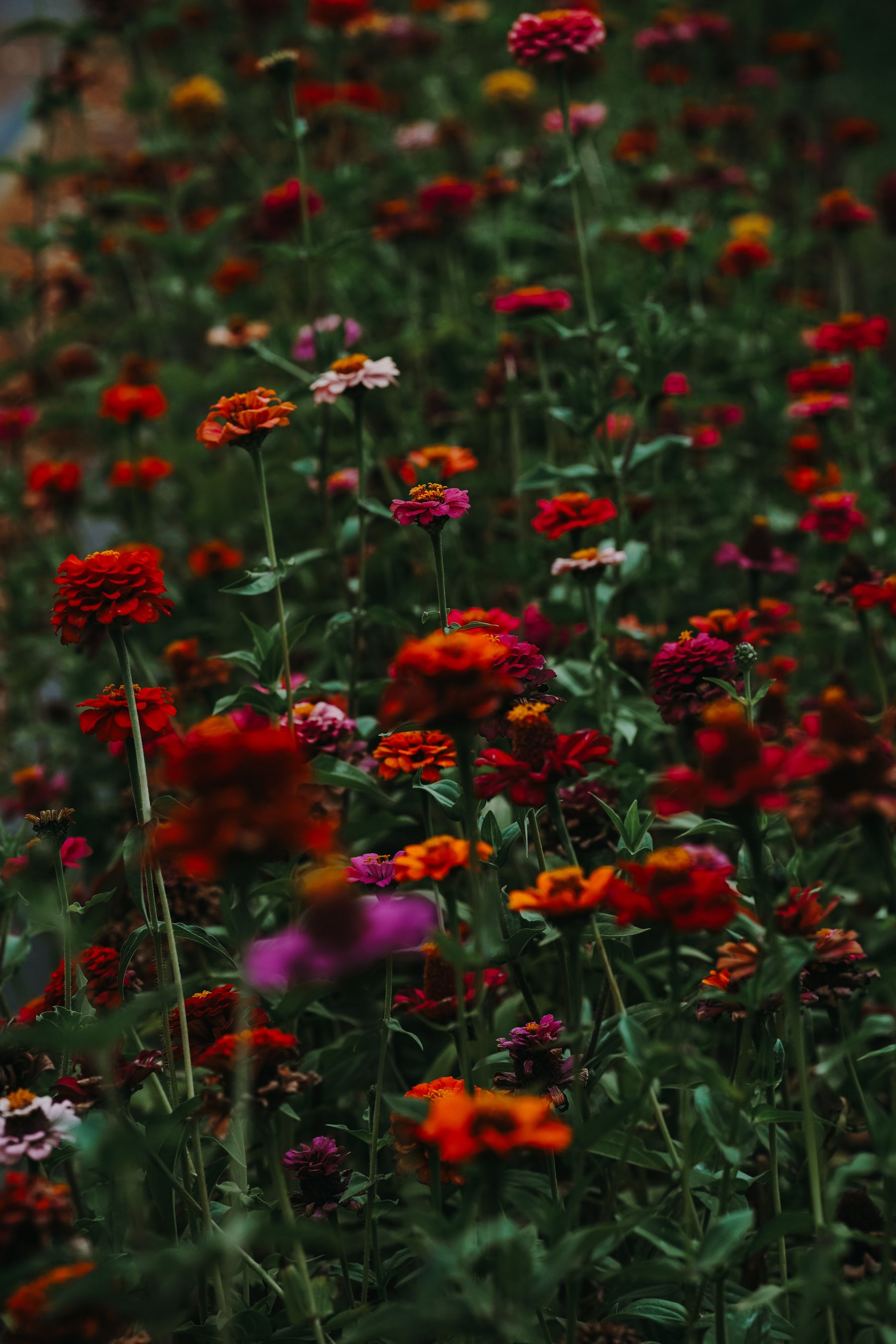
1. California Poppy — Zones 6–10
California poppy is one of the early-season choices highlighted in the guide. It wants plenty of sun and a period of dormancy, and the source specifically warns against transplanting it. Fall sowing puts the seed where it needs to be before winter, allowing the natural seasonal cycle to do the work. Choose a sunny location and sow directly where you want the plants to grow rather than planning to move seedlings later. For gardeners in the listed Zones 6–10, it can be an attractive way to get an early splash of warm color without starting plants indoors and disturbing their roots.
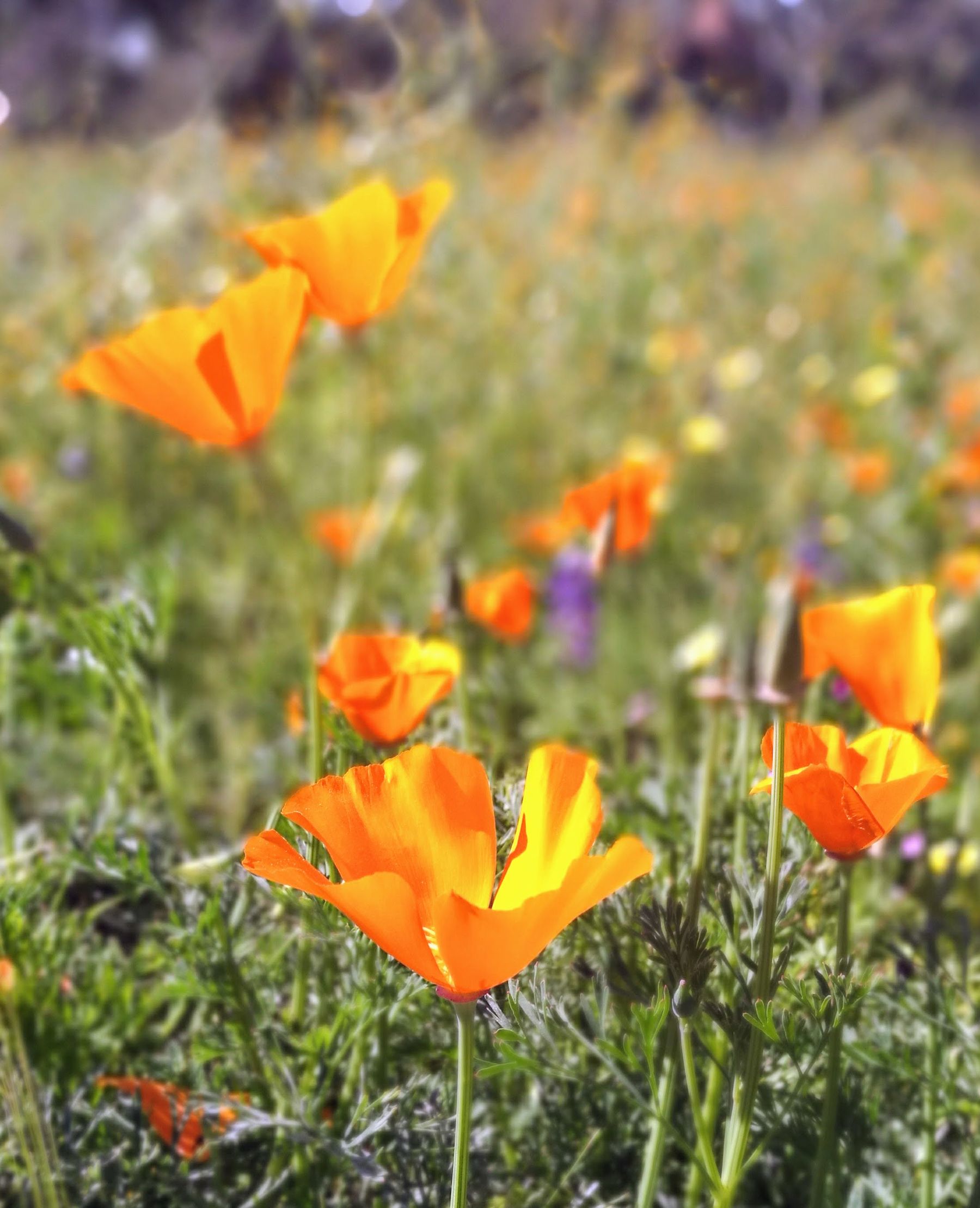
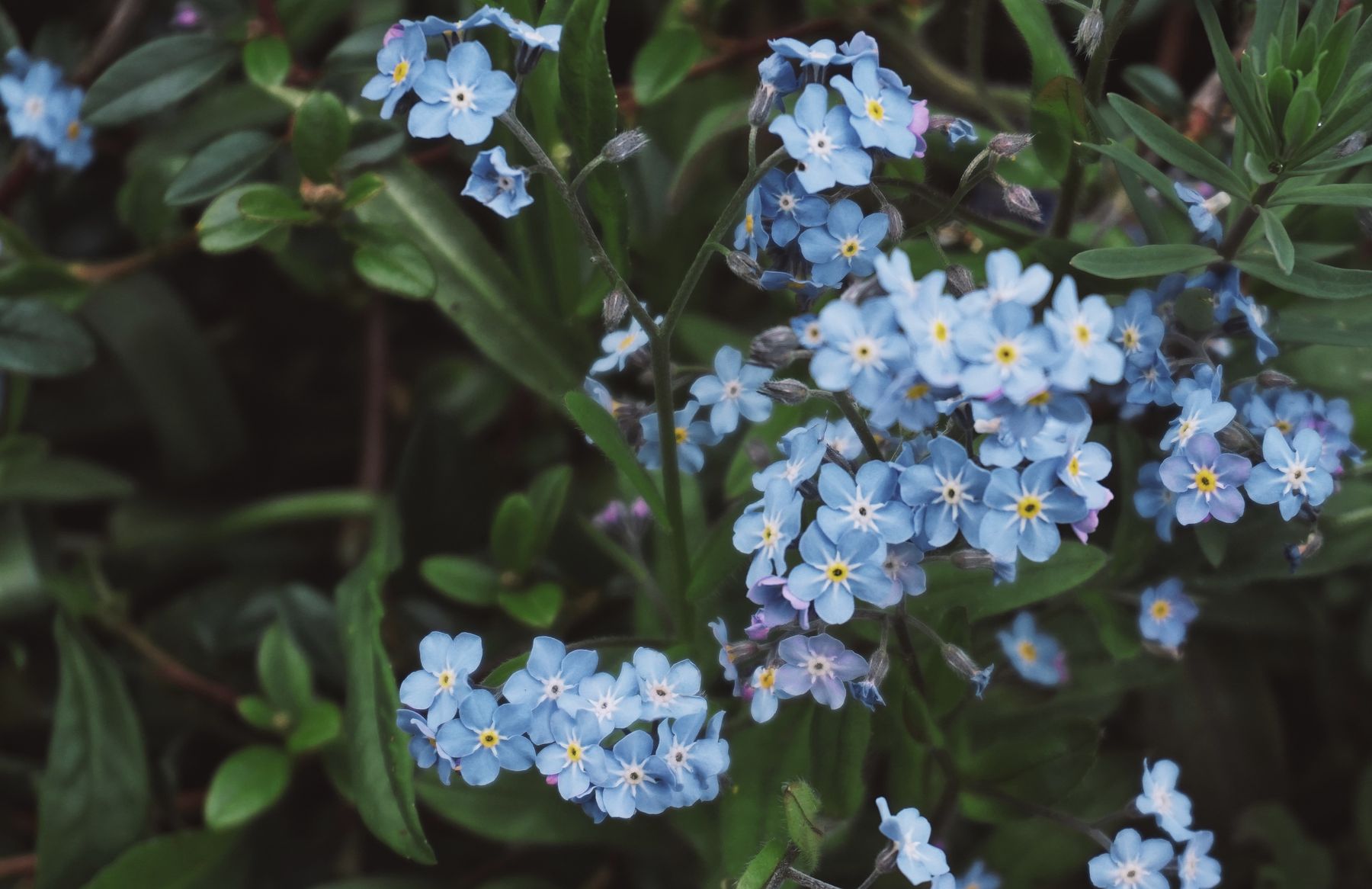
2. Forget-Me-Nots — Zones 3–8
Forget-me-nots are included because they can handle a chilly start and are enthusiastic self-sowers. Their small blue flowers can return readily once they establish, so location matters: scatter them where you are comfortable letting them naturalize. Fall sowing gives the seeds a chance to pass through winter before spring growth begins. In the guide’s Zones 3–8 range, they are a useful option for gardeners who want a softer, natural-looking patch rather than a tightly controlled flower bed. Their tendency to reseed also means you may see them returning in future seasons without having to start from scratch every year.
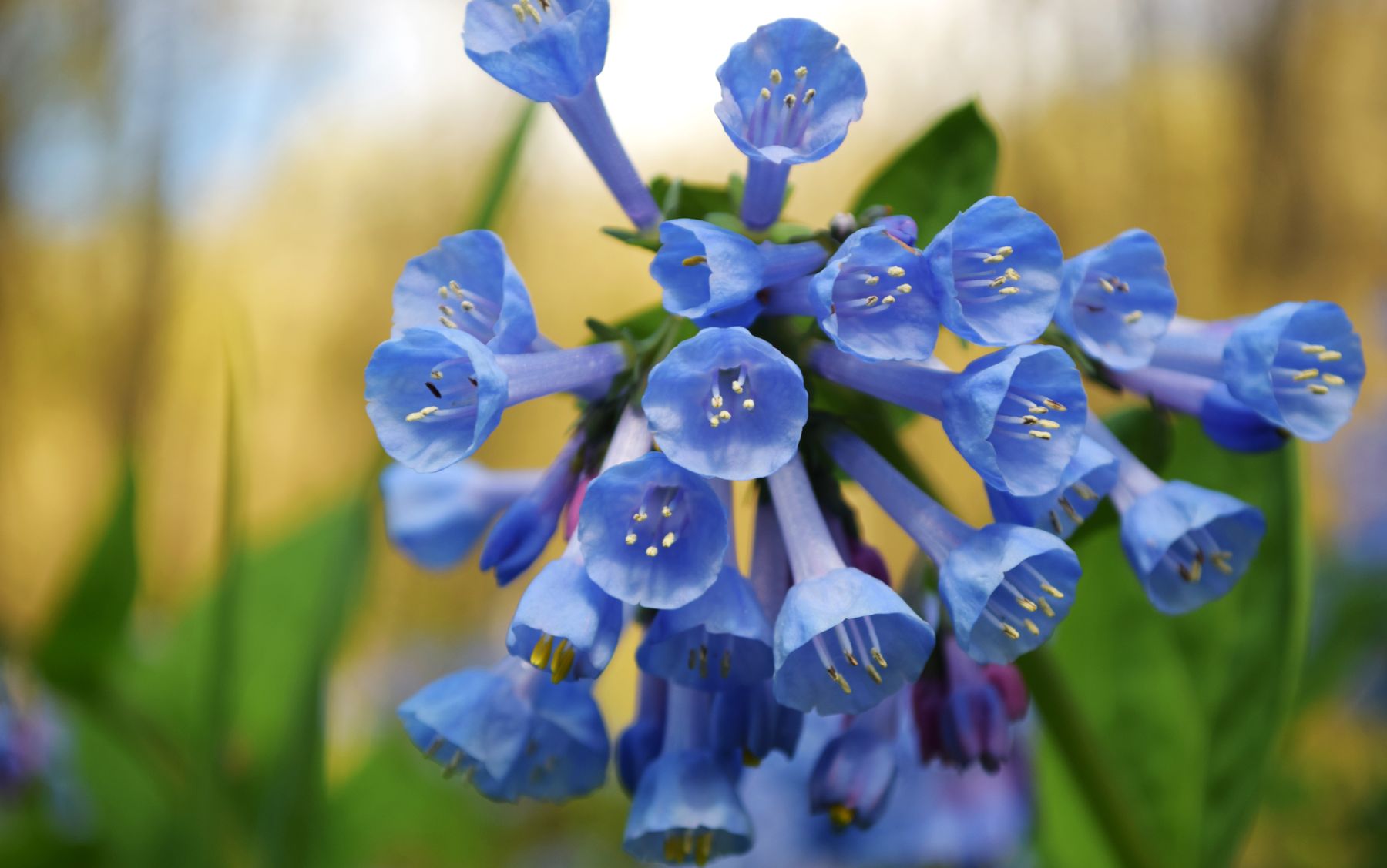
3. Virginia Bluebells — Zones 3–8
Virginia bluebells are another spring-oriented choice for Zones 3–8. The guide points out their unusual color change: the developing buds begin with a pinkish appearance before opening into their familiar blue flowers. They also have a seasonal habit that makes them especially interesting in woodland-style gardens: the plants can disappear completely by summer after their spring display. Fall sowing gives them the winter period they need before their spring appearance. Plant them in a suitable location and allow the seasonal cycle to take over rather than expecting a flower that remains visible all summer.
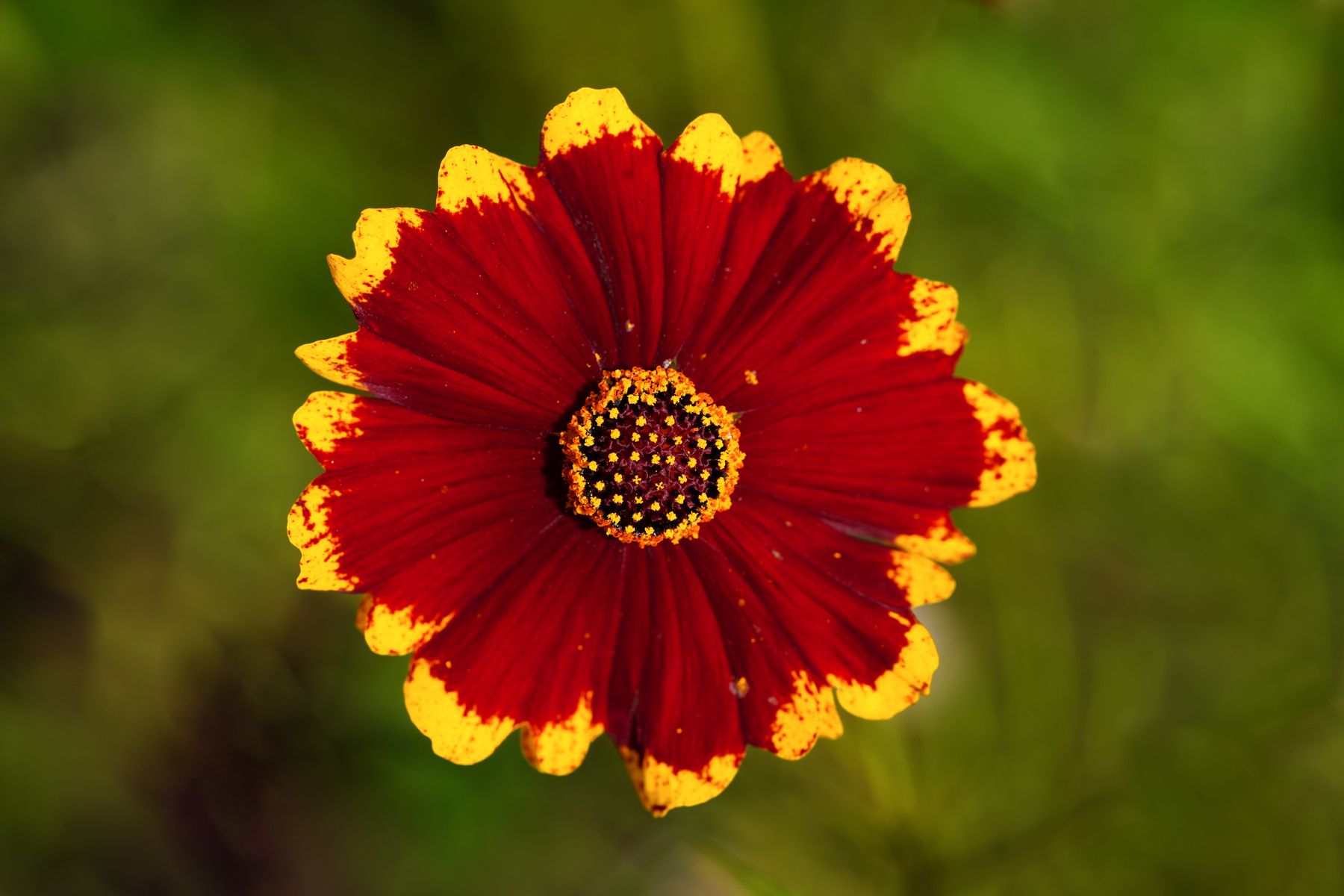
4. Plains Coreopsis — Zones 3–9
Plains coreopsis is presented as an annual that can make good use of a cold start. According to the source, fall sowing allows the roots to get an early start and can lead to vigorous spring growth and a strong display of color. Its Zones 3–9 range also makes it one of the more broadly adaptable choices on the list. Scatter the seeds on the prepared soil surface rather than burying them deeply, press them into contact with the soil, and let winter provide the seasonal conditions. It is a useful option when you want an easy, colorful annual rather than another long-lived perennial.
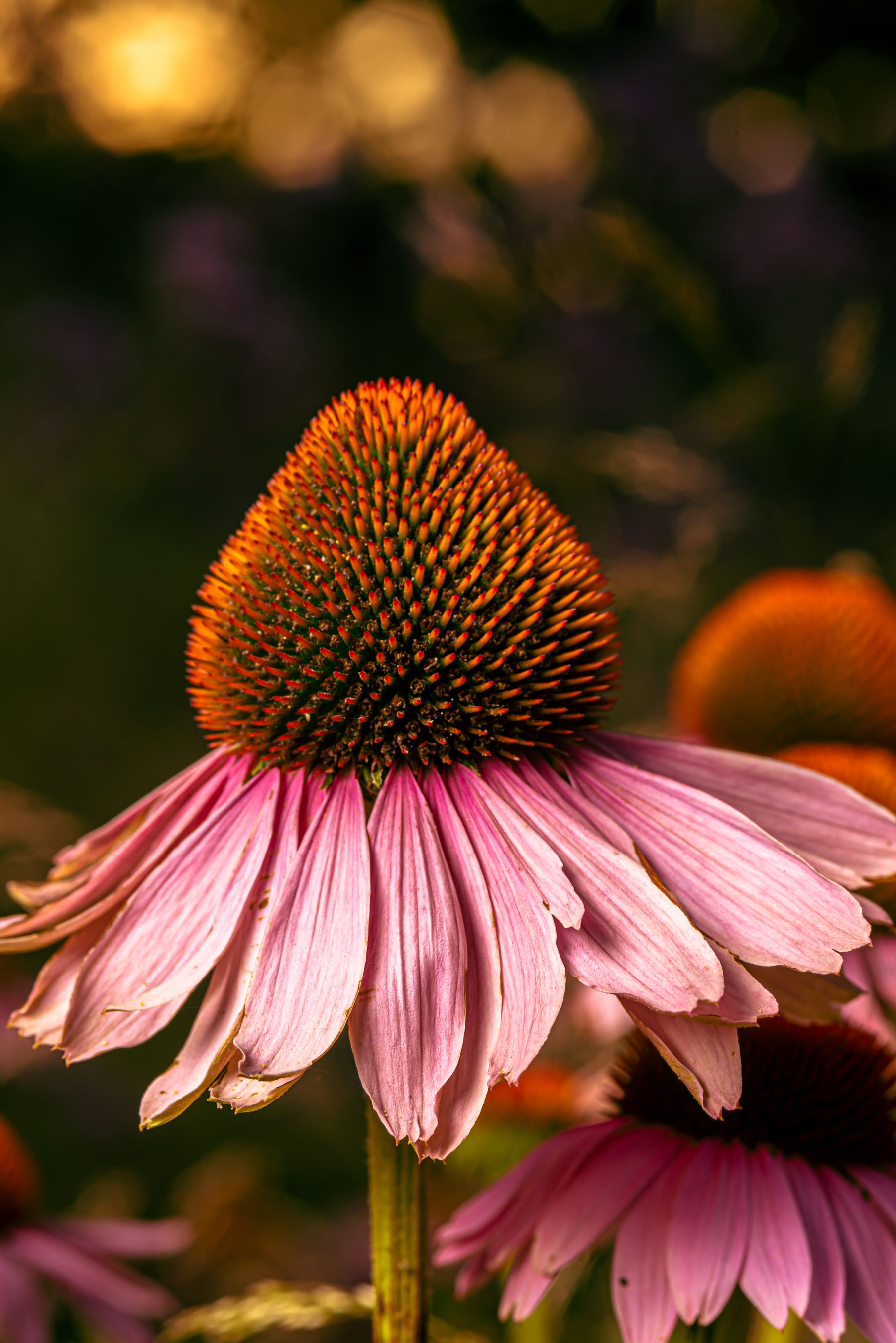
5. Purple Coneflower — Zones 3–9
Purple coneflower is one of the perennials the guide recommends for fall sowing. Its seeds benefit from a sufficiently long cold period to break dormancy, making winter an important part of the germination process. The source associates fall sowing with strong plants and substantial blooms in spring and summer. For gardeners in Zones 3–9, the simplest strategy is to sow directly in the garden and leave the seeds undisturbed through winter. Avoid burying them deeply during the initial sowing because the guide’s general method relies on light exposure at the soil surface.
6. Black-Eyed Susan — Zones 3–9
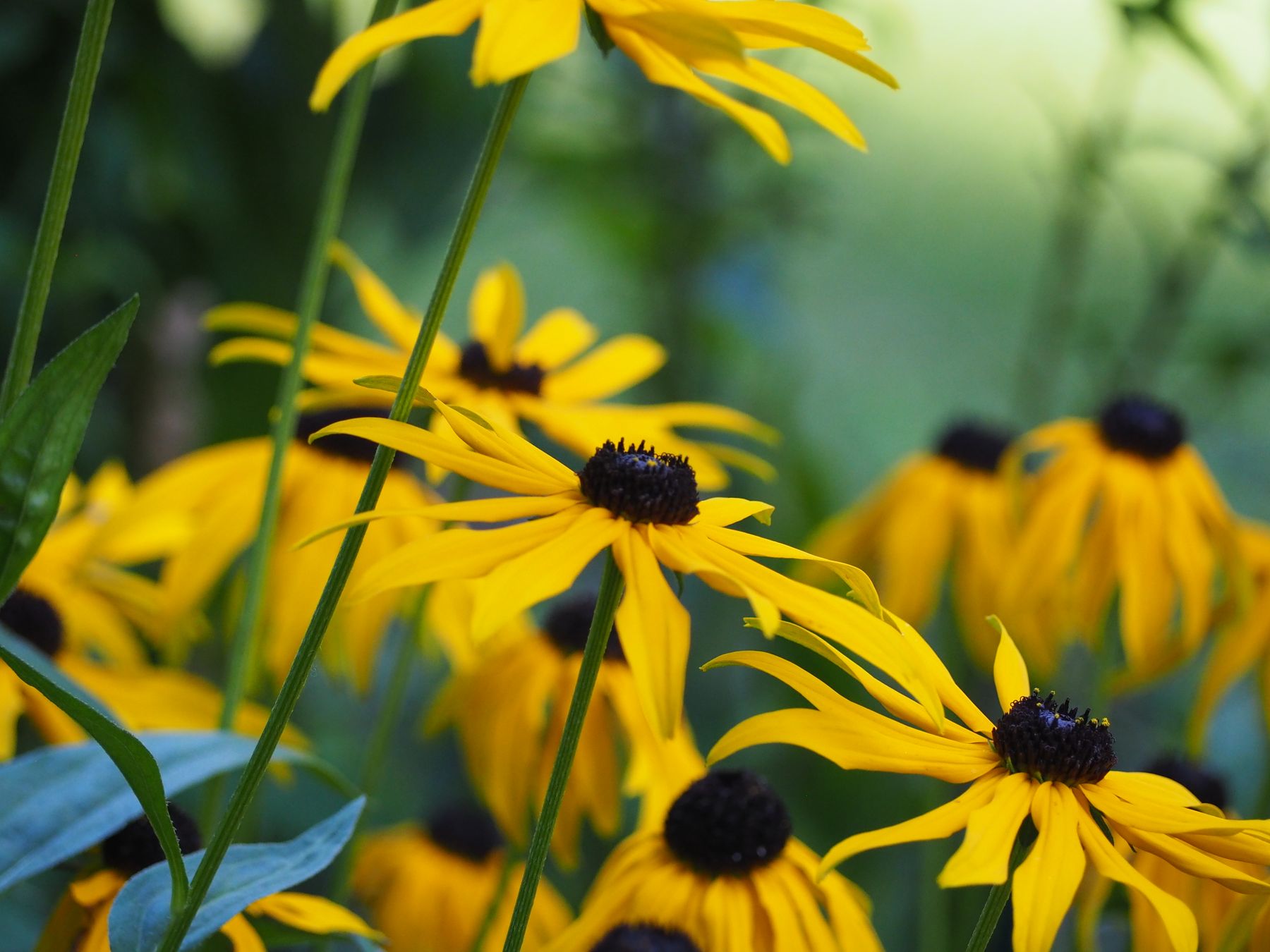
Black-eyed Susan is often grown as a perennial or biennial depending on the type, and the guide emphasizes what fall planting can do for it: the plant can spend winter developing a sturdy rosette of leaves before its flowering season. That extra establishment time can help produce the familiar golden blooms with dark centers. Its listed range of Zones 3–9 gives it a broad place in fall-sowing plans. Scatter the seeds where you want the plants to establish, press them into the surface, and avoid disturbing the area unnecessarily while winter does its part.
7. Wild Columbine — Zones 3–9
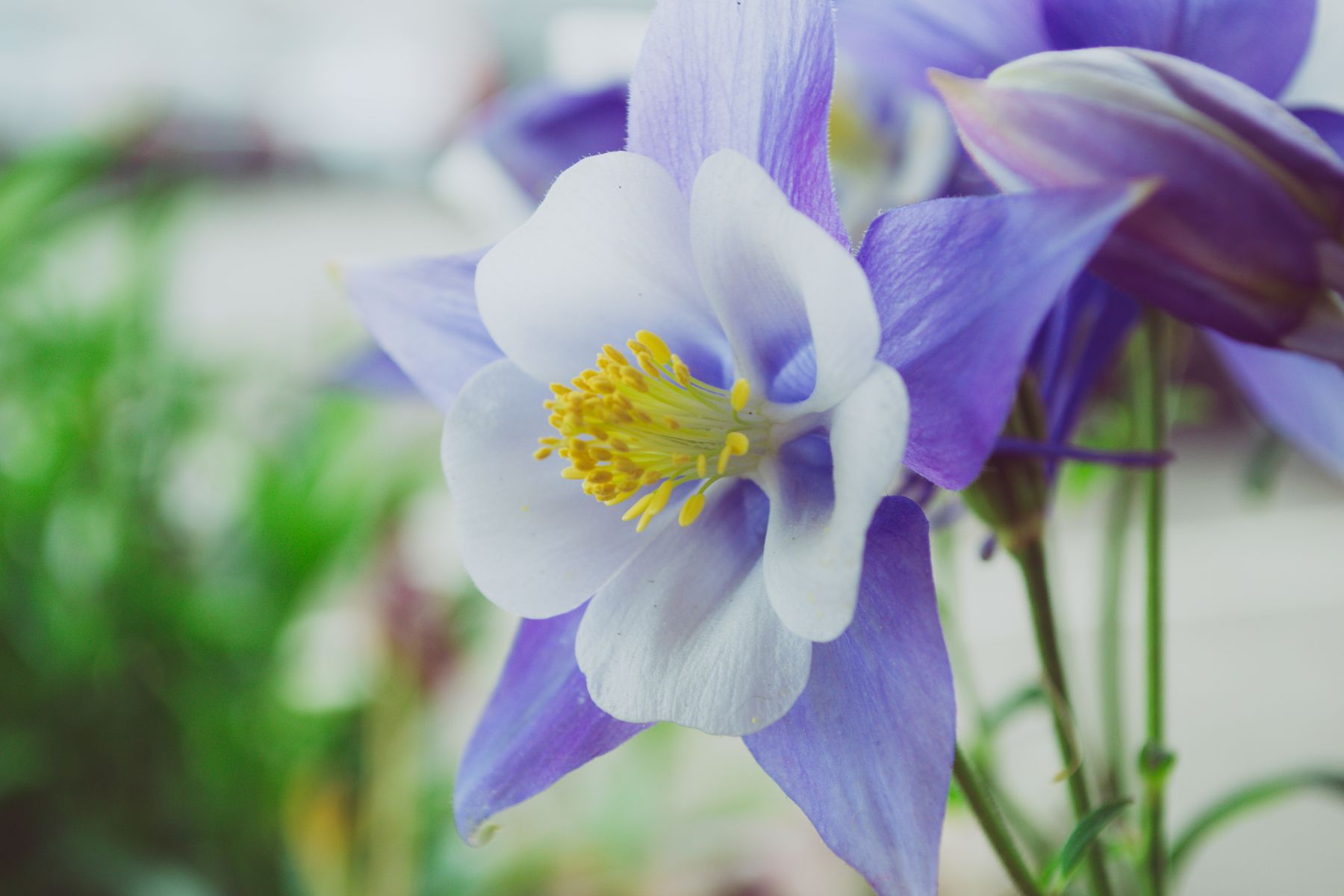
Wild columbine may look delicate, but the source describes it as one of the flowers that benefits from winter’s freeze-thaw cycle for consistent germination. That makes fall a logical sowing period in the listed Zones 3–9. The important part is to let the seeds remain close to the surface instead of burying them deeply. Once the winter cycle has passed, the seeds can respond when conditions become suitable for growth. Its airy flowers and woodland character make it a natural fit for informal garden spaces where a less rigid planting style is welcome.
8. Lupine — Zones 4–8
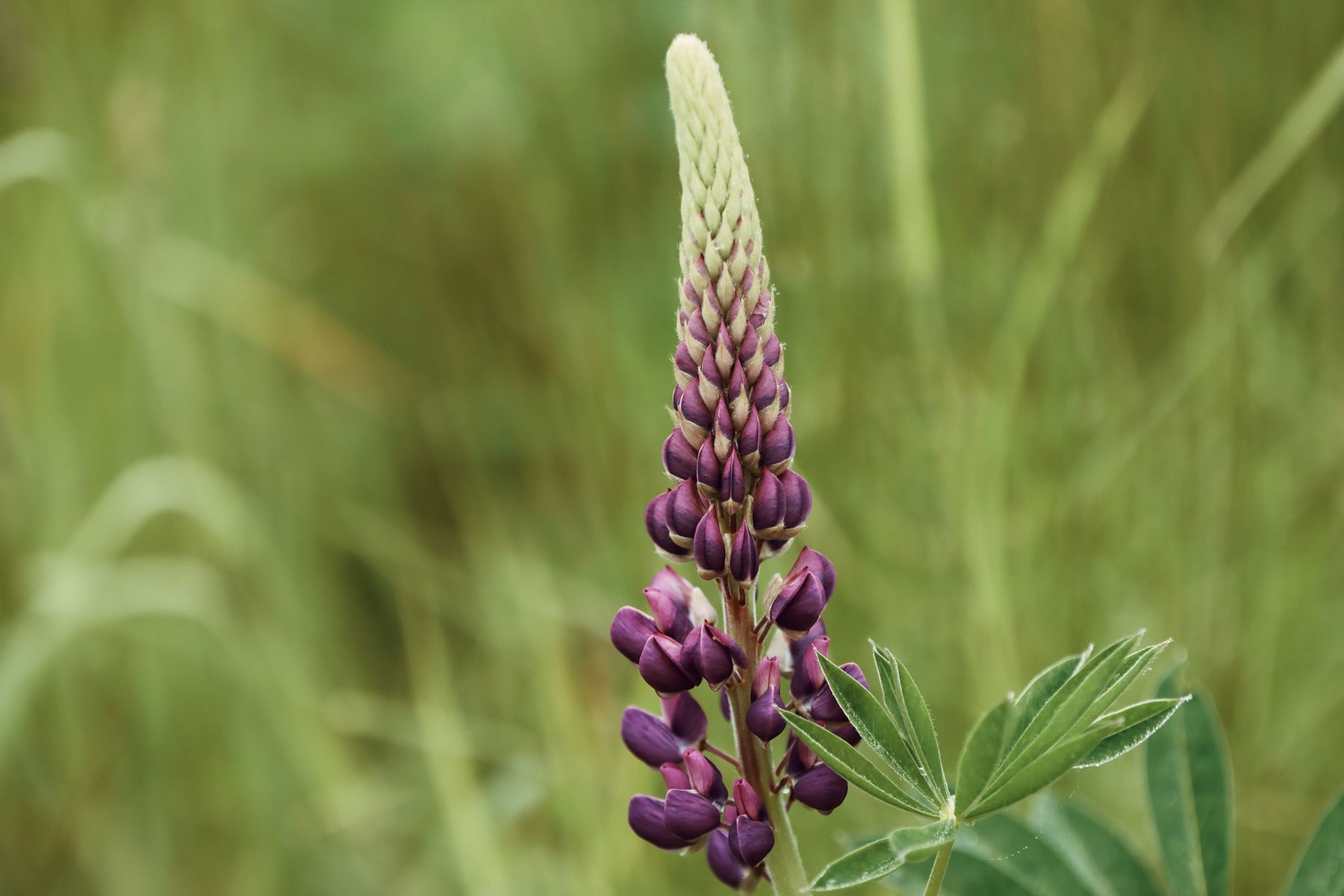
Lupine seeds have a tough outer coating, and the guide explains that winter weather can help wear that coating down so the seed is ready to sprout when spring conditions arrive. Fall sowing is therefore more than a convenient planting date; it provides the natural cold treatment described in the source. Lupines also dislike wet feet, so choose loose, well-drained soil rather than a spot that stays saturated. In Zones 4–8, giving the seeds winter exposure and then allowing them to develop undisturbed can help establish the deep-rooted plants that make lupines such striking spring and early-summer flowers.
9. Butterfly Milkweed — Zones 3–9
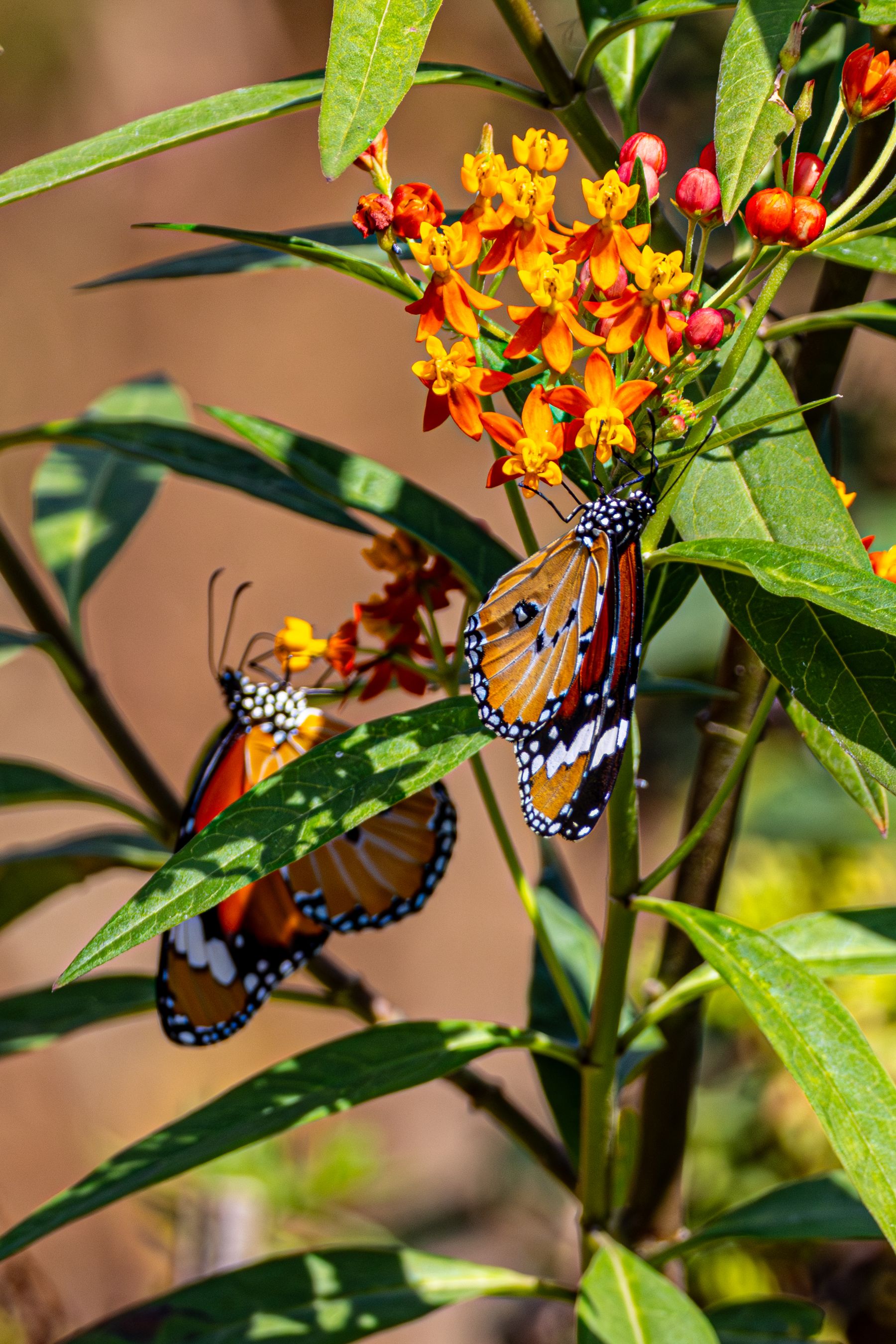
Butterfly milkweed is included in the guide partly because its sensitive taproot makes later transplanting difficult. Fall sowing allows the plant to establish in the place where it will grow instead of requiring a move after germination. The source describes it as a strong choice for attracting monarch butterflies, making it useful for a wildlife-friendly garden as well as a flower display. For Zones 3–9, direct sowing in fall can simplify the process: choose the final location, prepare only the surface, sow the seed, and let the winter season provide the natural conditions before spring growth begins.
10. Smooth Blue Aster — Zones 4–8
Smooth blue aster is a late-blooming perennial, and the source recommends fall sowing because it gives the plant more time to build a hardy foundation before its later flowering season. In Zones 4–8, that extra establishment period can be especially useful for a plant whose best show comes later rather than at the beginning of spring. Sow directly where you want it to grow, keep the seed near the surface, and avoid unnecessary disturbance. The payoff described by the guide is a strong, bushy plant capable of producing a stylish late display of blue and purple flowers.
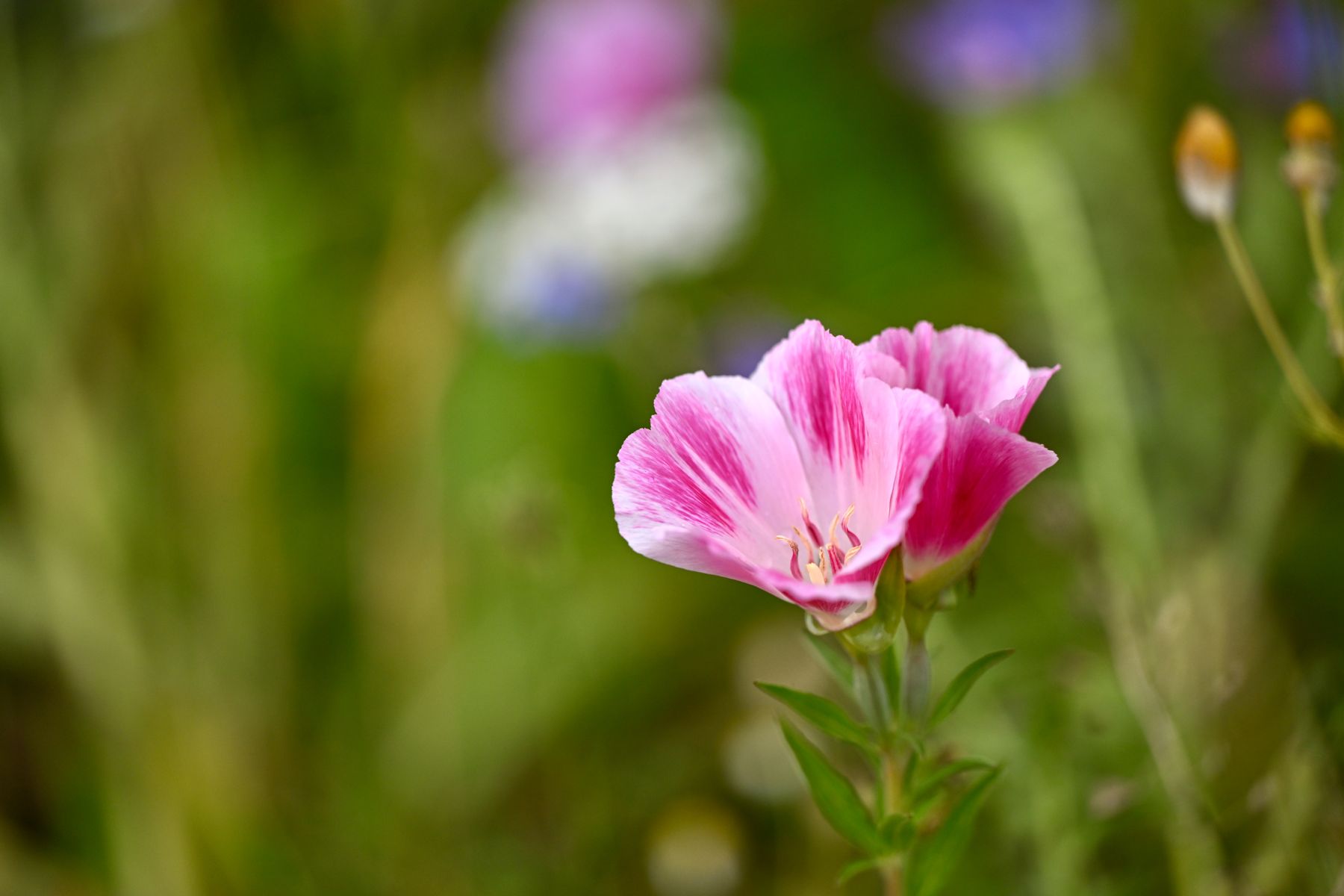
11. Clarkia or Godetia — Zones 6–10
Clarkia, also called Godetia, is an annual that the guide says performs particularly well with fall planting in areas with mild winters. Its Zones 6–10 range reflects that preference. A cold start can help the plant handle early-season competition and continue flowering longer. Because this is an annual rather than a permanent perennial, it is a useful choice when you want seasonal color without committing to the same planting for years. In milder regions, scattering seed in fall can let nature provide the early start before spring warmth returns.
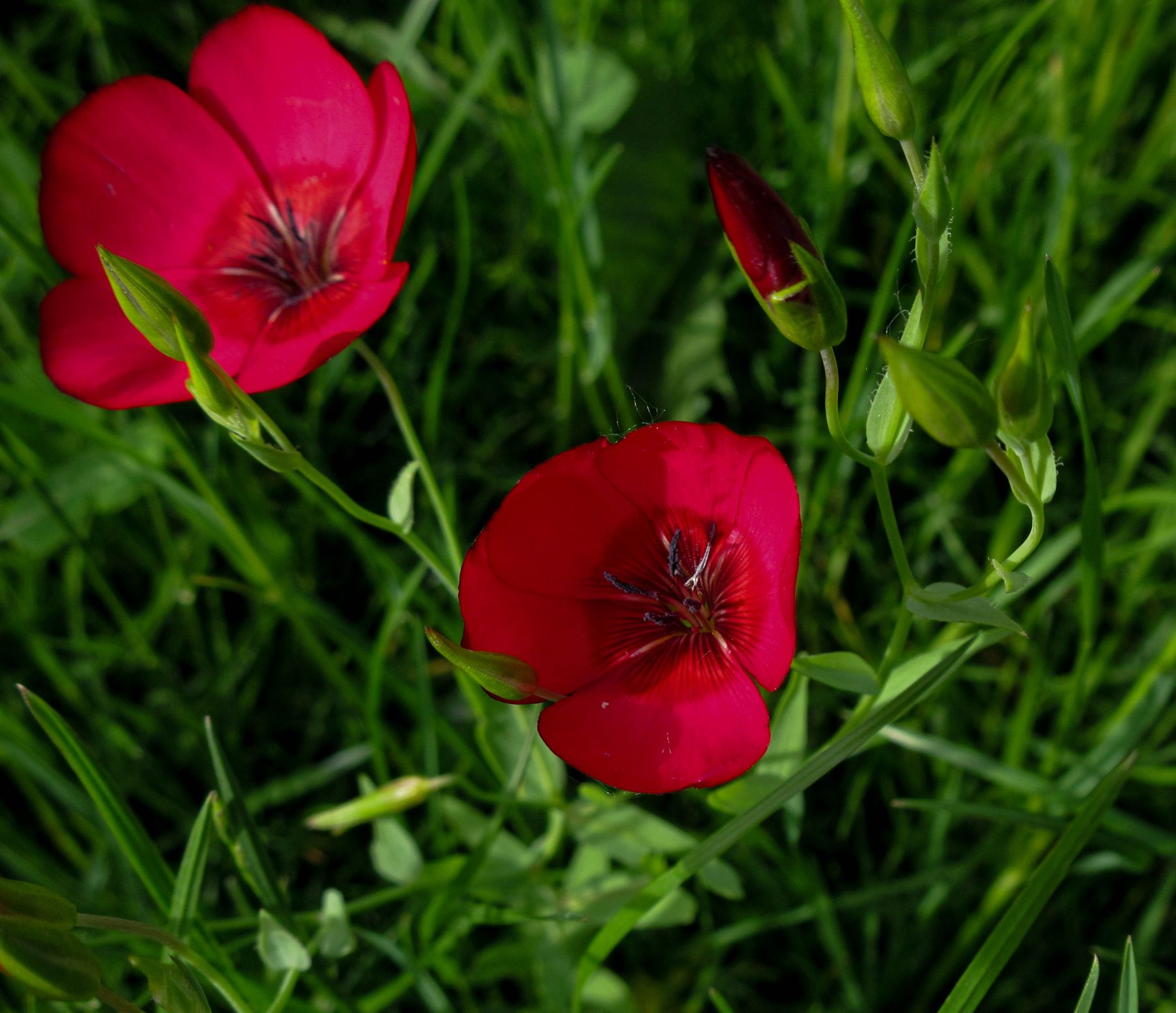
12. Scarlet Flax — Zones 6–9
Scarlet flax is the final flower in the source’s list and is recommended for Zones 6–9. The guide explains that cold stratification helps soften the seed’s outer shell, which can encourage earlier and longer flowering. It also connects this response to the kind of cool winter conditions the plant encounters naturally. Fall sowing therefore gives the seed the seasonal treatment it needs without requiring a refrigerator or other artificial method. If you are in the listed range and want delicate red flowers that can carry color well into warmer weather, scarlet flax is a particularly interesting fall-sowing candidate.
How to Sow the Seeds in Fall
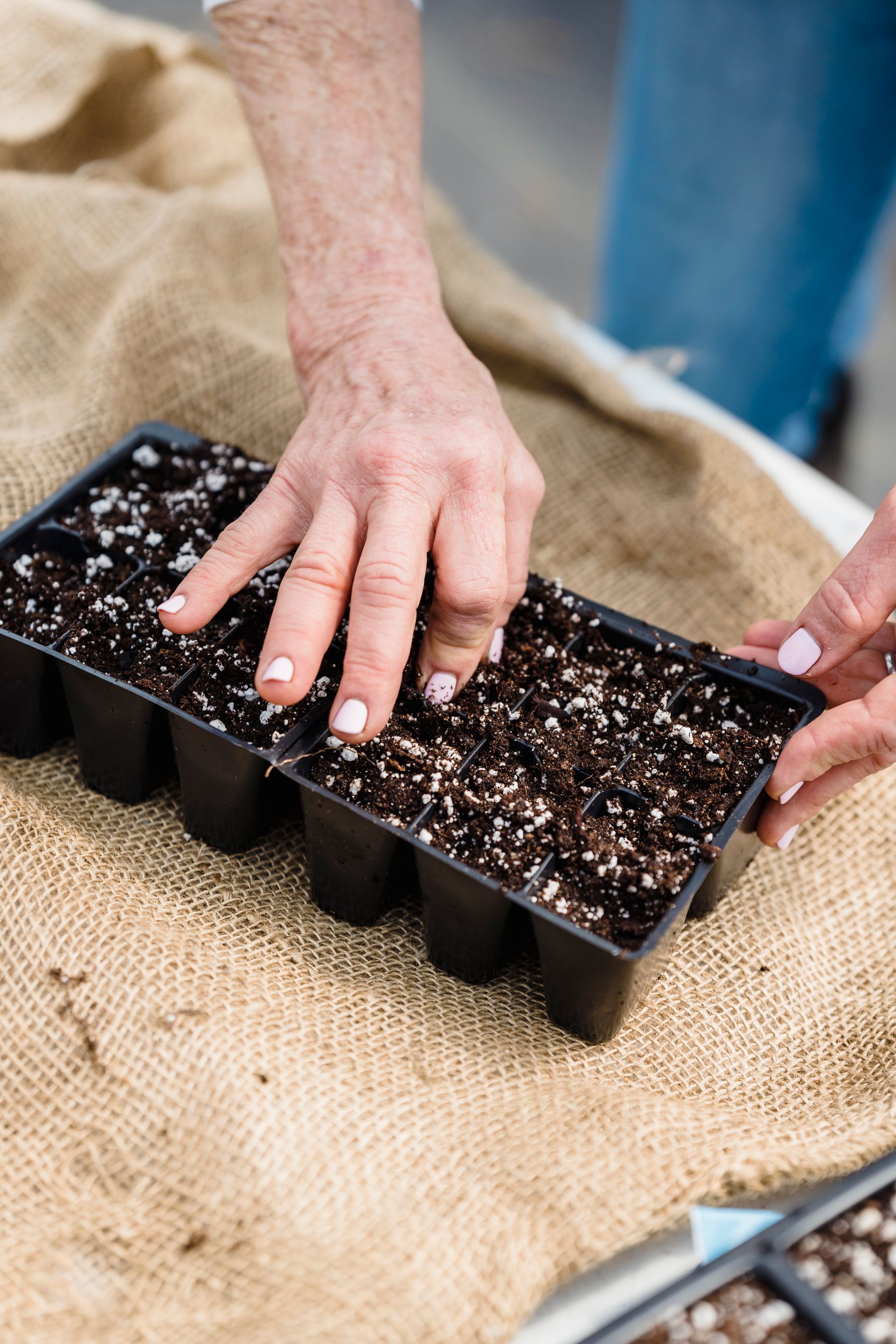
The actual sowing process is intentionally uncomplicated. First, wait until the weather is cold enough that the seeds are unlikely to germinate immediately, but before the soil becomes too hard to work. Clear leaves and debris from the chosen area. Do not dig deeply: the guide specifically recommends lightly scratching the surface because these wildflower seeds need light exposure. Scatter the seeds evenly, then press them firmly against the soil with your hand, foot, or a lawn roller over a larger area. Give the bed a thorough watering afterward. In very cold Zones 3–5, the source notes that watering can sometimes be skipped when the soil is already moist or snow is imminent.
Why Fall Sowing Is Worth Trying
Fall sowing can make spring gardening feel much easier because winter becomes part of the seed-starting process rather than an obstacle. The guide’s twelve flowers cover annuals and perennials, early bloomers and later-season performers, and several different hardiness-zone ranges. Many also benefit from the natural cold conditions that help break dormancy or strengthen early establishment. Wildflowers can provide more than color, too: the source emphasizes their value to local pollinators and the fact that established wildflowers can require relatively little ongoing care. By choosing plants suited to your zone and giving the seeds the simple surface treatment they need, you can set up a spring display before the gardening season really begins.