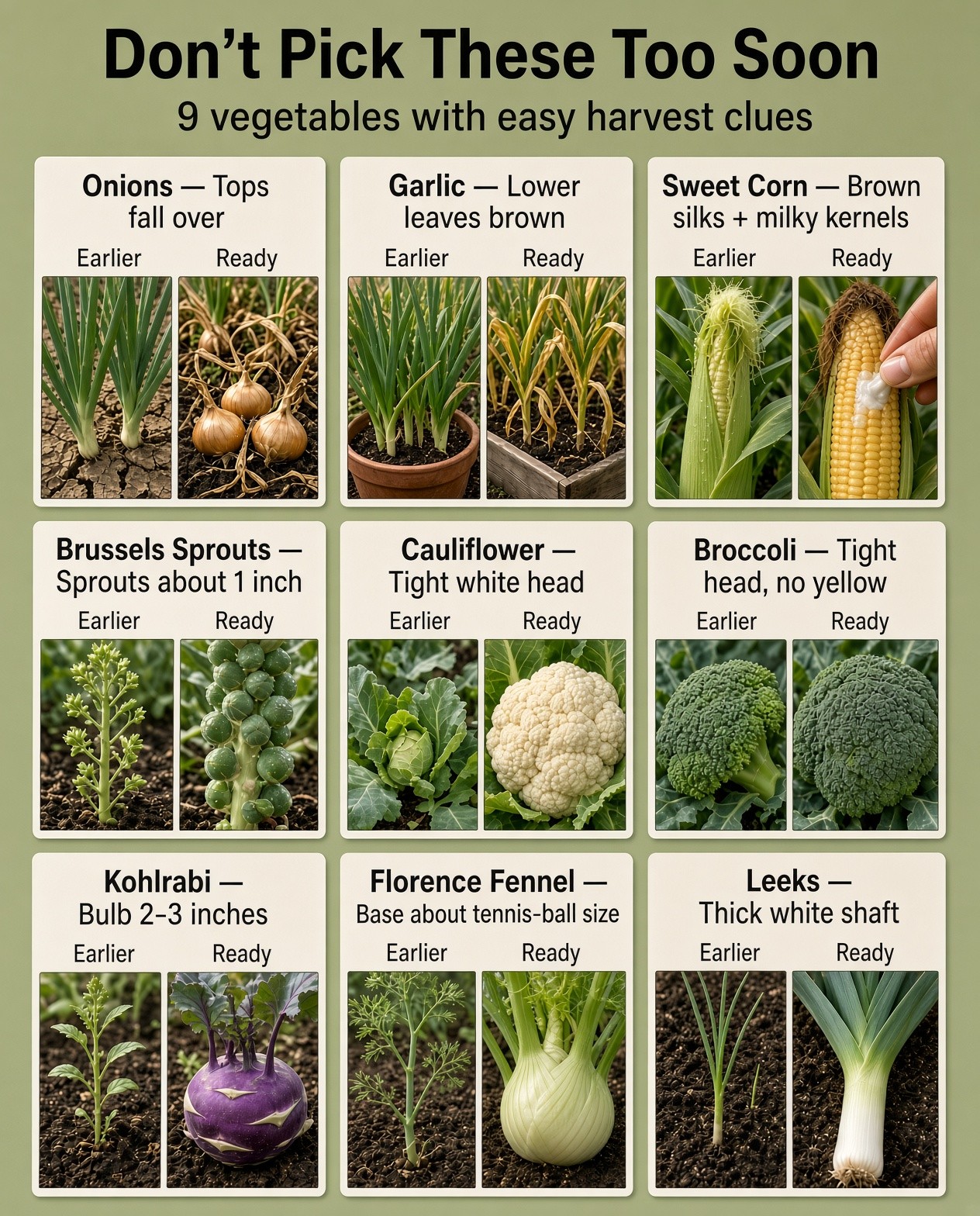
Size alone doesn’t always tell you when a vegetable is ready. These simple visual and texture clues can help you harvest at a better stage for flavor, tenderness, and quality.
Why Harvest Clues Matter More Than Size
A vegetable can look impressively large and still be better left in the garden for a little longer. At the same time, waiting for maximum size can sometimes mean tougher texture, looser heads, or vegetables that have passed their best eating stage. The most useful approach is to watch the plant itself for signs of maturity. Changes in leaves, stems, flower heads, husks, silks, and the swollen edible parts often tell you more than a ruler does. The clues below focus on simple visual checks that can help you decide when to harvest nine common garden vegetables. The goal is not to pick everything at the first hint of maturity, but to recognize the stage when quality is likely to be at its best.
1. Onions — Wait for the Tops to Flop
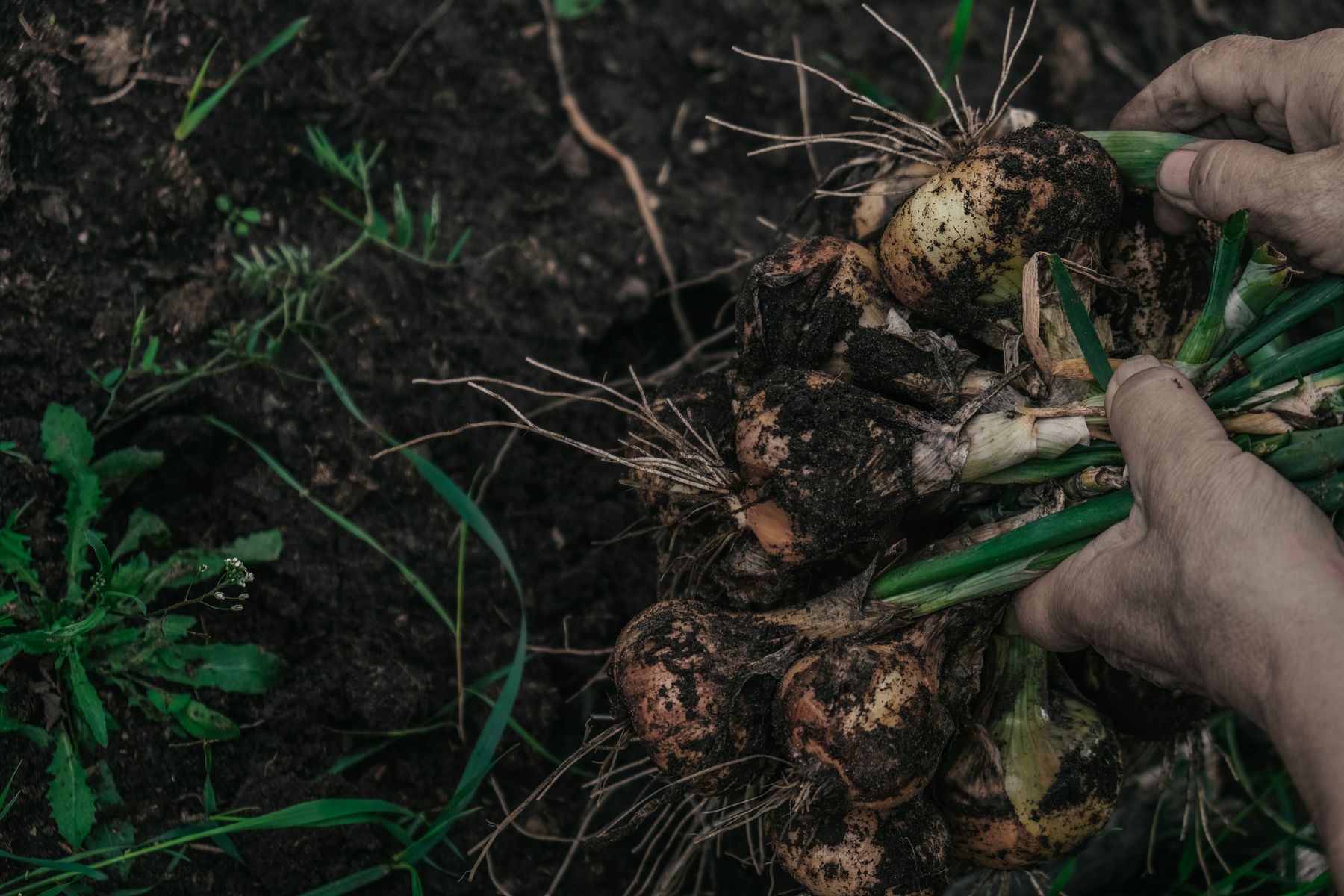
Onions are often close to harvest when their green tops naturally bend over, flop toward the soil, and begin drying down. That change is more useful than judging the bulb from above because it shows the plant is moving toward the end of its active growth. If the tops are still strongly upright and green, there is usually less reason to rush. Once a good portion of the foliage has fallen and started yellowing or drying, check the bulbs and soil conditions before lifting them. After harvesting, onions intended for storage benefit from proper curing in a dry, airy place until the outer skin becomes papery. The important clue is natural top-down decline rather than simply waiting for the biggest possible bulb.
2. Garlic — Look at the Lower Leaves
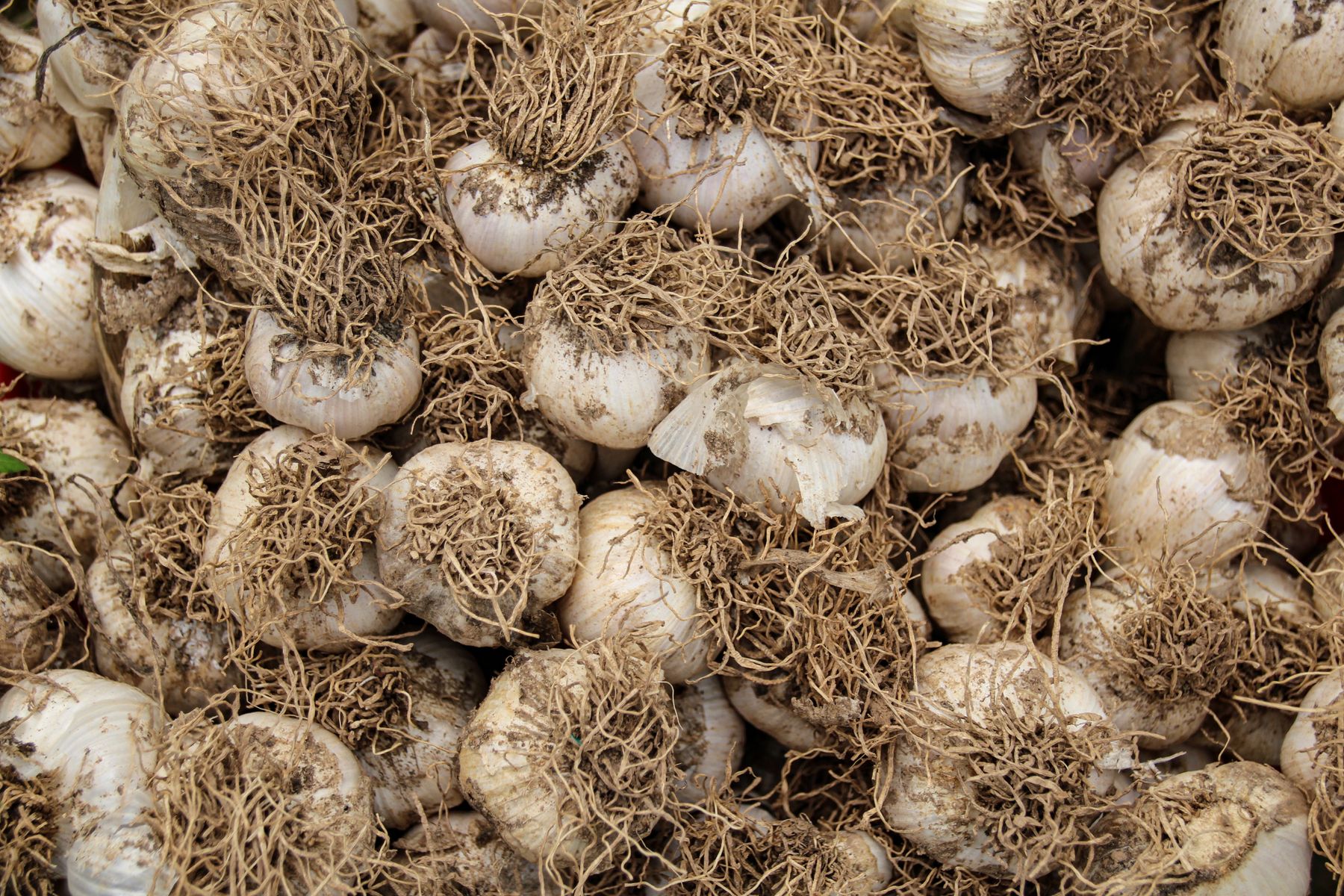
Garlic gives one of the most useful harvest signals because the leaves change progressively as the bulbs mature. A practical clue is when several of the lower leaves have turned brown while some of the upper leaves are still green. The remaining green foliage is important because harvesting too late can leave the bulb with fewer protective layers around the cloves. Instead of pulling plants simply because the calendar says it is time, look closely at several plants across the bed. When the lower leaves are browning in a consistent pattern, gently loosen one plant and inspect the bulb if necessary. Once harvested, handle garlic carefully and cure it somewhere dry and well ventilated so the outer layers can dry properly.
3. Sweet Corn — Brown Silks and Milky Kernels
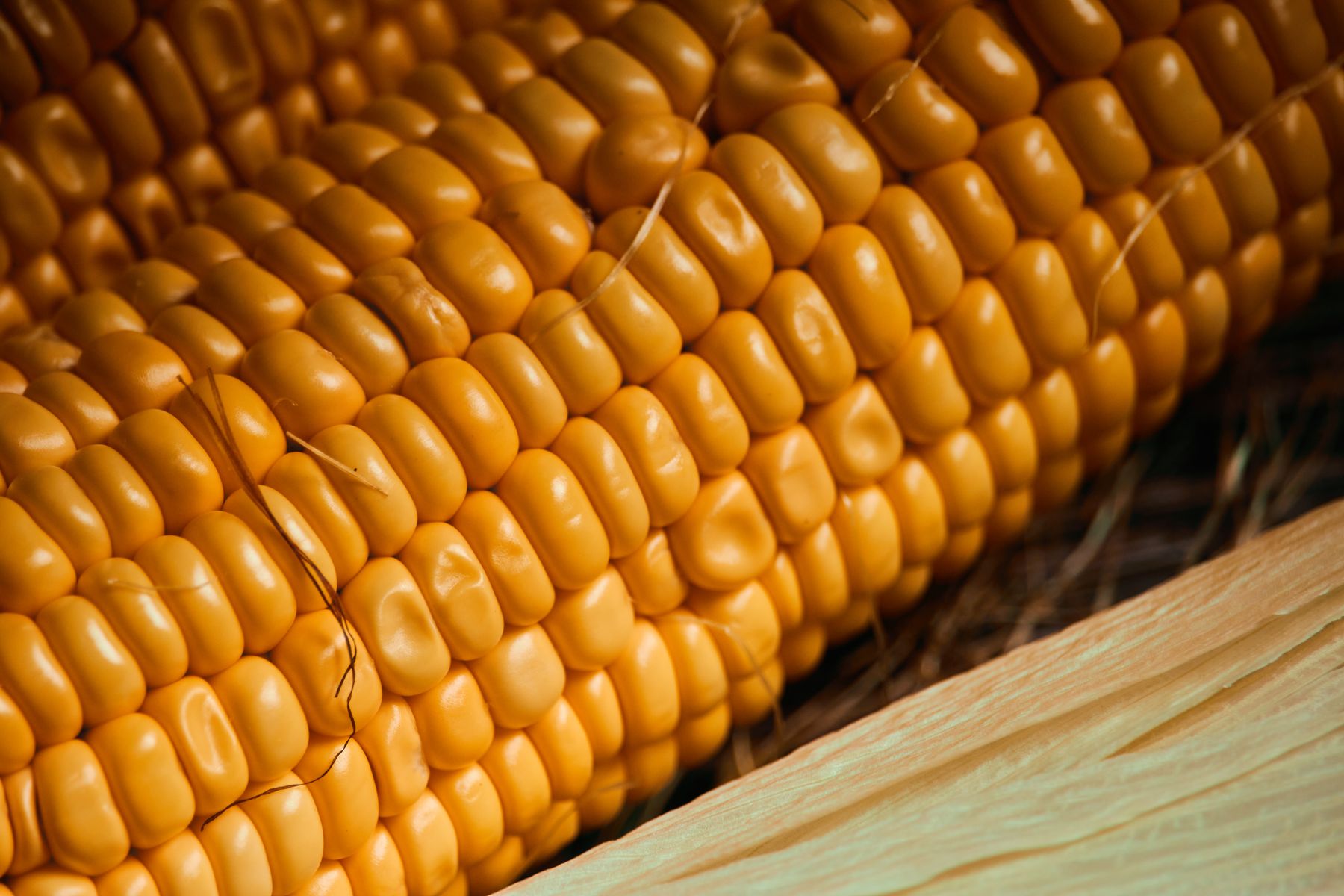
Sweet corn is one crop where a quick hands-on check can be more reliable than appearance alone. When the silks have turned brown and dried, the ears are worth testing. Peel back a small section of husk and gently puncture a kernel with a clean fingernail. If the juice is milky, the kernels are generally in a desirable eating stage. Clear liquid usually means the kernels are still immature, while a thicker, doughier interior suggests the sugars are beginning to convert and the corn is moving past peak sweetness. Because sweet corn can change quickly, check ears individually rather than assuming every ear in the patch is ready on exactly the same day. Harvesting promptly after the milky stage helps preserve tenderness and sweetness.
4. Brussels Sprouts — Harvest Firm Sprouts
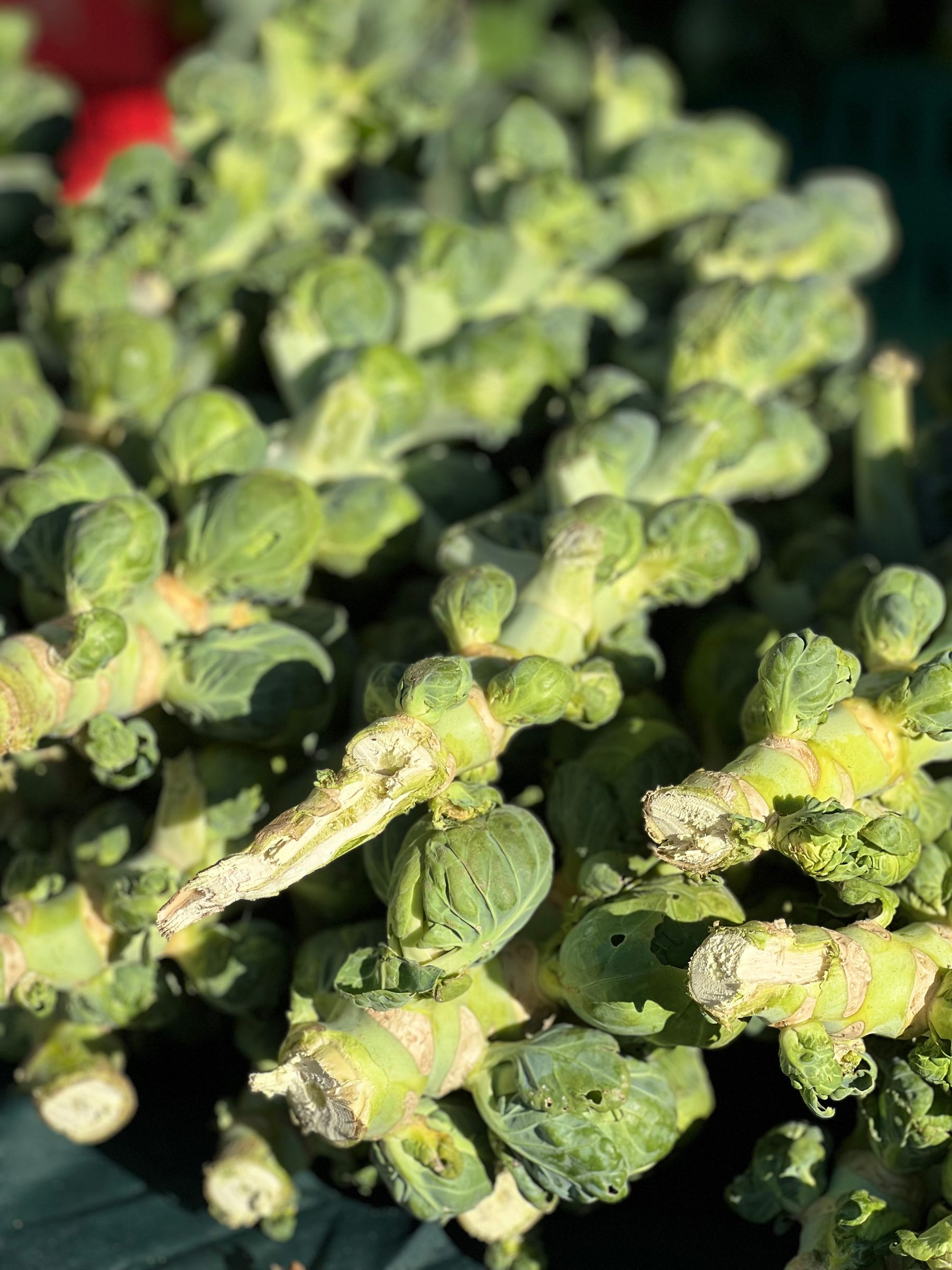
Brussels sprouts are better judged by the individual sprouts than by the overall height of the plant. Look for compact, firm sprouts that have developed a solid round shape along the stalk. Very loose or leafy sprouts are usually not the target stage. You do not need to wait until the entire plant is ready at once, either. Harvesting can be gradual, starting with the lower sprouts as they reach a good size and firmness while the upper ones continue developing. Cool weather can also improve the eating quality of Brussels sprouts, so patience can be worthwhile when conditions remain favorable. The useful harvest clue is a tight, well-formed sprout rather than simply the biggest possible diameter.
5. Cauliflower — Pick Before the Head Opens
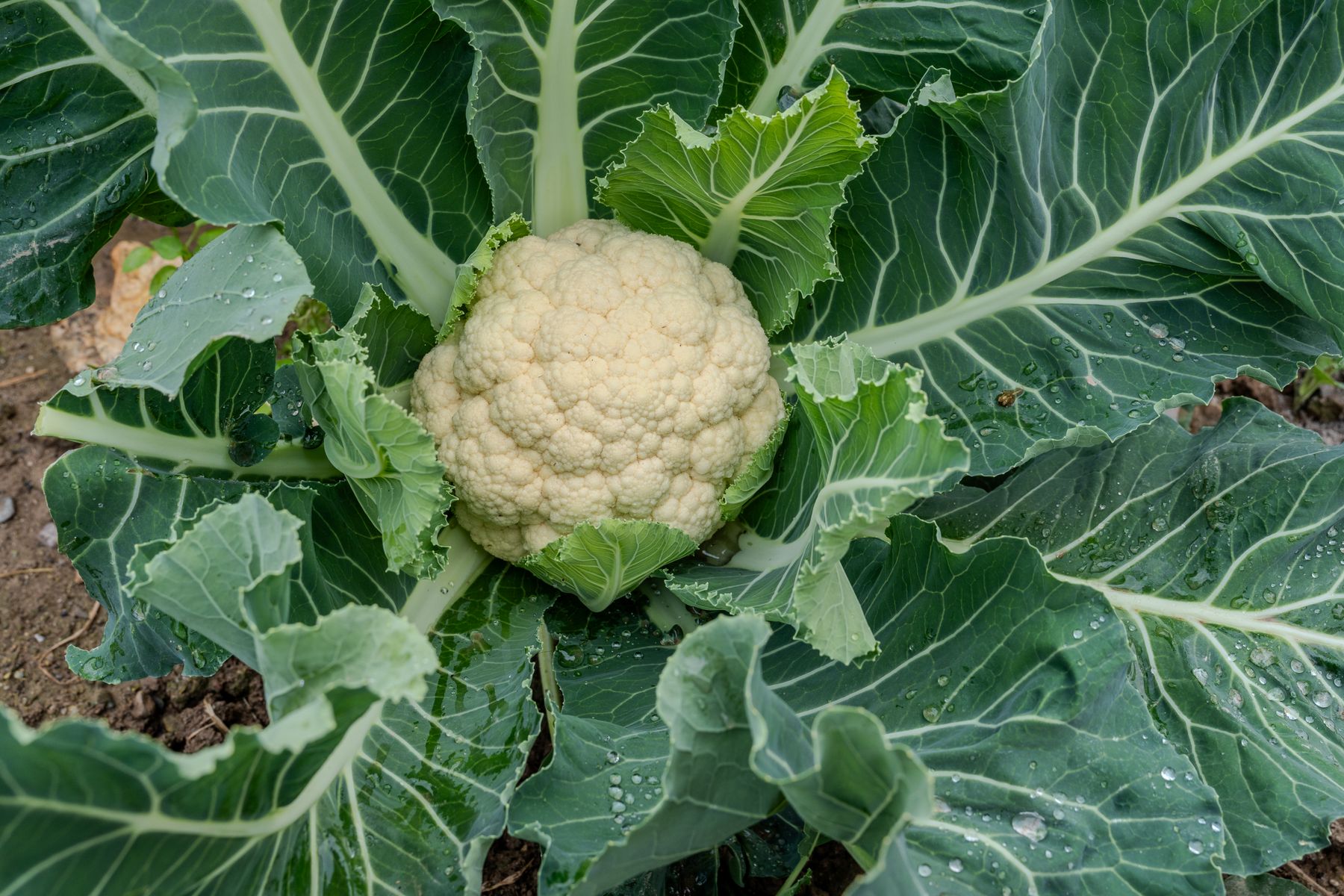
Cauliflower has a relatively narrow window for a beautiful, compact head. The ideal clue is a tight, solid white head with closely packed curds. If the curds begin separating, stretching, or showing tiny flower openings, the plant is moving beyond the stage most gardeners want for a firm head. Check underneath the surrounding leaves as the head develops, especially during warm or rapidly changing weather. Harvest with a portion of the stem and several protective leaves attached if you plan to handle or store the head for a short time. Size matters, but it is secondary to firmness and the condition of the curds. A smaller cauliflower harvested while perfectly tight can be much better than a larger one that has started to loosen.
6. Broccoli — Tight Head, No Yellow Flowers
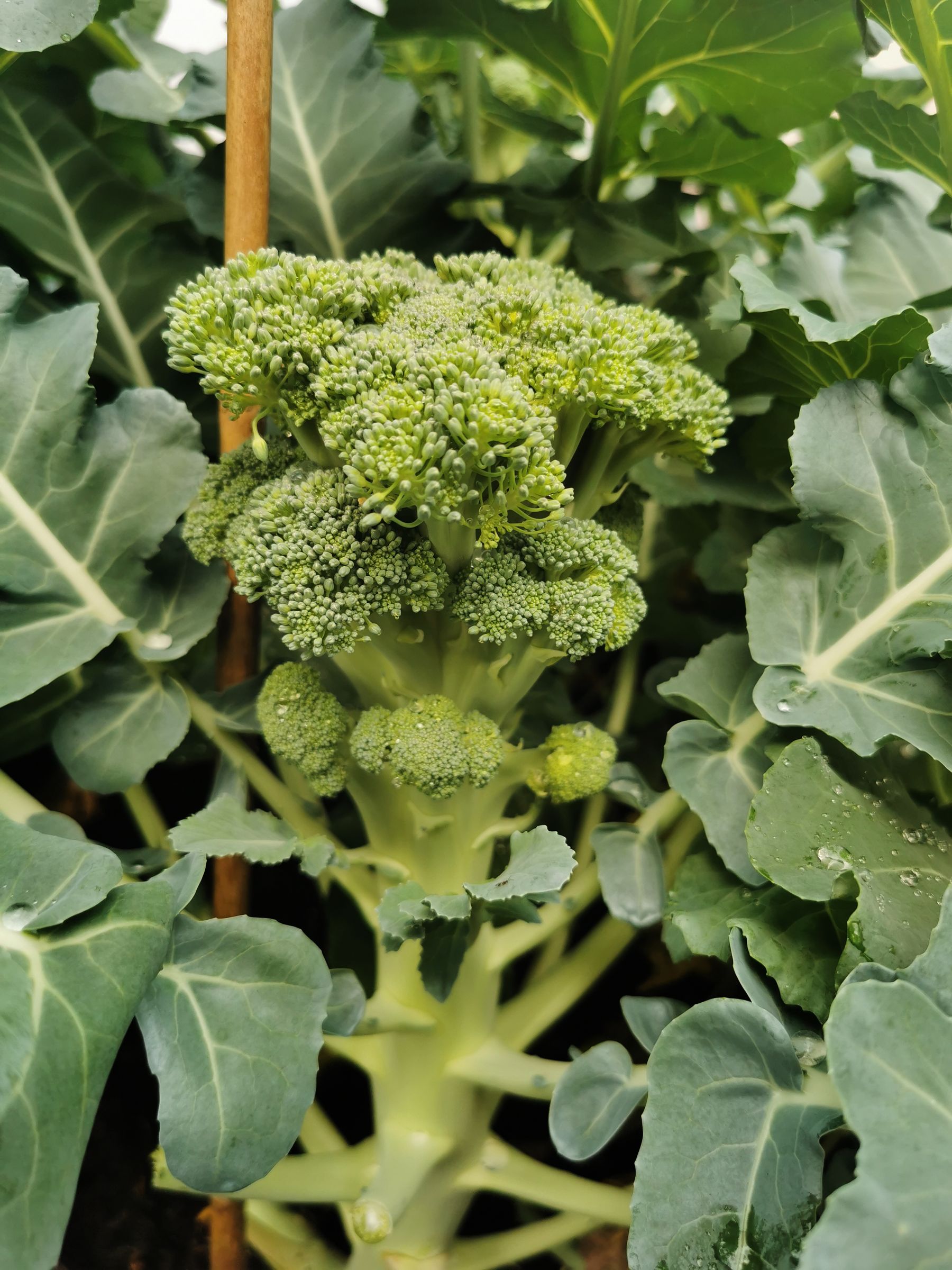
Broccoli should be harvested while the central head is still tight and the individual flower buds are closed. Look closely at the surface: you want compact green buds rather than a head that has begun stretching apart. Tiny yellow flowers are a warning that the plant is already moving into flowering, and the texture can become less desirable as the buds open. The central head is usually harvested first, and many plants can continue producing smaller side shoots afterward. Check the crop frequently once the heads begin forming because broccoli can move from nearly ready to overmature surprisingly quickly in warm weather. A tight, richly colored head is a better harvest signal than trying to reach a particular diameter.
7. Kohlrabi — Harvest While the Bulb Is Tender
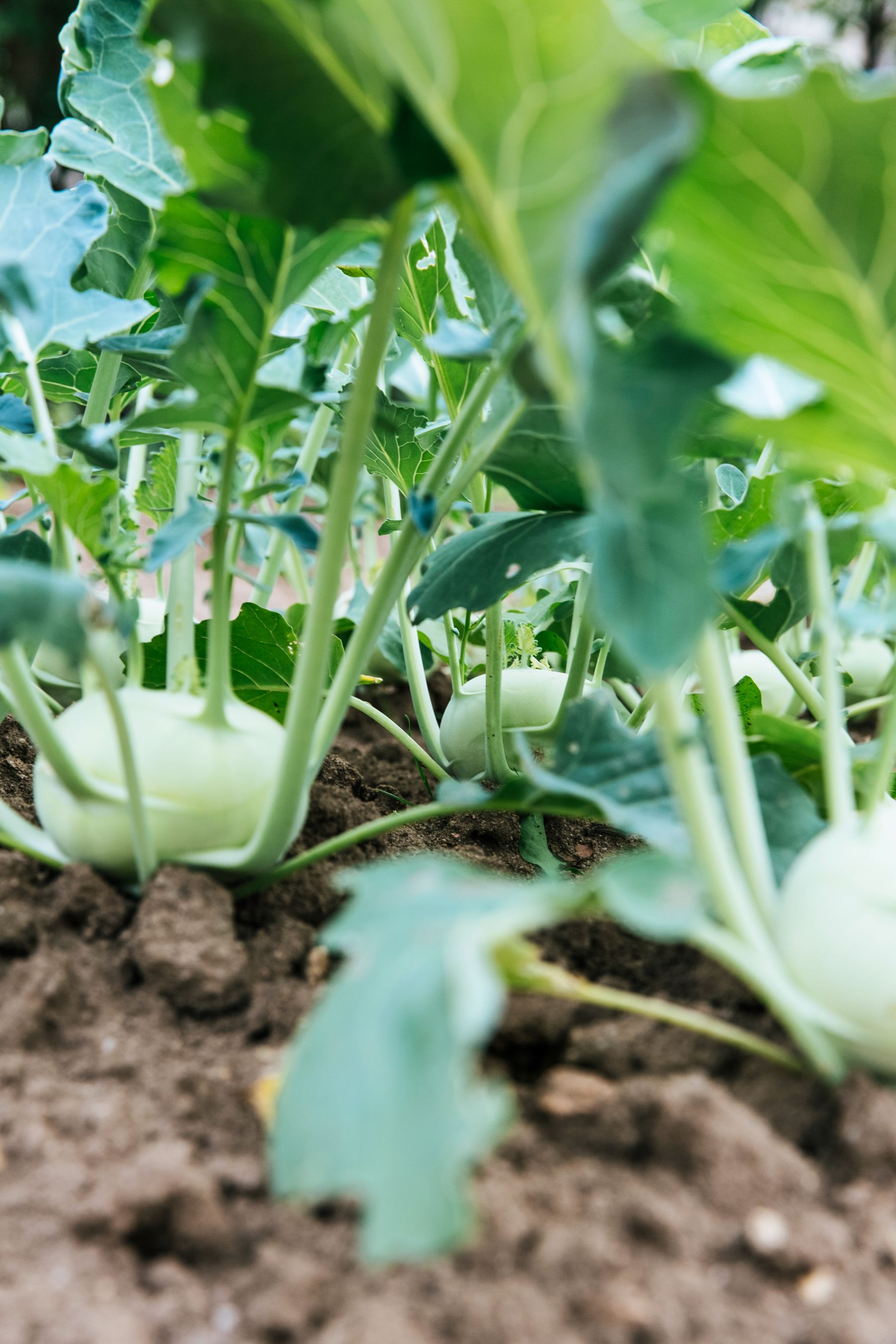
Kohlrabi is a good example of a vegetable that can become less enjoyable when gardeners wait for impressive size. The swollen stem should feel firm and look nicely developed, but it does not need to become enormous. Smaller to medium-sized kohlrabi are often preferred because the flesh can remain more tender and pleasant to eat. Check the bulb above the soil line and harvest when it has reached a useful size for your variety and growing conditions. If you notice the swollen stem becoming very large, hard, or woody, you may already be waiting longer than necessary. Rather than chasing maximum size, use tenderness and the condition of the bulb as your guide.
8. Florence Fennel — Watch the Bulb, Not the Height
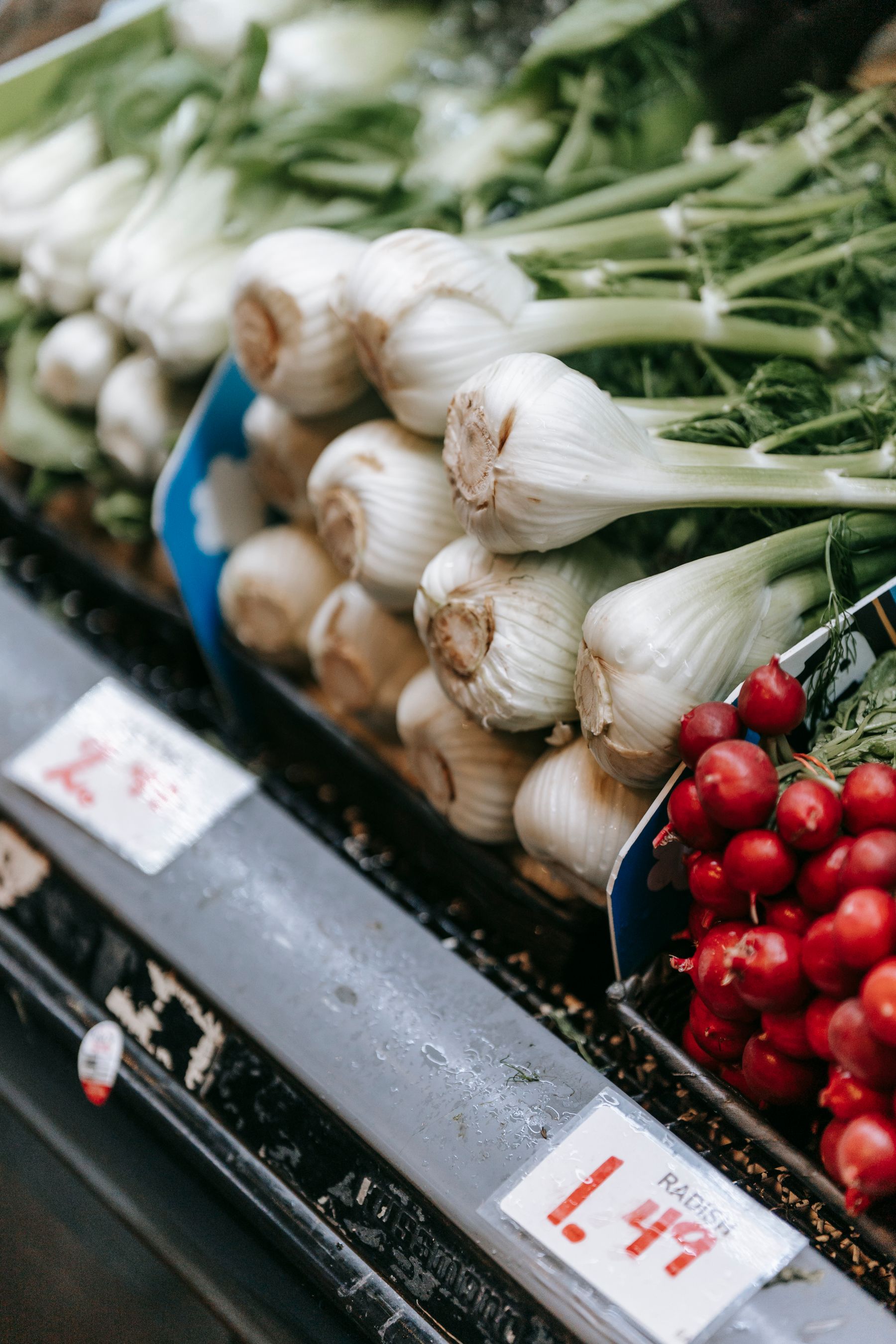
Florence fennel can look tall and impressive before the part you actually want to eat has reached its best stage. The useful clue is the swollen base: harvest when the bulb has developed a firm, rounded shape and is roughly around the size you want for cooking, rather than waiting for it to become oversized. Smaller bulbs are often easier to keep tender, while delayed harvesting can allow the plant to stretch upward and become more fibrous. Check the base regularly once it begins swelling. If the bulb looks well formed and substantial enough for your intended use, it is usually better to harvest it than to leave it simply because the plant still has plenty of leafy growth above it.
9. Leeks — Look for a Thick White Shaft
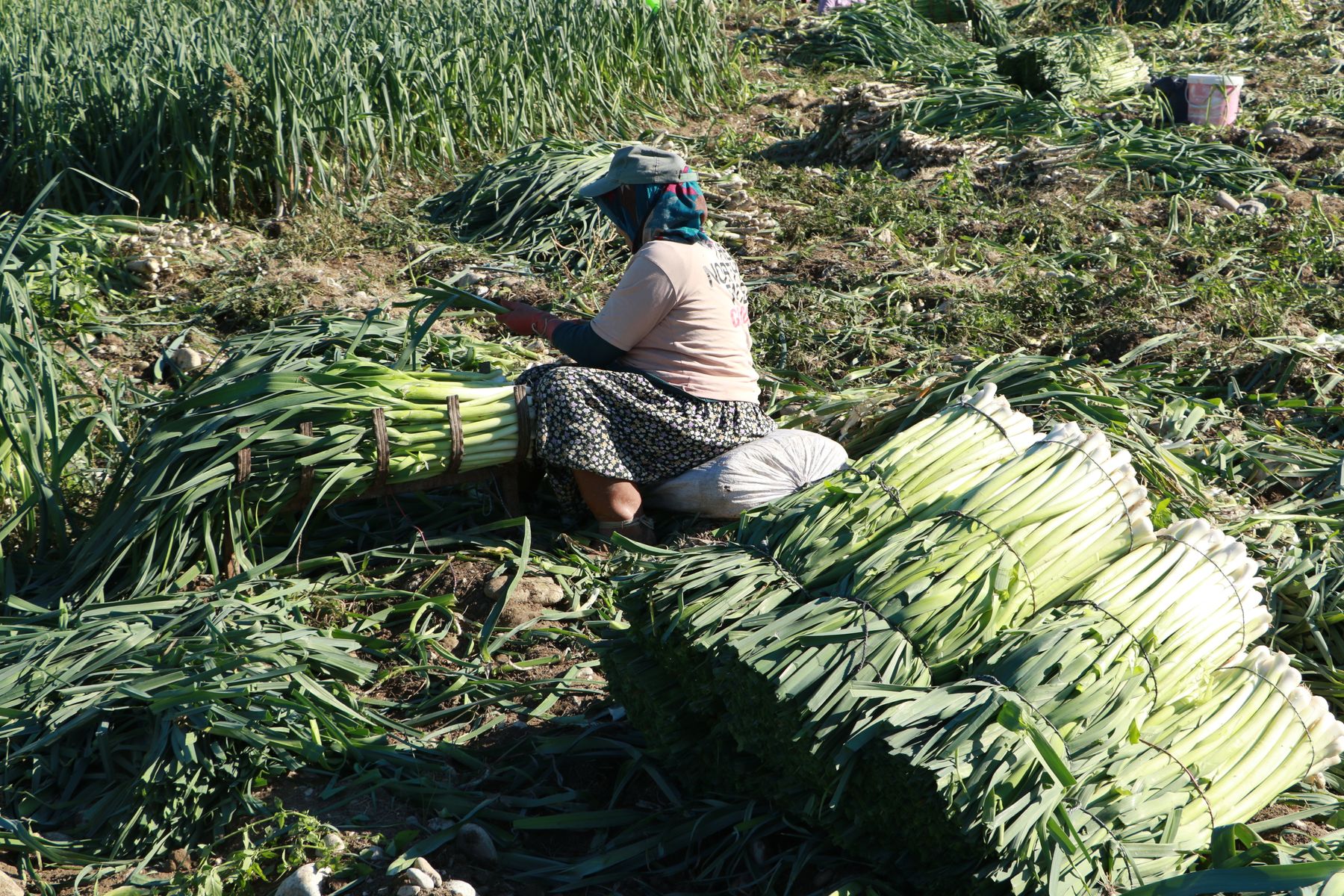
Leeks are harvested for their pale, tender shaft, so the key clue is thickness and development at the base rather than the total height of the leaves. A mature leek should have a substantial white or pale-green shaft with a useful diameter for your cooking needs. In loose soil, you can gently uncover part of the lower stem to inspect its size without immediately pulling the plant. Leeks are forgiving and can often remain in the ground while they continue to thicken, provided weather and growing conditions are suitable. Harvest when the shaft has reached the size and tenderness you want. The image of a thick, clean-looking base is a much more useful guide than simply counting days since planting.
The Best Harvest Rule: Watch the Plant
The common thread among these vegetables is simple: maturity often announces itself through a change in the plant. Onion tops flop and dry, garlic loses its lower leaves, corn develops brown silks and milky kernels, broccoli and cauliflower hold tight heads, Brussels sprouts become firm, and kohlrabi and fennel reach a useful tender size before becoming oversized. Leeks show their readiness through a thicker shaft. These signs are not a substitute for knowing your variety and local growing conditions, but they give you something practical to observe every time you walk through the garden. Instead of asking only, “How big is it?”, ask, “What is the plant telling me?” That small change in attention can make harvest timing much more consistent.