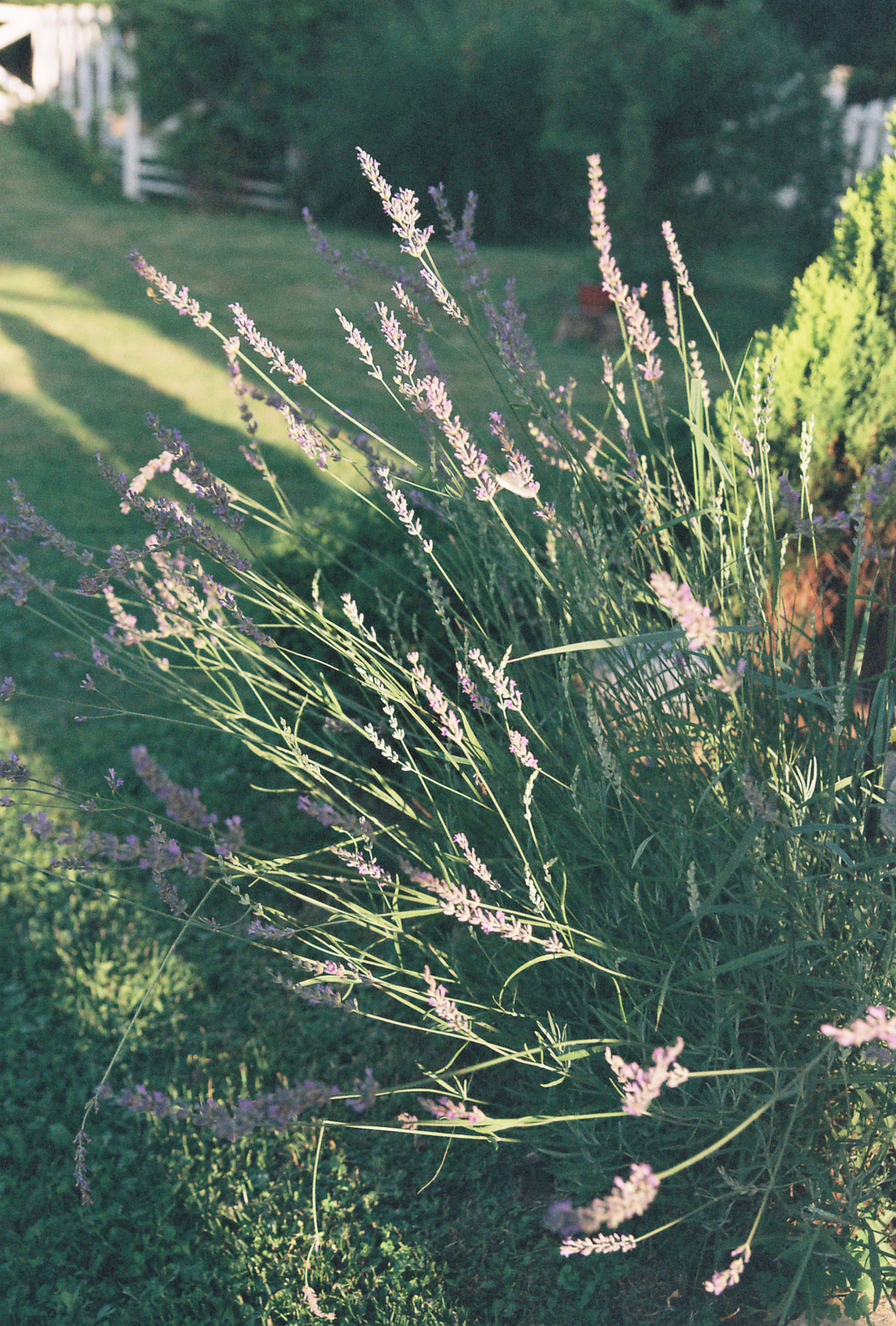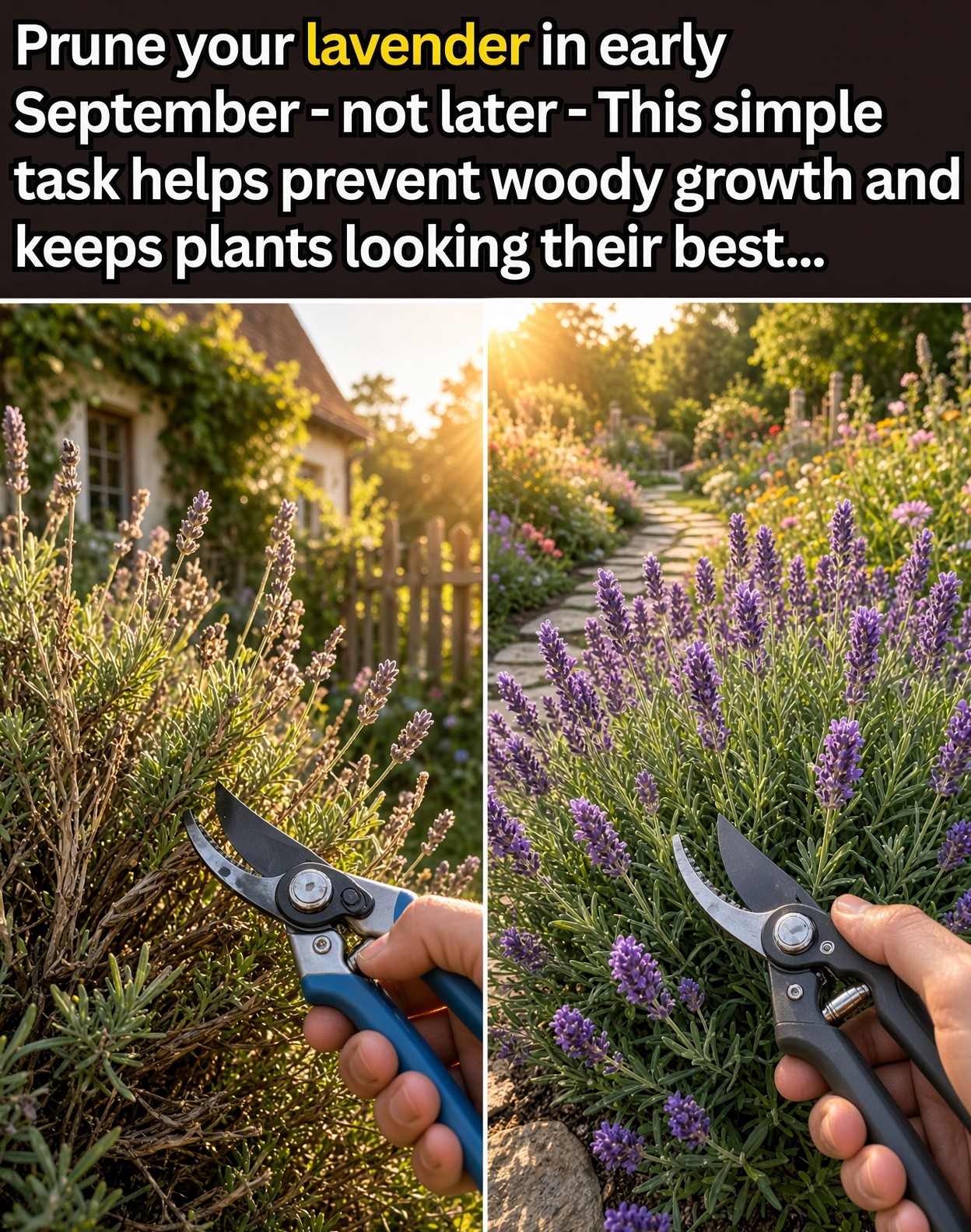
A rewritten, image-matched gardening guide based on the Gardening Soul article published August 15, 2026.
Lavender is easy to grow, but it does not benefit from being ignored for years. Regular, moderate pruning helps keep plants compact, encourages fresh leafy growth, and prevents them from becoming increasingly woody and open. The key is knowing when to prune and where to stop.
Why Lavender Needs Regular Pruning
Regular pruning keeps lavender from becoming open, woody, and leggy. Without occasional shaping, the center can separate, stems can flop outward, and flowers can become concentrated at the ends of long branches.
The Goal of Pruning
Pruning lavender is best viewed as preventive maintenance. A moderate annual trim encourages fresh leafy growth, keeps the plant compact, removes spent flower stalks, improves airflow, and slows excessive woody growth.
When Is the Best Time to Prune Lavender?
The ideal schedule depends on the lavender type and your climate, but there are generally two useful pruning periods: spring and after the first major flowering period.
Spring Pruning
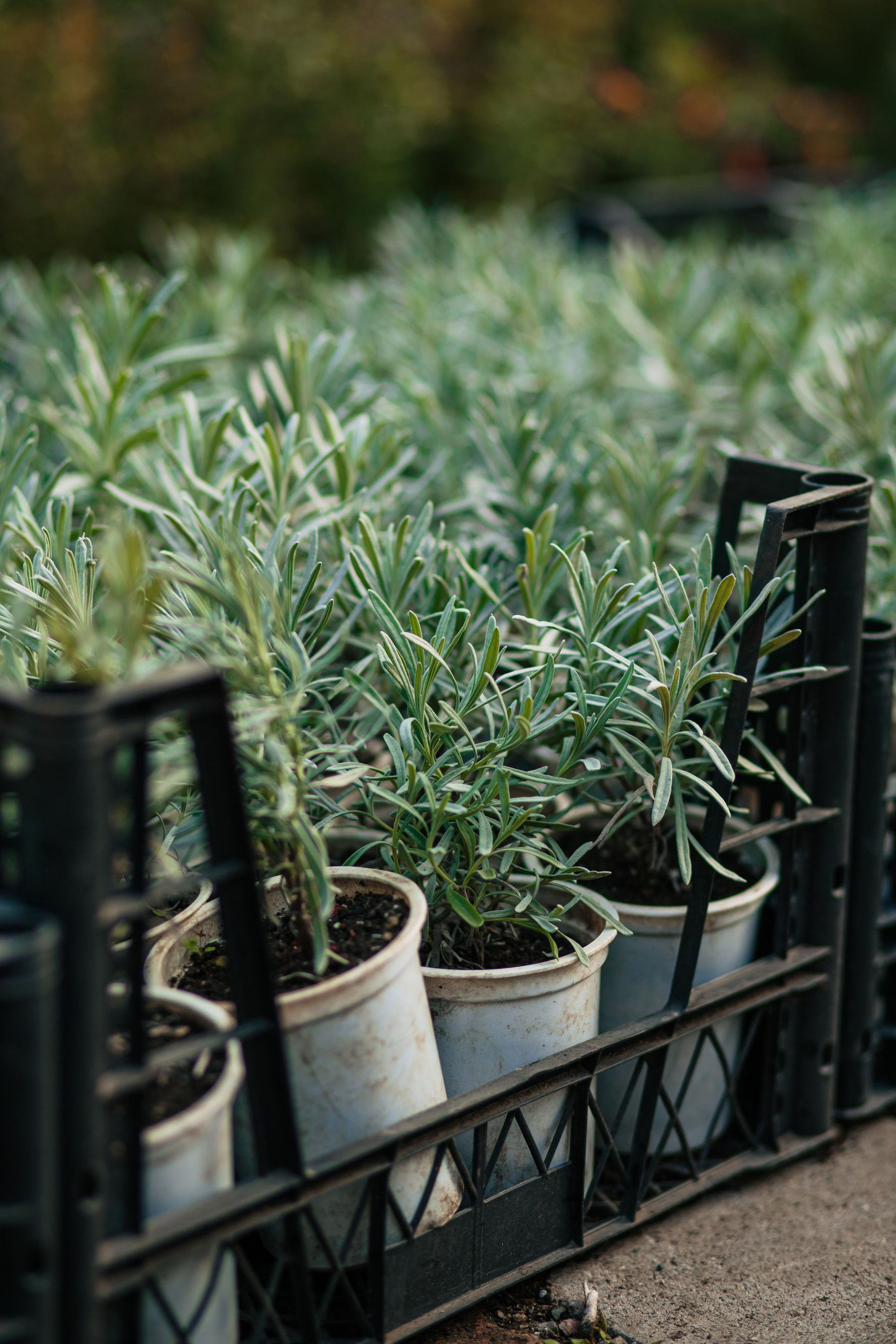
Spring is a good time to inspect lavender for winter damage. Wait until fresh green growth is visible, then remove clearly dead or damaged stems and lightly correct the shape. In colder climates, avoid aggressive early-spring pruning because tender growth can still be exposed to frost.
Pruning After Flowering
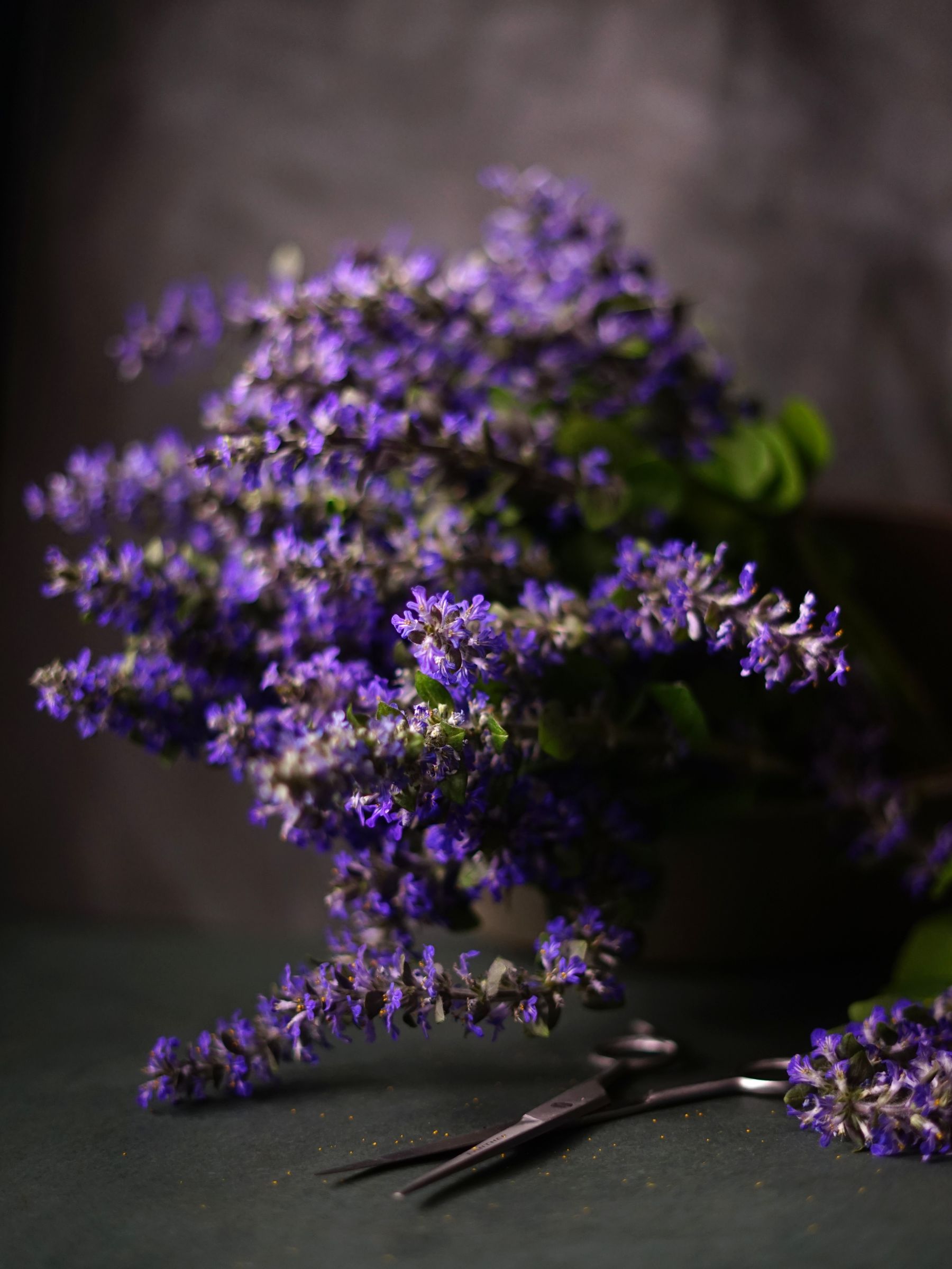
The main annual pruning is often done after the first major flush of flowers fades, commonly in mid- to late summer. Remove spent flower stems and shorten some fresh green growth to keep the plant compact.
Keep Green Growth
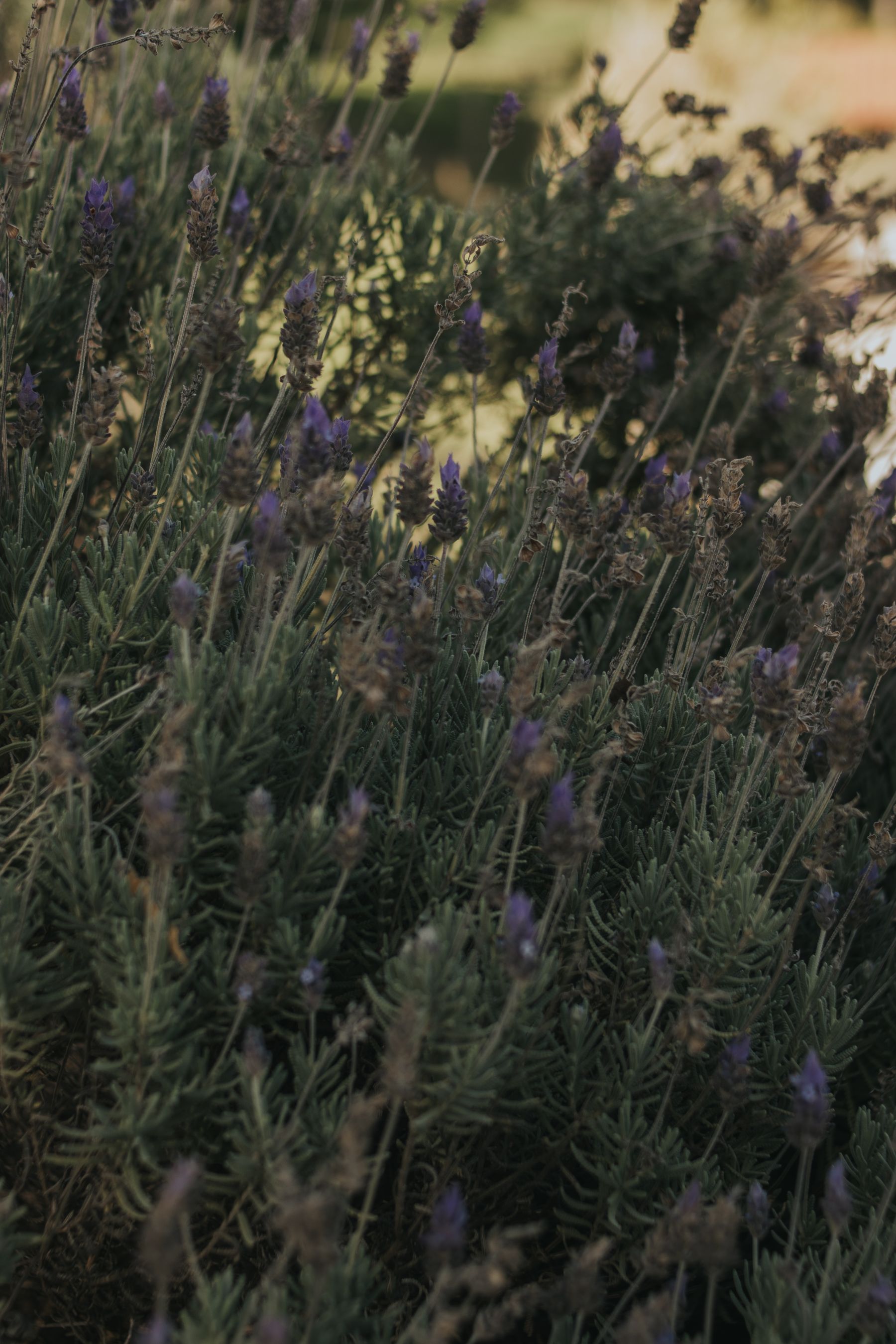
The most important word after flowering is leafy. Old bare lavender wood does not reliably produce new shoots after a hard cut, so keep plenty of healthy green growth below your cuts.
How Much Should You Cut?
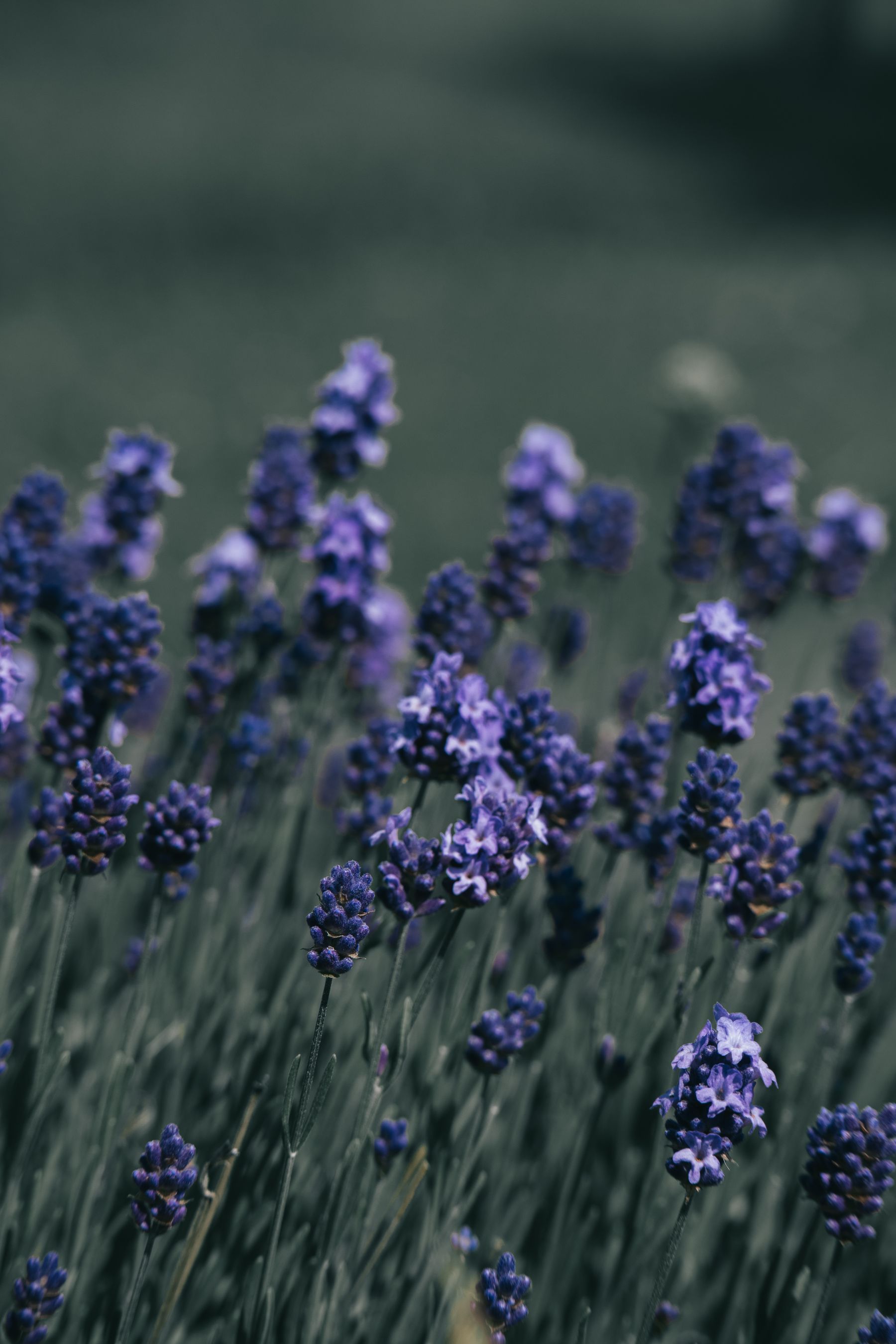
A common guideline is to remove roughly one-third of the leafy growth during the main annual pruning. The exact amount matters less than the location of the cut: stay within healthy, leafy growth.
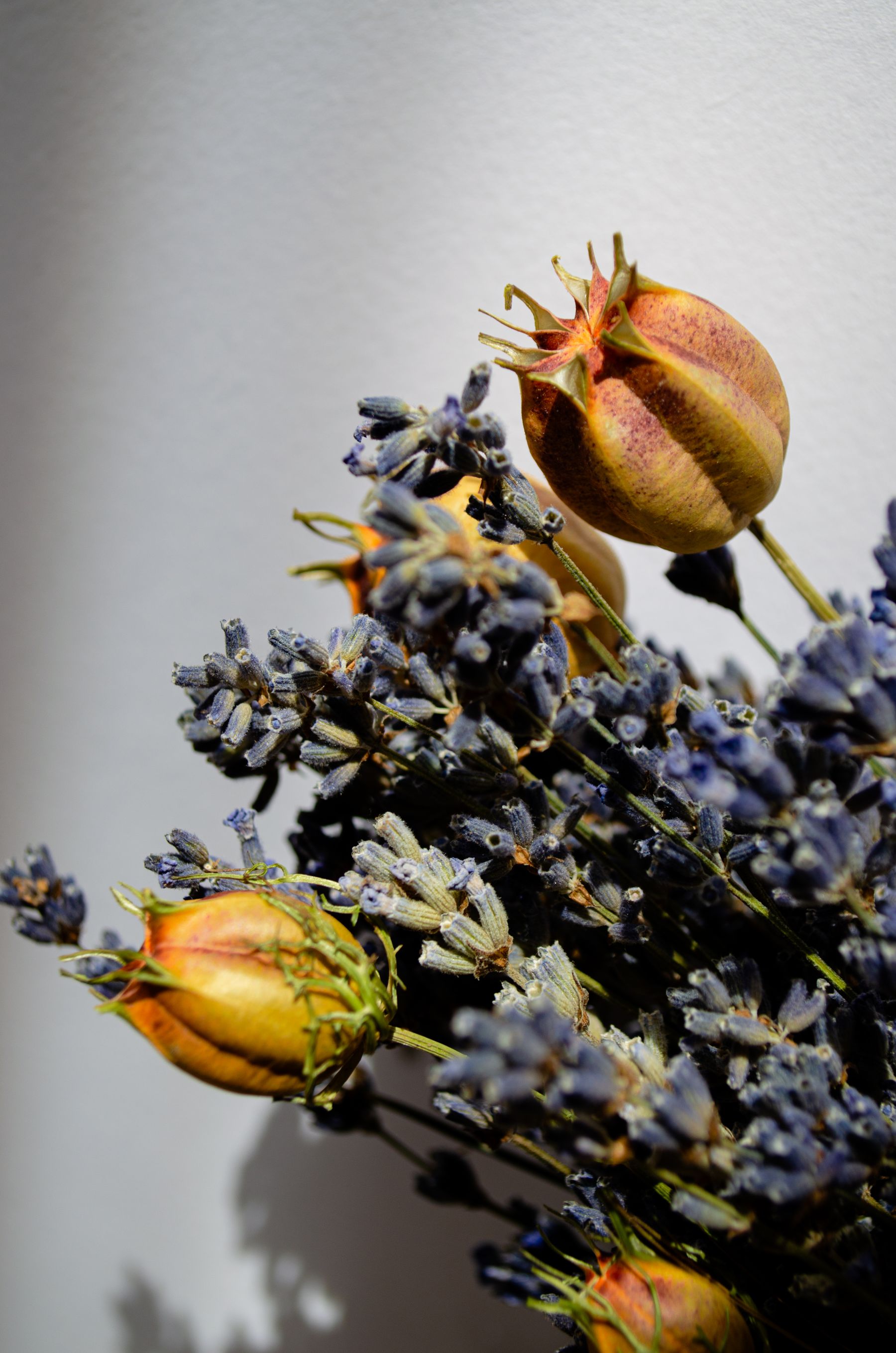
Step 1: Check the Plant
Before cutting anything, identify spent flowers, fresh green growth, dead stems, woody lower growth, and areas that have become unusually long or floppy. This makes it easier to decide how much shaping is actually necessary.
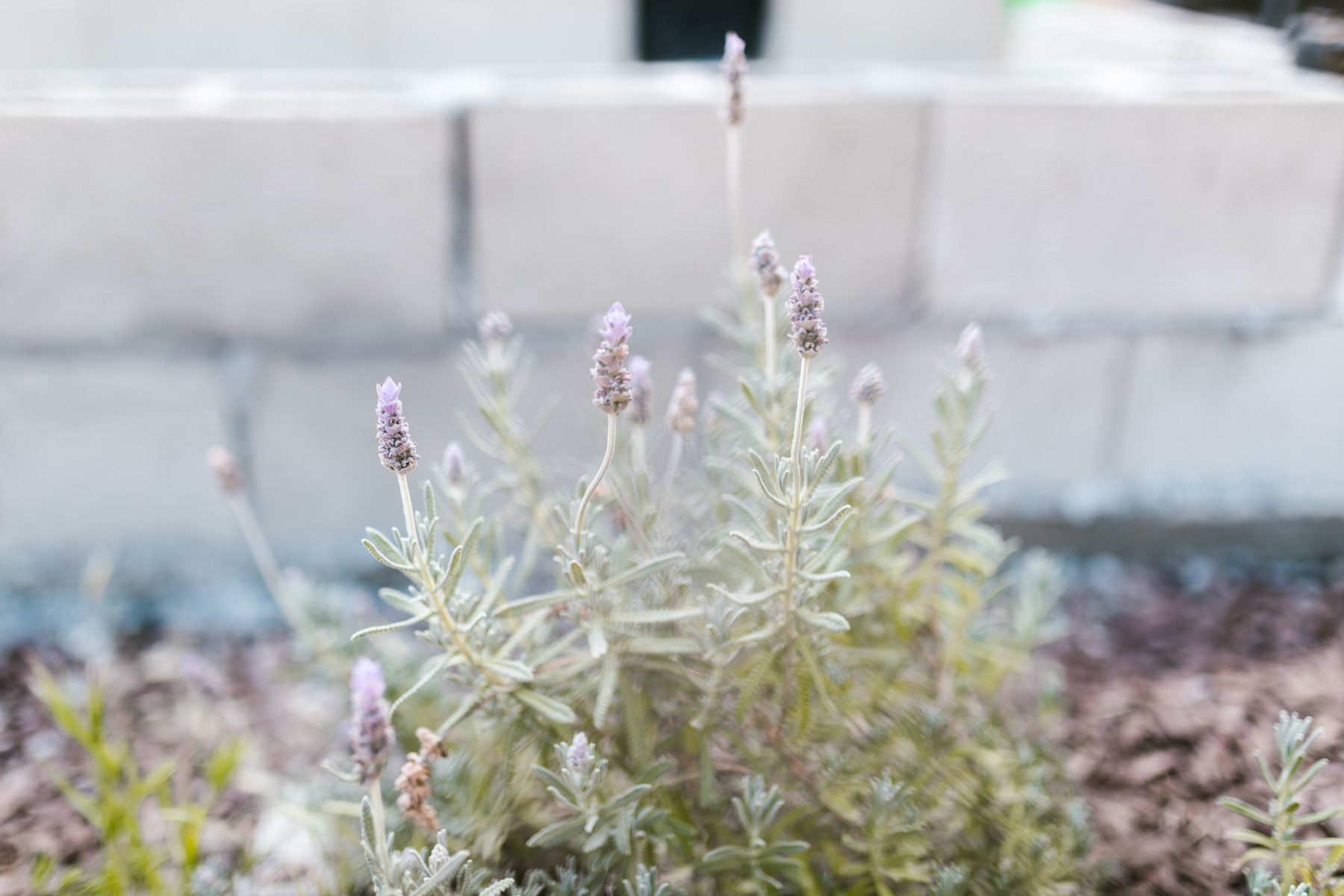
Step 2: Remove Spent Flower Stalks
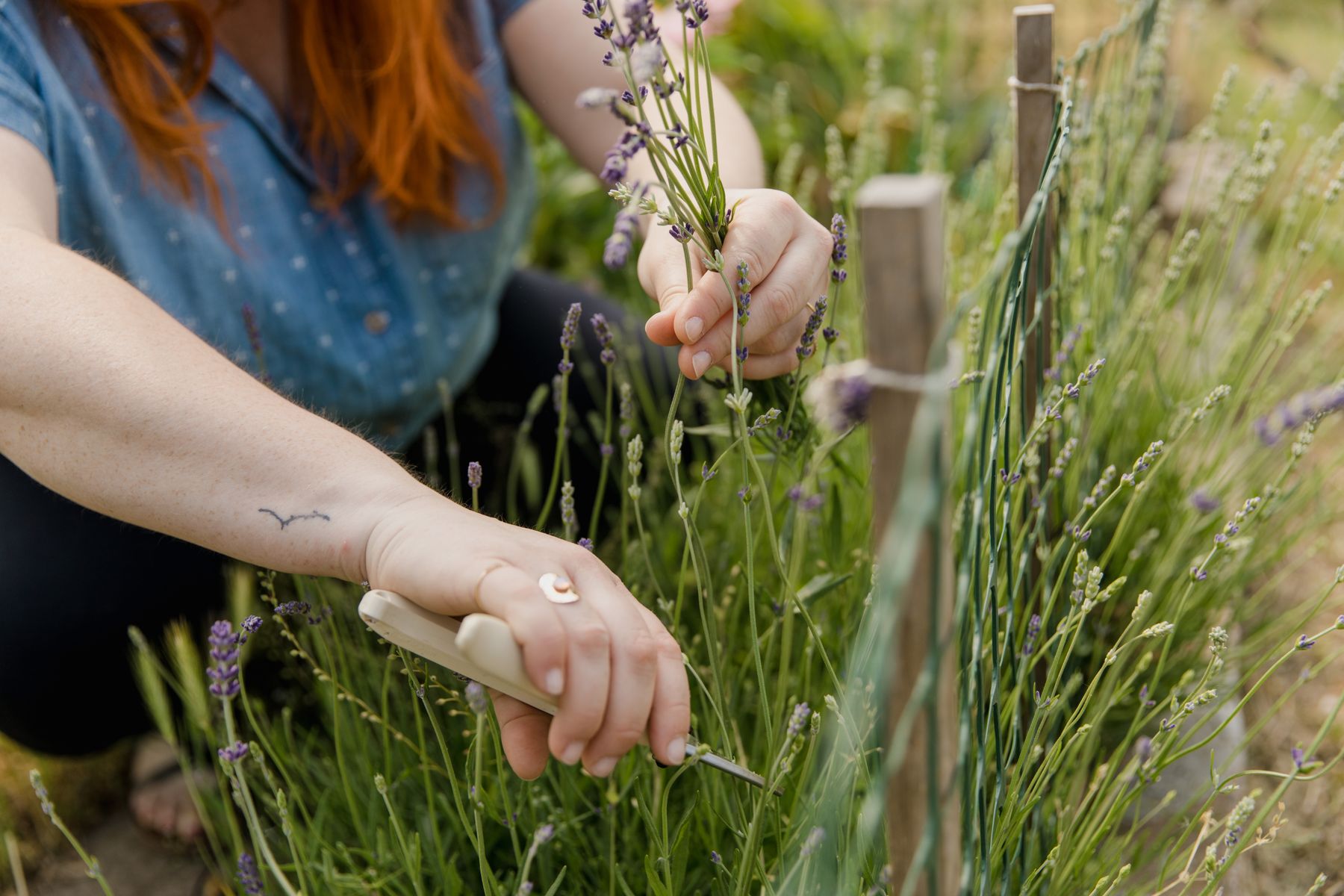
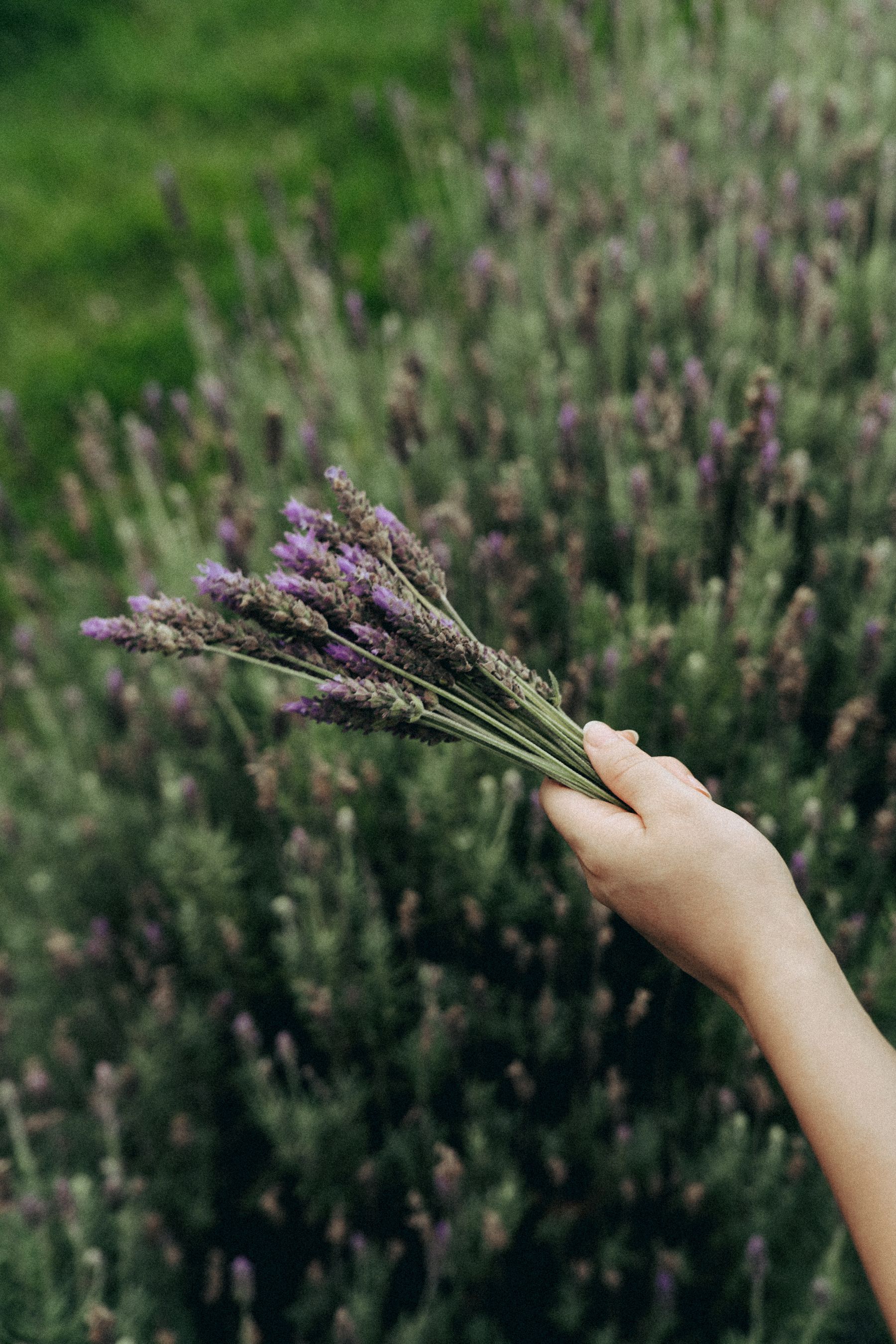
Cut off faded flower stalks once flowering declines. You can harvest fragrant flowers for drying and crafts, but simply removing the flower tips does not do much to maintain the plant’s compact shape.
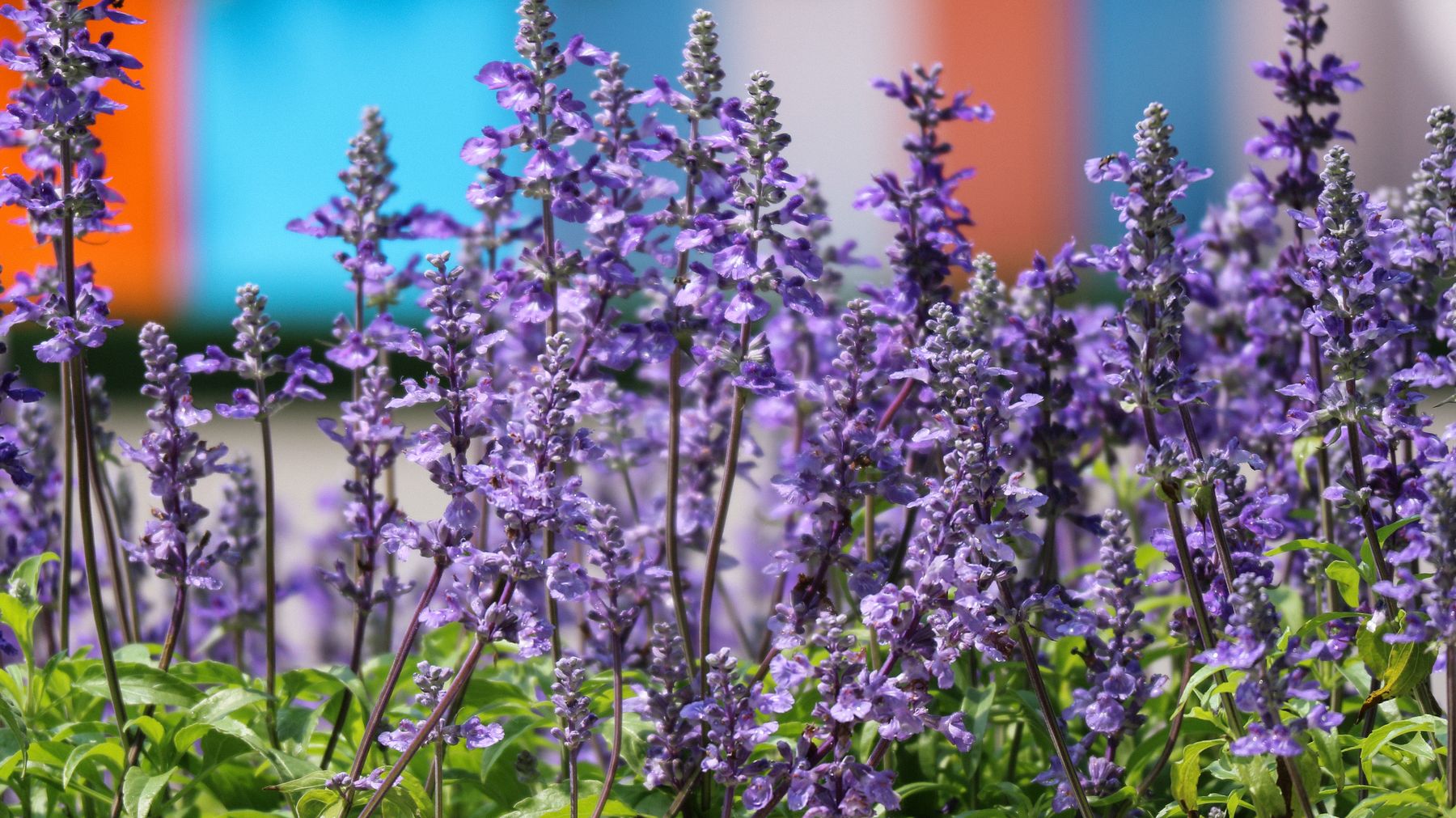
Step 3: Shorten the Leafy Stems
After removing the flowers, shorten some of the green leafy growth. For established plants, trimming approximately one-third of the leafy portion is often sufficient. If uncertain, remove less rather than more.
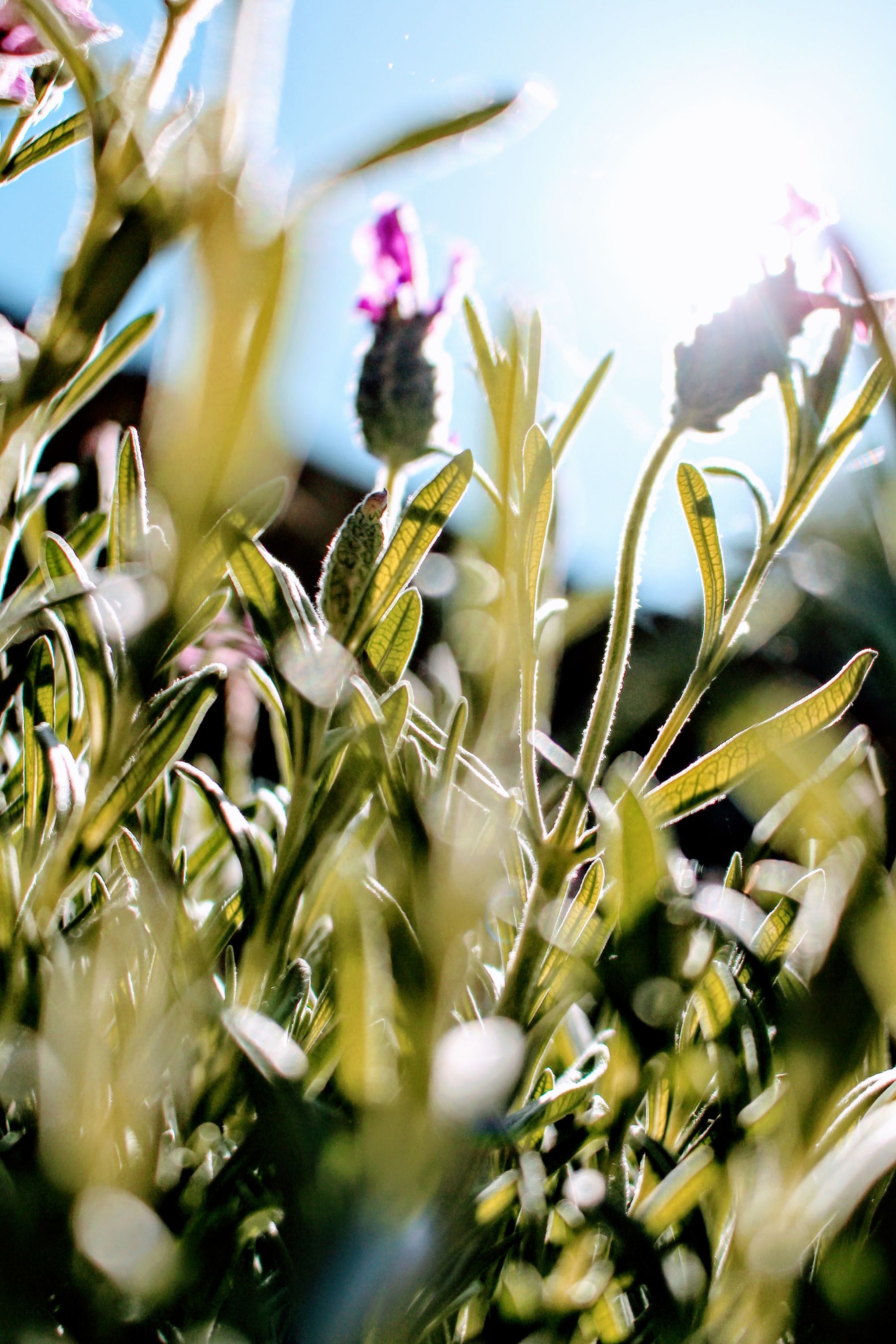
Step 4: Create a Rounded Shape
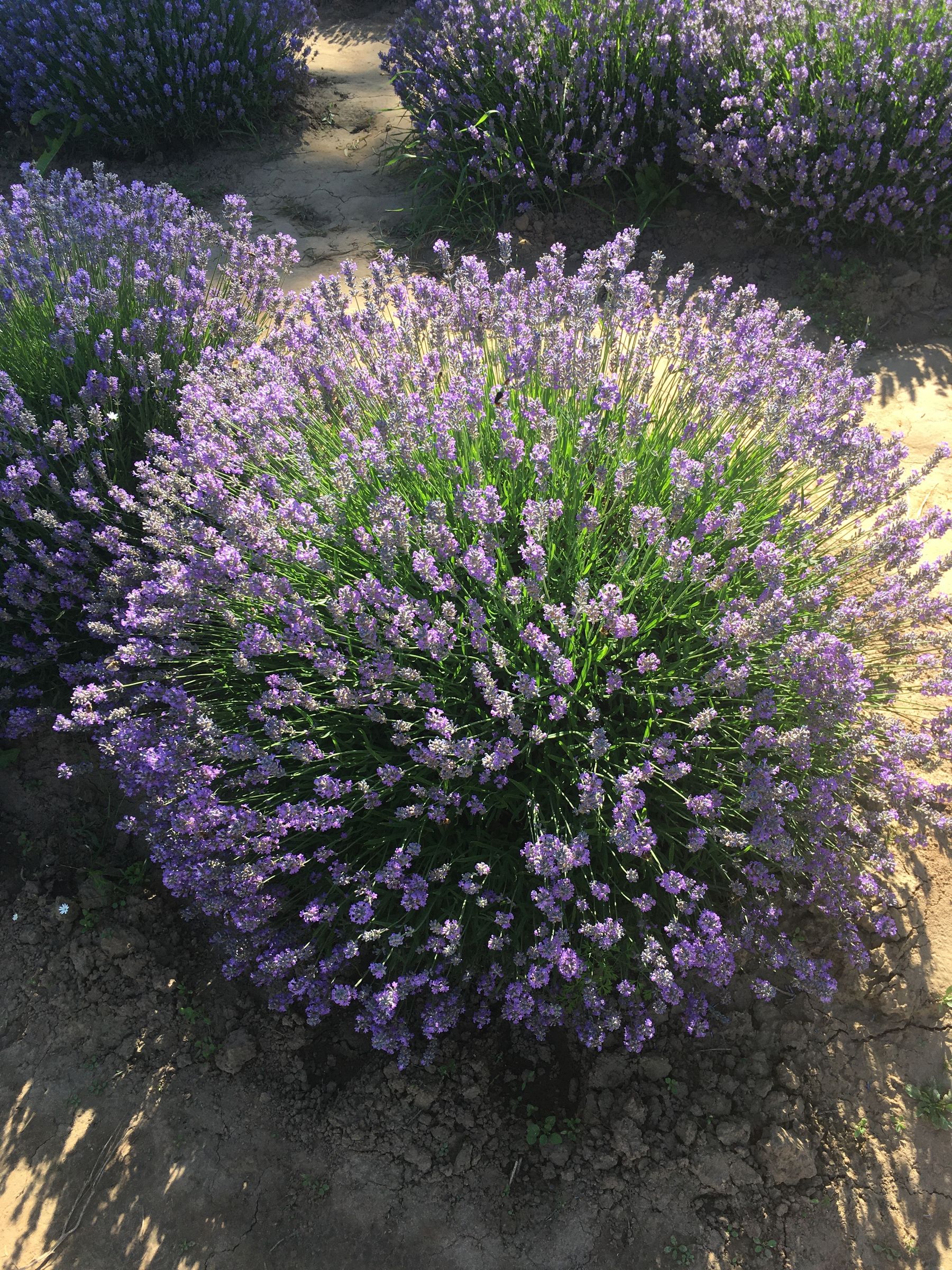
Lavender naturally looks best as a compact mound. Shape it into a rounded dome rather than a flat top, keeping the center slightly higher and gradually shortening stems toward the edges.
Step 5: Remove Dead Growth
Completely dead stems can be removed. Look for green leaves or buds on questionable branches, or gently scratch a tiny section of bark. Naturally brown woody bases are not necessarily dead if healthy green growth remains farther up.
The Most Important Rule: Don’t Cut Deeply Into Old Wood
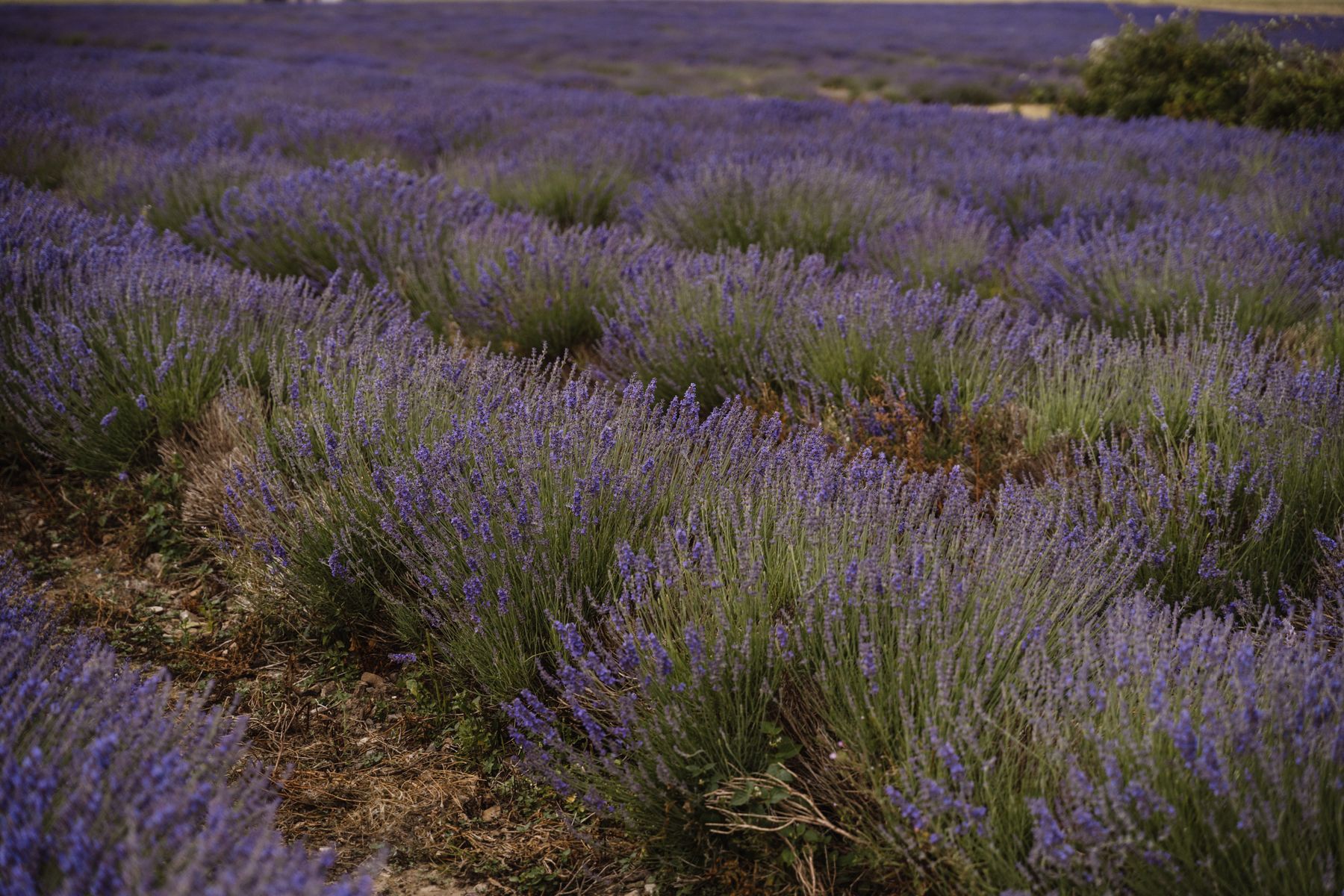
A neglected lavender plant may tempt you to cut it almost to the ground. Unfortunately, lavender does not reliably regenerate from old bare wood, so branches with no visible green growth below the cut may never produce new shoots.
Pruning English Lavender
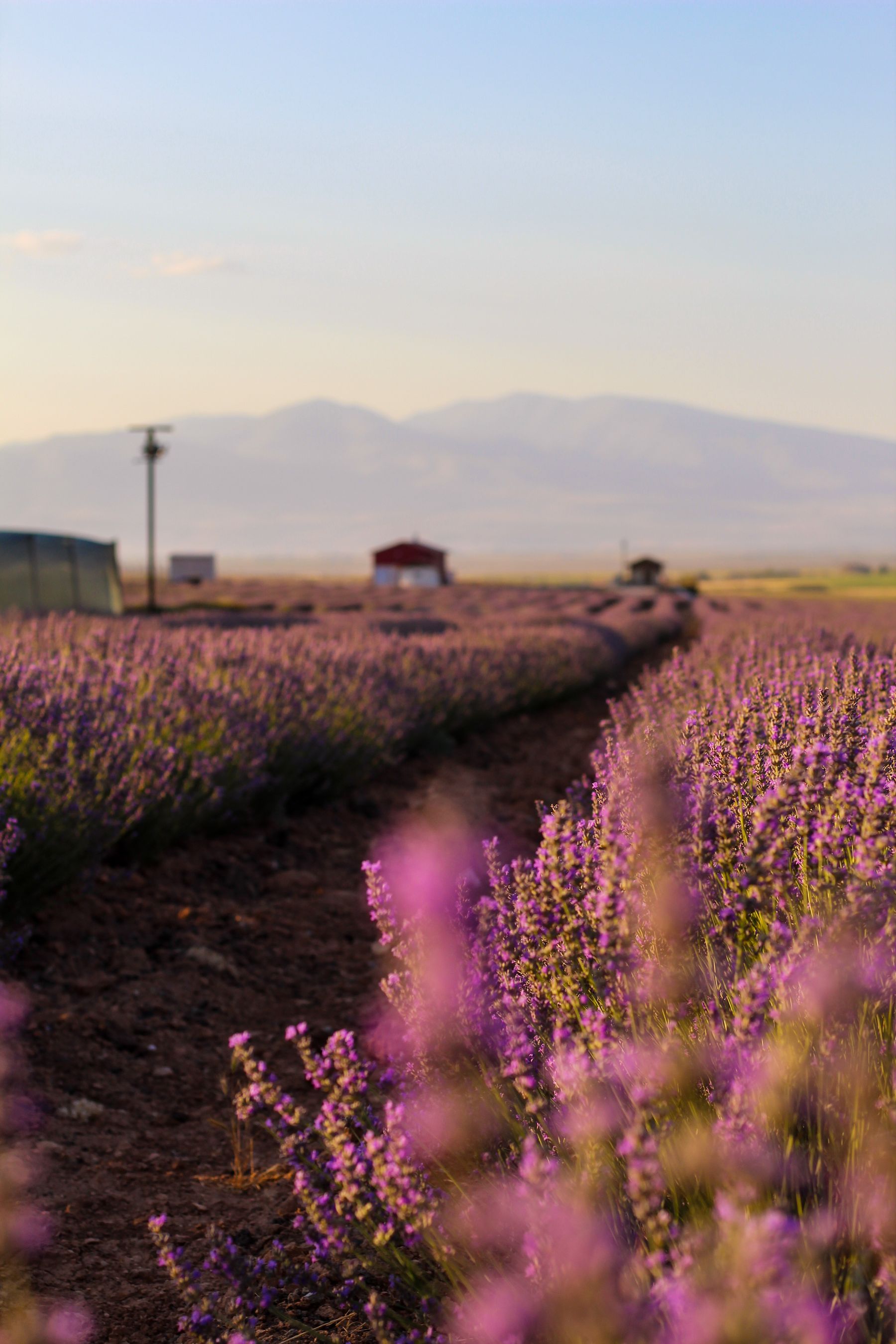
English lavender (Lavandula angustifolia) is one of the most popular garden lavenders and among the more cold-hardy types. After flowering, remove spent stems and shorten leafy growth while maintaining a rounded shape.
Pruning French and Spanish Lavender
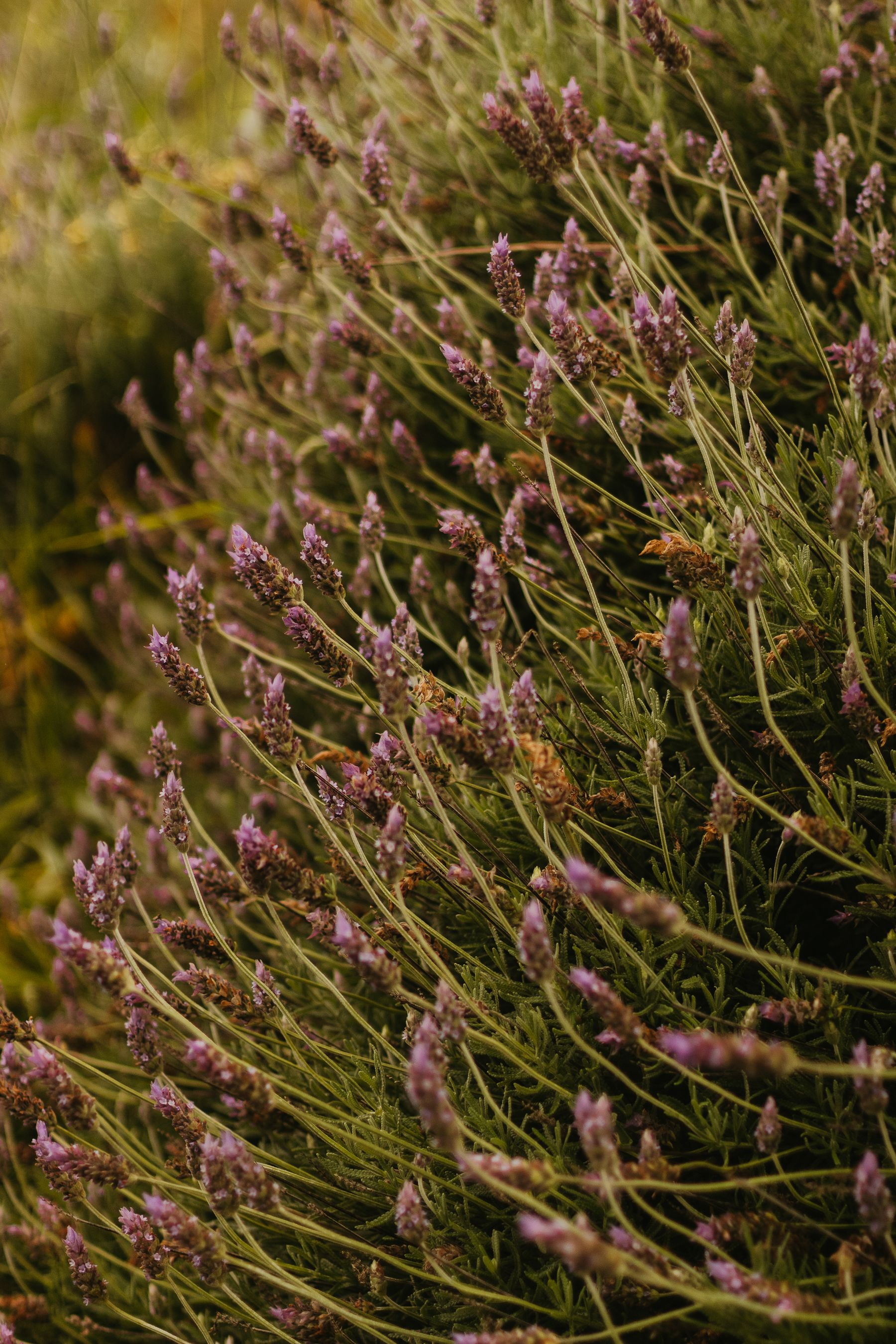
French and Spanish lavenders can behave differently from English lavender, especially in warm climates. Spanish lavender (Lavandula stoechas), recognizable by its petal-like bracts, benefits from regular deadheading. Avoid cutting deeply into bare wood.
Should You Prune Lavender in Fall?
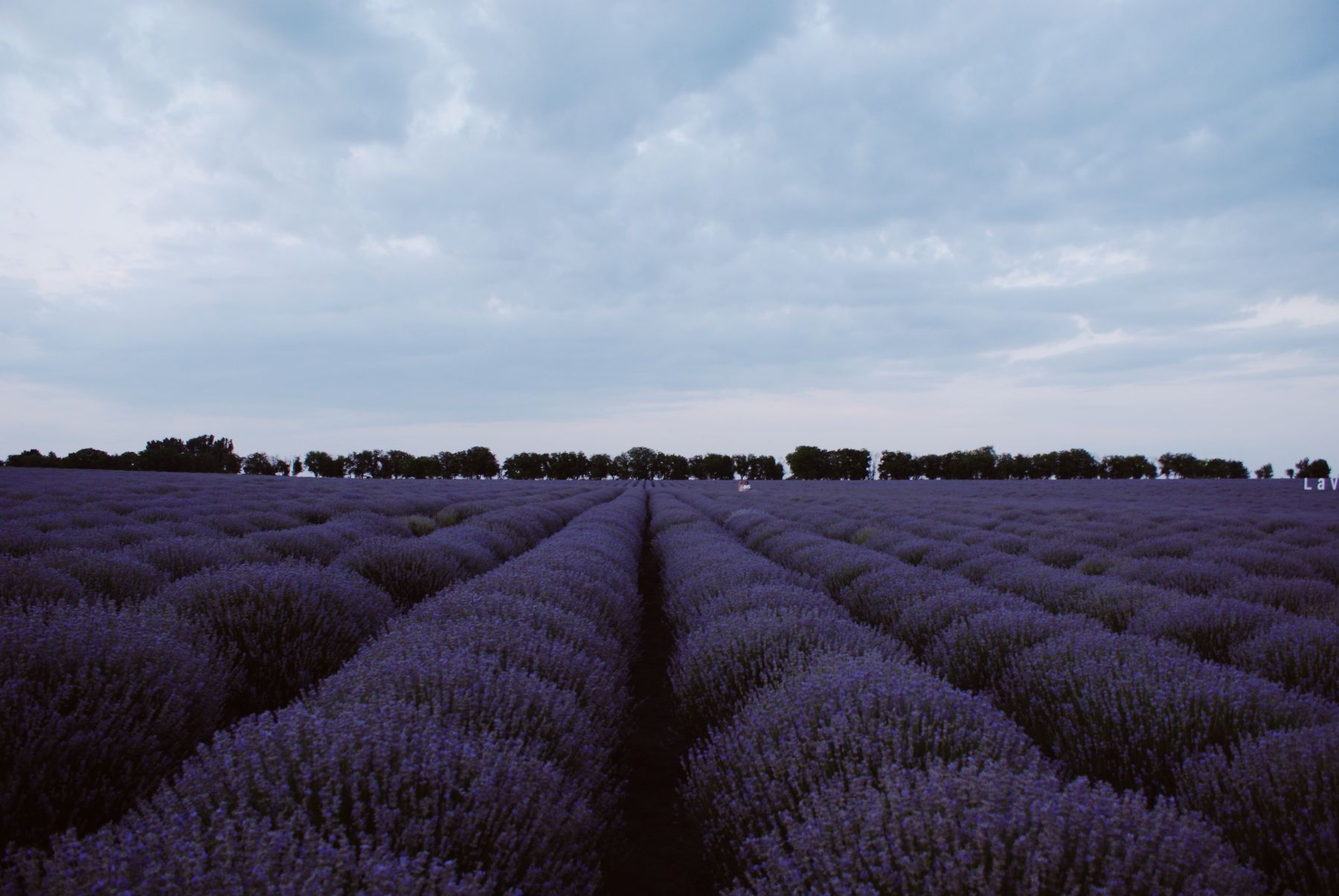
In mild-winter regions, light shaping after flowering may be reasonable. In areas with hard freezes, heavy late-fall pruning is usually best avoided because the plant is preparing for dormancy and remaining foliage can help protect the woody crown.
What About Lavender in August?
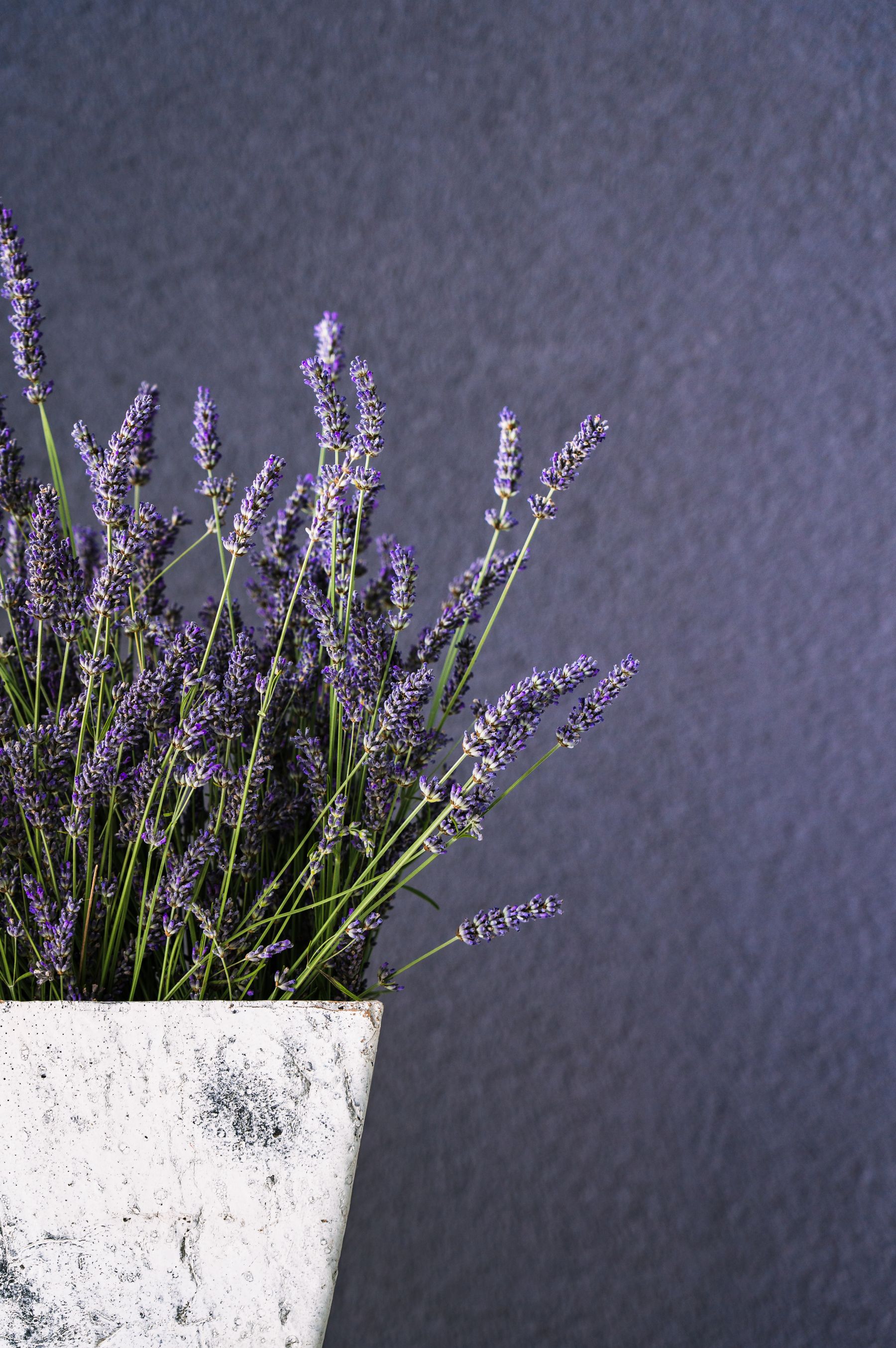
August is often an important month because many lavender plants have finished—or are finishing—their main summer bloom. If flowers are fading, this can be an excellent opportunity to deadhead and shape the plant.
Can Pruning Make Lavender Bloom Again?
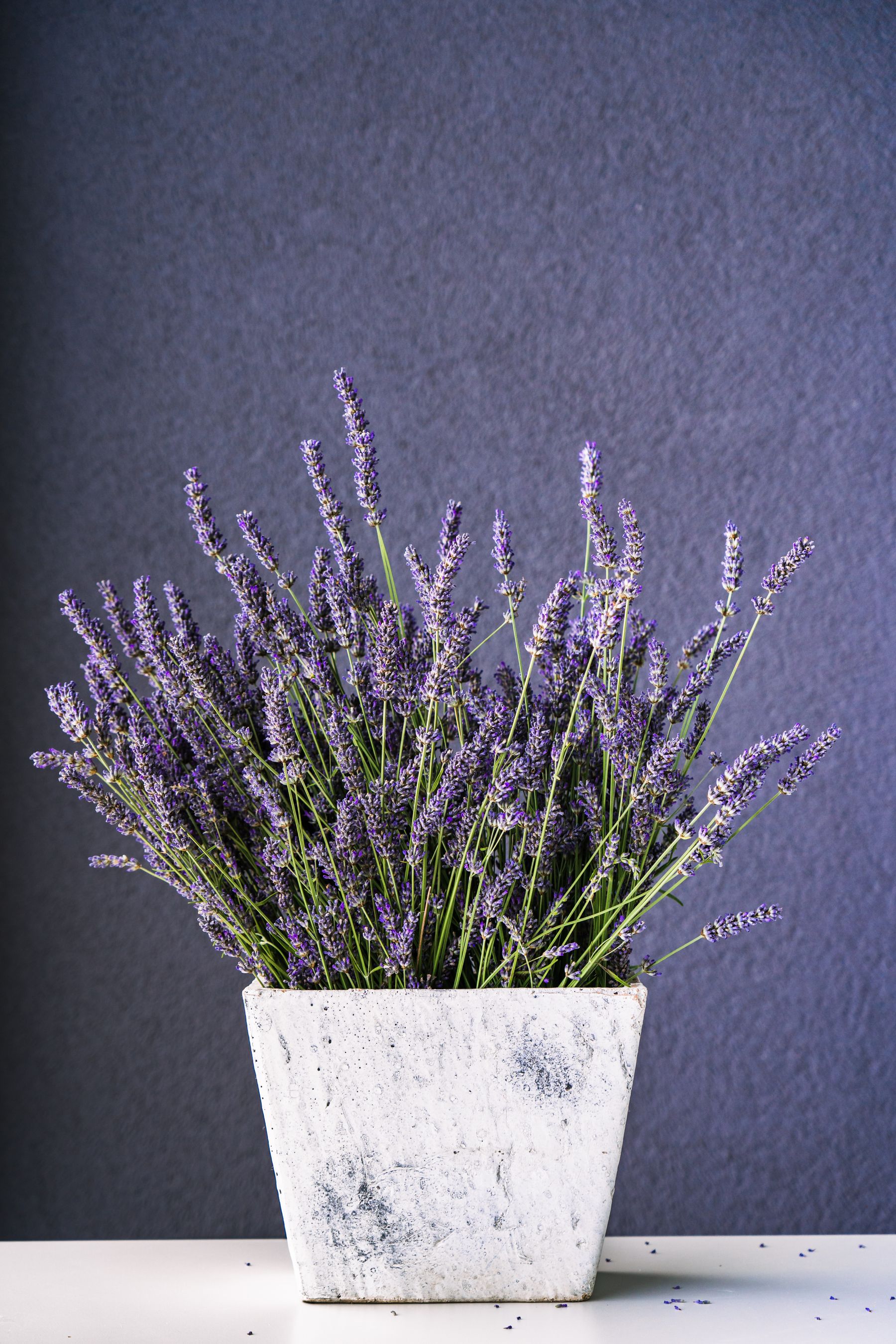
Sometimes. Deadheading and light pruning may encourage certain lavender varieties to produce additional flowers later in the season, although a second display may be smaller than the first.
What to Do With the Lavender You Cut
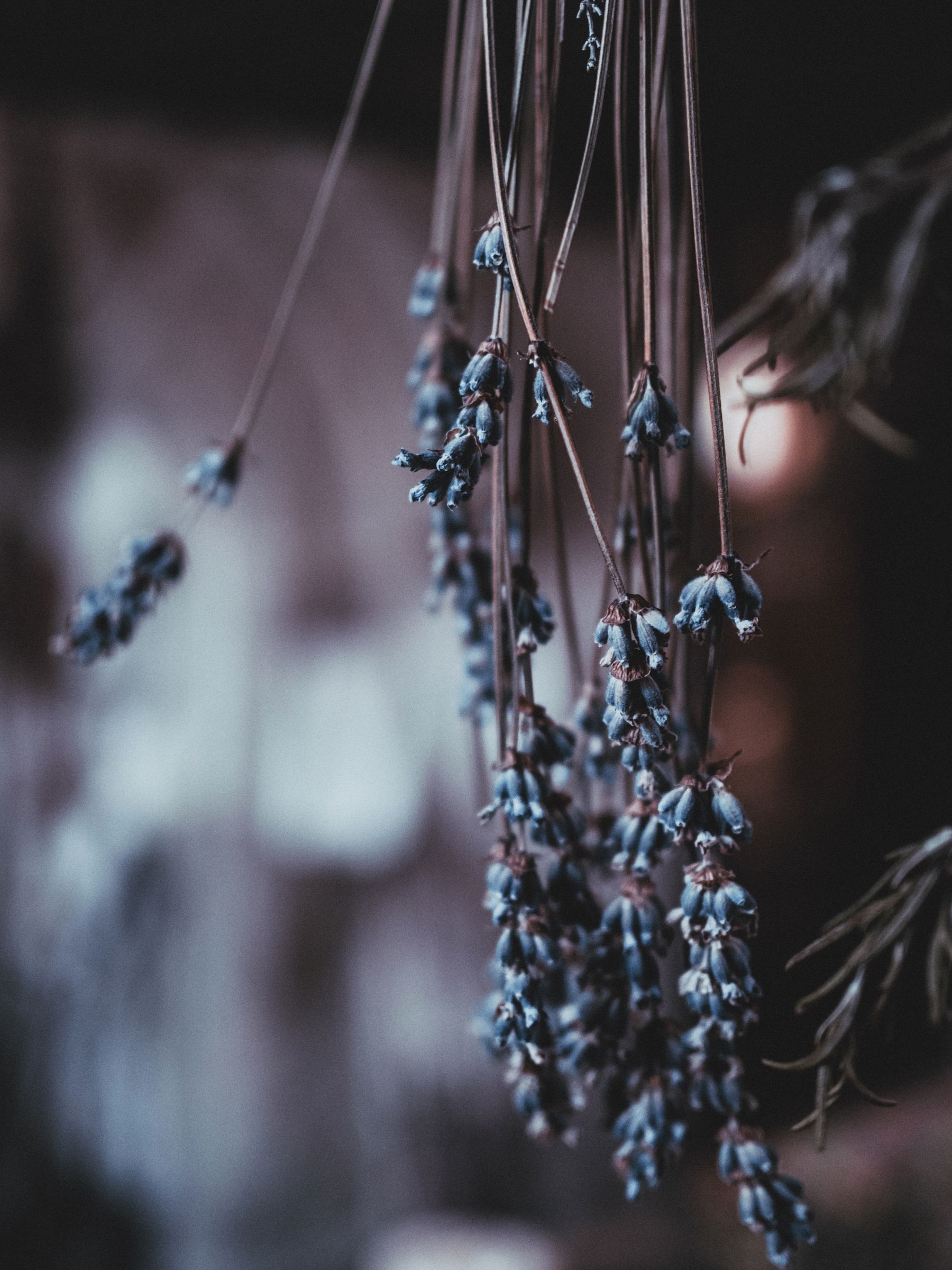
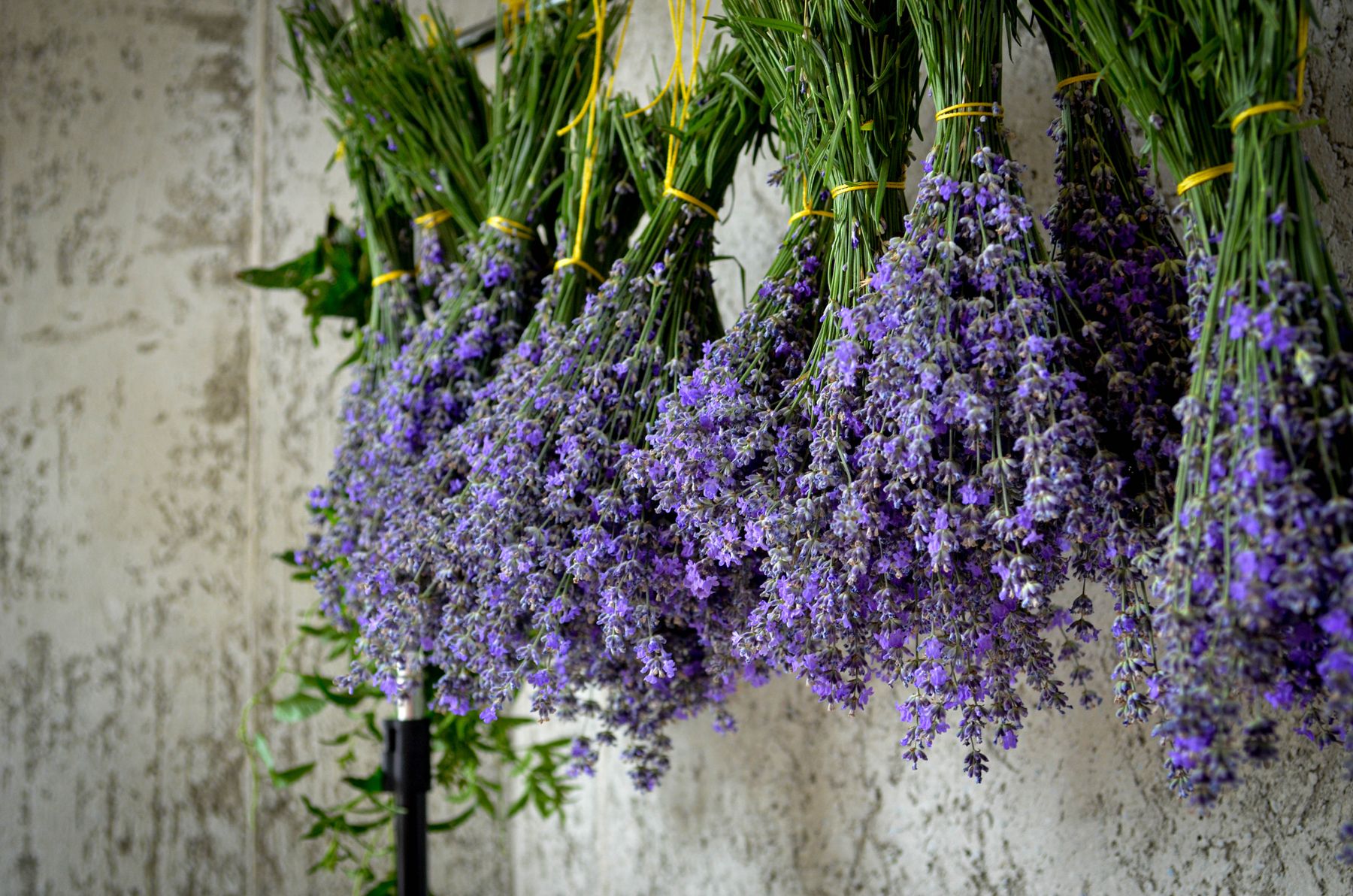
Healthy lavender stems do not have to go to waste. Fragrant flower stems can be dried by bundling small groups and hanging them upside down in a dry, dark, well-ventilated place.
Save Healthy Cuttings for Propagation
Pruning time can also be an opportunity to propagate lavender. Select healthy, non-flowering shoots, remove the lower leaves, and place the cuttings in a light, well-draining propagation mix. Start several because not every cutting will root.
How to Prune an Old, Woody Lavender
If a plant has developed a large woody center with green growth only at the ends of long branches, do not suddenly cut the whole shrub down. Remove dead branches first, then shorten living stems only as far as healthy leafy growth allows.
When an Old Plant May Be Beyond Repair
Extremely woody, open lavender cannot always be restored to the compact shape of a young plant. Sometimes replacement is the most practical option, which is why moderate annual pruning is much easier than major renovation later.
Five Common Lavender Pruning Mistakes
Avoid these problems: not pruning for years, cutting into bare wood, pruning heavily just before winter, only removing flower heads without shaping leafy stems, and applying excessive nitrogen fertilizer after pruning.
The Bottom Line
Pruning lavender correctly is not about cutting as much as possible. It is about removing a moderate amount of growth at the right time while preserving healthy green tissue. Regular maintenance keeps the plant compact and reduces the need for drastic cuts later.