
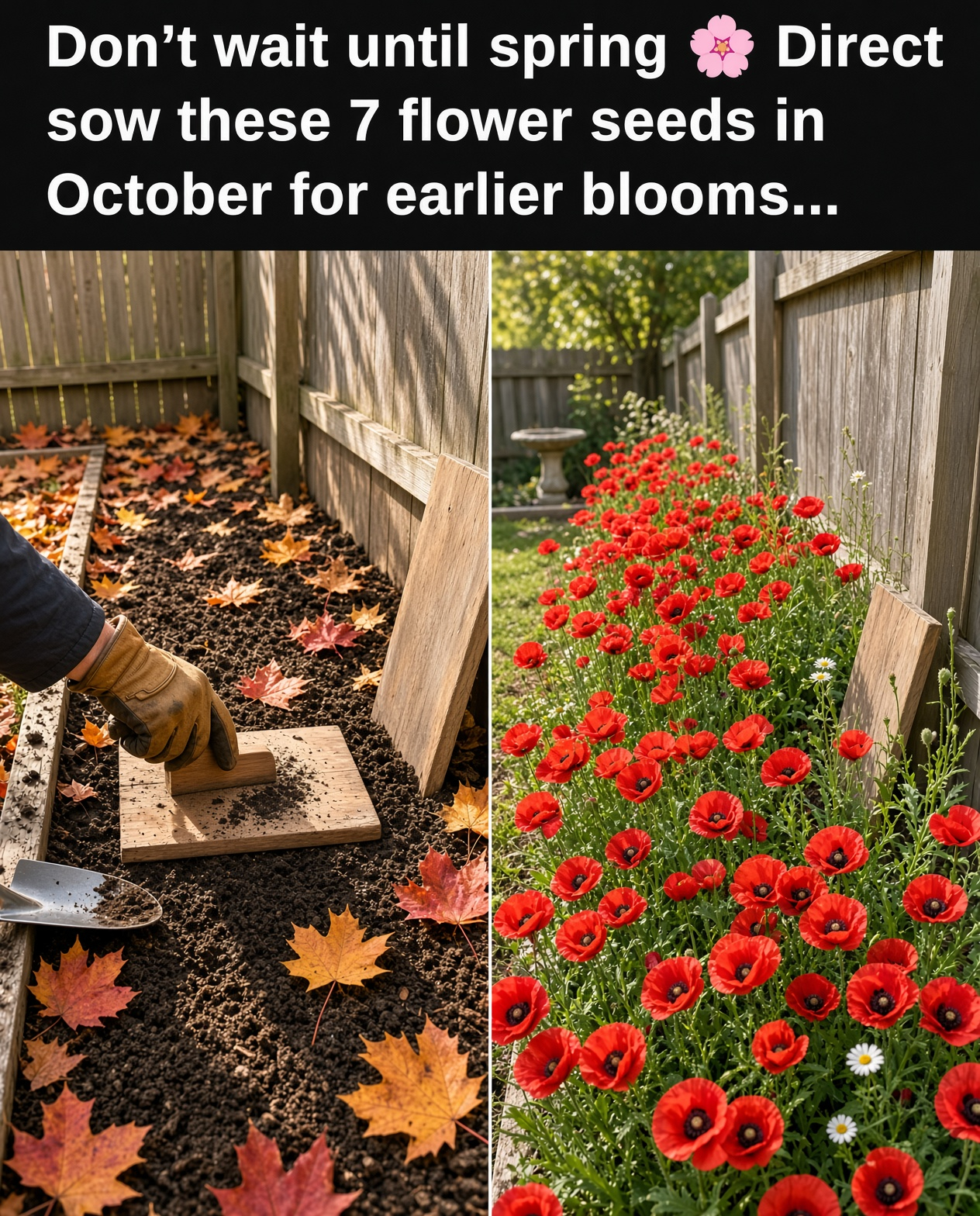
October is not only a month for cleaning up the garden. In many climates, it is also an excellent opportunity to sow certain hardy flower seeds directly outdoors.
Instead of starting everything in trays indoors, some cool-season flowers can be sown where you want them to grow. The seeds can experience the natural temperature changes of autumn and winter, then begin growing when conditions become suitable in spring.
The key is choosing flowers that tolerate cool conditions and adjusting the timing to your local soil temperature and winter weather.
1. Calendula
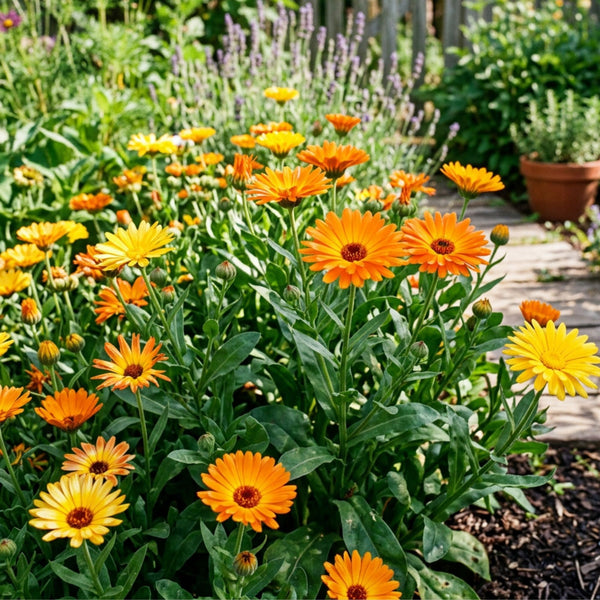
Calendula is one of the easiest flowers to try from an October direct sowing in suitable climates.
Often called pot marigold, Calendula officinalis is different from the French and African marigolds commonly sold as Tagetes. Calendula is much better suited to cool-season growing.
Sow the seeds about 1/4 inch deep in a sunny location with soil that drains well. Avoid heavily fertilizing the bed in autumn; good drainage is more important as winter approaches.
Once established, calendula is relatively undemanding and can reward you with bright golden and orange flowers.
For October sowing specifically, the source recommends USDA Zones 7–11, although local soil temperature and winter conditions should always take priority over a zone number.
2. Bachelor’s Buttons

Bachelor’s buttons, or cornflowers, are another excellent candidate for fall sowing.
Centaurea cyanus is a hardy annual that can get an early start when seeds are sown during the cooler months.
Prepare a clean bed, scatter the seeds, and cover them with approximately 1/4 inch of soil. Once seedlings emerge, thin them to around 8 inches apart so the plants have enough room and airflow.
Cornflowers are not particularly demanding about soil. A sunny location with good drainage is usually more important than creating an extremely rich planting bed.
During germination, keep the soil surface lightly moist. Once the seedlings are established, they generally need much less attention.
3. Annual Larkspur
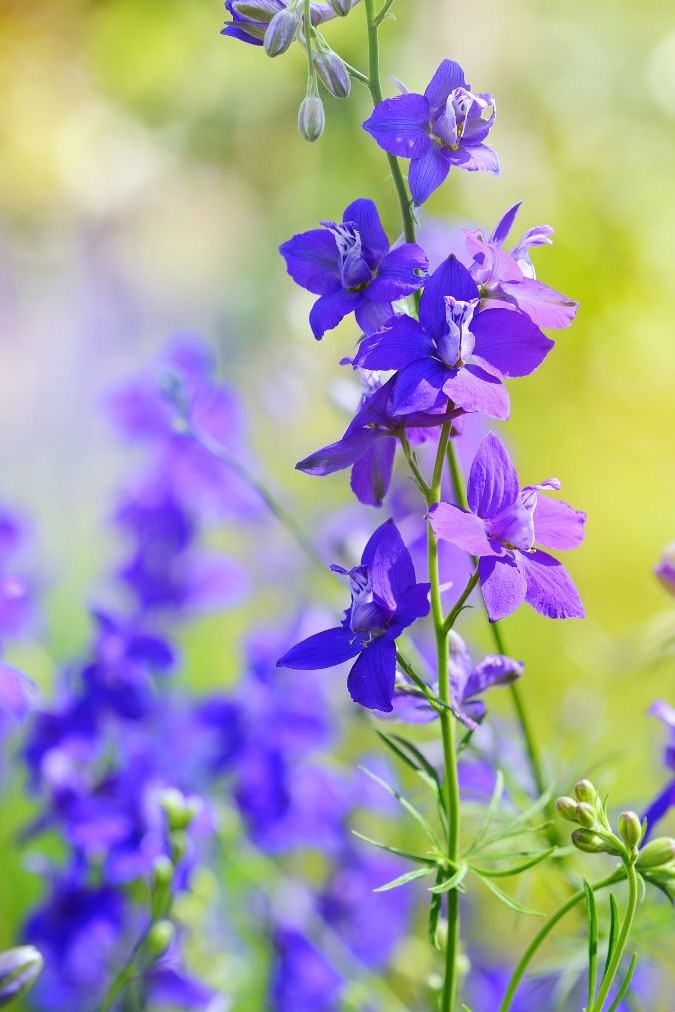
Annual larkspur provides the elegant vertical appearance of delphinium-like flowers without requiring the same long-term commitment.
Consolida ajacis prefers genuinely cool conditions for germination, so October is useful only once the soil has cooled sufficiently.
The source recommends waiting until soil temperatures are around 55°F or lower. Sow the seeds about 1/4 inch deep rather than leaving them exposed on the surface.
Don’t rush this planting simply because the calendar says October. If your soil is still warm, waiting another week or two may give you better results.
Important: Larkspur is toxic if eaten, so keep both seeds and plants away from children and pets.
4. Love-in-a-Mist
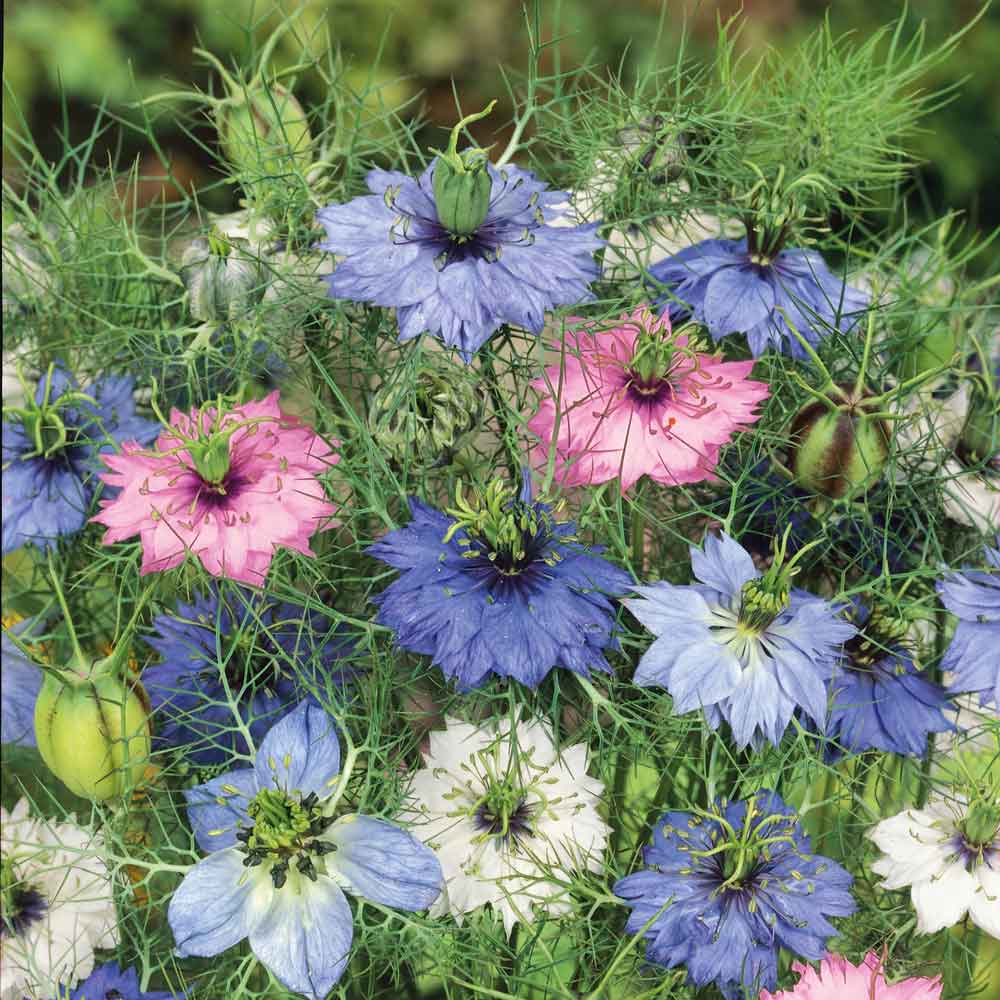
Love-in-a-mist is particularly well suited to direct sowing because its roots do not appreciate being disturbed.
Nigella damascena produces delicate flowers surrounded by finely divided foliage, giving the plants their distinctive misty appearance.
Scatter the seeds over a sunny, well-drained planting area in October and cover them only very lightly. The seeds need light to germinate, so burying them deeply can reduce success.
One of the nicest features of Nigella is its ability to self-sow. After flowering, leave a few decorative seed pods on the plants and you may see new seedlings appear the following season.
Its attractive seed pods can also be useful in dried arrangements.
5. Shirley Poppies

Shirley poppy seeds are extremely small, so planting them correctly is very different from sowing larger flower seeds.
Rather than covering them with soil, scatter the seeds over a clean, weed-free area and press them firmly against the soil surface.
The seeds need light for germination, which is why adding a thick layer of soil can work against you.
Fall-sown Papaver rhoeas seeds can remain dormant through cold weather and then begin developing when conditions become favorable.
Because the seeds are so tiny, mixing them with a small amount of dry sand can make it much easier to distribute them evenly instead of accidentally concentrating them in one small area.
6. Ladybird Poppies

Ladybird poppies have a particularly dramatic appearance. Their bright crimson petals are marked with dark spots near the centers.
For the October sowing described in the source, they are recommended for USDA Zones 8–10.
Choose a clean, weed-free spot in full sun. Scatter the tiny seeds over the soil surface and press them gently into place rather than covering them.
Once seedlings have established, thin them to approximately 8 inches apart.
It is also worth marking the planting area after sowing. Young poppy seedlings can be very small, and without a label they can easily be mistaken for weeds when spring garden cleanup begins.
7. Sweet Peas
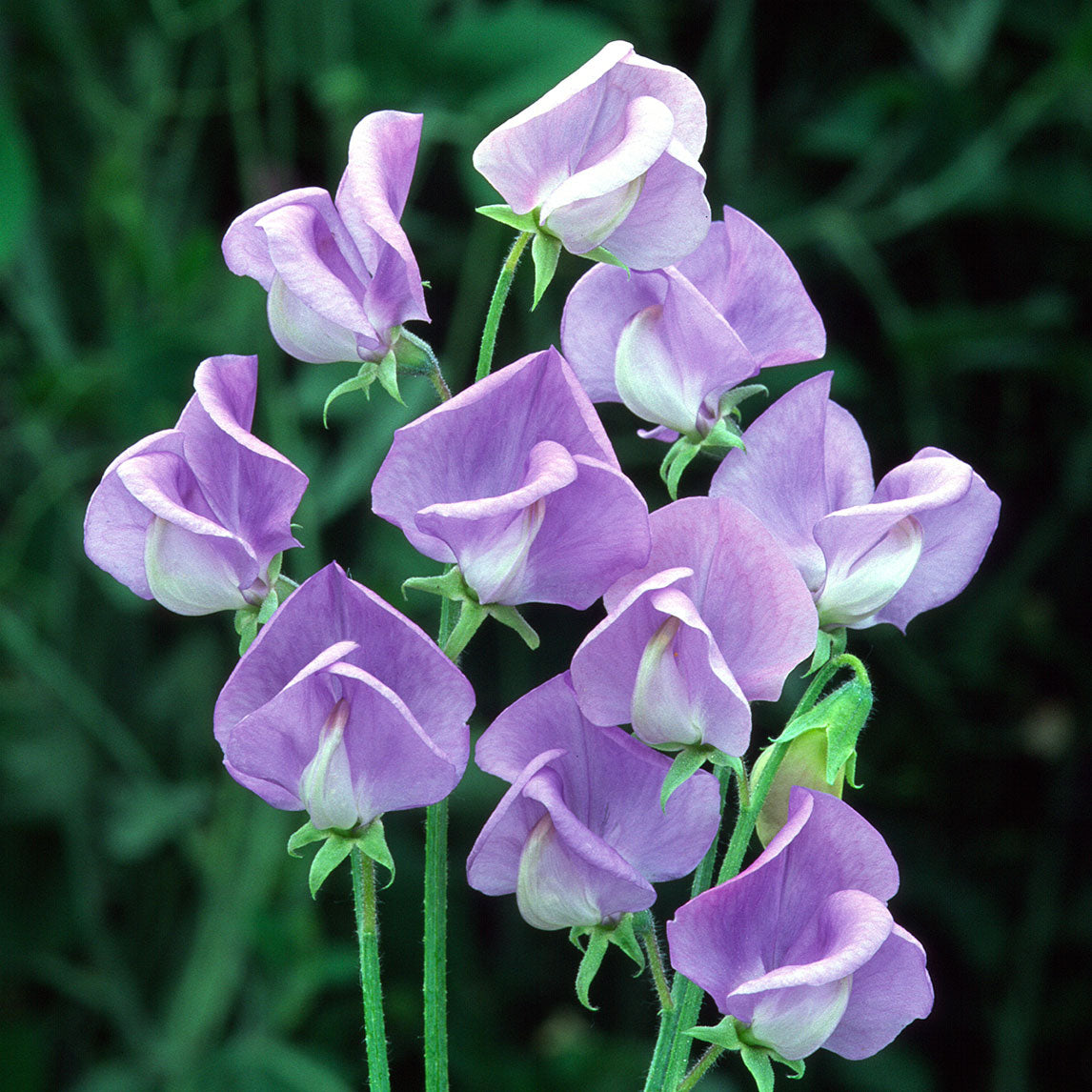
Sweet peas are one of the most rewarding flowers to sow in autumn when your climate is suitable.
The cool period allows the plants to establish roots before spring growth accelerates. When temperatures and daylight increase, the vines can quickly produce their characteristic fragrant flowers.
Lathyrus odoratus can produce blooms in pink, purple, white, red, and lavender shades.
Sow the seeds approximately 1/2 inch deep in rich, well-drained soil. Because sweet peas are climbing plants, give them a trellis, fence, netting, or another support to climb as they grow.
Soaking the seeds overnight in room-temperature water before planting can help soften their tough seed coats.
For the October sowing described in the source, sweet peas are recommended for USDA Zones 8–10.
How to Direct Sow Flower Seeds in October

Fall sowing is simple, but timing and preparation matter. October does not mean exactly the same thing in every climate.
Start With a Clean Seedbed
Remove weeds and loosen the upper layer of soil before sowing. Tiny seedlings have a much easier time getting established when they don’t have to compete with existing weeds.
Match the Seed Depth
Not every flower seed should be planted at the same depth. Poppies need to remain on or very close to the surface, while larger sweet pea seeds can be covered more deeply.
Don’t Over-Fertilize
Most of these cool-season flowers don’t need a heavily fertilized bed when they are sown in autumn. Concentrate on good soil structure and drainage instead.
Keep the Seedbed Lightly Moist
If October is unusually dry, water gently enough to prevent the soil surface from becoming completely dry. Avoid heavy watering that can wash tiny seeds away.
Mark Where You Planted
A simple plant label can save you a lot of confusion in spring. Small flower seedlings can look surprisingly similar to weeds when they first emerge.
Avoid Heavy Mulch Over the Seeds
A thick layer of mulch can make it difficult for tiny seedlings to emerge, especially for flowers whose seeds are meant to remain close to the soil surface.
Watch the Soil, Not Just the Calendar
The ideal sowing date depends on soil temperature and local frost patterns. In colder regions, it may be better to wait until the soil is cold enough for dormant sowing rather than planting while temperatures are still warm enough to trigger premature germination.
Which Flowers Are Best for October Sowing?
The seven flowers have different requirements, so the best choice depends on your climate and garden conditions.
- Calendula: A good choice for cool-season color and sunny beds.
- Bachelor’s buttons: Easy-going annuals that appreciate full sun.
- Annual larkspur: Ideal when you want tall flower spikes and genuinely cool soil.
- Love-in-a-mist: Excellent for direct sowing and cottage-style gardens.
- Shirley poppies: Best sown directly on the soil surface.
- Ladybird poppies: A dramatic choice for sunny areas in suitable mild-winter climates.
- Sweet peas: Particularly useful for mild-winter regions where vines can establish before spring.
Final Thoughts
Direct sowing flower seeds in October can be a wonderfully simple way to prepare for next year’s garden.
Calendula, bachelor’s buttons, annual larkspur, love-in-a-mist, Shirley poppies, Ladybird poppies, and sweet peas each have different requirements, but they share one useful feature: they can benefit from cool-season sowing when the timing and climate are right.
The most important thing is not to treat October as a universal planting date. Pay attention to soil temperature, frost timing, drainage, and the hardiness of each flower.
Prepare the bed, sow each seed at the appropriate depth, keep the planting lightly moist while needed, and mark the locations clearly.
Then let the changing seasons do much of the work. When spring arrives, those tiny autumn seeds can already have a head start toward a garden full of fresh color.