
October doesn’t mean the gardening season has to come to an end. In many gardens, it is actually one of the best months to start a new round of planting.
The intense heat of summer has disappeared, the soil can still be relatively warm, and many cool-season plants grow more comfortably without the stress of midsummer temperatures.
That makes October useful for both ornamental and edible gardening. You can add flowers that provide color through fall and winter while also planting vegetables that can produce fresh harvests during the colder months.
Here are 12 excellent choices to consider for your October garden.
Flowers to Plant in October
1. Pansies
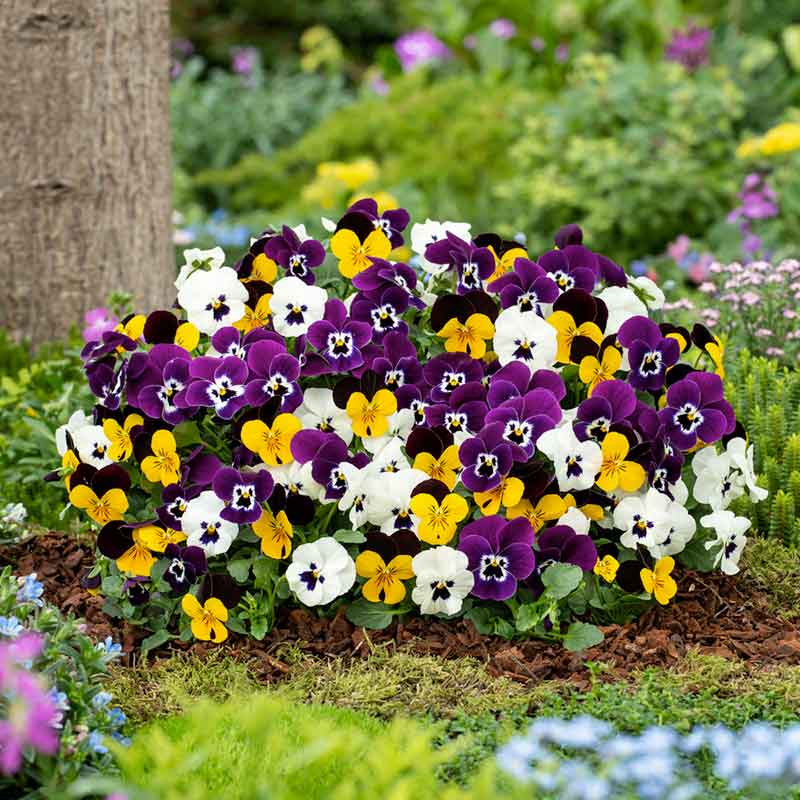
Pansies are one of the easiest ways to keep a garden colorful after summer flowers begin to fade.
Their cheerful flowers come in many combinations of purple, blue, yellow, white, and burgundy. They also tolerate cool weather exceptionally well, making them a natural choice for October planting.
Give pansies a sunny or lightly shaded location with moist, well-drained soil. Once established, they can continue flowering through cool weather and may return with another flush of color when conditions improve.
For an especially attractive display, plant pansies around spring bulbs. The pansies can provide color while tulips and daffodils are still underground.
2. Chrysanthemums
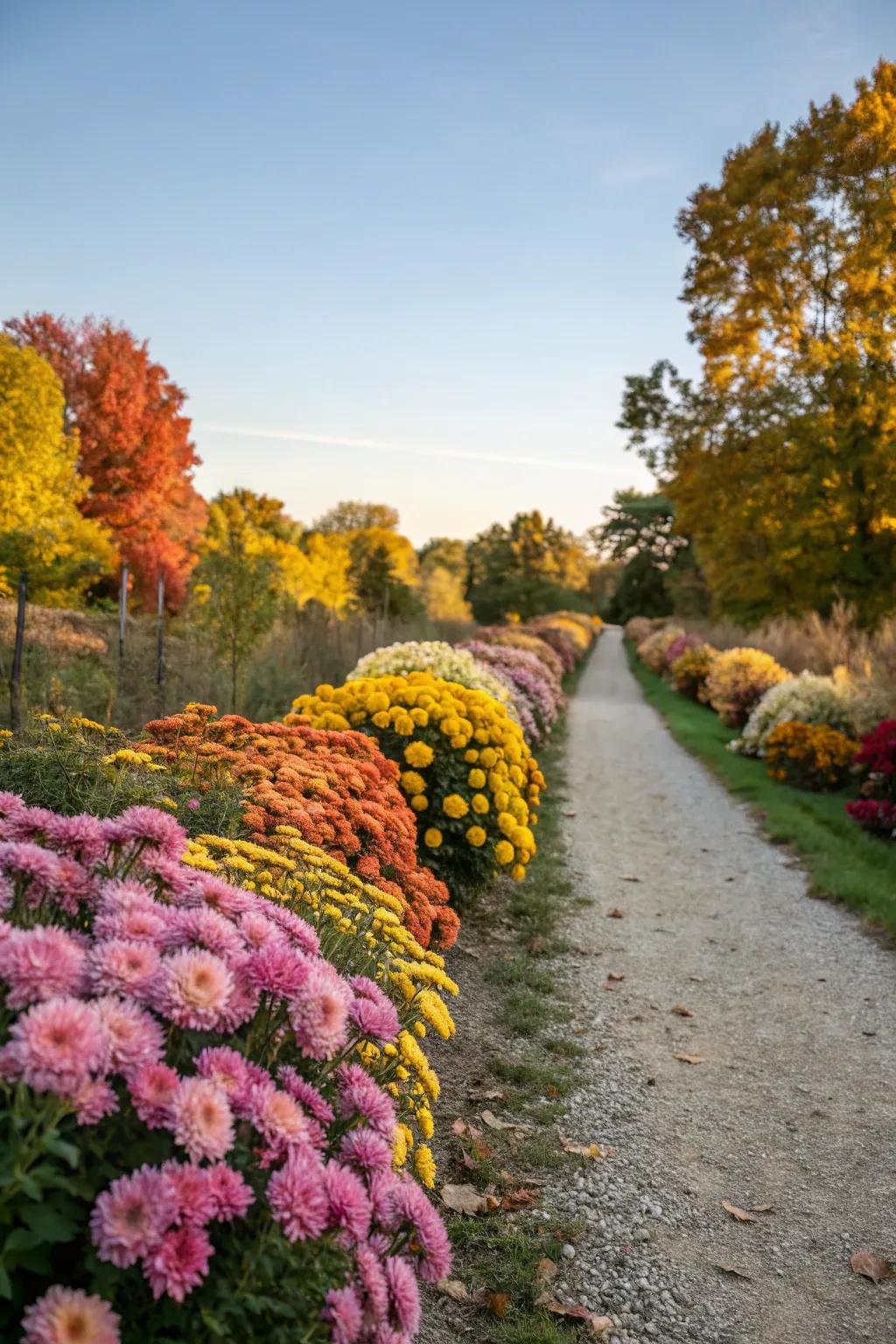
Chrysanthemums are practically synonymous with autumn gardening. Their dense flowers create large areas of color just when many summer perennials are beginning to disappear.
When planting mums in October, choose hardy garden chrysanthemums rather than florist mums if your goal is to establish plants in the landscape.
Plant them early enough for their roots to settle before the ground becomes frozen. A layer of mulch around the base can also help protect the root system during winter.
Group several colors together for a dramatic fall border, or use mums around entrances and pathways for seasonal color.
3. Ornamental Kale and Cabbage

Ornamental kale and cabbage are grown mainly for their colorful foliage rather than traditional flowers.
The large rosettes can combine shades of green, purple, pink, white, and cream, creating a flower-like appearance in containers and garden beds.
One of their most interesting characteristics is that the foliage often becomes more colorful as temperatures drop.
Plant them in groups for a stronger visual effect, or combine them with pansies and other cool-season flowers.
4. Calendula

Calendula is a wonderful choice when you want bright flowers during cooler weather.
Its cheerful orange and yellow blooms can brighten flower beds when many summer plants are fading. In mild climates, calendula can continue flowering well into the colder part of the year.
Plant it in a sunny location with soil that drains well. Regularly removing faded flowers can encourage additional blooms.
Calendula also fits beautifully into mixed vegetable gardens, where its flowers can add ornamental interest among leafy crops.
5. Sweet Alyssum
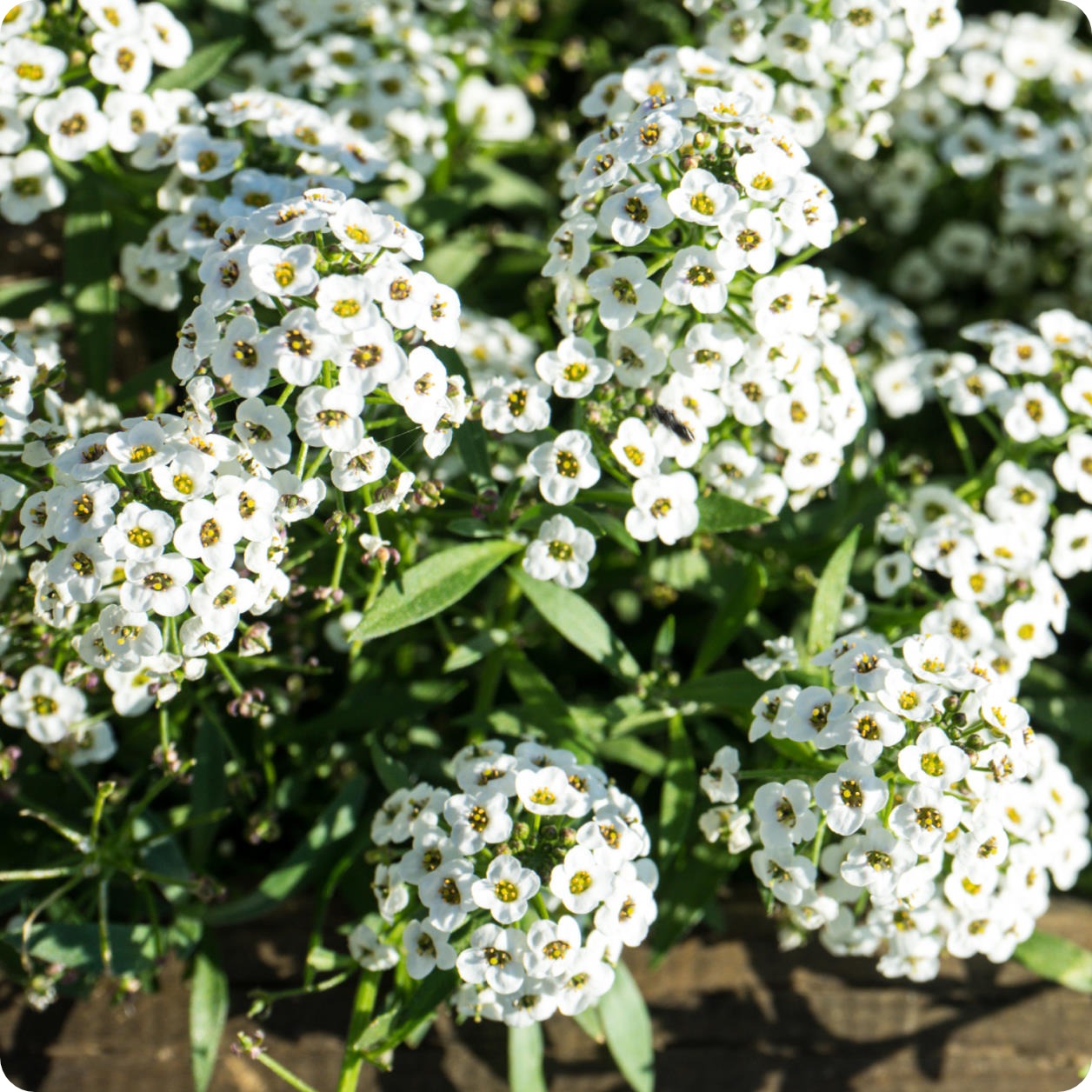
Sweet alyssum is a small plant with a surprisingly big visual impact.
Its tiny white, pink, or purple flowers form dense clusters close to the ground, creating a soft carpet along pathways, containers, and the front of flower beds.
The flowers are also pleasantly fragrant, particularly when planted in larger groups.
October’s cooler temperatures can be much more comfortable for alyssum than the hottest part of summer. Plant it along the edges of vegetable beds or around larger ornamental plants.
6. Snapdragons
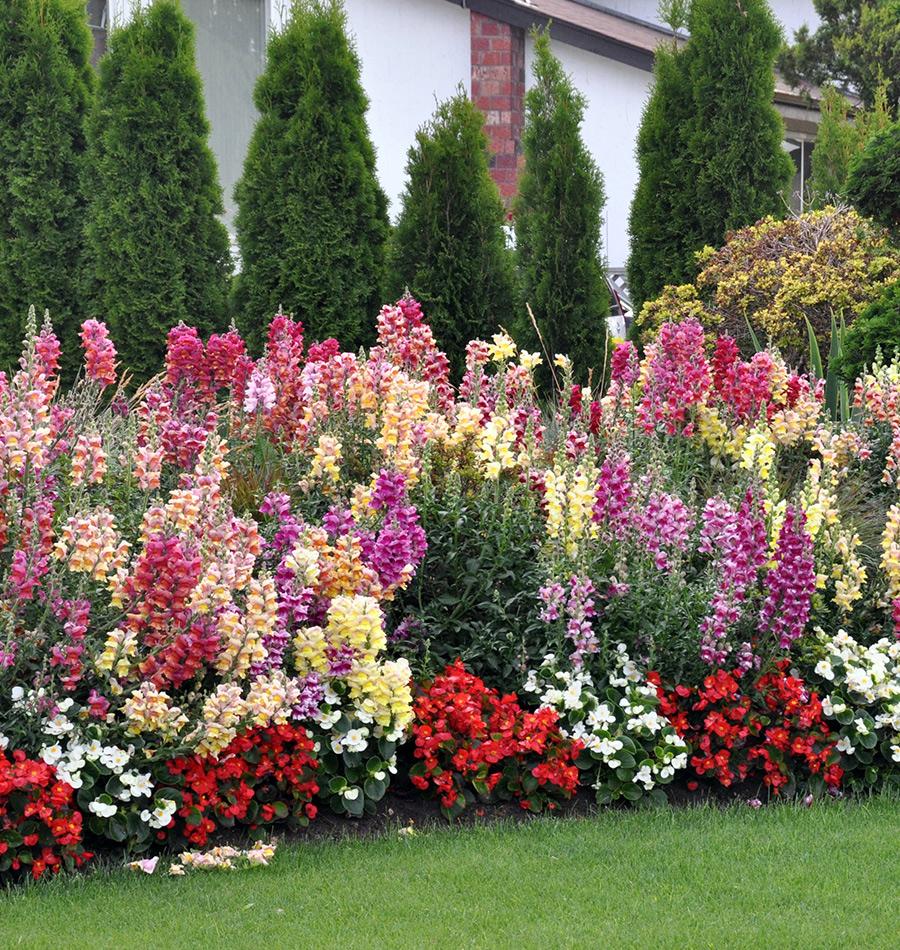
Snapdragons bring height and structure to an October flower bed.
Their flower spikes can appear in red, pink, yellow, orange, white, and combinations of several colors. Their upright growth makes them particularly useful behind shorter plants such as pansies and alyssum.
Snapdragons tolerate cool conditions and, in areas with mild winters, can provide flowers through fall and return to active growth as temperatures improve.
They are also excellent cutting flowers, so planting several together can provide stems for indoor arrangements as well as outdoor color.
Vegetables to Plant in October
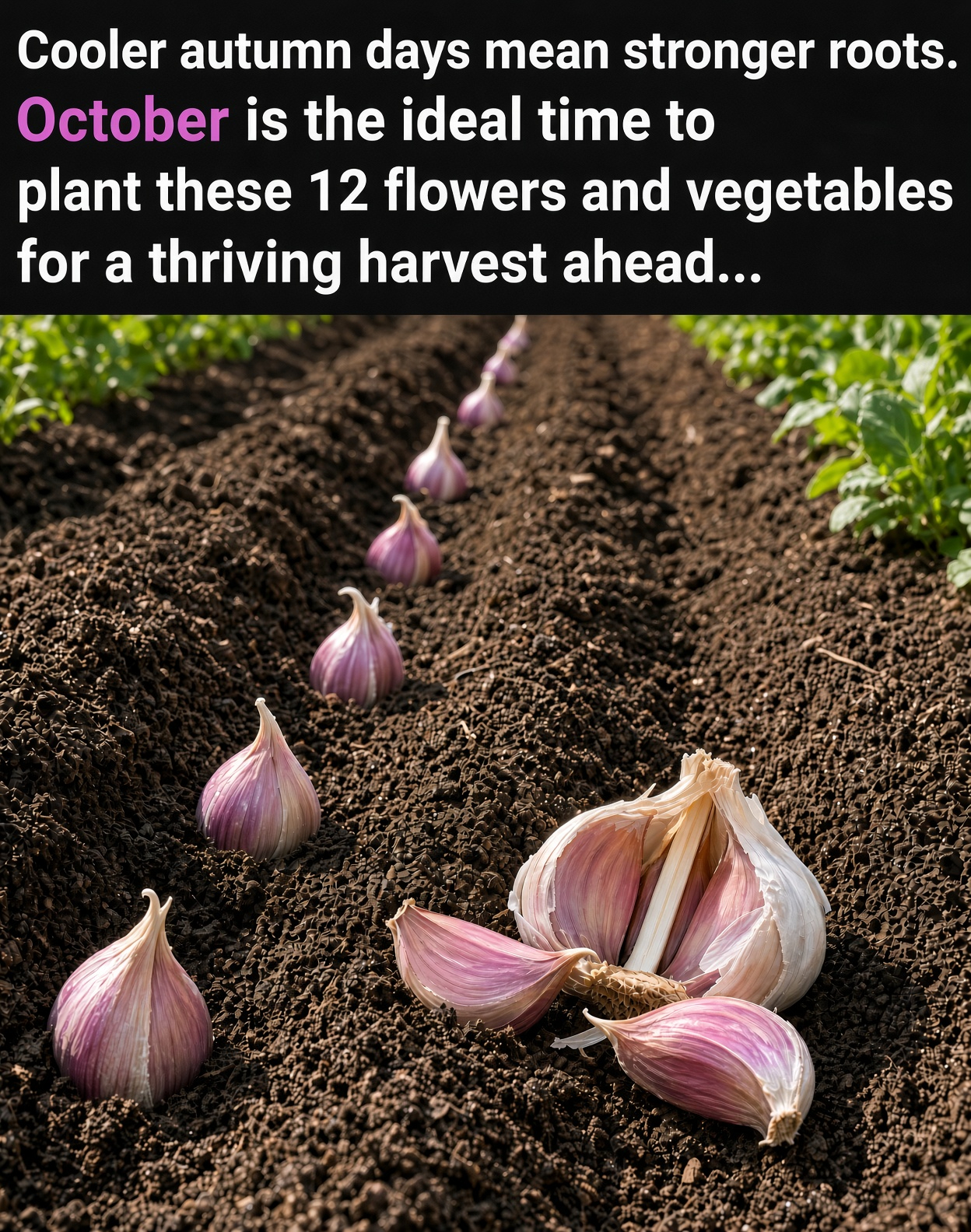
7. Garlic
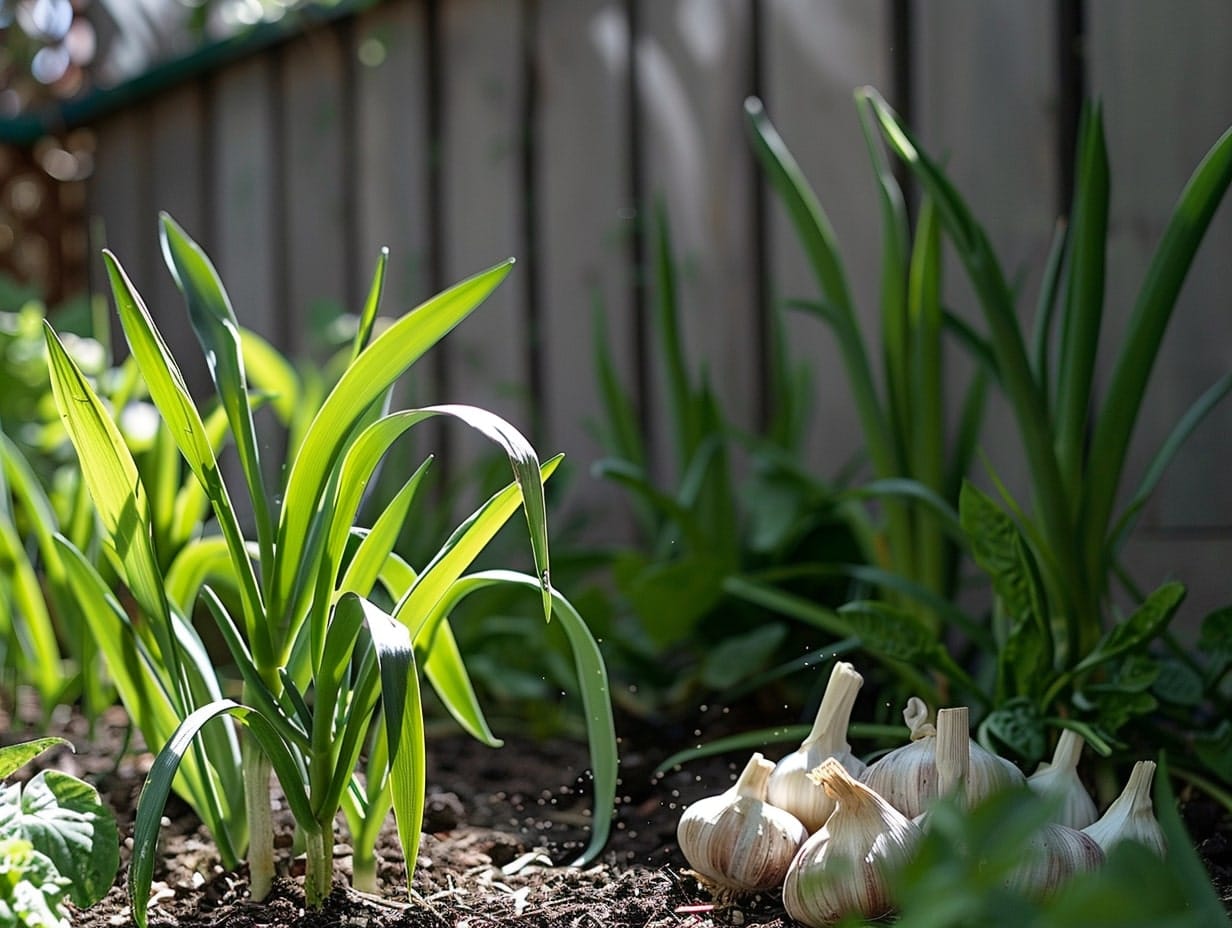
Garlic is one of the classic crops for fall planting.
Planting cloves in October gives them time to establish roots before winter. The plants then slow down during the cold period before resuming growth when conditions become favorable again.
Choose a sunny location with loose, well-drained soil. Separate the cloves from the bulb and plant individual cloves with the pointed end facing upward.
A layer of mulch can help protect the planting from temperature fluctuations during winter.
The best planting date varies by climate. Garlic generally needs a period of cool weather to develop properly. :contentReference[oaicite:1]{index=1}
8. Spinach
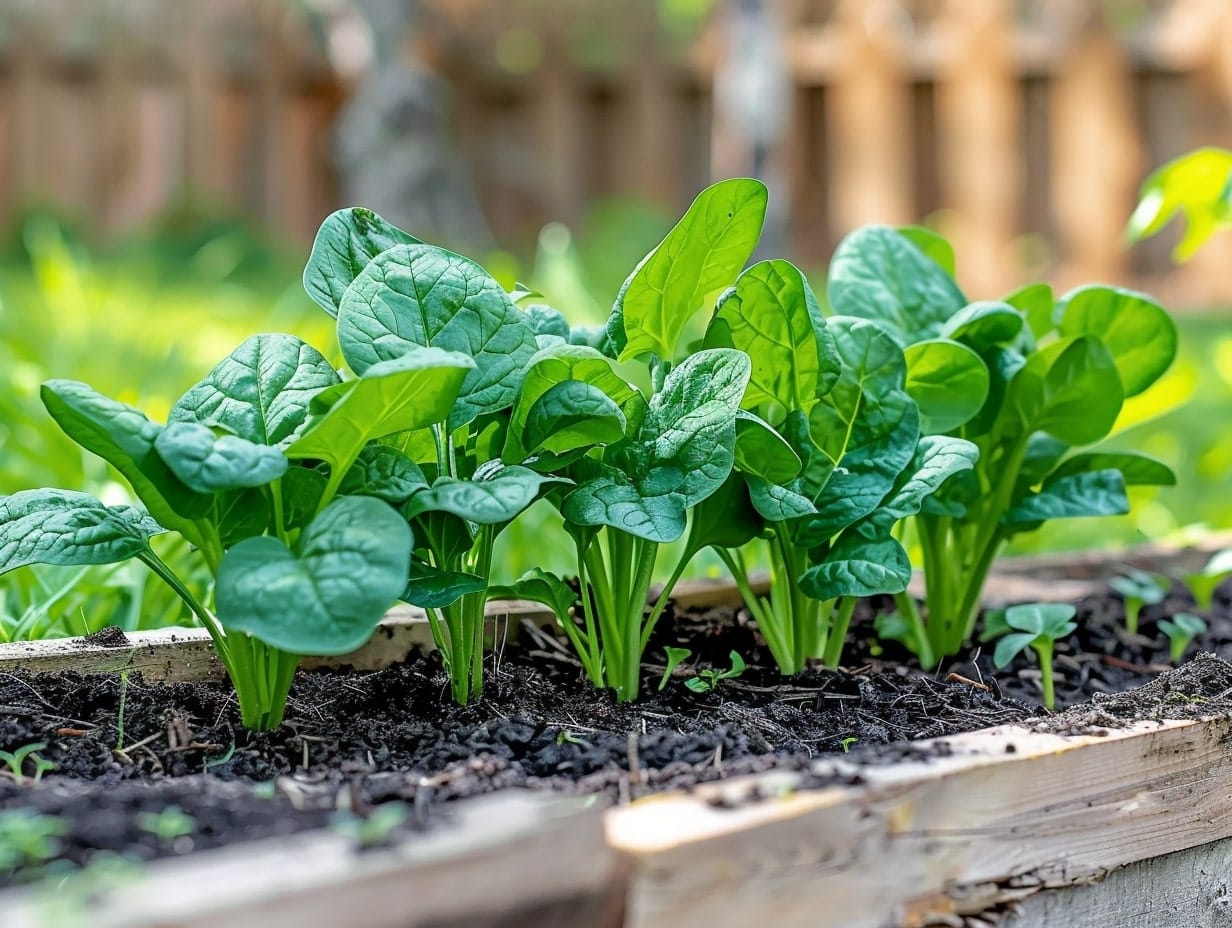
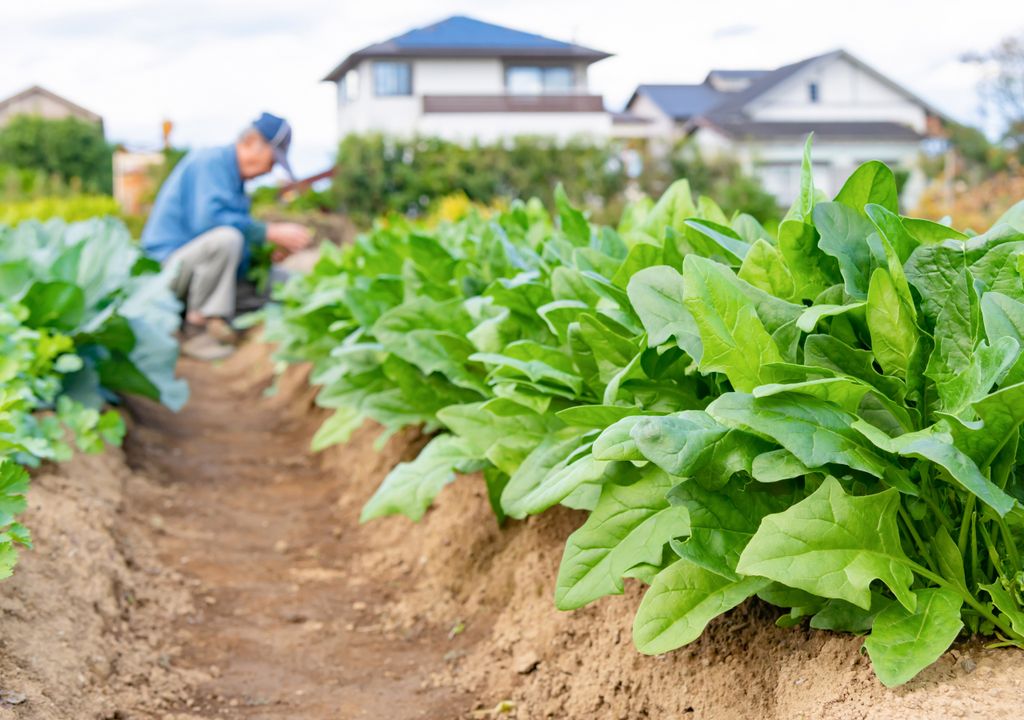
Spinach is one of the most useful vegetables for an October garden because it prefers cool conditions.
High summer temperatures can cause spinach to struggle or bolt, while autumn weather provides much more favorable growing conditions.
Sow seeds in prepared soil and keep the bed consistently moist while the seedlings are becoming established.
For a longer harvest, plant small batches rather than sowing everything at once. Harvest the larger outside leaves while allowing the center of the plant to continue producing.
In colder regions, row covers can provide additional protection and may allow spinach to continue growing later into the season.
9. Lettuce
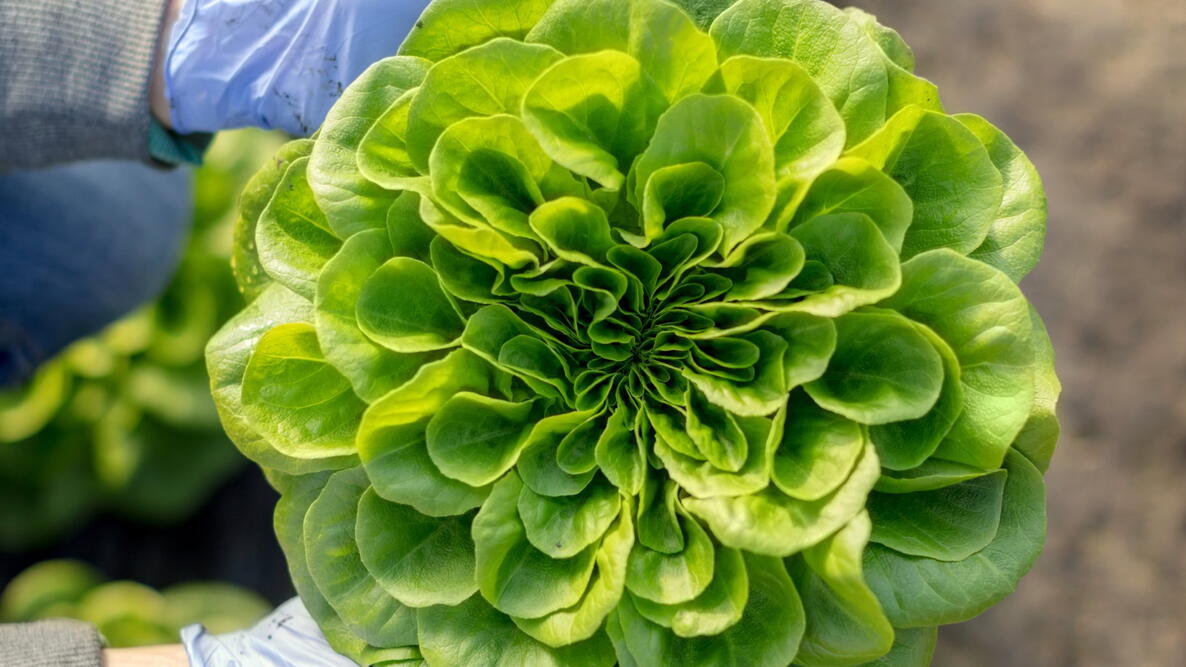
Lettuce is another excellent cool-season crop for October.
Loose-leaf, butterhead, romaine, and other types can all be useful depending on the amount of space available and how you prefer to harvest.
Cool temperatures can help lettuce develop tender leaves without the bitterness and rapid bolting that often occur during hot weather.
Small successive plantings can provide a steady supply rather than having the entire crop mature at the same time.
Lettuce can also be grown successfully in containers, which makes it a useful choice for patios and small gardens. :contentReference[oaicite:2]{index=2}
10. Radishes
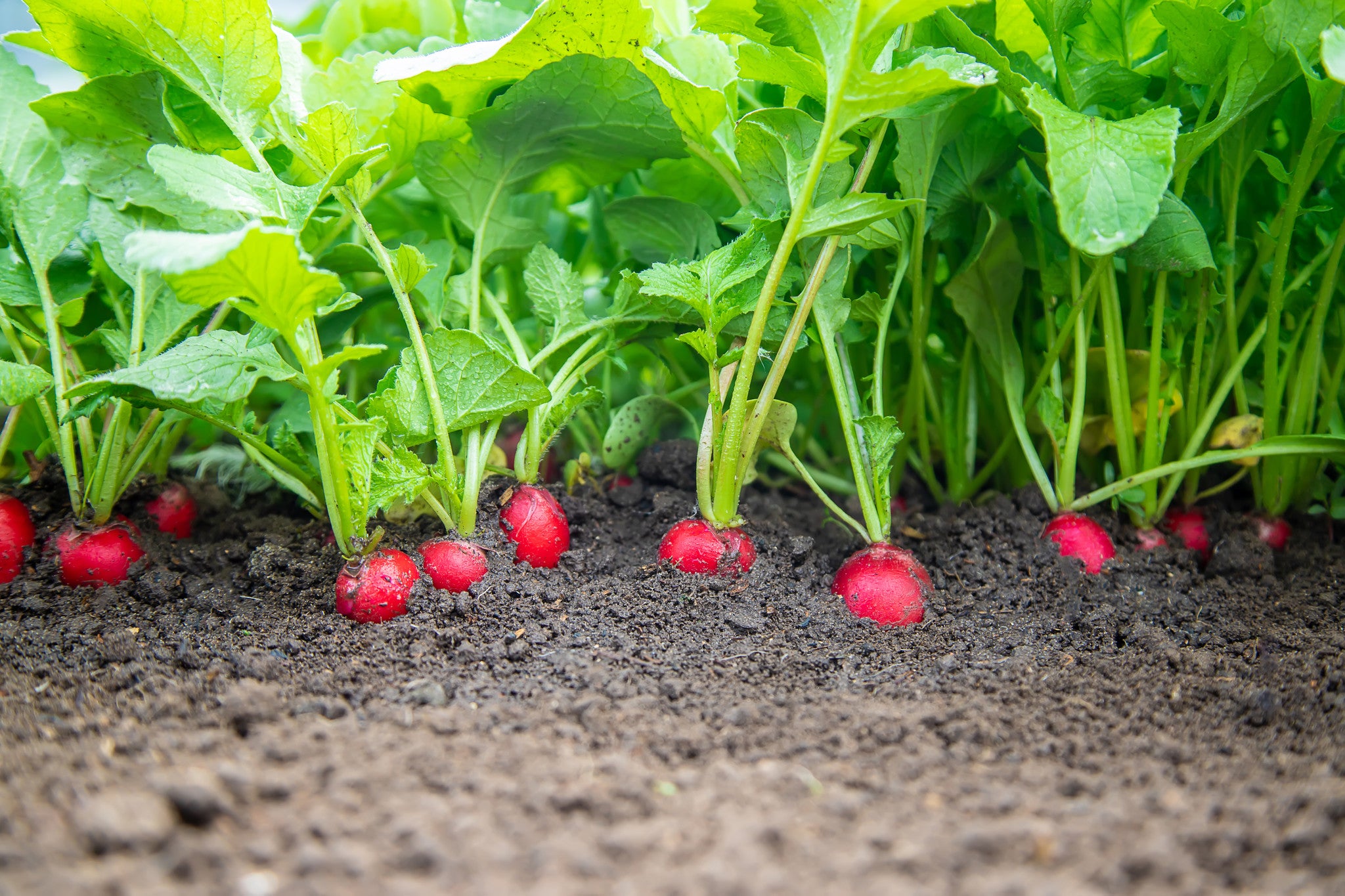
Radishes are perfect when you want a quick harvest.
Many varieties can develop edible roots within only a few weeks, making them useful for gardeners who don’t want to wait months for their first harvest.
The cooler soil of autumn is also favorable for producing crisp roots with a pleasant peppery flavor.
Try sowing radishes between slower-growing crops such as carrots. The radishes can be harvested while the carrots are still developing underground.
Succession sowing every couple of weeks can extend the harvest.
11. Carrots
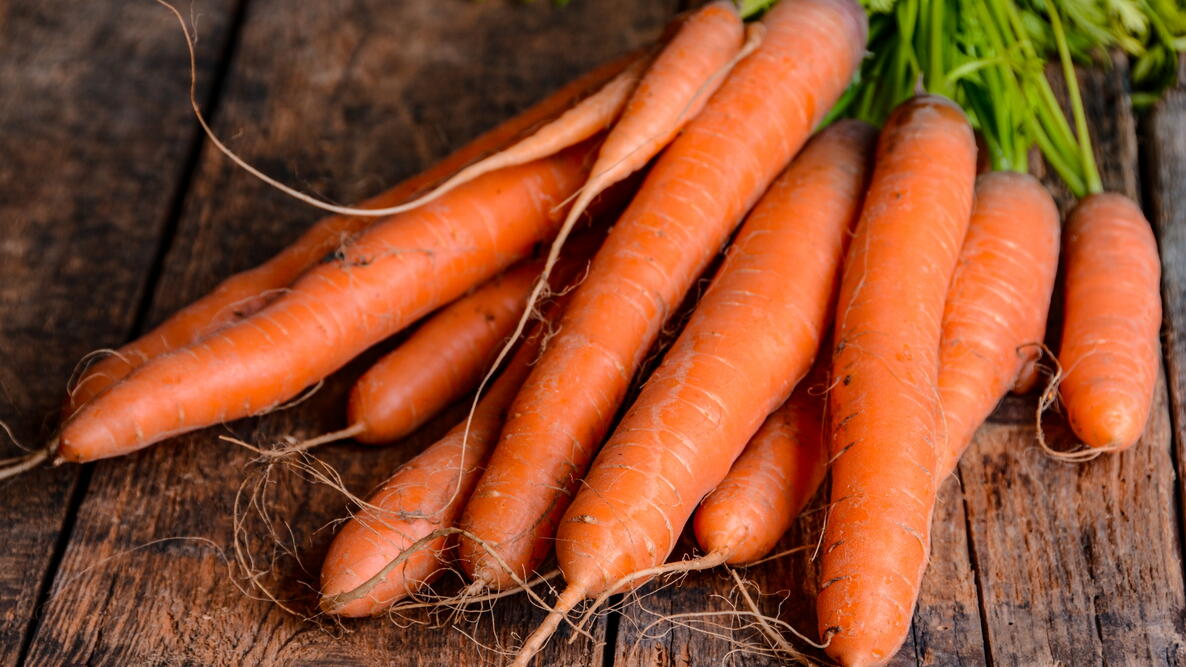
Carrots are another excellent crop for cool-season gardening.
As temperatures fall, carrots can become sweeter because the plants store more sugars in their roots as a response to cold.
The most important preparation step is creating loose soil. Remove stones and large clumps before sowing because compacted or rocky soil can cause roots to fork or become misshapen.
Carrots should generally be sown directly where they will grow because their roots do not appreciate being disturbed.
In suitable climates, an autumn crop can provide delicious roots for late-season meals. :contentReference[oaicite:3]{index=3}
12. Broccoli
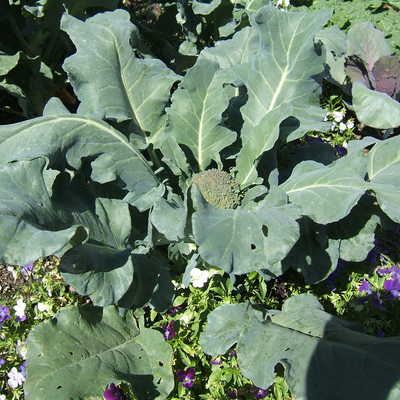
Broccoli is another cool-weather favorite that can produce excellent results when grown during the right season.
Young plants need fertile soil, consistent moisture, and protection from common cabbage-family pests.
One of the best things about broccoli is that harvesting the main head doesn’t necessarily mean the crop is finished. Many plants continue producing smaller side shoots afterward.
Broccoli can also tolerate some light frost, making it a useful crop for extending the vegetable-growing season.
For the best results, choose varieties suited to your local growing season and provide steady moisture while the heads develop. :contentReference[oaicite:4]{index=4}
How to Make the Most of Your October Garden
When planning your October garden, think about both immediate color and future harvests.
Use pansies, mums, ornamental kale, calendula, alyssum, and snapdragons to keep ornamental areas attractive. At the same time, reserve space for garlic and cool-season vegetables.
Good drainage becomes particularly important as autumn rain increases. Avoid planting crops where water regularly collects.
Mulching established plants can also help stabilize soil temperatures, suppress weeds, and provide some protection as colder weather arrives.
Remember that October planting dates are not identical everywhere. Your first frost date, winter temperatures, and local growing season should determine exactly when you plant.
Final Thoughts
October can be one of the most rewarding months in the garden.
Flowers such as pansies, chrysanthemums, ornamental kale, calendula, sweet alyssum, and snapdragons can provide color as summer plants disappear.
At the same time, garlic, spinach, lettuce, radishes, carrots, and broccoli can turn the vegetable garden into a productive cool-season growing space.
The key is to choose plants suited to your climate, prepare the soil properly, and protect young plants when necessary.
Instead of treating October as the end of the gardening year, think of it as the beginning of the next chapter. A little planting now can give you flowers to enjoy through the colder months and fresh vegetables to harvest later in the season.