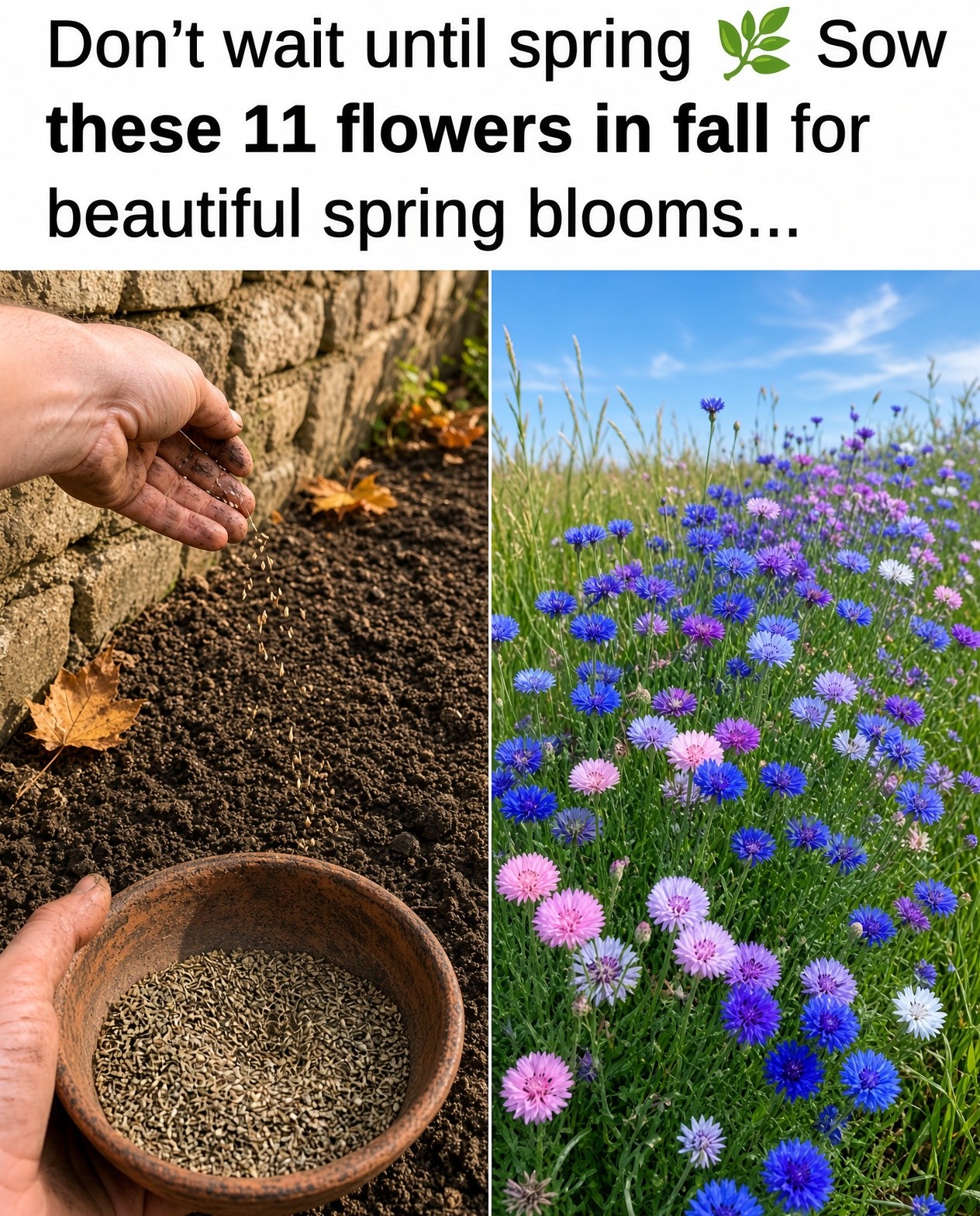
A practical zone-by-zone guide to fall sowing, winter timing, simple protection, and 11 flowers that can help create an earlier spring display.
Can You Really Sow Flower Seeds in Fall?
Yes. Fall sowing can work especially well for hardy annuals, biennials, and perennials. The natural shift from lingering warmth into colder weather can give seeds the conditions they need to remain dormant through winter and begin growing when spring temperatures become favorable. Instead of treating autumn as the end of the garden season, you can use it to prepare the next wave of color.
Will the Seeds Sprout Too Early?
That is the main concern with fall sowing, but timing can reduce the risk. In colder climates, the source recommends sowing around the first hard frost so the seeds are less likely to germinate during a temporary warm spell. In milder climates, autumn conditions are often more forgiving. Your local weather pattern, soil temperature, drainage, and the flower itself all matter, so use the zone ranges as a starting point rather than an absolute rule.
Zones 3–5: Cold Winters and Hardy Favorites
Gardeners in Zones 3–5 have a shorter autumn window, but several flowers can handle the strategy. Poppies, sweet peas, cornflowers, and larkspur are the main choices highlighted in the source. The goal is to establish seeds before winter without encouraging tender early growth. A light mulch can help buffer the soil, while very cold gardens should pay close attention to the first hard frost and avoid sowing too early.
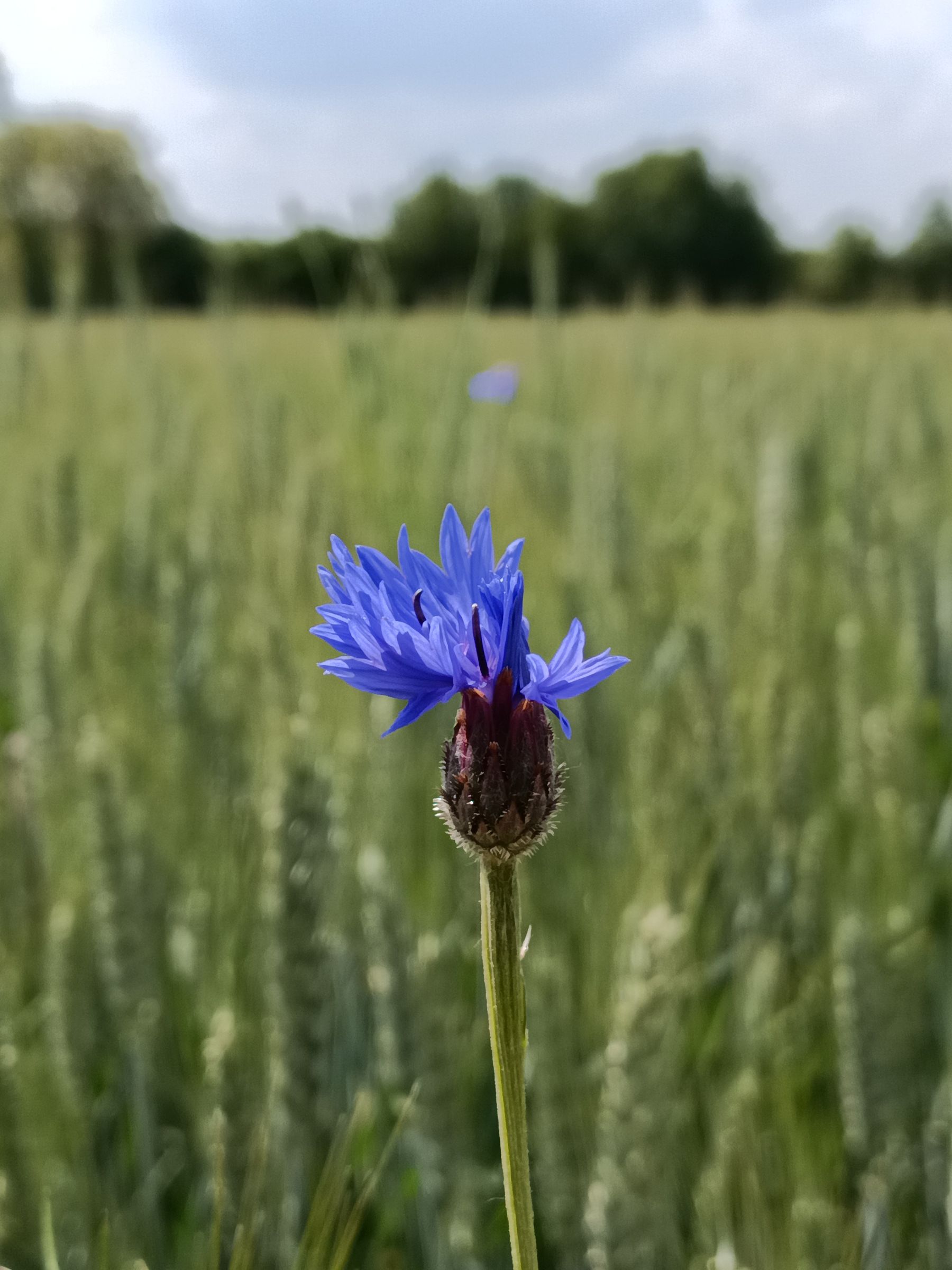
1. Poppies
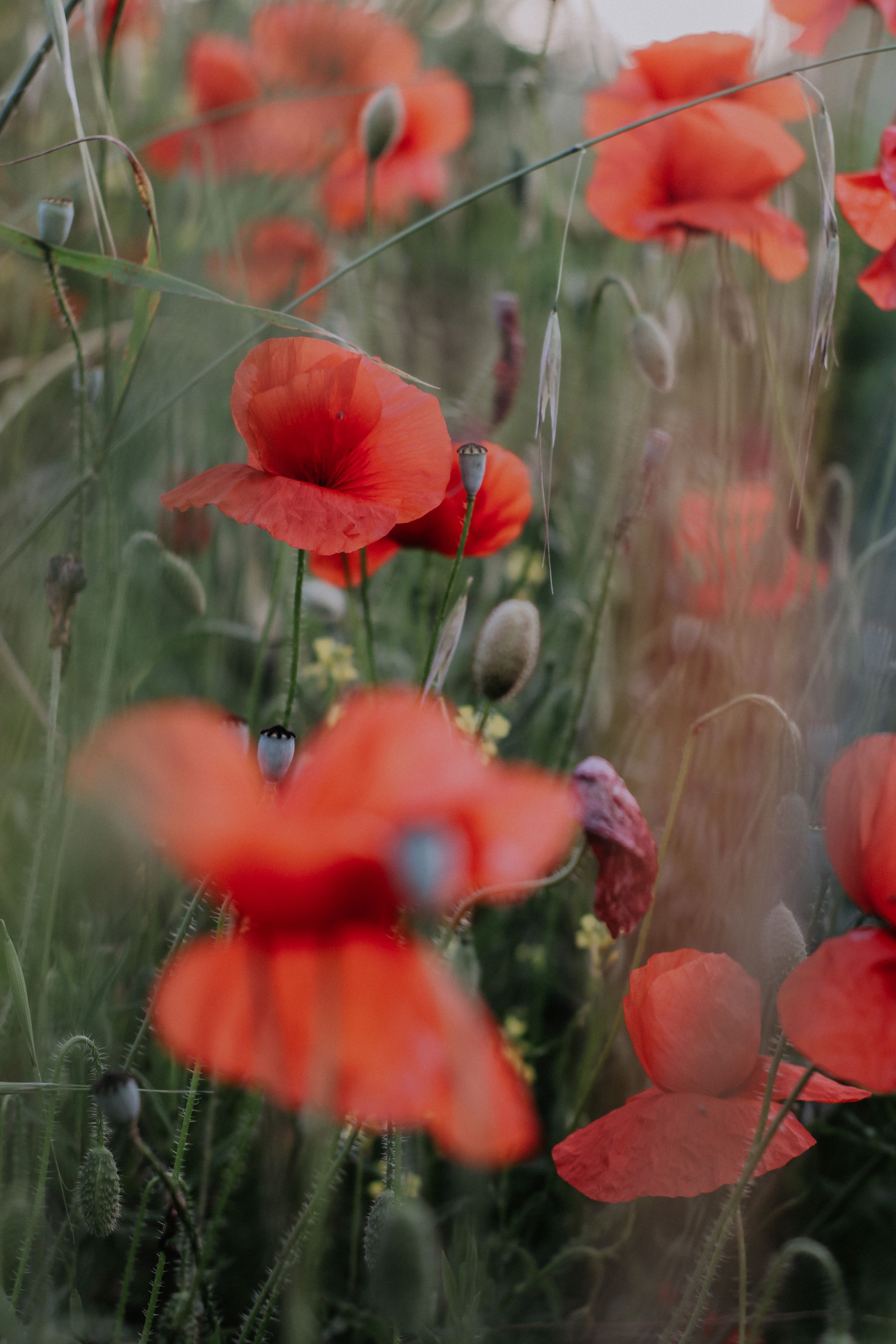
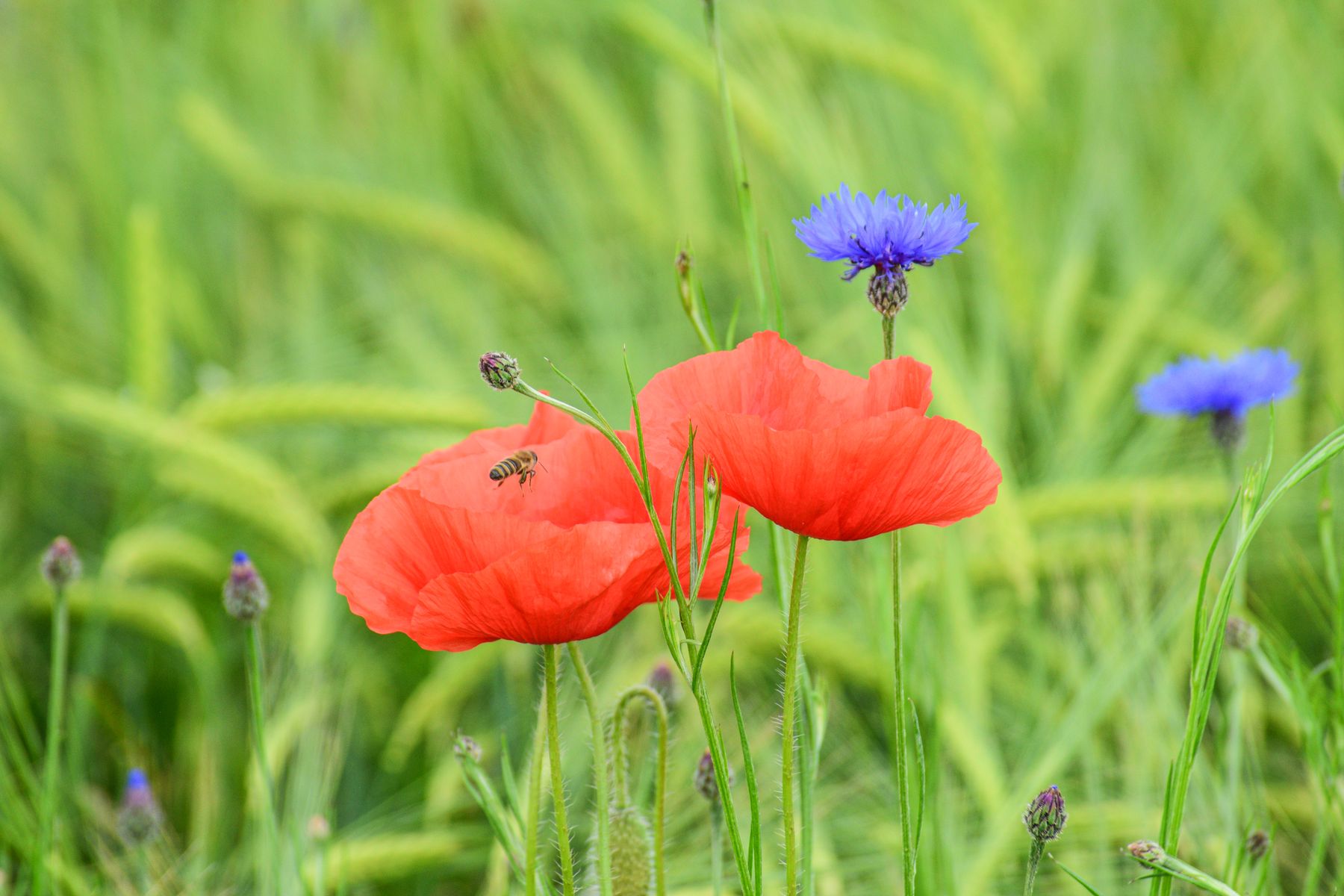
Poppies are among the simplest options for late-season sowing. Scatter the seeds over prepared soil rather than burying them deeply, then let winter provide the natural pause. As the soil warms in spring, the seeds can begin growing and produce their characteristic flowers. Choose a spot where the soil drains well and where emerging seedlings will receive plenty of light.
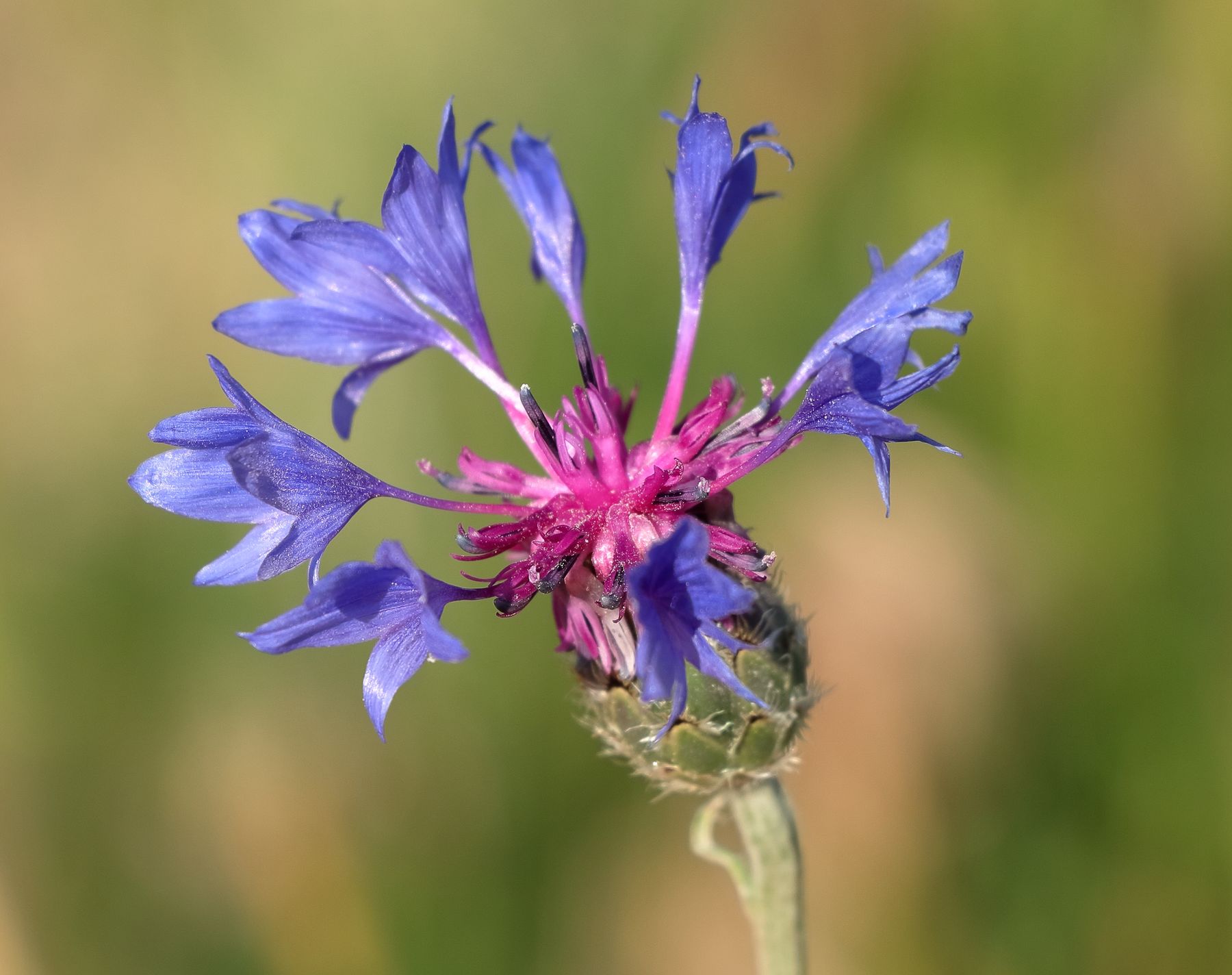
2. Sweet Peas
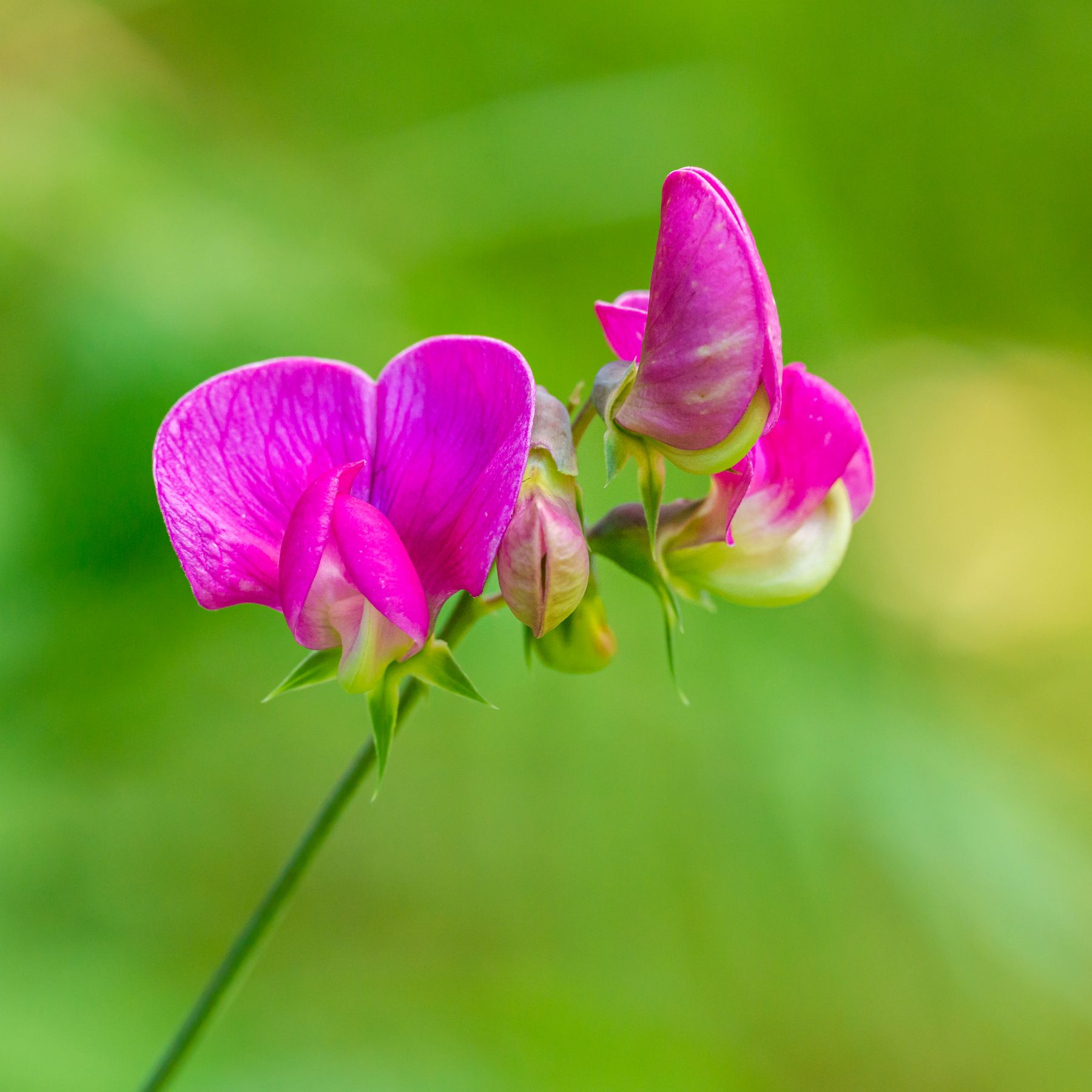
Sweet peas can be sown in fall in colder regions, particularly when they are protected with a thin layer of mulch. The source suggests giving them light winter protection in very cold areas so young roots are less exposed to severe temperature swings. Because sweet peas are climbers, plan ahead for a support structure that can be used once spring growth begins.
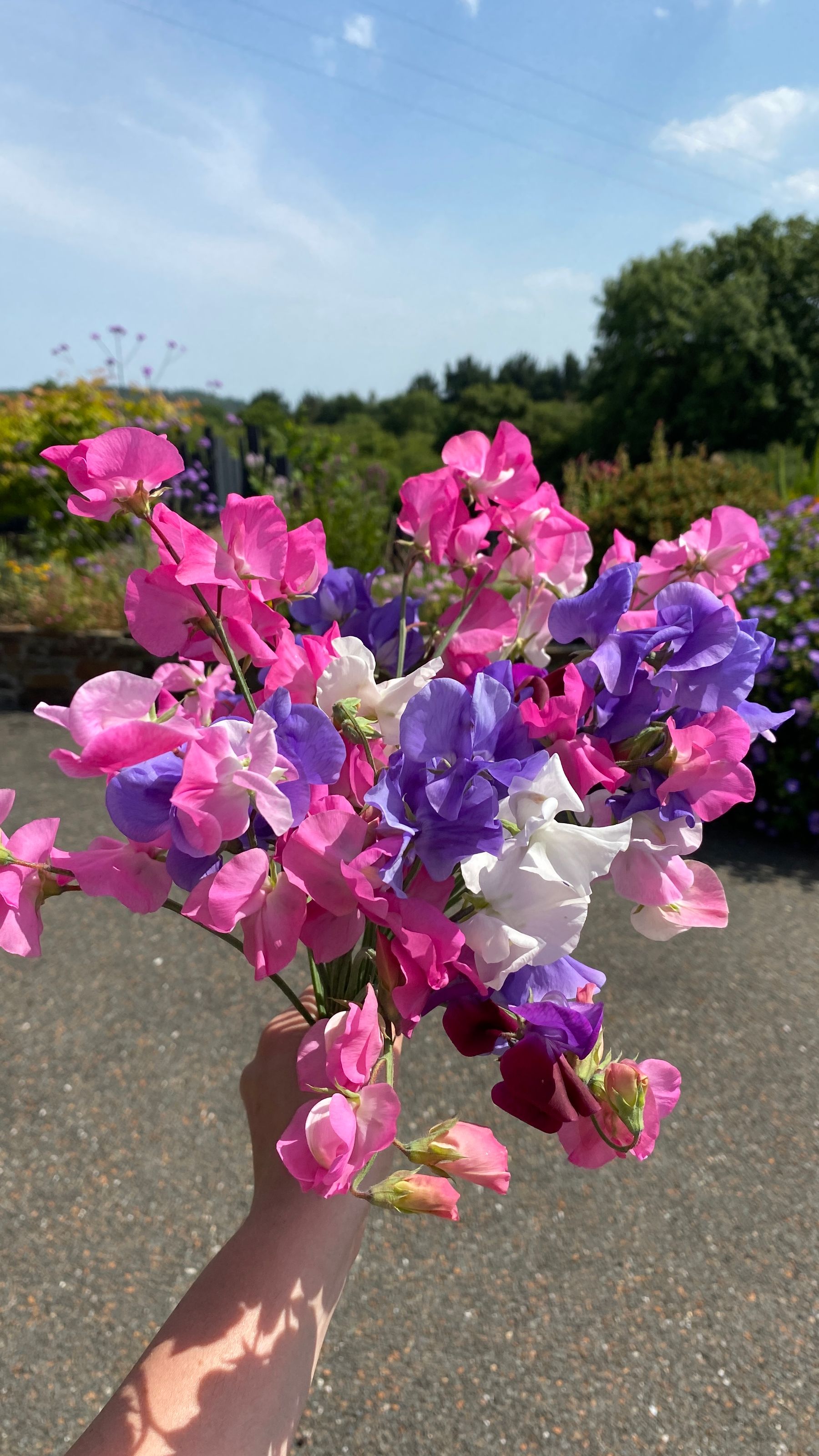
3. Cornflowers
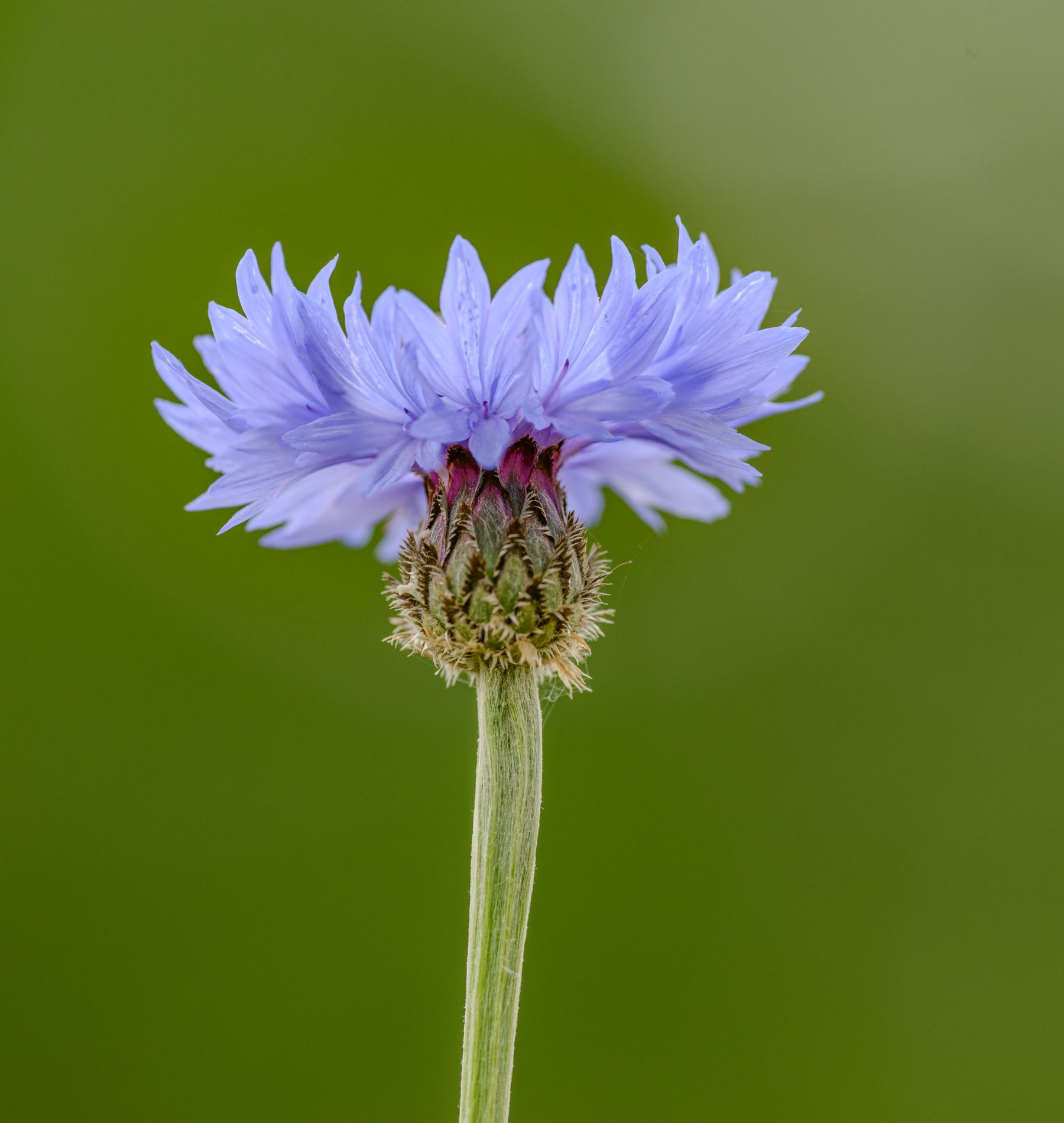
Cornflowers are another hardy annual that can overwinter successfully and flower early once spring arrives. Their simple seed-to-spring approach makes them appealing for gardeners who want an easy experiment with fall sowing. Prepare a clean seedbed, scatter the seed, and mark the area clearly so winter cleanup does not disturb it.
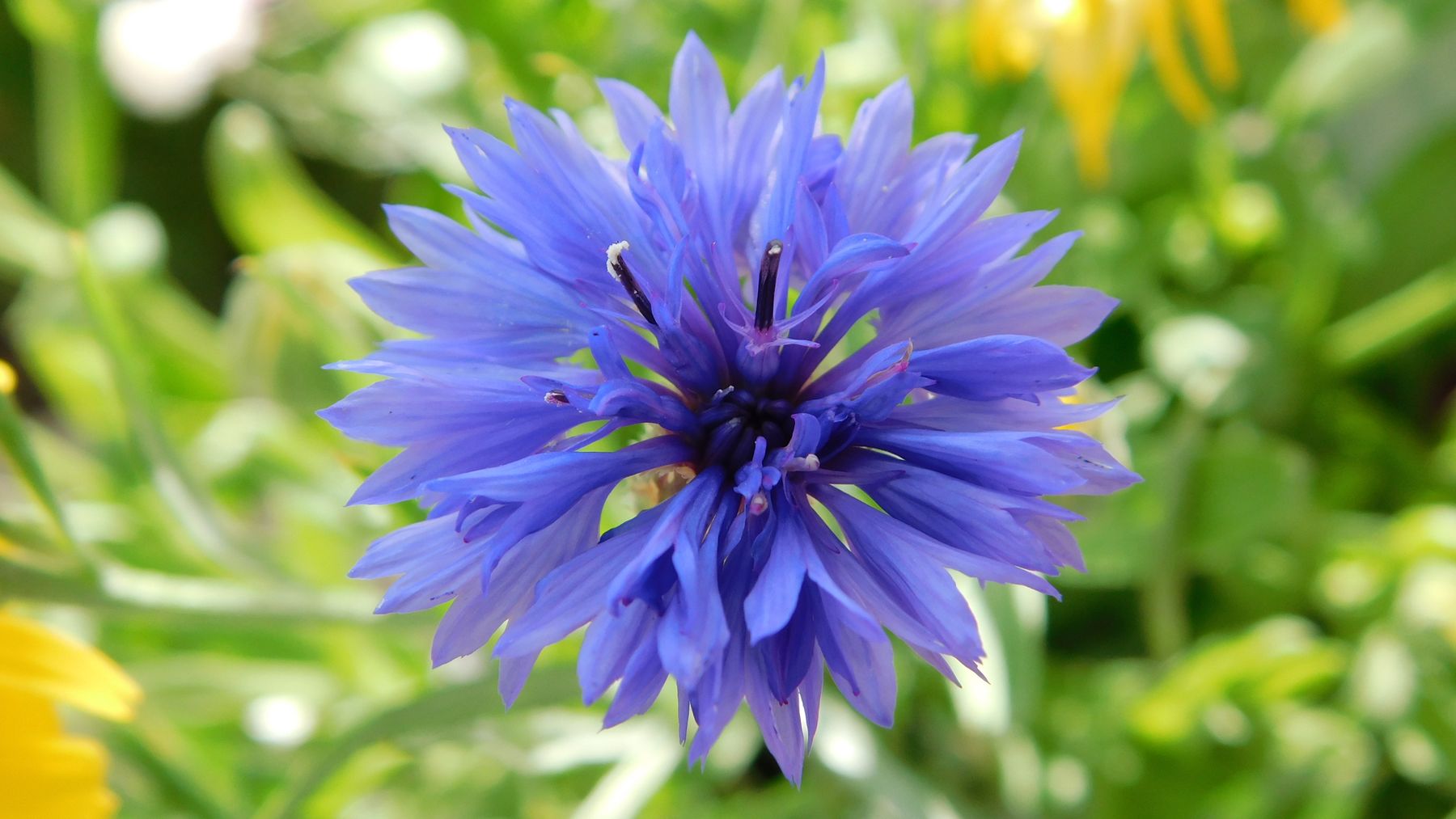
4. Larkspur
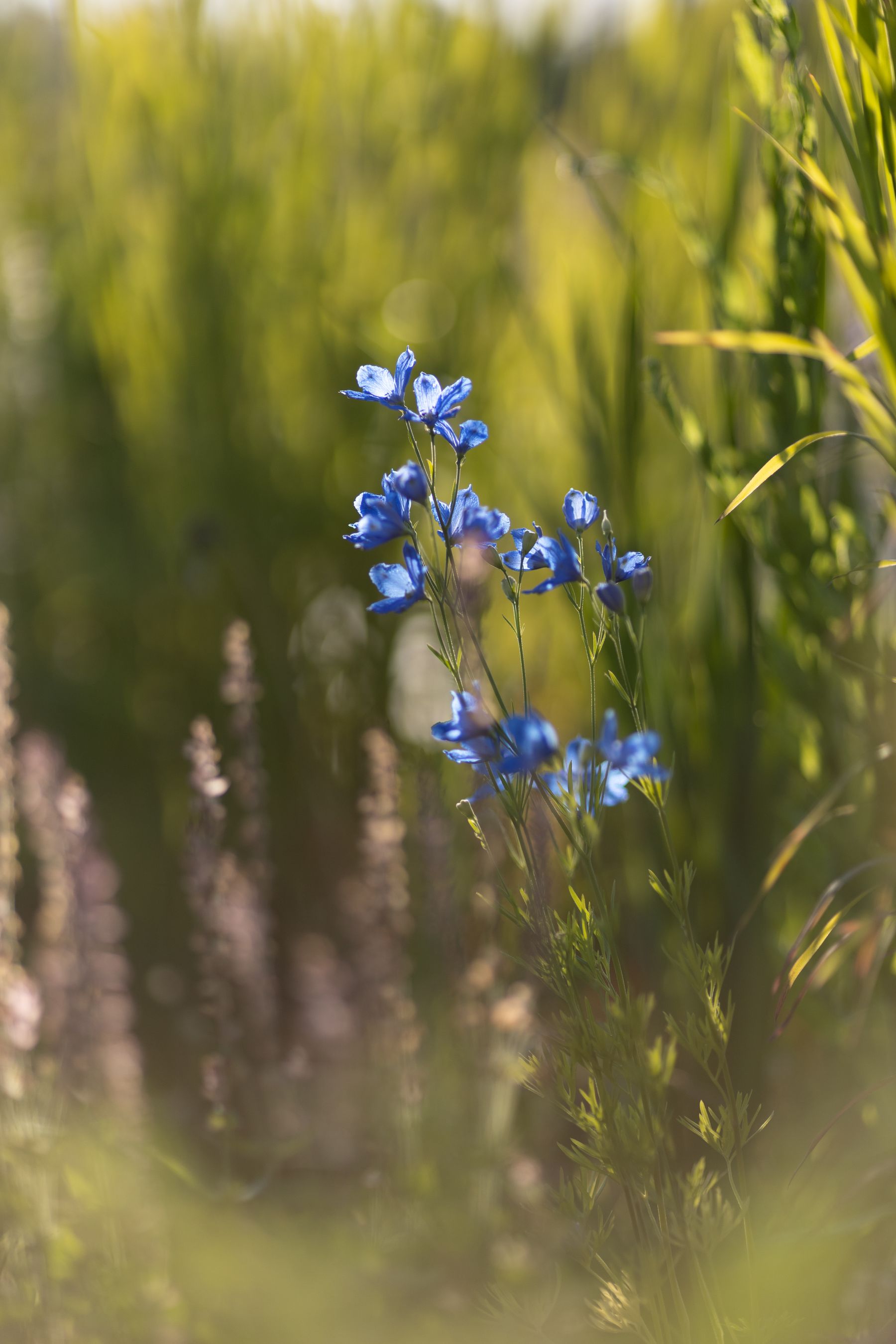
Larkspur brings tall flower spikes in shades that can include blue, pink, purple, and red. Fall sowing can help it establish early for strong spring performance. In cold climates, timing is especially important: wait until conditions are reliably cold enough to reduce the chance of premature sprouting, then protect the bed lightly if needed.
Zones 6–7: A Longer Fall-Sowing Window
Zones 6–7 generally offer more flexibility in autumn. The source recommends nigellas, foxgloves, and Shasta daisies. These flowers benefit from the seasonal transition, but they still need a well-prepared bed and sensible winter protection. A thin layer of mulch can help reduce damage from repeated freezing and thawing without burying emerging plants under a heavy cover.
5. Nigellas
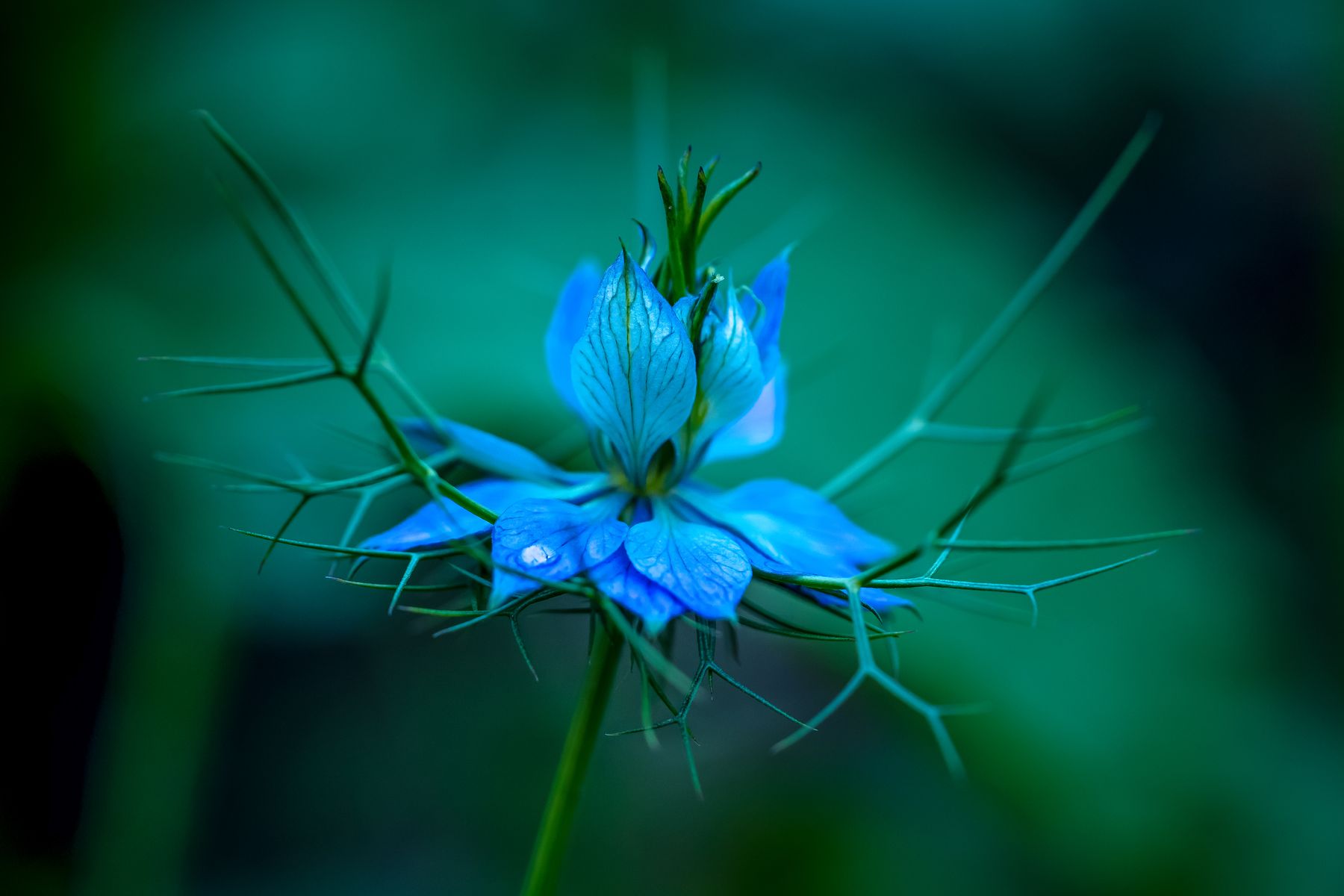
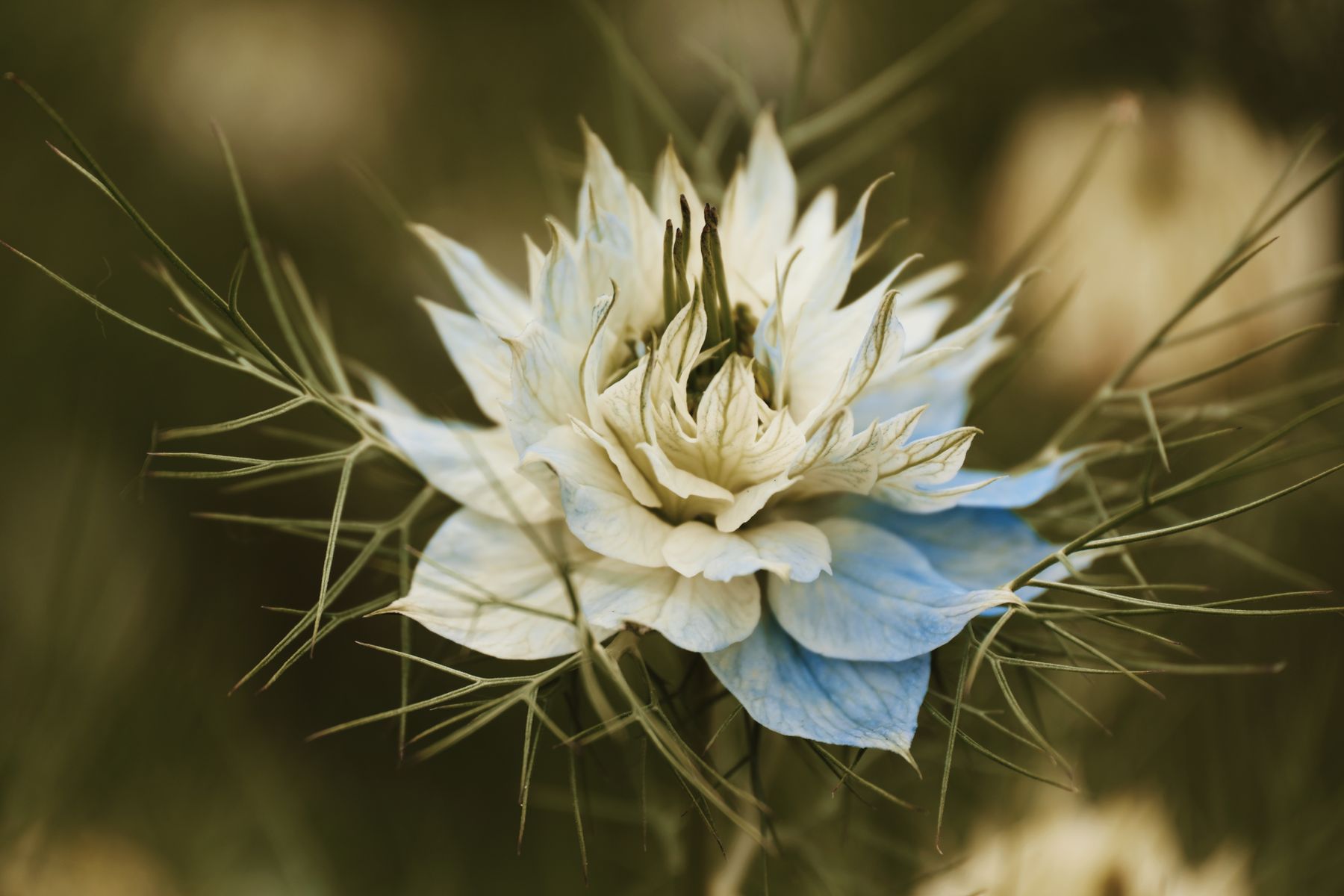
Nigella is a particularly approachable choice because the seeds are easy to scatter across a prepared bed. Fall-sown plants can produce delicate blue flowers in spring, giving the garden an airy look before many summer flowers reach their peak. Keep the soil surface reasonably clear and mark the planting area so you know where seedlings should appear.
6. Foxgloves
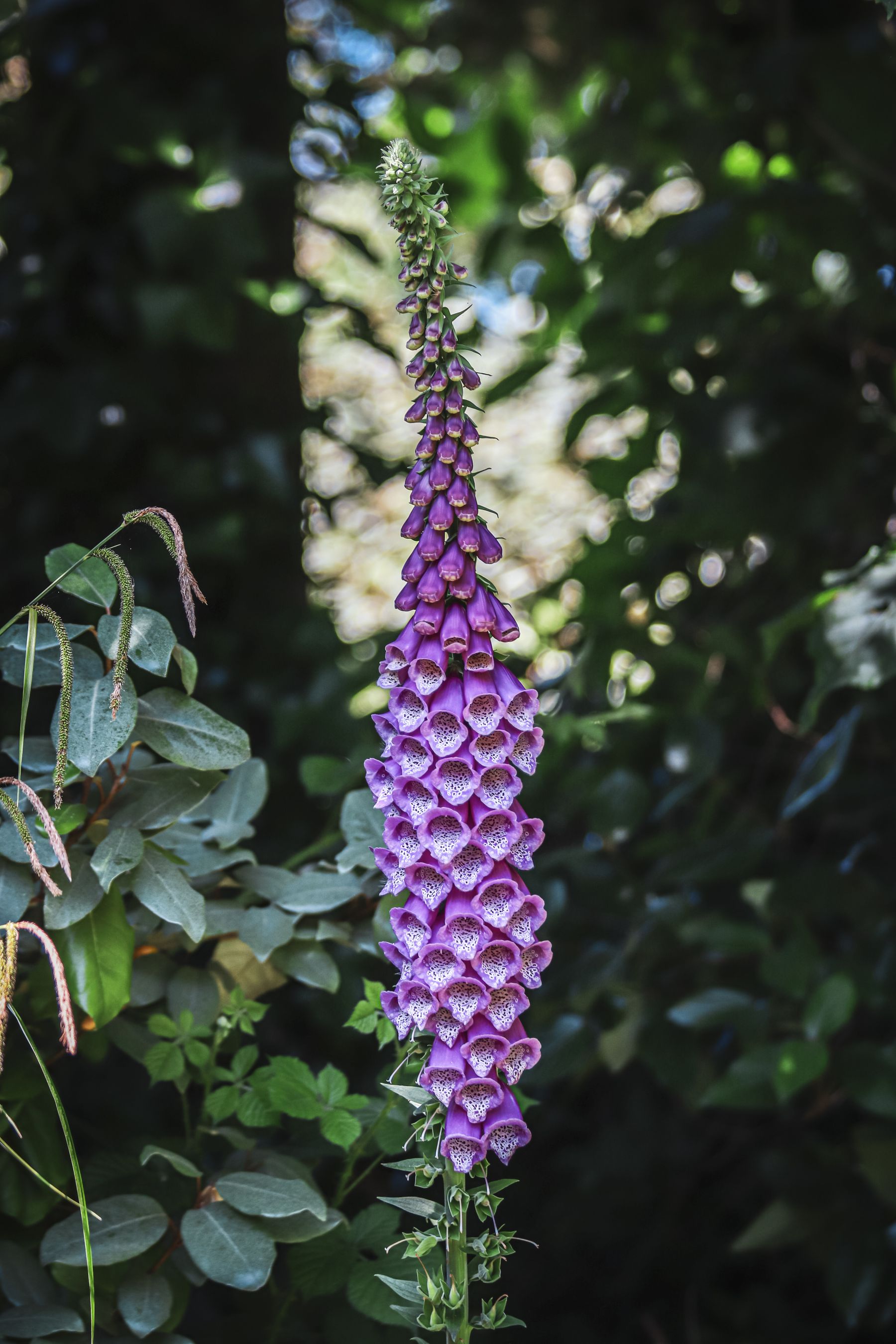
Foxgloves are biennials and can benefit from experiencing a cool period before their later flowering cycle. In Zones 6–7, autumn sowing can help them establish before spring. Mulch around, rather than heavily over, the planting area can help protect young plants from abrupt freezes. One important caution: foxgloves are toxic if eaten, so grow them where children and pets cannot easily ingest the plant.
7. Shasta Daisies
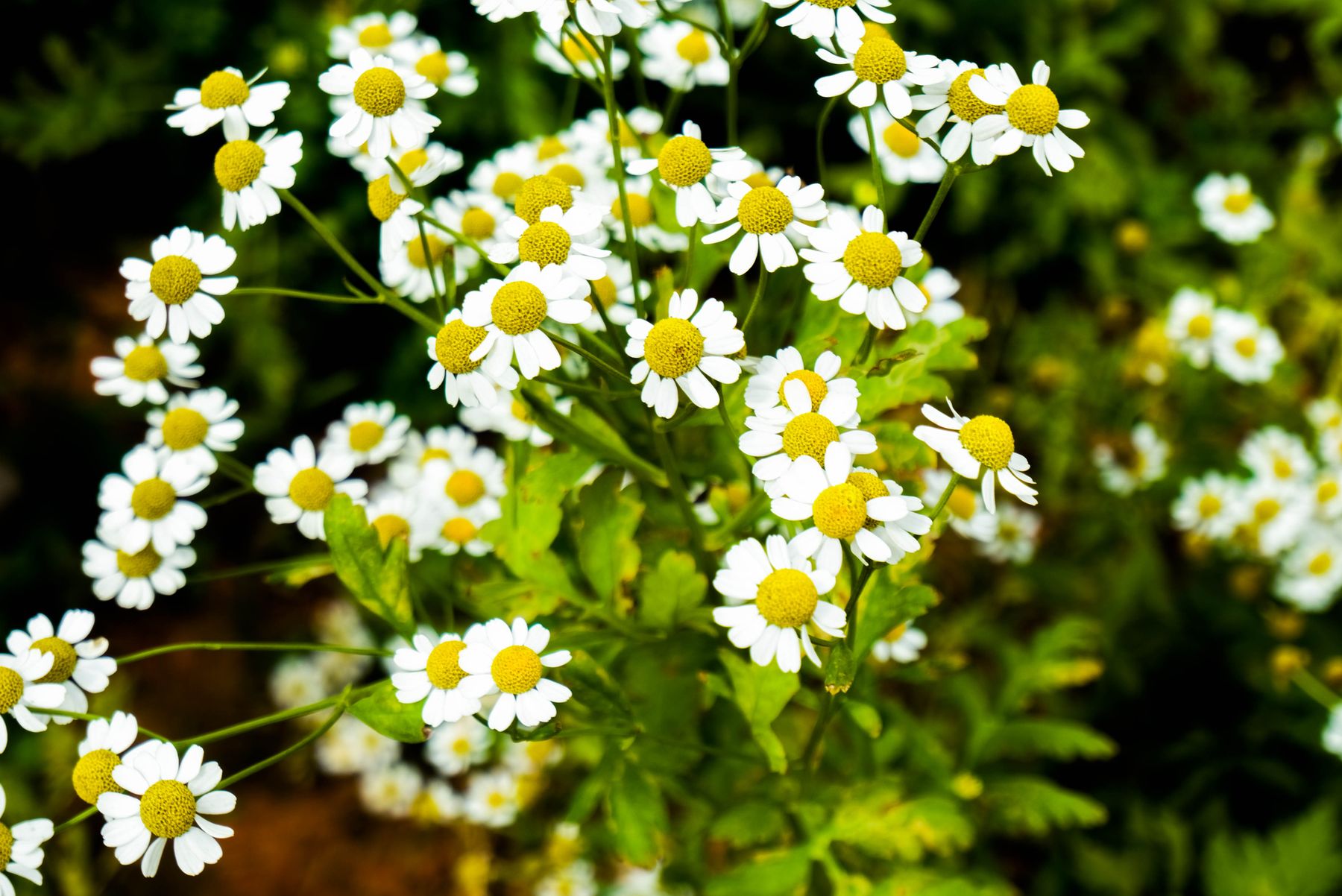
Shasta daisies can use a fall start to develop roots before the main spring growing season. Plant them in a location with good drainage and adequate sunlight, and avoid covering the seeds with a thick layer of material. Once established, the plants can contribute a bright, classic daisy display to the garden.
Zones 8–10: Mild Winters and Extended Growing
In Zones 8–10, the relatively mild winter makes fall an especially useful planting season for cool-season flowers. The source highlights calendula, snapdragons, delphiniums, and hollyhocks. In these regions, spring can become warm quickly, so establishing plants during the cooler months can give them a useful head start.
8. Calendula
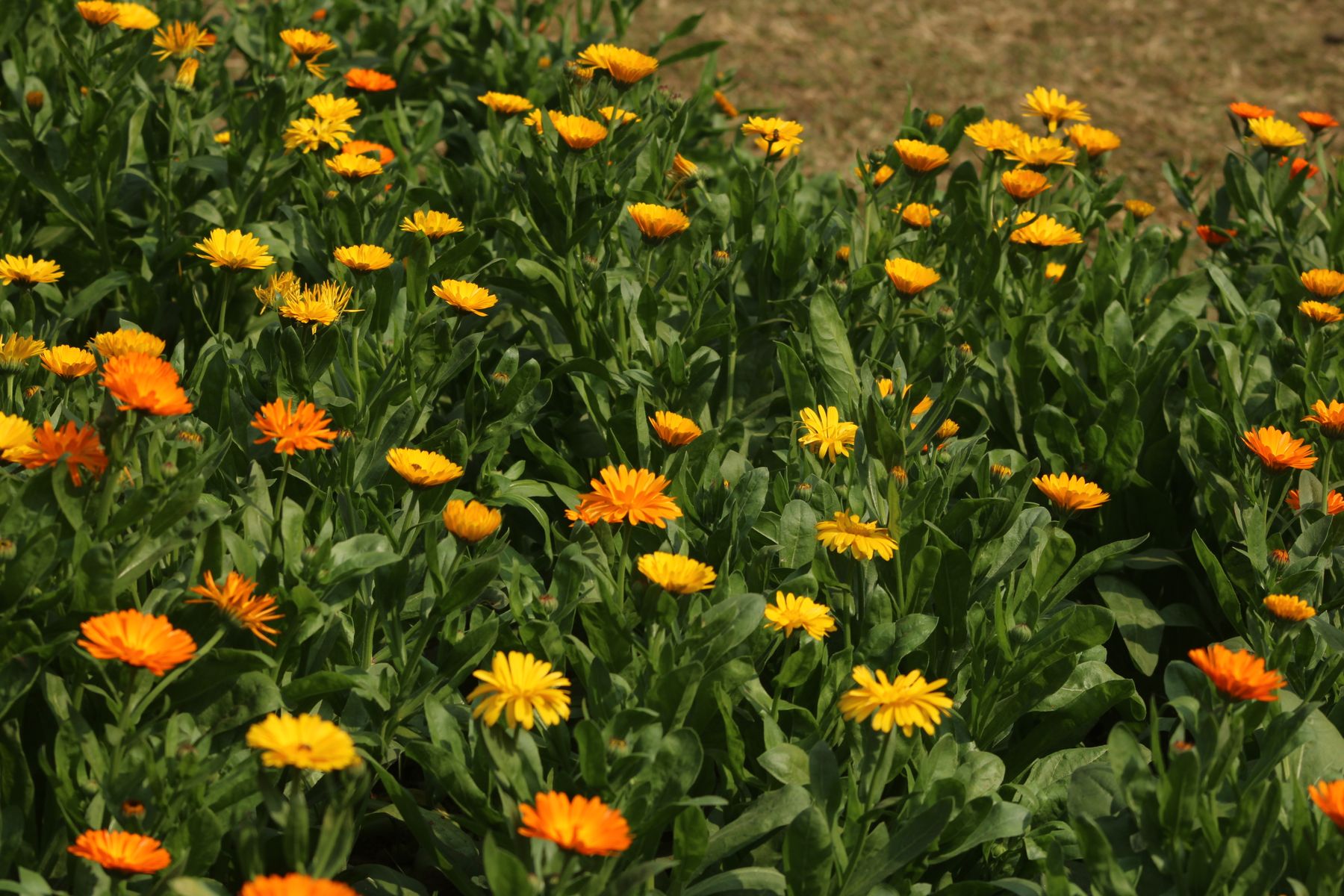
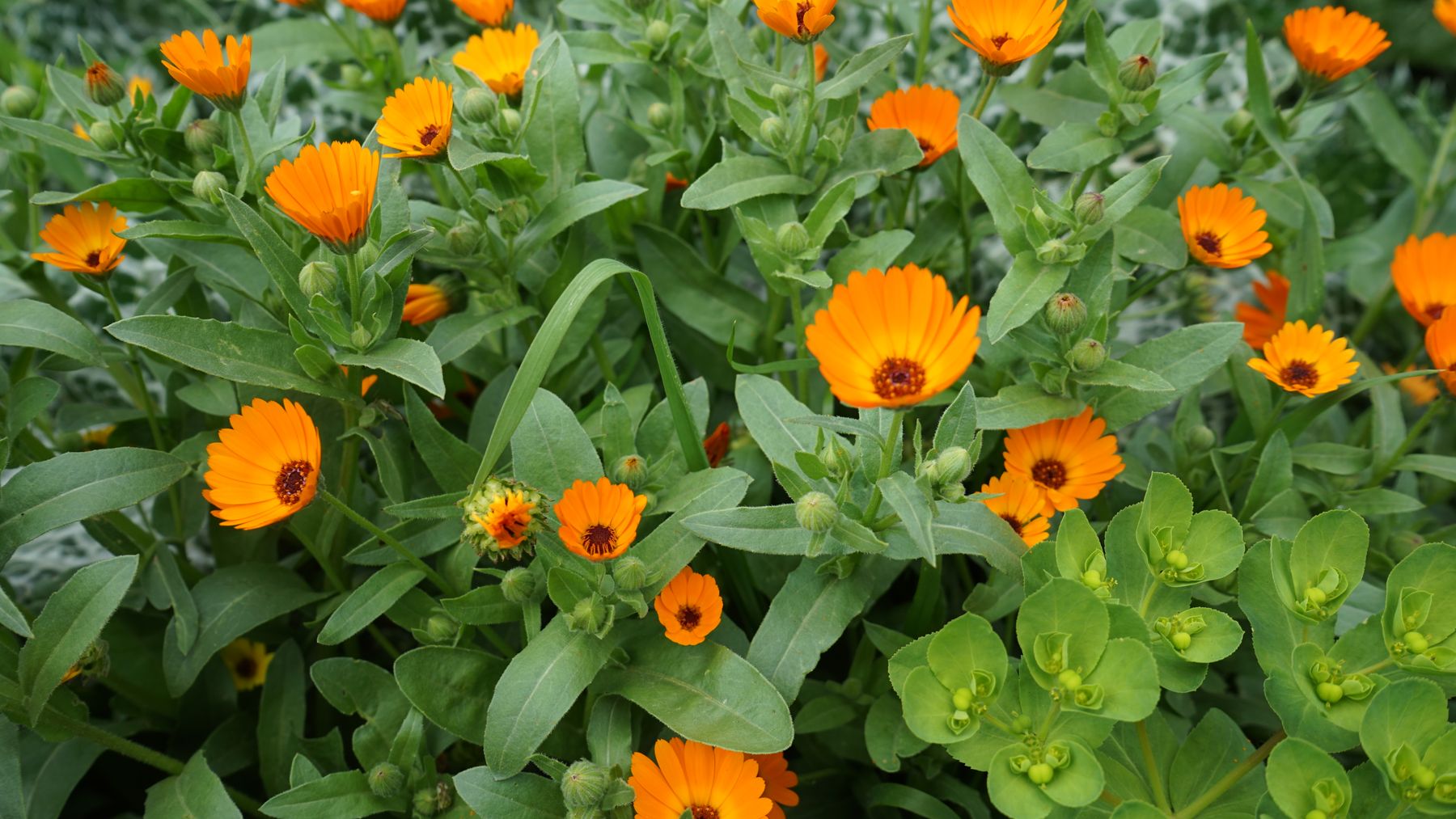
Calendula can remain productive through much of a mild winter and flower early in spring. It is also one of the beginner-friendly flowers highlighted by the source. Sow it into prepared soil, keep the planting area visible, and avoid excessive mulch that could make it harder for seedlings to emerge when conditions turn favorable.
9. Snapdragons
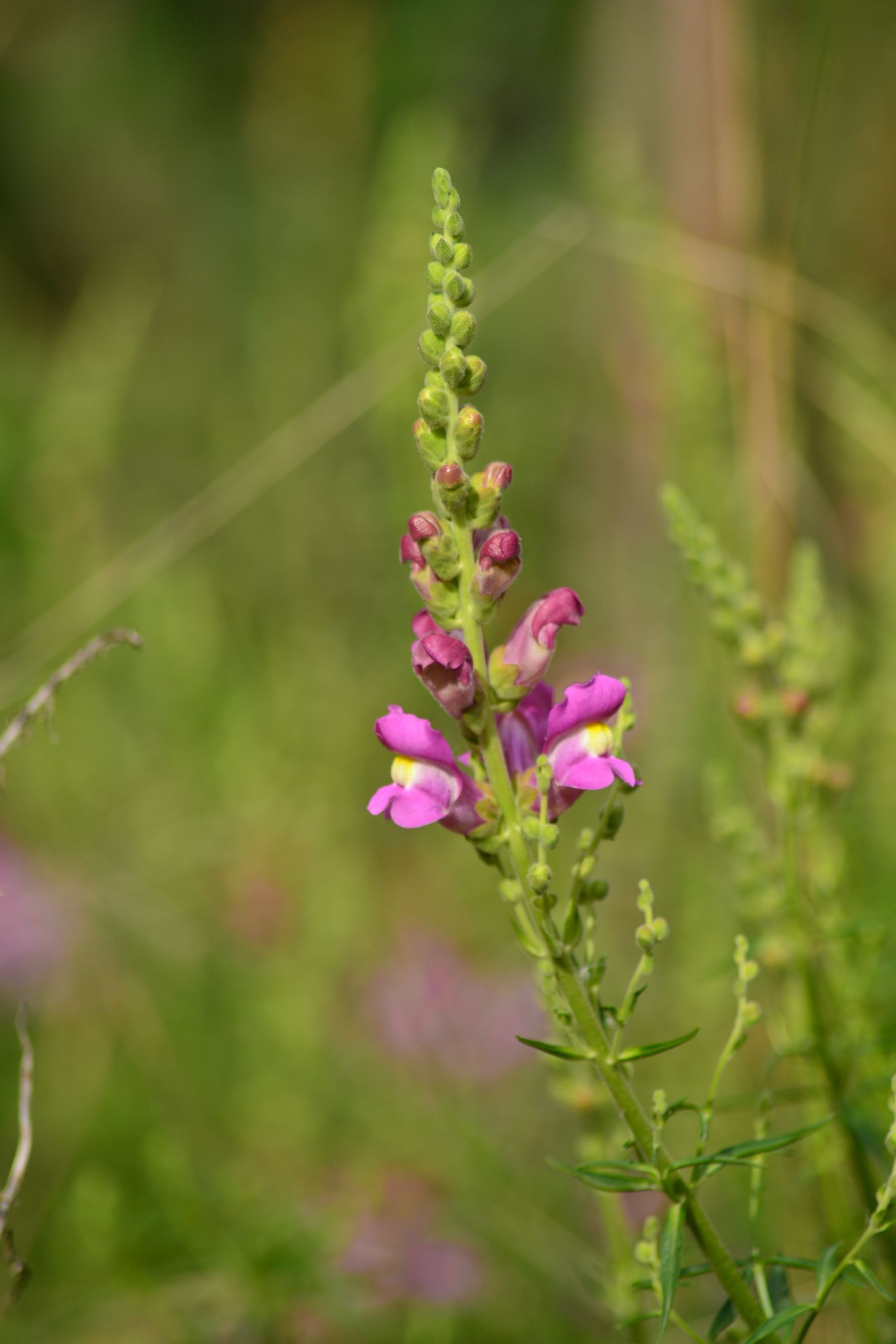
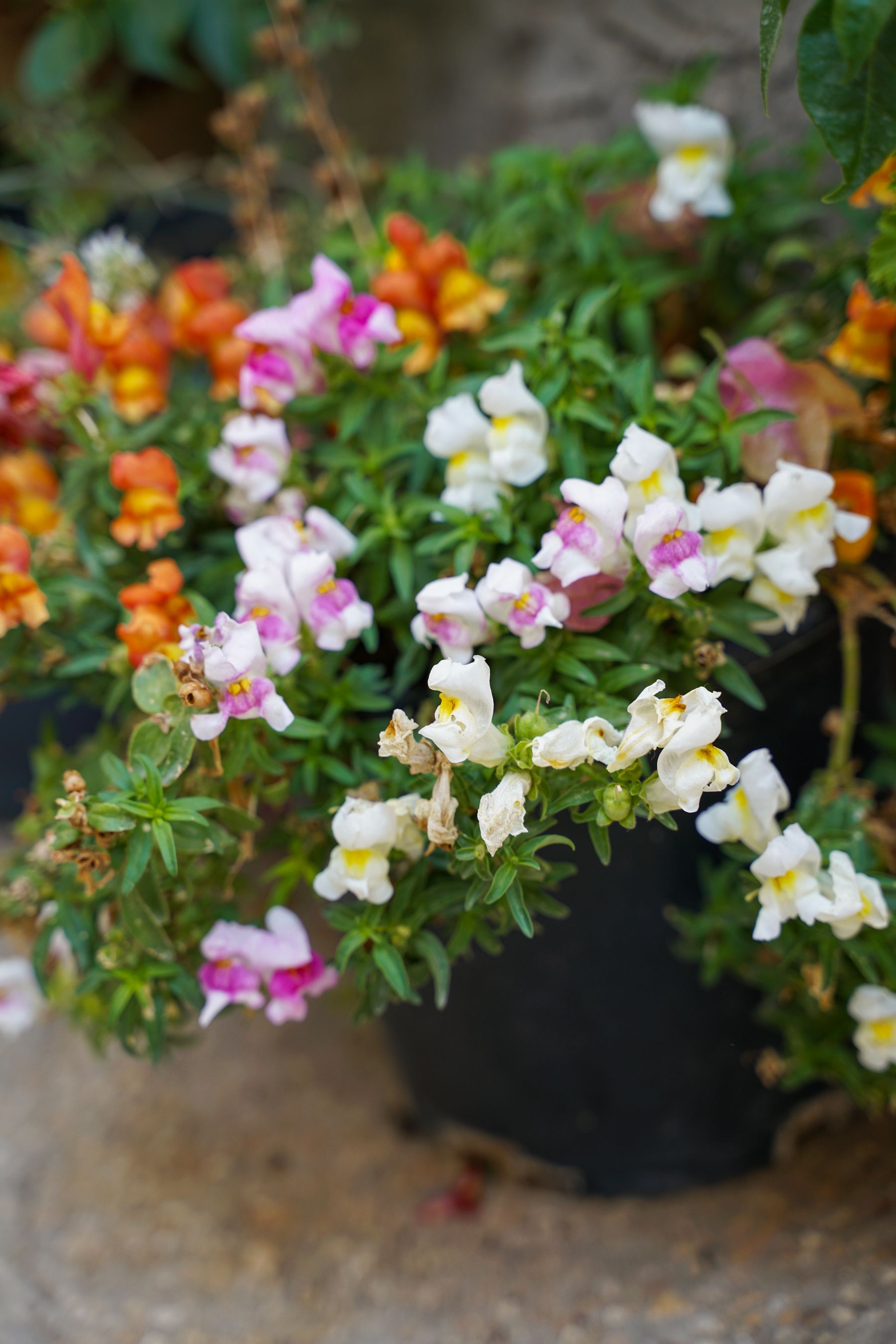
Snapdragons are well suited to cool conditions and can reward a fall planting with an early- to mid-spring display. Give them a sunny location and avoid overly wet soil. If your area experiences an unusual cold snap, temporary protection can help young plants, especially while they are still small and establishing their roots.
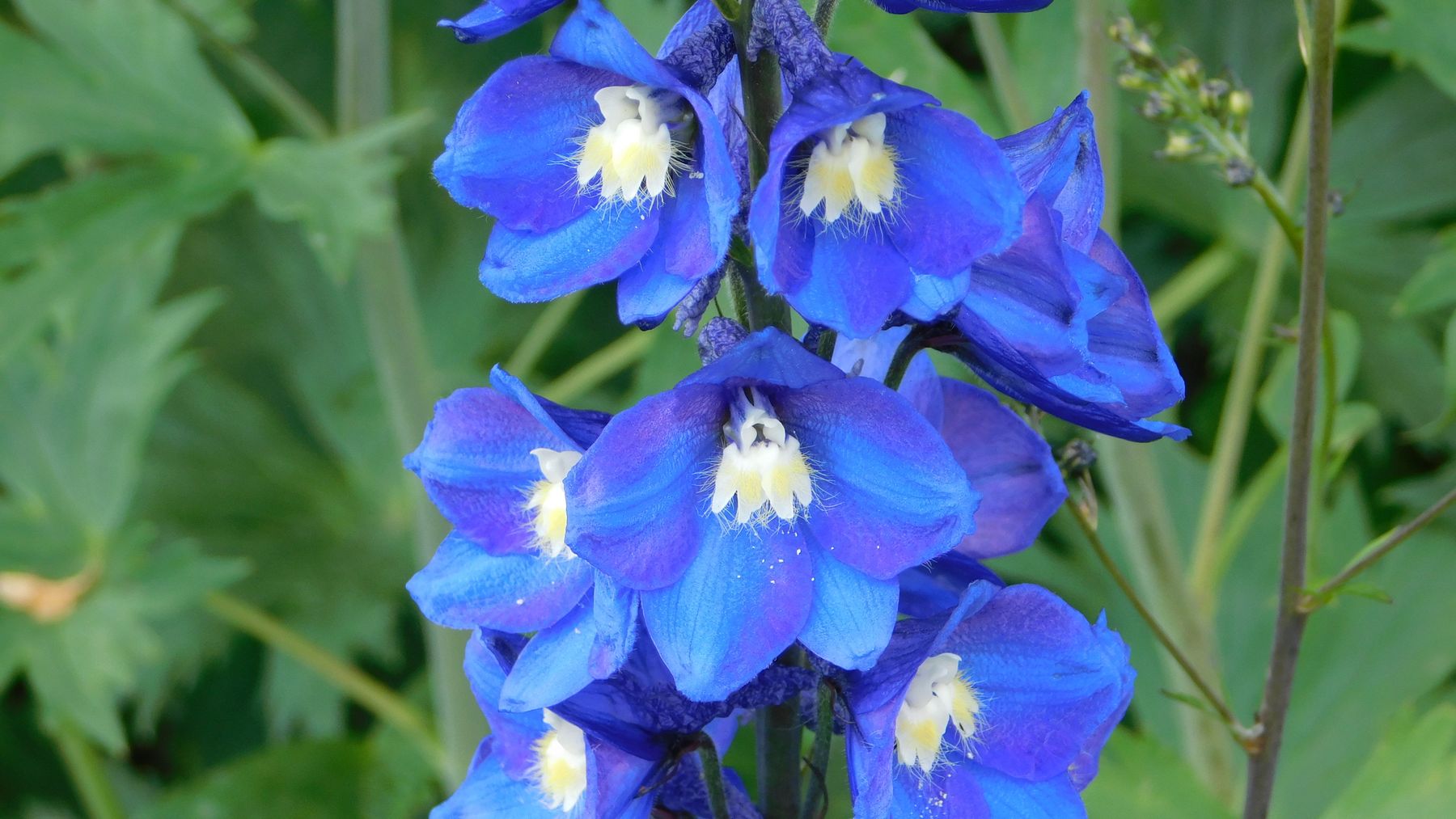
10. Delphiniums
Delphiniums are valued for their tall, dramatic flower spikes, and fall sowing can encourage earlier spring production. They perform best when the planting area has good light and drainage. In a mild zone, the plants may establish during the cooler months; if temperatures suddenly drop, a simple frost cloth can provide temporary protection.
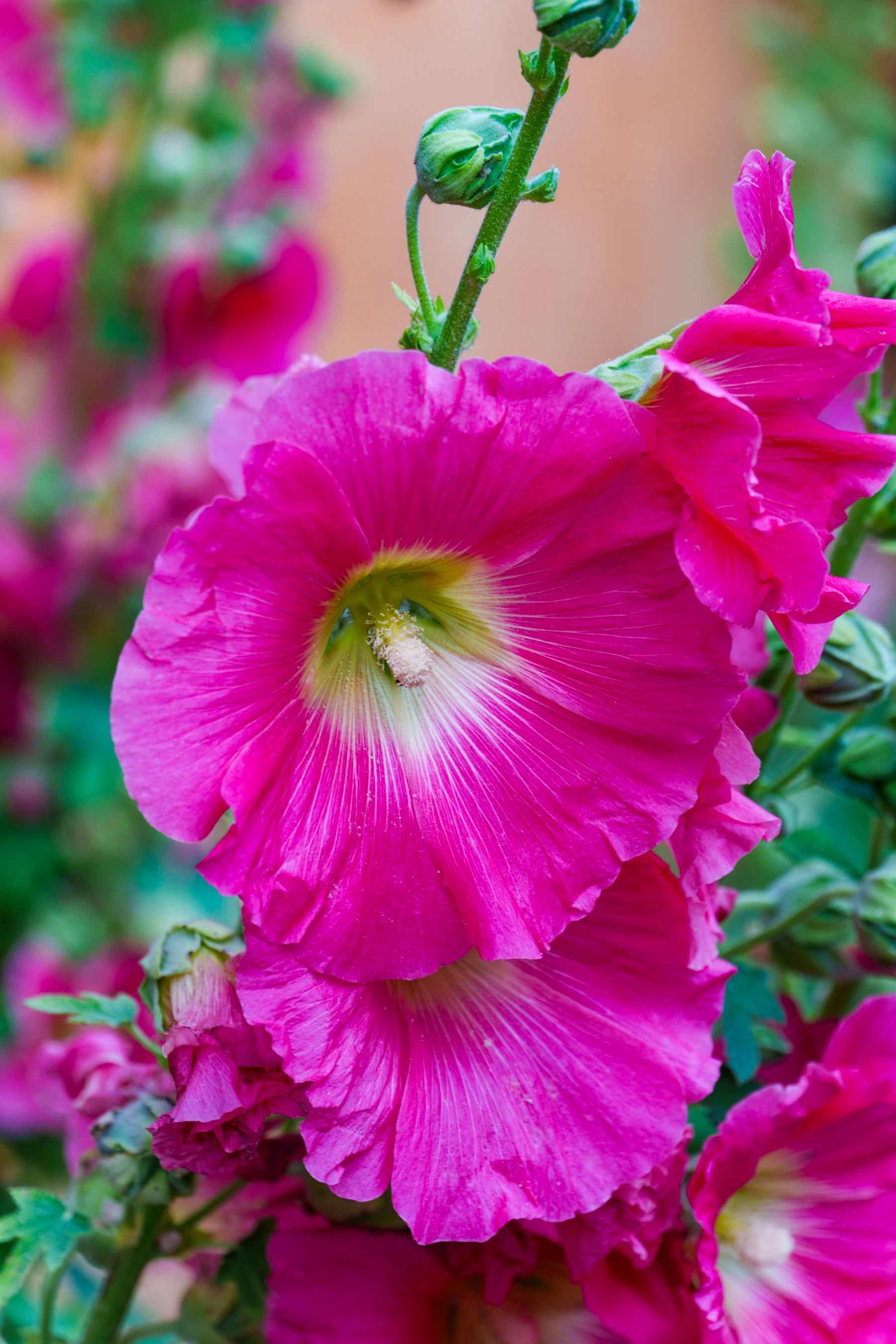
11. Hollyhocks
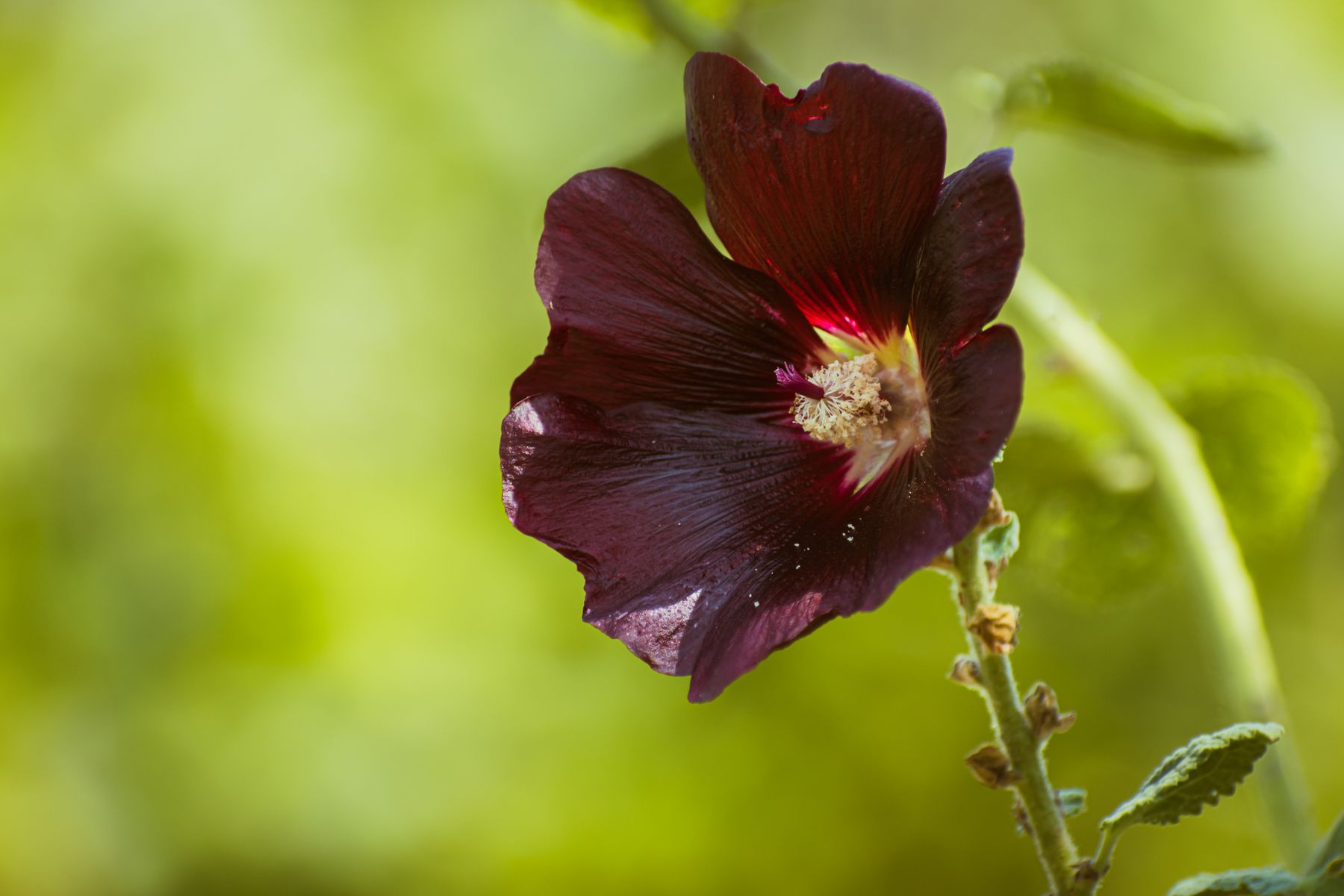
Hollyhocks add height and an airy vertical element to a spring and summer garden. They appreciate the cool period of fall and winter for establishment. Give them room to grow, choose a sunny position, and keep the seedbed clearly marked so it is not accidentally disturbed during winter garden maintenance.
Which Flowers Are Easiest for Beginners?
If you are trying fall sowing for the first time, start with forgiving choices. The source specifically points to poppies, calendulas, cornflowers, and nigellas because they are comparatively straightforward and tend to germinate reliably when conditions are suitable. Starting with a few varieties also makes it easier to learn how your own soil and winter weather affect fall-sown seeds.
Simple Tricks for Better Fall Sowing
Preparation matters as much as the seed. Loosen the soil and rake it smooth before sowing so seeds make good contact with the surface. Mark every planting area clearly. Use only a thin layer of mulch where winter protection is useful; too much can interfere with spring emergence. In Zones 7–10, succession sowing several batches a few weeks apart can also spread the spring flowering window.
A Practical Fall-to-Spring Plan
A simple routine is to choose flowers suited to your zone, prepare the bed while the soil is workable, and then time sowing around your local autumn weather. In colder areas, waiting until after a hard frost can reduce premature germination. In milder areas, fall sowing can fit naturally into the cool-season garden. Label the beds, protect them lightly where appropriate, and check them as spring temperatures rise.
The Bottom Line
Fall sowing is not just a way to get garden chores out of the way before winter. For suitable flowers, it can work with the natural seasonal cycle and give plants a head start toward spring growth. Match the flowers to your growing zone, avoid overly early sowing in cold regions, prepare the soil carefully, and protect young plants without smothering them. With a little planning, autumn can become the beginning of next spring’s flower show.