
Sumac is a vibrant red culinary spice known for its naturally tart, lemon-like flavor. It can bring freshness, color, and depth to everyday meals, while its naturally occurring plant compounds have made it an interesting subject of nutritional research.
From salads and grilled foods to yogurt, dips, and traditional infusions, there are many simple ways to enjoy sumac. The guide below focuses on practical culinary uses and keeps health claims in perspective.
What Is Sumac?
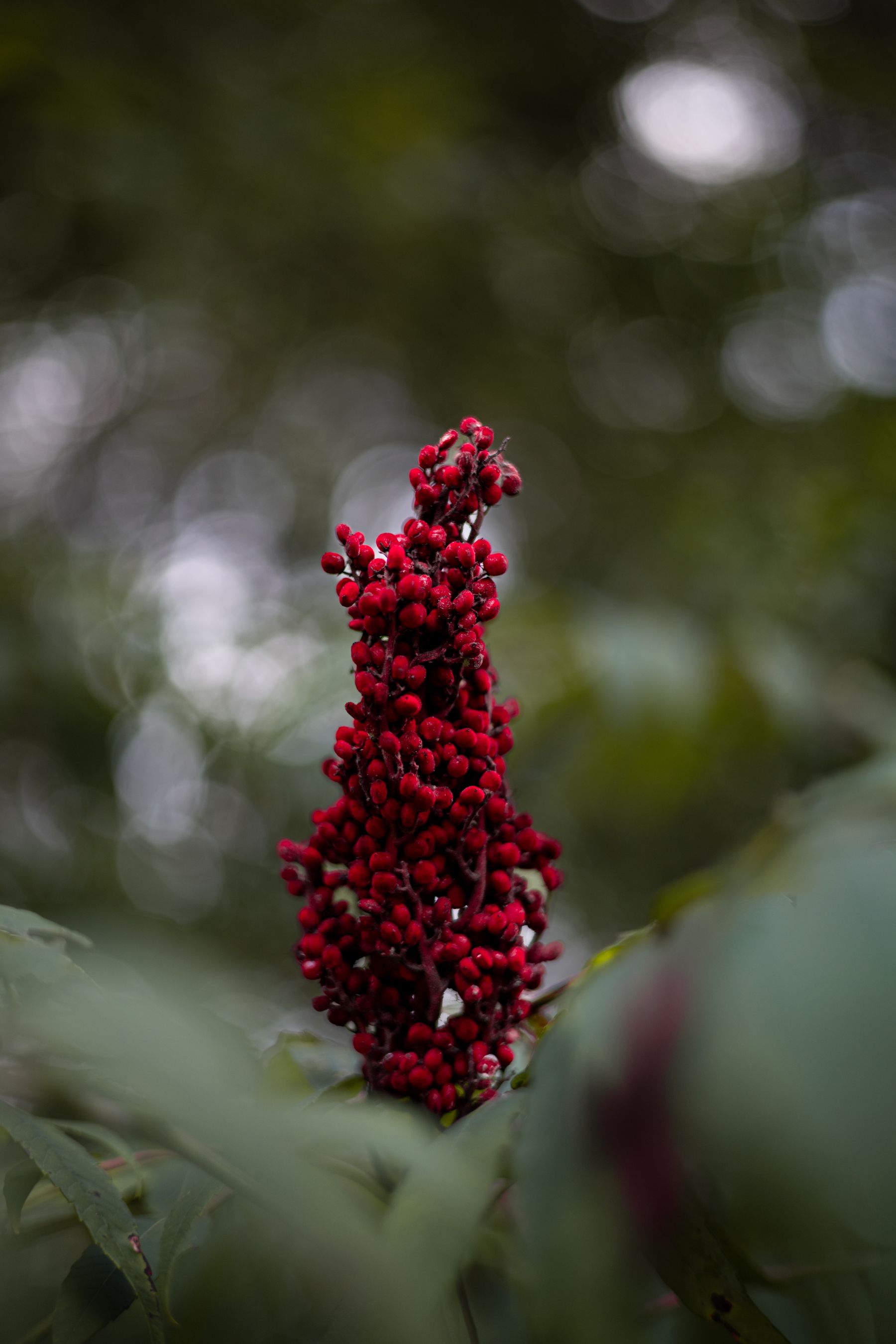
Sumac is a striking red spice made from dried berries of certain sumac plants. Culinary sumac is commonly associated with Rhus coriaria and is especially familiar in Middle Eastern and Mediterranean cooking. Once dried and ground, the berries produce a deep red to burgundy seasoning with a naturally tart, lemon-like character.
That bright acidity is what makes sumac so useful in the kitchen. It can add freshness to food without relying entirely on lemon juice or vinegar, while its deep color gives simple dishes a more distinctive finish. Because the flavor is concentrated, a small amount is often enough to transform a meal.
Why Sumac Has Become So Popular
Sumac has been used as a culinary ingredient for generations, and its appeal comes first from flavor. It works particularly well when a dish needs a little brightness, especially alongside grilled foods, roasted vegetables, creamy dips, grains, beans, and fresh salads.
Interest in sumac also comes from its naturally occurring plant compounds. Sumac contains polyphenols and other antioxidant compounds that have been studied for their biological activity. That does not mean the spice should be treated as a medicine, but it does make sumac an interesting ingredient to include as part of a varied, balanced diet.

Sumac and Antioxidant Compounds
One of the most interesting areas of sumac research is its antioxidant content. Antioxidants are compounds that can help counter oxidative processes in the body. Sumac contains several plant compounds, including polyphenols and flavonoids, that researchers have investigated for antioxidant activity.
It is important to keep the evidence in perspective. Laboratory and small human studies do not automatically prove that eating sumac prevents a disease or produces a specific medical outcome. The practical takeaway is simpler: using flavorful spices such as sumac can add plant compounds to meals while helping you create food with less dependence on heavy sauces or excessive salt.
A Bright Addition to Salads and Vegetables
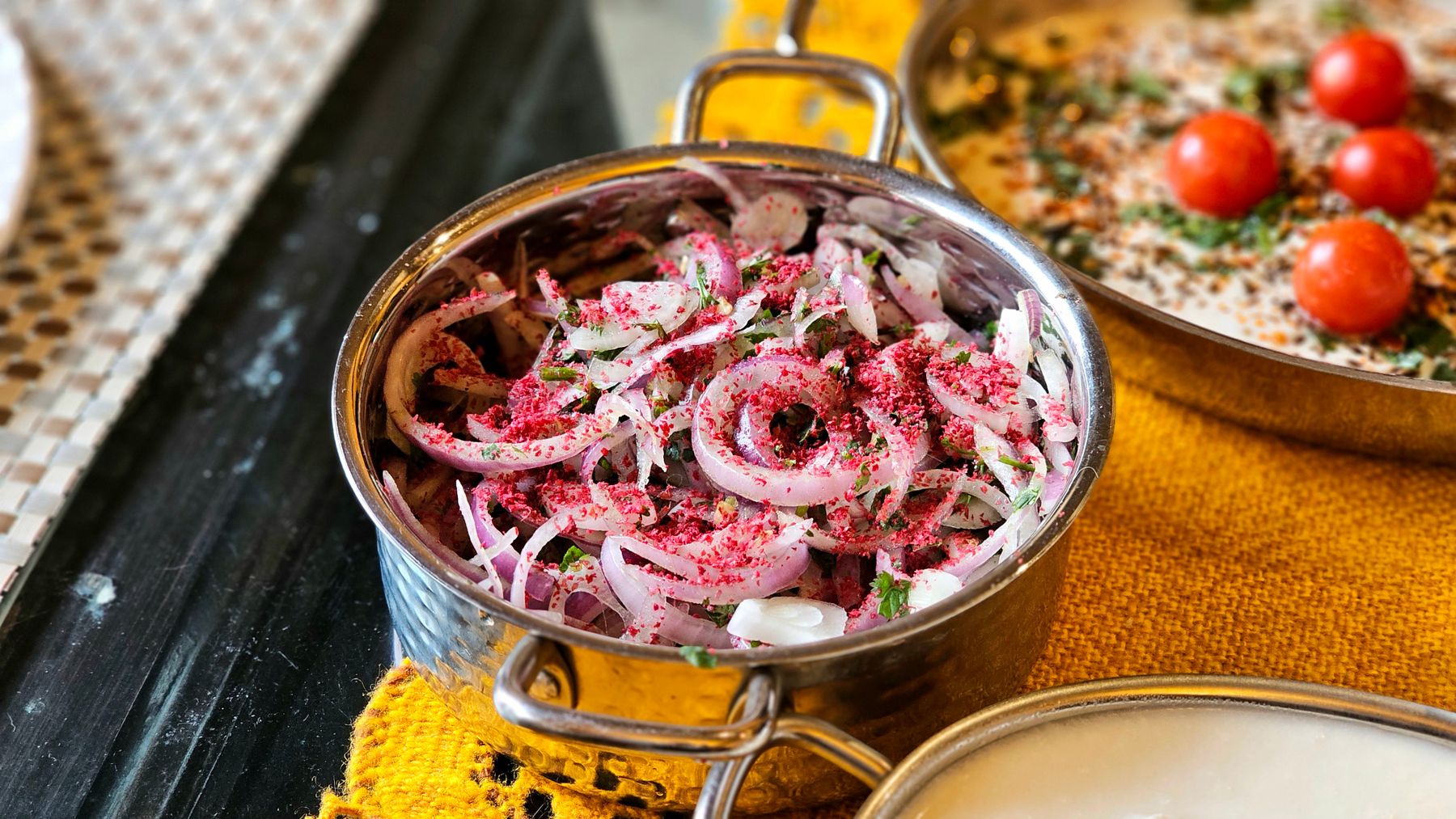
Salads are one of the easiest places to appreciate sumac. Sprinkle it over chopped cucumber, tomato, onion, parsley, or leafy greens just before serving. Its tart flavor pairs naturally with olive oil and fresh herbs, giving vegetables a lively finish without making the dressing complicated.
Roasted vegetables benefit from the same approach. Try a light dusting over carrots, cauliflower, potatoes, squash, or eggplant after cooking. Sumac can also be combined with olive oil, garlic, herbs, and a little salt to make a simple seasoning mixture for vegetables, grains, or warm flatbreads.

Sumac With Grilled Foods
Sumac is especially effective with grilled foods because its acidity balances rich, savory flavors. Sprinkle it over grilled chicken, kebabs, fish, or vegetables just before serving. It can also be mixed into marinades or seasoning blends, although adding some at the end preserves its fresh, tangy character.
For a simple meal, pair grilled chicken with sliced red onion, parsley, yogurt, and a little sumac. The combination creates contrast between smoky, creamy, fresh, and tart flavors. This is one reason sumac appears so naturally in many Middle Eastern-style meals.

How to Make Sumac Tea
Sumac is also traditionally used to prepare a tart infusion from the berries. A simple approach is to steep dried sumac berries or culinary sumac in hot water and strain the liquid before drinking. The result can be pleasantly fruity and sour, although the exact flavor depends on the type and amount of sumac used.
Tea should be viewed as a culinary drink rather than a proven treatment for sore throats, infections, inflammation, or other medical conditions. If you are taking medication, managing a health condition, pregnant, or nursing, it is sensible to ask a qualified healthcare professional before using concentrated herbal preparations regularly.

Easy Everyday Ways to Use Sumac
Start with small amounts and taste as you go. Sumac can be sprinkled over hummus, labneh, yogurt, eggs, roasted potatoes, rice, lentils, beans, grilled meat, or fresh vegetables. It also works beautifully with olive oil and herbs as a quick finishing mixture for bread and mezze-style dishes.
Another easy option is to combine sumac with sesame seeds and herbs for a simple table seasoning. Because the spice already brings acidity, it can help reduce the need for additional lemon or vinegar in some dishes. Store ground sumac in a tightly closed container away from heat, moisture, and direct sunlight so its color and aroma last longer.

Important Safety Note
Not every plant called sumac is interchangeable. Culinary sumac should come from a known food-safe source. Poison sumac is a different plant and should not be eaten. For that reason, it is best to buy culinary sumac from a reputable food supplier rather than experimenting with unidentified wild plants.
Sumac is best thought of as a flavorful food ingredient, not a replacement for medical care. Claims that it can cure infections, detoxify the body, treat diabetes, prevent cancer, or replace medication go beyond what can responsibly be concluded from the source material. Enjoying it as part of a balanced diet is a much more sensible approach.