
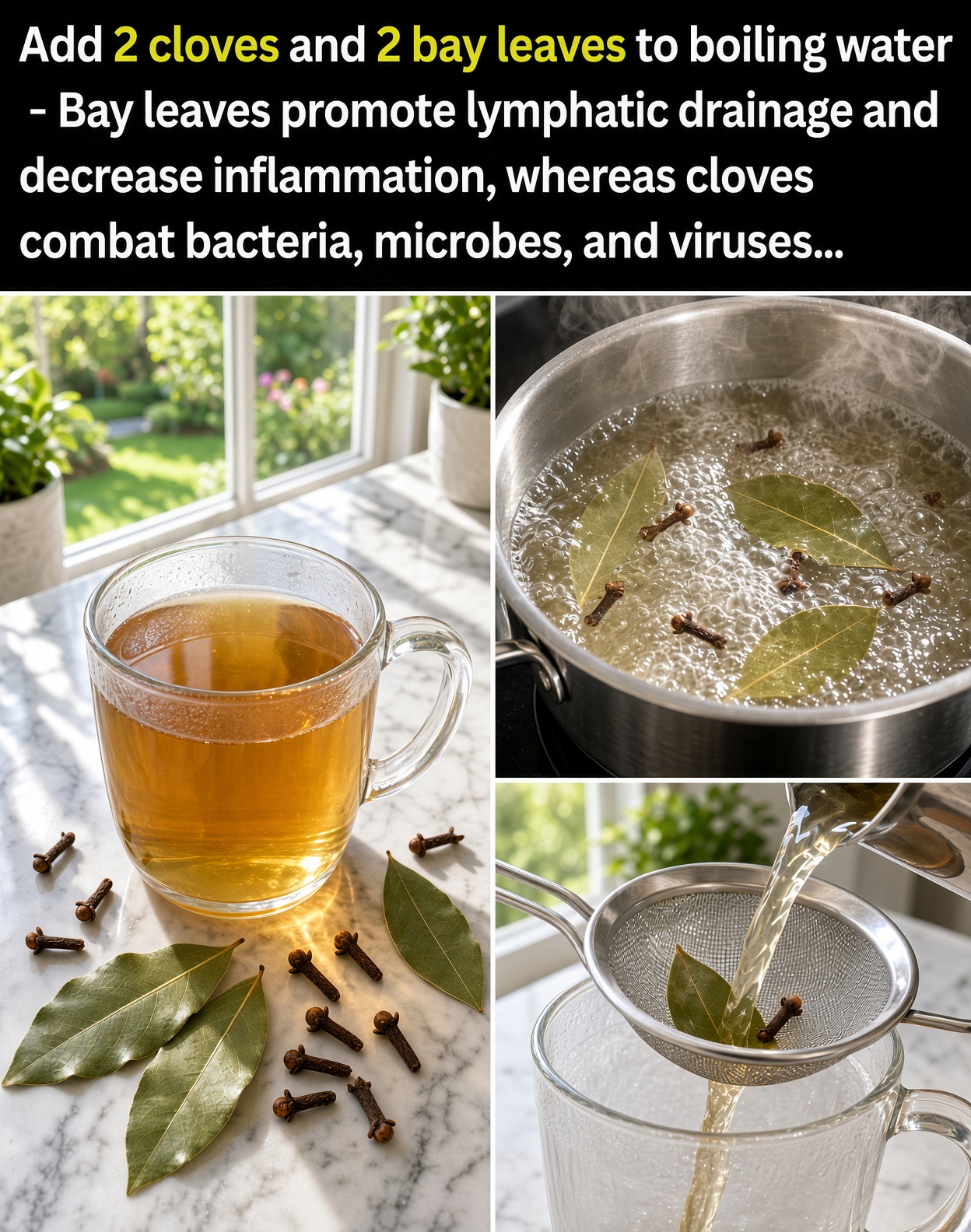
Some of the most interesting kitchen traditions begin with simple ingredients. Cloves and bay leaves, two familiar spices found in kitchens around the world, have long been used to add fragrance and flavor to traditional drinks, soups, and other recipes.
But what can this combination actually do? Although cloves and bay leaves contain interesting plant compounds, many online claims about detoxification, weight loss, blood sugar, and disease treatment go beyond the available scientific evidence. Let’s look at the traditional preparation, the possible properties of its ingredients, and what you should know before trying it.
Why Combine Cloves and Bay Leaves?
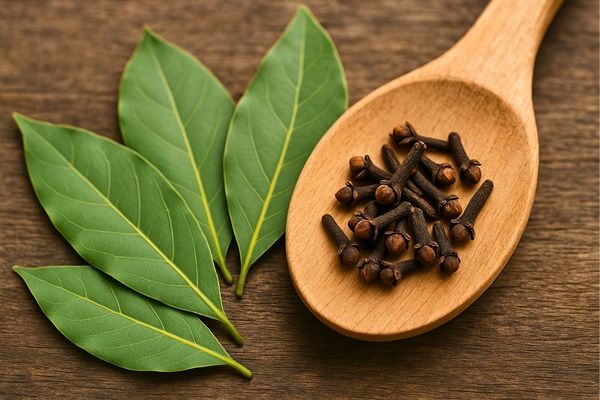
Cloves and bay leaves have different aromas, which makes them an interesting combination for a homemade infusion.
What Makes Cloves Interesting?
Cloves are dried flower buds from the clove tree (Syzygium aromaticum). They have a strong, warm aroma and a slightly sweet, spicy taste.
One of their best-known natural compounds is eugenol, which contributes to the characteristic smell of cloves. Researchers have investigated eugenol for antioxidant and antimicrobial activity, particularly in laboratory studies.
However, laboratory findings do not automatically mean that drinking clove-infused water will produce the same effects inside the human body. The amount of eugenol extracted into a homemade drink can also vary.
What Makes Bay Leaves Interesting?
Bay leaves, commonly obtained from Laurus nobilis, are widely used in Mediterranean cooking. Their fragrance is slightly herbal, earthy, and savory.
They contain several aromatic plant compounds, including cineole and other volatile substances. Scientists have studied bay leaf extracts and their potential biological properties, but human research remains limited.
For everyday use, bay leaves are best appreciated as a culinary ingredient rather than as a proven treatment for health conditions.

How to Prepare Clove and Bay Leaf Infusion
The traditional preparation uses only three ingredients. The result is a fragrant, caffeine-free drink that can be enjoyed for its flavor.
Ingredients
- 2 whole dried cloves
- 2 culinary bay leaves
- 2 cups (500 ml) water
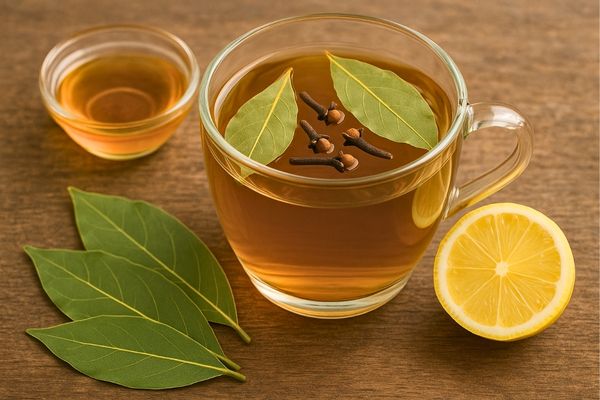
- Optional: a little lemon for flavor
- Optional: a small amount of honey for sweetness
Preparation
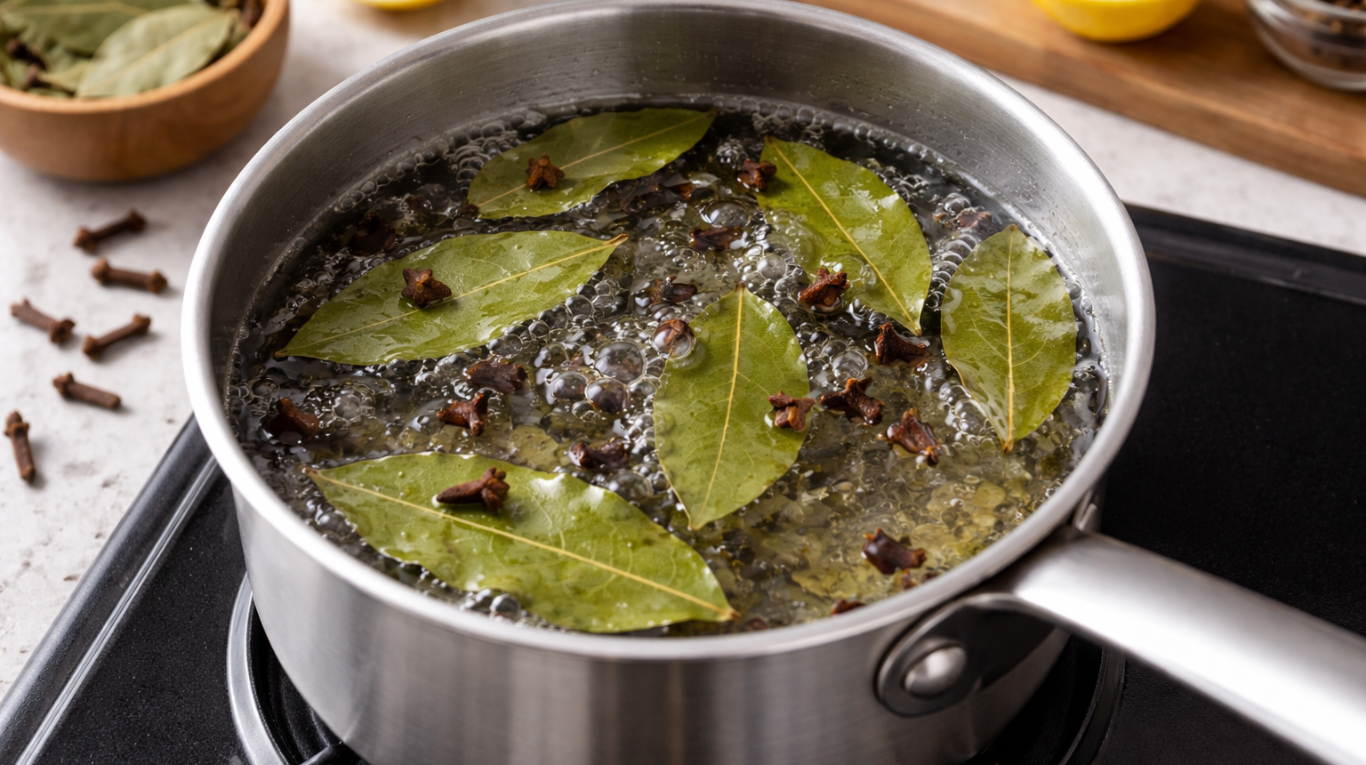
- Prepare the water: Pour the water into a small saucepan and heat it until it reaches a gentle boil.
- Add the spices: Add the two whole cloves and two bay leaves.
- Simmer: Reduce the heat and let the ingredients simmer gently for approximately 10 minutes.
- Allow it to steep: Turn off the heat, cover the saucepan, and leave the mixture for another five minutes.
- Strain: Remove the whole spices and bay leaves before serving.
- Adjust the flavor: Add a little lemon or honey if desired.
Serve it warm as an occasional flavored drink. The recipe is a traditional culinary preparation, not a medically established dosage or a treatment schedule.
15 Commonly Claimed Benefits of Clove and Bay Leaf Water: What Does the Evidence Say?
This combination is frequently promoted online as a natural remedy for numerous health concerns. However, it is important to separate traditional uses and laboratory research from benefits that have actually been demonstrated in people.
1. Digestive Comfort
Cloves and bay leaves are traditionally used in foods and herbal preparations associated with digestion. Their aromatic flavor may make an after-meal drink enjoyable.
However, there is not enough reliable clinical evidence to establish that this particular infusion treats bloating, indigestion, or stomach disorders.
2. Liver Health and Detoxification
Cloves contain eugenol, and bay leaves contain several plant compounds that researchers have investigated. Nevertheless, there is no convincing human evidence that drinking this mixture detoxifies the liver or removes toxins from the body.
The liver and kidneys already perform the body’s natural waste-processing functions. No special spice drink is required to cleanse them.
3. Antioxidant Compounds
Both ingredients contain naturally occurring plant compounds with antioxidant activity in laboratory research.
Antioxidants are involved in protecting cells from oxidative damage, but the presence of these compounds does not prove that a particular cup of clove and bay leaf water prevents disease.
4. Inflammation Research
Eugenol, a compound found in cloves, has been investigated for its potential anti-inflammatory properties. Some findings come from laboratory and experimental studies.
There is not enough evidence to recommend this homemade infusion for arthritis, chronic inflammation, or other inflammatory conditions.
5. Immune System Support
Clove extracts have shown antimicrobial activity under certain laboratory conditions. Bay leaf extracts have also been investigated for their biological properties.
That does not establish that drinking the infusion prevents infections, kills viruses inside the body, or strengthens immunity in a measurable way.
6. Blood Sugar Research
Some preliminary research has explored bay leaf preparations and glucose-related measurements. However, findings from extracts or experimental preparations cannot be directly applied to a simple homemade drink.
Clove and bay leaf water should never replace medical advice or prescribed care for blood sugar concerns.
7. Heart Health
Cloves and bay leaves contain various plant compounds, but there is insufficient human evidence that this particular drink lowers cholesterol, improves circulation, or prevents cardiovascular disease.
Heart health is better supported through established habits such as balanced meals, regular activity, adequate sleep, and appropriate medical care.
8. Weight Management
Some online articles describe this drink as a metabolism booster or natural fat burner. These claims are not supported by convincing clinical evidence.
A flavored infusion can be part of ordinary hydration, but it does not independently cause meaningful fat loss or replace balanced nutrition.
9. Antimicrobial Properties
Clove compounds, particularly eugenol, have demonstrated antimicrobial activity in laboratory settings. This is one reason researchers continue to investigate the spice.
However, drinking clove and bay leaf water has not been shown to cure bacterial, viral, or fungal infections.
10. Relaxation and Evening Enjoyment
The warm aroma of cloves and bay leaves may make this infusion an enjoyable drink to prepare in the evening.
That is different from proving that it reduces anxiety, treats insomnia, or changes the nervous system. Enjoy its flavor without expecting a guaranteed calming or sleep-related effect.
11. Oral Health
Clove has a long history of traditional use in dental preparations, partly because of eugenol. Certain dental products use carefully formulated clove-derived ingredients.
Drinking this infusion is not a substitute for brushing, flossing, dental checkups, or appropriate treatment of tooth and gum problems. It should not be presented as a proven mouth infection remedy.
12. Hormonal Balance
There is currently insufficient human evidence that drinking clove and bay leaf water regulates hormones, balances estrogen, or treats menstrual symptoms.
Hormonal concerns require an appropriate assessment rather than relying on an unproven herbal drink.
13. Skin Health
Cloves and bay leaves contain plant compounds that have been studied for antioxidant properties. But there is no convincing evidence that drinking this infusion clears acne, reverses skin aging, or improves skin conditions.
Concentrated clove oil should not be applied directly to the face. It can irritate skin and cause unwanted reactions.
14. Brain Function and Memory
Some experimental research has explored plant compounds found in cloves and bay leaves. However, this does not establish that a homemade infusion improves memory, concentration, or long-term brain health.
Healthy sleep, varied nutrition, physical activity, and learning habits have much stronger practical foundations for supporting everyday brain function.
15. Parasite and Cleanse Claims
Clove compounds have been investigated in laboratory studies involving microorganisms and parasites. But laboratory findings do not prove that drinking this mixture removes intestinal parasites.
Suspected parasitic infections need proper testing and evidence-based treatment. A homemade infusion should not be used as a parasite cleanse or as a substitute for medical care.
Important Safety Precautions
Cloves and culinary bay leaves are familiar food ingredients, but concentrated preparations and frequent medicinal use are different from using small amounts in ordinary cooking.
- Use culinary ingredients: Choose food-grade whole cloves and bay leaves rather than essential oils or concentrated extracts.
- Avoid concentrated clove oil: It is much stronger than whole cloves and can cause serious harm if swallowed in excessive amounts.
- Be careful with medication: Eugenol may affect blood clotting, and herbal preparations can interact with some medicines.
- Consider blood sugar concerns: Bay leaf preparations have been investigated for glucose effects, so medicinal use may be inappropriate for some people.
- Watch for sensitivities: Stop consuming a preparation if it causes an unwanted reaction.
- Do not use it as treatment: It cannot replace prescribed medication or professional care.
Children and teenagers should not use concentrated herbal preparations or follow online detox routines. For ordinary food use, follow normal culinary practices and ask a healthcare professional before using herbal products for health purposes.
Frequently Asked Questions
Can I use fresh bay leaves instead of dried ones?
Yes, fresh culinary bay leaves can be used in cooking and flavored infusions. Their flavor may differ slightly from dried leaves. Make sure the leaves are correctly identified as culinary bay and are safe for food use.
Does clove and bay leaf water contain caffeine?
No. Cloves and culinary bay leaves are not tea leaves, so an infusion made from these ingredients is naturally caffeine-free.
Can I add lemon or honey?
Yes. A little lemon can add freshness, while honey can soften the spicy flavor. These additions are optional and are mainly for taste.
Does this drink clean the liver?
No reliable clinical evidence establishes that clove and bay leaf water cleanses or detoxifies the liver. The liver naturally processes substances in the body.
Can this infusion replace medicine?
No. It is a flavored herbal drink, not a substitute for prescribed medication, professional diagnosis, or treatment.
Final Thoughts
Two cloves and two bay leaves may seem like an ordinary combination, but together they create a distinctive, aromatic infusion rooted in traditional kitchen practices.
Cloves provide a warm, spicy flavor, while bay leaves contribute a more herbal and earthy aroma. Both ingredients contain interesting natural plant compounds that continue to be studied.
The most responsible way to enjoy this preparation is as an occasional culinary drink rather than a miracle remedy. Claims about detoxification, weight loss, hormone balance, parasite removal, and disease treatment should not be confused with established scientific benefits.
Sometimes the best reason to prepare a traditional drink is simply to enjoy its flavor and appreciate the ingredients that have been part of cooking traditions for generations.