
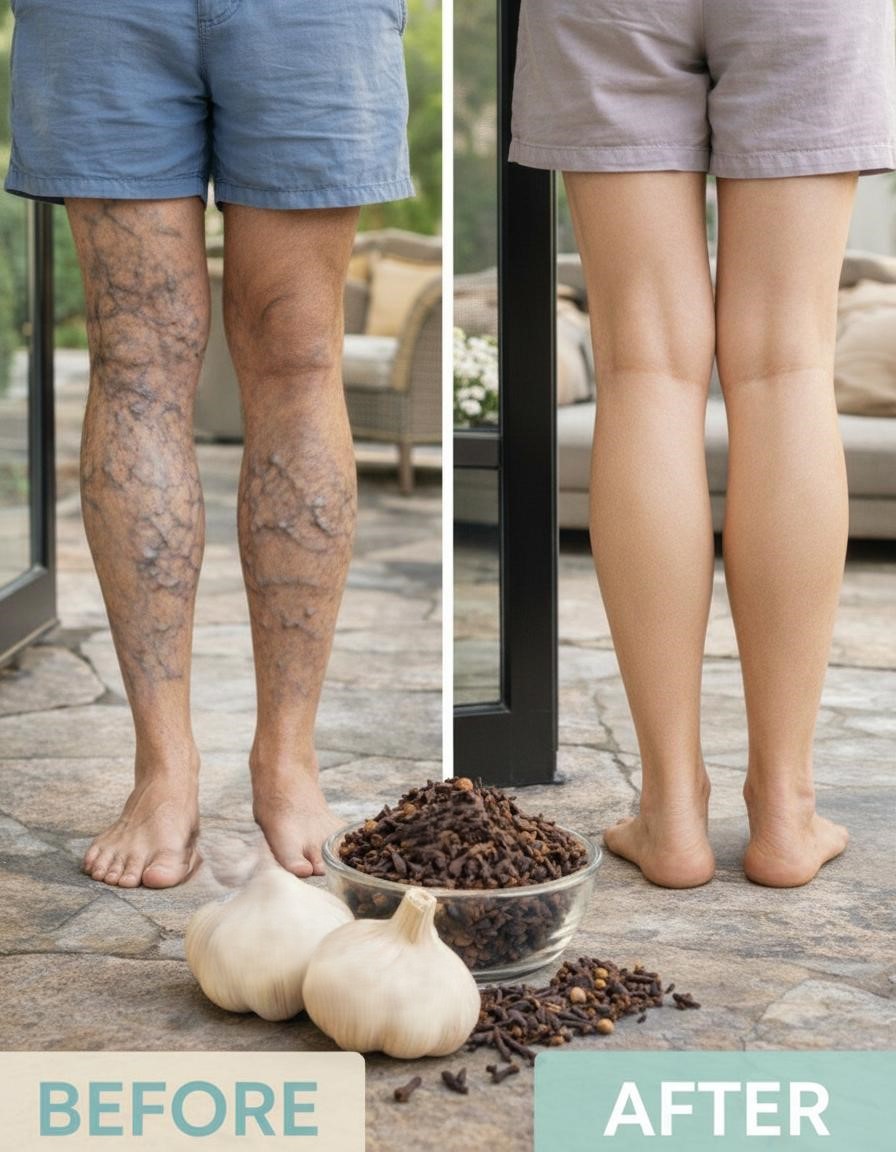
Many people face similar challenges with discomfort in their legs due to poor circulation, varicose veins, arthritis symptoms, or rheumatism-like issues — it affects mobility, sleep, and quality of life. The frustration builds when simple activities become exhausting, but there are gentle, supportive lifestyle habits and natural approaches that may help ease discomfort and promote better leg health.
What if a couple of common kitchen ingredients could become part of your daily routine to support circulation and comfort? Stick around — later we’ll share simple ways people incorporate them, along with proven lifestyle tips that research supports for better leg wellness.
Understanding Leg Discomfort and Common Causes
Leg pain and related issues often stem from factors like weakened vein valves, reduced blood flow, inflammation, or joint strain over time. Varicose veins, for example, appear when blood pools in the legs, leading to visible bulging, heaviness, and aching. Arthritis and rheumatism-like symptoms can add joint stiffness and swelling, while poor circulation makes everything feel worse after long periods of standing or sitting.
Research shows that improving blood flow and reducing inflammation through daily habits can make a noticeable difference in how legs feel. Studies on flavonoids (found in foods like garlic) suggest they support vessel health and circulation, though results vary by individual.
But that’s not all…

Why Focus on Circulation and Gentle Support?
Good circulation helps deliver oxygen and nutrients while removing waste, which can reduce that tired, achy sensation. Many people notice improvements by combining movement, elevation, and mindful eating. Lifestyle changes are often the first step recommended by health experts because they’re accessible and low-risk.
Here’s the interesting part: Some everyday ingredients have properties that traditional use and preliminary research link to anti-inflammatory and circulation-supporting effects.

Spotlight on Two Kitchen Staples: Garlic and Cloves
Garlic contains allicin and flavonoids, compounds that some studies associate with better blood flow and reduced inflammation. Cloves are rich in eugenol, known for its soothing properties in traditional practices.
People have long used these in home routines, such as teas or gentle topical blends, to support overall comfort. While not a replacement for medical care, incorporating them mindfully may complement other habits.
Here are two popular ways people prepare them (always start small and observe how your body responds):
Simple Garlic and Clove Tea for Internal Support
- Boil 2-3 cups of water.
- Add 2-3 crushed garlic cloves and 5-6 whole cloves.
- Simmer for 10 minutes, strain, and add a touch of honey if desired.
- Drink warm, perhaps once daily (like in the morning).
Gentle Garlic-Clove Infused Oil for Topical Use
- Gently heat 1/2 cup olive oil on low.
- Add 4-5 crushed garlic cloves and 8-10 whole cloves.
- Let infuse for 10-15 minutes (don’t overheat), cool, strain into a jar.
- Apply a small amount with light massage to legs (test on a patch of skin first).
These approaches draw from traditional practices, and some sources note potential benefits for circulation and comfort.
To help visualize these simple preparations, here are realistic photos of the key ingredients in everyday settings:
This shows fresh garlic bulbs and whole cloves laid out naturally on a kitchen counter, ready for daily use.
Here, dried cloves and garlic are being gently simmered in a pot, capturing the preparation process in soft natural light.

Proven Lifestyle Tips to Support Leg Comfort
Beyond ingredients, these evidence-based habits from sources like Mayo Clinic and Healthline can help manage symptoms:
- Stay Active with Low-Impact Movement — Walking, swimming, or cycling activates calf muscles to pump blood upward.
- Elevate Your Legs — Raise them above heart level for 15-20 minutes a few times a day to reduce pooling.
- Wear Compression Stockings — Graduated pressure (consult a professional for the right fit) supports veins during the day.
- Maintain a Healthy Weight — Less pressure on veins means better flow.
- Avoid Prolonged Sitting/Standing — Shift positions often and take short walks.
- Choose Comfortable Footwear — Low heels encourage natural muscle use.
Quick Comparison: Daily Habits vs. Occasional Fixes
- Habit | Potential Benefit | How Often
- Regular walking | Boosts circulation | Daily
- Leg elevation | Reduces swelling | 2-3 times/day
- Balanced diet (flavonoids)| Supports vessel health | Ongoing
- Topical massage | Temporary soothing | As needed
These small changes add up — many people report feeling lighter and more mobile over time.
And here’s the best part…

More Actionable Steps You Can Start Today
- Begin with 10-15 minutes of gentle leg stretches each morning.
- Track how your legs feel after adding one new habit (like elevation).
- Stay hydrated and include potassium-rich foods (bananas, spinach) to help with fluid balance.
- If discomfort persists, consult a healthcare provider for personalized guidance.
Consistency is key — small, steady steps often bring the best results.
Conclusion
Dealing with leg discomfort from varicose veins, arthritis symptoms, or similar issues doesn’t have to feel overwhelming. By focusing on circulation-boosting habits, incorporating supportive ingredients like garlic and cloves mindfully, and making simple daily adjustments, many people find ways to feel more comfortable and active. Start small, listen to your body, and celebrate progress along the way.
Frequently Asked Questions (FAQ)
How can I quickly ease heavy legs at home?
Elevate your legs above heart level, wear comfortable compression if suitable, and do light ankle pumps — these promote flow without much effort.
Are natural ingredients like garlic safe for daily use?
In moderate amounts as food, yes for most people, but check with a doctor if you have conditions like bleeding risks or take medications.
When should I see a professional about leg pain?
If pain is sudden/severe, one-sided swelling occurs, or skin changes appear, seek medical advice promptly to rule out serious issues.
Disclaimer: This article is for informational purposes only and not intended as medical advice. Natural approaches may support comfort but are not proven to cure or treat conditions. Always consult a qualified healthcare professional before trying new remedies, especially if you have existing health concerns or take medications. Individual results vary.