
<!do
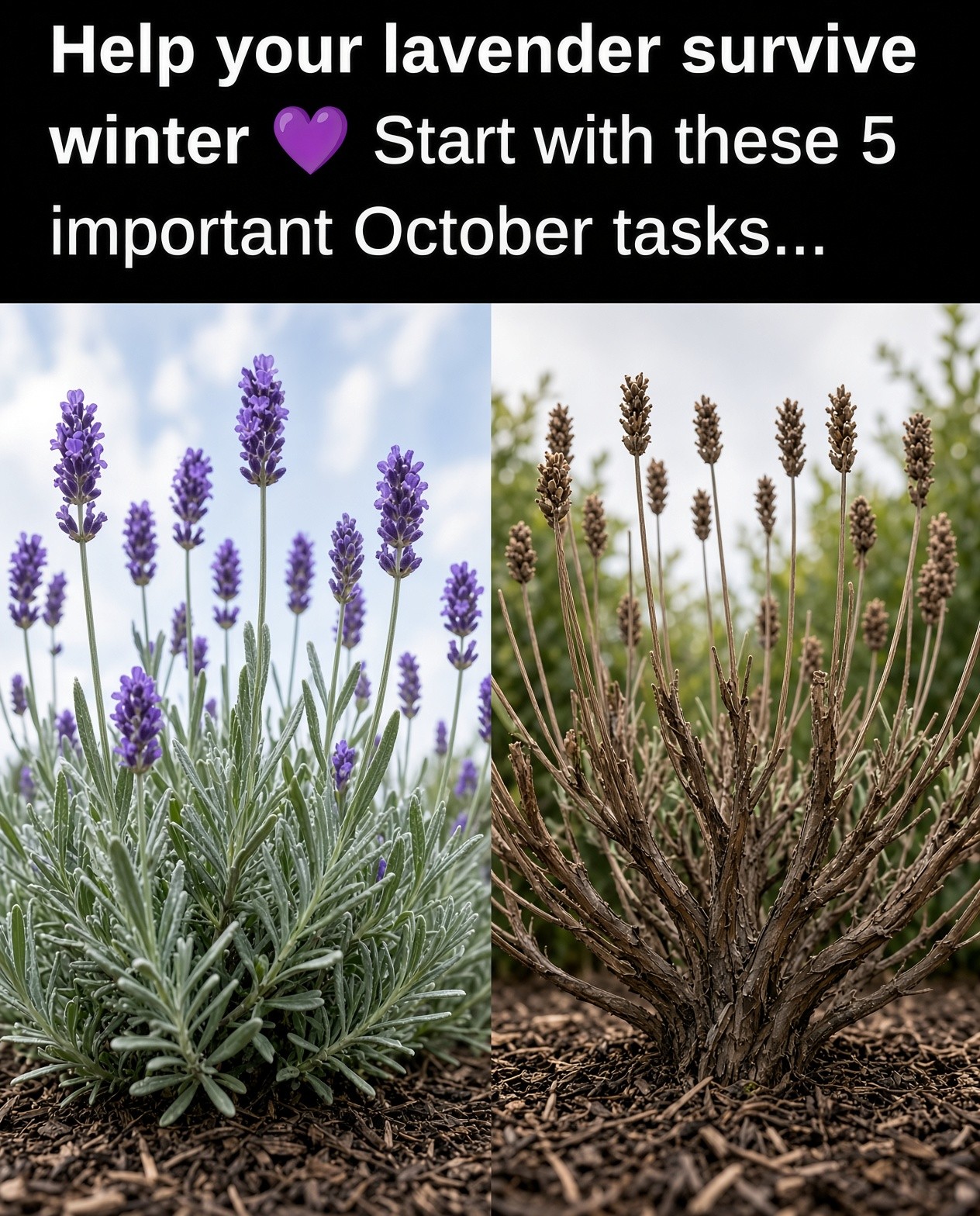
Lavender is one of the easiest aromatic shrubs to grow when it receives the conditions it prefers, but an old plant can gradually become open, woody and bare. The good news is that the problem is easier to prevent than to reverse. The right pruning routine, plenty of sun, excellent drainage and restrained watering can help lavender stay compact and productive for years.

One important point should guide every pruning decision: lavender does not reliably produce fresh shoots from old bare wood. That means a dramatic cut into the brown center is not the same as rejuvenating a shrub that responds well to hard pruning. The goal is to maintain green growth before the plant becomes severely woody.
1. Why Lavender Turns Woody and Bare
Lavender naturally develops older woody stems as it ages, but the problem becomes much more noticeable when the plant is allowed to grow for years without a light annual trim. Flowering shoots become longer, the center can open up, and fresh green growth may appear mainly around the outside. The result is a shrub that can look thin even when it is still alive.

2. Prune After Flowering, Not Into Bare Wood
The most useful habit for keeping lavender compact is an annual trim after flowering. The Royal Horticultural Society recommends removing the spent flower stalks and about 2.5 cm (1 inch) of leafy growth. This is enough to shape the plant and encourage a dense, rounded framework without making a risky cut into the old woody base.

3. Never Treat Old Wood Like Green Growth
One of the most common lavender-pruning mistakes is assuming that every stem will respond to a hard cut in the same way. Lavender is different from shrubs that readily send up new shoots from old branches. The RHS specifically warns that lavender does not break new growth easily from old stems.
,%20Trimingham,%20Norfolk.JPG?width=1600)
4. Give Lavender Plenty of Sun
A compact lavender plant needs the right growing conditions as well as correct pruning. Lavender is adapted to sunny, relatively dry conditions and performs best where it receives plenty of direct light. In shade, stems can become less compact and flowering may be weaker.

5. Fix Drainage Before Blaming the Plant
If lavender repeatedly becomes thin, brown or unhealthy, check the soil before reaching for more fertilizer. Lavender prefers free-draining soil and is particularly vulnerable to problems when roots sit in waterlogged conditions. Heavy clay can be improved by raising the planting area, using a raised bed, or choosing a container with excellent drainage.

6. Do Not Overfeed Lavender
Lavender is not a plant that needs rich feeding to stay attractive. The RHS notes that it generally does not need feeding and prefers soil that is relatively low in nutrients. Excessive nitrogen can encourage softer, leafier growth that is less characteristic of the compact, aromatic plant gardeners usually want.
.jpg?width=1600)
7. Water According to the Season
Newly planted lavender needs regular watering while it establishes, especially during dry weather. Once established in the ground, however, lavender is drought tolerant and usually needs little additional irrigation except during prolonged severe drought.

8. Trim Spent Flowers Without Shaving the Plant
Deadheading can make lavender look cleaner and may encourage additional flowering, depending on the type and growing conditions. When the main flowering period has finished, remove the spent flower stalks along with a small amount of leafy growth rather than cutting the whole shrub back to its woody framework.

9. Take Cuttings Before Your Best Plant Gets Too Old
If you have a lavender plant with the flower color, fragrance and growth habit you particularly like, propagation is worth considering before the parent becomes badly woody. Lavender is readily propagated from cuttings, and plants grown from cuttings are clones of the parent.

10. Know When Replacement Is Better
Sometimes the best way to regain a full, green lavender plant is not to keep cutting an old shrub. Older lavender can become straggly, very woody and misshapen even with regular pruning. The RHS notes that older plants are often best replaced when a neat compact appearance is important.

11. A Simple Routine for Fuller Lavender
The most reliable routine is simple: grow lavender in full sun, provide fast drainage, avoid unnecessary feeding, water new plants while they establish, and trim annually after flowering without cutting into old bare wood. These habits work together.

Can a Woody Lavender Plant Be Saved?
It depends on how much healthy green growth remains. If there are still leafy shoots on the outer parts of the plant, you may be able to improve its shape gradually with careful annual trimming. Avoid the temptation to remove the entire woody framework in one operation. Lavender is much less forgiving of deep cuts into old wood than many deciduous shrubs.
If nearly the whole plant is bare wood, replacement is often the more dependable option. Take cuttings from healthy young growth first if you want to preserve the plant’s characteristics. Then prepare the new planting position with full sun and excellent drainage so the replacement does not inherit the same growing problems.
Final Lavender Care Checklist
- Grow lavender in full sun whenever possible.
- Use free-draining soil and avoid waterlogged positions.
- Water new plants regularly while they establish.
- Once established in the ground, water only when prolonged dry conditions require it.
- Give container lavender more attention because pots dry faster.
- Do not routinely feed lavender unless there is a specific reason.
- Trim after flowering, removing spent flower stalks and a small amount of leafy growth.
- Never cut hard into old, bare woody stems.
- Propagate favorite plants from cuttings before they become very old.
- Replace severely woody, misshapen plants when gradual renewal is no longer practical.
Reliable Gardening Guidance
This article is a fresh rewrite based on the supplied lavender topic and cross-checked with Royal Horticultural Society guidance. The RHS recommends annual trimming after flowering to keep lavender compact, warns against cutting into old woody stems, and recommends full sun and free-draining soil. It also explains that older, very woody plants are often best replaced if a neat compact appearance is desired.
Those details are important because the most common mistake is trying to repair an old lavender plant with an aggressive cut. Prevention is much easier: trim lightly while the plant still has green growth, keep the roots out of wet soil, and give the shrub the sunny, relatively dry conditions it prefers.
Sources
- Royal Horticultural Society — How to grow lavender.
- Royal Horticultural Society — English lavender.
- Wikimedia Commons — individual lavender photographs used in this article, with the applicable license shown on each source file.
Image note: The photographs in this HTML are real photographs from Wikimedia Commons, not copied from the supplied article. Each section uses a different source image.