
From charming reclaimed-window structures to sleek modern glasshouses, discover greenhouse styles that can make your garden more productive, beautiful, and enjoyable in every season.
A practical guide to choosing a greenhouse that fits your space, climate, budget, and growing goals.

Greenhouse inspiration: timber, glass, polycarbonate, lean-to, and brick-base designs. Original illustrative images.
Use these 36 ideas as a starting point. Before building, check local planning rules, site exposure, drainage, structural requirements, and the availability of replacement glazing or panels.
36 greenhouse design ideas
Explore a mix of traditional, modern, compact, recycled, and space-saving greenhouse designs. Adapt the materials and details to your own garden rather than copying a look that may not suit your climate.

Timber and glass structures can suit both relaxed cottage gardens and formal outdoor spaces.
A sturdy timber-frame greenhouse
A timber frame brings warmth and suits cottage gardens. Choose rot-resistant wood, anchor the structure securely, and seal exposed end grain. Pair it with twin-wall polycarbonate or greenhouse glass.
A glasshouse framed by flowers
Soften a traditional glass greenhouse with flowering borders around the outside. Keep plants from blocking vents or shading the glazing, and leave a clear path to the door.
A brick-base greenhouse
A low brick wall adds visual weight and can buffer temperature swings. It needs a sound foundation and careful detailing where the frame meets masonry to prevent leaks.
A DIY greenhouse from clear panels
A simple timber or metal frame with UV-resistant greenhouse panels can be a budget-friendly project. Use purpose-made fixings and allow for thermal expansion; ordinary brittle plastic sheets may crack.
A clean-lined glass-and-metal design
Slim metal framing maximizes light and gives a contemporary look. Check that the frame is corrosion-resistant and that glazing bars, seals, and doors are designed for greenhouse use.
A greenhouse made with salvaged windows
Reclaimed windows create character and reuse materials. Measure every sash first, build the frame around consistent dimensions, and use safety glass where appropriate. Old paint may contain lead.
A curved-roof greenhouse
An arched roof sheds rain and can reduce wind resistance when properly engineered. Flexible hoops with greenhouse film are inexpensive, while rigid curved panels cost more but last longer.
A greenhouse with a cozy potting corner
A small bench, hooks, and a compact chair can make the greenhouse a pleasant place to work. Keep the central aisle open and store tools where they cannot fall onto plants.
A flower-filled ornamental glasshouse
Use the greenhouse as a display space for seasonal flowers and foliage. Group plants with similar light and humidity needs so that decorative arrangements do not compromise care.
A sunny greenhouse beside a kitchen garden
Place a greenhouse near vegetable beds for easy access to seedlings and harvests. Make sure nearby trees and fences will not cast long shadows during the main growing season.
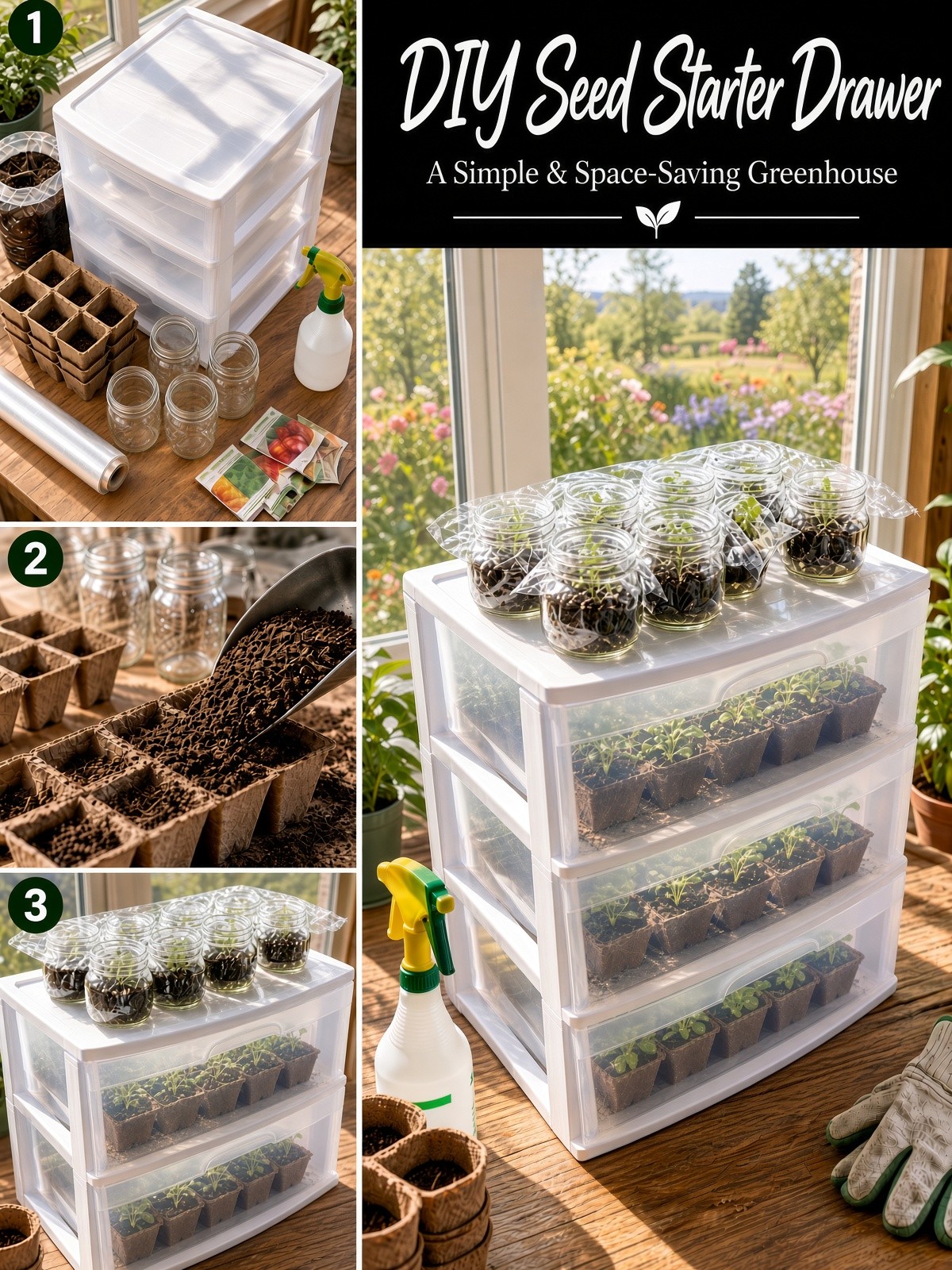
A repurposed cabinet greenhouse
A glazed cabinet or old display case can become a mini greenhouse for seedlings and cuttings. Add ventilation, drainage trays, and a small fan if condensation builds up.
A modern greenhouse with raised beds
Raised beds make planting and harvesting easier and help define growing zones. Fill them with suitable soil-based growing medium, and plan irrigation before filling the beds.

Reclaimed materials and compact structures help make use of limited space.
A cedar frame with reclaimed glazing
Cedar naturally resists decay and pairs well with reused glass. Ensure every pane is supported safely, and avoid mixing glass sizes in ways that leave weak gaps.
A black-frame greenhouse with string lights
Dark framing creates a crisp architectural effect. Use outdoor-rated, low-heat lighting and keep electrical connections protected from water and condensation.
A Victorian-inspired greenhouse
Decorative ridge details and slender framing create a classic conservatory feel. Prioritize structural strength, ventilation, and replaceable glazing over ornament alone.
A compact polycarbonate greenhouse with shelves
Vertical shelving makes a small footprint more productive. Put light-loving seedlings on upper shelves and avoid overcrowding lower levels, where plants may receive less light.
A green-painted greenhouse for potted plants
A muted green frame blends into leafy surroundings. Arrange pots by water needs, use saucers carefully, and leave space for air to circulate around foliage.
A greenhouse with a practical sink
A small sink or wash station is useful for cleaning pots and tools. It needs a safe water supply and suitable drainage; never allow nutrient-rich or chemical wash water to contaminate drains or waterways.
A rustic greenhouse nestled in the garden
Natural timber, gravel, and climbing plants create a relaxed look. Keep climbers away from vents and gutters, and inspect the structure regularly for moisture damage.
A compact greenhouse near a pond
A greenhouse can look beautiful beside water, but avoid a damp, shaded position. Provide a firm level base and consider reflections, wind exposure, and safe access.
A polycarbonate greenhouse with a herringbone path
A patterned path adds charm and keeps feet out of wet growing beds. Choose a non-slip surface and ensure the path does not obstruct drainage or wheelbarrow access.
An A-frame greenhouse for a small plot
The simple roofline is efficient and suits narrow gardens. Check headroom at the sides and make sure doors are wide enough to move trays and compost through.
A hillside greenhouse built with reclaimed windows
A sloping site may offer good sun, but it requires careful grading and drainage. Retaining walls and foundations should be designed to resist soil pressure and runoff.
A greenhouse with colorful floral accents
Pots, hanging baskets, and a small flower border make the structure inviting. Keep hanging plants away from vents and avoid placing heavy baskets above work areas.

Attached, masonry, and statement designs can become architectural features in a garden.
A sleek black-framed modern greenhouse
A minimalist design looks striking against green planting. Include roof vents, side vents, and accessible door hardware; appearance cannot substitute for climate control.
An attached lean-to greenhouse
A lean-to uses an existing wall for support and can be convenient near a kitchen. Confirm the wall is sound, waterproof the junction, and check that the building does not shade the glazing.
A partially sunken greenhouse
Earth-sheltered designs can moderate temperature, but water management is critical. Provide engineered retaining walls, waterproofing, drainage, and a safe exit; do not excavate beside foundations without professional advice.
A greenhouse built with recycled bottles
Bottle walls can diffuse light and reuse materials in small DIY projects. Build a stable frame, keep the roof weatherproof, and understand that bottle structures may not provide the insulation or durability of certified greenhouse panels.
A classic timber-and-glass greenhouse
A simple rectangular layout is easy to organize and repair. Add roof vents, gutters, and a door that can be secured against wind.
A greenhouse with a bright statement door
A colorful door adds personality and makes the entrance easy to spot. Choose exterior-grade paint and weatherstripping, and ensure the door opens fully without hitting beds.
A timber frame with twin-wall panels
Twin-wall polycarbonate is lighter and generally more insulating than single glazing. Install panels with the correct side outward and seal open flutes with the manufacturer’s recommended tape and profiles.
A rooftop greenhouse
A rooftop growing space can make use of otherwise unused area, but structural loading, wind uplift, waterproofing, access, and fire safety must be assessed by qualified professionals before construction.
A miniature glasshouse for flowers
A small glasshouse can protect tender pots and extend the season. Monitor heat closely because compact spaces warm rapidly, even on cool sunny days.
A greenhouse with a stone foundation
Stone gives a timeless appearance and can anchor a greenhouse visually. Use a level, stable foundation and provide a capillary break and drainage so moisture does not damage the frame.
A brick-base greenhouse with elegant glazing
Combining masonry and glass creates a durable focal point. Plan ventilation high and low, and ensure the greenhouse can be cleaned and maintained safely.
A greenhouse designed around your growing routine
The most successful greenhouse is laid out for the plants you actually grow. Reserve space for propagation, mature crops, storage, and a clear working aisle before choosing decorative extras.
How to choose the right greenhouse design
1. Start with sunlight and orientation
Observe the proposed site through the day and across seasons. A sunny, open position is usually best for vegetables and seedlings, while shade from buildings or evergreen trees can reduce winter light. In hot climates, plan for shade cloth and generous ventilation rather than relying on orientation alone.
2. Match the covering to your needs
Glass offers excellent clarity and a traditional appearance but is heavy and can break. Twin-wall polycarbonate is lighter, more impact-resistant, and often provides better insulation, though it can gradually weather or become less clear. Greenhouse film is economical for tunnels and temporary structures but usually needs replacing more often.
3. Plan ventilation before decoration
Heat can build up quickly inside a greenhouse. Roof vents, side vents, louvres, and doors help move hot air out and fresh air in. Automatic vent openers can be useful where daily manual adjustment is difficult. In warm regions, consider shade netting and cross-ventilation.
4. Make the layout comfortable to work in
Allow room for a clear central path, benches, seed trays, watering equipment, and mature plants. Raised beds are convenient, while shelves make a small greenhouse more productive. Keep tools and supplies secure and avoid overcrowding, which restricts airflow and encourages disease.
5. Build on a stable, well-drained base
A level foundation helps doors operate properly and reduces stress on glazing. Choose a base suited to the structure and ground conditions. Direct roof runoff away from the greenhouse and avoid placing it in a low spot where water collects.
6. Think about year-round maintenance
Check seals, fasteners, gutters, panels, and frame joints regularly. Clean glazing to maintain light transmission, disinfect propagation trays between seasons, and remove dead leaves promptly. Before storms, secure doors and check that the structure is properly anchored.
Quick greenhouse planning checklist
- Measure the available footprint, including door swing and access paths.
- Check sun exposure, prevailing wind, drainage, and nearby shade.
- Choose glazing that suits your budget, climate, and maintenance preferences.
- Include roof and side ventilation, plus shade for hot weather.
- Plan benches, beds, water access, storage, and safe electrical needs.
- Confirm permits, building rules, and professional requirements before construction.
Frequently asked questions
What is the best greenhouse material for a home garden?
Where should I place a greenhouse?
Does a small greenhouse need ventilation?
Can I build a greenhouse from old windows?
Are attached greenhouses a good idea?
How do I keep a greenhouse cool in summer?
Final thoughts
The most inspiring greenhouse is one that works as well as it looks. Whether you choose a simple timber frame, a compact polycarbonate house, a reclaimed-window project, or a modern glass structure, prioritize a stable base, suitable light, ventilation, drainage, and a practical growing layout. With those essentials in place, the greenhouse can become a productive and beautiful part of your garden for years to come.