
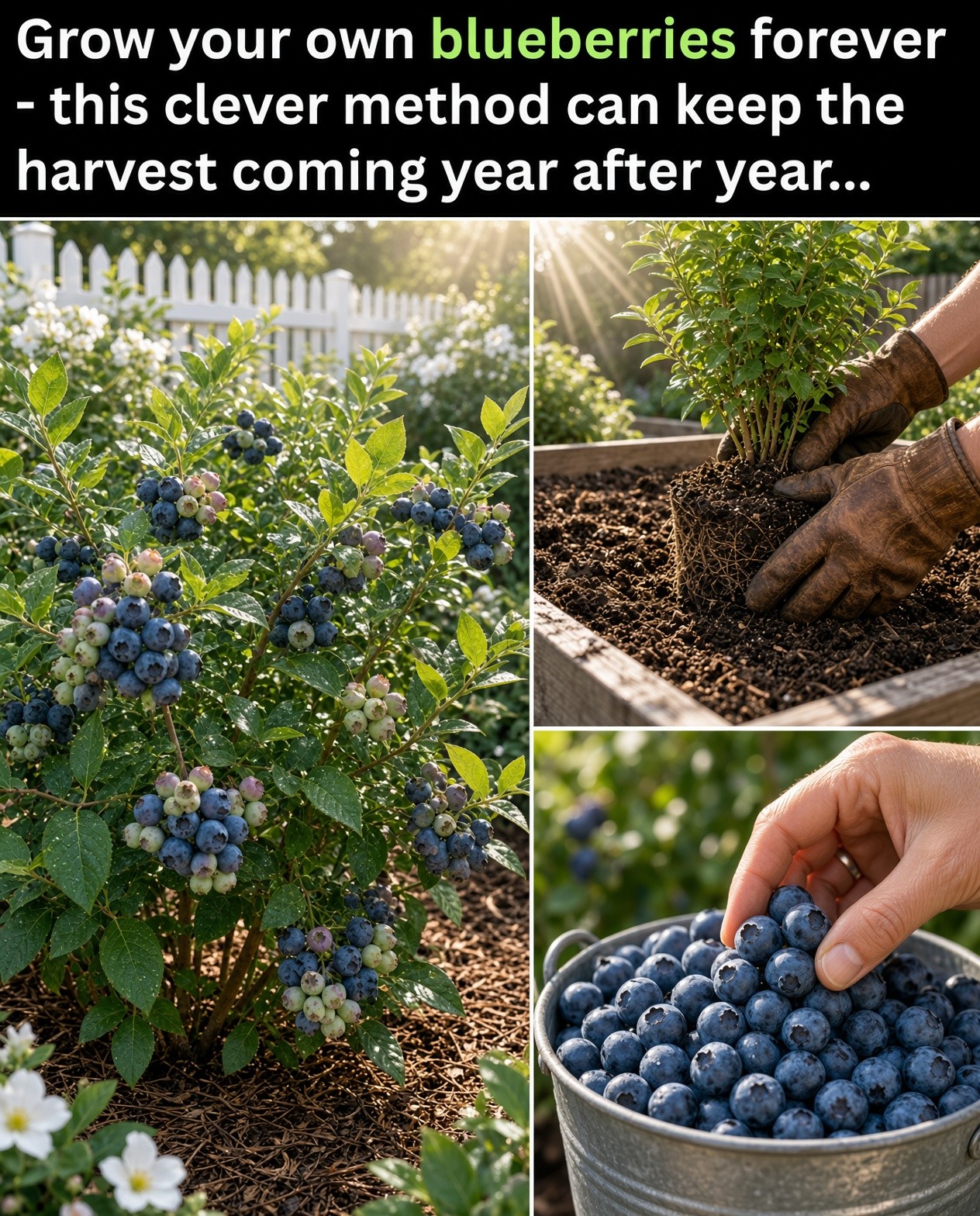
A blueberry bush can be a rewarding, long-lived addition to your garden. With the right variety, acidic soil, steady moisture, and seasonal care, you can enjoy fresh fruit for many years.
Blueberries are delicious, attractive, and well suited to many home gardens. A single compatible bush can produce fruit, although planting a second variety with a similar flowering time often improves pollination and harvests. Success depends on choosing plants for your climate and meeting their particular soil needs. Here are seven compelling reasons to grow blueberries, with practical advice to help your plants thrive.
1. Enjoy Fresher, Better-Tasting Berries
One of the biggest pleasures of growing blueberries is picking them when they are fully ripe. Berries bought from a shop may have been harvested for transport and storage, while homegrown fruit can stay on the bush until it develops its best flavor. When ripe, blueberries should be fully blue, with a natural powdery bloom, and detach easily with a gentle touch. Taste a berry before picking a large batch; color alone does not always tell you that the fruit is at peak sweetness. A mature bush can offer repeated pickings over several weeks, depending on the variety and local climate. Harvest gently to avoid bruising, and refrigerate or freeze extra fruit soon after picking.

2. Save Money Over Many Seasons
Blueberry bushes are a long-term garden investment. A young plant may produce only a modest crop at first, but a healthy, established shrub can provide fruit for many years. Actual yields vary with cultivar, age, pruning, pollination, climate, and care, so it is better not to expect a guaranteed number of pounds from every plant. The savings can still add up if you regularly buy fresh berries. You also avoid repeated packaging and can freeze surplus fruit for smoothies, baking, oatmeal, sauces, and winter desserts. To get the most from your investment, select a variety suited to your region and spend time preparing the soil before planting.

3. Grow a Long-Lived, Attractive Shrub
Blueberries offer more than fruit. Their spring flowers are delicate and bell-shaped, the summer foliage creates a leafy backdrop, and many varieties develop attractive red, orange, or bronze tones in autumn. A blueberry can fit into an edible landscape, a mixed border, a raised bed, or a large patio container. Choose a site with plenty of sunlight and room for the plant to reach its mature size. Good air circulation makes routine care easier and can help reduce disease pressure. Different blueberry groups suit different winter-chill and heat conditions, so ask a local nursery or extension service which types are reliable where you live.

4. Create the Acidic Soil Blueberries Need
Soil acidity is one of the most important keys to blueberry success. Most cultivated blueberries prefer a strongly acidic growing medium, often around pH 4.5–5.5. In soil that is too alkaline, roots struggle to take up nutrients such as iron, and leaves may turn yellow while their veins remain greener. Test the soil before planting and use the results to guide any amendment. Elemental sulfur can lower pH, but it acts gradually and the amount needed depends on the soil; do not add it blindly. If your garden soil is alkaline, heavy, or difficult to adjust, a raised bed or large container with an appropriate acidic mix may be more practical.

5. Keep Roots Moist, Cool, and Well Drained
Blueberries have shallow, fine roots that are sensitive to both drought and waterlogged soil. Water deeply enough to moisten the root zone, then check moisture before watering again. Plants may need more frequent attention in hot, windy weather, and container-grown bushes usually dry out faster than those in the ground. The aim is evenly moist soil, not constant saturation. A two- to three-inch layer of suitable organic mulch, such as pine bark or aged wood chips, helps conserve moisture, moderate soil temperature, and suppress weeds. Keep mulch a little away from the main stems to reduce the risk of rot. Where tap water is very alkaline, repeated use may gradually raise soil pH, so test the growing medium periodically.

6. Support Pollination and Better Crops
Many blueberry varieties can set some fruit with their own pollen, but planting two compatible varieties that flower at the same time often improves pollination and can increase the size or amount of the harvest. Bees visit the flowers and transfer pollen as they move between plants. Check the labels for pollination requirements and choose varieties suited to the same climate and bloom window. Avoid using insecticides on flowering plants when pollinators are active; if pest treatment is necessary, follow the product label and local guidance carefully. Keep shrubs healthy with suitable light, water, and soil conditions. Pollination helps, but it cannot compensate for a plant growing in the wrong pH or suffering from drought.

7. Prune for Healthy Growth and Years of Fruit
Pruning helps established blueberry bushes maintain a balance of young, productive canes and older wood. During the first year or two, some growers remove flowers so the plant can put more energy into roots and branches. Once the shrub is established, prune during dormancy or late winter, before spring growth begins in your area. Start by removing dead, damaged, diseased, crossing, or very weak branches. Older, thick canes that produce less fruit can be removed gradually near the base to encourage replacement growth. Do not shear the plant into a tight shape or remove large amounts of healthy wood at once. Use clean, sharp tools and learn the pruning needs of your variety.

Bonus: Grow Blueberries in a Container
If you have a patio, balcony, or soil that is too alkaline, container growing can make blueberries more manageable. Choose a large pot with drainage holes and use a growing medium formulated for acid-loving plants. Avoid ordinary potting mix if its pH is unsuitable. Place the container where it receives at least six hours of sun when possible, and monitor moisture because pots can dry quickly in warm weather. Water until excess drains freely, then empty any standing water from the saucer. As the plant grows, refresh the top layer of mix or repot when roots fill the container. Select a compact variety suited to pots and check its mature size before purchasing.

Harvest, Store, and Enjoy the Extra Fruit
Blueberries usually ripen over a period rather than all at once. Pick berries when they are fully blue and release easily, leaving less-ripe fruit for another day or two. Handle them gently because the skins bruise. Store dry berries in the refrigerator and wash them shortly before eating, since extra surface moisture can shorten storage life. For longer keeping, freeze dry berries in a single layer on a tray, then transfer them to a sealed freezer container. Homegrown blueberries can be used in breakfast bowls, muffins, pancakes, sauces, jams, and smoothies. Keep notes on the harvest dates and plant performance each year; these records help you decide whether to add another variety or adjust care.

Frequently Asked Questions
Can one blueberry bush produce fruit?
Yes, some varieties are self-fertile and can produce berries alone. A compatible second variety that blooms at the same time may improve fruit set and berry size.
How acidic should the soil be?
Most cultivated blueberries prefer a pH around 4.5–5.5. Test the soil before amending it, because the right treatment depends on the starting pH and soil type.
How long does a blueberry bush live?
With a suitable variety and good care, blueberry bushes can remain productive for many years and sometimes decades. Yield varies with age, climate, pruning, and growing conditions.
Can blueberries grow in pots?
Yes. Use a large container with drainage holes and an acidic growing medium. Container plants need regular moisture checks because they dry out faster than garden beds.
Why are blueberry leaves turning yellow?
High soil pH is one possible cause, but watering problems and nutrient issues can also contribute. Check moisture and test pH before adding fertilizer or amendments.
Final Thoughts
Growing blueberries can provide fresh fruit, seasonal beauty, and a satisfying long-term gardening project. The most important step is to create the right conditions from the start: a suitable variety, plenty of sun, acidic soil, good drainage, and consistent moisture. Mulch protects the shallow roots, while thoughtful pruning helps mature bushes remain productive.
Be patient with young plants and do not expect a full crop immediately. Once established, a well-cared-for blueberry bush can reward you season after season. If your garden soil is unsuitable, a large container offers another way to grow these flavorful berries at home.