
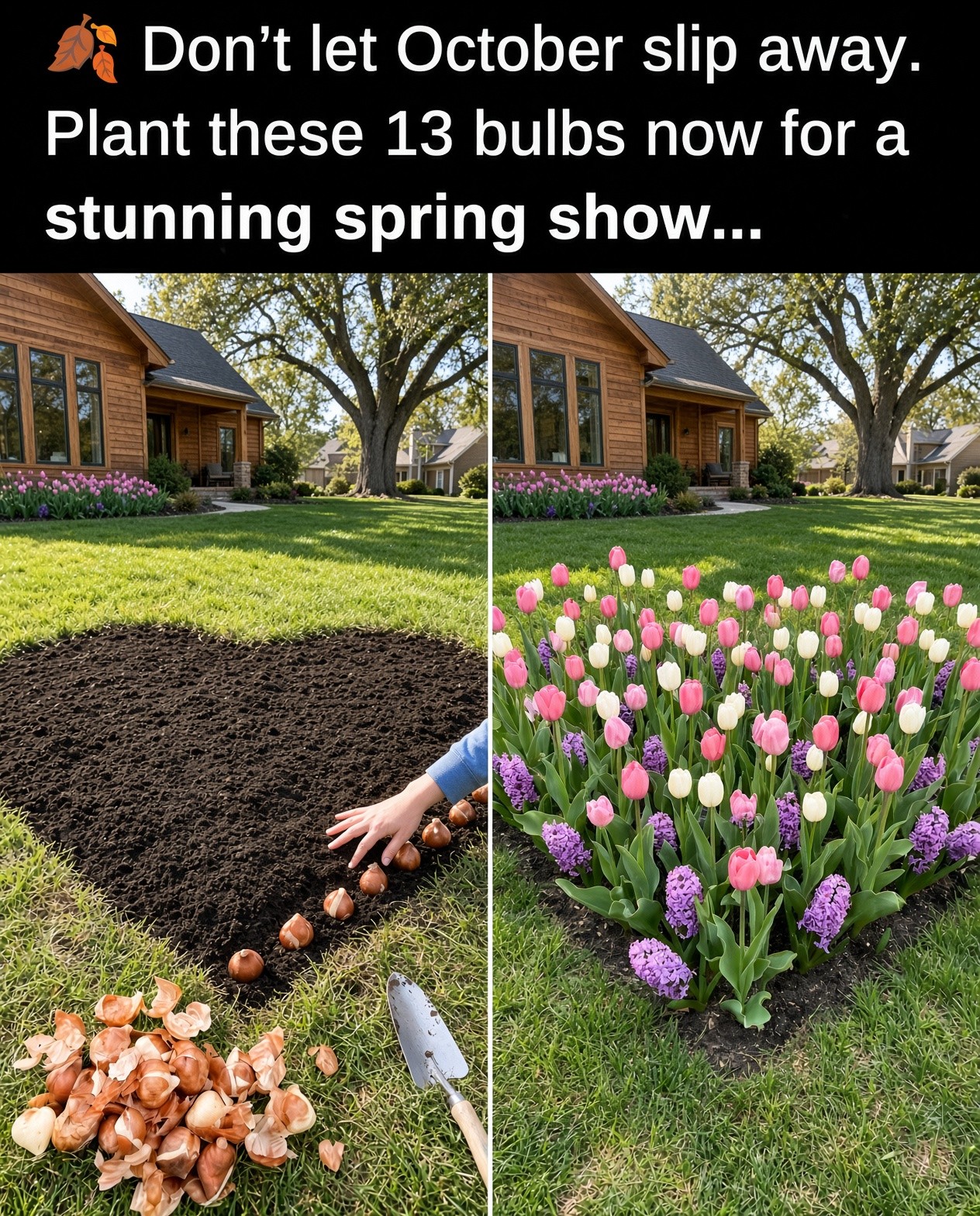
A little planting now can bring color back to borders, containers, and lawns when winter begins to fade.
Spring-flowering bulbs need time to establish roots before their display begins. The best choices depend on your climate, winter temperatures, soil drainage, and the look you want to create. Here are six reliable groups to consider, with practical tips to help them thrive.

Snowdrops: the first quiet signs of spring
Snowdrops (Galanthus) are among the earliest flowers to appear, often pushing up while the garden is still cool. Plant bulbs in a partly shaded spot beneath deciduous trees or along a path, in soil that stays lightly moist but does not become waterlogged. They look most natural in small drifts rather than straight rows. In warm-winter regions, check whether the species is suited to your climate before buying.

Crocuses for vivid early color
Crocuses bring bright purple, yellow, or white cups to lawns, borders, and rock gardens. Choose a sunny or lightly shaded position with excellent drainage. Plant them in clusters for a stronger visual effect, and avoid places that remain soggy through winter. Many crocuses naturalize well, but foliage should be allowed to yellow naturally after flowering so the corm can replenish its energy.

Dwarf iris for jewel-like flowers
Reticulated dwarf irises offer striking blue and violet flowers early in the season. They prefer sun and sharply drained soil, making them suitable for raised beds, gravel gardens, and containers. Avoid heavy, wet soil, which can cause bulbs to rot. Plant in groups near paths or the front of a border, where their compact flowers can be appreciated up close.

Glory-of-the-snow and other blue bulbs
Chionodoxa, often called glory-of-the-snow, creates a carpet of small star-shaped blue flowers. It works well beneath deciduous shrubs and around the edges of beds. Siberian squill and striped squill are other options for blue spring color. These small bulbs are best planted in groups and left undisturbed where they can gradually spread. Check local guidance before planting potentially spreading species.

Daffodils for dependable spring color
Daffodils (Narcissus) are a classic choice for borders and naturalized lawns. They generally prefer sun to partial shade and soil that drains well. Plant the bulb with its pointed end upward, following the depth recommended for the variety; a useful general guide is a depth around two to three times the bulb’s height. Leave the leaves in place after flowering until they yellow, because they feed next year’s bloom.

Tulips and hyacinths for a bold display
Tulips bring strong color and elegant shapes, while hyacinths add dense flower spikes and fragrance. Both are commonly planted in autumn, but performance depends on variety and winter chill. In mild climates, tulips may flower less reliably unless bulbs receive an appropriate chilling period; choose varieties suited to your region. Use containers with drainage holes and never let bulbs sit in waterlogged compost.
Planting tips for better results
- Choose firm bulbs. Avoid bulbs that are soft, moldy, badly damaged, or shriveled.
- Prioritize drainage. Most spring bulbs dislike sitting in wet soil. Improve compacted beds or use containers with drainage holes.
- Plant at the right depth. A general rule is two to three times the bulb’s height, but follow the label for the particular species.
- Point them the right way. Set pointed bulbs upright, with the root plate down. If orientation is unclear, plant sideways rather than leaving the bulb exposed.
- Water after planting. Moisten the soil to settle it around the bulbs; thereafter, let rainfall and soil conditions guide watering.
- Leave foliage after flowering. Wait until leaves yellow naturally before removing them, so the bulb can store energy for next year.
Design for a longer season of flowers
Combine early bloomers such as snowdrops and crocuses with later daffodils and tulips. Plant in clusters rather than scattering single bulbs far apart, and repeat the same colors in several places to make the garden feel cohesive. Under deciduous trees, early bulbs can flower before the canopy fills with leaves.