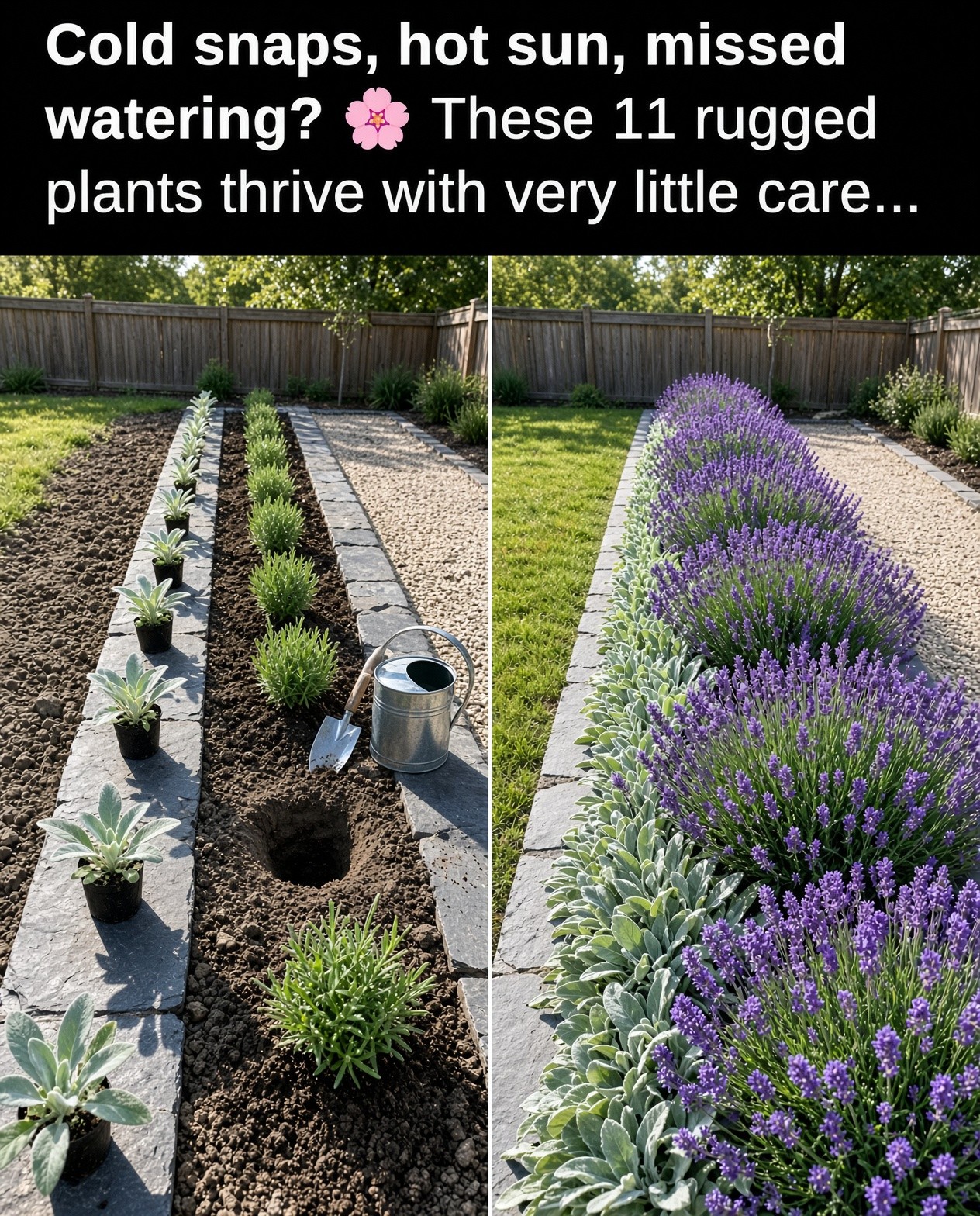
11 Easy-Care Plants for Beautiful Garden Borders

A beautiful garden border does not have to become a weekly maintenance project. Choosing plants that naturally fit your light, soil and moisture conditions can dramatically reduce the amount of work required.

Low maintenance does not mean no maintenance. Newly planted perennials still need sensible watering while they establish, and every border benefits from occasional seasonal cleanup.
Garden border with easy-care plants
Easy-care mixed garden border.

1. Catmint (Nepeta)

Catmint is a dependable choice for sunny borders. Its aromatic foliage forms a soft mound and its lavender-blue flower spikes add long-lasting color. Give it full sun and well-drained soil, then trim spent flowers when the first flush fades.

Catmint (Nepeta) garden border photograph
Catmint (Nepeta) — garden-border visual.

2. Moonbeam Coreopsis

Moonbeam coreopsis creates a light, airy effect with fine foliage and pale yellow flowers. It is well suited to sunny borders and can tolerate heat and relatively dry conditions once established. A simple trim after flowering keeps it tidy.

Moonbeam Coreopsis garden border photograph
Moonbeam Coreopsis — garden-border visual.

3. Russian Sage

Russian sage adds height, silvery foliage and airy blue-purple flowers. It performs best in full sun and well-drained soil and is especially useful in hot, dry parts of a border. Cut it back in late winter or early spring.

Russian Sage garden border photograph
Russian Sage — garden-border visual.

4. Autumn Joy Sedum

Autumn Joy sedum is a sturdy perennial with succulent foliage and large flower heads that change color as the season progresses. It needs little attention once established and prefers sun with freely draining soil.

Autumn Joy Sedum garden border photograph
Autumn Joy Sedum — garden-border visual.

5. Lamb’s Ear

Lamb’s ear provides soft silver foliage that makes an attractive border edge. It handles dry conditions well after establishment, but good drainage is important. Remove damaged leaves and unwanted flower stems to maintain a neat appearance.

Lamb's Ear garden border photograph
Lamb’s Ear — garden-border visual.

6. Stella de Oro Daylily

Stella de Oro daylily is a compact, repeat-flowering plant with golden blooms. It adapts to many ordinary garden soils and provides dependable color without requiring constant deadheading or staking.

Stella de Oro Daylily garden border photograph
Stella de Oro Daylily — garden-border visual.

7. English Lavender

English lavender is ideal for sunny, dry borders. Its fragrant purple flower spikes and gray-green foliage create a neat Mediterranean look. Excellent drainage is essential, and young plants need regular watering until established.

English Lavender garden border photograph
English Lavender — garden-border visual.

8. Globe Thistle

Globe thistle gives a border strong architectural form with rounded blue flower heads and silvery foliage. It thrives in full sun and well-drained soil and generally needs little attention after establishment.

Globe Thistle garden border photograph
Globe Thistle — garden-border visual.

9. Yarrow

Yarrow offers finely divided foliage and flat flower clusters that bring texture and pollinator value to sunny borders. Choose compact clumping cultivars for easier maintenance and remove spent flower heads if you want to limit self-seeding.

Yarrow garden border photograph
Yarrow — garden-border visual.

10. Blue Fescue

Blue fescue is a compact ornamental grass with blue-gray tufts that provide year-round structure. It prefers full sun and sharp drainage and works particularly well along the front edge of a border.

Blue Fescue garden border photograph
Blue Fescue — garden-border visual.

11. Bergenia

Bergenia provides broad, bold foliage and spring flower clusters, making it useful where a border needs strong leaf texture. It is especially valuable in partly shaded areas and requires little pruning beyond removing damaged foliage.

Bergenia garden border photograph
Bergenia — garden-border visual.

How to Keep an Easy-Care Border Looking Good

The most effective way to reduce garden maintenance is to match each plant to the conditions it naturally prefers. Sun-loving plants generally perform better when they receive enough light, while moisture-loving plants should not be forced into hot, dry positions. Give plants enough room to reach their mature size, avoid excessive fertilizer, and keep weeds under control while young plants fill the border.

Once the planting is established, most of these choices need only occasional watering during prolonged drought, seasonal trimming or removal of damaged foliage. Repeating a few reliable plants throughout the border can also make the garden look more intentional while reducing the number of different care routines you need to remember.

Final Thoughts

Catmint, coreopsis, Russian sage, sedum, lamb’s ear, daylily, lavender, globe thistle, yarrow, blue fescue and bergenia can all contribute useful color, foliage or structure to a lower-maintenance border. The best results come from choosing the plants that suit your particular site rather than simply choosing the plants that look attractive in a photograph.

Leave a Reply

Your email address will not be published. Required fields are marked *