
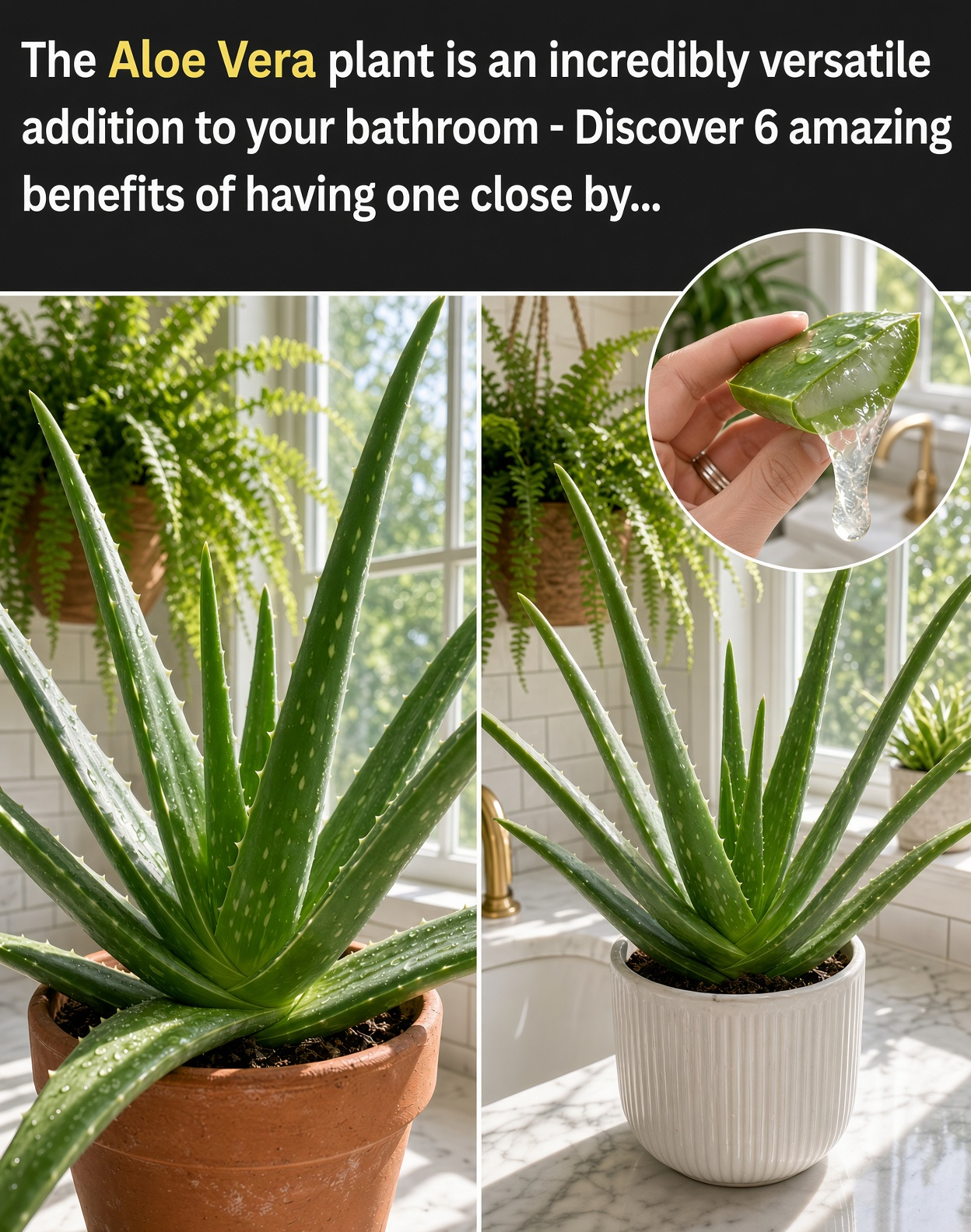

A bathroom may not be the first place that comes to mind when choosing a home for a houseplant, but the right aloe vera can fit beautifully into the space.
With its thick green leaves, compact shape, and relatively simple care requirements, aloe vera can add both decorative interest and practical usefulness to a bathroom.
There is one important condition, however: aloe vera still needs plenty of light and excellent drainage. A dark, windowless bathroom is not automatically a good environment simply because it is humid.
If your bathroom has a bright window or you can regularly move the plant to a brighter location, here are six reasons this familiar succulent can be worth growing there.
1. Aloe Vera Can Fit Beautifully Into a Bathroom

Aloe vera has a naturally architectural shape. Its pointed, fleshy leaves grow outward from the center, giving the plant a strong silhouette even when it is relatively small.
That makes it particularly attractive in bathrooms with simple colors and clean lines.
A small aloe can sit on a vanity, shelf, windowsill, or another bright location where it won’t be splashed constantly with water.
The combination of green leaves, a ceramic or terracotta pot, and neutral bathroom surfaces can create an easy natural accent without requiring a large amount of space.
For the healthiest plant, choose a position with bright natural light rather than placing aloe in a dark corner simply because the room is humid.
2. It Adds Greenery to a Humid Room
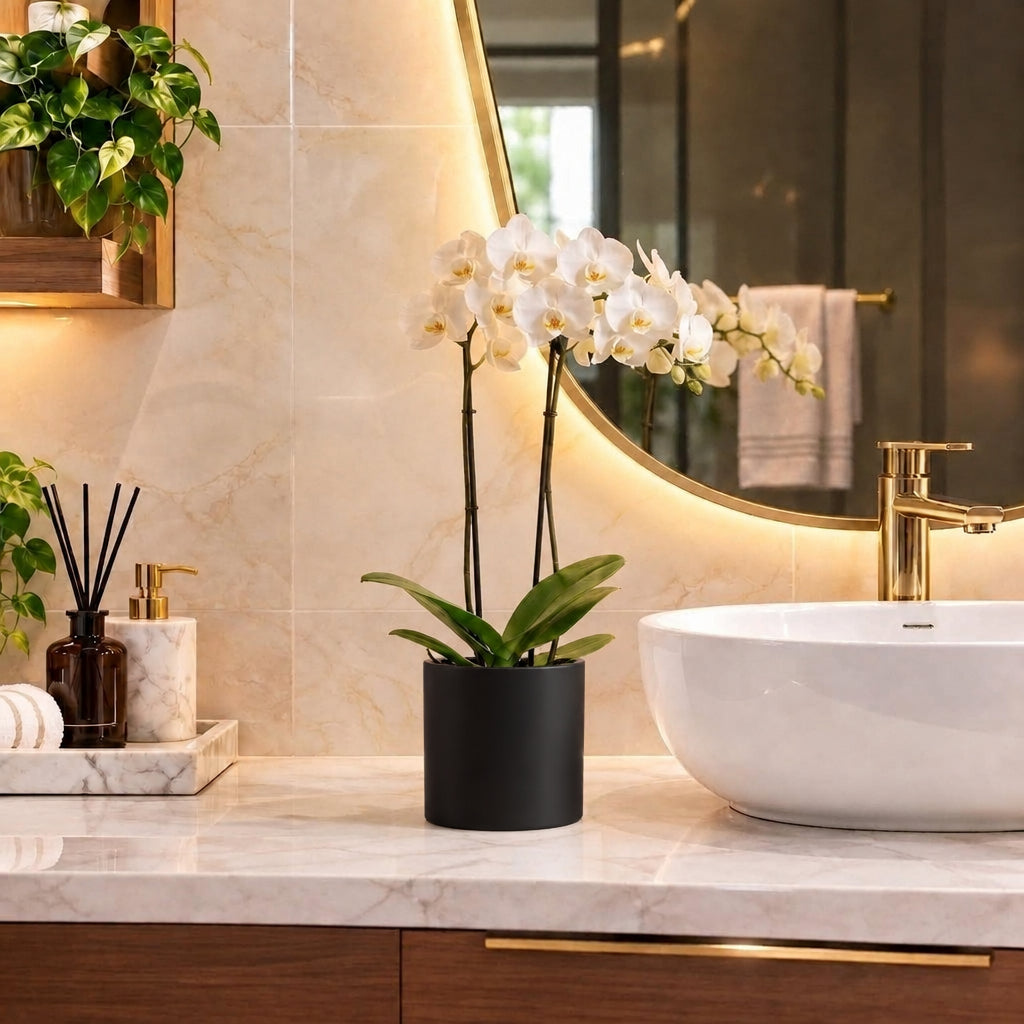
Bathrooms naturally experience changes in humidity whenever someone takes a shower or bath. Aloe vera can tolerate moderate indoor humidity, provided its roots are not kept constantly wet.
That last point is especially important.
Aloe vera is a succulent that stores water in its leaves. It does not need the frequent watering that many tropical bathroom plants require.
In fact, the moisture already present in the bathroom air does not mean you should water aloe more often. Excess water around the roots is one of the easiest ways to cause problems.
Good ventilation is still essential. A plant should complement normal bathroom ventilation, not replace an exhaust fan, open window, or other method of removing excess moisture.
3. Aloe Vera Gel Can Be Useful for Minor Skin Irritation
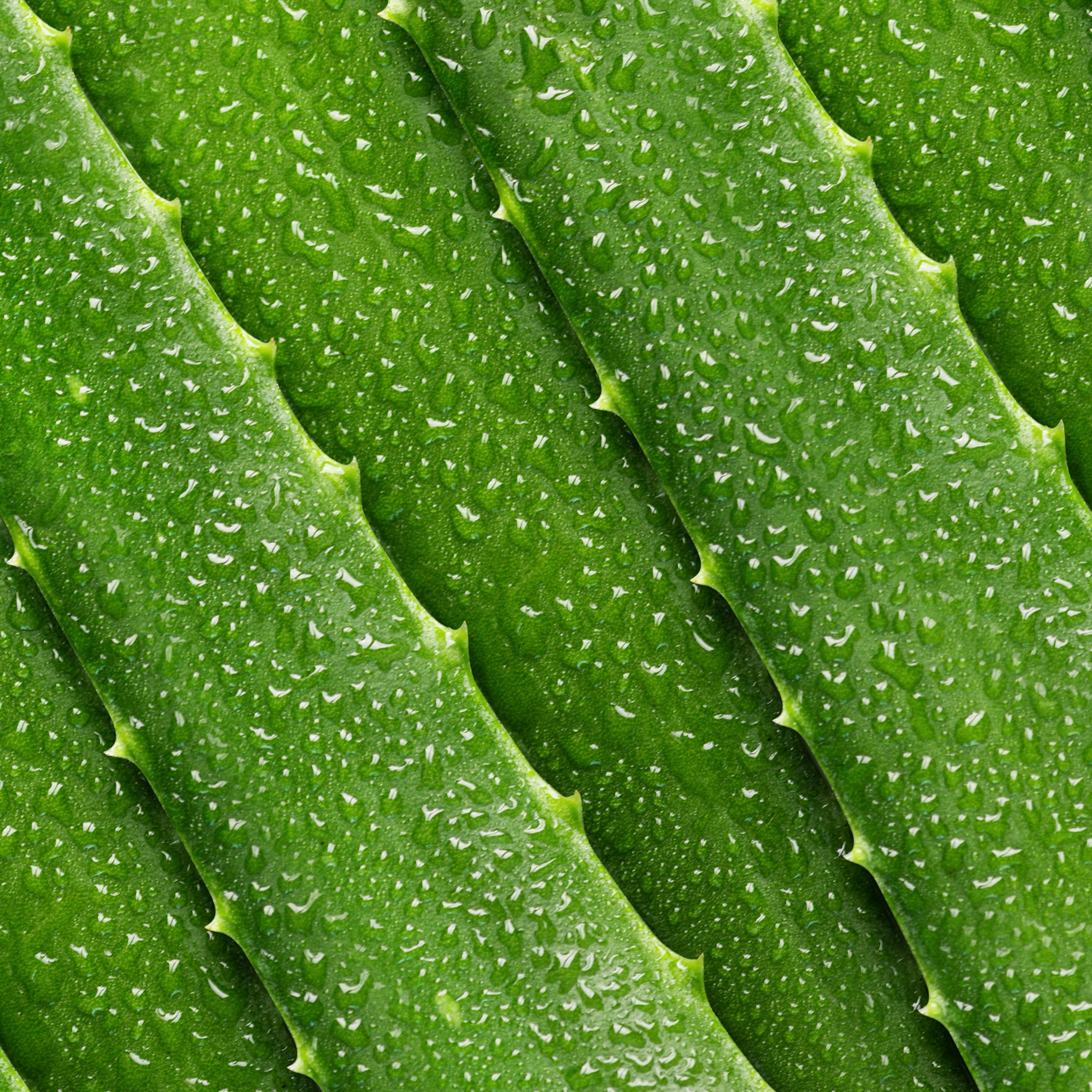
One of aloe vera’s best-known features is the clear gel found inside its fleshy leaves.
Aloe gel is commonly used in topical skincare products and can provide a cooling, soothing sensation on minor skin irritation. That makes an aloe plant a convenient addition to a bathroom where skincare routines already take place.
For example, commercially prepared aloe products are often used after sun exposure or for minor skin discomfort.
If you harvest aloe from your own plant, remember that the clear inner gel is different from the yellow latex found closer to the outer leaf. The latex contains compounds that can irritate the digestive system and should not be treated as something to consume casually.
For significant burns, deep cuts, serious rashes, or other injuries, aloe should not replace appropriate medical care.
4. It Creates a Natural Spa-Like Atmosphere
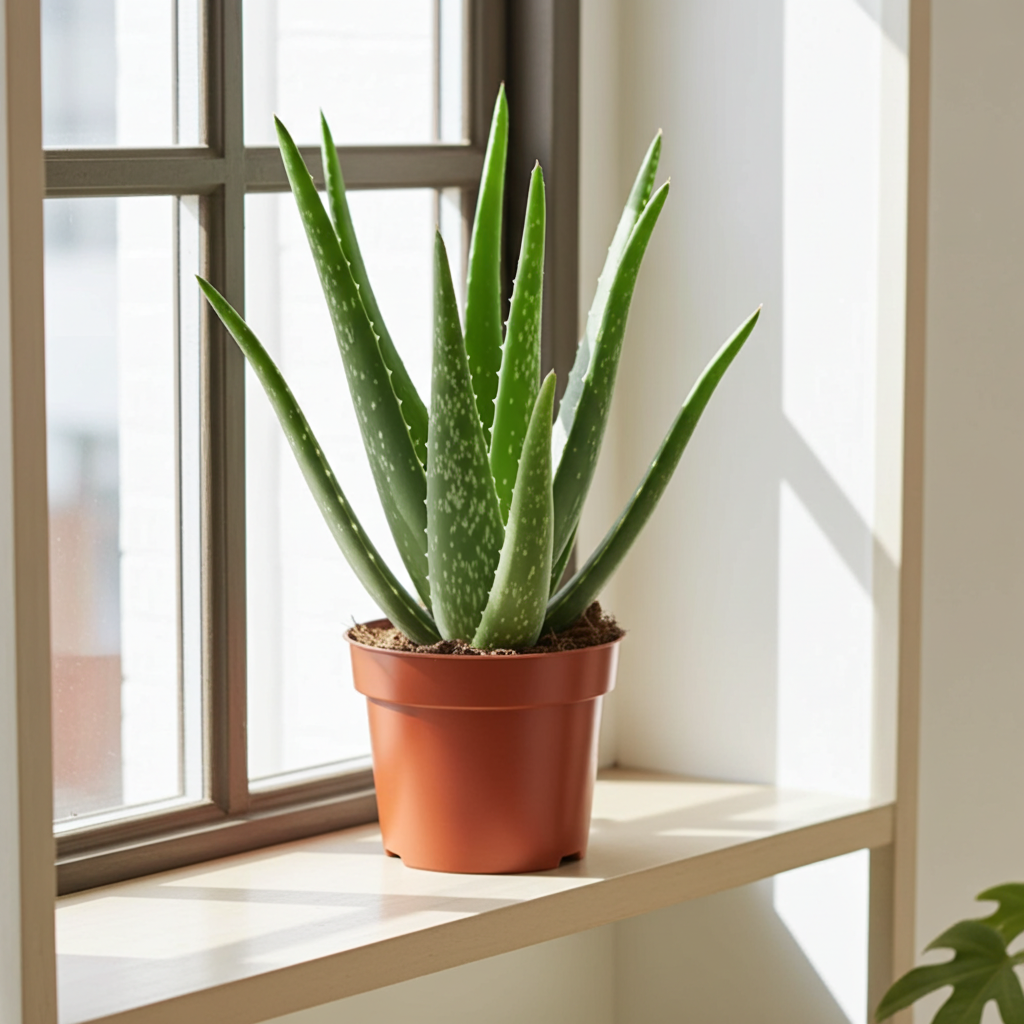
Bathrooms often contain hard surfaces such as ceramic tile, glass, metal, and stone. Adding a living plant introduces a softer natural element.
Aloe vera works especially well because its leaves have a clean, sculptural appearance rather than a sprawling growth habit.
Place the plant beside a bright window, on a simple shelf, or on a vanity where it has enough room to grow.
You can pair it with natural materials such as wood, stone, woven baskets, or neutral-colored pots to create a calm botanical look.
Even one healthy plant can make a small bathroom feel more connected to the rest of your home’s greenery.
5. Aloe Vera Is Low Maintenance

Another major advantage of aloe vera is that it doesn’t require constant attention.
Because the plant stores water in its thick leaves, it generally prefers a period of dryness between waterings rather than constantly moist soil.
The most important part of aloe care is avoiding overwatering.
Give Aloe Plenty of Light
A bright windowsill is usually a much better location than a dark bathroom shelf. Aloe can tolerate some indirect light, but prolonged low light can lead to weak, stretched growth.
Let the Soil Dry
Before watering, allow the potting mix to dry thoroughly. The exact interval depends on temperature, light, pot size, and soil, so checking the soil is more reliable than following a rigid calendar.
Use Fast-Draining Soil
A cactus or succulent potting mix is a good choice. The container should always have drainage holes so excess water can escape.
Avoid Standing Water
Never leave the pot sitting in a saucer full of water. Excess moisture around aloe roots can lead to root problems.
6. It Can Produce New Baby Plants

A mature aloe vera plant can eventually produce small offsets around its base. These young plants are often called pups.
Once an offset has developed enough roots, it can be separated from the parent plant and grown in its own container.
This makes aloe especially satisfying for gardeners who enjoy propagating houseplants. One healthy plant can eventually become several.
You can keep the new plants around your home, place them in other bright rooms, or give them to friends and family.
Where Should You Put Aloe Vera in a Bathroom?
The best position is usually near a window where the plant receives plenty of natural light.
- Bright windowsill: Excellent when the window provides sufficient light.
- Bathroom shelf: Suitable if the shelf is close enough to a bright window.
- Vanity: Attractive and convenient, provided there is adequate light.
- Near the shower: Avoid locations where water constantly splashes onto the plant or pot.
If your bathroom has no window, aloe may not be the best permanent resident. Instead, move it periodically to a bright room or provide an appropriate grow light.
Simple Aloe Vera Bathroom Care Routine
Keeping an aloe vera plant healthy doesn’t require a complicated schedule.
- Check the soil before watering.
- Wait until the potting mix has dried thoroughly.
- Water deeply and allow excess water to drain away.
- Keep the plant in bright natural light.
- Use a pot with drainage holes.
- Use a fast-draining succulent or cactus mix.
- Keep the leaves away from constant splashes.
- Remove damaged or dried leaves when necessary.
- Rotate the plant occasionally so growth remains balanced.
What If Your Bathroom Has No Natural Light?
This is one situation where you shouldn’t assume that bathroom humidity is enough.
Aloe vera is a light-loving succulent. A bathroom without a window may be too dark for it to remain healthy over the long term.
If you want aloe in a windowless bathroom, consider moving the plant regularly to a brighter room. Another option is providing suitable supplemental plant lighting.
Signs that an aloe is not receiving enough light can include elongated growth, pale leaves, and leaves spreading or bending toward the nearest light source.
Common Mistakes to Avoid
Even though aloe is considered easy to grow, a few common mistakes can quickly cause problems.
Watering Too Often
The most common mistake is treating aloe like a tropical plant. Allow the soil to dry thoroughly before watering again.
Keeping It in a Dark Corner
Humidity cannot compensate for insufficient light. Move the plant closer to a bright window if growth becomes weak or stretched.
Using a Container Without Drainage
A decorative pot without drainage can trap water around the roots. If you want a decorative outer pot, keep the aloe in a nursery container with drainage holes inside it.
Leaving It in Direct Shower Spray
Aloe doesn’t need repeated soaking from shower water. Keep it somewhere it can enjoy the room’s environment without being continually splashed.
Final Thoughts
Aloe vera can be a wonderful bathroom plant when the room provides the conditions it actually needs.
Its sculptural green leaves add natural beauty, its low-maintenance nature makes it easy to care for, and the clear gel inside mature leaves has long been used in topical skincare.
But remember that aloe is still a succulent. Bright light, excellent drainage, and careful watering matter more than the humidity of the room.
If your bathroom has a bright window, a healthy aloe vera can become a long-lasting part of the space while producing new offsets that you can grow elsewhere in your home.
With the right location and a simple care routine, this familiar succulent can bring a little more greenery and natural character to your everyday bathroom.