
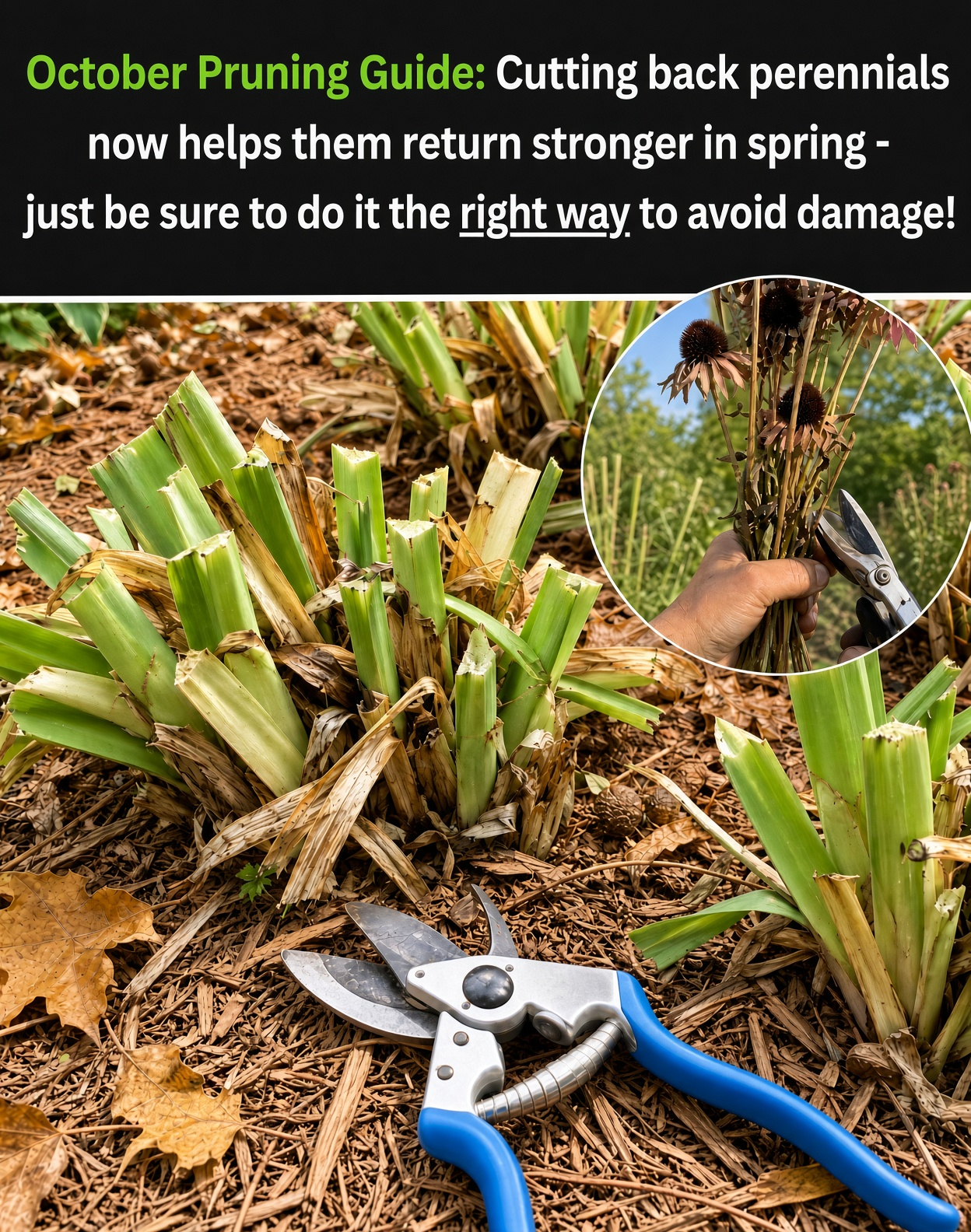

October is an important month for perennial garden care. As temperatures fall and many flowers finish blooming, perennial plants gradually slow down and prepare for winter dormancy. That makes fall an excellent opportunity to clean up tired foliage—but only if you prune at the right time and use the right technique.
The biggest mistake is treating every perennial the same way. Some plants can be cut back after their foliage dies, while others are better left standing through winter. Seedheads can feed birds, hollow stems can provide shelter for beneficial insects, and evergreen foliage can help protect plant crowns.
So before you start cutting everything to the ground, take a few minutes to identify which plants actually benefit from October pruning.
Why Cut Back Perennials in October?
Fall pruning isn’t simply about making the garden look neat. Removing dead or diseased foliage can make spring cleanup easier and may reduce the amount of pest and disease material left around the plants.
For perennials that naturally die back, removing old growth can also improve the appearance of the garden during winter. In areas that receive heavy snow or ice, removing tall, weak stems can reduce the amount of material that collapses onto neighboring plants.
1. Remove Old Foliage That May Harbor Problems
Dead leaves and stems can remain damp for long periods during cool weather. Diseased foliage in particular should not be left lying around the crown of a plant. Removing affected material and disposing of it separately can help reduce the chance of carrying certain problems into the next growing season.
2. Prepare the Garden for Spring
A properly cleaned perennial bed is much easier to work with when spring arrives. Instead of dealing with a thick layer of collapsed stems and leaves, you’ll be able to see where new shoots are emerging.
3. Reduce Winter Mess
Some herbaceous perennials become completely limp after frost. Cutting them back after they have naturally died down keeps those plants from forming wet, tangled piles over the winter.
4. Improve Airflow Around the Crown
Removing badly damaged or diseased material opens the area around the plant and makes it easier for the soil surface to dry. This can be particularly useful for plants that are prone to mildew or other foliage problems.
Wait Until the Plant Is Actually Ready
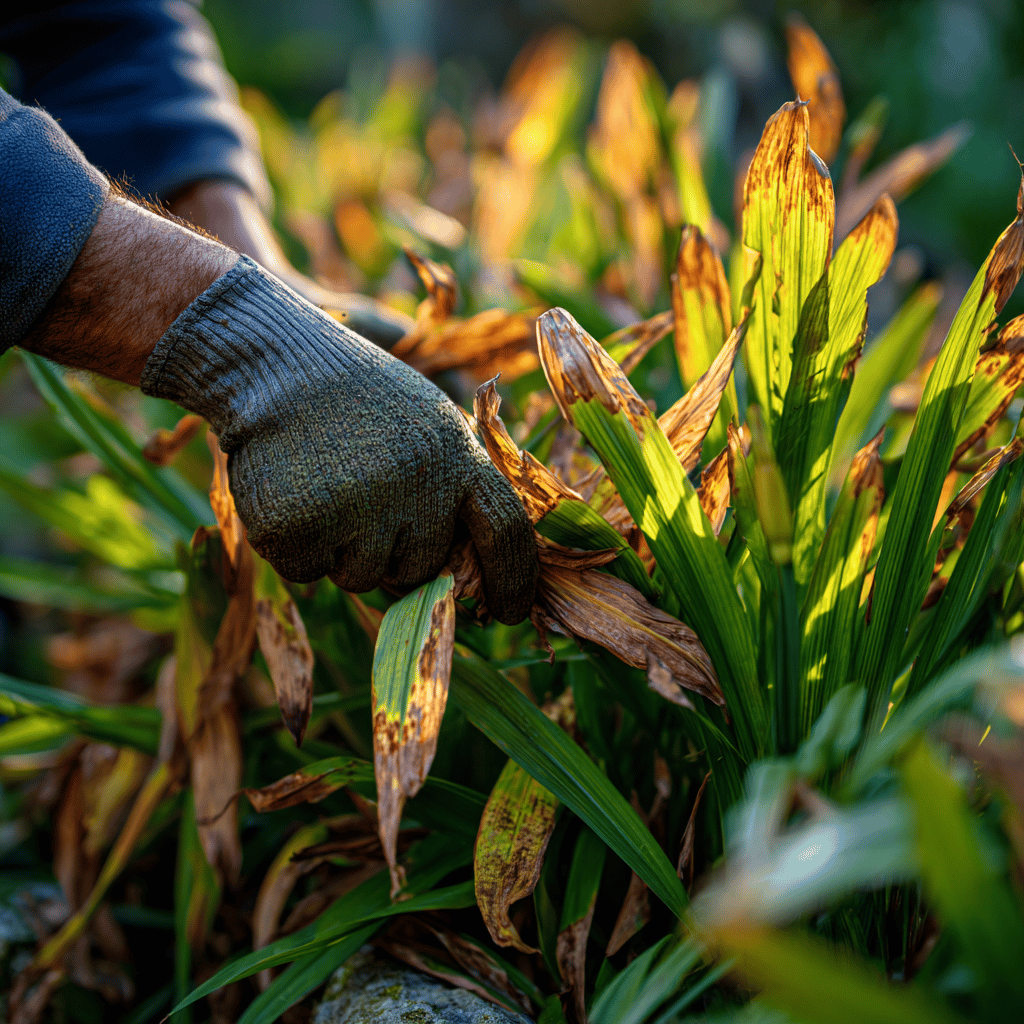
Don’t prune simply because the calendar says October. The condition of the plant matters more than the exact date.
If the foliage is still green and actively growing, leaving it in place for a little longer allows the plant to continue its normal seasonal process. Once leaves have yellowed, browned, collapsed, or been damaged by frost, the plant is generally much closer to dormancy.
This is especially important in areas where autumn remains warm. An early haircut can remove healthy foliage before the plant has finished its seasonal transition.
Perennials Commonly Cut Back in Fall
Hostas
Hostas naturally lose their foliage as temperatures drop. Once the leaves have turned yellow or brown and collapsed, the foliage can be removed close to the crown.
Cleaning up old hosta foliage can also remove a hiding place for pests and make the bed much easier to maintain in spring.
Daylilies
Daylily foliage often becomes yellow and unattractive toward the end of the growing season. Once the leaves have declined naturally, remove the old foliage and clear it away from the plant.
Peonies

Peonies are another classic example of a perennial that can be cleaned up in fall. Once the foliage has died back, cut the stems near the soil surface and remove the old material from the bed.
This is particularly useful when foliage showed signs of disease during the growing season, because infected plant debris shouldn’t be allowed to remain around the plant.
Bee Balm
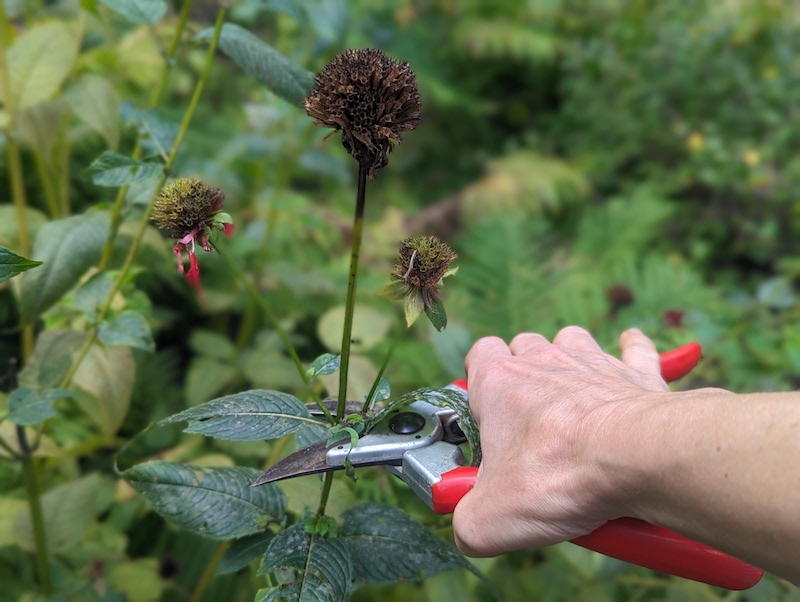
Bee balm, or Monarda, is often cleaned up in fall. Removing old stems and foliage can make the plant less cluttered and is particularly helpful when the plant experienced powdery mildew during summer.
Yarrow
Yarrow can be trimmed once flowering has finished and the plant begins to decline. Cutting back the old stems gives the perennial bed a cleaner appearance and leaves room for fresh growth next season.
Garden Phlox

Garden phlox is another perennial that many gardeners choose to cut back in fall, particularly when mildew affected the foliage. Remove the spent stems and clear away the debris rather than leaving it around the crown.
Shasta Daisies
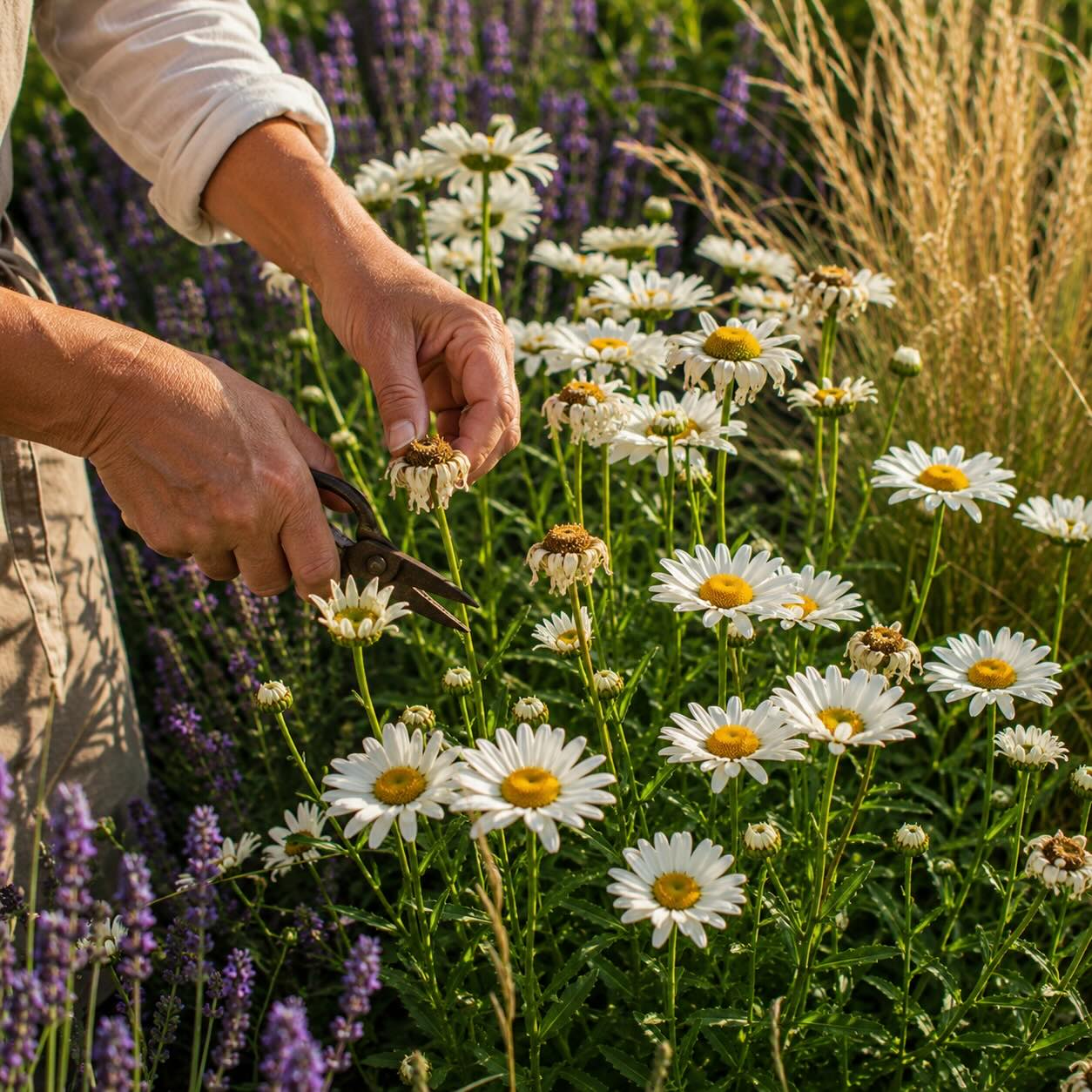
After the flowering season has ended, Shasta daisies can be cut back to a few inches above the ground. Remove the old stems and foliage and clear away excess debris.
Some Perennials Are Better Left Standing

Fall cleanup doesn’t have to mean cutting every perennial down. Leaving selected plants standing can make the garden more useful to wildlife and more attractive during winter.
Coneflowers are a good example. Their dried seedheads can remain attractive through winter and provide food for birds. If you prefer a very tidy garden, they can be cut back, but there is no need to remove every seedhead immediately.
Black-eyed Susans can also be left standing. Their dried flower centers provide useful seedheads, giving birds another natural food source during the colder months.
Other Plants to Leave Until Spring
- Sedum: The dried flower heads provide winter structure and interest.
- Russian sage: Avoid cutting deeply into the woody base during fall.
- Ornamental grasses: Their stems and seedheads provide winter texture and wildlife habitat.
- Coreopsis: Old seedheads can remain available to birds.
- Hellebores: Evergreen foliage should generally remain in place unless it is damaged or diseased.
- Heuchera: Avoid removing healthy foliage unnecessarily because the leaves help protect the crown.

Use the Right Tools for Fall Pruning

You don’t need a huge collection of equipment for ordinary perennial cleanup. The most useful tools include:
- Bypass pruners: Ideal for ordinary perennial stems.
- Loppers: Useful for thicker or tougher stems.
- Garden scissors: Handy for small, delicate stems.
- Garden gloves: Protect your hands from rough foliage and debris.
Keep pruning tools clean and sharp. If you’re moving between plants, especially when dealing with diseased material, clean the blades before working on another plant. This simple habit helps reduce the chance of transferring pathogens from one plant to another.
How Low Should You Cut?
For many herbaceous perennials, leaving approximately 2 to 3 inches of stem above the soil is a practical approach. It gives you enough clearance to avoid cutting directly into the crown while keeping the old growth short.
However, don’t treat 2 or 3 inches as an absolute rule for every perennial. Some plants have different growth habits and should be handled according to their specific needs.
Plants with hollow stems deserve particular attention. Rather than cutting them extremely low, leaving a little additional stem can help prevent water from collecting inside the hollow portion.
Clean Up the Cuttings
After pruning, take a few minutes to remove the fallen stems and leaves from around the plants.
Healthy plant material can often be added to a suitable compost pile, provided it isn’t carrying a serious disease. Diseased foliage and stems are better disposed of separately rather than added to home compost where pathogens may survive.
Don’t forget to look underneath neighboring plants as well. Small piles of wet leaves can collect around crowns and create a damp environment through winter.
Add a Protective Layer of Mulch
Once fall pruning and cleanup are finished, mulch can provide an additional layer of protection for perennial crowns and roots.
Suitable materials include shredded leaves, straw, compost, or pine needles. A layer of roughly 2 to 4 inches is commonly used, depending on the plant and local winter conditions.
One important detail is to avoid piling mulch directly against the crown. Leave a small space around the base of the plant so moisture doesn’t remain trapped against the crown for extended periods.
Don’t Forget Wildlife When Cleaning the Garden
A perfectly bare garden isn’t always the healthiest garden for wildlife. Many insects use stems and plant debris as winter shelter, while birds can feed on perennial seedheads.
Instead of removing everything, consider taking a selective approach. Cut back plants that are diseased, collapsing, or particularly messy, while leaving healthy seedheads and sturdy stems that provide winter habitat.
This approach gives you a cleaner garden without eliminating every source of food and shelter for wildlife.
Common Fall Pruning Mistakes
Cutting Green Foliage Too Early
If a perennial is still actively green, don’t automatically cut it down just because October has arrived. Allow the plant to complete its natural transition into dormancy.
Cutting Everything to the Soil
Different perennials have different needs. Some can tolerate a short cutback, while others benefit from remaining standing through winter.
Leaving Diseased Material Behind
Don’t throw obviously diseased foliage into the garden and forget about it. Remove it from the growing area and dispose of it appropriately.
Using Dirty Pruners
Dirty tools can move disease from one plant to another. Cleaning your blades between plants is a small step that can make a big difference.
Forgetting About Mulch
Newly planted or winter-sensitive perennials may benefit from additional protection against repeated freezing and thawing. Apply mulch around—not directly over—the crown.
Extra October Tasks for a Healthier Perennial Garden
Fall is also a useful time to look beyond pruning. If a perennial clump has become badly overcrowded, some plants can be divided and replanted during the autumn season, provided there is enough time for roots to establish before the ground freezes.
Instead of pushing tender new growth with late-season fertilizer, focus on improving the soil with mature compost or well-rotted organic matter.
It’s also worth labeling plants before the garden becomes completely dormant. Once foliage disappears, it can be surprisingly difficult to remember exactly where every perennial is located.
Finally, keep an eye on soil moisture. If autumn is unusually dry, give perennial beds a deep watering before the ground freezes, particularly newly planted specimens.
A Simple October Perennial-Care Checklist
- Wait until foliage has naturally declined before cutting it back.
- Identify which perennials should be pruned and which should remain standing.
- Use clean, sharp pruning tools.
- Leave a small amount of stem above the crown where appropriate.
- Remove diseased foliage from the garden.
- Leave selected seedheads for birds and winter interest.
- Protect vulnerable crowns with an appropriate layer of mulch.
- Check overcrowded plants that may benefit from division.
- Improve soil with compost instead of encouraging unnecessary late growth.
- Water perennial beds deeply if autumn conditions are unusually dry.
Final Thoughts

Cutting back perennials in October can make fall garden maintenance much easier, but the goal shouldn’t be to make every bed completely bare. The best approach is to look at each plant individually.
Plants such as hostas, daylilies, peonies, bee balm, phlox, yarrow, and Shasta daisies can often be cleaned up after their foliage has naturally declined. Meanwhile, coneflowers, ornamental grasses, sedum, heuchera, hellebores, and other useful winter plants may be better left standing.
Wait for the right stage of dormancy, use clean tools, remove diseased material, and leave wildlife-friendly plants whenever possible. With that simple approach, your perennial garden can enter winter in good condition while remaining useful and attractive throughout the colder months.