
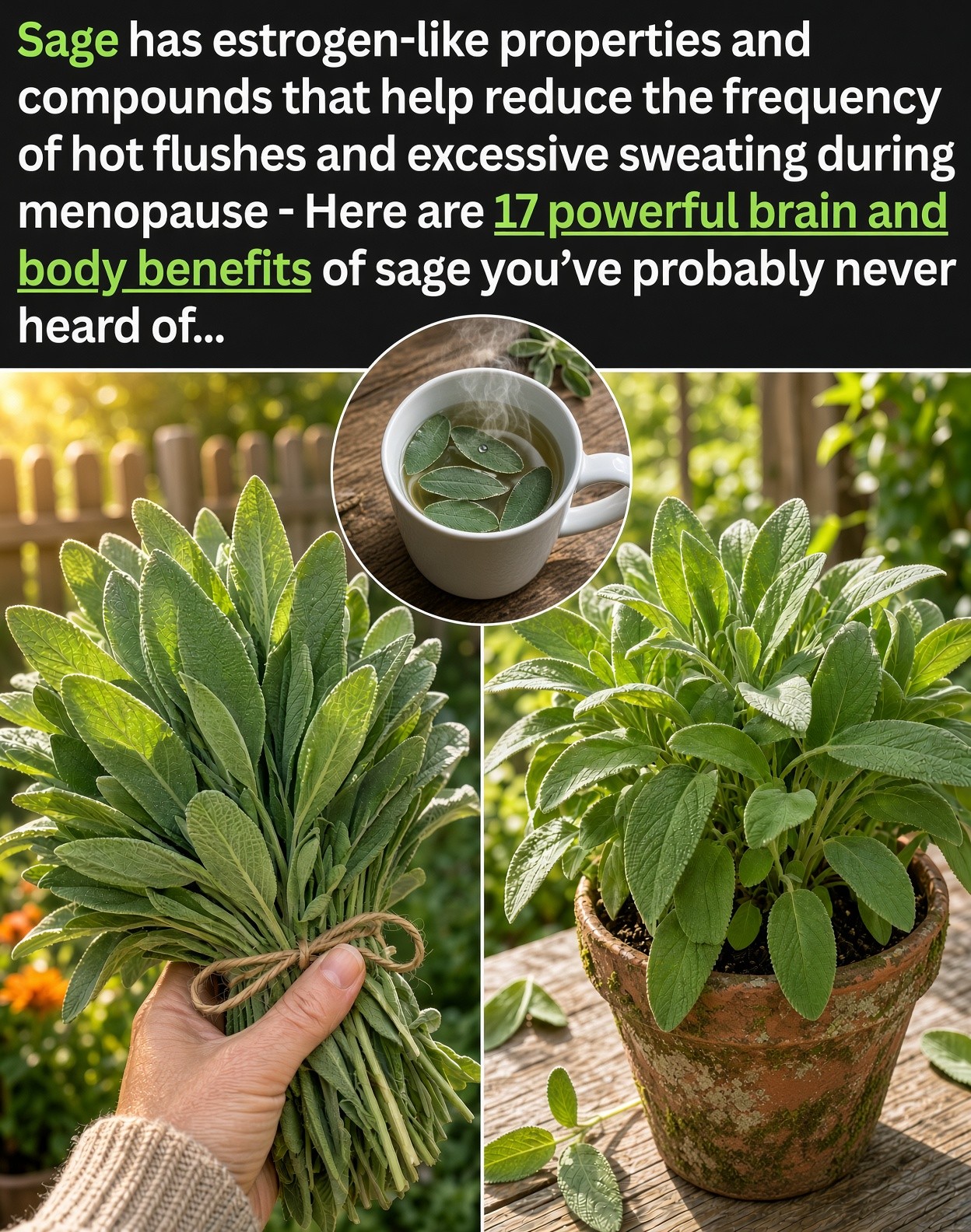
1. Sage May Support Memory and Attention
Sage has a long reputation as a “brain herb,” and modern human research gives that tradition some interesting support. Small randomized trials have found that certain sage extracts can improve some measures of memory, attention, or cognitive performance in healthy adults. One randomized controlled study in 94 adults examined a standardized combination of Salvia extracts for four weeks and reported improvements on several cognitive measures. Earlier research also tested standardized Salvia officinalis extract in healthy older adults. The important caveat is that these studies used specific extracts and doses; they do not prove that a few leaves of culinary sage will prevent memory loss or dementia. NCCIH says the amount of research is still small and that definite conclusions cannot yet be reached.

2. Sage Contains Antioxidant Plant Compounds
Common sage contains a variety of plant chemicals, including polyphenols and phenolic acids such as rosmarinic acid. Laboratory research shows antioxidant activity, which helps explain why sage remains interesting to nutrition and botanical researchers. Antioxidant activity, however, is not the same as proving that a herb prevents chronic disease in humans. The practical takeaway is simple: sage can contribute flavorful plant compounds to a varied diet that already includes vegetables, fruits, legumes, whole grains, nuts, and other herbs. There is no need to treat it as a miracle supplement.

3. Sage Has Been Studied for Menopausal Hot Flashes
Menopausal hot flashes are one of the areas where sage has some human research behind it. Small clinical studies have reported reductions in hot-flush frequency and improvements in some menopause-related symptoms among women using Salvia officinalis preparations. A systematic review and meta-analysis published in 2023 found evidence suggesting that sage may reduce hot-flush frequency, although the authors also called for more research and the evidence base remained limited. A standardized product used in a clinical trial is not the same as homemade sage tea, so results cannot simply be copied from a study into the kitchen. Persistent or troublesome symptoms should be discussed with a healthcare professional.

4. Sage Has Traditional Digestive Uses
Sage has traditionally been used for digestive complaints, and the European Medicines Agency includes sage leaf among herbal products associated with traditional gastrointestinal use. That is different from proving that sage cures indigestion, diarrhea, or other digestive disorders. For everyday cooking, sage works especially well with beans, potatoes, squash, poultry, and sauces, giving simple meals more character. If you have ongoing abdominal pain, persistent diarrhea, bleeding, unexplained weight loss, or another concerning digestive symptom, it is better to investigate the cause than rely on an herb. Sage can be part of a normal diet without being presented as a universal digestive treatment.

5. Sage May Help Support Oral Hygiene
Researchers have investigated sage extracts and mouth rinses because the herb contains compounds with antimicrobial activity. Some studies suggest that sage preparations can affect oral bacteria or plaque, but that does not make sage a substitute for daily brushing, fluoride toothpaste, flossing, or professional dental care. If you enjoy sage, using it as a culinary herb is a straightforward way to add it to your diet. Anyone with persistent gum bleeding, tooth pain, mouth sores, swelling, or signs of infection should see a dentist. A home herbal rinse should never delay proper dental evaluation.

6. Research Has Explored Sage and Cholesterol
A few studies have explored whether sage can influence cholesterol and other blood lipids. NCCIH says the preliminary evidence suggests a possible beneficial effect on cholesterol and other lipids, but the amount of research is small. That is far more cautious than saying sage “cleans arteries” or replaces cholesterol medicine. If your cholesterol is high, the useful measures are your actual lipid results, overall diet, activity, and any treatment recommended by your clinician. Sage can add flavor to vegetables, beans, grains, and other heart-friendly foods without needing to become a high-dose supplement.

7. Blood-Sugar Benefits Are Not Established
Sage has been studied for blood-glucose regulation in laboratory, animal, and small human studies, but the evidence is not strong enough to recommend sage as a diabetes treatment. NCCIH specifically says there is not enough evidence to know whether sage has beneficial effects on blood glucose. This is important because diabetes care often depends on individualized medication, nutrition, exercise, and monitoring. Culinary sage can be used normally by most people, but a concentrated sage supplement should not replace prescribed treatment. If you take glucose-lowering medication, ask your healthcare professional before adding a concentrated herbal product.

8. Sage Has Anti-Inflammatory Activity in Research
Sage contains plant compounds that show anti-inflammatory activity in laboratory and experimental research. Rosmarinic acid and other polyphenols are among the substances that make the herb scientifically interesting. Still, laboratory activity does not prove that ordinary sage tea or a few leaves will treat arthritis, gout, chronic pain, or another inflammatory disease. A better interpretation is that sage has a useful phytochemical profile and deserves continued research. For everyday life, combine sage with a varied diet rather than expecting one herb to control inflammation throughout the body.

9. Traditional Throat and Respiratory Uses
Sage has a long traditional history in preparations for mouth and throat complaints. The European Medicines Agency recognizes sage leaf in traditional herbal medicine for mouth and throat disorders, but that status does not make sage a proven cure for asthma, pneumonia, bronchitis, or respiratory infections. A warm herbal drink may be comforting, but symptoms such as breathing difficulty, chest pain, persistent wheezing, or high fever deserve proper medical care. For simple home use, culinary sage or a mild traditional infusion can be treated as a flavorful herbal beverage rather than a replacement for diagnosis or treatment.

10. Sage and Skin Care: Promising, Not Magical
Sage extracts are being studied for antioxidant and antimicrobial properties, including possible applications in skin care. Those findings are interesting, but they do not prove that rubbing fresh sage on the skin will erase wrinkles, heal every rash, or prevent infection. Skin problems can have many causes, so the right treatment depends on the diagnosis. If you use a cosmetic preparation containing sage, choose a product designed for topical use and patch-test it before wider application. Avoid putting concentrated essential oil directly on irritated or broken skin. The safest everyday role for sage remains its culinary use and its place as a fragrant garden herb.

11. Sage Is an Easy Way to Add Flavor to Healthy Meals
One of the most dependable benefits of sage is simply that it makes food taste better. Its earthy, peppery aroma works especially well with browned butter, roasted squash, potatoes, mushrooms, beans, poultry, pork, stuffing, soups, and pasta. Because the flavor is strong, a small amount can add a lot of character. Fresh leaves can be crisped briefly in butter or oil, while dried sage is convenient in seasoning blends. NCCIH notes that sage is likely safe in the amounts commonly found in foods, which is very different from taking a concentrated supplement.

12. Sage Tea Is a Traditional Herbal Drink
Sage tea is usually made by steeping fresh or dried sage leaves in hot water and then straining the liquid. The flavor is strong, so lemon or a little honey can soften it. Tea made from ordinary culinary leaves is not equivalent to a standardized extract used in a research study, and the amount of active compounds can vary considerably. That makes it more appropriate to think of sage tea as a traditional beverage than as a measured therapy. Concentrated herbal preparations deserve more caution, especially for people taking medication or using sage frequently.

13. Sage Fits Beautifully Into a Home Herb Garden
Common sage, Salvia officinalis, is a Mediterranean-origin perennial shrub that prefers plenty of sunlight and well-drained soil. It can grow in raised beds, herb gardens, containers, and dry-style borders where the soil does not stay saturated. Regular light harvesting helps keep the plant useful and compact, while allowing some stems to flower adds ornamental interest. If your garden has heavy clay or frequent standing water, improve drainage or choose a container rather than keeping sage in a constantly wet spot. Growing your own also gives you a convenient supply for cooking and drying.

14. Harvest and Dry Sage for Later
Harvest healthy sage stems on a dry day and avoid stripping too much foliage from a young plant at once. For drying, tie small bunches and hang them in a warm, dry, well-ventilated place away from strong direct sunlight, or use a dehydrator according to its instructions. The leaves should become crisp and brittle before storage. Remove them from the stems and keep them in an airtight container away from heat, light, and humidity. Proper drying is important because damp plant material can mold. Label each batch with the date so older herbs are used first. Dried sage is useful in stuffing, beans, soups, roasted vegetables, sauces, and homemade seasoning blends.

15. High Doses and Sage Oil Need More Caution
Culinary sage and concentrated sage products should not be treated as the same thing. Common sage contains thujone, a compound that can be toxic when consumed in high amounts. NCCIH says sage is likely safe in normal food quantities, while larger amounts or prolonged use may be unsafe. Essential oil is especially concentrated and should not be casually taken by mouth. If you are pregnant, breastfeeding, taking medication, or considering a concentrated sage extract, discuss the product with a qualified healthcare professional. “Natural” does not automatically mean risk-free.

16. What the Big List of Sage Benefits Gets Wrong
A headline promising seventeen powerful benefits can make sage sound like a treatment for nearly every part of the body. The scientific picture is more measured. Research is promising in areas such as cognition and menopausal hot flashes, and there are interesting findings around oral health and blood lipids. But evidence for blood sugar is insufficient, and many claims about cancer prevention, “detoxification,” major immune effects, or treating chronic disease rely on laboratory, traditional, or early-stage research. Those findings are useful starting points for scientists, not guarantees for readers. The best health claim for everyday sage is that it is a flavorful herb with a long history and several promising research areas.

17. The Smartest Way to Use Sage Every Day
Use sage first as a food and garden herb, then treat concentrated extracts as a separate category that deserves more caution. Fresh or dried leaves can add flavor to vegetables, beans, sauces, poultry, pasta, soups, and other meals, while a homegrown plant can supply months of harvest. The research suggests that sage deserves continued study for cognition, menopause symptoms, and other potential uses, but it does not justify replacing medical treatment with an herb. If you decide to use a supplement, identify the species and preparation, review possible interactions, and keep your healthcare professional informed. This balanced approach lets you enjoy everything sage reliably offers without turning it into a cure-all.
