
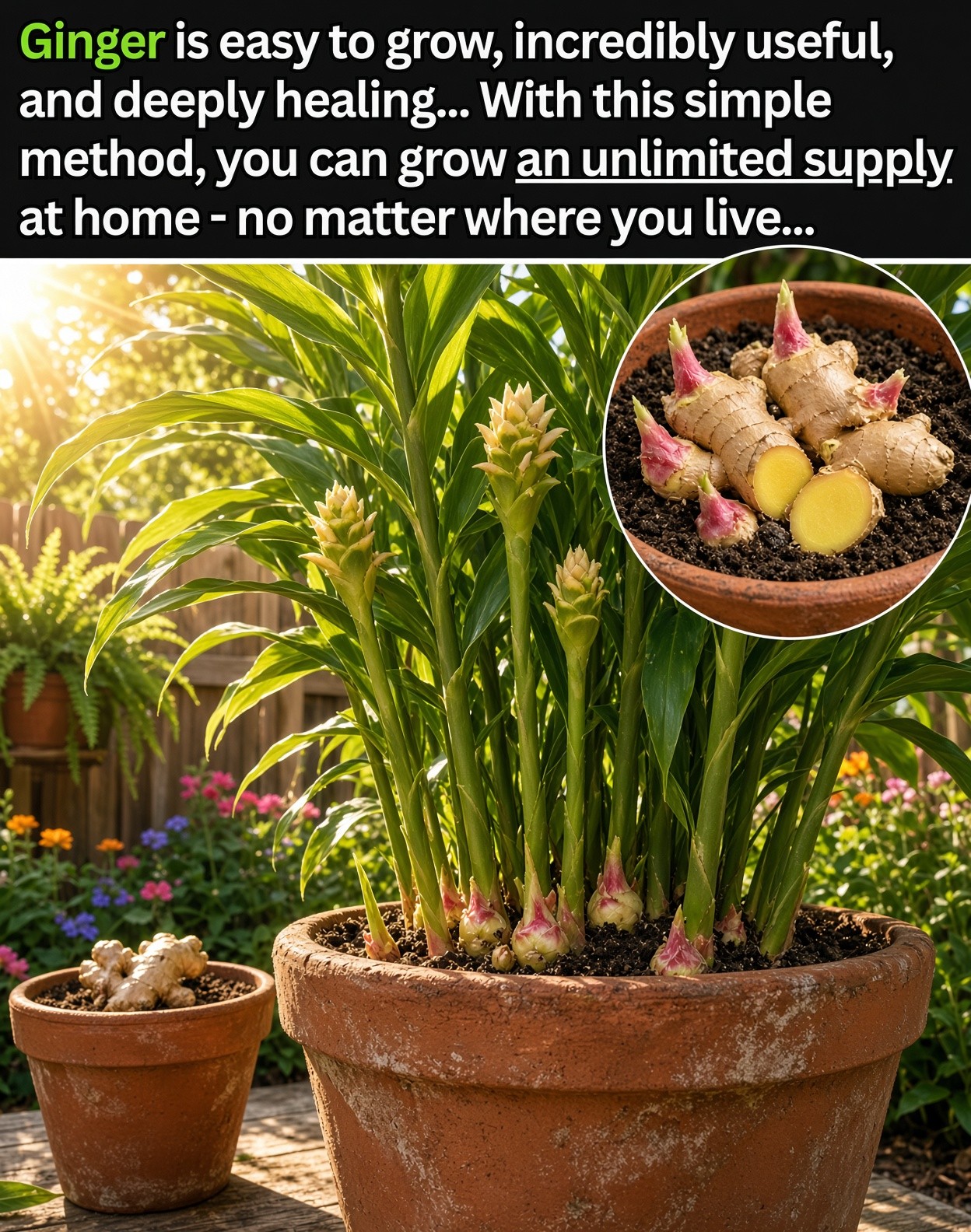
Growing ginger from a supermarket rhizome is a rewarding container-gardening project, but success depends on getting a few fundamentals right: fresh planting material, warmth, shallow planting, fertile but well-drained media, and consistent moisture. Common ginger (Zingiber officinale) is a tropical rhizomatous perennial, so gardeners in cool climates usually have the most control when they grow it in containers that can be protected from cold. The guide below turns a simple store-bought piece of ginger into a practical home-growing plan, from choosing the first rhizome to harvesting and saving planting pieces for another season.
Start With a Fresh, Budding Ginger Rhizome
The easiest way to grow ginger at home is to begin with a healthy grocery-store rhizome. Ginger is not a true root; the part you buy and eat is an underground rhizome, and it can produce new shoots when it contains viable growth buds. Choose a piece that feels firm and plump rather than soft, shriveled, moldy, or badly damaged. Look closely for small rounded or pointed “eyes” along the surface. These buds are the places where new stems can emerge. A fresh rhizome with several healthy buds gives you more options when planting and dividing the piece.

Let the Buds Wake Up Before Planting
Store-bought ginger can sometimes sit dormant for a while, so patience at the beginning matters. Keep the rhizome in a warm location with bright, gentle light and watch for the buds to swell. If the ginger looks unusually dry, a short soak in room-temperature water can rehydrate it, but avoid leaving it submerged for days because prolonged wetness can encourage rot. You do not need to wait for long green shoots before planting. A firm rhizome with visibly swelling buds is already showing that it is ready to grow. Warmth is especially important because common ginger naturally prefers tropical conditions.

Cut Larger Rhizomes Into Plantable Pieces
A large ginger rhizome can give you more than one plant. Use a clean, sharp knife to separate it into sections, making sure each piece has at least one healthy growth bud. Pieces with two or three buds have more stored energy and can be useful when establishing new growth. If the grocery-store piece is already small, simply plant it whole instead of cutting it. When you do make cuts, let the fresh surfaces dry and form a light callus before planting. This simple pause helps the cut surface seal instead of being placed immediately into wet growing media.

Choose a Wide Container With Drainage
Ginger develops its edible rhizomes mostly sideways, so container shape matters. A broad planter gives the underground rhizomes room to expand and is generally more useful than a narrow, very deep pot. Choose a container with generous drainage holes so excess water can escape freely. A grow bag, trough, or wide patio planter can all work. The container should also be large enough that several planted pieces are not crowded together. Good drainage is essential because ginger likes consistent moisture but does not perform well when its rhizomes remain in saturated soil.

Fill It With Rich, Loose Growing Media
For container ginger, use a fertile potting mix that holds moisture while still draining freely. Mature compost can improve fertility and structure, but the finished mix should remain loose rather than becoming dense and airless. Heavy garden soil can compact in a container and stay wet for too long, which increases the risk of rhizome problems. The goal is a simple balance: enough organic matter to support steady growth, enough water retention to prevent repeated drying, and enough drainage to keep oxygen around the roots and rhizomes. This growing medium creates a much better foundation than ordinary compacted soil.

Plant the Rhizome Shallowly With Buds Facing Up
Place the ginger horizontally rather than standing it upright. Position the visible buds toward the top and cover the rhizome with only a shallow layer of growing media. Around 1 to 2 inches of covering is a practical starting point for a container. Water gently after planting so the mix settles around the rhizome without washing it out of place. Avoid burying it deeply: shoots need to travel upward, while the expanding rhizomes need loose space to develop below the surface. If you plant several pieces in one container, leave enough room between them for future sideways growth.

Keep Newly Planted Ginger Warm
Warmth is one of the most important ingredients in successful ginger growing. The RHS describes common ginger as a warm, sheltered plant that can be grown in containers, and recommends temperatures around 25–28°C for propagation from fresh rhizome pieces. In cooler regions, starting the container indoors can give the plant a valuable head start. Do not rush a newly planted rhizome into cold outdoor soil. Ginger is not frost tolerant, and cold, wet conditions can leave the rhizome dormant or encourage decay. Wait for reliably warm conditions before moving it outside.

Be Patient While Shoots Develop
Ginger often spends a surprisingly long time underground before you see anything. Depending on temperature, rhizome freshness, and growing conditions, emergence can take several weeks. Resist the temptation to dig up the container every few days to see whether roots have formed. Disturbing the rhizome can damage delicate new growth just as it is getting established. Instead, keep the growing medium lightly and consistently moist, maintain warmth, and wait. Once narrow green shoots finally break through the surface, the plant can begin making foliage much more quickly.

Give Ginger Bright Light Without Scorching the Leaves
Once shoots appear, give ginger plenty of light while protecting it from excessive heat. In its natural warm-climate environment, ginger commonly grows with filtered or moderated light rather than sitting under relentless midday sun. Gentle morning sun with some protection from intense afternoon exposure can work well. In cooler climates, more direct light may be tolerated, while very hot locations may benefit from afternoon shade. Watch the foliage for clues: bleached or crispy leaves can indicate excessive exposure, while weak, stretched growth can suggest that the plant needs more light.

Water Regularly, But Never Keep the Pot Soggy
Ginger needs steady moisture during active growth, but constantly waterlogged soil is a major problem. Check the upper layer of the growing medium and water when it begins to dry rather than following a rigid calendar. When you water, moisten the mix thoroughly and allow excess water to drain away. Never leave the container standing in a saucer of water. Yellowing foliage, soft stems, foul-smelling soil, or soft rhizomes can point toward excessive moisture, while curling leaves and dry edges can signal drought stress. Aim for evenly moist conditions with good drainage.

Feed Gently and Give the Rhizomes Room to Expand
A fertile growing medium gives ginger a strong start, but the plant benefits from continued nutrition during a long growing season. Use a balanced fertilizer according to its label, or periodically add a modest layer of mature compost. Avoid the idea that more fertilizer automatically means more ginger; excessive feeding can create problems and encourage foliage at the expense of balanced growth. As the rhizomes expand, you may also see parts of them approach the soil surface. If that happens, add a thin layer of loose potting mix or compost rather than burying the stems deeply.

Harvest Patiently and Save Pieces for the Next Crop
Ginger rewards a long growing season. Small amounts of young ginger may be harvested after several months, while a fuller mature crop commonly needs much longer under good conditions. As the season ends, foliage may naturally yellow and decline, signaling that the plant is moving toward dormancy. For mature rhizomes, allow this natural decline before digging, then reduce watering as growth stops. You can harvest the whole container or carefully remove part of a rhizome while leaving healthy growing points in place. Save a few vigorous pieces with good buds, and one harvest can become the starting material for your next crop.

A Simple Ginger-Growing Cycle to Remember
The key to growing ginger at home is not complicated equipment; it is matching the plant to the conditions it naturally prefers. Start with a plump rhizome that has visible buds, give it a wide container and loose fertile media, keep it warm, and maintain moisture without creating a soggy pot. Then allow the plant time to build its underground crop. In suitable conditions, a grocery-store rhizome can become a productive container plant and a renewable source of planting material for future seasons.
Sources & fact checking
This article is an independent rewrite based on the supplied Gardening Soul article and cross-checked against the Royal Horticultural Society guidance for Zingiber officinale and container herbs. The supplied source covers grocery-store ginger selection, propagation, container growing, warmth, light, watering, feeding, harvesting, and overwintering. The RHS confirms that common ginger is a tropical, container-suitable perennial that prefers rich, moisture-retentive but well-drained growing conditions and propagation from plump rhizome pieces with developed buds.