
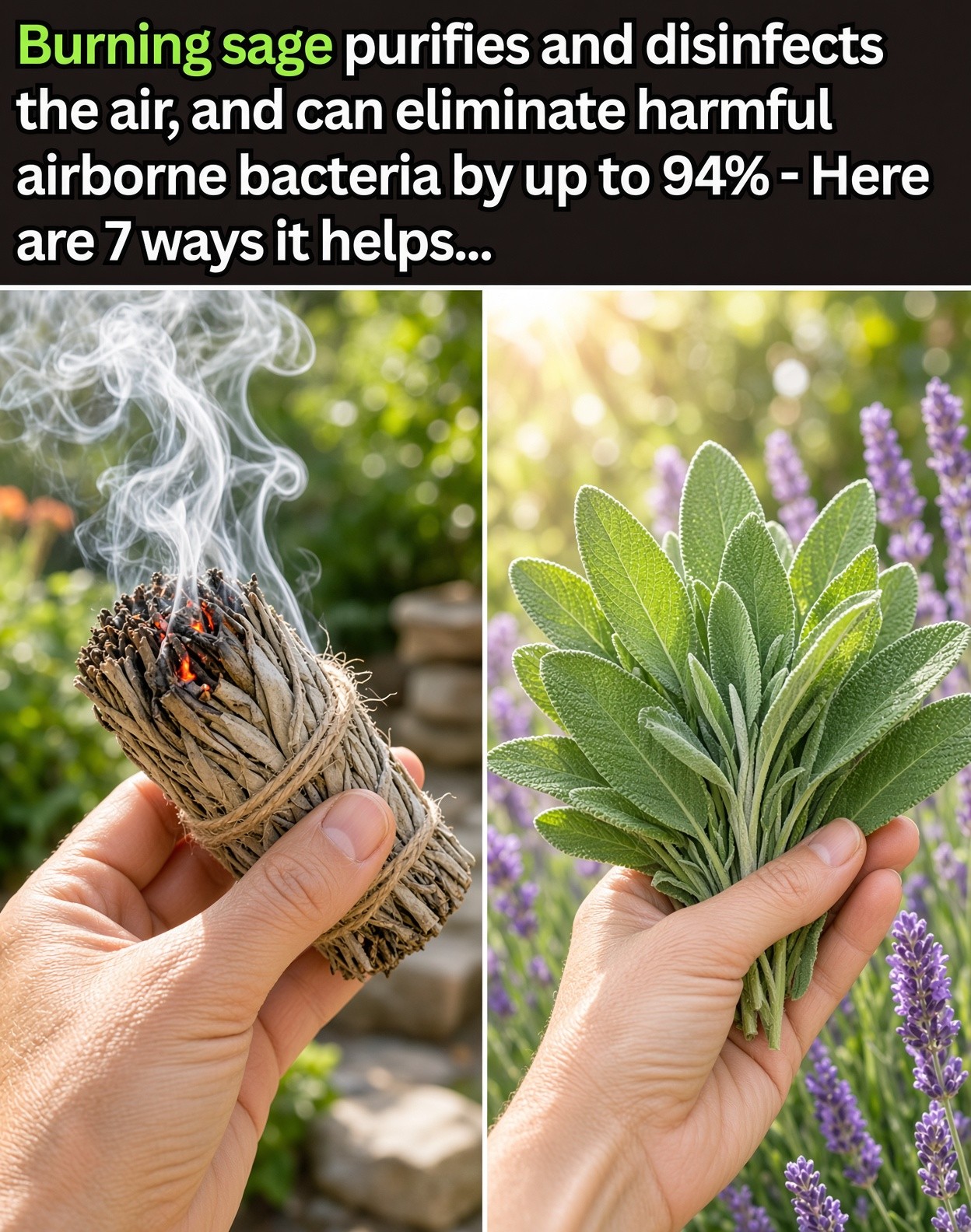
Burning sage is often presented online as a way to cleanse a home, improve mood, remove harmful microbes, or even help with sleep. Some of those ideas come from traditional and spiritual practices, while others are modern wellness claims that are much stronger than the evidence. This updated guide takes a more careful approach: it explains the personal and ritual reasons people enjoy sage while also being honest about what smoke can do to indoor air.
Why People Burn Sage at Home

Original generated garden and home lifestyle image.
Burning dried sage has been used in ceremonial and household practices for generations. Today, some people use it as a symbolic reset, a fragrant ritual, or a quiet moment of reflection. It is important, however, to separate traditional or personal experiences from claims that have been medically proven. Burning sage creates smoke, and smoke is not a way to purify indoor air in the same sense as filtration or ventilation. The most useful way to approach the practice is as a mindful ritual rather than a medical treatment.
1. It Can Create a Sense of Ritual and Reset

Original generated garden and home lifestyle image.
A short, intentional ritual can make a room feel different because it marks a transition. Lighting sage, pausing, opening a window, and moving slowly through the room can give you a simple signal that it is time to stop, reflect, or begin something new. The sense of “clearing” a space may be spiritual for some people and psychological for others. Either way, the value comes from the meaning and attention attached to the ritual—not from proof that smoke removes negative energy as a measurable substance.
2. The Aroma May Support Relaxation

Original generated garden and home lifestyle image.
Scent is closely connected with memory and emotion, so an herbal aroma can become associated with quiet routines. If someone finds sage’s earthy fragrance pleasant, using it briefly as part of meditation, journaling, or slow breathing may help create a calming atmosphere. That does not mean sage smoke treats anxiety or depression. Evidence for burning sage as a clinical aromatherapy treatment is limited, while indoor smoke itself can irritate the respiratory system.
3. It Can Pair Well With Mindfulness

Original generated garden and home lifestyle image.
The ritual can be used as a cue to slow down. Sit comfortably, breathe normally, and focus on a simple intention such as letting go of the day or making a fresh start. You can combine the ritual with journaling, prayer, stretching, or quiet reflection without making medical claims about the smoke. This is one of the safer ways to preserve the reflective part of the tradition: the attention, symbolism, and routine become the focus.
4. It May Help Mark a Change in Your Environment

Original generated garden and home lifestyle image.
People often use rituals when moving into a new home, after cleaning, following an argument, or at the start of a new season. The act of opening windows, tidying surfaces, changing the lighting, and taking a few quiet minutes can genuinely make a space feel refreshed. If you burn sage during that process, think of it as one element of the ritual. For actual indoor-air improvement, ventilation, source control, and appropriate filtration are more reliable choices than smoke.
5. It Can Encourage a Connection With Plants and Traditional Knowledge

Original generated garden and home lifestyle image.
Working with an herb can encourage curiosity about where plants come from and how people have used them. Sage belongs to the genus Salvia, and several species are grown as culinary, ornamental, or aromatic plants. Traditional smoke-cleansing practices also have important cultural histories, particularly among Indigenous peoples. Those traditions should not be treated as a generic wellness trend stripped of their origins. Learn the history and choose plant material responsibly.
6. A Quiet Sage Ritual Can Become a Personal Evening Routine

Original generated garden and home lifestyle image.
Some people enjoy a small ritual before bed because repeated cues can make it easier to transition from activity to rest. If you like the scent of sage, you could pair a brief ritual with dim lighting, reading, gentle breathing, or putting away screens. But burning sage in a bedroom is not a proven treatment for insomnia, and smoke exposure before sleep may be counterproductive for anyone who experiences coughing, congestion, headaches, or airway irritation. A smoke-free ritual is often the better choice for sensitive sleepers.
7. It Can Encourage Gratitude and Intentional Living

Original generated garden and home lifestyle image.
A plant-based ritual can be a reminder to slow down and appreciate ordinary surroundings. You might use the moment to name something you are grateful for, reflect on a goal, or simply enjoy the scent of dried herbs. These are personal and spiritual benefits rather than established medical effects. Keeping that distinction clear makes the practice more respectful and prevents exaggerated promises about detoxification, disease prevention, or “removing toxins” from a home.
How to Burn Sage More Safely Indoors

Original generated garden and home lifestyle image.
If you choose to burn sage, keep the amount small and the exposure brief. Use a stable, heat-resistant container placed on a nonflammable surface. Open a window or door so fresh air can enter, and never leave a burning bundle unattended. Let it smolder rather than maintaining an open flame, and make sure all embers are completely extinguished before leaving the area. Do not deliberately breathe the smoke or use it around anyone who is especially sensitive to smoke.
Who Should Be Especially Careful With Sage Smoke?

Original generated garden and home lifestyle image.
Indoor smoke can irritate the eyes, nose, throat, and lungs. People with asthma or other respiratory disease, young children, older adults, and anyone who is sensitive to smoke should be particularly cautious. Pets can also be affected by airborne irritants. If smoke causes wheezing, chest tightness, persistent coughing, dizziness, or significant irritation, stop the exposure and get fresh air. Repeated or severe breathing symptoms warrant medical attention.
Sage Smoke Does Not “Purify” Indoor Air in a Health-Protective Way

Original generated garden and home lifestyle image.
The original article makes strong claims that burning sage kills airborne pathogens, removes mold spores, reduces allergens, improves asthma, and creates healthier air. Those statements go beyond what the available evidence supports. Combustion itself produces particulate matter, and the U.S. EPA identifies burning materials indoors as a source of indoor particles. Research on incense and sage-smoke exposure also shows that combustion can increase airborne particulate pollution. So if your goal is cleaner air, prioritize ventilation, removing pollution sources, and suitable air cleaning rather than adding smoke.
A Better Way to Keep the Ritual Meaningful

Original generated garden and home lifestyle image.
You do not have to give up the symbolic side of sage simply because smoke has limitations. Try a smoke-free version: place dried sage in a bowl, open the windows, clean the room, play calming music, and take several minutes for reflection. You can also grow culinary sage, make a simple herb bundle for decoration, or use a non-burning botanical scent if fragrance is comfortable for you. The goal is to preserve intention and atmosphere without turning a traditional ritual into an unsupported health claim.
Final Thoughts
Sage burning can be meaningful when approached as a ritual of reflection, transition, gratitude, or connection with plants. The strongest benefits are subjective and contextual: a familiar scent, a deliberate pause, and a symbolic act can help some people create a calming routine. Those experiences are real to the person having them, but they should not be confused with evidence that sage smoke disinfects a home, treats anxiety, cures insomnia, or removes toxins.
There is also an important practical lesson: “natural” does not automatically mean harmless. Burning sage produces smoke, and indoor smoke can irritate the respiratory system. For cleaner indoor air, fresh ventilation and appropriate air-cleaning strategies are more dependable. If you choose to burn sage, use a small amount, ventilate, keep it away from flammable materials, and extinguish it completely.
Reliable Sources and Further Reading
U.S. EPA — Indoor Particulate Matter and indoor combustion sources.
National Institute of Environmental Health Sciences — guidance on indoor air and burning sage/incense.
Clinical Medicine / Elsevier — 2025 case report discussing significant repeated sage-burning exposure and respiratory disease.
Acıbadem International Medical Board — 2026 review of burning sage, smoke exposure, and safety consideration