
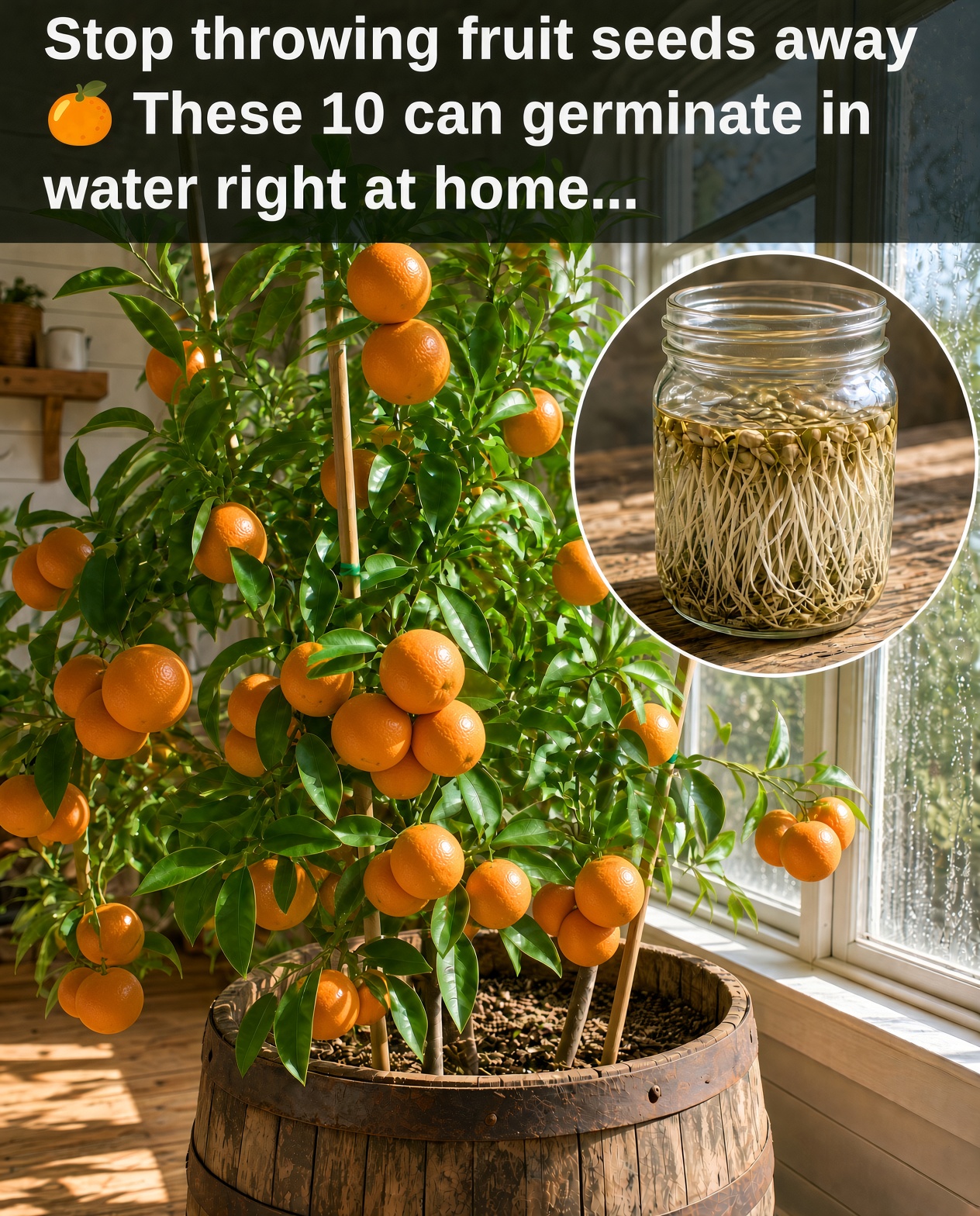
Before you throw that fruit seed away, give it a chance to grow. Some fruit seeds can be started with simple household supplies, although the best method varies from fruit to fruit.

If you have ever saved a fruit seed instead of throwing it away, you already have the beginning of a tiny gardening experiment. Some fruit seeds can be started with water or a damp growing setup at home, using nothing more complicated than a jar, paper towel, clean water, warmth, and patience. The important catch is that not every seed is equally easy, and the young plant you grow may not produce fruit identical to the one you bought.
The original guide focuses on ten fruits that can be experimented with at home: avocado, mango, dragon fruit, apple, cherry, lemon, lime, orange, grapefruit, and pineapple. They do not all use exactly the same method. Some tolerate a water-starting setup, while others are better germinated in a damp paper towel or lightly moist medium. Treat water as a starting tool, not a universal growing medium.
Before You Start: Fresh Seeds Matter
Fruit seeds are living material, and freshness can make a major difference. Citrus seeds in particular should not be allowed to dry out for long periods. Remove sticky fruit residue carefully because leftover pulp can encourage mold. If you are experimenting with several seeds, start more than one so you have a better chance of getting a viable seed.

Water quality and cleanliness matter too. The source recommends filtered, bottled, or rainwater when possible, particularly instead of heavily chlorinated tap water. Whatever water you use, change it regularly. Fresh water helps reduce the chance of rot and keeps oxygen available around developing roots.

1. Avocado
Avocado is one of the easiest and most recognizable fruit-seed experiments. Clean the large pit and suspend its lower portion over a glass with three toothpicks. Keep roughly the lower third to one-half of the pit in filtered water while the upper portion remains exposed.

Avocado pits can take patience. The source gives roughly two to six weeks as a typical window before the pit cracks and a root appears. Keep the water fresh and top it up as evaporation lowers the level. Once the seed is actively growing, transition it into a suitable growing medium.

2. Mango
Mango seeds are handled differently from avocado pits. Remove the hard outer husk and take out the large pale seed inside. Wrap it in a damp paper towel and keep it somewhere warm. A shallow-water method is also possible, but the source warns that the seed is more prone to rot in standing water.
Mango seeds can move quickly when they are fresh and warm. The original guide suggests that growth may appear within one to three weeks, although conditions vary. Once you see healthy development, move the young plant into a proper growing medium rather than leaving it submerged.
3. Dragon Fruit
Dragon fruit has tiny seeds that are better treated as a moist germination experiment than as a seed suspended in a glass. Rinse away the pink fruit pulp, spread the seeds on a moist surface, and place them somewhere warm and bright.
Warm conditions around 80°F can encourage faster germination. The source suggests using a humid setup such as a damp cloth inside a loosely sealed bag on a bright ledge. Avoid standing water because these tiny seeds perform better in a lightly damp environment.
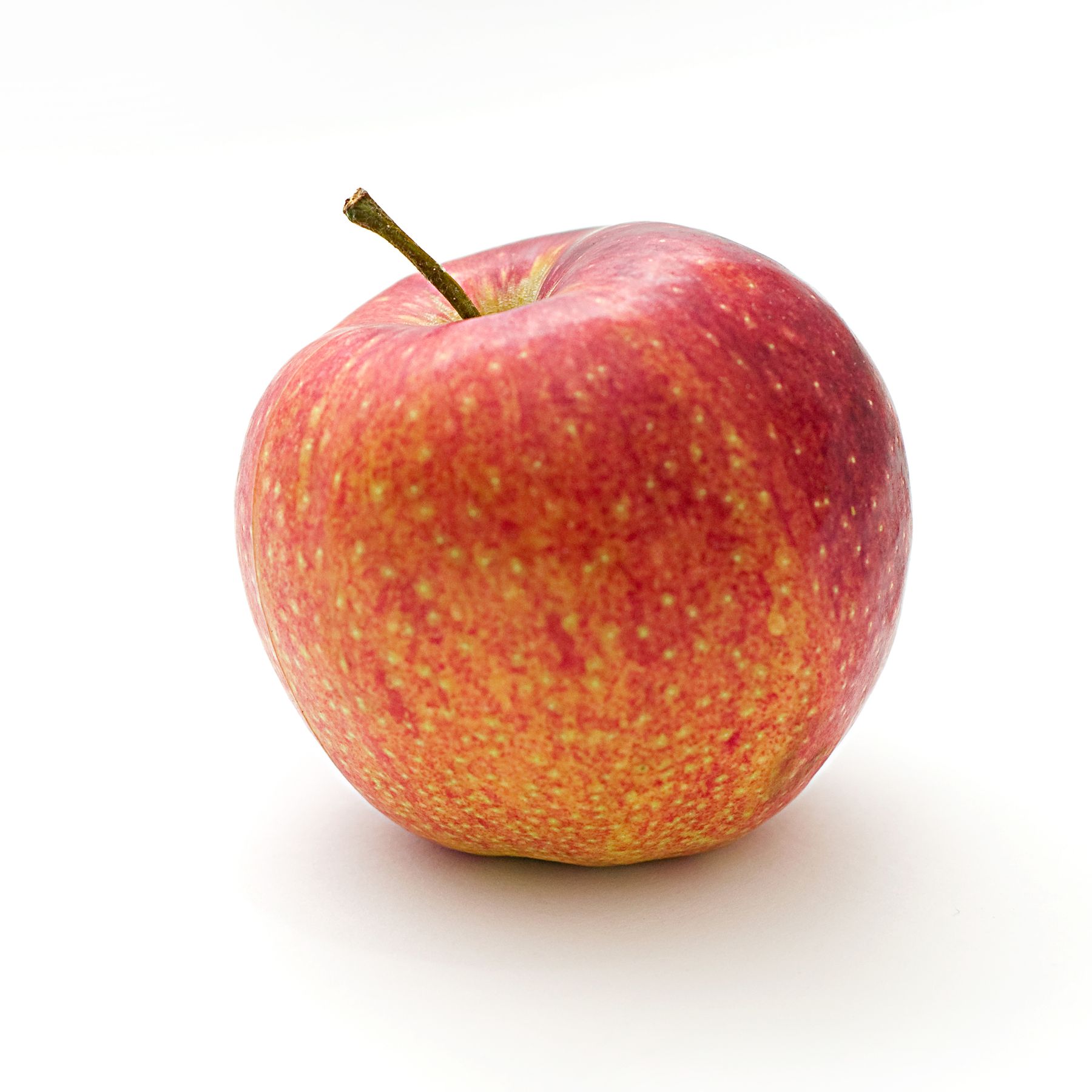
4. Apples
Apple seeds need a period of cold treatment before they are ready to germinate reliably. Clean the seeds, place them in a damp paper towel, seal them in a bag, and refrigerate them. This simulates a period of winter dormancy.
The guide recommends about six to eight weeks of this artificial winter. Afterward, move viable seeds into soil and warmth. Once the cold period is complete, germination may occur within one to three weeks, although some seeds take longer.
5. Cherries
Cherry pits require more preparation than citrus seeds. Carefully crack the hard outer shell with pliers and handle the inner seed gently. The original guide recommends a longer cold treatment—around three months in a damp paper towel inside a sealed bag.
After stratification, plant the seed in soil and place it somewhere warm. Cherry seeds are not a quick kitchen-window experiment; the guide suggests allowing roughly three to six weeks for signs of germination after the cold period.
6. Lemons
Lemon seeds are much more straightforward. Remove every trace of sticky pulp, then place several fresh seeds in a shallow dish with a little water or use a damp paper towel. Changing the water daily helps keep the setup cleaner.
The source recommends starting five to ten seeds because not every seed is guaranteed to grow. Fresh lemon seeds can produce tiny green shoots in about one to three weeks, depending on warmth and seed freshness.
7. Limes
Lime seeds follow a similar approach to lemons. Use fresh seeds as soon as possible after removing them from the fruit, clean away the pulp, and start them in a small amount of water or a damp paper towel.
The guide notes that lime seeds lose viability when they dry out too much. Keep them fresh and moist, provide warmth, and watch for sprouts. Under suitable conditions, the expected germination window is roughly one to three weeks.
8. Oranges
Orange seeds can be started much like lemon seeds. Clean them thoroughly and place them in a small amount of filtered water or a damp paper towel in a warm location. Starting several seeds improves the odds that at least a few will germinate.
The source gives a general expectation of about two to four weeks for orange seeds to sprout. Remember that a citrus tree grown from seed may not produce fruit identical to the parent fruit, so treat the project as a long-term gardening experiment rather than a guarantee of a matching orange tree.
9. Grapefruits
Grapefruit seeds can use the same basic method as oranges and lemons. Fresh seeds can be placed in a small amount of water or wrapped in a damp paper towel and kept warm. The simpler the setup, the easier it is to monitor moisture and catch problems early.
The guide suggests that grapefruit seeds can sprout in roughly two to three weeks when they are fresh and kept warm. Once roots and shoots develop, transition the young plant from the germination setup into soil rather than keeping it permanently in water.
10. Pineapple
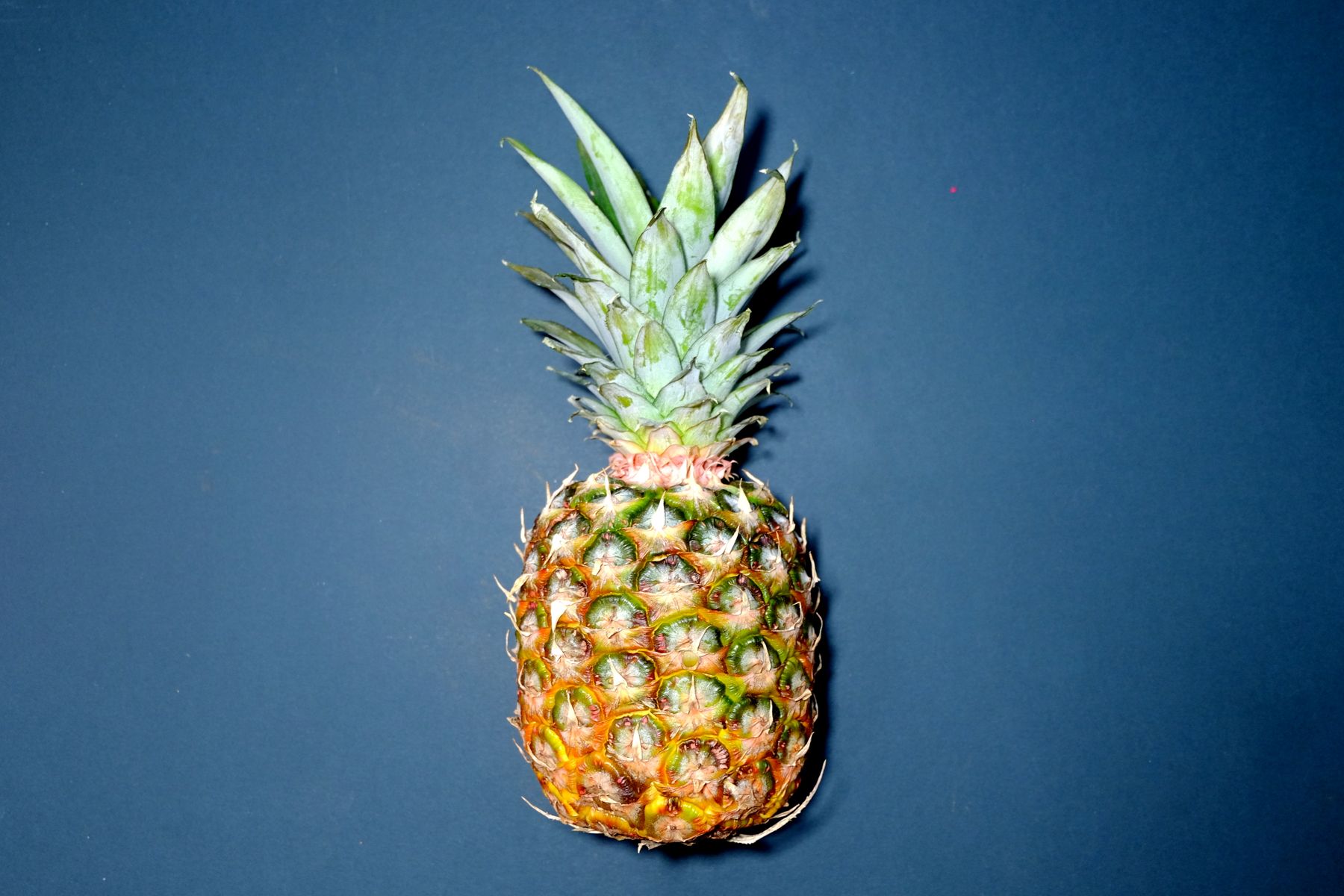
Pineapple is the unusual entry on this list. Pineapples can produce tiny seeds beneath the skin, but finding and preparing them is much more difficult than using the leafy crown. The source describes seed propagation as a fun challenge rather than the practical way to produce a pineapple plant.
If you do find seeds, clean them thoroughly and use a lightly damp setup rather than standing water. Germination can take weeks or even months. For anyone whose real goal is simply to grow a pineapple plant, the crown remains the more practical route.
Quick Tips for Better Germination
Change the water whenever it becomes cloudy or stale. Clean fruit residue from seeds before starting them, keep the setup warm, and never let seeds dry out unnecessarily—especially fresh citrus seeds. At the same time, avoid drowning seeds in water when the species prefers a damp rather than submerged environment.
Watch for warning signs. Mold, mushiness, or a bad smell usually means the setup has become too wet or contaminated. Starting again with clean material is often better than trying to rescue a rotting seed. Keep several seeds going at once because viability varies.
Once roots or shoots appear, remember that water is only the beginning. Young roots eventually need a suitable growing medium, oxygen, nutrients, and enough space to develop. Move seedlings carefully rather than leaving them indefinitely in a glass of water.
What to Expect After Germination
A sprouted seed is not the same thing as a finished fruit tree. Some plants take years to mature, and many fruit trees grown from seed do not reproduce the exact qualities of the parent fruit. Citrus may sometimes produce useful seedlings, while other fruit trees can vary considerably.
Your climate also matters. The original article lists USDA hardiness zones for the fruits, but those zones describe outdoor growing potential rather than the germination process itself. If your climate is outside the listed range, many of these plants can still be grown in containers and protected indoors when necessary.
The Bottom Line
Growing fruit from seeds is inexpensive, educational, and surprisingly satisfying. Start with clean, fresh seeds, use the method that fits the fruit, keep water fresh when water is appropriate, provide warmth, and be patient. Avocado, citrus, and mango are approachable experiments, while apples and cherries require a cold period, dragon fruit prefers a moist setup, and pineapple seeds are mainly a challenge for curious gardeners.
The best part is that you do not need a sophisticated propagation station to begin. A few recycled containers, clean water, damp paper towel, warmth, and careful observation are enough to turn kitchen leftovers into a small growing experiment. Just remember that germination is the first milestone—not the final harvest.