
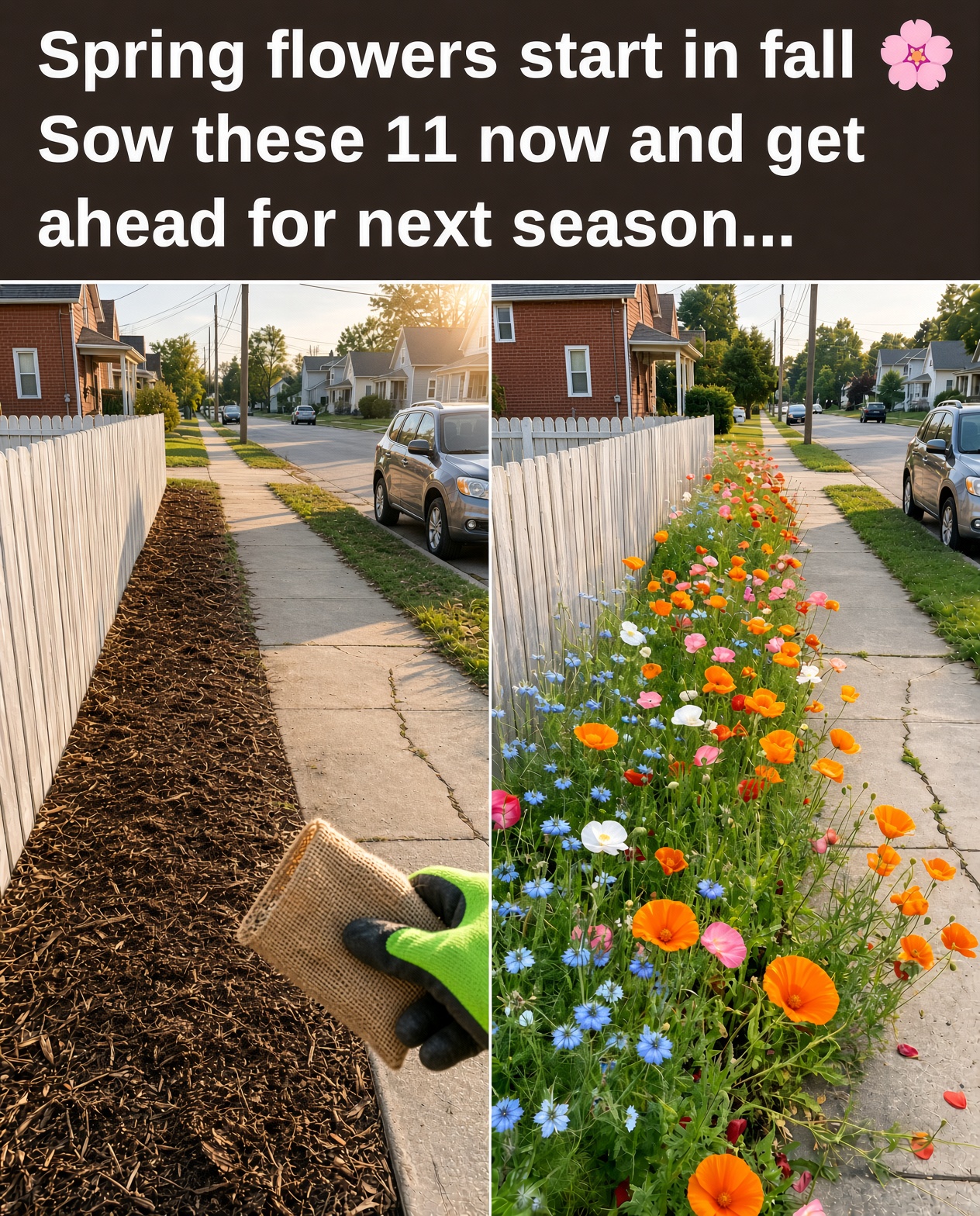
11 Flowers to Sow in Fall for Beautiful Spring Blooms (By Zone)
Fall is more than the season for cleaning up garden beds. For many hardy annuals, biennials, and perennials, it can also be the ideal time to sow seeds that will wait through winter and burst into growth when spring returns. This guide follows the supplied Tiny Garden Habit source and organizes its 11 recommended flowers by USDA growing zone.
Can You Really Sow Flower Seeds in Fall?
Yes. Many hardy annuals, biennials, and perennials can be sown in fall. The source explains that the transition from lingering warmth into colder weather can help suitable seeds remain dormant and then begin growing when spring conditions return. Fall sowing is therefore less about getting flowers immediately and more about preparing the garden for an earlier spring display. The important part is choosing flowers suited to your growing zone and timing sowing so seeds do not emerge too early.
Will Fall-Sown Seeds Sprout Too Early?
Early germination is possible, but timing can reduce the risk. In colder zones, the source recommends sowing immediately after the first hard frost so seeds are more likely to remain dormant through winter. In milder climates, fall sowing can happen more naturally because winter conditions are less severe. Think about local soil and weather rather than following one universal date. The goal is to let seeds settle without encouraging tender seedlings to appear before the coldest part of winter.
Zones 3–5: Cold-Winter Favorites
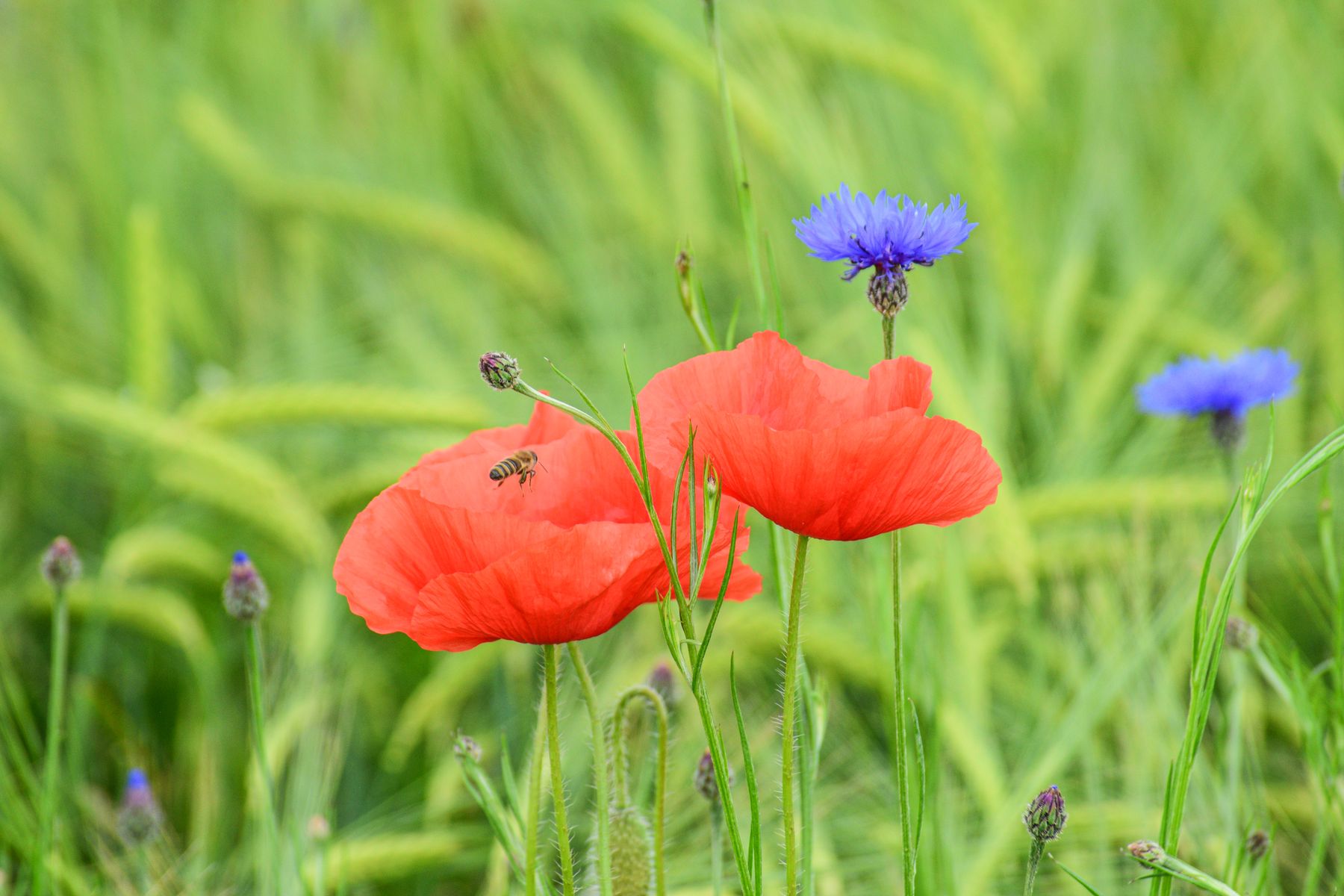
For USDA Zones 3 through 5, the source recommends poppies, sweet peas, cornflowers, and larkspur. These choices are suited to the colder conditions associated with northern winters when sown at an appropriate time. In extremely cold areas, sow immediately after the first hard frost. A light mulch can also provide some protection without burying the seed too deeply.
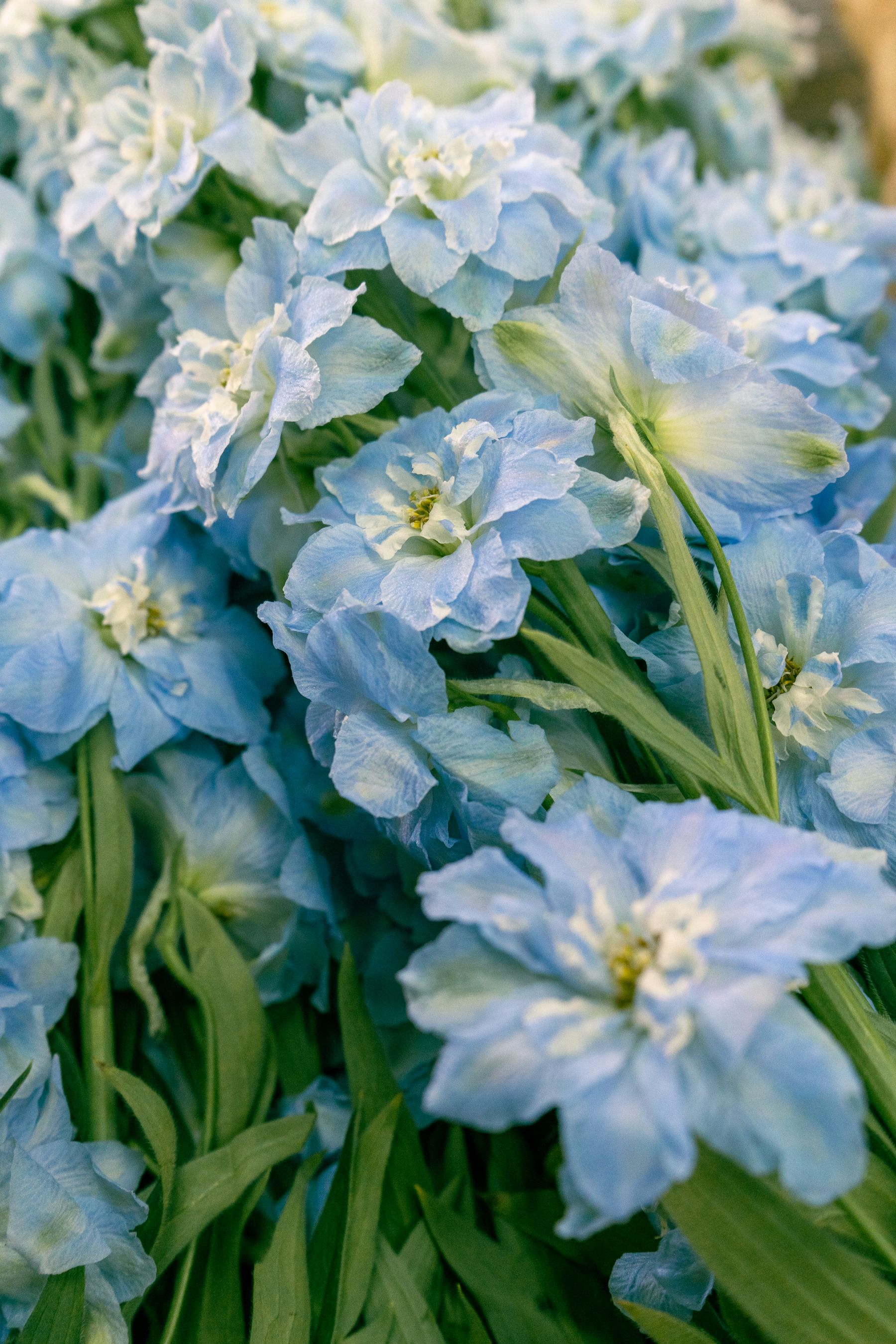
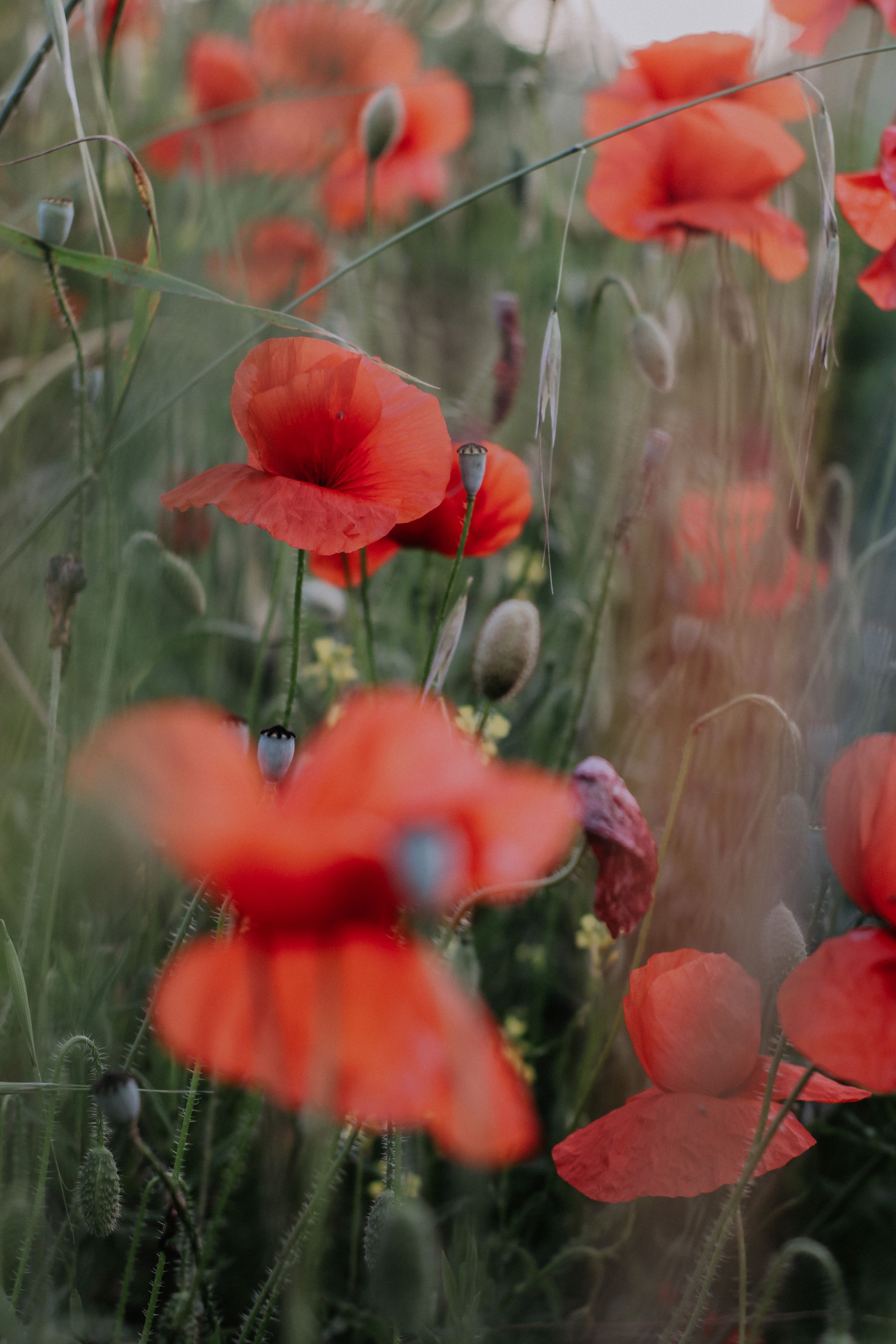
1. Poppies
Poppies are one of the source’s easiest fall-sowing choices. Scatter seeds over prepared soil in late fall rather than covering them heavily, following the packet directions for your variety. When spring warmth returns, they can germinate and develop into colorful flowers. Fall sowing also works well for gardeners who prefer a low-maintenance approach because the seeds can remain outdoors through winter.
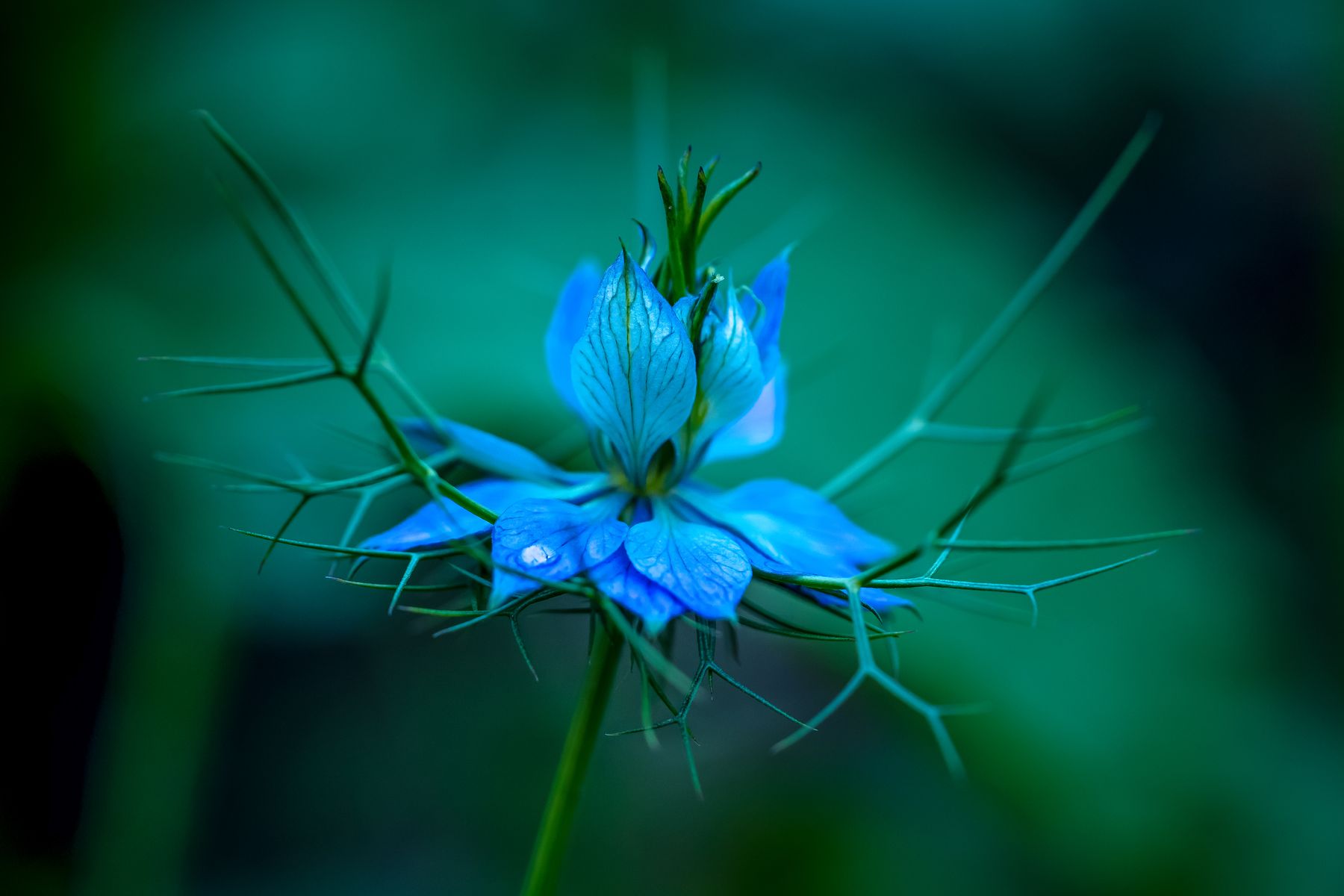
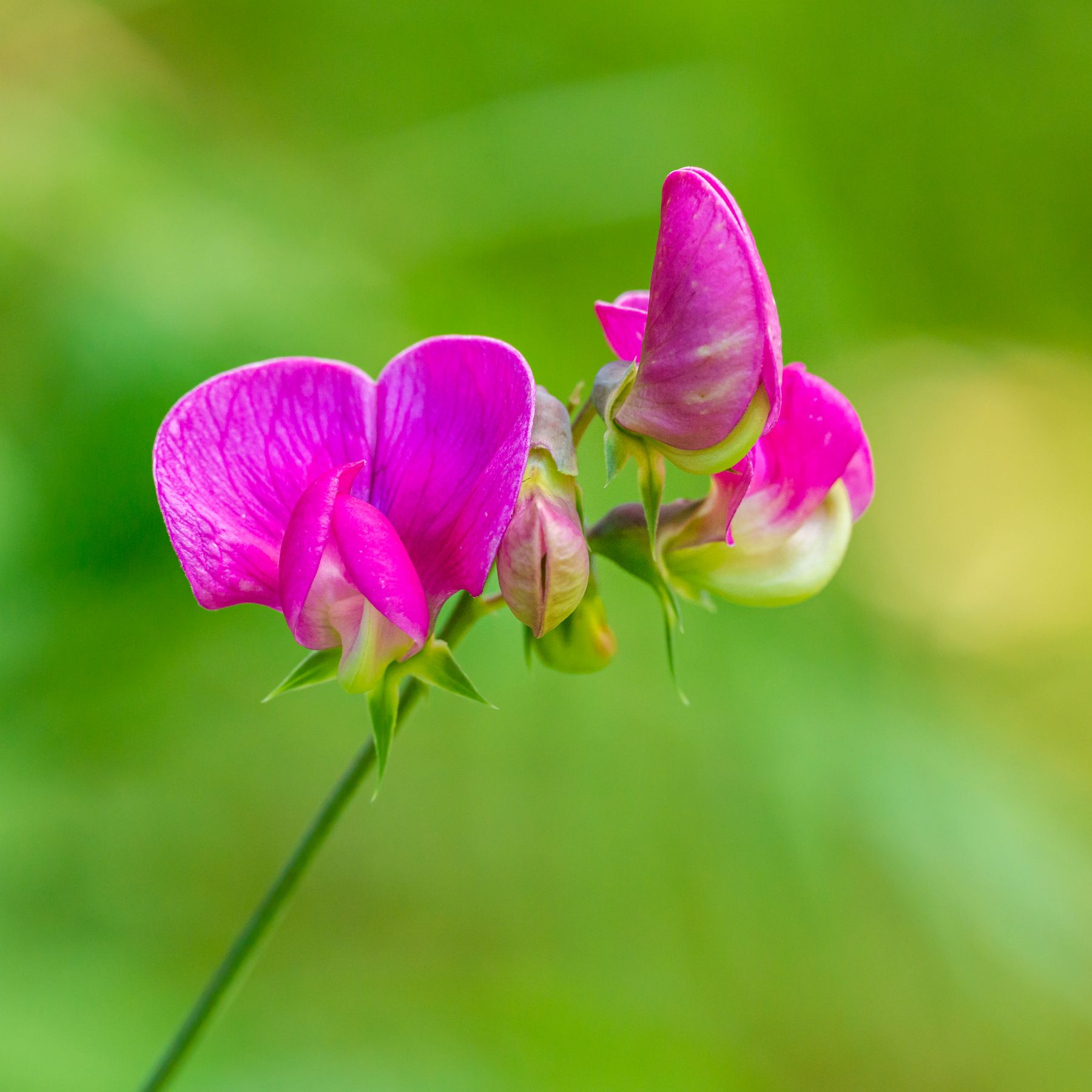
2. Sweet Peas
Sweet peas can be sown in fall in colder zones, with the source recommending a thin layer of mulch. The mulch provides some winter protection, particularly around young roots in very cold locations. Choose a well-prepared spot and avoid burying seeds beneath a thick blanket. The advantage of fall sowing is getting plants established early enough to take advantage of favorable spring conditions.
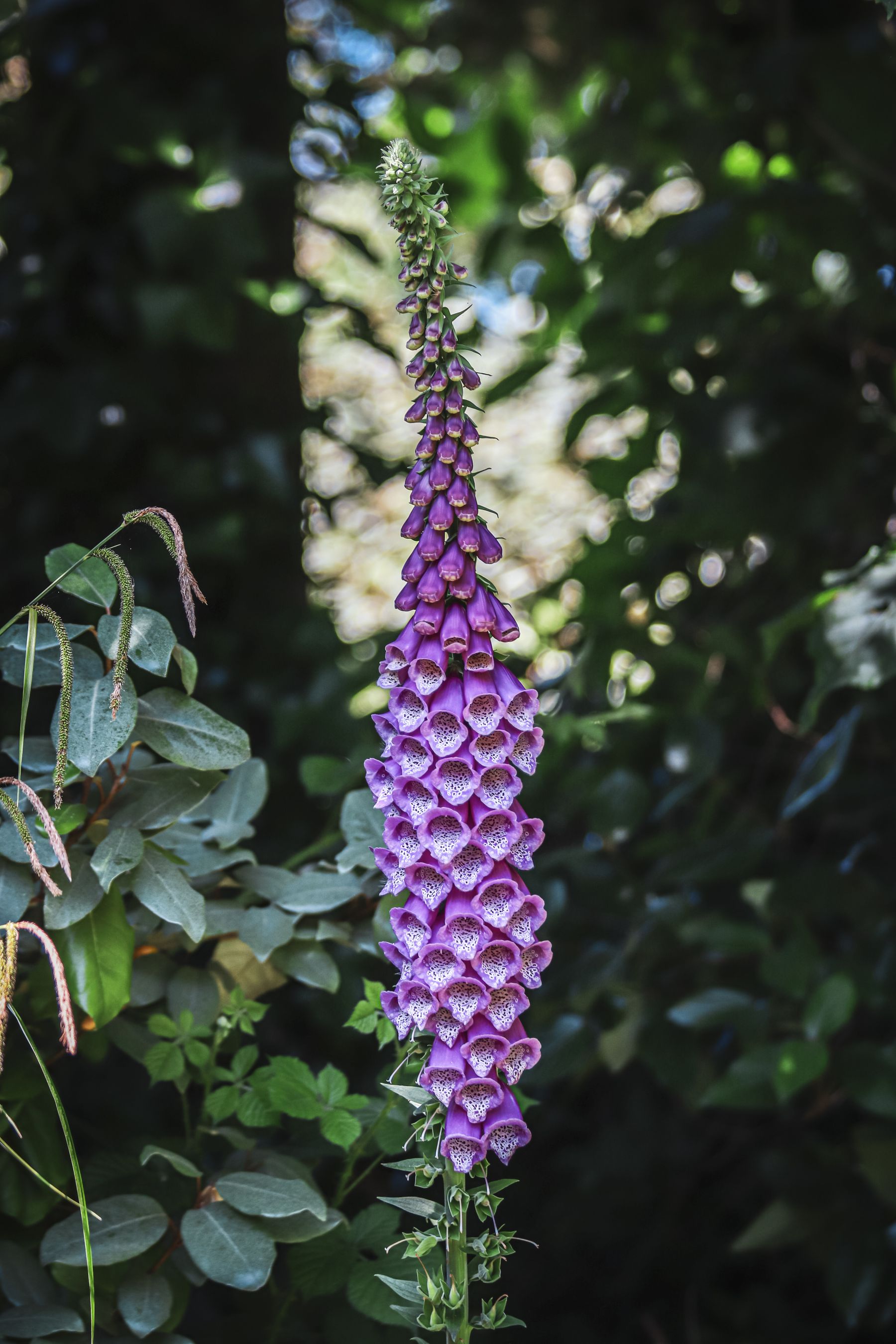
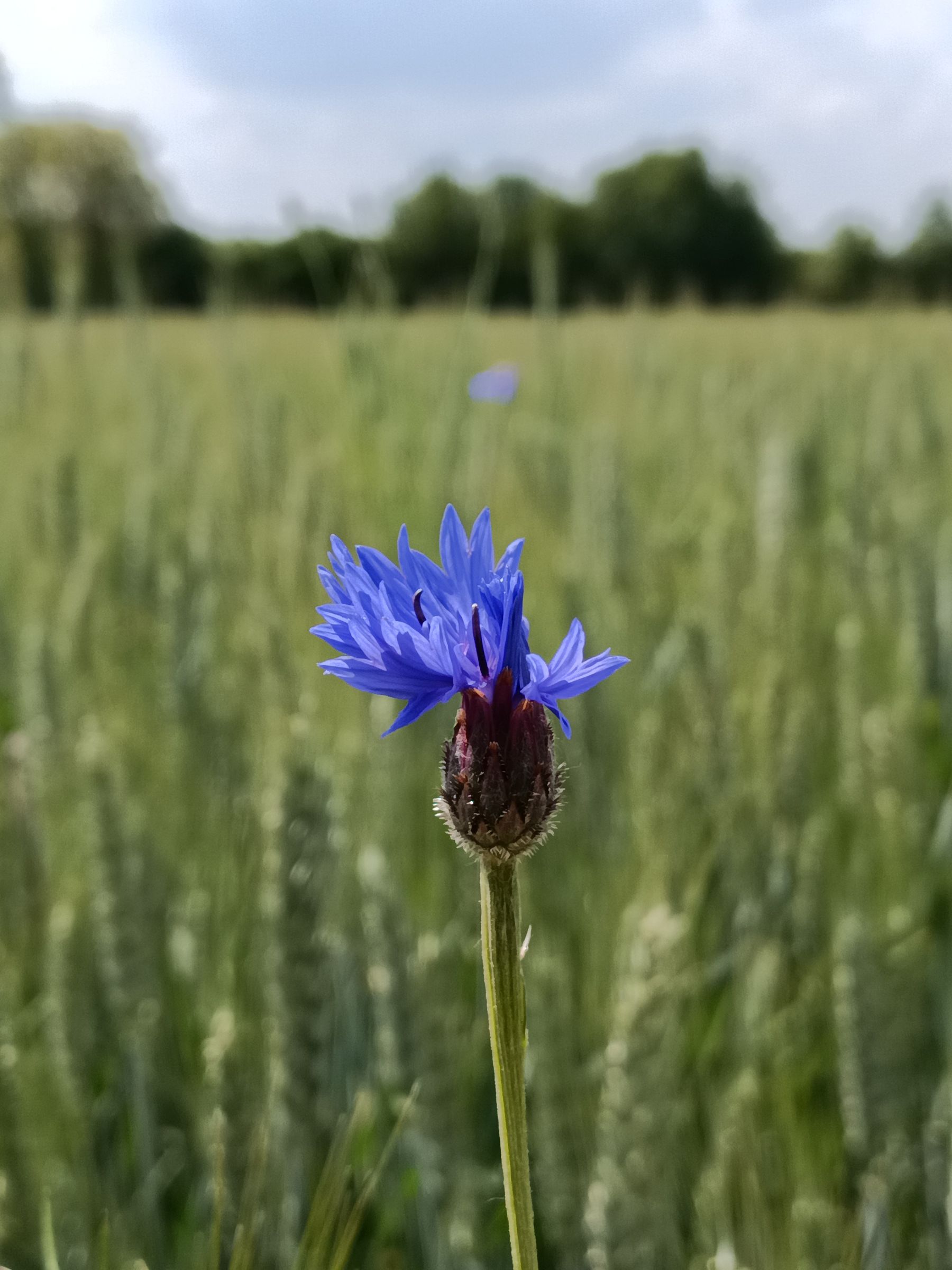
3. Cornflowers
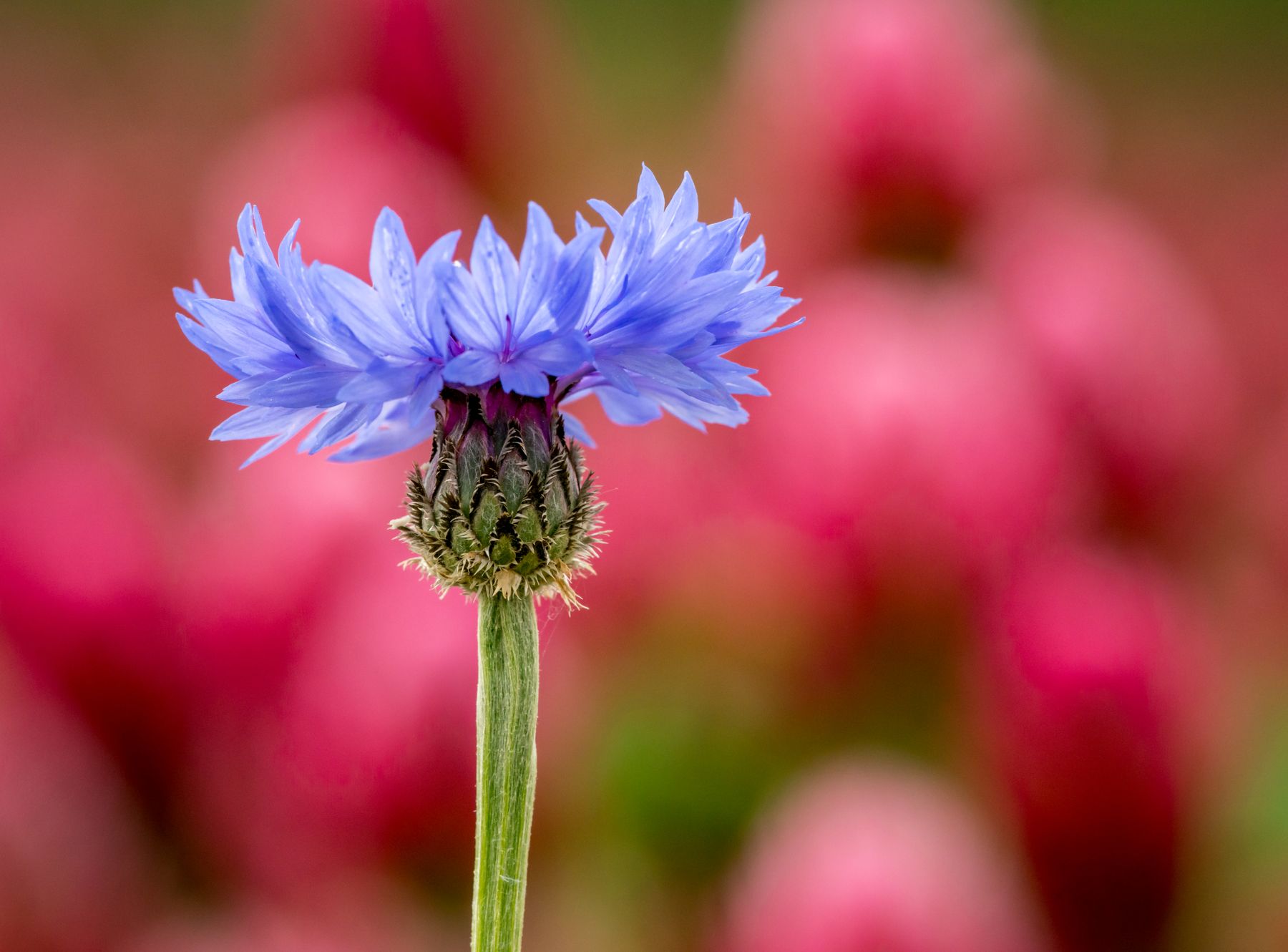
Cornflowers are another hardy annual included for Zones 3 through 5. Their cold tolerance makes them a useful candidate for fall sowing, and the source notes that they can overwinter fairly easily before producing early spring color. Scatter seed across loosened soil and mark the planting area clearly. That label becomes valuable once winter arrives and the garden no longer shows where tiny seeds were placed.
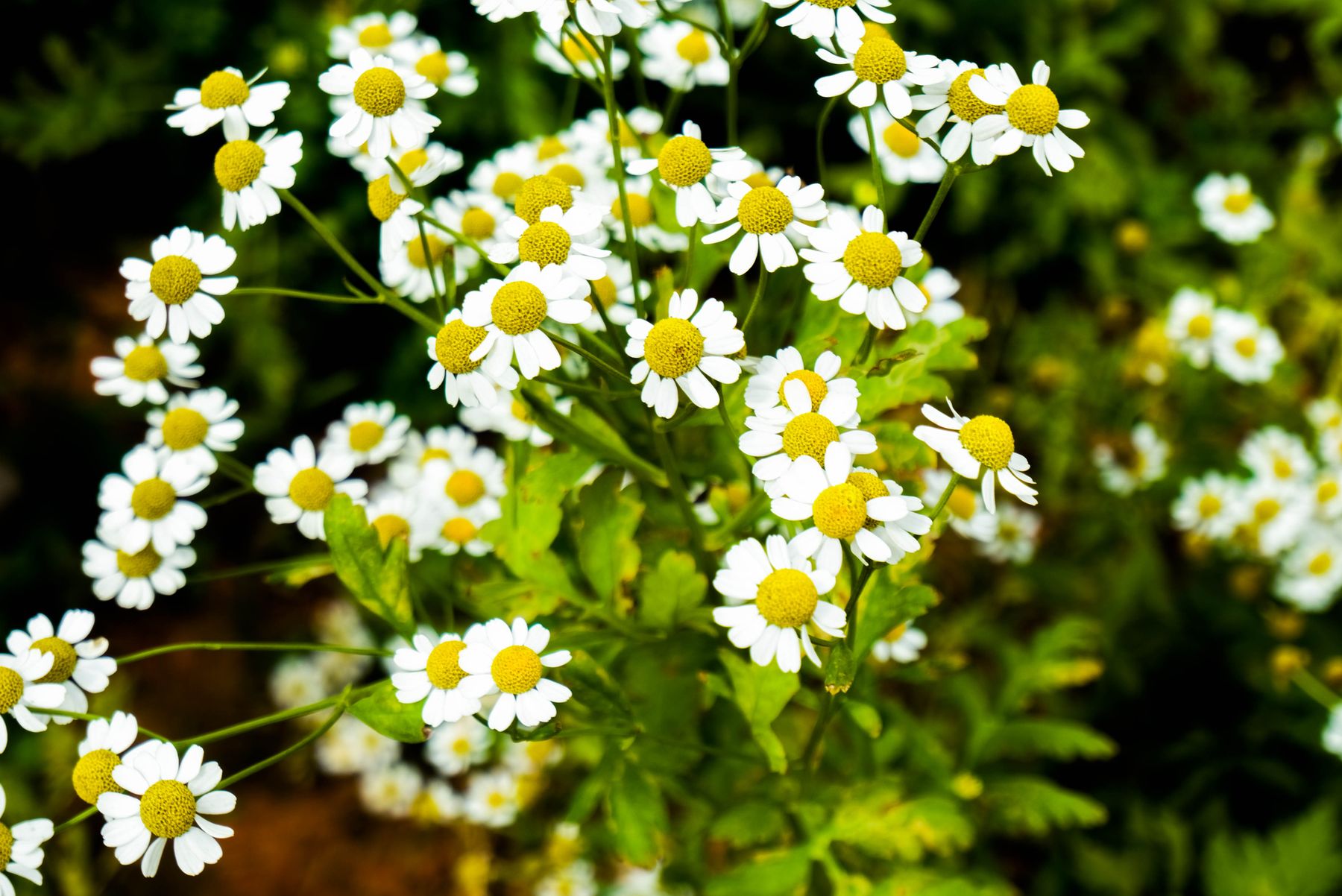
4. Larkspur
Larkspur is valued for its tall flower spikes and shades that can include purple, pink, red, and blue. The source specifically recommends fall sowing for strong spring performance. In extremely cold regions, sow after the first hard frost to reduce premature sprouting. Mark the area clearly so spring growth is not disturbed during garden cleanup.
Zones 6–7: A Longer Fall-Sowing Window
Gardeners in Zones 6 and 7 have a longer fall-sowing window. The source recommends nigellas, foxgloves, and Shasta daisies. These choices can benefit from cooler conditions, while a light mulch layer can help protect planting areas from winter heaving and sudden freezes. Actual timing should follow local weather rather than treating a zone number as an exact planting date.
5. Nigellas
Nigella, often called love-in-a-mist, is an easy flower to scatter because its seeds are small. Fall sowing can lead to delicate blue flowers in spring. Prepare the soil, scatter seeds where you want them, and lightly settle them according to packet directions. Because nigella can be relatively straightforward from seed, it is one of the source’s beginner-friendly choices.
6. Foxgloves
Foxgloves are biennials, and the source notes that they benefit from exposure to fall cold before producing their spring performance. Light mulch can help protect young plants from sudden winter freezes. Give them room because their flower spikes can become tall. Foxgloves are toxic if eaten, so grow them with appropriate care around children and pets.
7. Shasta Daisies
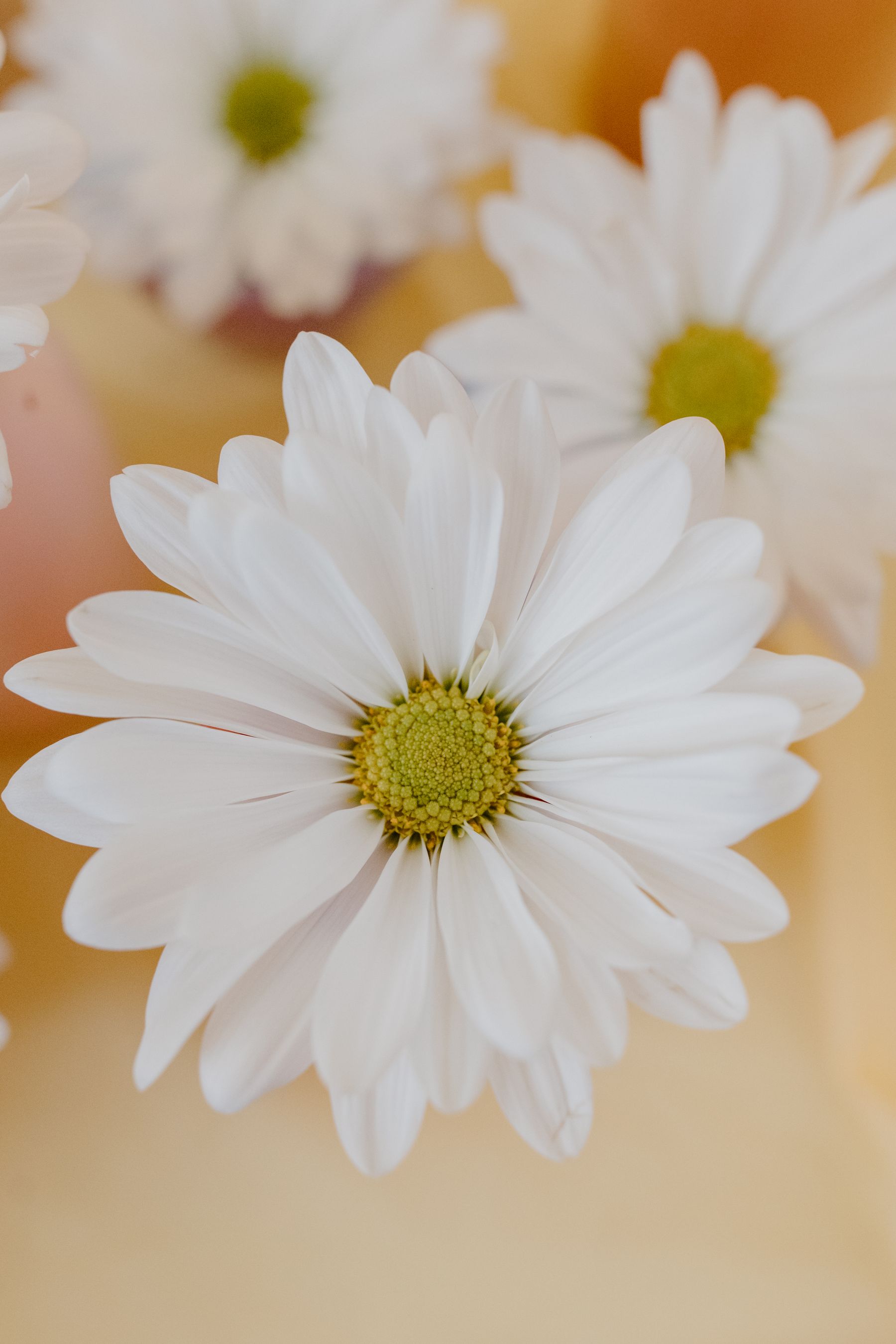
The source recommends sowing Shasta daisies in fall because cooler conditions can support strong root development before spring. Choose a prepared area, mark it clearly, and avoid persistently waterlogged soil. Once established, these plants can provide classic white-and-yellow daisy flowers to the garden.
Zones 8–10: Mild Winters and Extended Growing
For Zones 8 through 10, the source recommends calendula, snapdragons, delphiniums, and hollyhocks. Because winters are generally milder, fall can be a useful season for establishing these flowers. The source notes that spring sowing can become difficult when temperatures rise quickly, so an autumn start may give cool-season flowers a better beginning. Unexpected frosts can still occur, so be prepared to protect young plants.
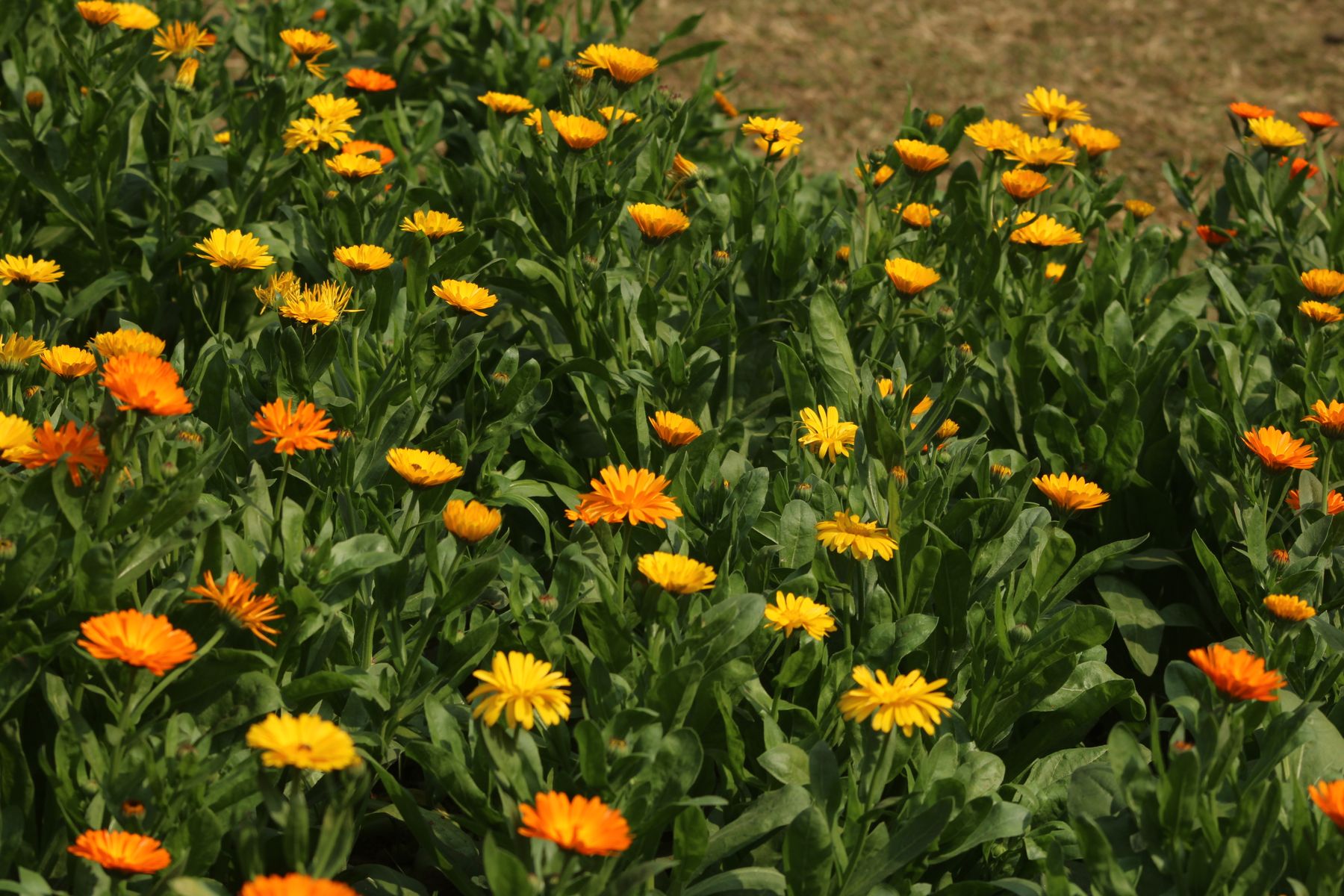
8. Calendula
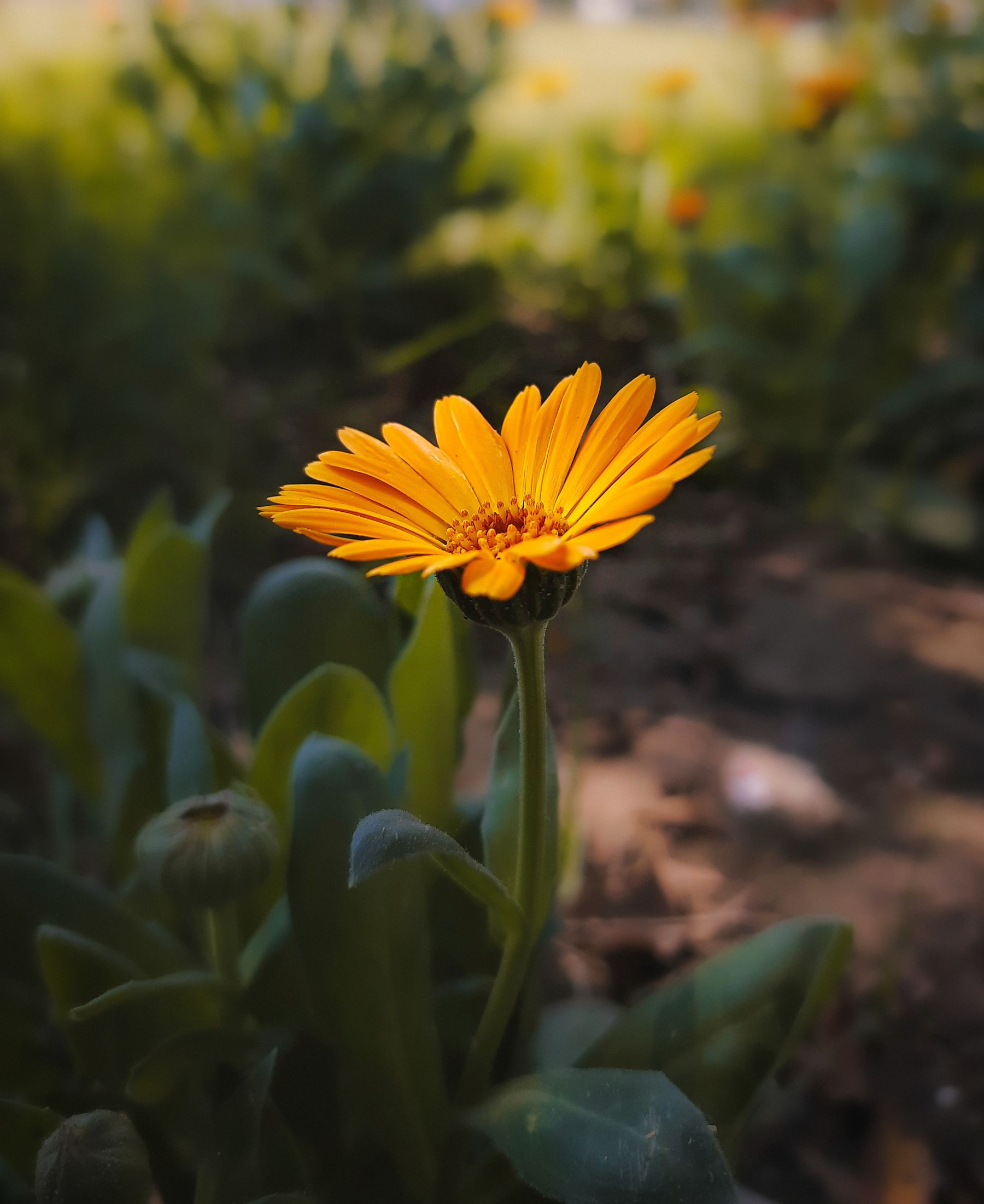
Calendula is described as a vigorous cool-season flower that can continue growing through winter in warmer regions and flower early in spring. It is particularly suited to the Zones 8–10 group. Sow where it receives suitable light and avoid constantly saturated soil. Calendula is also a friendly choice for beginners who want orange or yellow spring color.
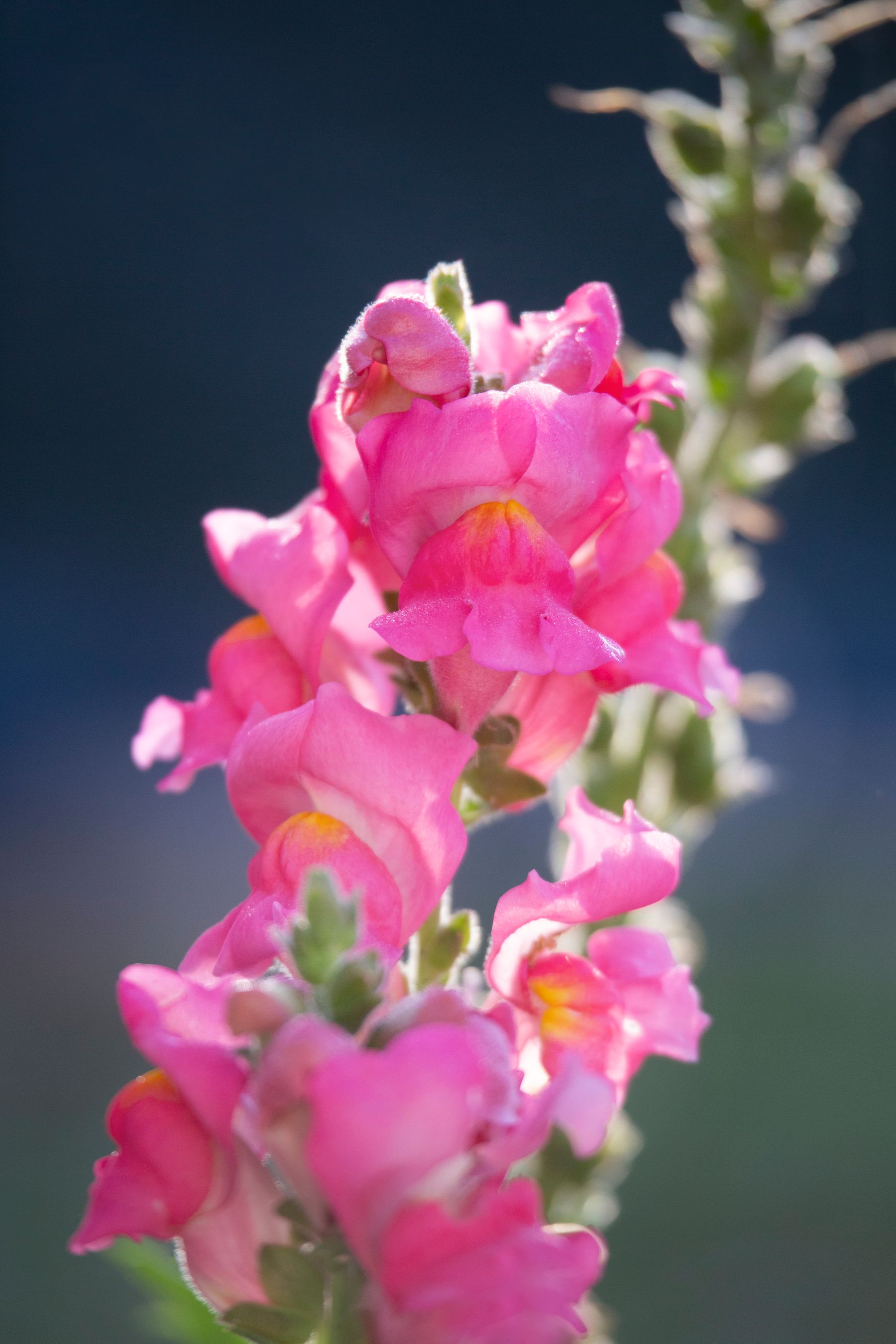
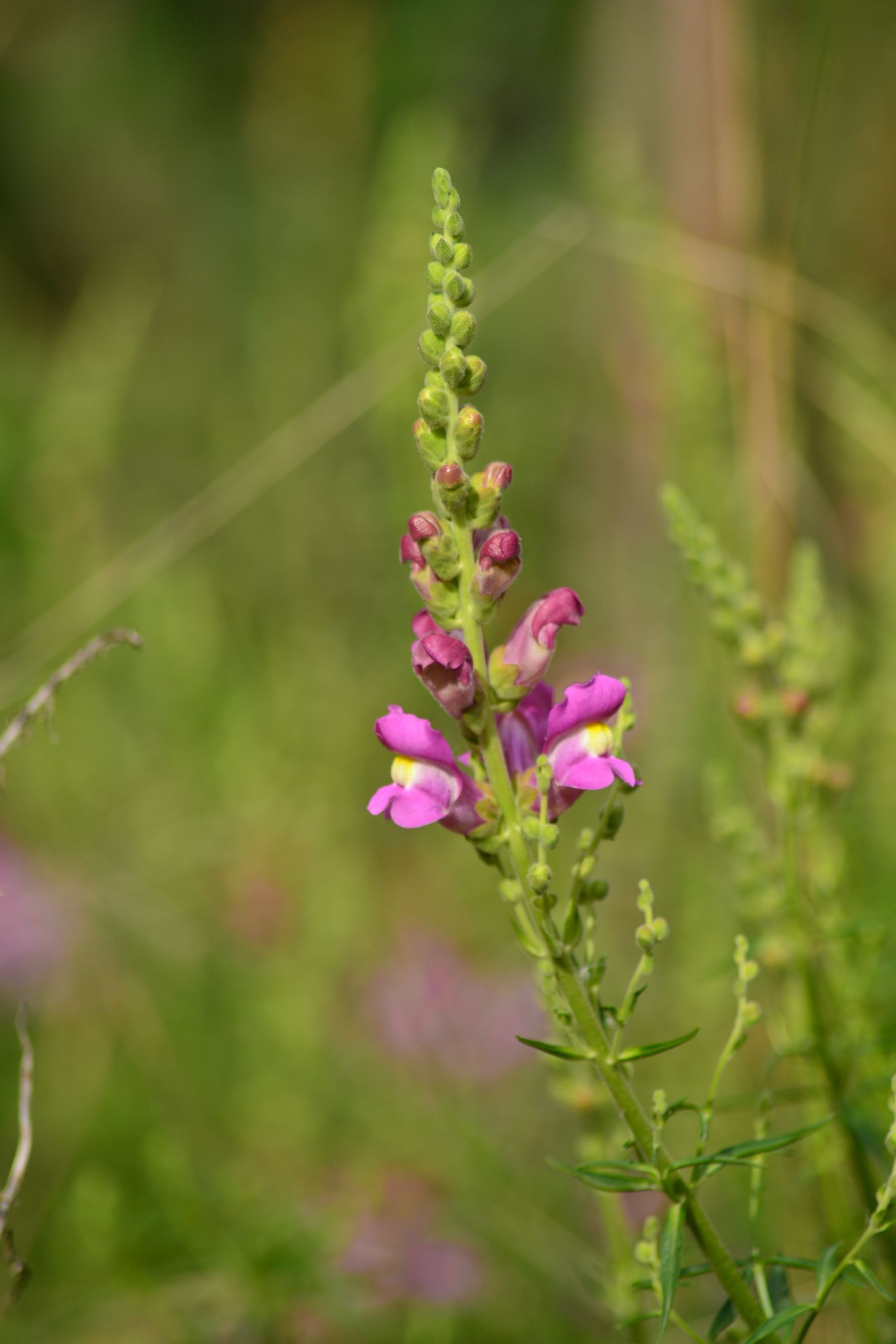
9. Snapdragons
Snapdragons thrive in cool conditions, making fall an attractive planting season in mild climates. The source says they can bloom beautifully around early to mid-spring after growing through cooler months. Give them suitable sunlight and drainage, and protect young plants if an unusually hard frost is expected. Their upright flower spikes add height and structure to spring beds.
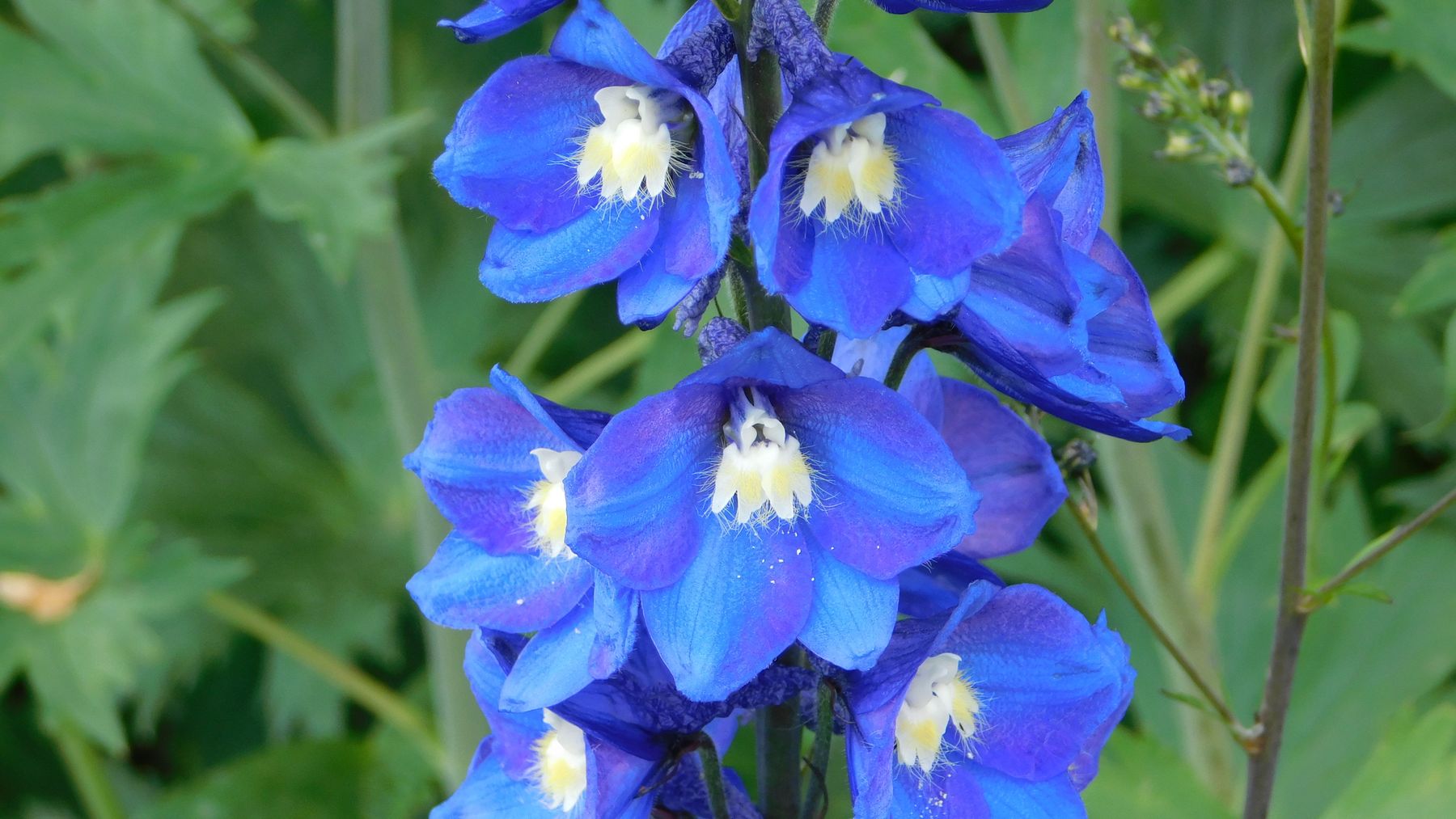
10. Delphiniums
Delphiniums are included because fall sowing can help them produce strong flower spikes earlier in spring. The source suggests frost cloth if temperatures unexpectedly dip in warmer zones. Their tall growth means they should be placed where larger plants will not shade them. Follow the seed packet’s depth and spacing instructions because varieties can differ.
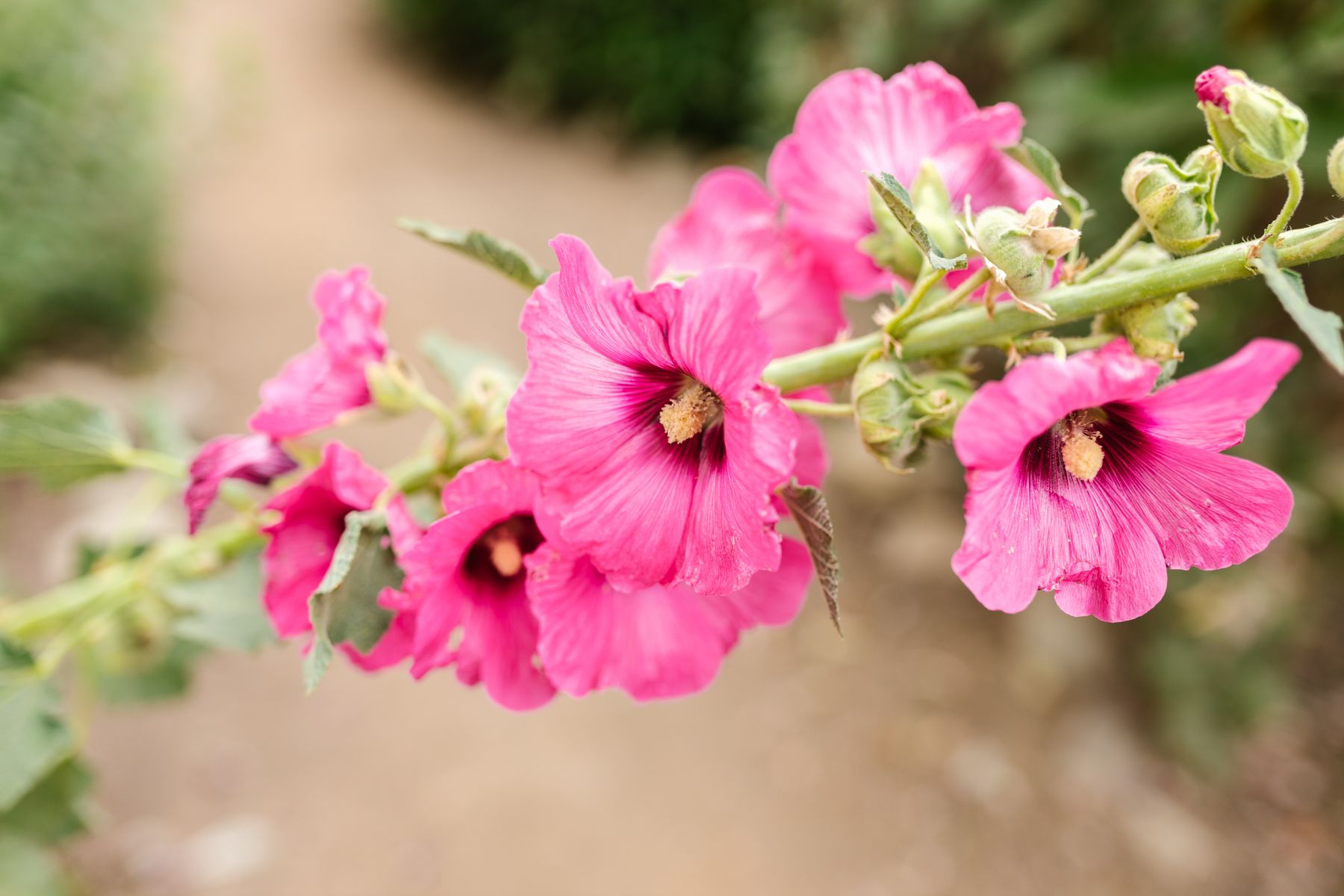
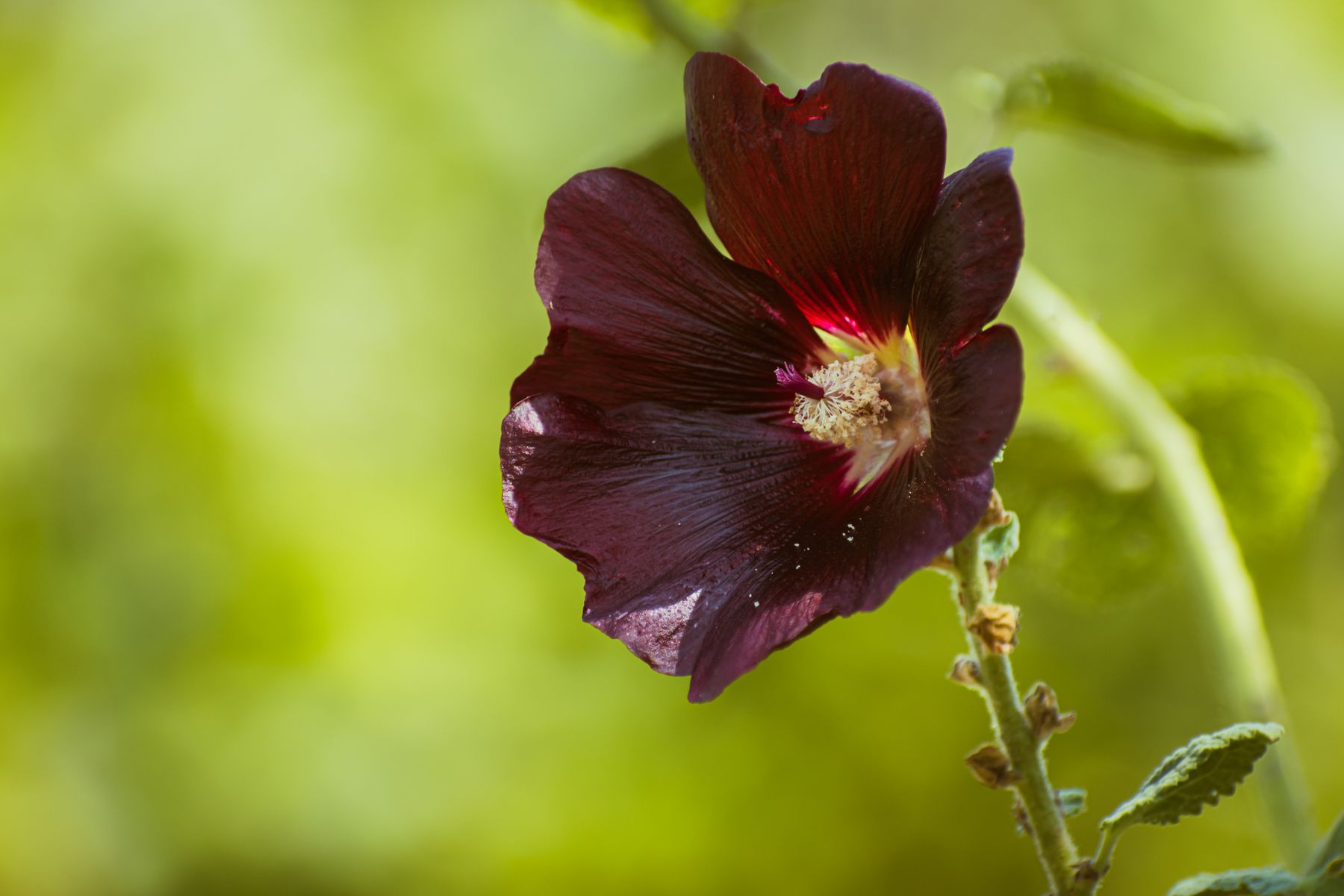
11. Hollyhocks
Hollyhocks round out the source’s Zones 8–10 recommendations. These tall flowers appreciate cool weather for establishment before putting on a stronger display. Give them plenty of room and a location where their eventual height will not overwhelm shorter plants. Fall sowing can allow them to develop during a relatively mild winter.
Simple Tricks That Make Fall Sowing Easier
A few habits make fall sowing more reliable. First, loosen the soil and rake it smooth before scattering seeds. Second, label or mark every sowing area because winter can erase visual clues. Third, use a thin layer of mulch when appropriate. The source emphasizes that mulch should not be piled so thickly that emerging seedlings struggle to reach the surface.
Try Succession Sowing in Mild Zones
The source also mentions succession sowing as a way to stretch the spring bloom window, particularly in Zones 7 through 10. Instead of putting every seed into the ground at once, sow a few batches several weeks apart when local conditions allow. Keep notes about sowing dates so you can compare results from year to year and refine your schedule.
Which Flowers Are Best for Beginners?
The source identifies poppies, calendulas, cornflowers, and nigellas as some of the easiest choices. Their relatively straightforward requirements make them good candidates for a first experiment. Start with a small patch, label it clearly, and observe what happens through winter and spring. Once you understand your local conditions, expand into more varieties.
The Best Fall-Sowing Strategy
The central lesson is simple: fall sowing is not about forcing flowers to grow during winter. It is about placing suitable seeds in the garden when they can settle, experience the conditions they need, and wait for spring. Choose flowers that fit your zone, sow at an appropriate point in the season, protect the planting area with light mulch where useful, and mark everything clearly. With those basics in place, autumn can become an important preparation season for a colorful spring garden.