
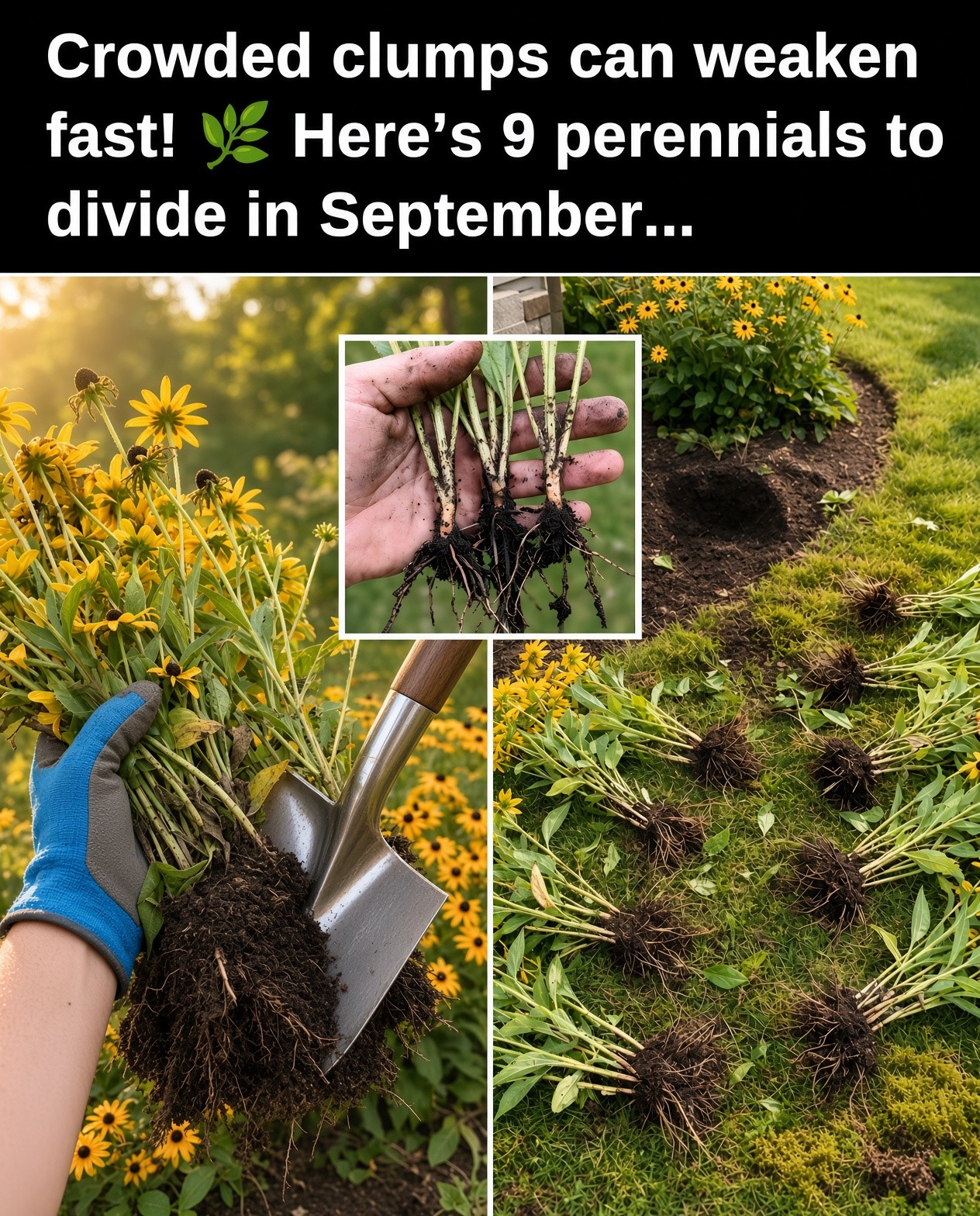
Why September Is a Good Time to Divide Perennials
Early fall can be an excellent window for dividing many established perennials because the soil is still warm while air temperatures are becoming cooler. That combination can give newly separated roots time to settle before winter. Division also helps rejuvenate crowded clumps, improve spacing, and create additional plants. September is not a universal deadline, though. Local frost dates, recent weather, and the plant’s flowering cycle all matter. A perennial that is still actively flowering or stressed by heat may be better left alone. Choose a healthy, established plant, work on a mild day, and replant divisions promptly so they do not dry out. Another useful benefit is that dividing an overcrowded plant can make the entire bed easier to maintain because individual plants have more room to breathe and are easier to inspect. In colder climates, earlier September is generally safer than waiting until late in the month. In mild climates, the useful planting window may extend farther into autumn. Soil preparation matters after division. Loosen compacted ground, remove persistent weeds, and mix in mature organic matter when appropriate rather than relying on a heavy dose of fertilizer.

1. Daylilies
Daylilies are among the easiest perennials to divide because their crowns naturally form fan-shaped sections. When an established clump becomes crowded, the center may weaken and flowering can decline. Dig around the plant, lift it carefully, and separate healthy fans with roots attached. A sharp spade or knife makes clean divisions. Replant at about the same depth as the original plant and water thoroughly. If your daylily is still blooming heavily or your area is already approaching hard frost, wait for a better window rather than rushing the job. If the roots are tangled, work from the outside inward rather than hacking through the entire crown at once. Preserve the strongest growing points and discard clearly dead material. Another useful benefit is that dividing an overcrowded plant can make the entire bed easier to maintain because individual plants have more room to breathe and are easier to inspect. In colder climates, earlier September is generally safer than waiting until late in the month. In mild climates, the useful planting window may extend farther into autumn.

2. Hostas
Hostas are excellent candidates for division when older clumps become oversized or the center stops producing strong leaves. Dig the clump widely and lift it without cutting through the crown more than necessary. Separate sections that contain roots and at least one strong growing point. Replant them in rich, well-drained soil and keep them consistently moist while new roots establish. September can work well in moderate climates, especially when several weeks of mild weather remain. Avoid dividing during a heat wave, and give each new section enough room to develop instead of crowding the pieces together. Keep a bucket of water nearby on warm days and protect exposed roots from direct sun. Replanting quickly is one of the simplest ways to reduce transplant stress. If the roots are tangled, work from the outside inward rather than hacking through the entire crown at once. Preserve the strongest growing points and discard clearly dead material. Another useful benefit is that dividing an overcrowded plant can make the entire bed easier to maintain because individual plants have more room to breathe and are easier to inspect.

3. Black-Eyed Susans
Black-eyed Susans can become dense and less productive after several seasons. Dividing an established clump can help maintain a tidy shape and encourage renewed vigor. Choose a healthy plant, dig beneath the root mass, and separate sections with strong roots and shoots. Replant in a sunny location with soil that drains well. Water deeply after planting and continue to monitor moisture while the divisions establish. Do not divide plants that are already struggling with severe drought or disease. A strong parent plant is more likely to produce strong divisions. Soil preparation matters after division. Loosen compacted ground, remove persistent weeds, and mix in mature organic matter when appropriate rather than relying on a heavy dose of fertilizer. Keep a bucket of water nearby on warm days and protect exposed roots from direct sun. Replanting quickly is one of the simplest ways to reduce transplant stress.

4. Coneflowers
Coneflowers are long-lived perennials, but old clumps can eventually become crowded. Division can create more space between plants and help maintain vigorous growth. Lift the clump carefully, shake away some loose soil, and divide it into sections with healthy roots and shoots. Replant promptly in full sun and well-drained soil. Keep new divisions watered while they develop roots, especially if autumn remains dry. Leave enough room between plants for mature foliage and good airflow. There is no advantage in dividing a healthy, uncrowded coneflower simply because September has arrived. In colder climates, earlier September is generally safer than waiting until late in the month. In mild climates, the useful planting window may extend farther into autumn. Soil preparation matters after division. Loosen compacted ground, remove persistent weeds, and mix in mature organic matter when appropriate rather than relying on a heavy dose of fertilizer.

5. Peonies
Peonies can be divided in early fall when a mature plant needs rejuvenation or when you want to create additional plants. Lift the clump carefully and separate pieces that contain healthy roots and several viable buds, often called eyes. One of the most important details is planting depth: peony eyes should sit only a small distance beneath the soil surface. Planting them too deeply can lead to weak flowering or no flowers at all. Water the new divisions thoroughly and keep the soil reasonably moist while roots establish. Avoid dividing weak or diseased plants, and give the new pieces time to settle before severe winter weather arrives. Another useful benefit is that dividing an overcrowded plant can make the entire bed easier to maintain because individual plants have more room to breathe and are easier to inspect. In colder climates, earlier September is generally safer than waiting until late in the month. In mild climates, the useful planting window may extend farther into autumn.

How to Divide Perennials Successfully
A successful division starts before you dig. Water the parent plant thoroughly so the soil is easier to work and the roots are less likely to dry out. Use a garden fork or sharp spade, and prepare the new planting holes before lifting the old clump. Separate only healthy pieces with viable roots and shoots. Replant at the correct depth, firm the soil gently around the roots, and water immediately. Keep new divisions consistently moist during the establishment period, but do not leave them sitting in saturated soil. A light layer of mulch can help stabilize moisture and soil temperature as autumn progresses. If the roots are tangled, work from the outside inward rather than hacking through the entire crown at once. Preserve the strongest growing points and discard clearly dead material. Another useful benefit is that dividing an overcrowded plant can make the entire bed easier to maintain because individual plants have more room to breathe and are easier to inspect.

When You Should Wait Instead
Not every perennial should be divided in September. Some plants are best left alone because their roots resent disturbance, their growth cycle makes spring division more reliable, or your local winter arrives too quickly. Avoid dividing plants that are visibly weak, drought-stressed, diseased, or recently planted. Also be cautious when hard frost is only a short time away. The purpose of fall division is to give plants time to establish, not to create a last-minute transplanting project. If the calendar says September but your weather does not provide a reasonable establishment window, wait for a safer season. Keep a bucket of water nearby on warm days and protect exposed roots from direct sun. Replanting quickly is one of the simplest ways to reduce transplant stress. If the roots are tangled, work from the outside inward rather than hacking through the entire crown at once. Preserve the strongest growing points and discard clearly dead material.

Final September Checklist
Before you finish, check that each new division has healthy roots, is planted at the correct depth, and is receiving enough moisture. Labeling new pieces can be helpful when you are working with several cultivars at once. Remove broken foliage and keep nearby weeds from competing for water. Watch the forecast for an early freeze and protect newly planted divisions according to your local conditions. With good timing, clean cuts, careful replanting, and steady aftercare, dividing perennials in September can refresh an older border and give you more healthy plants for future seasons. Soil preparation matters after division. Loosen compacted ground, remove persistent weeds, and mix in mature organic matter when appropriate rather than relying on a heavy dose of fertilizer. Keep a bucket of water nearby on warm days and protect exposed roots from direct sun. Replanting quickly is one of the simplest ways to reduce transplant stress.
