
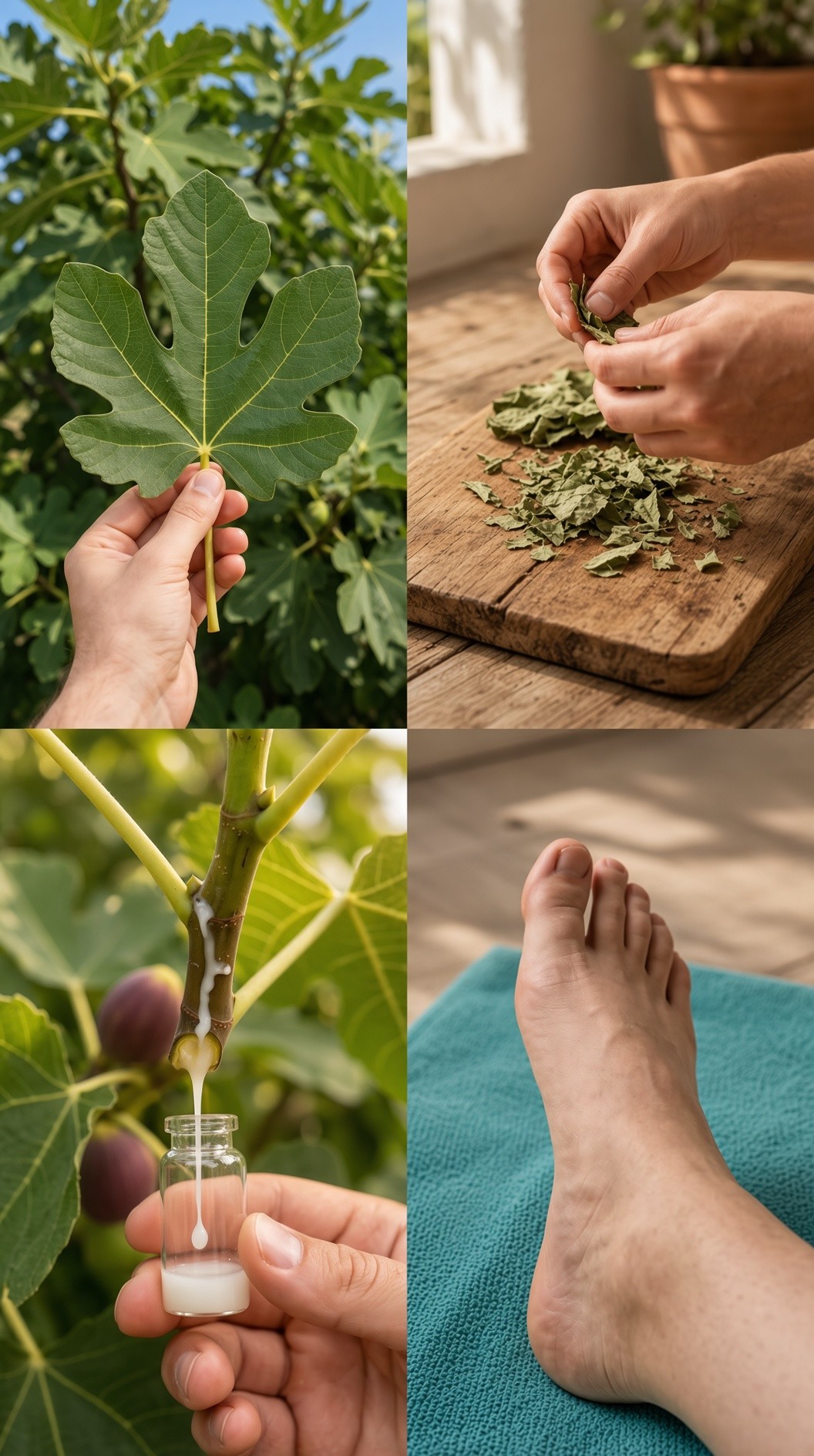
The fig tree gives us more than its familiar fruit. Its broad green leaves have a long history of traditional use and are now attracting attention for their plant compounds and possible wellness applications. Here is a practical, evidence-aware look at what fig leaves may offer—and where the claims need caution.

1. Why Fig Leaves Deserve a Closer Look
Figs are usually celebrated for their sweet fruit, but the broad leaves of the fig tree have also been used in traditional food and herbal practices. Their distinctive aroma, texture, and plant compounds make them an interesting ingredient to explore—especially when prepared simply as an infusion.
Modern interest should be balanced with realistic expectations. Traditional use does not automatically prove that a plant treats disease, and research on fig leaves is still much more limited than the popularity of online wellness claims suggests.
2. A Source of Plant Compounds
Fig leaves contain naturally occurring compounds such as polyphenols and flavonoids, along with nutrients and fiber. These substances are part of the reason researchers have investigated fig leaves for antioxidant and metabolic effects.
 Antioxidants help protect cells from oxidative stress, but a cup of fig-leaf tea should not be viewed as a replacement for a varied diet rich in vegetables, fruits, legumes, whole grains, nuts, and other nutrient-dense foods.
3. Blood Sugar: An Area of Research
One of the most discussed uses of fig leaves is blood-sugar support. Experimental and small human studies have investigated whether fig-leaf preparations can influence glucose metabolism or insulin response.
 That research is interesting but not strong enough to treat fig leaves as a diabetes remedy. Anyone taking glucose-lowering medication should be especially careful with concentrated herbal products because combining them with medication could affect blood sugar.
4. Digestive Comfort and Everyday Tea
Fig-leaf tea is often described as a soothing herbal drink, and the warm beverage itself can be a pleasant addition to a daily routine. The leaves contain plant material and fiber, although a strained tea provides much less fiber than eating a whole plant food.
 If you enjoy the flavor, treat the tea as a food or beverage rather than a cure for constipation, ulcers, IBS, or other digestive disorders. Persistent digestive symptoms deserve proper medical evaluation.
5. Heart Health: Keep the Bigger Picture in Mind
Research has explored fig leaves and cardiovascular markers, including blood lipids, but the evidence is not sufficient to claim that fig leaves prevent heart attacks or strokes. Heart health is influenced by many established factors, including blood pressure, cholesterol, physical activity, smoking, sleep, and overall diet.
 Fig leaves can be an interesting botanical ingredient, but they should complement—not replace—evidence-based habits and medical care.
6. Skin and Traditional Topical Uses
Fig leaves and fig-derived preparations appear in traditional skincare practices, and their plant compounds have antioxidant and antimicrobial activity in laboratory research. That makes them scientifically interesting, but laboratory activity is not the same as a proven treatment for acne, eczema, psoriasis, or other skin conditions.
 Fresh fig sap can also irritate skin in some people, particularly when combined with sunlight. For that reason, homemade topical remedies should be approached cautiously, and established skin conditions are better managed with advice from a qualified clinician.
7. A Simple Fig-Leaf Tea
If you want to try fig leaves as a beverage, keep the preparation straightforward. Use clean, pesticide-free leaves from a correctly identified edible fig tree. Wash them well, then simmer a small amount in water and strain before drinking.
 Start with a modest serving rather than assuming more is better. Stop if you develop an unusual reaction, and avoid using homemade fig-leaf preparations as a substitute for prescribed treatment. People who are pregnant, breastfeeding, taking regular medication, or managing a chronic condition should ask a healthcare professional before using concentrated herbal preparations.
8. What to Remember Before Trying Them
Fig leaves are an intriguing traditional ingredient with promising laboratory and early research, but many of the strongest health claims found online go beyond what current evidence can support. Their best place in a wellness routine is as an optional food or herbal beverage—not as a miracle cure.
 Choose clean leaves, prepare them conservatively, and keep expectations realistic. If your goal is better blood sugar, heart health, digestion, skin, or weight management, the most reliable results still come from established nutrition, activity, sleep, and medical guidance.
The Takeaway
Fig leaves are a fascinating example of a plant part that deserves more attention. They contain bioactive compounds and have a long history of traditional use, while early research suggests several areas worth studying further. At the same time, evidence is not yet strong enough to support many of the sweeping health claims commonly repeated online.
Enjoy fig leaves for what they are: an interesting botanical food and tea ingredient, with sensible expectations and appropriate caution.