
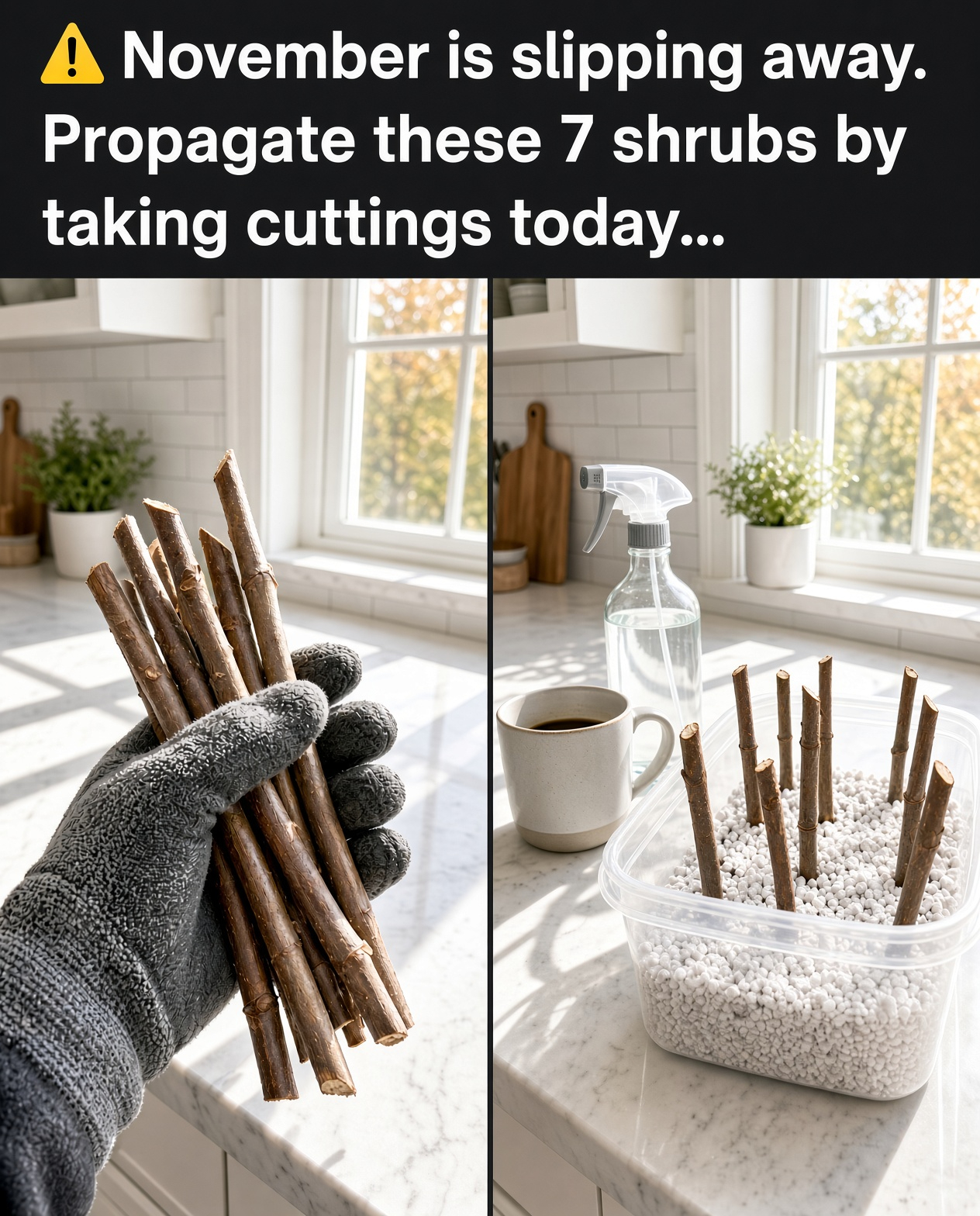
November may look like the end of the gardening season, but it offers a wonderful opportunity to create new shrubs without buying additional plants. Once deciduous shrubs have dropped their leaves and entered dormancy, their firm, mature stems can be used to grow new plants through hardwood cuttings.
This method takes patience, but it is simple and affordable. You only need healthy branches, a suitable rooting mix, and somewhere protected to keep your cuttings through winter. By spring, some may begin developing roots and new growth.

How to Prepare Hardwood Cuttings
Before choosing your shrubs, learn the basic technique. Select healthy, straight shoots produced during the current growing season. Ideally, they should be about as thick as a pencil and free from disease or damage.
- Choose suitable stems: Look for firm, mature branches after the shrub has become dormant.
- Cut to size: Most cuttings should measure approximately 6–8 inches, although some shrubs benefit from slightly longer pieces.
- Make the lower cut: Cut straight across just below a leaf node.
- Mark the top: Make a slanted cut above a bud so you can easily tell which end belongs in the soil.
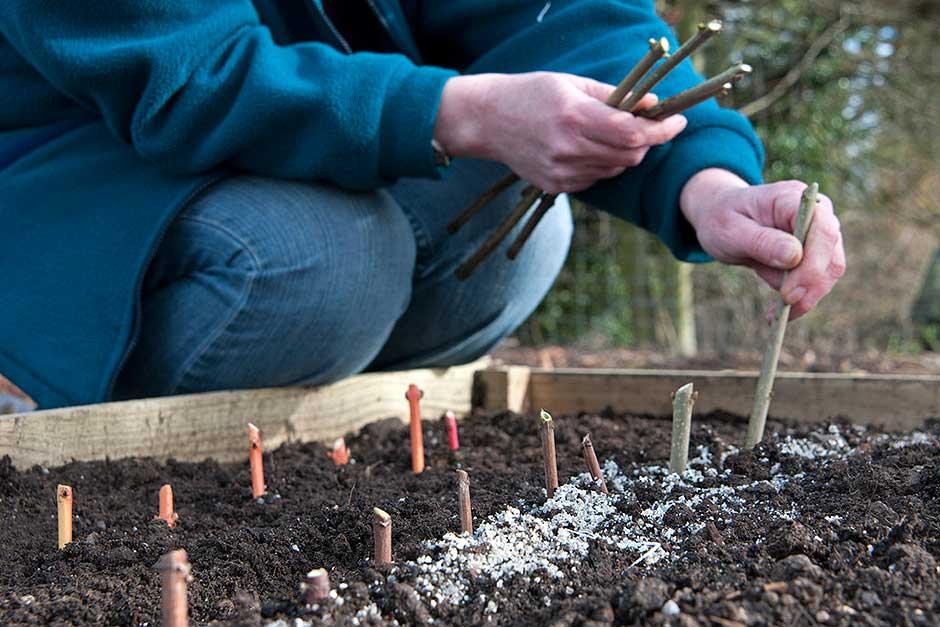
- Plant correctly: Insert roughly the lower two-thirds into a well-draining rooting mixture, leaving one or two buds above the surface.
- Maintain moisture: Keep the medium lightly moist, never waterlogged.
Label every cutting with its plant name. When several varieties are sitting together without leaves, identifying them later can become surprisingly difficult.
1. Forsythia
Forsythia is one of the easiest shrubs to try when you’re learning hardwood propagation. Its vigorous growth makes it a good candidate for taking cuttings once the yellow autumn foliage has fallen.
Choose healthy, mature shoots and cut them into sections approximately 6–8 inches long. Make the bottom cut just beneath a node and the upper cut above a bud.
Place the lower portion into a well-draining rooting mix and gently firm the medium around each stem. Keep the containers in a sheltered location where winter winds cannot dry them out.
Helpful tip: Take cuttings from several different branches instead of removing too much growth from one section of the shrub. This helps preserve the plant’s future spring display.
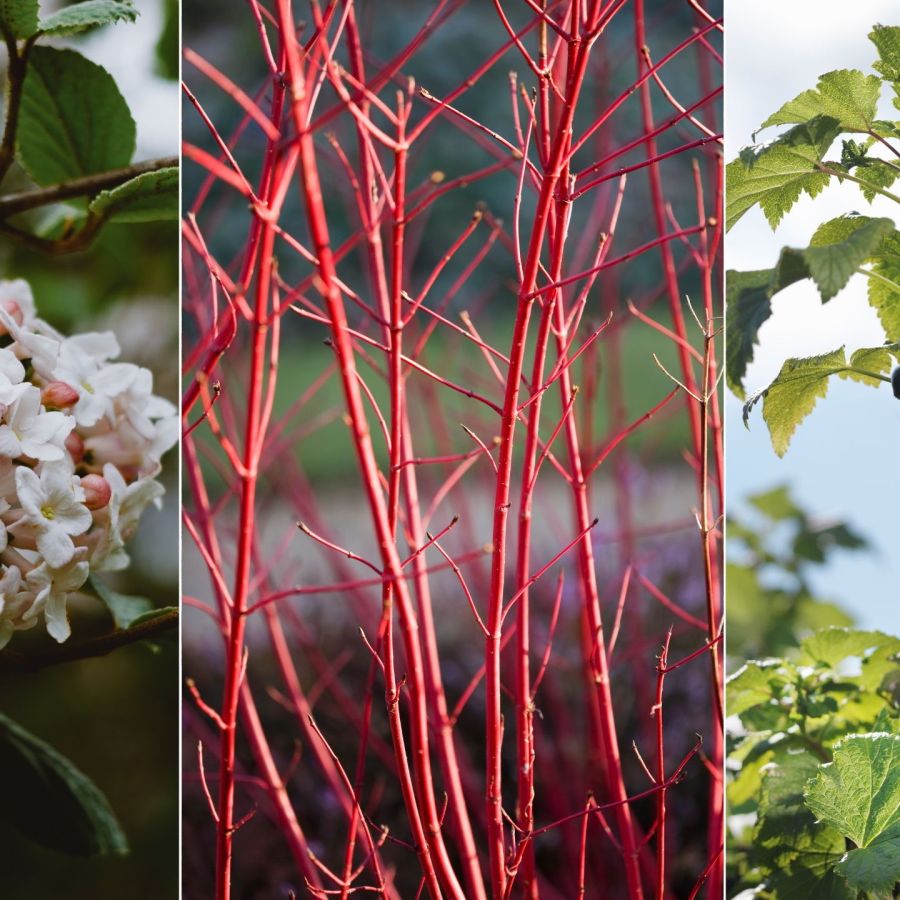
2. Suitable Hydrangeas
Hydrangeas can also be propagated from hardwood cuttings in November, although success depends on the variety and growing conditions. Panicle hydrangeas, including ‘Limelight’, are worth trying. Bigleaf hydrangeas can be more challenging with this method, as they often root more readily from softer summer growth.
Select healthy, pencil-thick stems from the current season and cut them into 6–8-inch sections. Make the lower cut just below a node, remove any remaining flower heads, and consider using a suitable rooting hormone according to its label.
Insert the lower two-thirds into a moist, well-draining propagation mix. Keep the pots somewhere sheltered so they are protected from harsh weather and excessive rain.
Helpful tip: Take several cuttings rather than relying on just one. Hardwood propagation is not guaranteed, and some stems may fail to root.

3. Shrub Roses
Roses can be propagated from dormant stems, but they usually require patience. During winter, the cutting may appear unchanged while the base gradually develops the tissue needed for root formation.
Choose firm, healthy growth from the current year and prepare sections approximately 8 inches long. Make the lower cut just below a node and the upper cut above a bud.
Plant the lower two-thirds in a light rooting mixture containing coarse sand and perlite. Avoid dense compost that stays wet for long periods, as excessive moisture can encourage rot.
Helpful tip: Prepare a few extra cuttings because not every rose stem will successfully establish roots.

4. Spirea
After autumn leaves disappear, spirea branches can look like ordinary brown twigs. However, healthy stems from the current season can be used to produce new shrubs.
Avoid thin, weak tips and choose firm growth instead. Cut sections approximately 6 inches long, making each lower cut just beneath a node.
Insert the lower two-thirds into a well-draining rooting mixture and gently press the medium around the stem so it remains upright.
Helpful tip: Watch for frost heave during winter. Repeated freezing and thawing can push cuttings upward, exposing the bases. If this happens, gently firm the rooting mix around them again.
5. Rose of Sharon
Rose of Sharon, also known as hardy hibiscus, is another shrub you can experiment with in November. Even after the leaves fall, its branches may retain seed pods, so take a moment to inspect the stems before cutting.
Look for straight, pencil-thick shoots produced during the current growing season. Prepare sections around 6–8 inches long, cutting just below a node and removing any remaining seed pods.
Rooting hormone may be used according to the product instructions. Plant the lower two-thirds of each cutting in a deep container filled with a well-draining rooting mix.
Helpful tip: Leave a couple of buds above the surface and keep containers somewhere they will not collect standing rainwater. Root development can be slow, so avoid disturbing the cuttings unnecessarily.
6. Red-Twig Dogwood
Red-twig dogwood is especially attractive in winter because of its colorful bare stems. Fortunately, those dormant branches can also provide material for propagation.
Choose straight, healthy stems approximately as thick as a pencil. Cut them into sections around 8–10 inches long, paying attention to which end is the bottom.
Make a flat cut just below a node at the base and an angled cut above a bud at the top. Plant the lower two-thirds in a coarse, well-draining rooting medium, leaving several buds exposed.
Helpful tip: Keep the cuttings correctly oriented. Planting them upside down can prevent successful development.
7. Elderberry
Elderberry is a vigorous shrub that can be propagated from mature hardwood stems. Its strong canes make it a useful candidate for gardeners who want to expand an existing planting.
Choose straight, pencil-thick canes that grew during the previous summer. Cut them into sections approximately 7–8 inches long, making the lower cut just beneath a node.
Plant the lower one or two nodes below the surface while leaving the upper buds exposed. A healthy cutting with two to four nodes is generally sufficient; there is no need to make every section excessively long.
Helpful tip: Plan the planting location before growing several new elderberry shrubs. Mature plants can spread through new canes and suckers, so allow plenty of room. A spacing of around 5–7 feet may be appropriate depending on the variety and intended use.
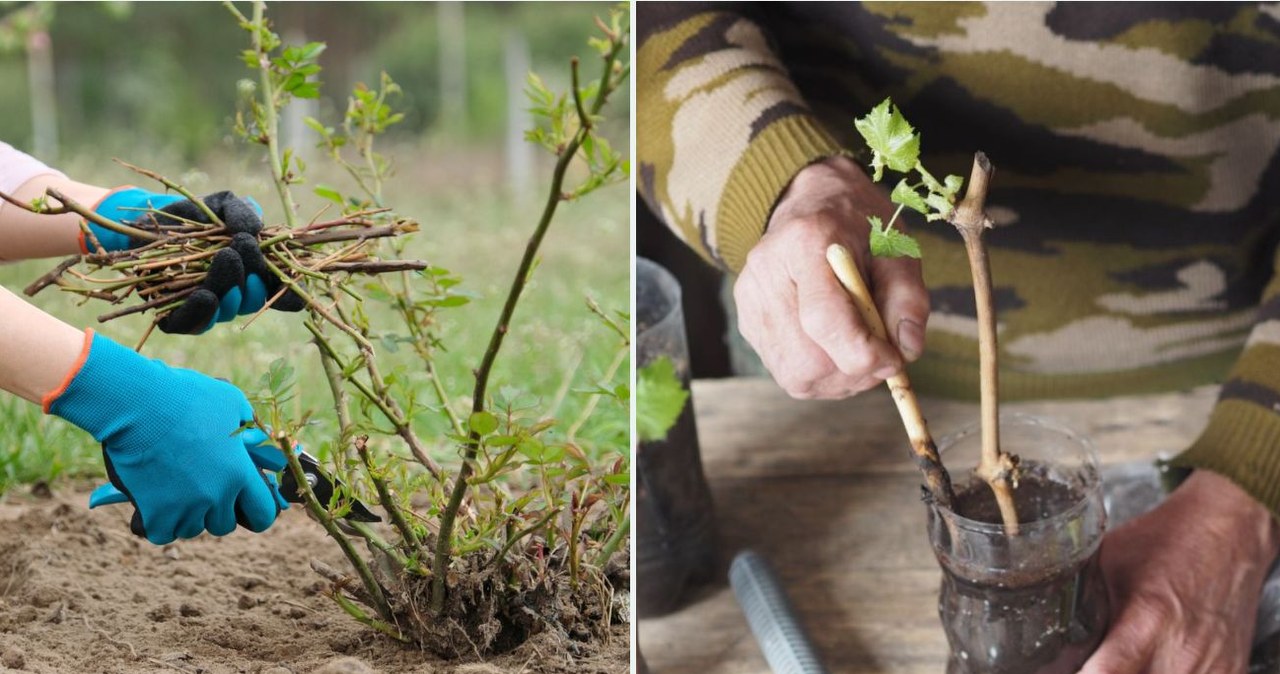
How to Protect Your Cuttings During Winter
Once all your cuttings are planted, the main task is protecting them until warmer weather arrives. They do not need constant attention, but a few simple precautions can improve their chances.
- Choose a sheltered position: Keep pots away from strong, drying winds and exposed locations.
- Protect against severe cold: In regions with harsh winters, use a sheltered cold frame or an unheated protected space when necessary.
- Check moisture: Inspect the rooting mix occasionally and add water only when it begins to dry.
- Ensure drainage: Containers should have drainage holes so excess water can escape.
- Keep everything labeled: Record each shrub’s name and the date the cuttings were prepared.
Do not assume that a cutting has rooted simply because buds begin to open. A stem can produce leaves using stored energy before it has developed a healthy root system. Give it time and avoid repeatedly pulling it out to check.

A Note About Plant Variety Rights
Before propagating a named cultivar, check whether it is protected by an active plant patent or plant variety right in your country. Rules can restrict propagation even when the plant is already growing in your garden. When in doubt, choose an unprotected variety or check the relevant local regulations first.
Final Thoughts
November is a useful month to experiment with hardwood propagation. Forsythia, hydrangeas, shrub roses, spirea, Rose of Sharon, red-twig dogwood, and elderberry all offer opportunities to grow additional shrubs from existing plants.
Success is never guaranteed, and some cuttings will take longer than others. Start with healthy stems, use a well-draining rooting mix, protect the containers from extreme conditions, and give them time. A little preparation now may reward you with several new shrubs when spring arrives.