
Introduction
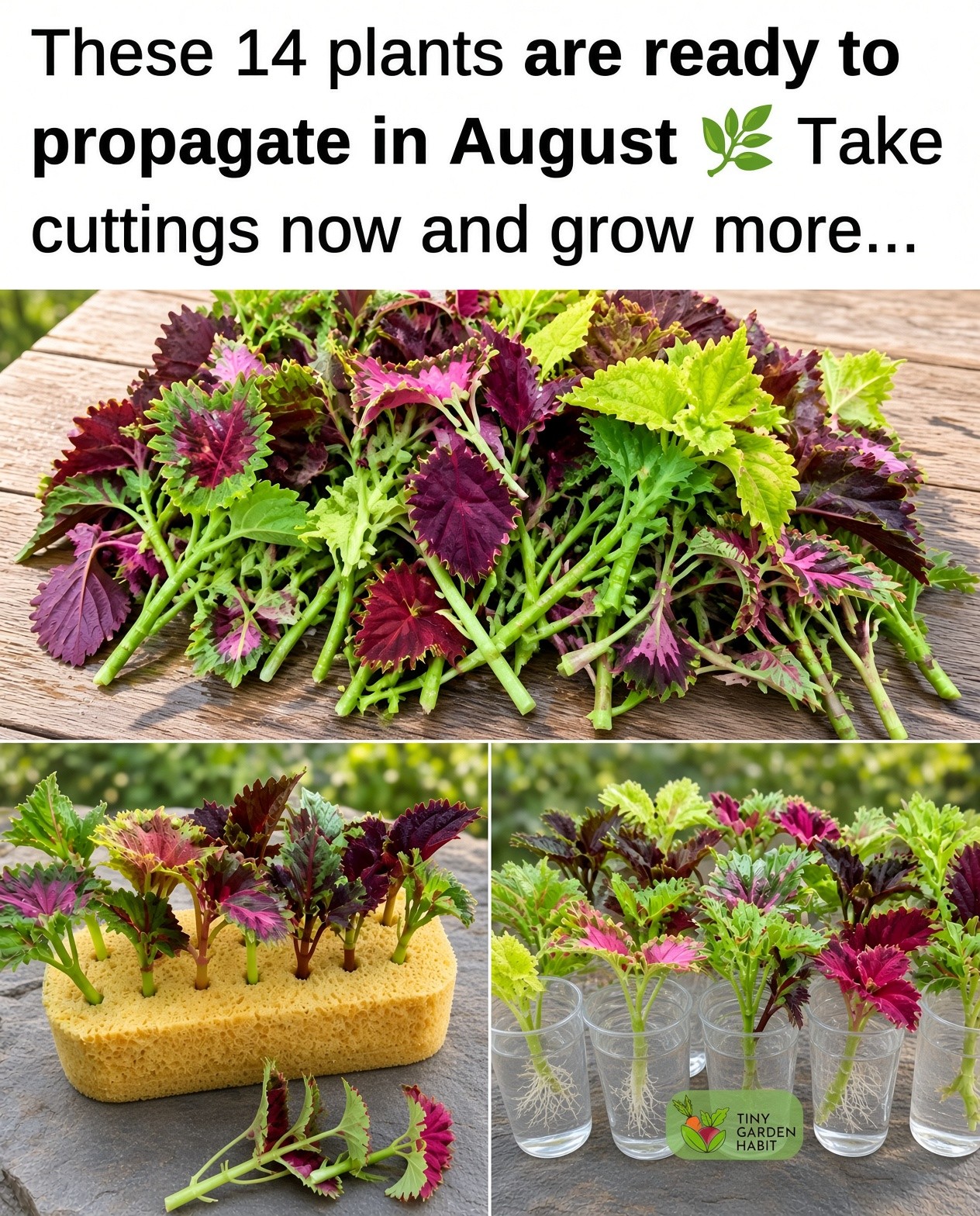
August is a surprisingly useful month for plant propagation. By late summer, many shrubs, herbs, perennials, and climbers have produced semi-ripe growth: stems that are beginning to firm up at the base while the tips are still flexible enough to root. This makes August a valuable window for taking cuttings before new growth becomes fully woody.

Propagating from cuttings is also one of the easiest ways to create more plants from specimens you already love. With clean tools, a suitable rooting mix, consistent moisture, and protection from harsh sun, you can turn a few healthy stems into new plants for your garden.
Why August Is a Good Time to Take Cuttings
Late summer often provides a useful balance between active plant growth and increasingly mature stems. Semi-ripe cuttings can be sturdier than very soft spring growth while still retaining enough youthful tissue to produce roots.
The exact timing depends on climate and plant variety. In a hot region, protect fresh cuttings from direct afternoon sun and drying winds. In cooler areas, make sure new cuttings have enough warmth and time to establish before winter arrives.
1. Lavender
Lavender is a fragrant perennial that can be propagated from semi-ripe cuttings in late summer. Choose healthy, non-flowering shoots around 4 to 6 inches long and make the cut just below a leaf node.

Remove the lower leaves and insert the cutting into a light, well-draining propagation mix. Lavender dislikes soggy conditions, so keep the medium lightly moist rather than saturated. Bright indirect light and good airflow can help reduce the risk of rot while roots develop.
2. Boxwood
Boxwood can be propagated from semi-ripe cuttings taken during summer and early fall. Select healthy shoots from the current season’s growth and prepare several cuttings because rooting speed can vary.

A gritty, well-draining compost can help prevent excess moisture around the stems. Keep the cuttings in a sheltered location with consistent moisture and indirect light. Boxwood can take several weeks to root, so patience is important.
3. Butterfly Bush
Butterfly bush is a vigorous shrub that can often be propagated from summer growth. Take healthy branch tips from non-flowering or lightly flowering shoots and remove the lower foliage before planting.

Keep the cuttings warm and protected from intense sunlight while they root. A humid environment can reduce moisture loss from the leaves, but provide ventilation so the foliage does not remain constantly wet. Once rooted, gradually acclimate the young plants before moving them into stronger light.
4. Holly (Ilex)
Hollies can be propagated from semi-ripe cuttings in late summer, although rooting speed varies among species and cultivars. Choose healthy stems from this year’s growth and make several cuttings to improve your chances of success.

Holly cuttings benefit from warmth, humidity, and a well-draining medium. Do not expect instant results: some hollies take considerably longer to form roots than softer-stemmed plants. Keep the cuttings protected and avoid letting the medium dry out completely.
5. Hydrangea
Hydrangeas are among the most popular shrubs to propagate from cuttings. In August, choose healthy non-flowering shoots and take roughly 4- to 6-inch stem tips, cutting just below a node.

Remove the lower leaves and keep one or two sets of leaves at the top. Hydrangea cuttings need consistent moisture while they root, but the container must still drain well. Place them in bright indirect light and protect them from hot midday sun.
6. Honeysuckle
Honeysuckle can be propagated from healthy lateral shoots during late summer. Choose non-flowering growth and prepare cuttings with several nodes, removing foliage from the portion that will be inserted into the rooting medium.

Keep the new cuttings out of direct, intense sunlight while roots develop. A humid, sheltered environment helps prevent the leaves from losing water too quickly. Once the cuttings are rooted, gradually expose them to normal outdoor conditions.
7. Sage
Garden sage is not only a useful culinary herb but also a practical plant to propagate from cuttings. Choose healthy, non-flowering semi-soft stems around 4 inches long and cut just below a node.

Remove the lower leaves and plant the cuttings in a light, well-draining medium. Keep them lightly moist and protected from harsh sun. Sage prefers good drainage, so avoid heavy, waterlogged soil that can encourage the stem base to rot.
8. Rosemary
Rosemary is another excellent herb for late-summer propagation. Take 3- to 4-inch tips from semi-woody branches and strip the lower foliage before inserting the cuttings into the rooting medium.

A gritty or sandy propagation mix can provide the drainage rosemary prefers. Keep the cuttings in bright indirect light and water carefully. Once roots develop, pot the young plants separately and protect them from severe cold if your climate has frosty winters.
9. Spirea
Spirea can be propagated from side shoots that have begun to harden. Select healthy material and take several cuttings so you have more than one chance to produce a strong new plant.

Use a rooting medium that drains freely while still retaining enough moisture around the developing roots. Keep the cuttings shaded from strong afternoon sunlight and check the medium frequently. Once rooted, gradually reduce humidity and move the plants into individual containers.
10. Geranium (Pelargonium)
Pelargoniums are particularly rewarding to propagate from cuttings because they can root relatively readily in warm conditions. Take 3- to 5-inch non-flowering stems and make the cut just below a node.

Remove the lower leaves and allow the cut surface to dry briefly if desired before planting in a well-draining medium. Keep the cuttings warm, bright, and protected from intense sun. Young plants can be overwintered in a protected location where winters are cold.
11. Penstemon
Penstemons can be propagated from semi-ripe side shoots in late summer. Select healthy stems that have started to firm up and take cuttings around 4 inches long, cutting just below a leaf node.

Plant them in a fertile but well-draining propagation mix and maintain even moisture. Because newly rooted penstemons may be vulnerable to winter cold, provide frost protection or keep them in a sheltered area until they are well established.
12. Verbena
Verbena can still be propagated in August, although rooting may be slower than it is earlier in the season. Take 3- to 4-inch soft tip cuttings from healthy, non-flowering stems.

Keep the cuttings warm and lightly shaded while they establish roots. Tender varieties are often best protected indoors or in a frost-free space as winter approaches. Once rooted, pinch the growing tips if you want bushier young plants.
13. Passionflower
Passionflower is commonly propagated by layering, which makes late summer a useful time to start the process. Instead of immediately cutting a flexible stem from the parent plant, bend it toward the soil and bury part of the stem while leaving the growing tip exposed.

Keep the buried section in contact with moist soil. Over time, roots can form at the buried node. Once a healthy root system has developed, the new plant can be separated from the parent and grown on independently.
14. Jasmine & Star Jasmine
Jasmine and star jasmine can be propagated from semi-hardwood cuttings in late summer. Select healthy stems, remove the lower leaves, and place the cuttings into a light rooting medium.

Warmth and high humidity can help the cuttings establish. A propagation dome or loose clear cover can maintain humidity, but provide ventilation to reduce fungal problems. Keep the new plants protected while they root and gradually acclimate them afterward.
How to Take Plant Cuttings in August
Start with a healthy parent plant and use clean, sharp scissors or pruning shears. Choose stems that are free from obvious pests, disease, or damage. Make your cut just below a leaf node whenever possible, then remove the lower leaves so they will not sit beneath the propagation medium.
Use a clean, airy rooting mix and pre-moisten it before planting. Rooting hormone is optional for many plants, but it can be useful for species that are slower to root. Keep newly planted cuttings warm, humid, and protected from direct midday sun.
Common Mistakes to Avoid
The biggest propagation mistake in August is allowing cuttings to dry out. Fresh stems can lose water quickly, especially in hot weather. At the same time, overwatering can cause the stem base to rot, so aim for evenly moist rather than saturated conditions.

Avoid taking cuttings from stressed or diseased plants, using dirty tools, or placing fresh cuttings in harsh sunlight. Take several cuttings of each plant when possible, because not every cutting will root at the same speed.
Final Thoughts
August can be an excellent month to expand your garden through propagation. Lavender, boxwood, butterfly bush, holly, hydrangea, honeysuckle, sage, rosemary, spirea, pelargonium, penstemon, verbena, passionflower, and jasmine all offer opportunities to create new plants from existing growth.
Success comes down to choosing suitable stems, keeping tools clean, providing the right rooting medium, and maintaining a stable environment while roots form. With a little patience, late-summer cuttings can become strong young plants ready to grow on for the next season.
SEO Keywords
plants to propagate in August, propagate plants from cuttings, August plant propagation, plants you can grow from cuttings, late summer propagation, how to take plant cuttings, propagate hydrangeas, propagate lavender, propagate rosemary, propagate jasmine