
Seeing high creatinine on a lab report can feel scary. Many people immediately start cutting foods at random, especially nuts and protein, hoping to “cleanse” the kidneys fast.
Here’s what most people misunderstand. Creatinine is a marker, not a toxin you flush overnight.
Food cannot cure kidney disease, but the right food choices can reduce unnecessary strain and support kidney function alongside medical care.
Why Creatinine Goes Up
Creatinine rises when:
- Kidney filtration is under strain
- Dehydration is present
- Protein intake is poorly balanced
- Inflammation or chronic conditions affect kidney function
Food choices matter because kidneys must filter protein byproducts, phosphorus, potassium, and sodium every day.
Foods People Often Avoid When Creatinine Is High
Certain Nuts & Seeds (Portion Matters)
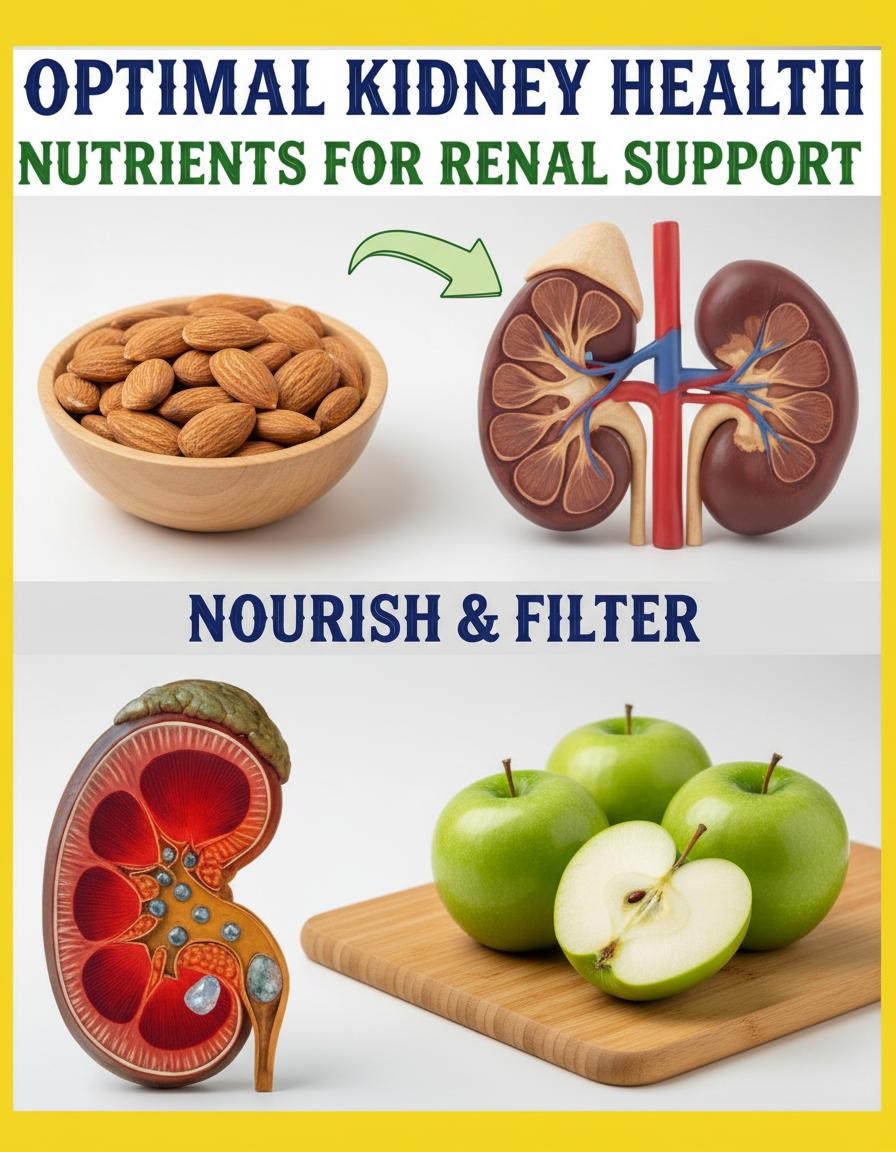
The image shows a pile of seeds/nuts often flagged online as “bad.”
Why people avoid them:
Many nuts and seeds are dense in phosphorus and protein, which can increase workload for compromised kidneys if eaten in large amounts.
Important clarification:
This does not mean all nuts are forbidden forever. It means:
- Portions matter
- Frequency matters
- Individual kidney stage matters
If creatinine is high, random snacking on large amounts of nuts or seeds can quietly add stress.
Gentler Choice: Onion
Why onion is kidney-friendly:
- Very low in protein
- Naturally low in potassium and phosphorus
- Adds flavor without relying on salt
- Supports appetite and digestion when protein intake is moderated
How to use it daily:
- Sauté with vegetables
- Add to soups and stews
- Use as a base for meals instead of heavy sauces
- Roast lightly for sweetness without sodium
Onions help meals feel satisfying without increasing kidney workload.
How to Build Kidney Supportive Meals
Instead of focusing on “cleansing,” aim to reduce filtration stress:
- Use onion as a flavor base
- Be mindful with nuts/seeds (small portions, not constant snacking)
- Spread protein intake evenly through the day
- Drink adequate water unless your doctor restricts fluids
- Limit excess salt and ultra-processed foods
This approach supports the kidneys quietly and consistently.
When You’ll Notice Changes (Realistic Timeline)
- A few days: Less bloating and better hydration awareness
- 2–4 weeks: Lab values may stabilize when diet and fluids are consistent
- Long-term: Best results happen with ongoing dietary balance and medical follow-up
Any promise to “cleanse kidneys fast” is misinformation.
Important Safety Notes (Please Read)
- High creatinine always requires medical guidance. Food supports care, it does not replace it.
- Do not eliminate protein completely unless instructed by a clinician.
- People with kidney disease need individualized plans, especially for nuts, seeds, potassium, and phosphorus.
- If creatinine rises suddenly, seek medical care promptly.
Final Takeaway
If creatinine is high, the goal is not extreme restriction or panic.
It is reducing unnecessary kidney strain through smart, gentle food choices.
Limiting heavy nut/seed snacking and leaning on low-stress foods like onion can help support kidney balance as part of a bigger care plan.