
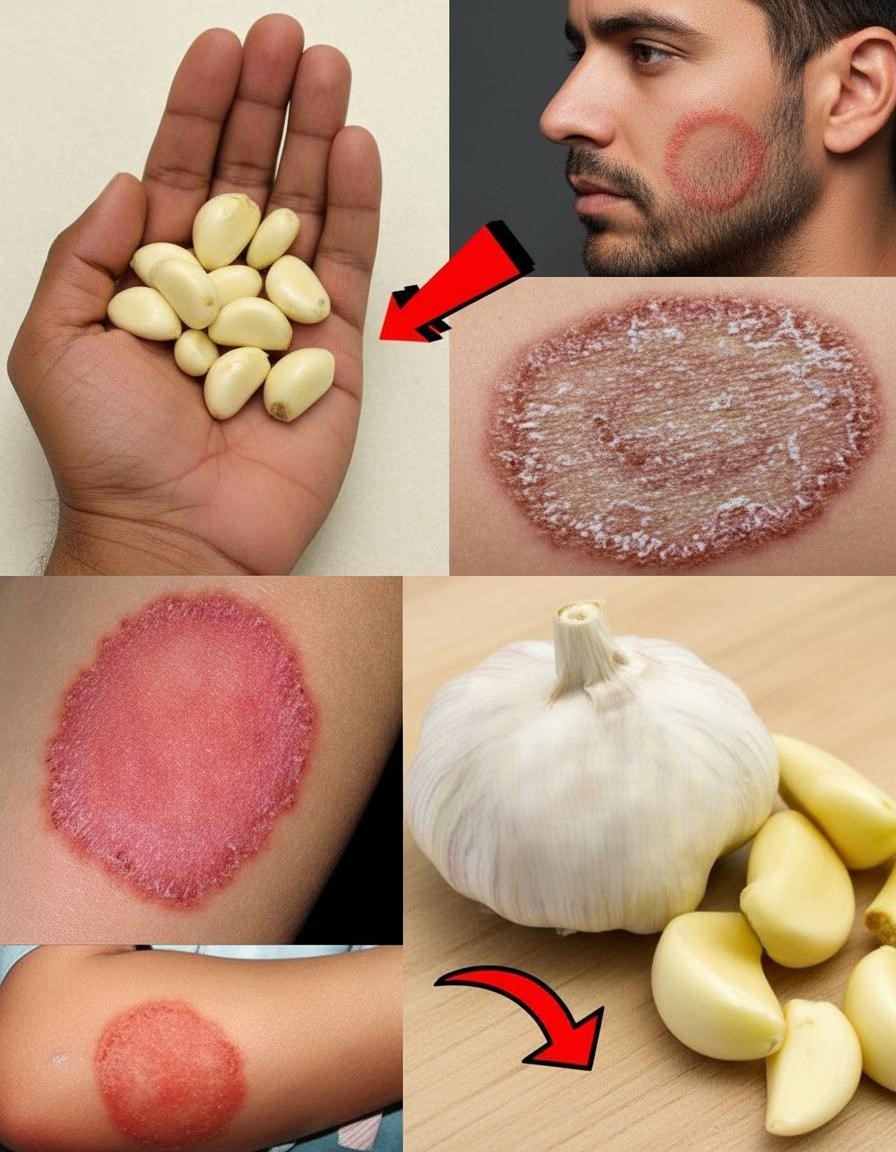
Imagine dealing with that persistent itchy, red, scaly patch on your skin that just won’t go away. Whether it’s the burning sensation between your toes from athlete’s foot, the embarrassing circular rash of ringworm, or those irritating red spots popping up on your body or even face — fungal skin infections can make everyday life miserable. They spread easily, linger for weeks, and often leave you feeling self-conscious and uncomfortable. The good news? Many people have turned to simple, kitchen-based ingredients like garlic and olive oil for gentle, natural support — and research suggests these everyday items may help ease symptoms thanks to their unique properties.
But here’s the intriguing part: when combined, garlic and olive oil create more than just a tasty dressing — they form a soothing topical blend that many find helpful for managing mild fungal discomfort. Keep reading to discover why this duo works, how to prepare it safely, and what real results you might notice.

Why Garlic Shows Promise Against Fungal Issues
Garlic has earned its reputation as a natural powerhouse for centuries, and modern lab research backs up much of the traditional wisdom.
The star player here is allicin — a sulfur-containing compound that forms when fresh garlic is crushed or chopped. Allicin exhibits strong antifungal activity in laboratory studies, showing the ability to inhibit the growth of various fungi, including common culprits like those from the Candida and Tinea (dermatophyte) families responsible for most skin fungal problems.
Studies have demonstrated that garlic extracts can disrupt fungal cell membranes and interfere with their metabolism, making it harder for the organisms to thrive. For instance, research has highlighted garlic’s potential against dermatophytes that cause ringworm and athlete’s foot.
But that’s not all… This natural compound also brings mild antibacterial and anti-inflammatory benefits, which can help calm the redness and irritation that often accompany these infections.

Olive Oil: The Ideal Natural Partner
Olive oil isn’t just a carrier — it plays its own supportive role.
Rich in healthy fats and antioxidants, extra-virgin olive oil helps moisturize dry, cracked skin often seen in fungal infections. This prevents further irritation from dryness and supports the skin’s natural barrier.
More importantly, olive oil enhances the delivery of garlic’s active compounds to the skin, allowing better absorption without harsh chemicals. Some lab tests have even shown olive oil itself to have mild inhibitory effects on certain fungi like Candida species when used in higher concentrations.
Together, the duo creates a gentle, nourishing mixture that soothes while potentially addressing the underlying fungal activity.
How to Prepare Your Own Garlic-Infused Olive Oil
Making this simple home remedy takes just minutes and uses ingredients you probably already have.
Ingredients:
- 5–6 fresh garlic cloves
- 3 tablespoons extra-virgin olive oil
Step-by-Step Instructions:
- Peel and finely crush or mince the garlic cloves (this activates allicin).
- Mix the crushed garlic thoroughly with the olive oil in a small pan.
- Gently warm the mixture over low heat for about 10 minutes — stir occasionally, but do not let it boil (high heat can destroy beneficial compounds).
- Remove from heat and let it cool completely.
- Strain out the garlic pieces using a fine mesh strainer or cheesecloth.
- Pour the infused oil into a clean glass bottle or jar and store in a cool, dark place.
This batch should last up to 1–2 weeks in the refrigerator. Always make fresh batches for best potency.

How to Apply It Safely for Best Results
Consistency is key with natural approaches — here’s a straightforward routine many people follow:
- First, gently clean the affected area with mild soap and lukewarm water, then pat completely dry.
- Using a clean cotton ball or pad, apply a thin layer of the garlic-infused oil to the irritated skin.
- Let it sit for 20–30 minutes (cover loosely with a bandage if needed to avoid staining clothes).
- Rinse off with warm water and pat dry.
- Repeat 2 times daily, preferably morning and evening.
Most people notice gradual improvement with regular use over several days to a couple of weeks.
Here are some quick tips for better results:
- Keep the area clean and dry throughout the day — fungi love moisture!
- Wear breathable cotton socks and loose clothing.
- Avoid sharing towels or shoes to prevent spreading.

Important Safety Tips and Precautions
While many find this remedy gentle, skin reactions can happen — especially with potent natural ingredients.
- Always do a patch test first: Apply a small amount to the inside of your forearm and wait 24 hours to check for redness, itching, or burning.
- Never apply to open wounds or broken skin — it may cause stinging or irritation.
- Garlic can be strong — if you experience any discomfort, dilute further with more olive oil or discontinue use.
- People with sensitive skin (especially on the face) should start with very small amounts or consult a professional first.
- Stop immediately if irritation worsens, and seek medical advice.
This approach is best for mild cases — persistent, severe, or spreading infections deserve professional attention.
What Kind of Results Can You Realistically Expect?
With daily use, many report that redness starts to fade, itching calms down, and scaling reduces within a few days to a week. The moisturizing effect from olive oil often leaves skin feeling softer and less inflamed over time.
Of course, results vary based on the severity of the issue and individual skin response. This natural option focuses on symptom relief and supportive care rather than replacing medical treatments.
Frequently Asked Questions (FAQ)
Can garlic and olive oil completely replace antifungal creams?
No — while lab studies show promising antifungal properties, this home remedy is best used as supportive care for mild symptoms. Persistent infections often need doctor-prescribed treatments.
How long should I use the garlic oil mixture?
Try for 1–2 weeks consistently. If no improvement after 7–10 days, or if symptoms worsen, see a dermatologist.
Is this safe for children or during pregnancy?
Extra caution is needed. Patch test thoroughly, and consult a healthcare provider first — especially for kids, pregnant individuals, or those with sensitive skin.
Disclaimer: The information in this article is for educational purposes only and is not intended as medical advice. Natural remedies like garlic and olive oil may provide supportive relief for mild skin discomfort, but they are not proven cures. Fungal skin infections can sometimes require professional diagnosis and treatment. Always consult a qualified healthcare provider or dermatologist before trying new remedies, especially if symptoms persist, worsen, or you have underlying health conditions. This is not a substitute for medical care.