
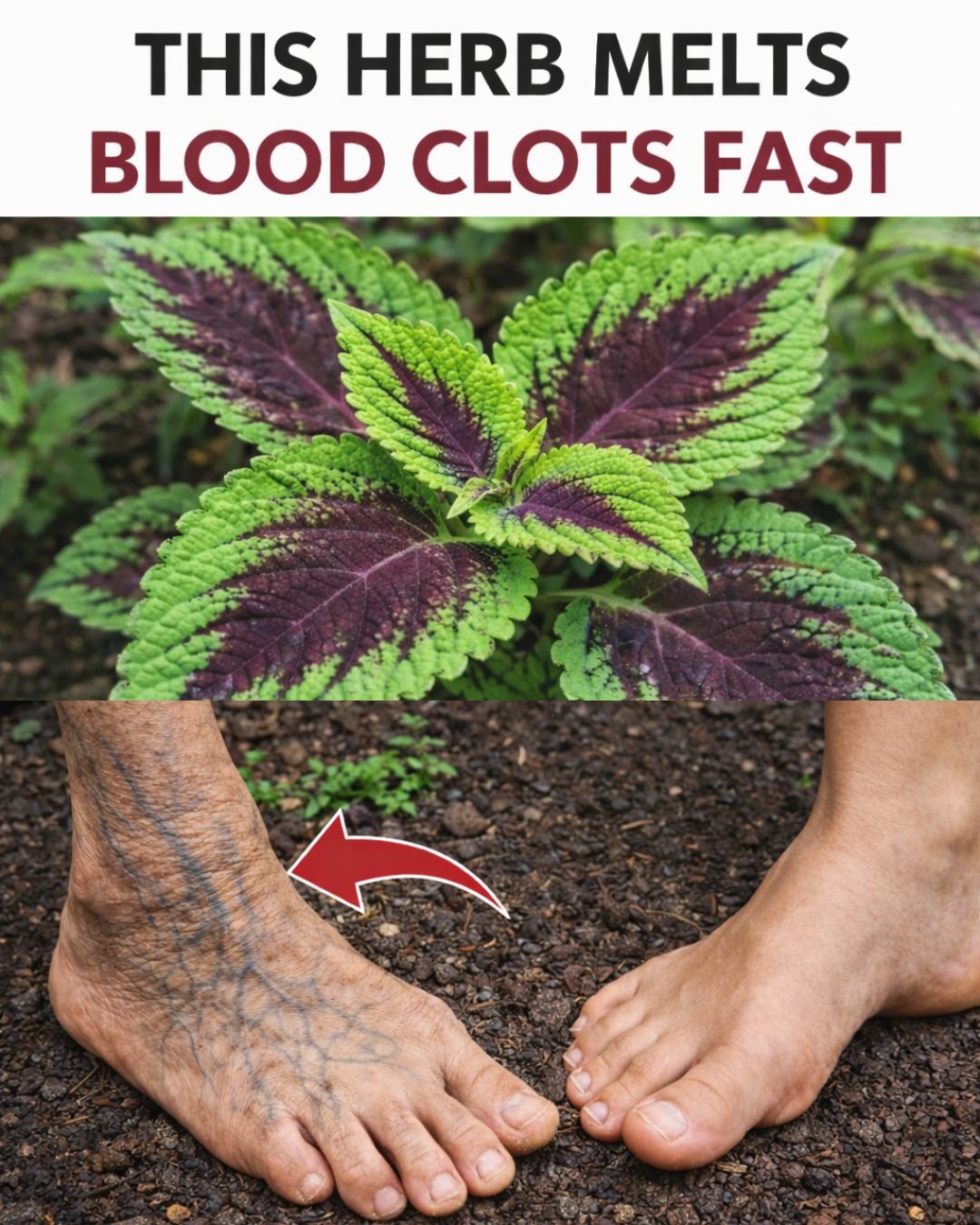
Blood clots are a natural part of how your body heals wounds, but when they form unnecessarily, they can lead to discomfort and raise concerns about circulation and heart health. Many people worry about maintaining smooth blood flow, especially as they age or deal with sedentary lifestyles, inflammation, or other everyday factors that might affect vascular wellness. The good news is that certain common kitchen ingredients and traditional herbs have drawn attention in research for their potential to promote better circulation through anti-inflammatory and supportive effects on blood platelets and flow.
But that’s not all—some of these everyday items might offer surprising ways to incorporate gentle support into your routine. Let’s explore some of the most talked-about options backed by studies, so you can see how they might fit into a balanced approach to wellness.

Why Focus on Natural Support for Circulation?
Maintaining healthy blood flow is key to feeling energized and reducing everyday aches. Research often highlights how certain plant compounds can influence platelet function, reduce inflammation, and encourage better vascular health without replacing medical care.

Here are some popular ones:
- Turmeric: This golden spice contains curcumin, a compound studied for its strong anti-inflammatory properties. Studies suggest curcumin may help inhibit platelet aggregation and support normal blood flow processes.
- Ginger: Known for its warming effect, ginger’s gingerol and natural salicylates have been linked in research to mild effects on platelet sticking and inflammation reduction, potentially aiding smoother circulation.
- Garlic: A staple in many kitchens, garlic’s compounds (like allicin) act as a natural supporter of cardiovascular health. Evidence points to its role in reducing cholesterol buildup and helping maintain healthy platelet activity.
- Cinnamon: This aromatic spice includes coumarin-like elements that may contribute to better blood movement and reduced clotting tendencies in moderate amounts.
- Cayenne Pepper: Rich in capsaicin, this spicy addition is associated with improved blood vessel dilation and enhanced flow, which could help lower risks related to poor circulation.
- Pineapple (Bromelain): The enzyme bromelain from pineapple stems and fruit has been examined for its ability to influence fibrin (a clot protein) and support the body’s natural breakdown processes, often noted in heart health discussions.
These common additions to meals or teas show promise in lab and some human studies for supporting circulatory wellness through everyday use.
Traditional Eastern Herbs for Blood Flow Support
In Traditional Chinese Medicine, several herbs have long been used to promote “blood movement” and reduce stagnation. While modern research is ongoing, these are commonly discussed:
- Dong Quai (Dang Gui): Often called a “blood nourisher,” it’s traditionally paired with others to encourage circulation and vitality.
- Motherwort (Yi Mu Cao): Known for helping with blood dynamics, especially in women’s health contexts.
- Achyranthes (Niu Xi): Supports downward blood movement and is used for lower body circulation.
- Red Peony (Chi Shao) and Ligusticum (Chuan Xiong): These are frequently combined in formulas to invigorate flow and ease discomfort from stagnation.
Always source these from reputable suppliers and consult professionals, as they can interact with medications.
Mushrooms and Their Circulatory Potential
Certain mushrooms stand out for their polysaccharide and triterpenoid content:
- Reishi (Lingzhi): Studies indicate it may help reduce platelet aggregation and support vessel function, contributing to overall cardiovascular comfort.
- Shiitake: Similar compounds show potential in improving blood vessel health and mild anti-clotting effects.
These functional foods are gaining popularity in teas, powders, or supplements for daily wellness.
Topical Options: Helichrysum Essential Oil
For external use, helichrysum (immortelle) essential oil is praised in aromatherapy for its anti-inflammatory qualities. When diluted and applied topically, it may soothe skin inflammation and support localized circulation. Note: It’s not for internal use without expert guidance.

Practical Ways to Incorporate These into Your Day
Want to start small? Here are simple, actionable steps:
- Add to meals: Sprinkle turmeric, ginger, garlic, or cayenne into soups, stir-fries, or teas for flavor and potential benefits.
- Make herbal teas: Brew fresh ginger or turmeric with a pinch of black pepper (to boost absorption) daily.
- Try pineapple snacks: Enjoy fresh pineapple or add bromelain-rich pieces to smoothies.
- Explore mushroom blends: Use reishi powder in coffee or evening drinks for a calming ritual.
- Dilute essential oils: Mix helichrysum with a carrier oil for gentle massage on legs or arms to encourage flow.
Start with small amounts and observe how your body responds—consistency matters more than quantity.
What to Keep in Mind Before Trying These
These foods and herbs are generally safe in culinary amounts, but supplements or high doses can interact with blood-thinning medications or affect surgery recovery. Research shows promising supportive roles, but they’re not substitutes for prescribed treatments.
Conclusion
Incorporating these spices, herbs, and natural elements into your lifestyle offers an accessible way to support healthy circulation as part of a broader wellness plan—including movement, hydration, and balanced eating. Small daily habits can add up to noticeable differences in how you feel.
FAQ
Can these spices replace blood-thinning medications?
No—these are supportive foods, not medical treatments. Always follow your doctor’s advice for any prescribed regimen.
How much should I consume daily for potential benefits?
Culinary amounts (like 1 tsp turmeric or a clove of garlic) are a safe start. Consult a healthcare provider for personalized guidance on supplements.
Are there risks if I have a health condition?
Yes, especially with blood-related issues or medications—some can enhance effects or cause interactions. Speak with a professional first.
Disclaimer: This article is for informational purposes only and does not constitute medical advice. The statements here have not been evaluated by the FDA. These products are not intended to diagnose, treat, cure, or prevent any disease. Consult your healthcare provider before making changes to your diet or supplement routine, especially if you have a medical condition or take medications.
(Word count: ~1350)
Just say “A” if you’d like me to generate 2 realistic UGC mobile photography style images (16:9 ratio) to illustrate key ingredients in the article—one focusing on fresh/dried turmeric, ginger, and garlic on a kitchen counter, and the other on pineapple with bromelain-rich elements plus cayenne and cinnamon for visual variety. They’ll have natural light, soft shadows, slight imperfections, and a handheld smartphone feel.